Choosing a reliable snus packaging machine supplier in Suriname requires careful evaluation of technical capability, regulatory awareness, cultural fit, and after-sales support. Whether you are launching a nicotine pouch brand for Paramaribo retailers or expanding distribution to regional kiosks, this guide walks you through practical steps to identify a partner who delivers consistent equipment performance, compliant packaging solutions, and local market insight.
Why selecting the right supplier matters in Suriname
The Surinamese market is small but diverse, with consumers from Creole, Hindustani, Javanese, Indigenous and Maroon communities. Business relationships often value trust, clear communication and in-person demonstrations. A supplier who understands local language preferences (Dutch and Sranan Tongo), retail habits, and regulatory nuances will help you avoid costly mistakes such as incorrect labeling, unsuitable pouch formats, or machines that are hard to maintain locally.
Understand local regulations and cultural nuances
⚠️ Check national rules first: Nicotine-containing products may be subject to health warnings, excise taxes, import restrictions, or bans. Always consult Suriname’s customs and health authorities or legal counsel before importing equipment or finished products.
🔍 Respect cultural sensitivities: Marketing and packaging content should consider religious and cultural groups. Use neutral, non-offensive imagery and consider providing labeling in Dutch and optionally Sranan Tongo for better local resonance.
Supplier qualifications to verify
✅ Certifications and standards: Ask for CE, ISO certificates and proof of compliance with international safety standards. Suppliers with recognized certifications reduce the risk of buying substandard machines.
✅ Proven industry experience: Prior success with snus or nicotine pouch lines is vital. Look for manufacturers with decades of experience and a track record in multi-lane or small-dose pouch systems.
✅ Factory & production capacity: A sizable manufacturing facility and advanced CNC/assembly centers indicate the ability to deliver reliable, high-precision machines and spare parts on schedule.
Key proof points to request
• Factory photos and equipment lists (CNC, testing rigs).
• Customer references or case studies demonstrating long-term machine stability.
• A list of available models and customization options.
Technical features to evaluate for snus packaging
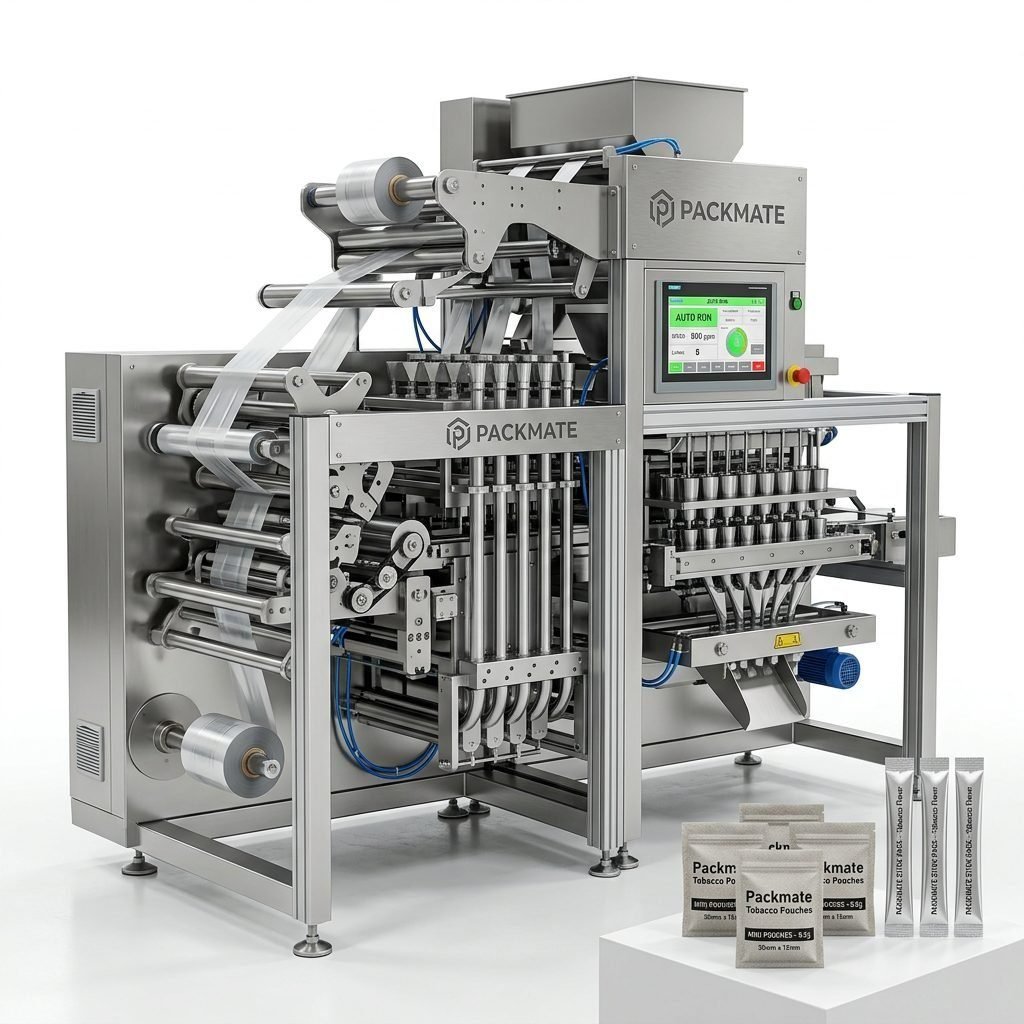
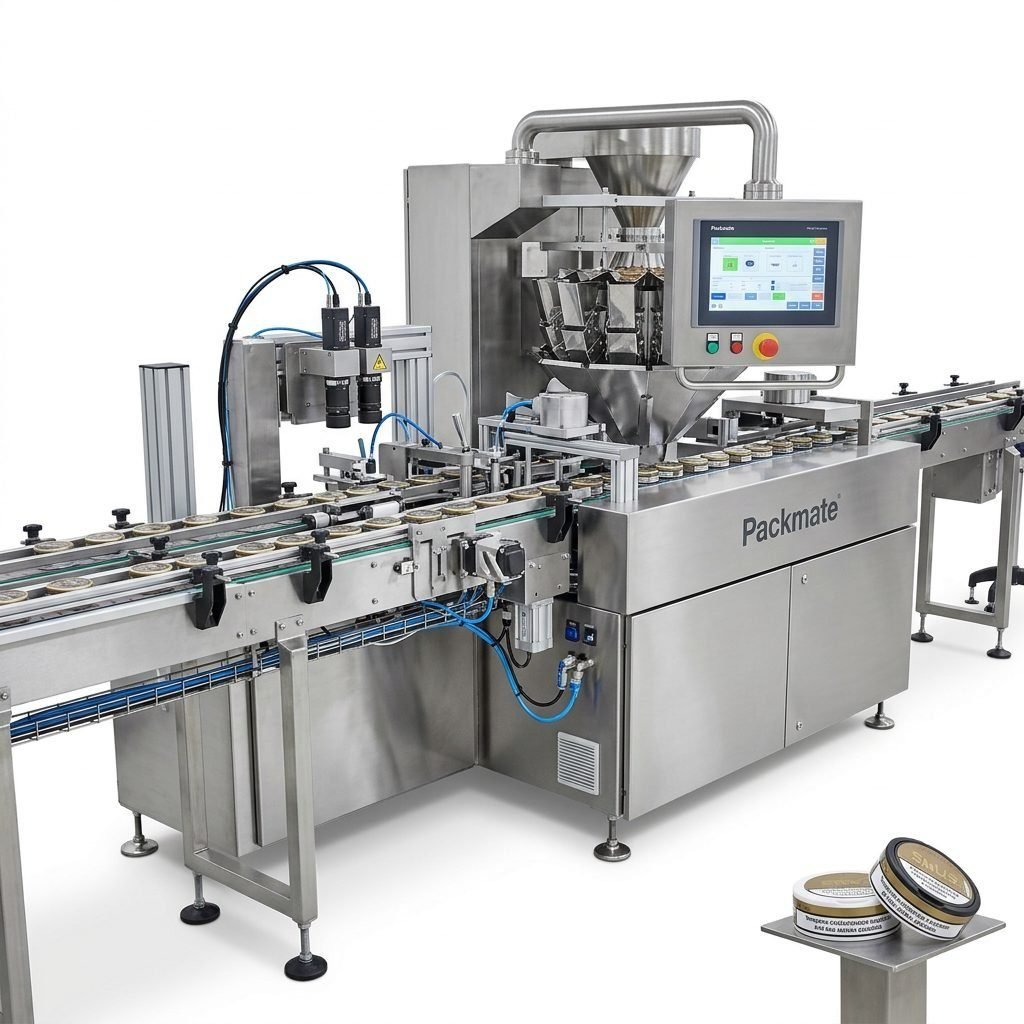
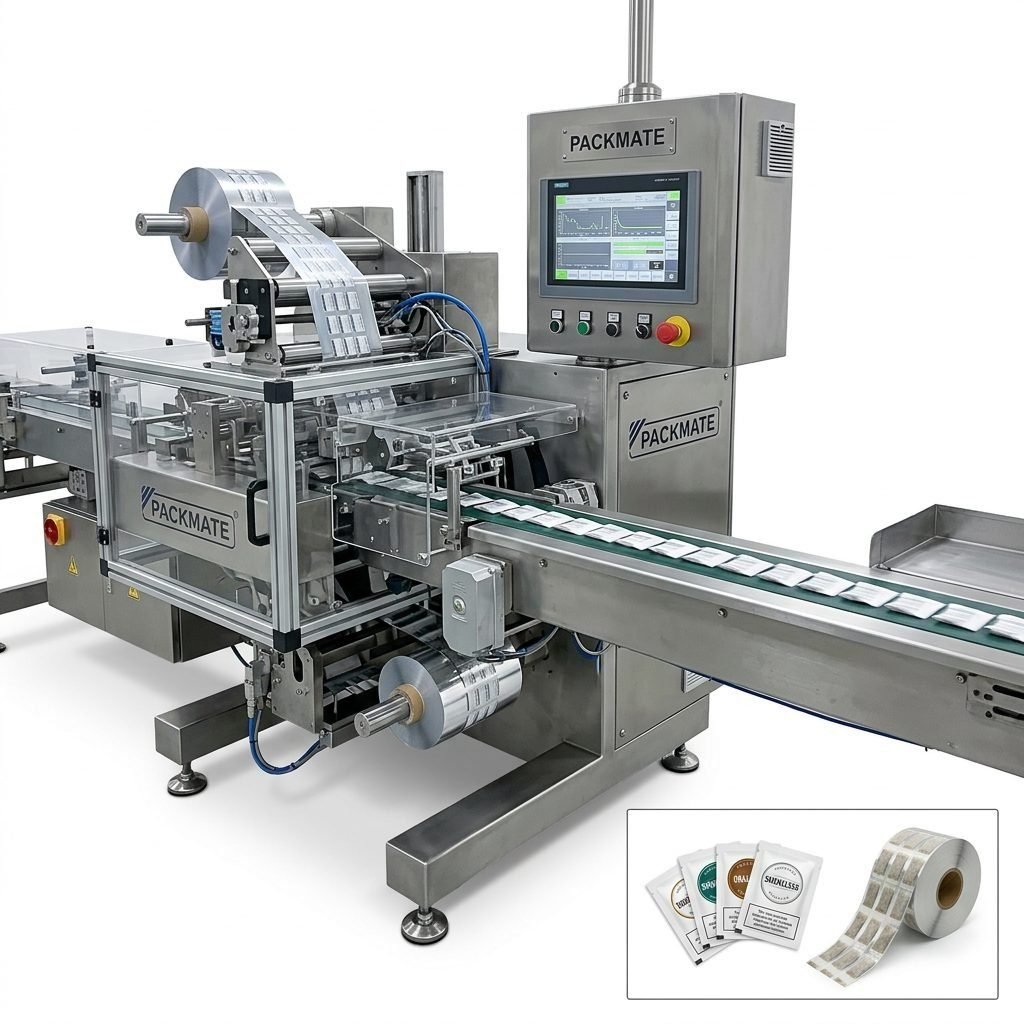
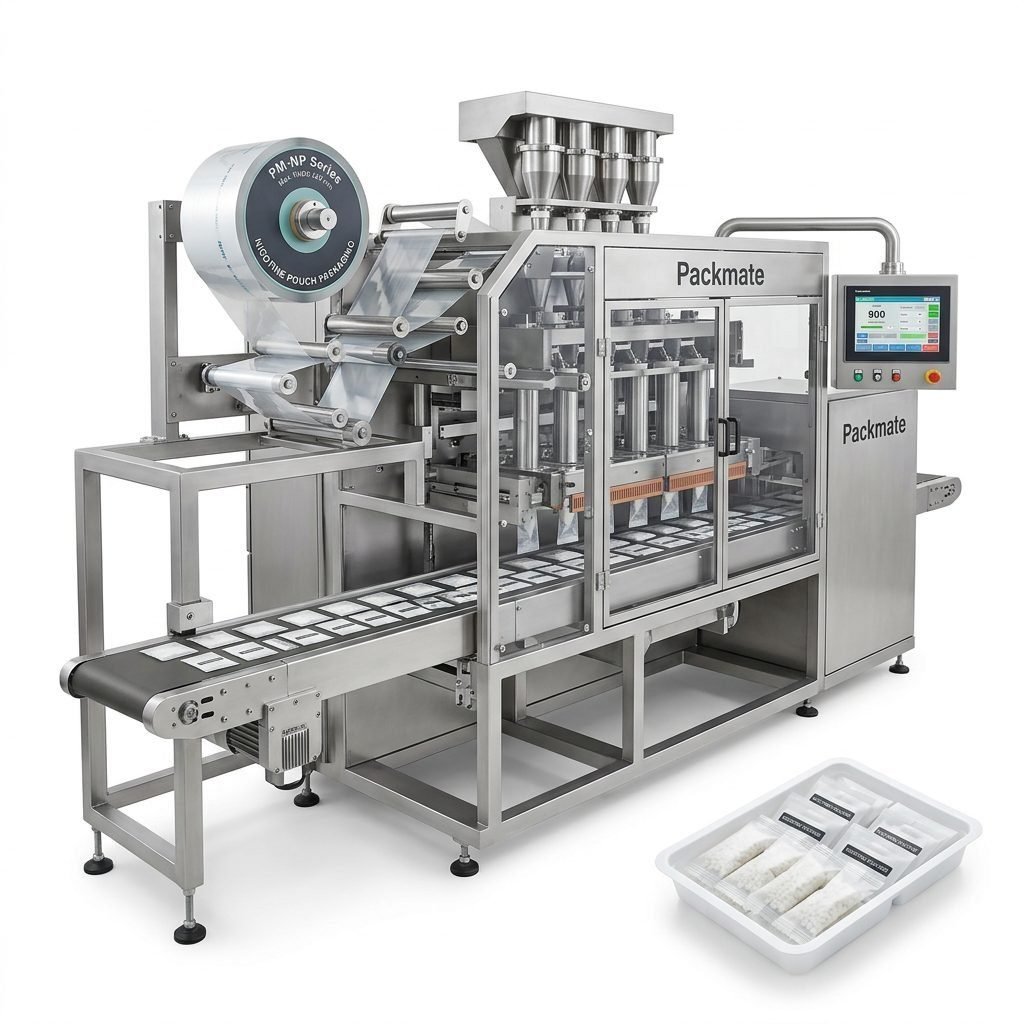
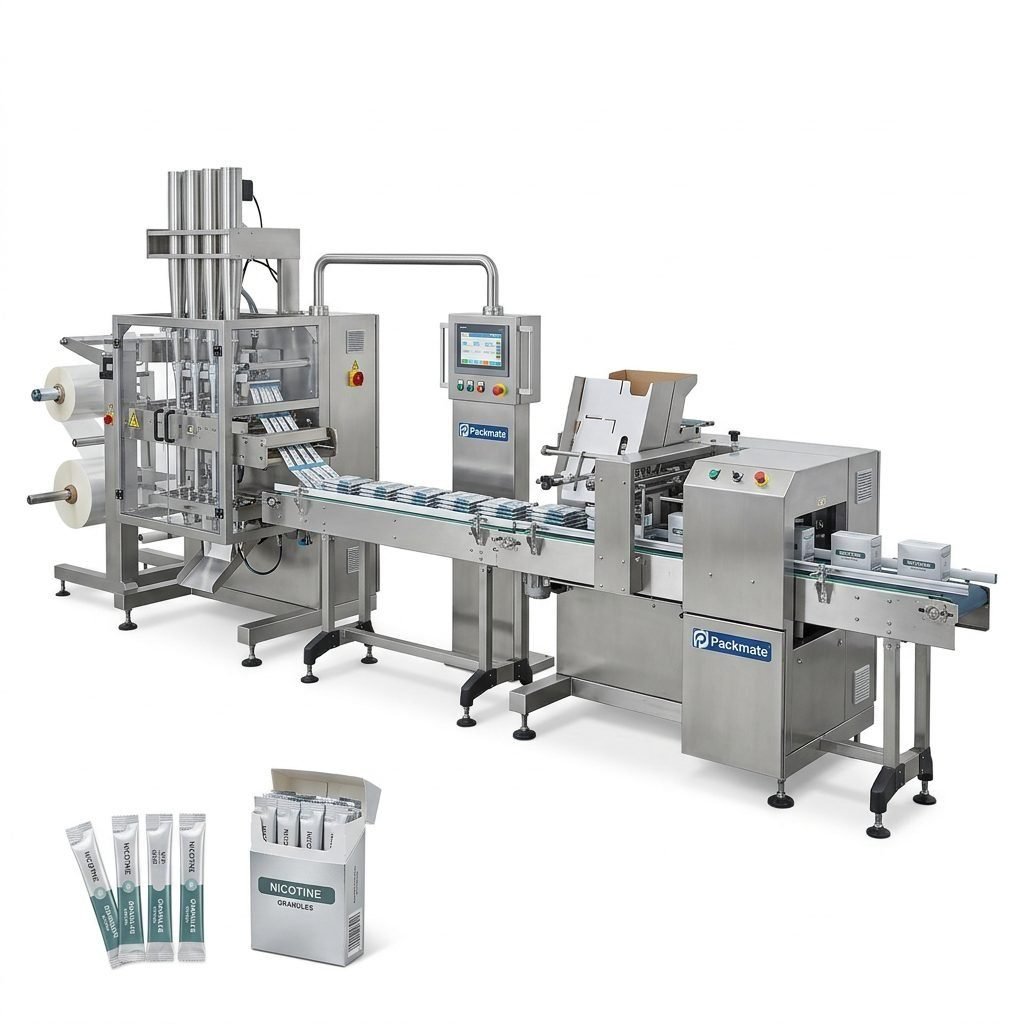
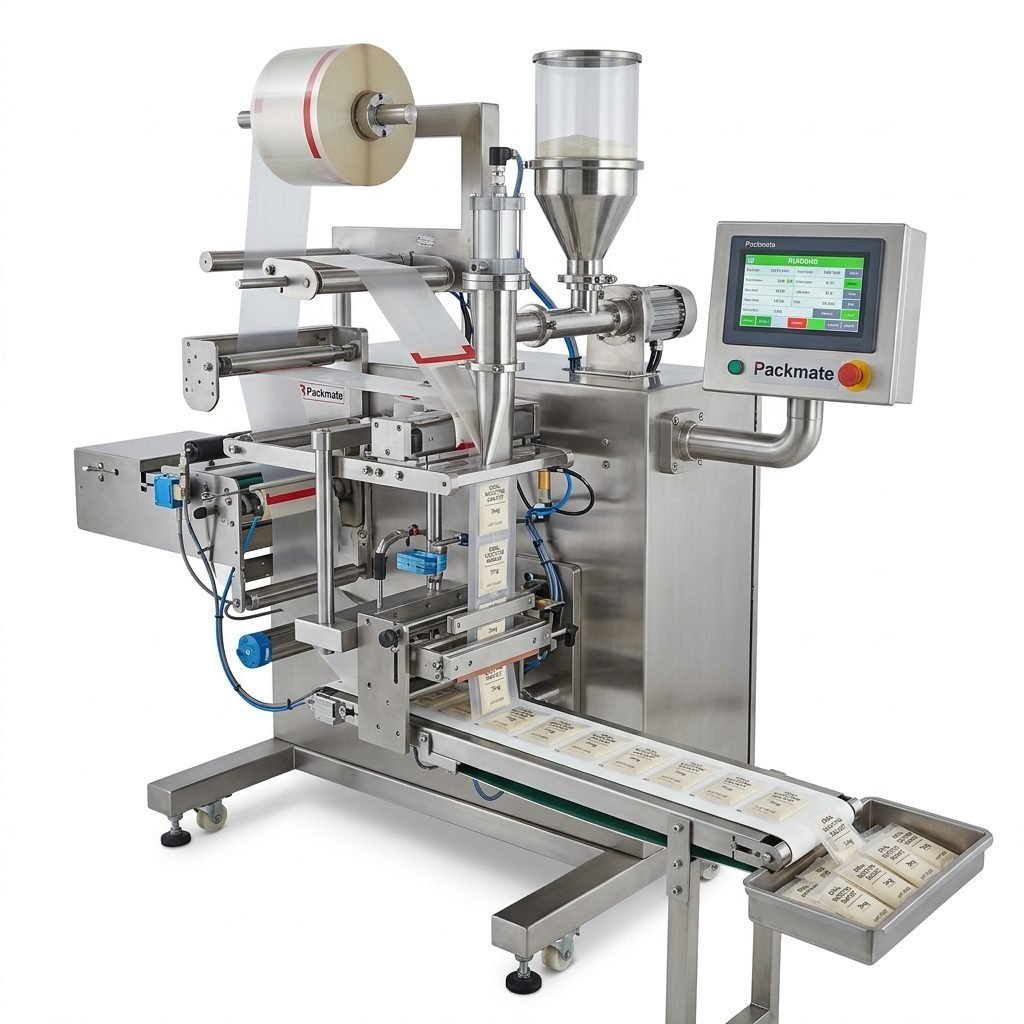
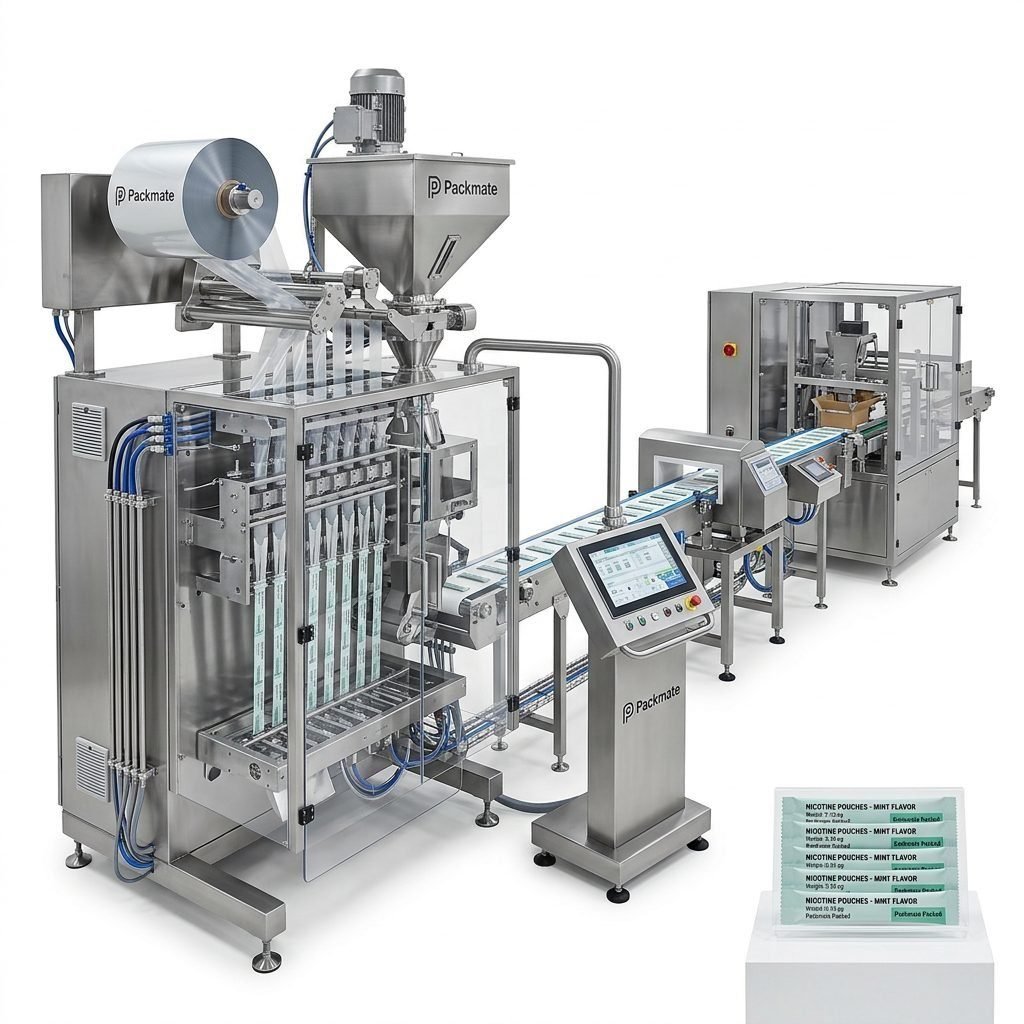
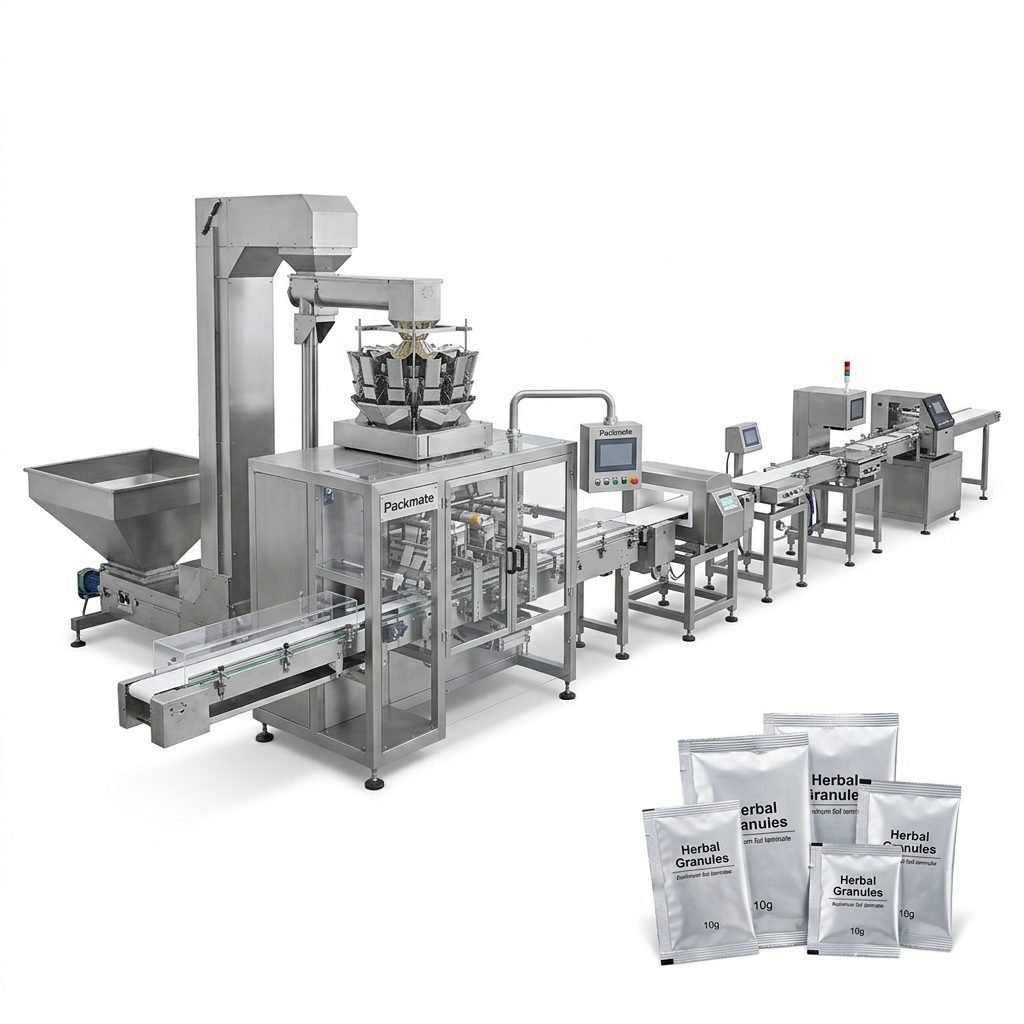
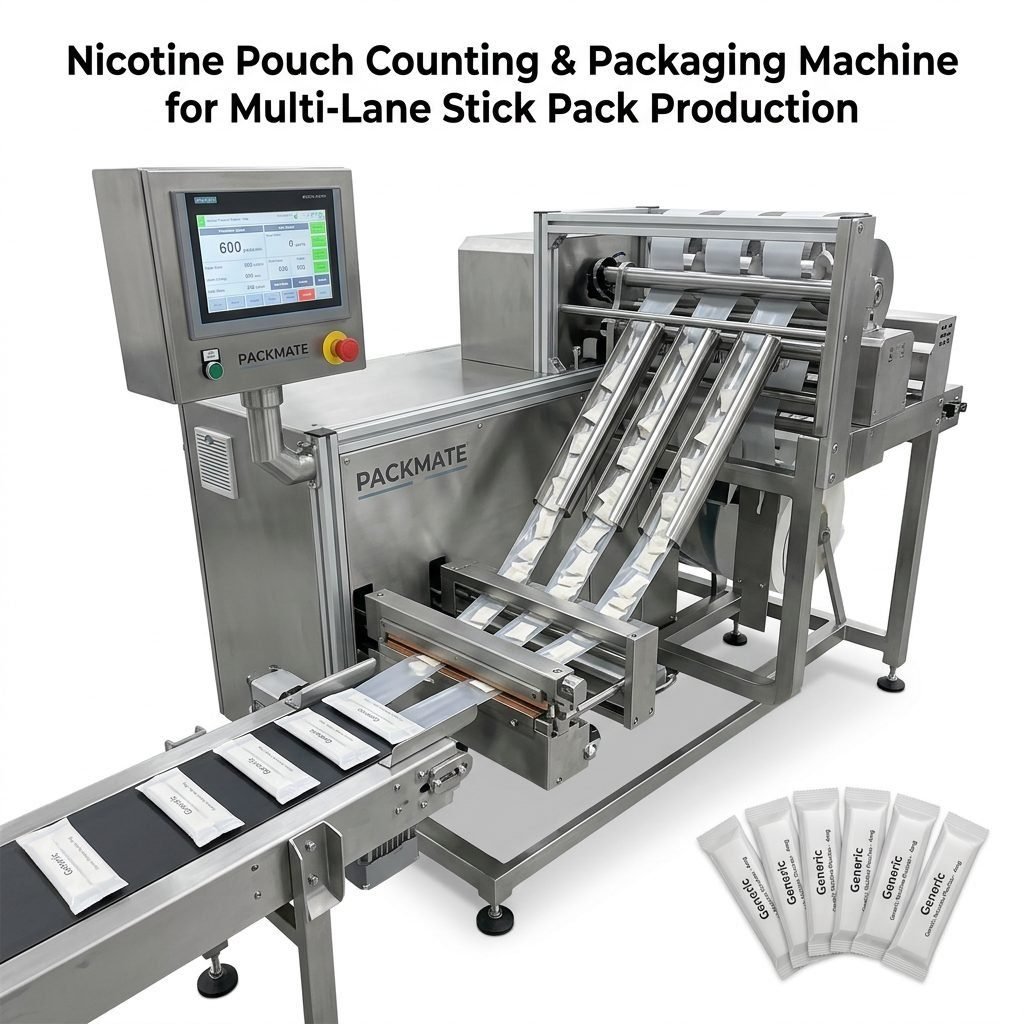
⚙️ Packaging formats: Ensure the supplier supports your required formats — nicotine pouches (snus), stick pack, sachet, multi-lane sachet systems, and bag or pouch options for retail. See product ranges such as Snus & Nicotine Packaging Machines and Bag & Pouch Packaging Machines.
🧪 Accuracy & dosing: For small-dose nicotine pouches, weigh-fill accuracy and consistent pouch weights are critical. Inquire about integrated weighing systems or compatibility with weighing & packaging systems.
🔄 Speed & multi-lane capability: Multi-lane machines boost throughput while maintaining a small footprint — important if your Suriname operations need space-efficient lines.
🧩 Interchangeability & spare parts: Ask about standardization of parts, availability of spares, and lead times for replacements in case of breakdowns.
After-sales service, training and support
📞 Local technical support: Confirm whether the supplier offers remote troubleshooting, scheduled maintenance training, and the possibility of sending engineers on-site for commissioning in Suriname.
🎓 Operator training: Comprehensive operator and maintenance training reduces downtime. Ask for training materials that can be translated into Dutch or adapted for local technicians.
🌐 Global exhibitions & demos: Suppliers who demonstrate machines at international trade shows or provide video demos help you validate machine performance before purchase. See supplier exhibition activities for live demonstrations: Our Exhibition.
✔️ Quick checklist:
• Proof of CE/ISO certification; machine safety documents.
• Factory scale and CNC capabilities (indicates precision).
• Spare parts availability and logistic lead times to Suriname.
• After-sales support plan, training scope, and warranty terms.
• On-site commissioning and testing protocol before final acceptance.
Price, payment and logistics considerations
💰 Total cost of ownership: Factor in the machine price, shipping, customs duties, local installation, spare parts, and energy consumption. A lower upfront price can mean higher lifetime costs if reliability or parts availability is poor.
🧾 Payment terms: Negotiate clear terms: down payment percentage, progress milestones, delivery schedule, and retention until successful commissioning in Suriname.
🚢 Shipping & customs support: Ask the supplier for assistance with packaging for export, required certificates for customs clearance, and recommended freight forwarders familiar with Suriname.
Factory visits, FAT and commissioning
🏭 Factory Acceptance Test (FAT): Insist on a FAT where your team or a third-party inspects machine performance with your product or simulated weights. This reduces surprises during installation in Suriname.
✈️ On-site commissioning: Plan for supplier engineers to supervise installation and first production runs. If travel is difficult, ensure robust remote support and documented commissioning steps.
Local packaging & marketing tips specific to Suriname
Suriname’s multilingual population and close-knit retail network shape how products are received. Consider these practical tips:
• Use clear Dutch labeling for compliance and consumer understanding; add Sranan Tongo for community-friendly messaging where relevant.
• Keep pouch sizes and price points aligned with local purchasing power — single-use or small-count retail packs often perform well in street kiosks and small shops.
• Avoid culturally sensitive symbols or claims; respect religious customs when designing flavors or promotional copy.
Distribution channels to consider
• Urban supermarkets and convenience stores in Paramaribo.
• Local kiosks and roadside shops where small-pack purchases are common.
• Duty-free and travel retail if you target tourists and cross-border shoppers.
How a reputable manufacturer can support your Suriname rollout
A strong supplier offers more than machines: they provide turnkey solutions including machine selection, packaging materials recommendations, installation, staff training and ongoing maintenance. Look for suppliers who publish case studies and product ranges so you can match the right equipment to your volume and format needs — for example, review their product lines like Sachet & Stick Pack Machines and broader filling lines at Filling & Packaging Lines.
Why operational transparency matters
Transparency about production schedules, spare part inventories, and warranty response times helps you plan inventory and avoid production gaps. A supplier who shares factory capabilities, certifications, and global references demonstrates confidence and reliability — see more about the manufacturer’s credentials at Certificate.
📌 Final selection checklist
• Verified CE/ISO docs and operational factory with CNC capabilities.
• Demonstrated experience with nicotine pouch/snuse formats and multi-lane systems.
• Clear FAT protocol, remote support and local commissioning plan.
• Transparent lead times for spare parts; training materials in Dutch where possible.
Practical next steps for buyers in Suriname
1) Shortlist 3–5 manufacturers with clear snus/nicotine experience. 2) Request detailed proposals including model specifications, expected output (pouches/min), energy consumption, spare parts lists and training offerings. 3) Arrange a FAT or video demo using your product. 4) Check references and ask for case studies — many suppliers maintain an online portfolio of projects; you can find examples on their Case page. 5) Negotiate a balanced payment and commissioning schedule and plan logistics to Suriname with customs counsel.
How Packmate-like partners can ease the process
Manufacturers with a long history in packaging machinery — decades of R&D, multiple product lines, and extensive factory capabilities — are better positioned to provide tailored solutions and long-term support. Explore supplier backgrounds and offerings on their company page to understand capabilities and corporate history: About Packmate.
If you need contact details or want to request a quote, use the supplier’s contact portal to start a conversation about specific models, spare parts, and training: Contact Us.
Summary
Choosing a reliable snus packaging machine supplier for Suriname involves technical due diligence, cultural and regulatory awareness, strong after-sales support, and careful logistics planning. Prioritize suppliers with proven snus/nicotine experience, robust factory capabilities, clear FAT and commissioning processes, and the ability to provide training and spare parts. Align packaging and labeling with local language and cultural preferences to optimize market acceptance.
Common Questions (FAQs)
Q1: How do I check if a packaging machine is compatible with nicotine pouches?
A1: Request technical specs, sample runs using your product or a similar weight, and a FAT demonstration. Confirm dosing accuracy, sealing quality, and pouch format capabilities.
Q2: What documentation is essential for importing machines into Suriname?
A2: Typical documents include commercial invoice, packing list, certificate of origin, machine certifications (CE/ISO), and any manufacturer compliance statements. Verify exact demands with Surinamese customs or your freight forwarder.
Q3: How can I ensure timely spare parts supply to Suriname?
A3: Negotiate spare parts agreements with defined lead times, request a starter kit of critical consumables, and confirm local stocking options or quick shipping channels.
Q4: Is on-site commissioning necessary?
A4: On-site commissioning is highly recommended for first installations to ensure correct setup and staff training. If on-site visits are constrained, confirm extensive remote support and documented commissioning steps.
Q5: Where can I find examples of snus packaging lines and supplier credentials?
A5: Review product pages and case studies on supplier websites, including sections for specific machine types and certificates. Useful resources include product catalogs and exhibition portfolios that showcase live demos and real-world installations.