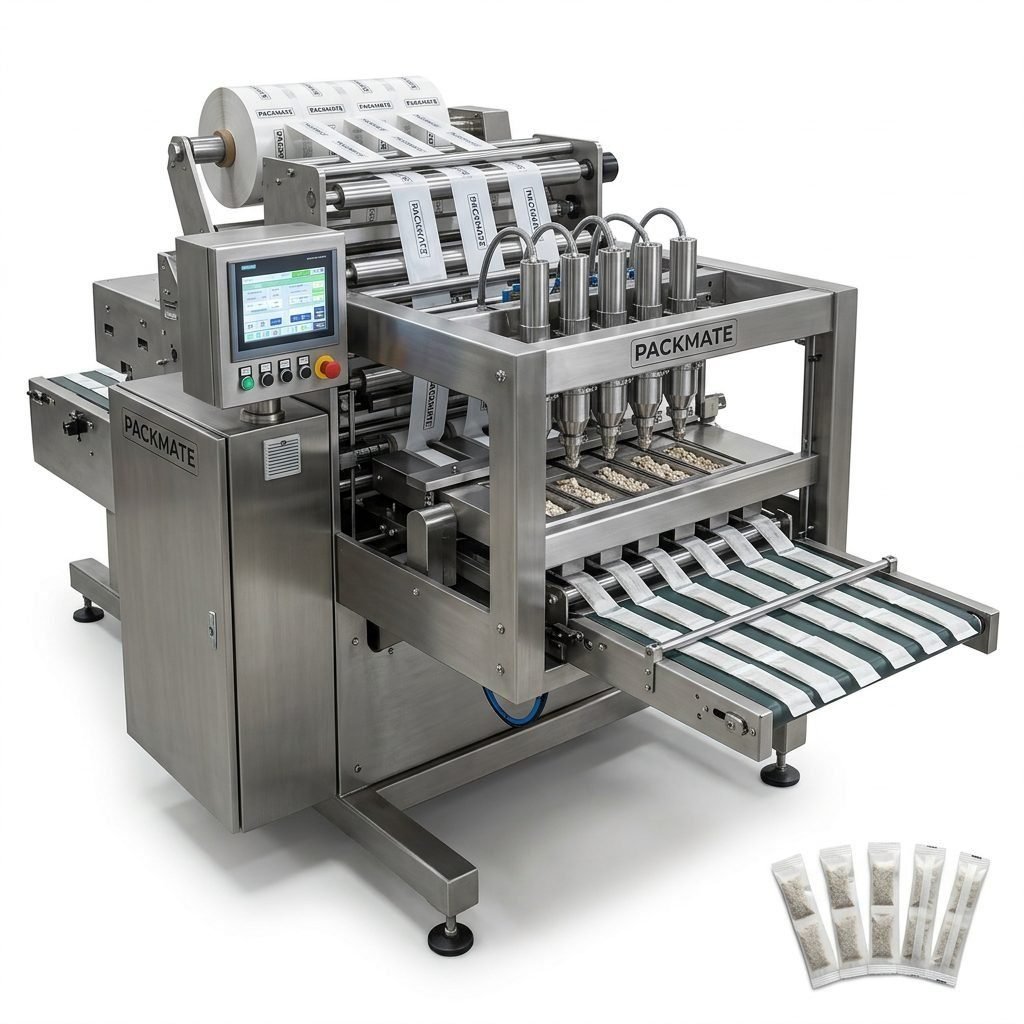
Choosing the right nicotine packaging machinery supplier for your factory in Brazil requires more than comparing specs and prices. It means aligning machine performance, local regulatory compliance, after-sales support, and cultural fit so your production runs smoothly from installation through long-term operation. This guide walks you through practical steps and expert tips to select a supplier who understands both the technical demands of snus and nicotine pouch packaging and the unique commercial environment in Brazil.
Understand Brazil’s Market & Regulatory Context
Brazil has a complex regulatory landscape for nicotine products that varies by state and can change quickly. Before you sign any contract, verify local and federal regulations related to nicotine-containing products, labeling, and packaging. Work with legal advisors or local consultants who understand ANVISA and state-level rules to ensure your packaging line will meet compliance requirements.
Tip: Brazilian buyers appreciate suppliers who proactively address compliance. A supplier who can advise on material compatibility, tamper-evident seals, and child-resistant solutions brings immediate value.
Consider Consumer Preferences & Cultural Habits
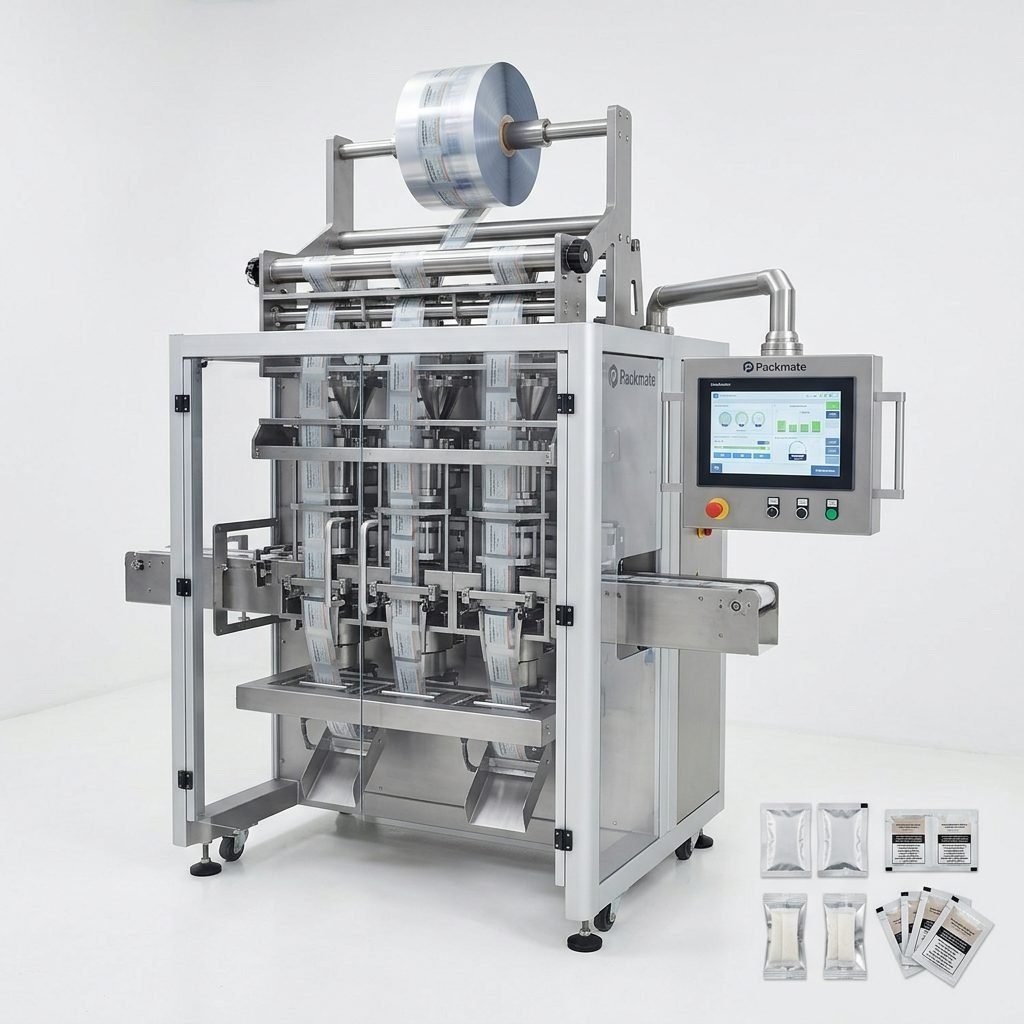
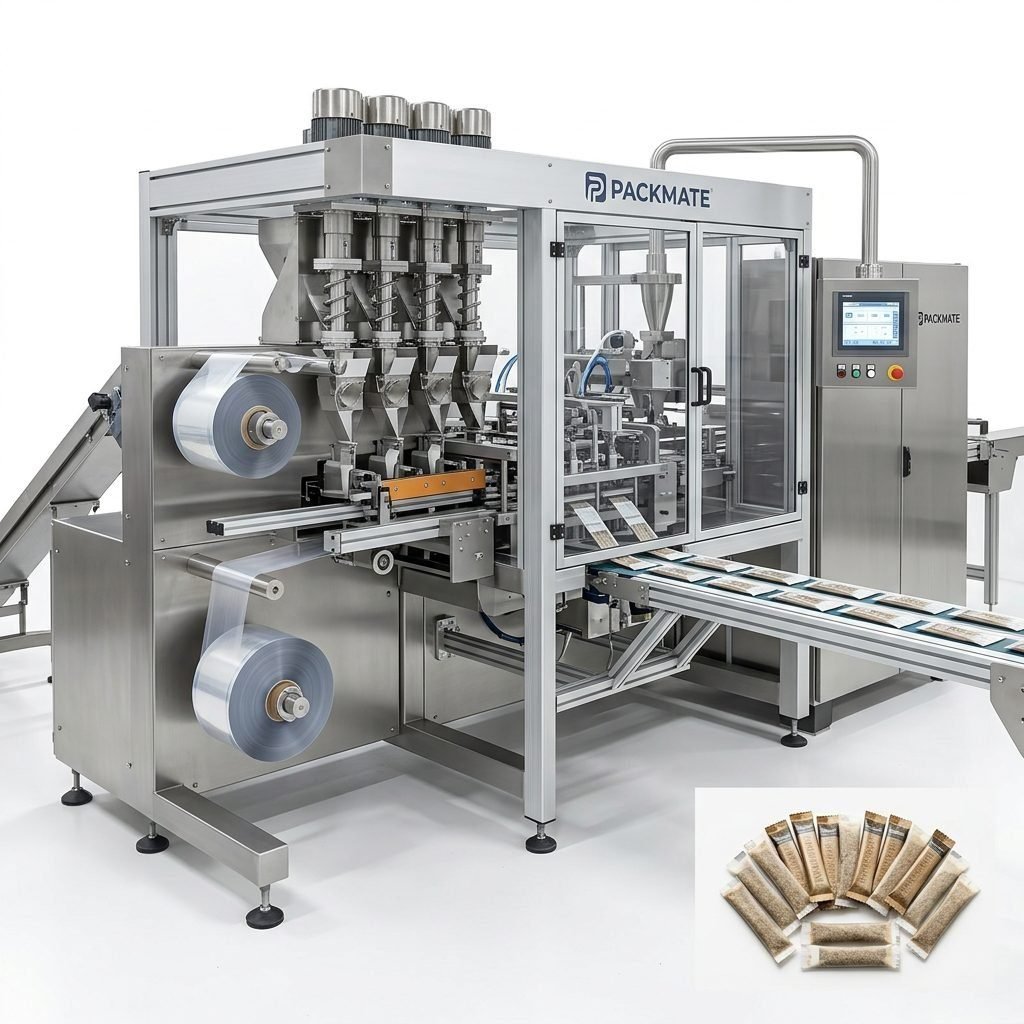
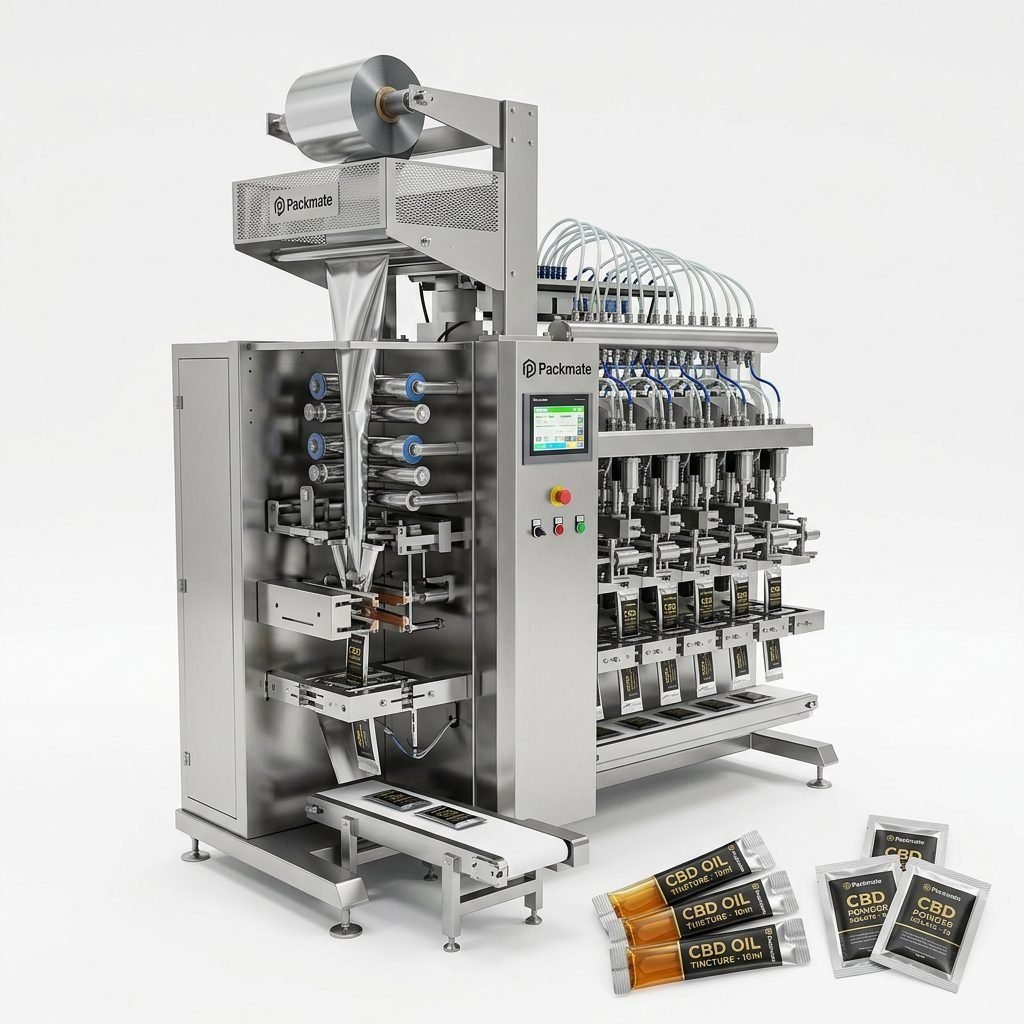
In Brazil, packaging design and formats can influence consumer acceptance. Local preferences may lean toward discreet, easy-to-carry formats, bright branding, and clear Portuguese labeling. A machine capable of flexible formats—stick packs, sachets, multi-lane nicotine pouches—lets you adapt quickly to market trends and seasonal demand spikes (for instance, during holidays or festivals such as Carnival when retail patterns may shift).
Key Technical Criteria to Evaluate
When evaluating machinery, prioritize reliability, throughput flexibility, and precision dosing. Consider these core technical points:
- ⚙️ Throughput & Scalability: Can the machine handle your target daily output and scale via multi-lane configurations?
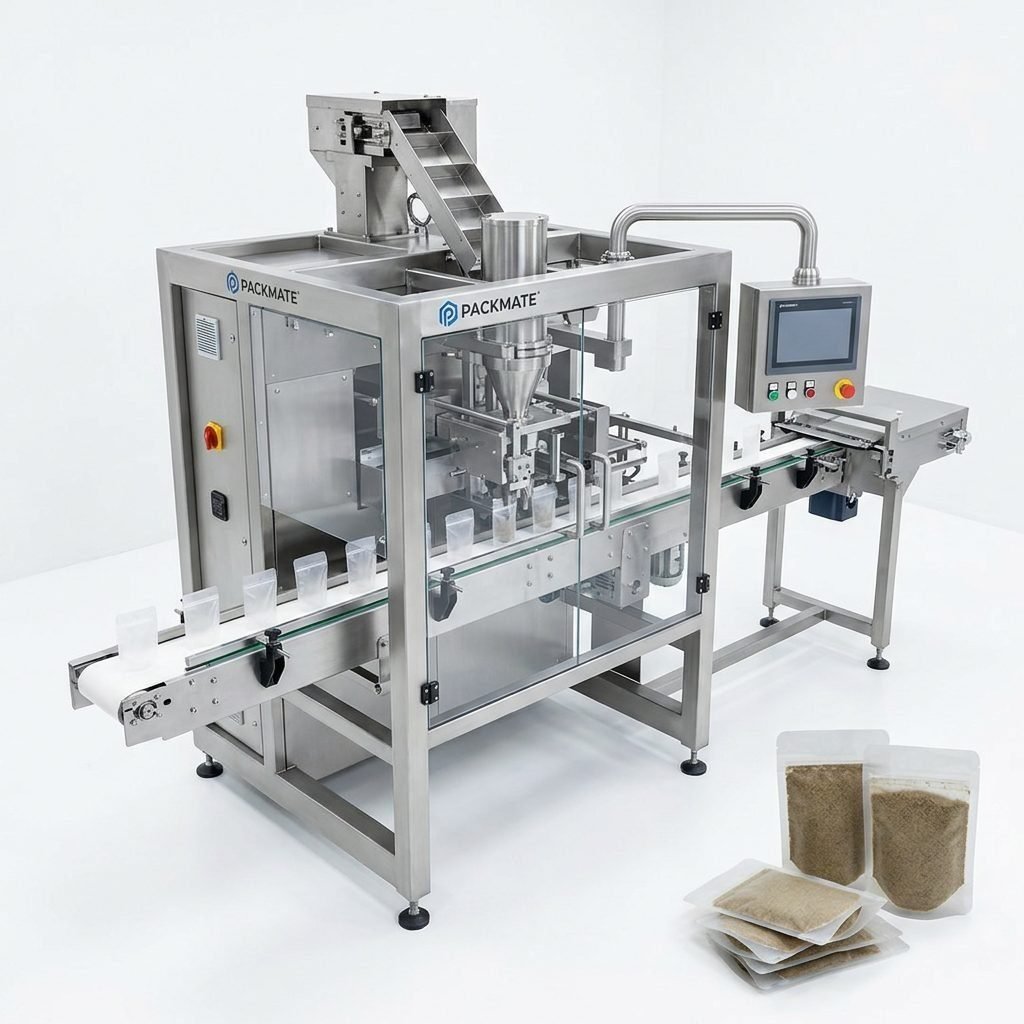
- 📌 Dosing Accuracy: Small-dose nicotine pouches require consistent filling accuracy—look for advanced weighing or volumetric filling options.
- ✓ Format Flexibility: Support for stick packs, sachets, and pouches reduces the need for multiple machines.
- 🔧 Ease of Changeover: Fast tool-less changeovers reduce downtime when switching products or formats.
- 🔒 Hygiene & Materials: Stainless steel contact parts and easy-to-clean designs meet GMP-like expectations.
Important: When assessing dosing systems, ask for demonstration data or on-site testing results. Request sample packs produced under production conditions to validate performance.
Supplier Experience & Factory Strength
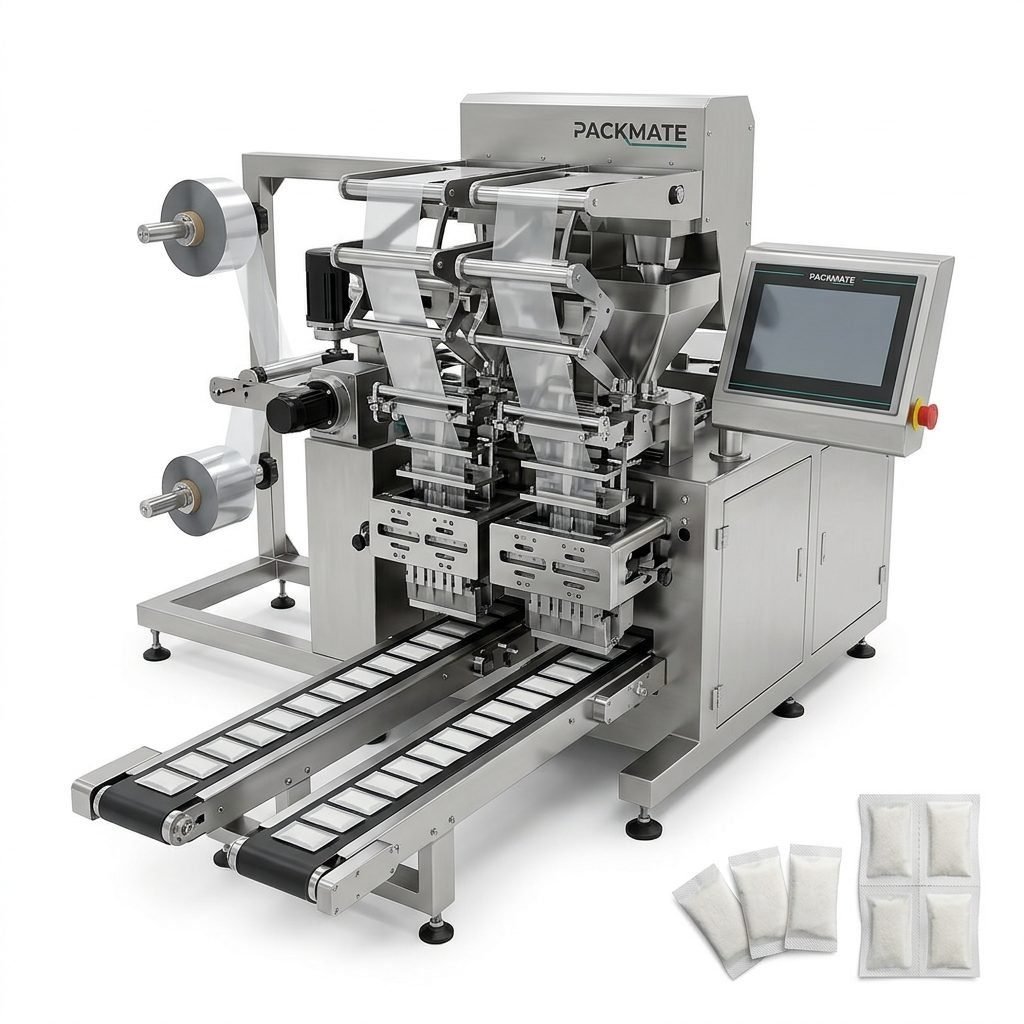
A supplier with deep experience in snus and nicotine packaging brings nuanced understanding of the challenges you’ll face. For example, Packmate Snus Machine offers over 30 years of engineering experience and a 20,000㎡ manufacturing facility—indicators of strong manufacturing capacity and mature R&D.
Look for:
- 🏭 Proven Track Record: Years in the industry, a variety of machine models, and turnkey solutions.
- 🛠️ Manufacturing Capability: Advanced CNC machining centers and precision assembly are signs of quality control.
- 🌍 Global Deployments: International case studies show the supplier can support exports, customs, and local installation requirements.
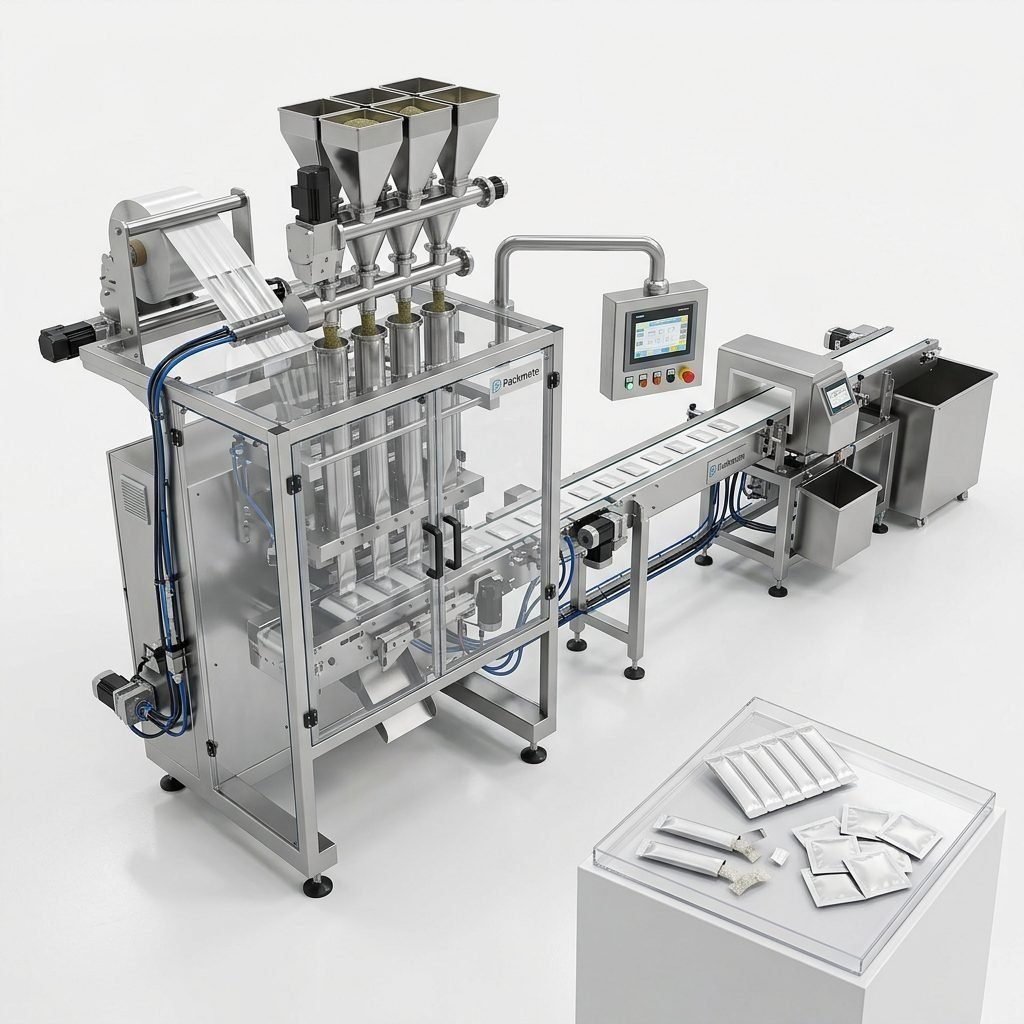
For machine model references and product ranges, check supplier product pages such as Snus & Nicotine Packaging Machines and Bag & Pouch Packaging Machines for details and specifications.
Certifications & Quality Assurance
Certifications like CE and ISO indicate a commitment to international quality and safety standards. Confirm the supplier’s testing protocols, acceptance tests, and documentation practices—these reduce commissioning time and ensure predictable quality.
After-Sales Service & Local Support in Brazil
After-sales service is often the difference between a smooth ramp-up and persistent production headaches. In Brazil, quick access to parts and qualified technicians is critical due to logistics and import timelines.
Questions to ask prospective suppliers:
- 📦 Spare Parts Availability: Are common wear parts stocked locally or shipped on short lead times?
- 🔧 Technical Training: Does the supplier provide on-site commissioning, operator training, and maintenance manuals in Portuguese?
- 🌐 Remote Support: Are remote diagnostics and software updates available to minimize downtime?
Local Tip: Ask whether the supplier partners with distributors or service agents in Brazil for faster response and localized spare parts handling.
Commercial Terms & Payment Considerations
Brazilian businesses often prefer transparent commercial terms, clear warranty coverage, and flexible financing options because of import taxes and currency fluctuations. Discuss payment milestones tied to delivery, FAT (Factory Acceptance Test), and successful commissioning.
Consider negotiating:
- 💳 Escrow or Letter of Credit: To protect both parties in international transactions.
- 📅 Staggered Payments: Aligned with delivery, installation, and performance tests.
- 📝 Clear Warranty & SLA: Define response times, parts coverage, and labor for Brazil installations.
Customs, Import & Local Taxes
Factor in import duties, tax regimes, and potential delays at customs. A supplier experienced in exporting to Brazil can provide proper HS codes, export documentation, and guidance to minimize clearance hold-ups.
Factory Acceptance Testing & Sample Validation
Insist on Factory Acceptance Testing (FAT) with your team or a third-party witness before shipment. FAT should include:
- 🧪 Production Trials: Run real raw materials to validate dosing, sealing, and pack integrity.
- 📊 Performance Logging: Provide uptime, reject rates, and sample packs for inspection.
- 🧾 Documentation: Supply operation manuals, maintenance schedules, and spare parts lists in Portuguese if possible.
If on-site FAT is not possible, request video demonstrations and detailed sample reports. Many reputable suppliers will create machine samples and ship a set for your approval.
Customization & Turnkey Solutions
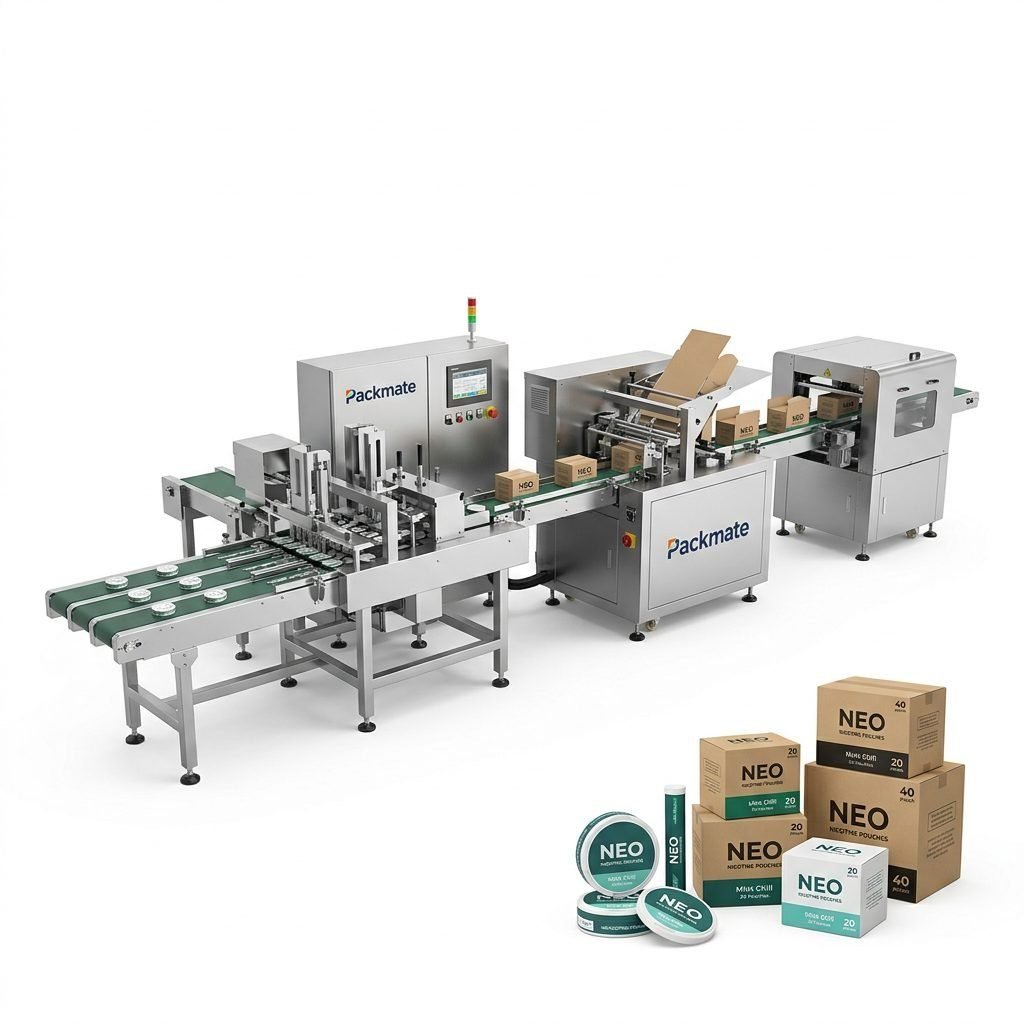
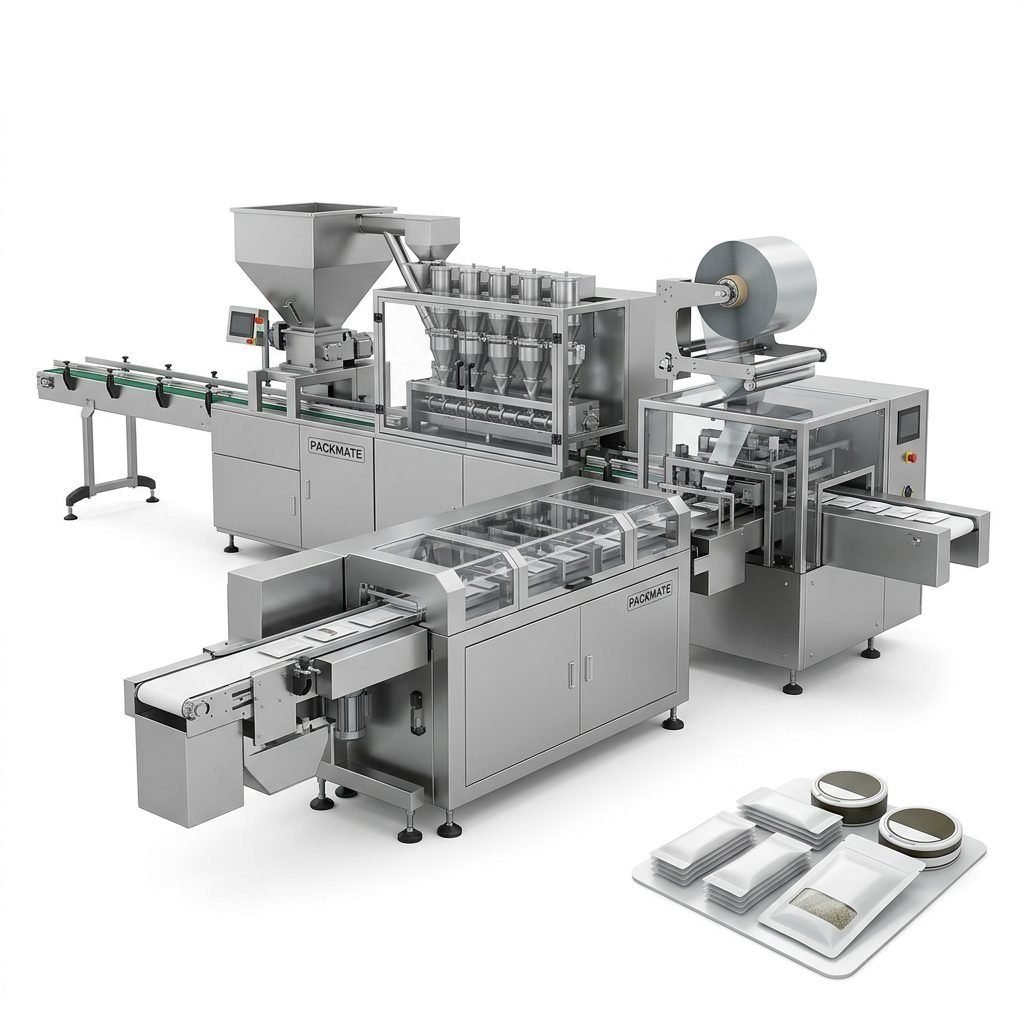
A supplier that offers fully customized turnkey packaging lines can be a strategic partner, especially if you plan to integrate filling, weighing, sealing, and secondary packaging. Packmate, for example, provides complete production lines including weighing & packaging systems and auxiliary equipment—this reduces integration risk and vendor management overhead.
When considering turnkey projects, evaluate:
- 🔗 Integration Capability: Ability to link filling, dosing, and packaging controls across machines.
- ⚙️ Software & Controls: PLC and HMI compatibility, recipe management, and traceability features.
- 🧩 Future Expansion: Modular design that allows adding lanes or new packaging formats later.
For examples of integrated lines and successful deployments, review supplier case studies and exhibition demos to see machines in real production contexts: Case and Our Exhibition.
Factory Visit & Reference Checks
If possible, visit the supplier’s factory to assess real manufacturing quality and assembly practices. If travel isn’t feasible, request virtual tours, machine videos, and references from customers in similar markets. Speaking directly with peers using the same equipment in Latin America delivers invaluable insights into uptime, spare parts lead times, and service responsiveness.
Remember: A long product warranty, transparent spare parts policy, and documented MTTR (mean time to repair) commitments are strong indicators of a reliable supplier relationship.
Negotiating the Purchase & Implementation Plan
Create a clear implementation plan with the supplier that covers shipment, customs clearance, installation, operator training, and handover. Set measurable acceptance criteria and include them in the contract to avoid ambiguity.
Key milestones to include:
- 🚚 Shipping & Delivery Dates
- 🧩 On-site Installation & Commissioning
- 🎓 Operator & Maintenance Training
- ✅ Final Acceptance Testing
Why Packmate Could Be a Strong Candidate
With decades of R&D experience dating back to 1993 and an official company formation in 2003, Packmate offers a broad portfolio including snus and nicotine pouch machines, sachet and stick pack systems, and full weighing and packaging lines. Their manufacturing capacity, CE and ISO certifications, and global exhibition presence make them a reliable option for Brazilian factories seeking robust, scalable packaging solutions.
Explore product lines and services directly on supplier pages such as Snus & Nicotine Packaging Machines, Filling & Packaging Lines, and Contact Us to request tailored proposals and technical datasheets.
Making the Final Decision
Balance technical fit, financial terms, service capability, and cultural alignment. A supplier who provides Portuguese documentation, local service partners, and a clear logistics plan will significantly reduce implementation risk in Brazil. Prioritize suppliers who offer FAT, sample validation, and transparent spare parts lists.
Final Checklist Before Signing
Use this quick checklist to ensure you’ve covered the essentials:
- ✔️ Machine performance validated with sample packs
- ✔️ Clear warranty and SLA in Portuguese and English
- ✔️ Spare parts availability and lead times confirmed
- ✔️ FAT completed or witnessed remotely with detailed reports
- ✔️ Installation, training, and acceptance milestones agreed
Useful Links
For more details and product references:
– Snus & Nicotine Packaging Machines
– Case
– About Packmate
– Contact Us
FAQs
Q1: How long does it take to install a nicotine pouch packaging line in Brazil?
Installation time depends on line complexity and site readiness. Typical timelines range from 4 to 12 weeks for installation and commissioning after machine arrival, assuming utilities and cleanroom requirements are met. Allow extra time for customs clearance and on-site validation.
Q2: Can suppliers provide documentation and training in Portuguese?
Reputable suppliers will provide operation manuals, spare parts lists, and training materials in Portuguese or offer localized training through partners. Confirm language support during contract negotiations.
Q3: What after-sales support should I insist on?
Insist on defined SLAs for response times, a stocked spare parts list, remote diagnostic capability, and options for preventive maintenance. A supplier with local partners in Brazil offers faster support and lower downtime risk.
Q4: Are turnkey solutions worth the extra cost?
Turnkey solutions often reduce integration headaches and long-term vendor management complexity. While the upfront cost can be higher than buying individual machines, the efficiency and reduced integration risk often justify the investment.