Planning to install a nicotine pouch or snus packaging line in Syria? Choosing the right manufacturer is one of the most critical decisions you will make for long-term productivity, compliance, and cost-efficiency. This guide walks you through a practical, factory-focused approach to selecting the best nicotine packaging machine manufacturer for your operation — from technical fit and quality control to service, certifications, and local logistics.
🔍 Understand Your Factory’s Specific Requirements
Before you evaluate manufacturers, document the core constraints and targets for your facility. These include daily output targets, product formats, available floor space, power supply, environmental controls, and regulatory requirements in Syria. A clear brief reduces miscommunication and accelerates accurate proposals.
Consider:
• Product formats (single-dose nicotine pouches, multi-pouch sachets, stick packs).
• Target throughput (pouches per minute, shifts per day).
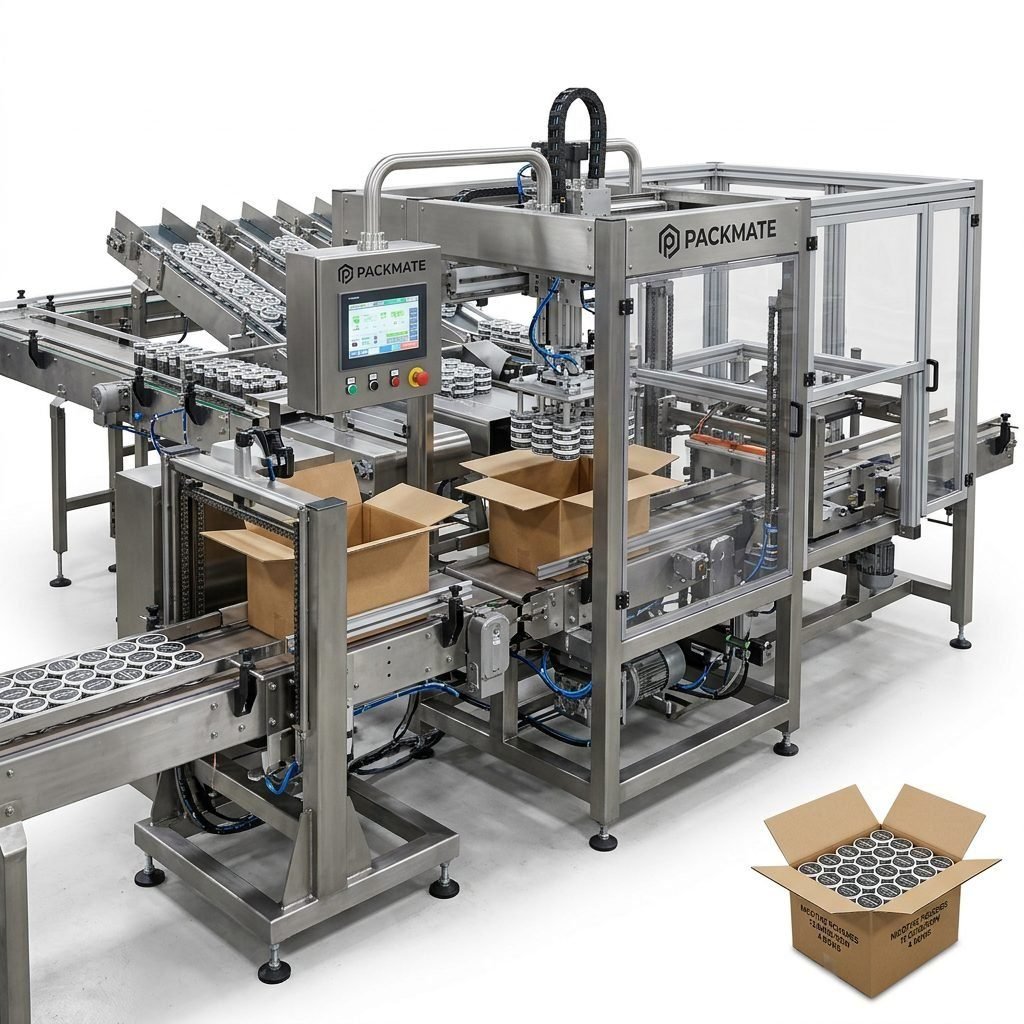
• Integration needs (weighing, filling, cartoning, labeling, secondary packaging).
⚙️ Evaluate Technical Capabilities & Machine Types
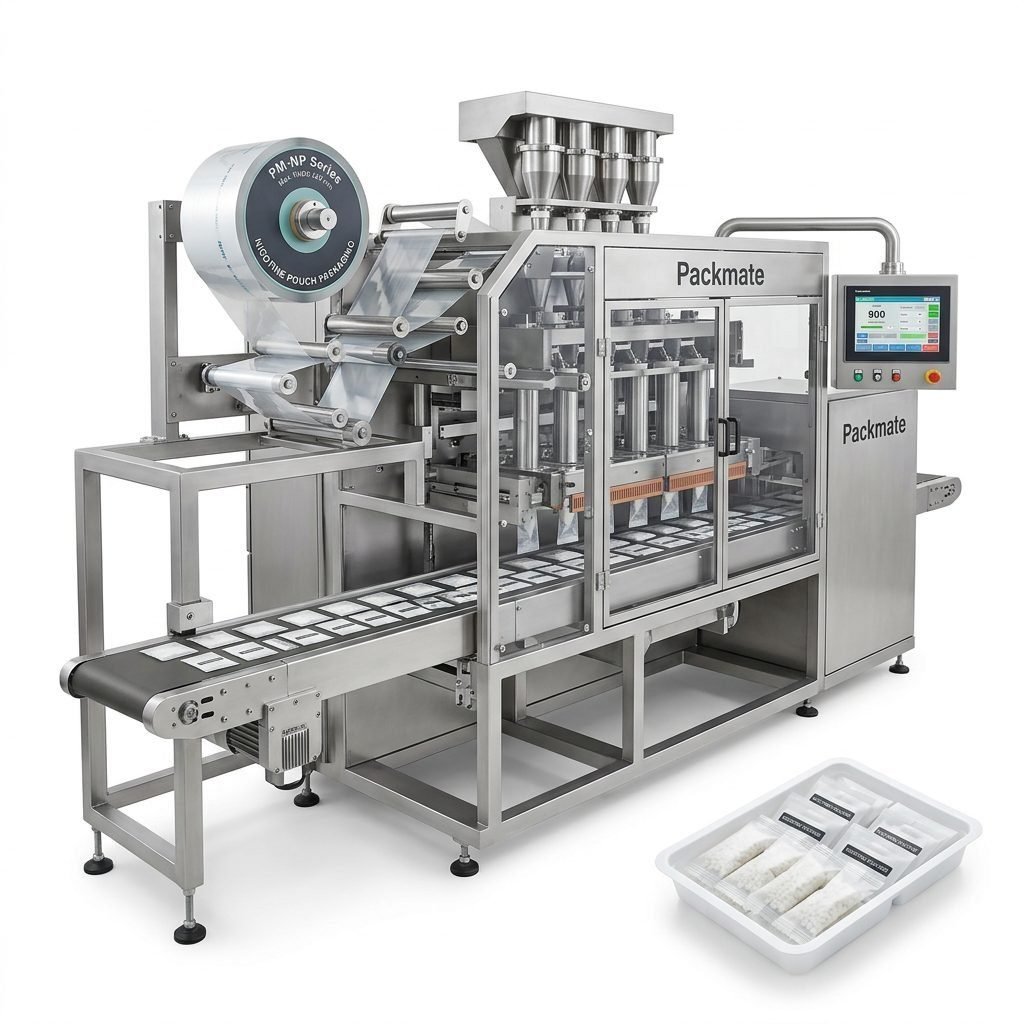
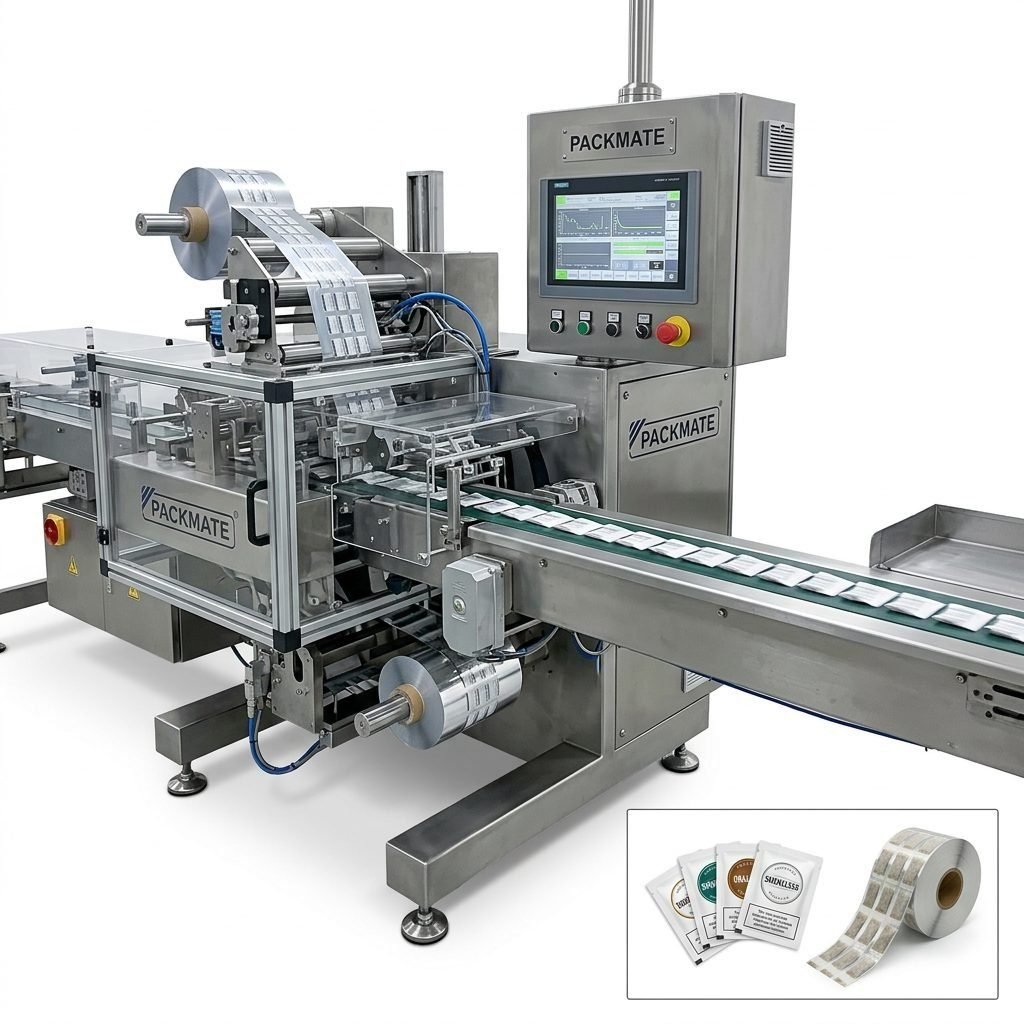
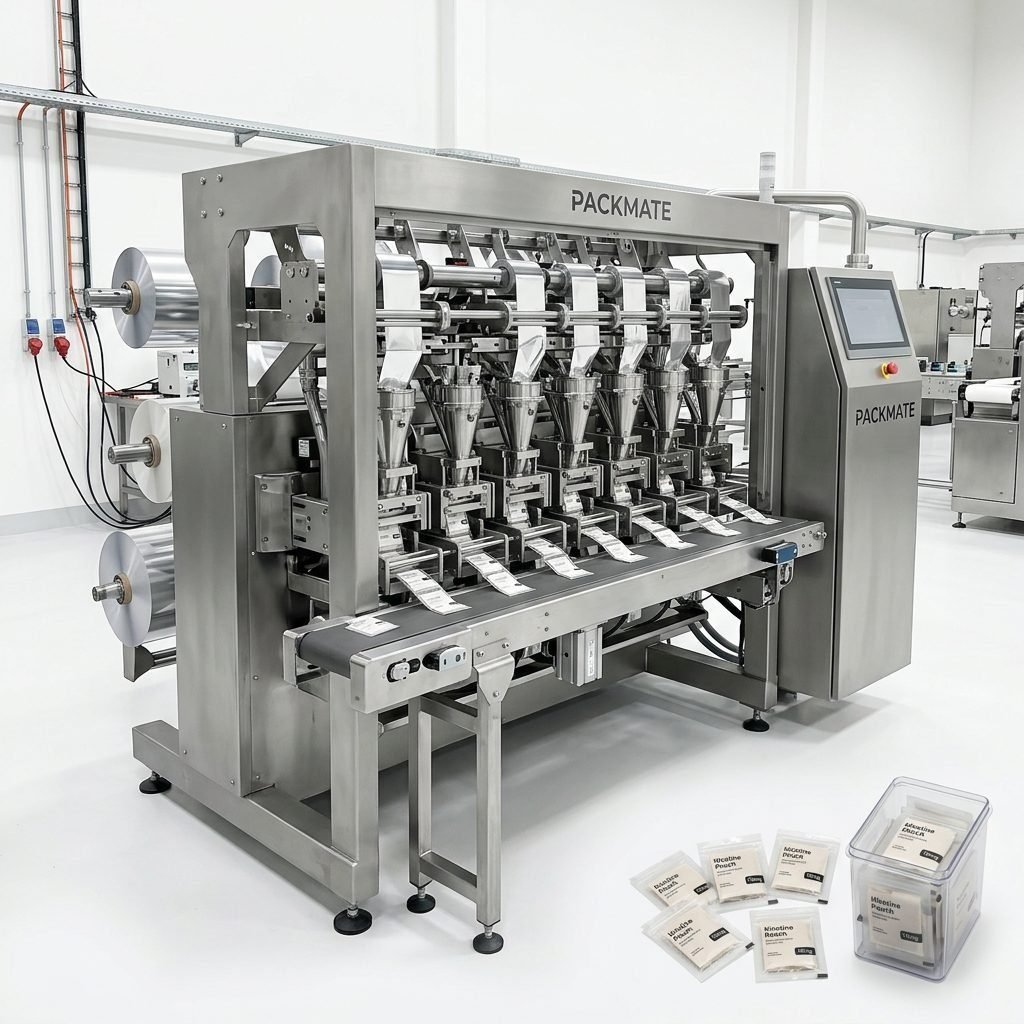
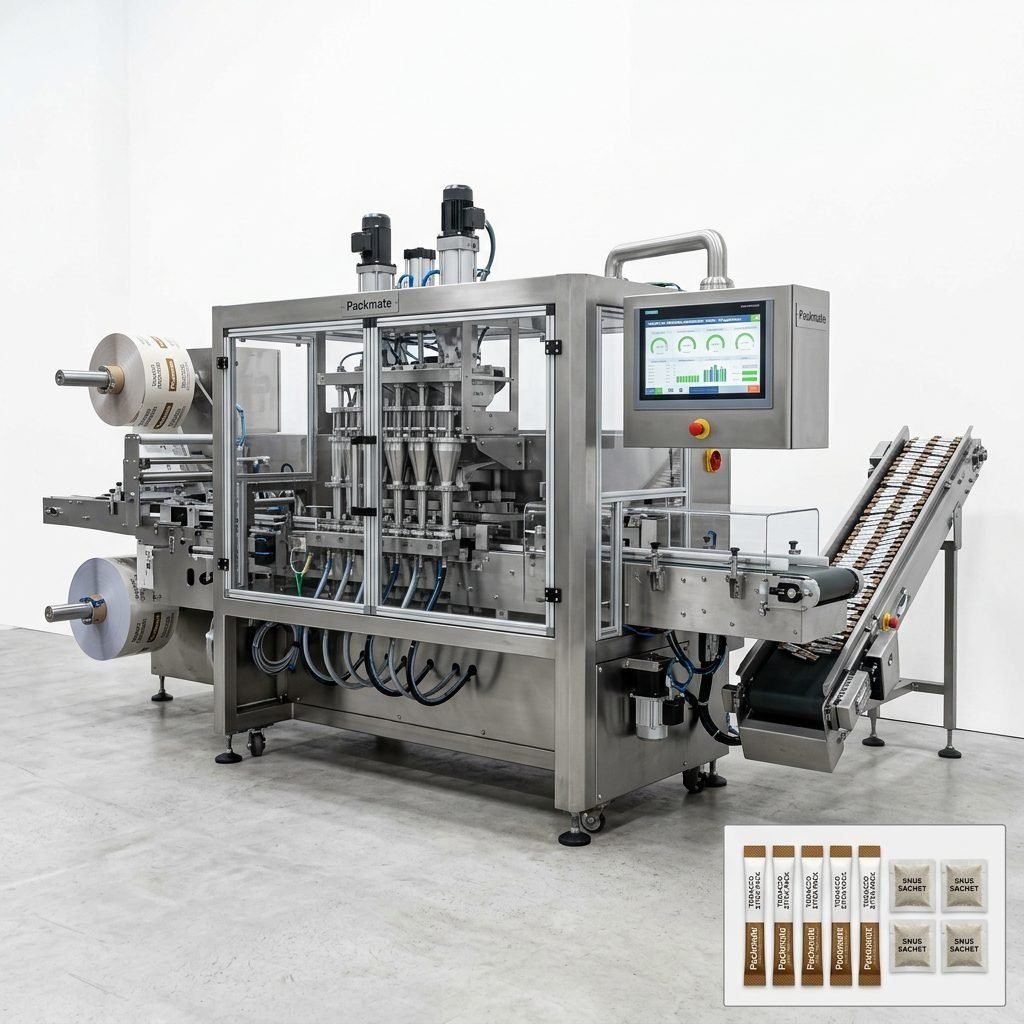
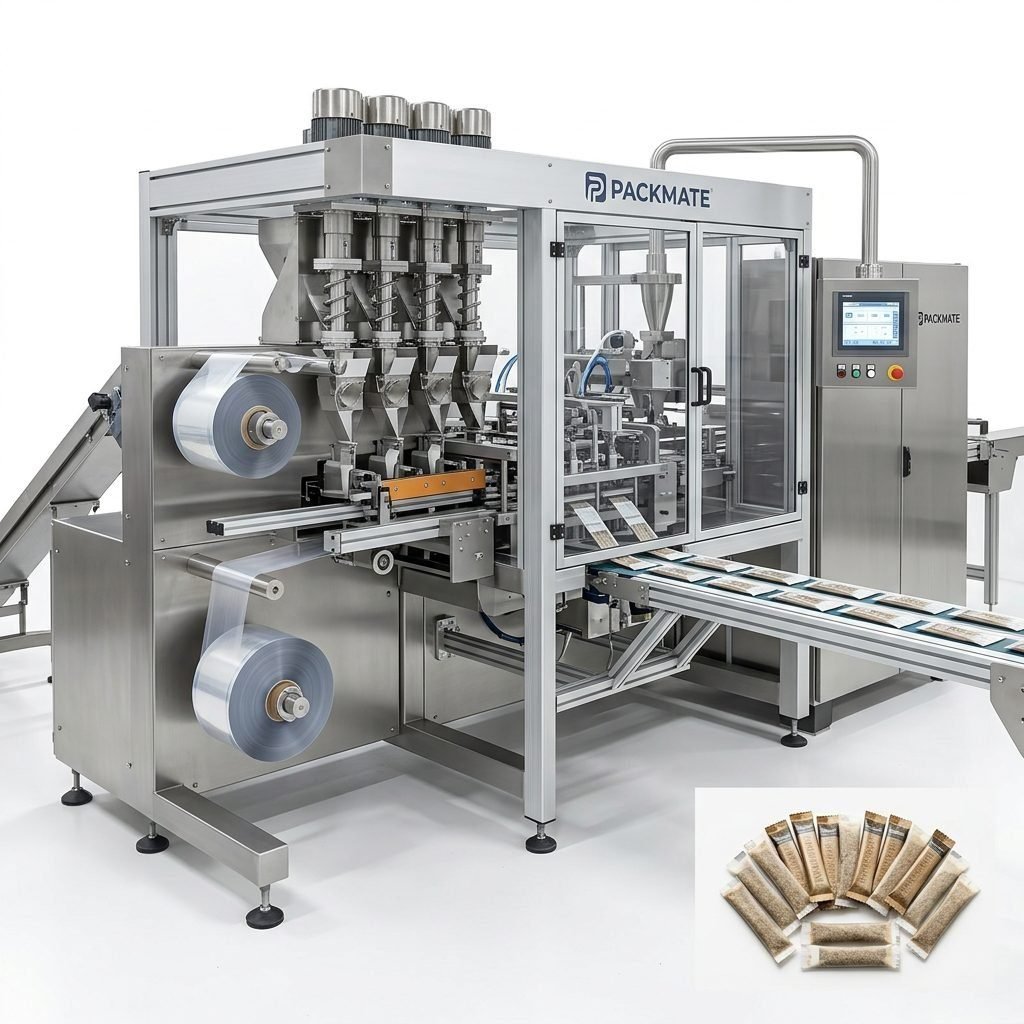
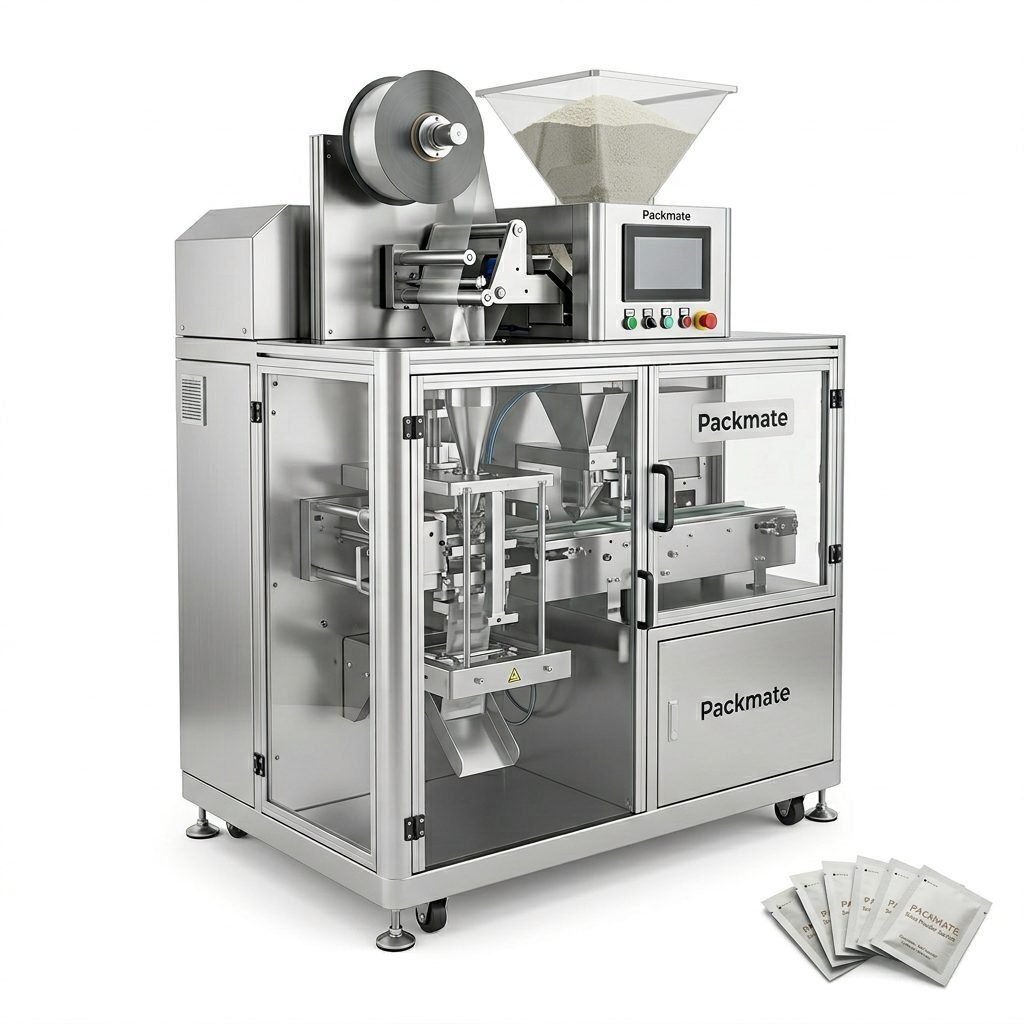
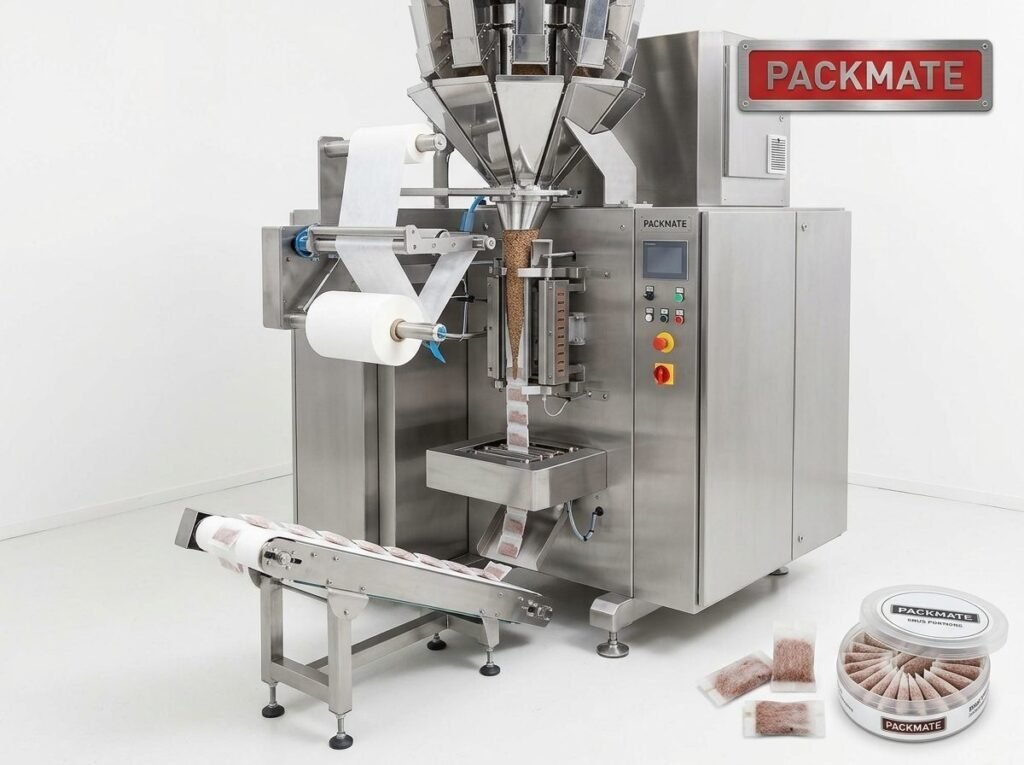
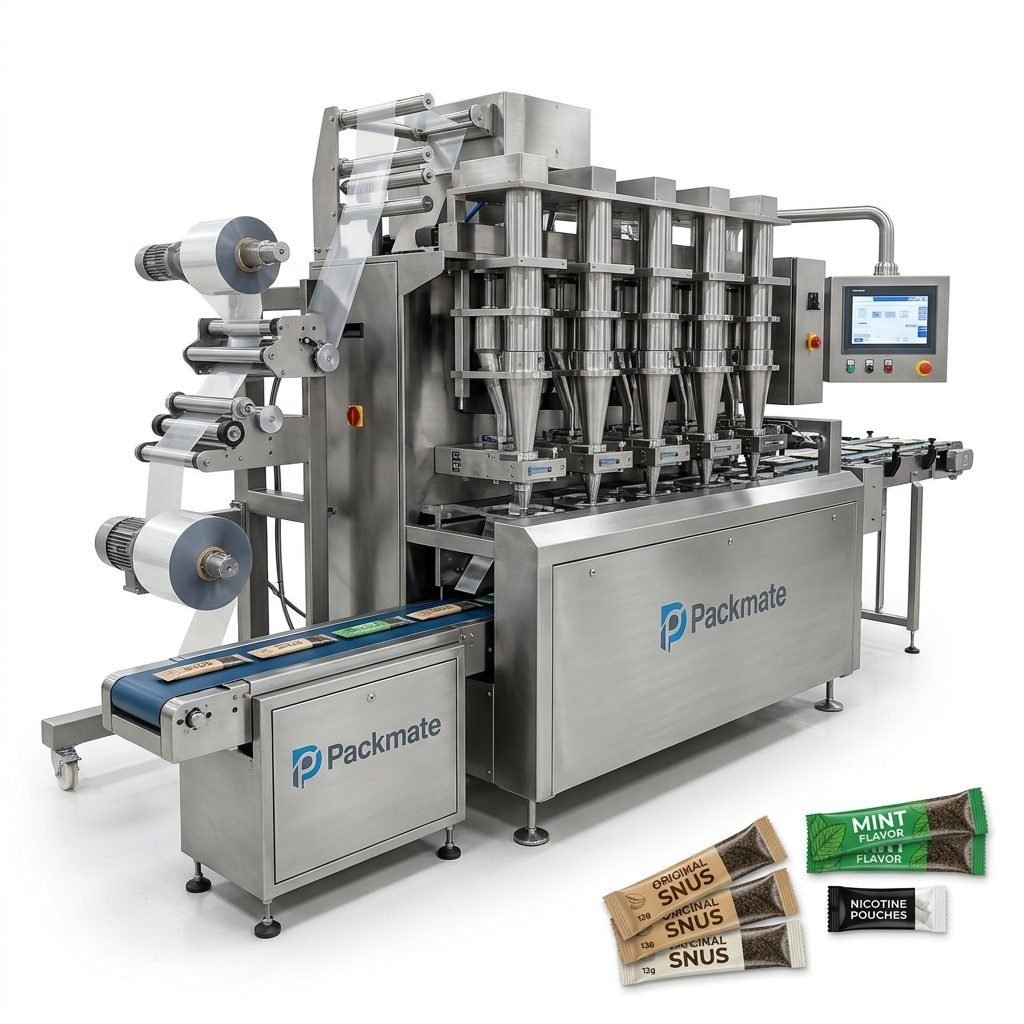
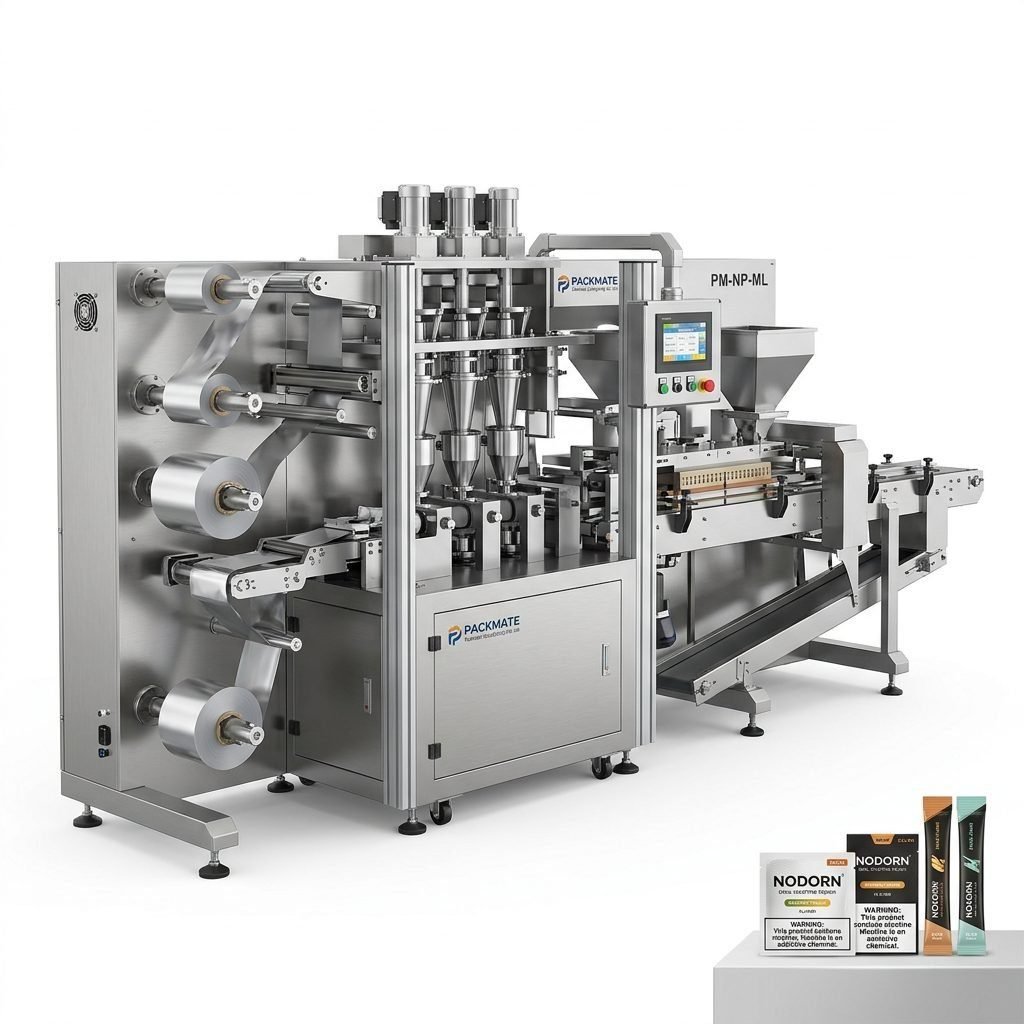
Not all packaging machine manufacturers have equivalent experience with nicotine pouch lines. Look for suppliers with proven designs for snus/nicotine pouch packaging and multi-lane solutions that match your required output. Manufacturers like Packmate specialize in snus and nicotine systems and offer a range of models from single-lane sachet machines to advanced multi-lane pouch systems. Explore product ranges to confirm fit:
• Snus & Nicotine Packaging Machines — product examples
• Bag & Pouch Packaging Machines — formats and specs
• Sachet & Stick Pack Machines — comparison
Production Capacity & Multi-lane Options
If you expect growth, prioritize manufacturers offering scalable multi-lane machines. Multi-lane systems can multiply output without proportionally increasing floor footprint. Confirm lane interchangeability, belt synchronization, and individual lane error handling to minimize line downtime.
Filling Technologies & Product Compatibility
Nicotine pouches demand gentle handling and precise dosing. Verify whether the manufacturer supports:
• Powder feeders and vibratory dosing systems
• Precision auger fillers for low-dose powders
• Options for moisture control, sachet sealing quality, and nitrogen flushing if required.
📌 Quick checklist for machine specs: throughput per lane, sealing method, dosing accuracy, CIP compatibility, PLC brand, spare parts lead times.
✅ Quality, Certifications & Compliance
Regulatory compliance is non-negotiable. Ensure the manufacturer can deliver equipment that meets international safety and quality standards (CE, ISO). Look for documented factory QA processes, material traceability, and qualification testing. Packmate, for example, highlights CE and ISO alignment across its products — evidence of a mature quality system.
Check certificates and request copies: supplier quality certificates, machine FAT reports, and component certifications (motors, drives, sensors). Confirm whether the vendor can support documentation needed for Syrian regulatory filings.
🏭 Factory Strength, Customization & Manufacturing Capacity
A supplier’s manufacturing footprint often predicts delivery reliability and spare-parts availability. Favor suppliers with advanced machining centers, precision assembly lines, and a large factory footprint — these indicate capacity to produce robust machines and rapid spare parts. Packmate’s 20,000㎡ facility and 30+ years of engineering experience are examples of scale that reduce lead-time risk.
If you need custom tooling, product-specific hoppers, or tailor-made multi-lane changeovers, request examples of previous custom projects and ask for production photos or case studies. Use reference links for real-world cases to validate claims — for instance, view supplier cases and installations before committing: project cases.
🔧 After-Sales Support, Spare Parts & Local Service in Syria
A machine is only as good as the support behind it. Prioritize manufacturers that provide:
• Clear spare parts lists and stocking options
• Online troubleshooting, remote PLC access, and software support
• On-site commissioning, operator training, and preventive maintenance plans
If you don’t have a local agent in Syria, confirm delivery and service logistics. Does the manufacturer assist with customs documentation, shipping options, and installation supervision? Use suppliers who provide a clear service roadmap and local contacts — for sales and service inquiries see Contact Us.
💰 Pricing, ROI & Total Cost of Ownership
Don’t focus only on purchase price. Calculate the total cost of ownership (TCO) including spare parts, downtime risk, energy consumption, and consumables. A cheaper machine may cost more over time if it lacks durability or service support.
Request a detailed quotation with:
• Machine price and optional extras
• Expected spare parts list and pricing for 2–5 years
• Commissioning costs, training, and travel expenses
⚠️ Tip: model comparisons should always be normalized to production output and uptime assumptions (e.g., 95% line uptime). Ask suppliers for realistic performance data and references.
🧾 Factory Visit, FAT & Remote Verification
A factory acceptance test (FAT) is critical. Whenever possible, visit the manufacturer or attend FAT remotely via live video. Verify mechanical build, software HMI, sealing quality, and test-run with your product formula or a representative mix. Reputable manufacturers will welcome FATs and provide detailed reports.
If travel is difficult, request a documented FAT process and recorded demonstrations. Manufacturers with exhibition presence and public demos (see exhibition) often allow you to see live machines in action.
📋 How to Shortlist and Evaluate Suppliers
Follow a structured RFP process:
1) Send a detailed specification sheet including product weight range, pouch format, throughput, and integration requirements.
2) Request machine datasheets, electrical and pneumatic power consumption, and footprint drawings.
3) Ask for references and recent installations in similar markets; review case studies and customer testimonials — see About Packmate for background.
4) Compare warranties, lead times, training packages, and spare parts policies.
Supplier Red Flags
Be cautious of vendors who:
• Do not allow FATs or provide limited testing.
• Have vague spare parts policies or long lead times for critical components.
• Cannot provide clear installation and training plans for your site in Syria.
📦 Remember: strong manufacturing credentials, real-world case studies, and robust after-sales service often deliver greater value than the lowest initial price.
🌍 Logistics & Export Considerations for Syria
Shipping heavy machinery to Syria requires careful planning. Confirm the supplier can:
• Provide CIF/CFR options and clear packing lists.
• Support export documentation, certificates of origin, and customs clearance advice.
• Offer on-site commissioning or remote-guided setup with spare-part kits for initial commissioning.
🔗 Related Systems & Line Integration
A complete production line may include auxiliary equipment — scales, conveyors, cartoners, and labeling systems. Review complementary categories to ensure seamless integration:
• Weighing & Packaging Systems — check options
• Filling & Packaging Lines — integration possibilities
• Auxiliary Packaging Equipment — supporting machines
📈 Making the Final Decision
Narrow your shortlist to 2–3 suppliers and compare side-by-side on the metrics that matter: throughput, uptime guarantees, spare parts lead times, documented FAT results, warranty terms, and training coverage. Request a layered proposal: base machine, recommended upgrades, spare parts kit, and multi-year service plan to assess true lifetime costs.
If a supplier has a strong portfolio in snus and nicotine lines, international certifications, and clear logistical support for export to Syria, they are likely a reliable partner for setting up a sustainable production line.
🔧 Action Plan: prepare your specification, request FAT, visit the factory or watch a live demo, obtain references, and evaluate TCO before signing. Use case studies and direct contacts to validate performance.
Conclusion
Selecting the best nicotine packaging machine manufacturer for a Syrian factory requires a balanced focus on technical fit, manufacturing strength, certifications, after-sales support, and realistic cost modeling. A supplier with proven snus/nicotine expertise, comprehensive FAT procedures, and robust spare parts support will minimize risk and maximize line uptime. Take a methodical RFP approach, validate claims through cases and FAT, and prioritize long-term service and parts availability over the lowest upfront price.
Frequently Asked Questions
Q: What is the typical lead time for a nicotine pouch packaging line?
A: Lead times vary by model and customization level. Standard single-lane machines may ship in a few months, while customized multi-lane lines often require 4–8 months including FAT and assembly. Always confirm lead times in the formal quote.
Q: How important is a FAT (Factory Acceptance Test)?
A: FAT is vital. It verifies machine performance with representative materials, confirms sealing/dosing accuracy, and reduces surprises during commissioning. If you cannot attend in person, insist on a detailed recorded FAT and live demo session.
Q: What certifications should I ask for?
A: Request CE, ISO management system certificates, and component certifications for key parts (e.g., drives, PLCs). If you require specific sanitary designs or food-safe materials, include those requirements in your RFP.
Q: Can I get turnkey lines including fillers, conveyors, and cartoners from one supplier?
A: Many experienced manufacturers provide turnkey solutions covering filling, weighing, packaging, and secondary packaging. Confirm integration experience and request reference lines that demonstrate end-to-end operation.
Q: Where can I see real-world examples of snus packaging installations?
A: Review supplier case studies and exhibition records to see machines in operation. Packmate publishes cases and exhibition info illustrating real installations — see their case page and exhibition highlights for examples: Case • Exhibition.