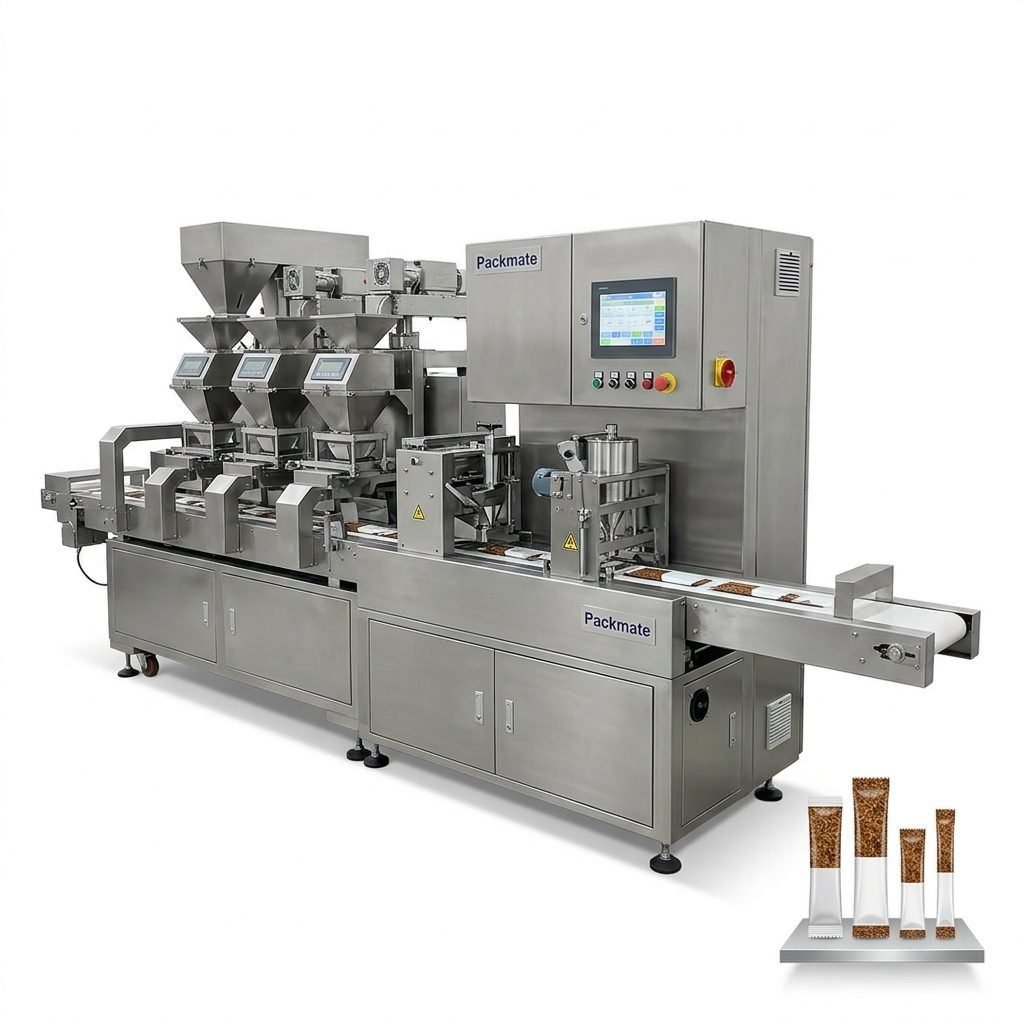
Choosing the right nicotine packaging machine for a production site in the Middle East requires a blend of technical knowledge, regulatory awareness, and practical planning. This guide walks production managers, procurement teams, and plant engineers through the key considerations — from machine types and throughput to climate resilience, service, and return on investment — so you can select equipment that fits your present needs and future growth.
Understand Your Production Requirements
The first step is to define clear production goals: daily output targets, desired pouch formats, and the degree of automation. Production capacity dictates machine class — bench-top or modular machines for small-scale launches, and multi-lane, high-speed lines for commercial volumes.
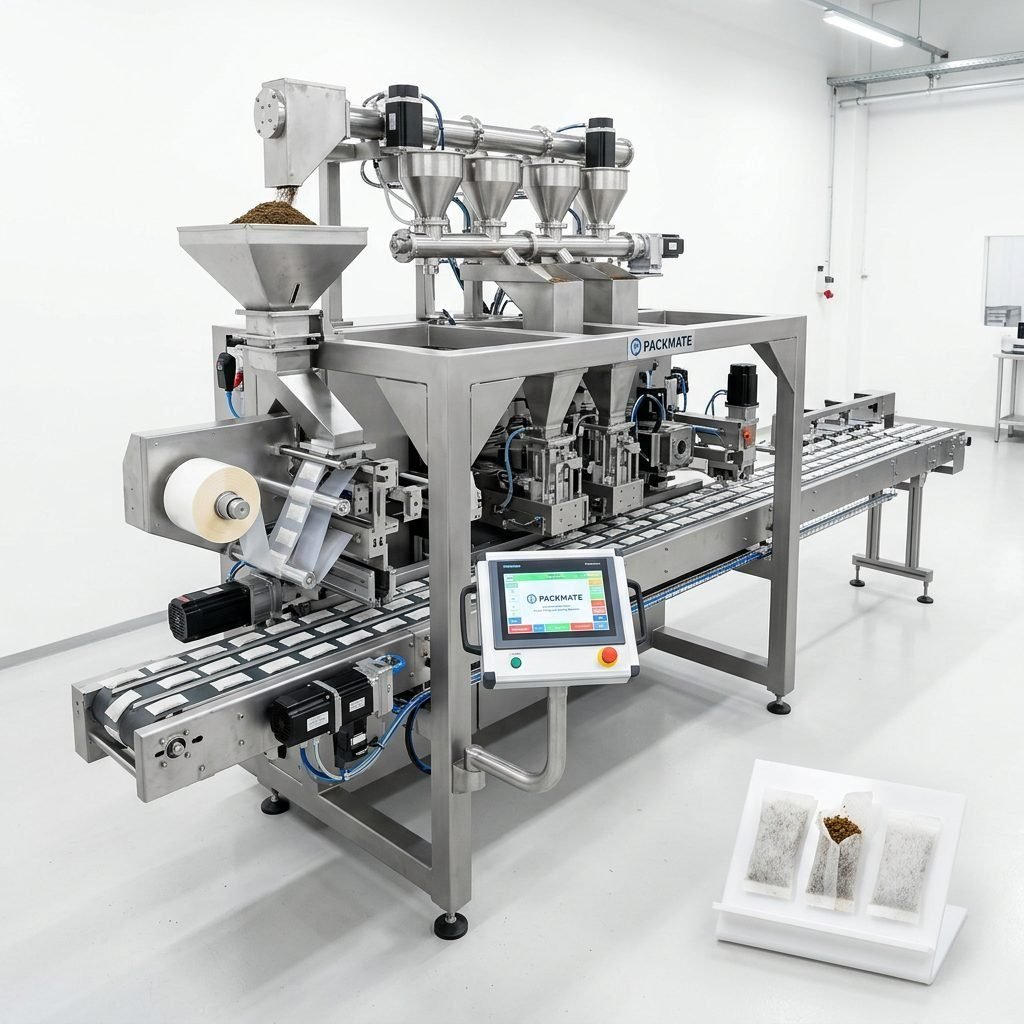
Consider product specifics: nicotine pouch size, powder or granular content, moisture sensitivity, and whether you need secondary packaging (cartoning, case packing). Machines designed for snus and nicotine pouches often include precise filling systems, vibratory feeding, and sealed forming stations to maintain quality and consistency.
Key questions to answer before you buy
✅ What is your target daily production (pouches/day)?
✅ Which pouch formats and materials will you run?
✅ Do you require multi-lane high-speed systems or single-lane flexibility?
Choose the Right Machine Type
In the nicotine/snus sector several machine families are common. Selecting the right one depends on throughput and packaging style:
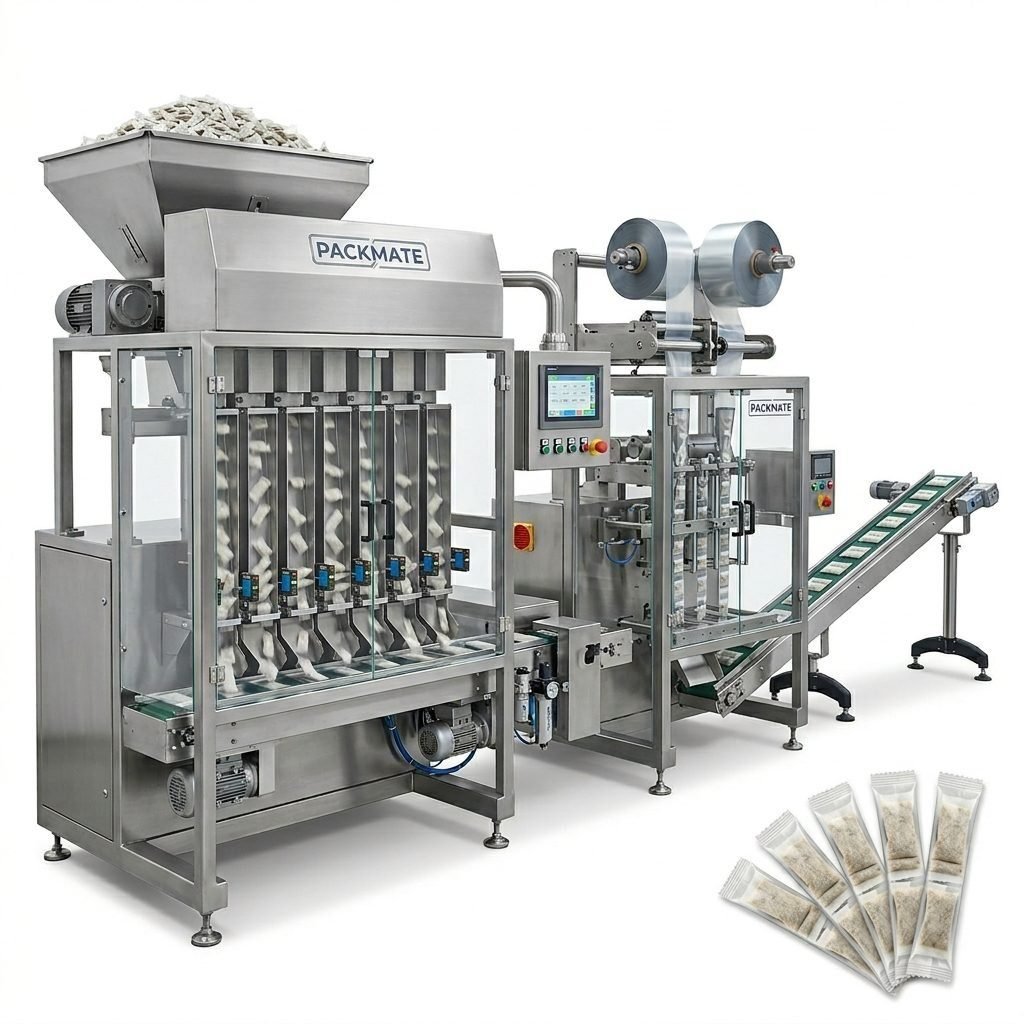
Stick pack & sachet machines
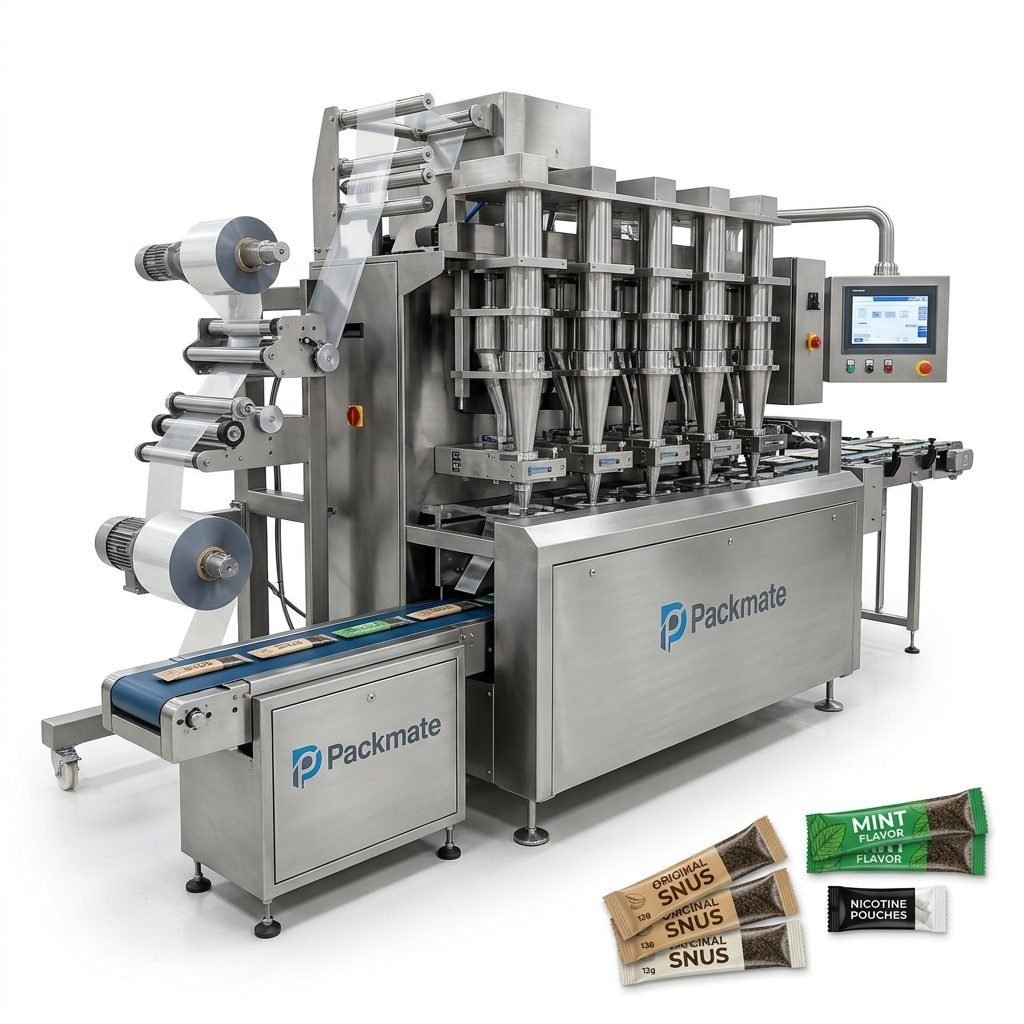
Stick and sachet machines are ideal for single-dose formats and are often compact with moderate speeds. They provide accurate cut/seal operations and are suitable for sample packs or premium single-use product lines.
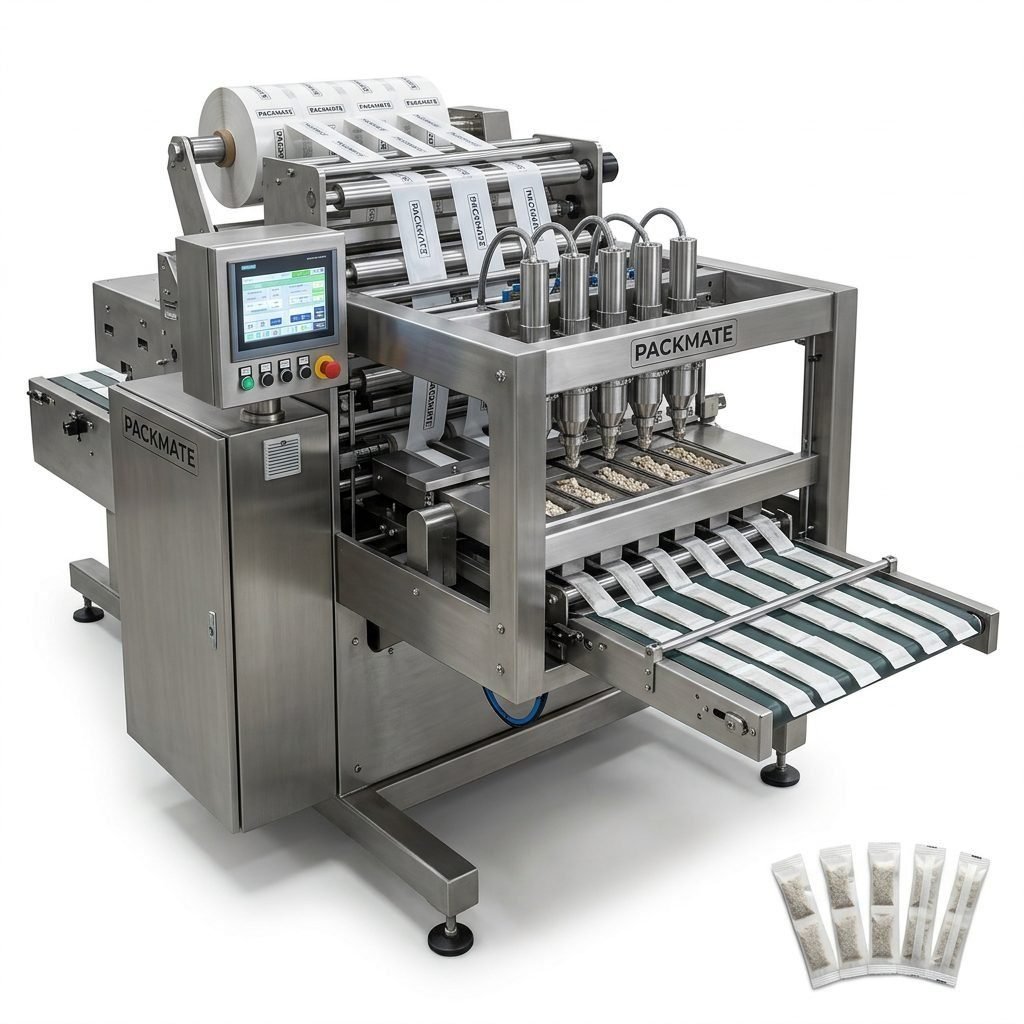
Snus & nicotine pouch machines
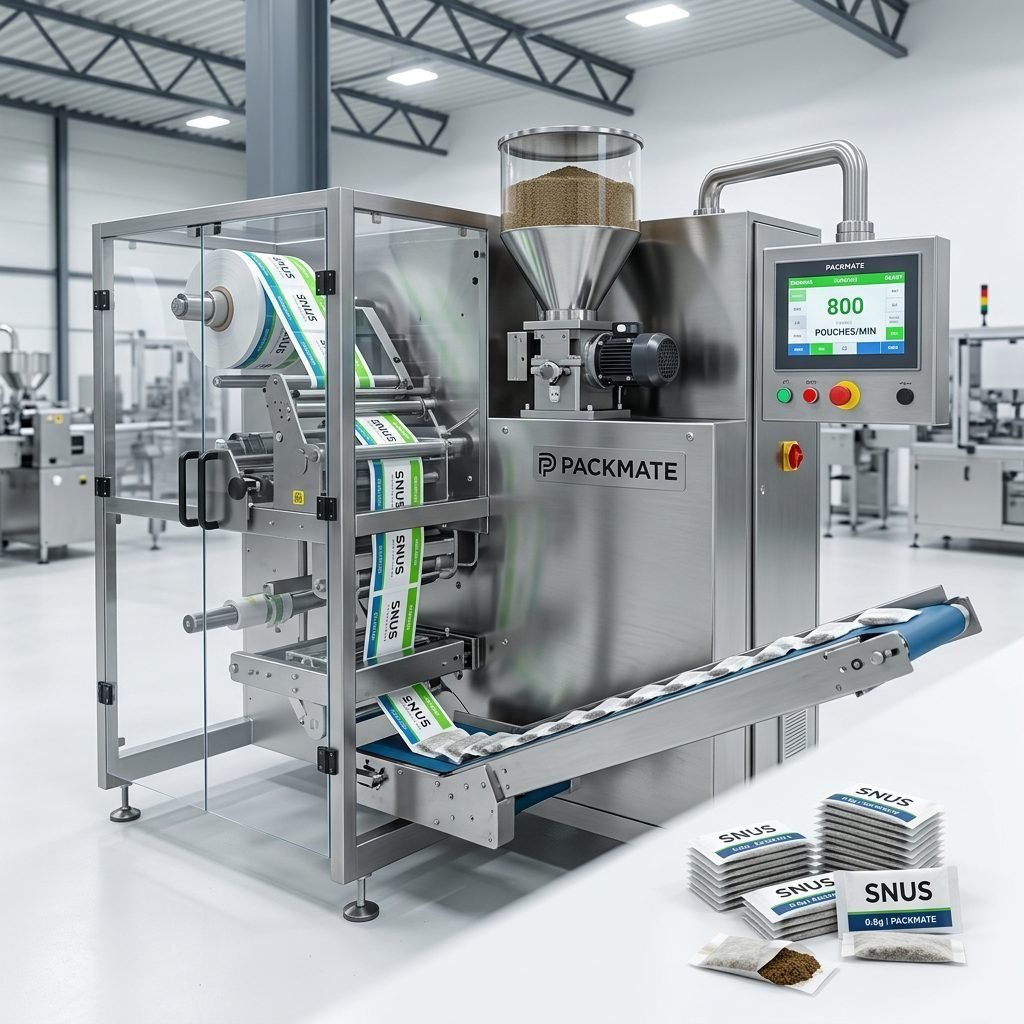
Dedicated snus/nicotine pouch packaging machines focus on small-dose precision filling and sealing. These machines are engineered to handle fine powders and micro-pouch shapes while keeping cross-contamination risks low.
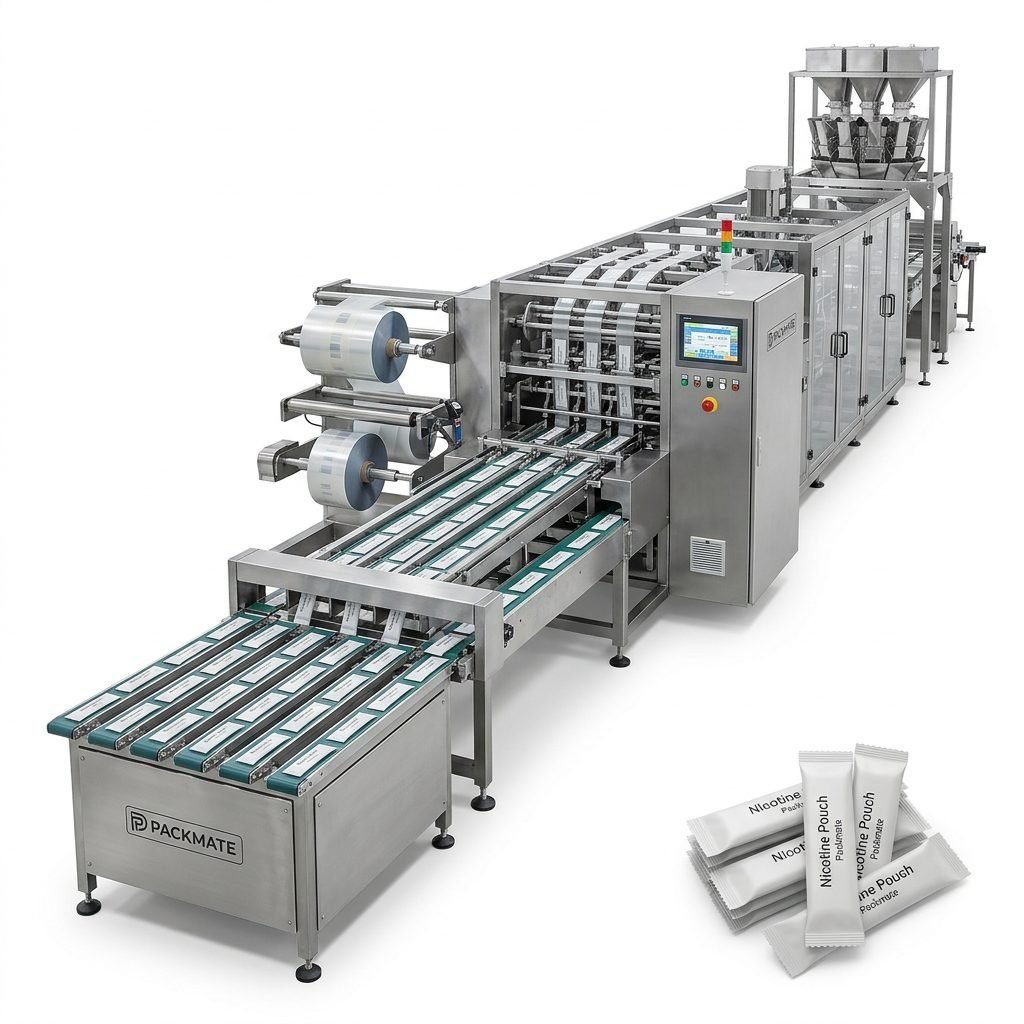
Multi-lane systems for high throughput
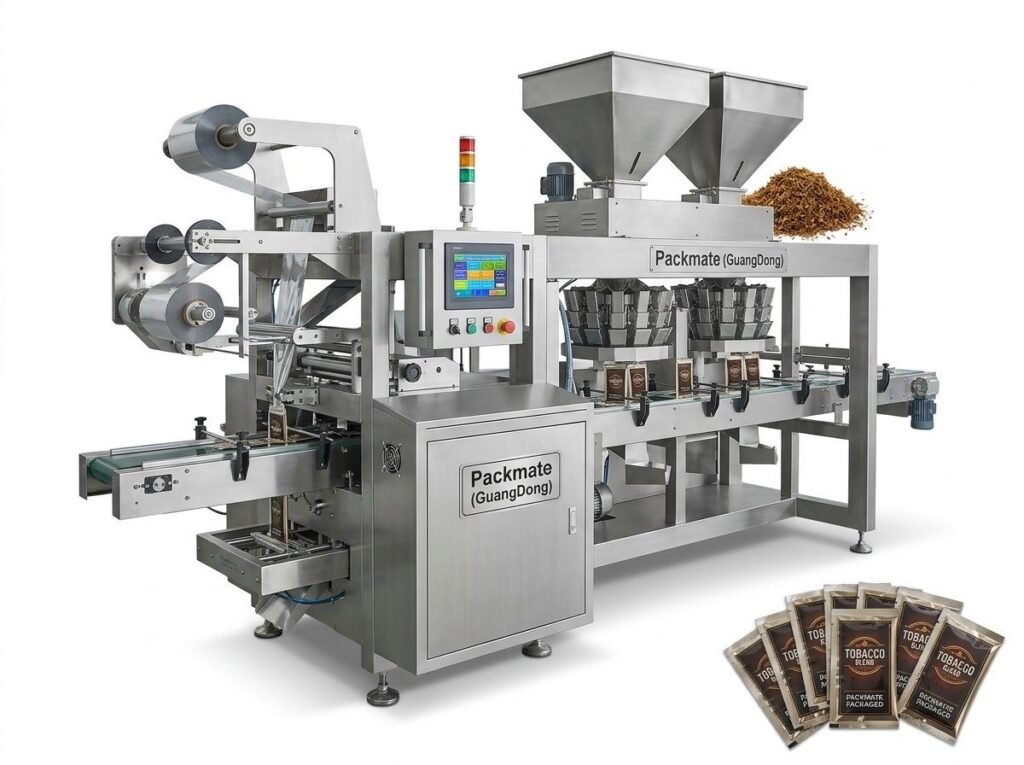
For commercial-scale production in the Middle East, multi-lane systems multiply throughput without multiplying labor. They are a strong choice when growth and consistent quality are priorities.
If you want to explore machine categories and specifications, review product lines such as Snus & Nicotine Packaging Machines and Sachet & Stick Pack Machines to compare designs and capacities.
Assess Environmental & Regulatory Factors
The Middle East presents a range of climates and regulatory frameworks. Machines must be robust enough for variable temperatures and dust conditions while supporting documentation for regulatory compliance.
⚠️ Humidity & dust control: Choose a machine with sealed electric cabinets and optional HEPA or filtered enclosures if your plant lacks clean room infrastructure.
⚠️ Regulatory traceability: Ensure the machine supports batch/barcode printing and electronic trace logs for compliance audits.
Automation Level & Line Integration
Decide how automated your line needs to be. Semi-automatic machines reduce capital cost but increase labor; fully automated inline solutions provide consistent speeds, lower labor dependence, and simpler scaling.
Integration points to consider:
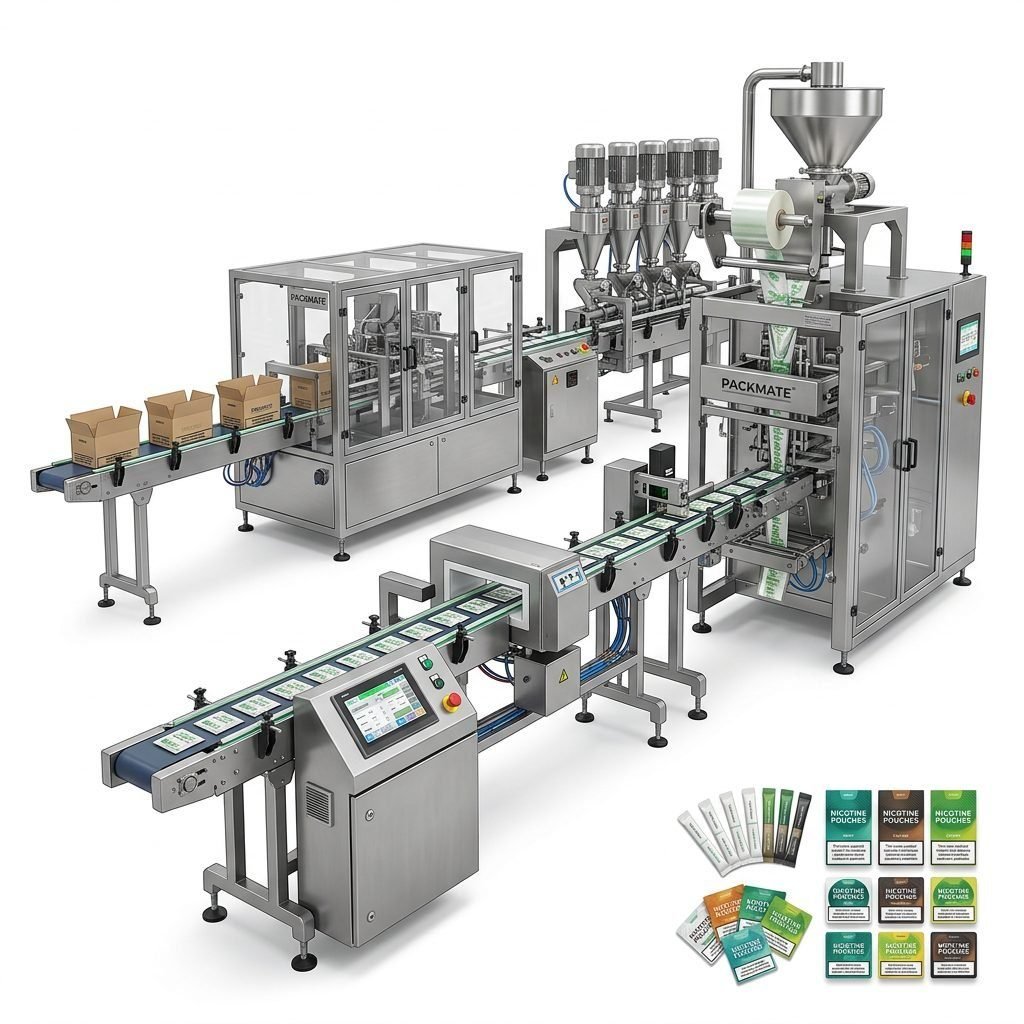
– Feeding systems (weighers, vibratory hoppers)
– In-line metal detection and checkweighers
– Cartoning, case packing, and palletizing interfaces
For turnkey solutions that combine weighing, filling, and packaging modules, see Filling & Packaging Lines and Weighing & Packaging Systems.
Material Compatibility & Pouch Design
The machine must match the pouch materials you plan to use — heat-sealable films, laminated foils, or biodegradable substrates. Compatibility affects seal integrity, shelf life, and downstream labeling.
Sealing technology and control of dwell time and temperature are critical when running sensitive nicotine pouches. Ask about PID-controlled heaters and in-line quality inspection to reduce rework.
After-Sales Support & Local Service
In the Middle East, rapid access to spare parts and qualified field technicians minimizes downtime. Evaluate the manufacturer’s local presence, spare part lead times, and options for remote diagnostics.
🔧 Service network: Prefer suppliers offering regional support or reliable local partners.
🔧 Training: On-site operator and maintenance training reduce operator error and extend machine life.
Why choose a proven supplier?
A manufacturer with decades of packaging engineering experience can deliver machines designed for longevity and repeatable performance. For example, Packmate Snus Machine combines over 30 years of experience and a 20,000㎡ manufacturing facility to supply high-precision systems and turnkey lines. Learn more About Packmate and review real-world deployments in the Case section.
Total Cost of Ownership & ROI
Evaluate capital expense, operating cost, material waste, and productivity gains. A slightly higher initial investment in automation and precision often lowers cost-per-unit through reduced waste and improved uptime.
Include these in your ROI calculation:
– Energy consumption and maintenance intervals
– Changeover times for new formats
– Predicted yield (good product vs. rejects)
– Downtime costs and spare parts availability
Factory Floor Layout & Utilities
Plan the machine footprint, material flow, and utility connections (compressed air, power, vacuum) before purchase. Machines with modular design ease installation and future reconfiguration.
A short placement checklist:
– Verify available floor space and ceiling height
– Ensure sufficient electrical capacity and stable power supply
– Provide controlled ambient conditions for sensitive products
Quality Assurance & Testing
Modern packaging machines often include in-line quality checks like vision inspection, seal integrity testing, and weight verification. These systems lower the risk of recalls and ensure that your product consistently meets standards.
When evaluating equipment, request:
– Demonstration of product runs with your material
– Sample packs for inspection
– Technical documentation, CE/ISO certificates, and FAT procedures
Customization & Future-Proofing
Your packaging needs may evolve. Choose machines that allow modular upgrades, additional lanes, and new format tooling without full replacement. A partner who offers turnkey solutions and customization will help you scale intelligently.
Explore auxiliary equipment that complements core machines at Auxiliary Packaging Equipment.
Real-World Case Insights
Successful Middle East deployments typically prioritize machines with sealed control panels, robust vibration isolation, and easy-to-clean structures due to local environmental conditions. Working with a vendor that documents performance through case studies can shorten evaluation time.
If you plan to attend trade events or see live demos, check Our Exhibition schedule for machine demonstrations and meet technical teams in person.
Checklist Before Signing a Purchase Order
✔ Detailed technical specifications and acceptance criteria (FAT/SAT)
✔ Spare parts list and warranty terms
✔ Training plan and service SLA
✔ On-site installation and commissioning timeline
✔ Final pricing including optional modules and tooling
Making the Final Decision
Balance performance, serviceability, and total cost. Prioritize suppliers who demonstrate repeatable machine performance, provide transparent documentation, and have clear local support plans.
To start a conversation about tailored snus and nicotine pouch solutions, you can Contact Packmate for detailed quotes, lead times, and available customization options.
Final practical tips
– Run pilot production with your exact materials before committing to a full-line purchase.
– Negotiate spare parts kits and fast-shipment clauses into your contract.
– Consider leasing or modular phased investments if market demand is uncertain.
Frequently Asked Questions
Q1: What production capacity do I need to justify a multi-lane system?
A1: Multi-lane systems are usually justified when daily production targets exceed what single-lane speeds can economically handle — typically for continuous commercial production or when rapid scaling is anticipated.
Q2: How do environmental conditions in the Middle East affect machine choice?
A2: Heat, dust, and humidity influence the need for sealed cabinets, filtered air systems, and corrosion-resistant materials. Specify these conditions during vendor discussions to ensure appropriate protections.
Q3: What level of after-sales support should I require?
A3: Request guaranteed response times, stocked critical spares, and remote diagnostic capabilities. Vendor-provided training and documented maintenance schedules are essential.
Q4: Can I upgrade a single-lane machine to a multi-lane configuration later?
A4: Some modular machines can be upgraded, but confirm modularity up front. Upgrading is often easier with suppliers who design lines for future expansion.
Q5: Where can I see real machine demonstrations and customer cases?
A5: Check vendor exhibition schedules and case studies. For example, Packmate lists demonstrations and real-world deployments in its Exhibition and Case pages.