Choosing the right nicotine packaging machine for your production line in Africa is more than a simple equipment purchase — it is a strategic decision that affects product quality, regulatory compliance, operating costs, and how well your business adapts to local market habits. This guide walks you through practical, production-focused criteria to help you select a machine that meets capacity, climate, and cultural considerations specific to African markets.
Why the right machine matters for African nicotine pouch production
Africa’s nicotine pouch market is shaped by varied consumer preferences, diverse regulatory frameworks across countries, and logistical realities such as high ambient temperatures and sometimes limited access to technical service. Choosing the proper packaging machine influences shelf life, visual appeal, production continuity, and the ability to scale regionally. Invest in reliability and adaptability — especially if you aim to serve both formal retail and informal distribution channels common in some African regions.
1. Know your product: form, dose, and moisture sensitivity
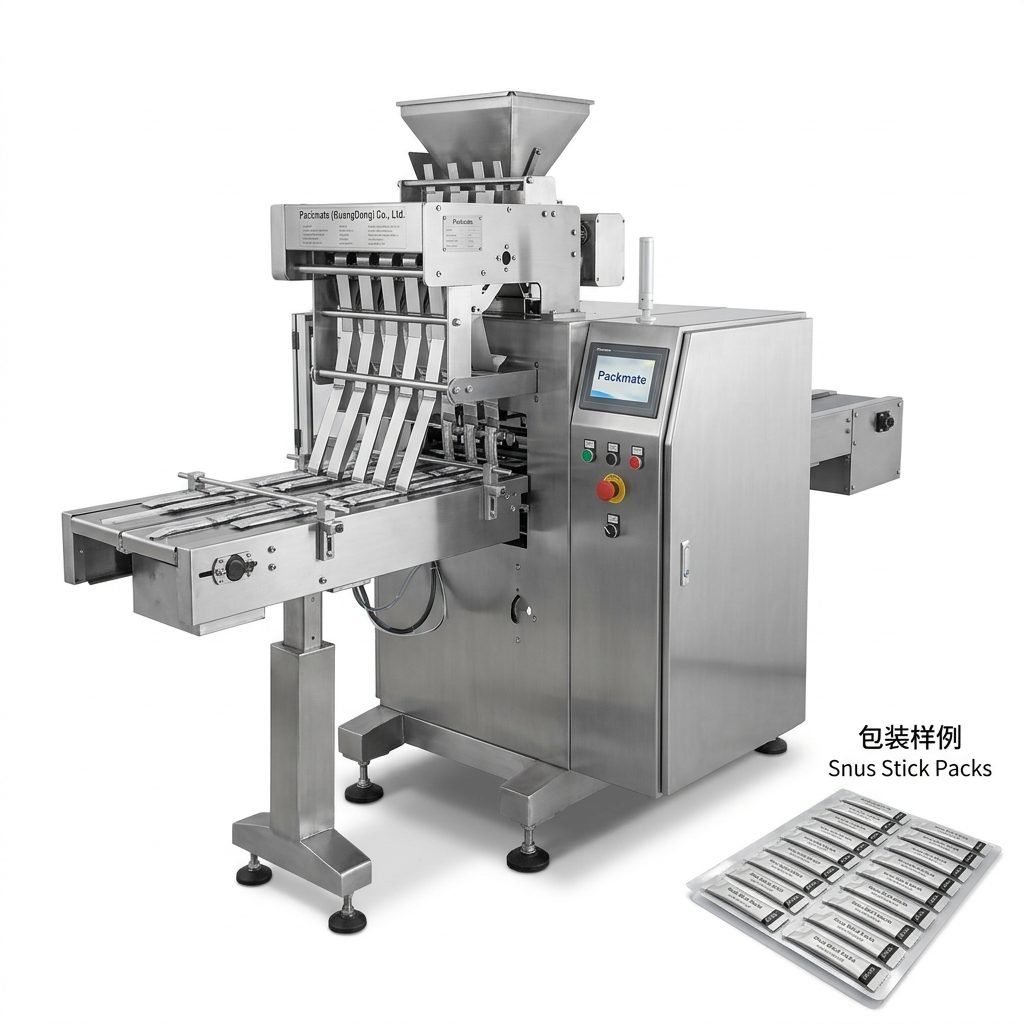
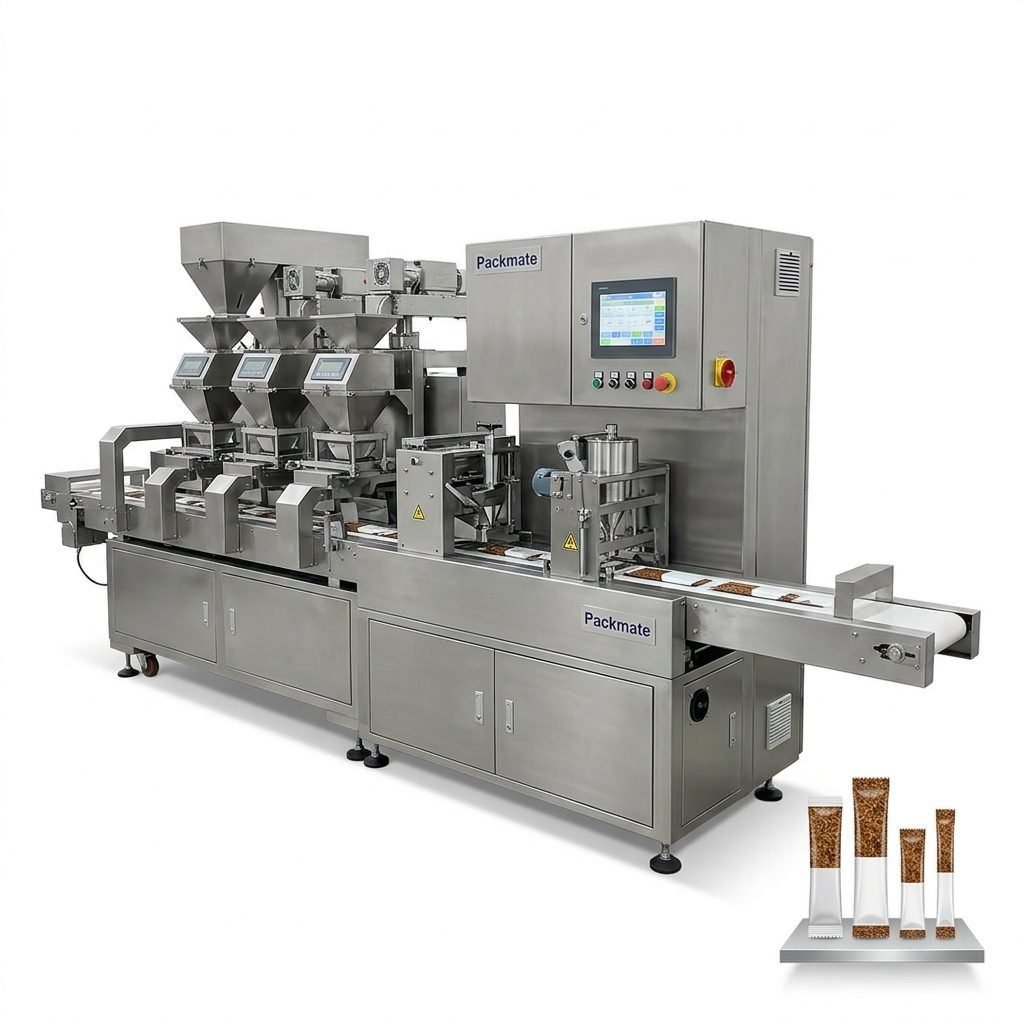
Nicotine pouches vary in size, dose, and moisture content. Machines optimized for small-dose, multi-lane snus pouches differ from single-lane stick-pack or sachet systems. If your product contains moisture-sensitive ingredients, prioritize equipment with gentle handling, controlled filling environments, and reliable sealing technology to prevent spoilage. Choosing the right format early—whether portion pouches, sachets, or stick packs—simplifies machine selection and avoids expensive modifications later.
2. Production capacity and scalability
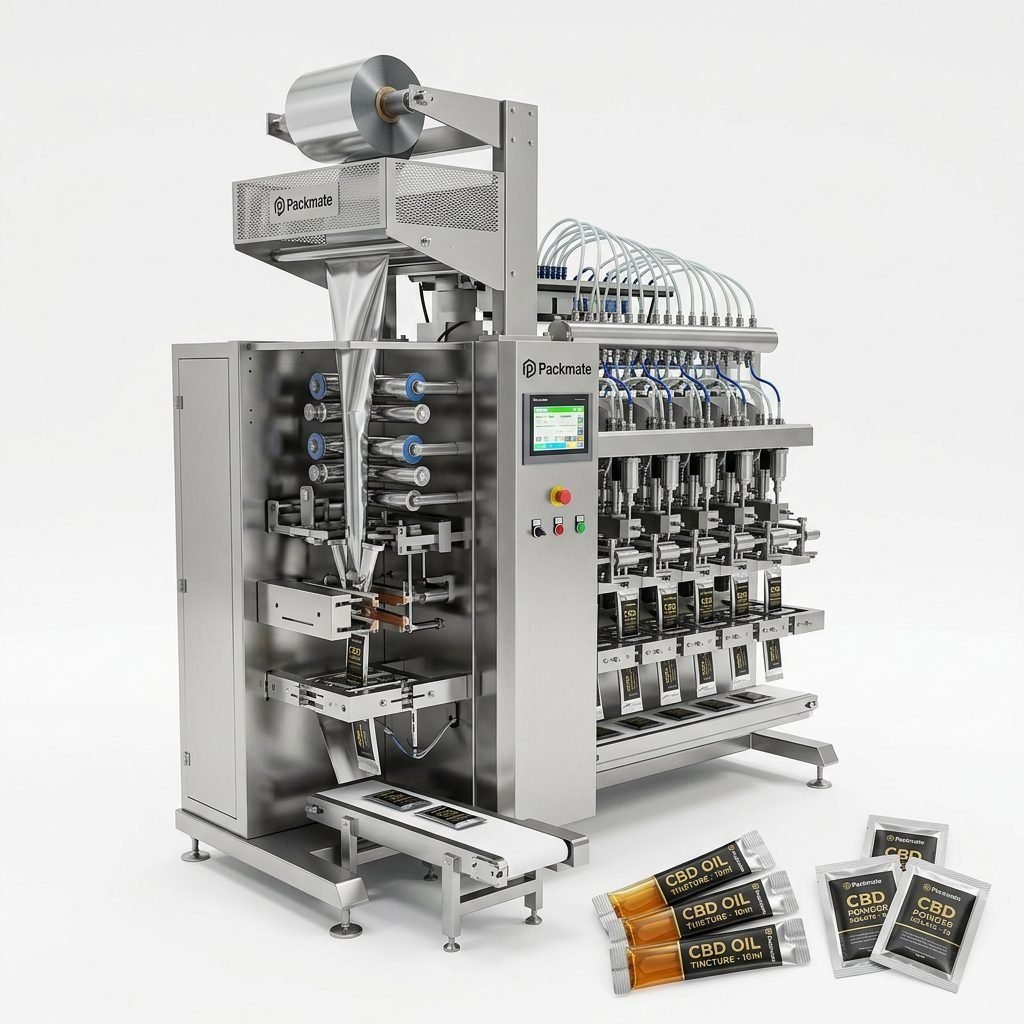
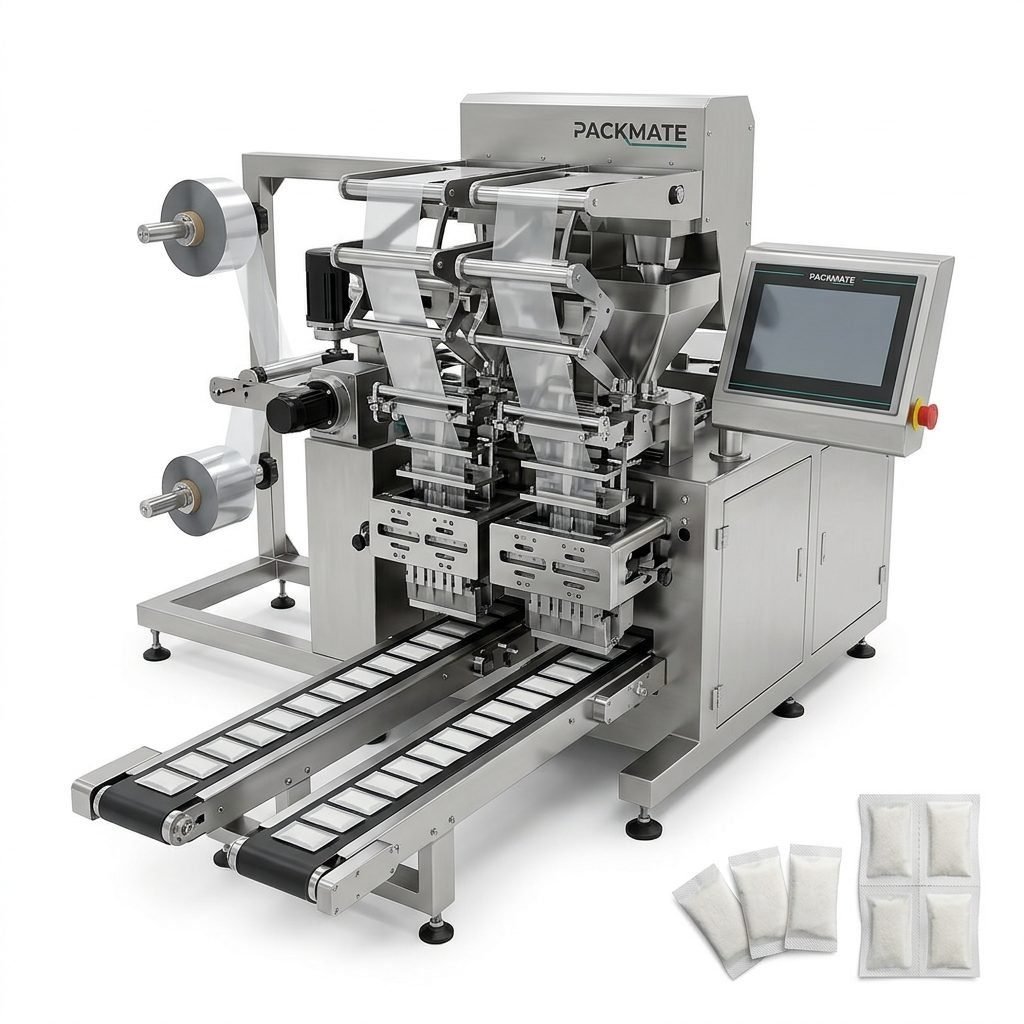
Estimate your daily and monthly output targets, then select a machine that meets that capacity with headroom for growth. Multi-lane packaging machines are ideal for high-volume producers and provide faster throughput with a smaller floor footprint — ideal for busy urban manufacturing hubs in Africa. For smaller startups or markets with irregular demand, a modular line or semi-automatic machines help control initial capital outlay while allowing upgrades later.
Explore machine categories and models to match output needs: Snus & Nicotine Packaging Machines and Sachet & Stick Pack Machines.
3. Packaging format flexibility
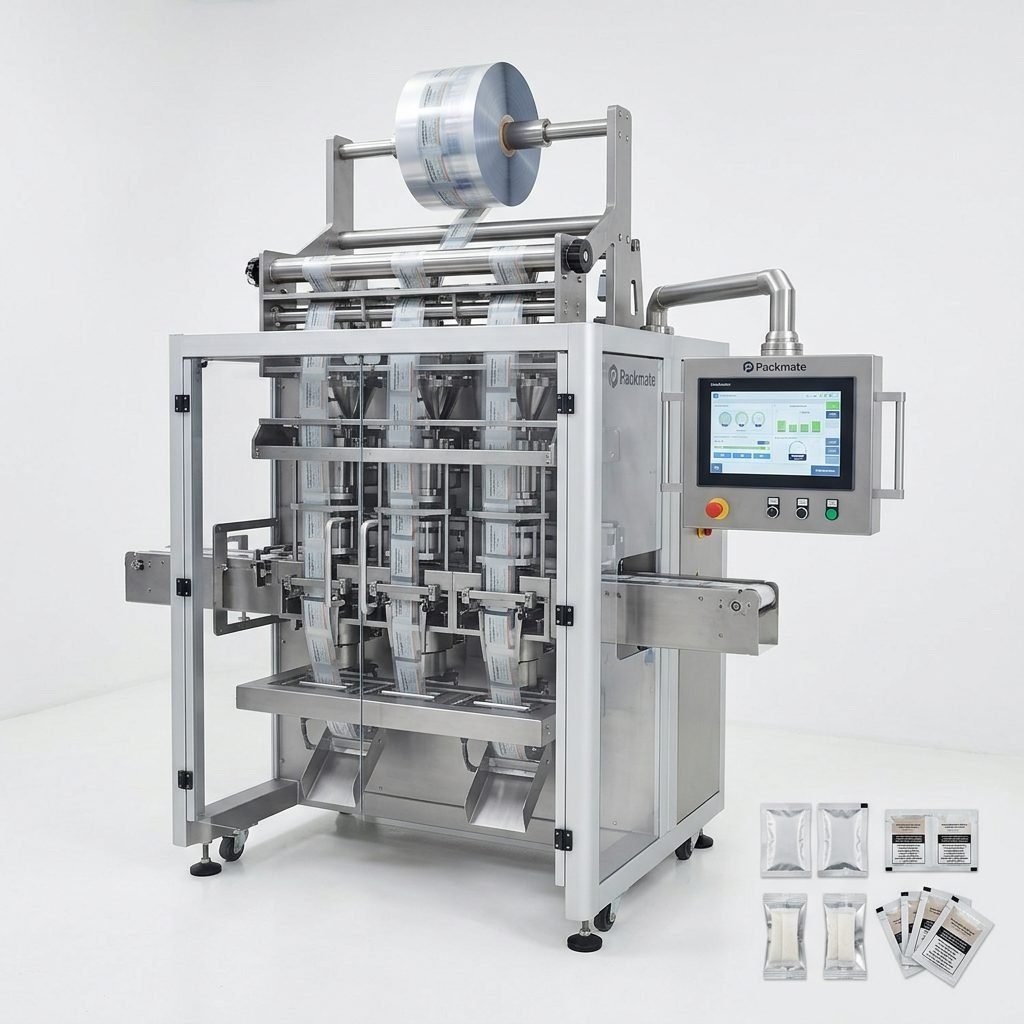
Markets across African countries show strong variation in preferred packaging styles — some consumers prefer small single-use sachets, while others opt for reusable tins or pouches. Select machines capable of handling multiple bag sizes and styles or choose a manufacturer offering quick-change tooling. Flexibility reduces future capital risk when launching new SKUs for different regions.
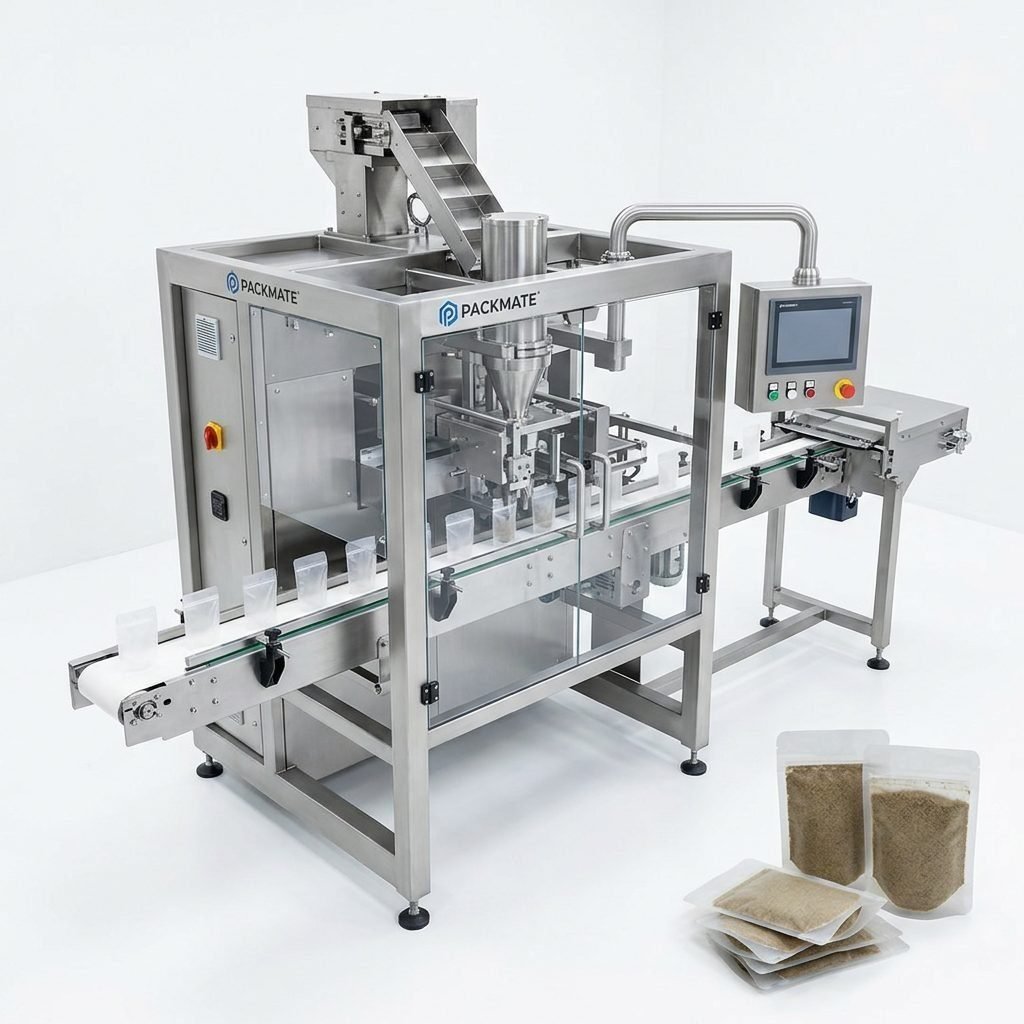
If you plan to produce a wide range of products (pouches, bags, sachets), consider versatile lines such as those listed under Bag & Pouch Packaging Machines.
4. Climate, hygiene, and dust control
Many African regions present high heat and humidity that can accelerate product degradation and compromise seals. Machines with enclosed sealing stations, controlled filling environments, and options for nitrogen flushing or humidity control are advantageous. Emphasize hygiene features — stainless steel contact parts, easy-to-clean surfaces, and minimal product exposure — to maintain consistent quality and meet buyer expectations.
5. Compliance, certification, and local regulation
Different African countries enforce varying rules on nicotine-containing products, packaging warnings, and labeling. Choose manufacturers whose equipment complies with international standards (for example CE and ISO certifications) and who can provide documentation for audits and import processes. See manufacturer credentials such as Certificate pages to confirm compliance.
6. Automation level, workforce skills and training
In many African operations, access to highly skilled technicians is limited in remote regions. Machines with user-friendly HMI, automated troubleshooting, and remote service capability reduce downtime. Decide whether a fully automated turnkey line or a semi-automatic setup fits your workforce. Factor in training time and on-site commissioning offered by the supplier.
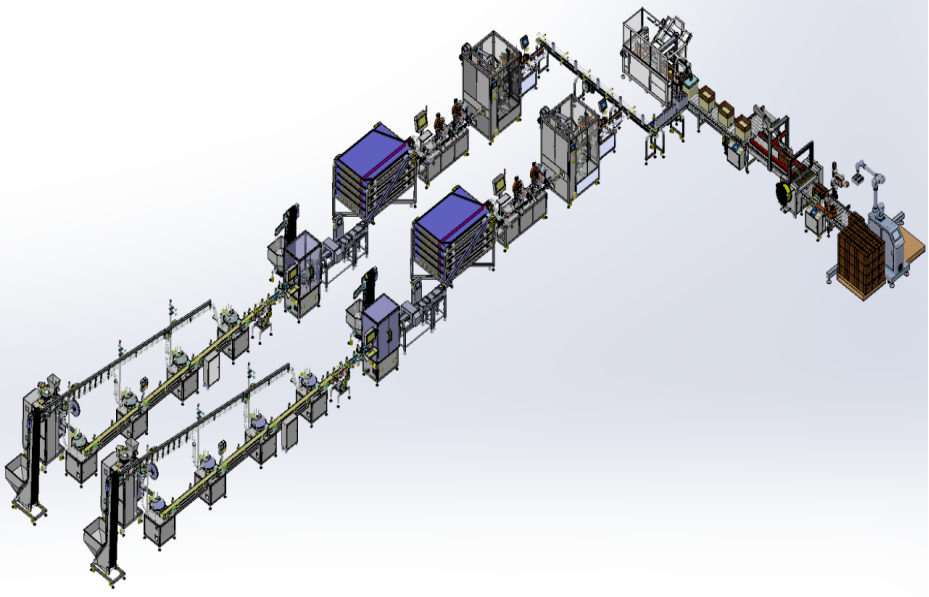
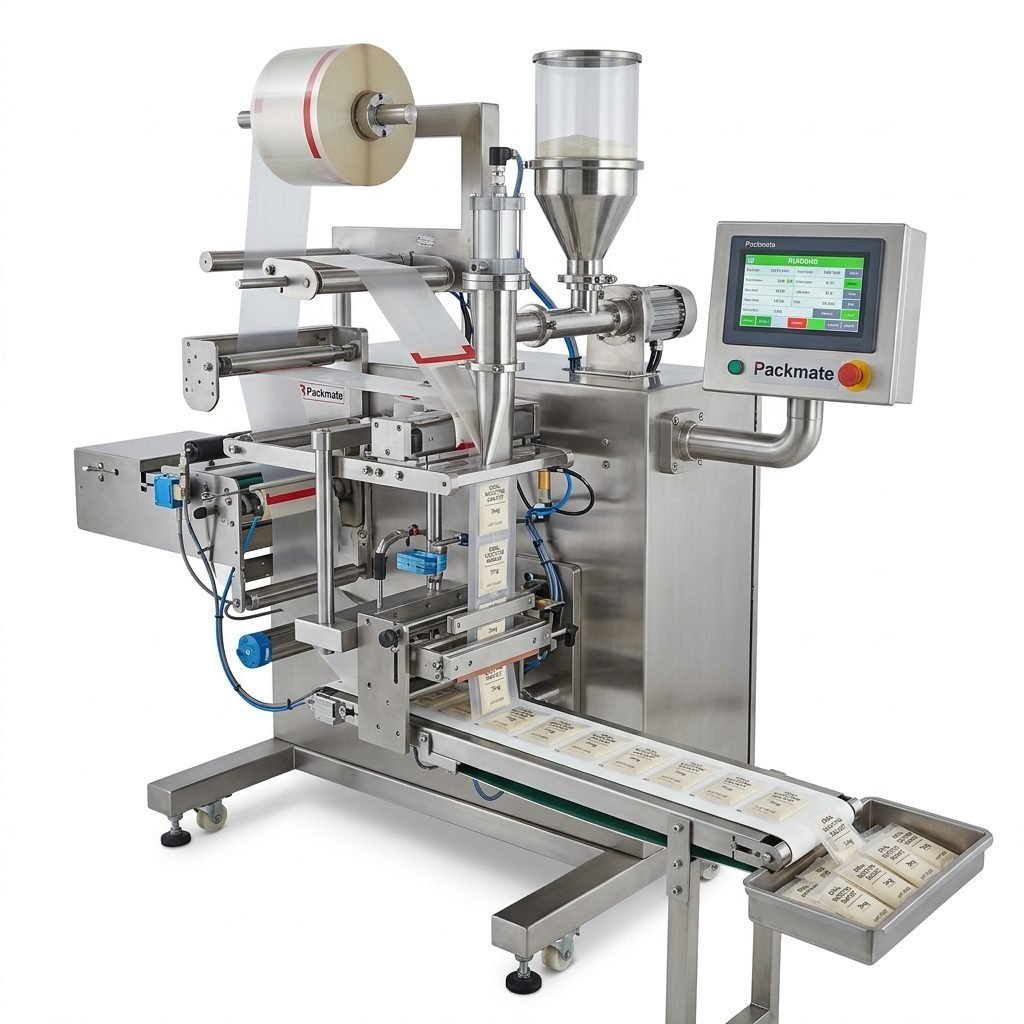
Suppliers often provide complete lines and training — for additional information see Filling & Packaging Lines and Service.
7. Spare parts, uptime and local support
Reliable local or regional spare-part channels are essential to minimize production stops. Check supplier lead times for critical components and whether they offer local stocking or regional distribution. Consider vendors with a global presence and exhibition record — this often correlates with a better service network and proven installations. See real-world applications in the supplier’s Case studies and exhibition participation in Our Exhibition.
8. Total cost of ownership (TCO) considerations
Purchase price is only part of the story. Estimate energy consumption, preventive maintenance frequency, expected lifetime, spare-part costs, and training expenses. Machines with robust mechanical design and accessible parts from a factory with strong machining capabilities (for example advanced CNC centers) often deliver lower TCO through longer service intervals and reduced unscheduled downtime.
9. Floor space, mobility and installation logistics
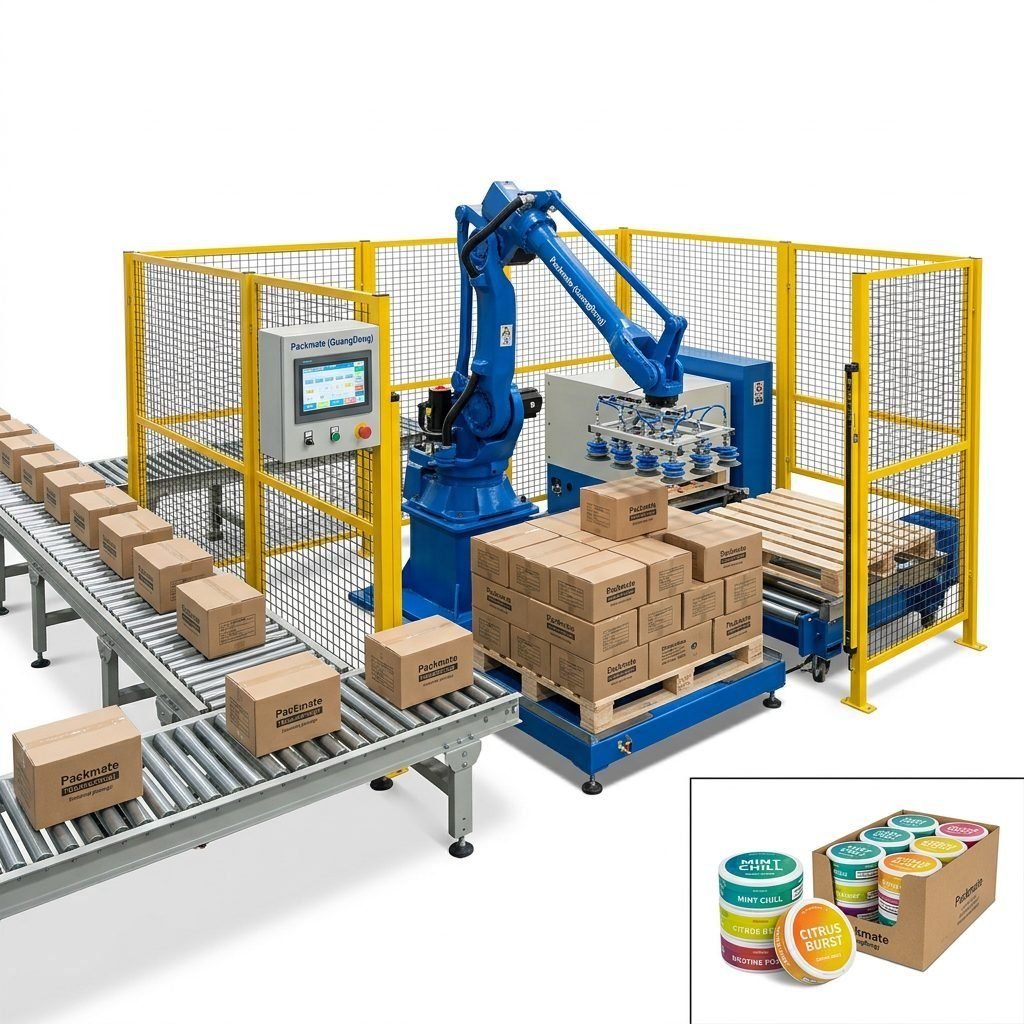
Shipping, customs clearance, and on-site installation must be planned carefully for African operations. Choose machines that fit your available floor plan and consider modular lines that can be shipped in manageable crates. Verify the supplier’s support for installation and commissioning. Confirm machine dimensions and weight early to avoid costly site modifications.
10. Reputation, warranty and long-term partnership
Look for established manufacturers with decades of engineering experience and global turnkey solutions. Suppliers with documented factory capacity and a stable R&D history provide more reliable machines and often offer tailored solutions. Learn about the company and its history to evaluate long-term partnership potential: About Packmate.
🔧 Quick selection checklist
✅ Define product specs (size, dose, moisture) and preferred packaging format.
✅ Match capacity (current + growth) and consider multi-lane for high throughput.
✅ Prioritize sealing reliability, hygiene design, and climate control options.
✅ Verify certifications, spare parts availability, and local service channels.
✅ Review total cost of ownership and supplier warranty/service commitments.
Real-world buying tips for African operations
– Start with a pilot run to validate machine performance with your formulation under local conditions. This reduces the risk of scale-up issues.
– Negotiate spare-parts kits and an initial training package in the contract. On-site training for operators and maintenance staff dramatically improves uptime.
– Consider financing options or staged purchases: begin with a core filling/sealing module and add automation modules later.
– Ask for local references or installations in similar climates. Visiting a comparable production site, if feasible, is invaluable.
Why Packmate-style suppliers are often a good fit
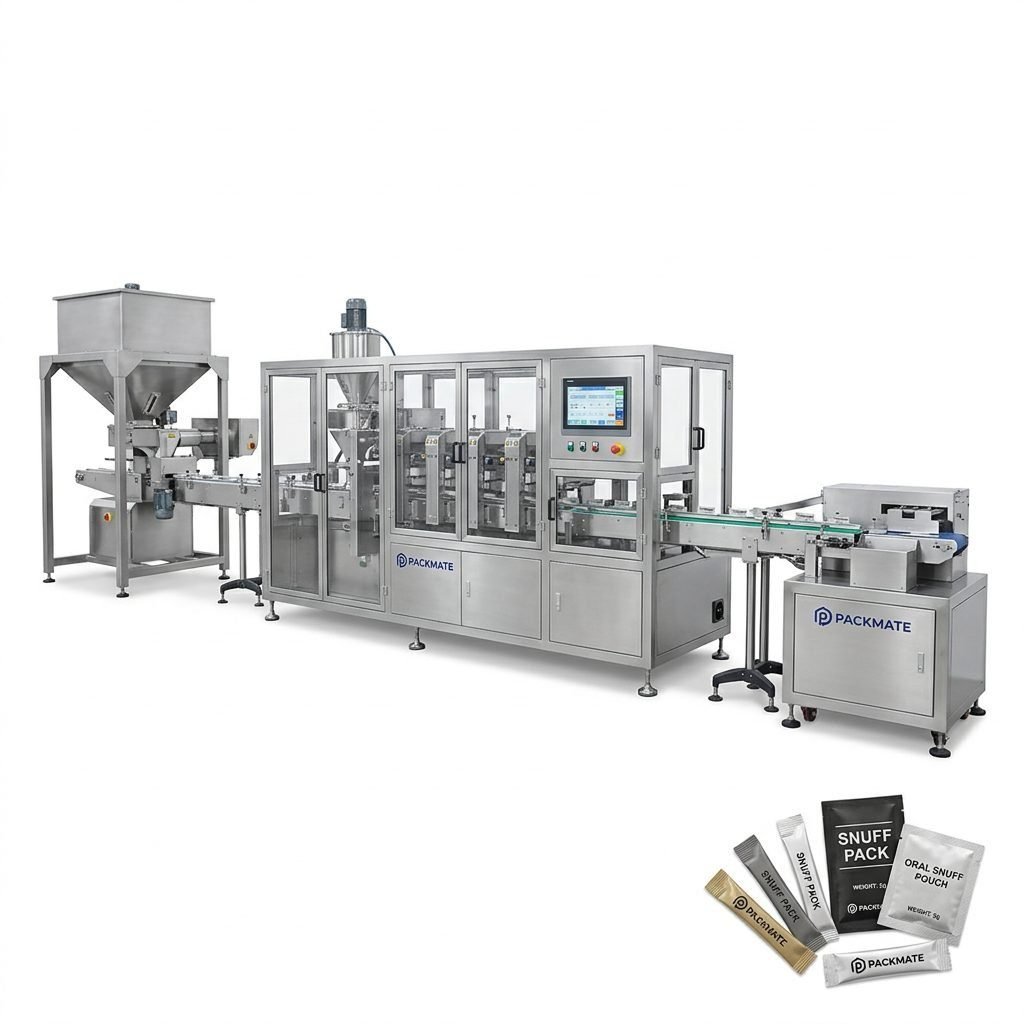
Suppliers with extensive experience in snus and nicotine packaging — with large factories, diverse models, and turnkey solutions — offer advantages: tested multi-lane systems for small-dose pouches, advanced machining and assembly facilities, and global case histories. If you need integrated solutions that include weighing, filling, and packaging, review complementary product lines like Weighing & Packaging Systems.
Next steps before signing a PO
1) Request machine performance data and reference installations in Africa or similar climates. 2) Schedule a factory acceptance test (FAT) or video demo under real product conditions. 3) Confirm warranty terms, lead times for spare parts, and post-sale support commitments. 4) Ensure labeling, serialization, and any regulatory printing options are supported by the chosen machine.
Conclusion
Selecting the best nicotine packaging machine for Africa requires balancing product requirements, environmental challenges, local market habits, and long-term serviceability. Prioritize machines that offer robust sealing and hygiene features, proven multi-lane throughput if needed, and strong after-sales support. Working with experienced turnkey suppliers helps reduce project risk and accelerates your time-to-market.
Frequently Asked Questions
Q: How do I choose between multi-lane and single-lane machines for African markets?
A: If you expect high volume or multiple SKUs with similar formats, multi-lane systems boost throughput and efficiency. For smaller volumes or experimental SKUs, start with single-lane or modular equipment and upgrade later.
Q: What environmental controls are most important in hot, humid climates?
A: Focus on enclosed sealing stations, humidity control near the filling area, and options for inert gas flushing. Materials that resist corrosion and easy-clean designs are also essential.
Q: How can I ensure spare parts availability regionally?
A: Negotiate initial spare-kits, confirm lead times, and choose suppliers with regional distribution or the ability to ship quickly. Consider stocking frequently used parts locally as part of your operating procedures.
Q: Are certifications like CE and ISO necessary for machines used in Africa?
A: Yes — international certifications help with import clearance and demonstrate compliance with recognized safety and quality standards. They also support buyer confidence for export markets.
Q: Where can I find turnkey packaging solutions and test cases?
A: Review supplier product pages and case studies to see real installations and production lines. For example, explore Snus & Nicotine Packaging Machines and supplier case histories for reference.