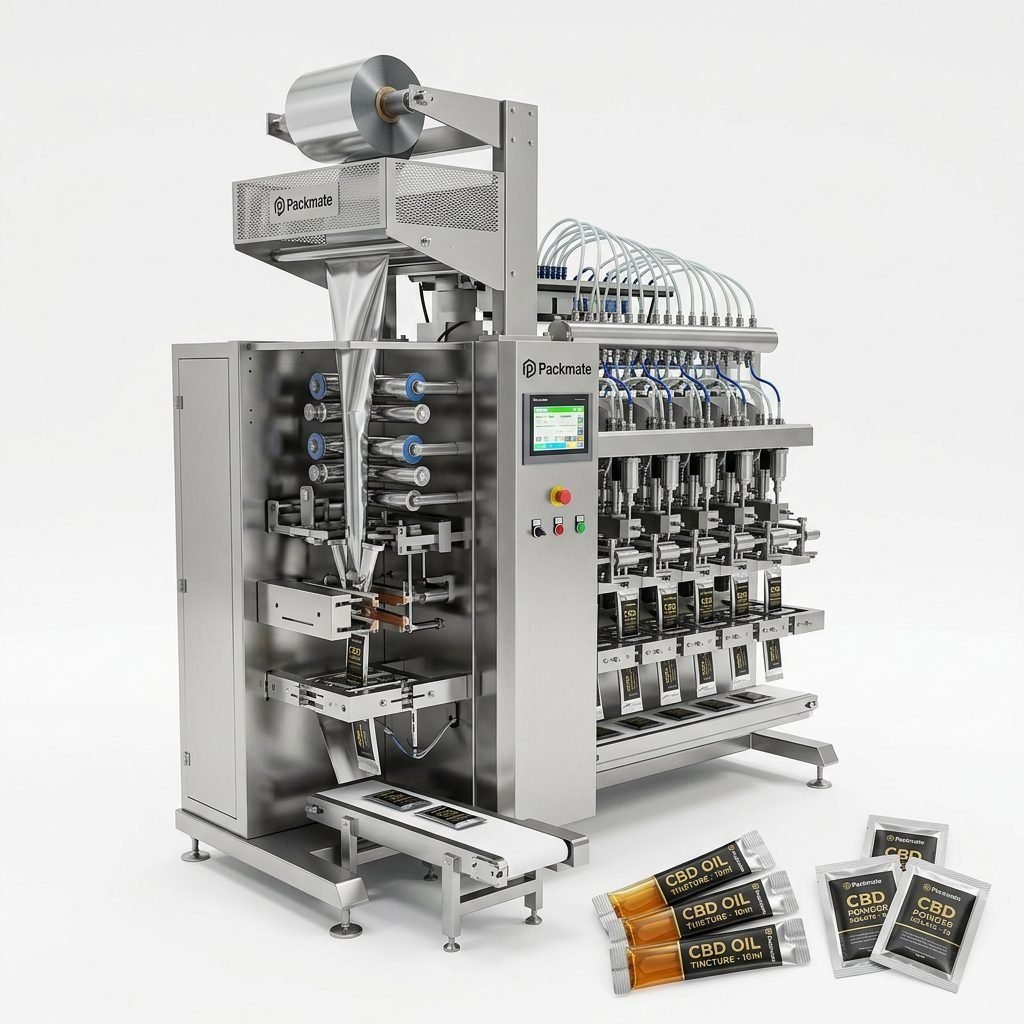
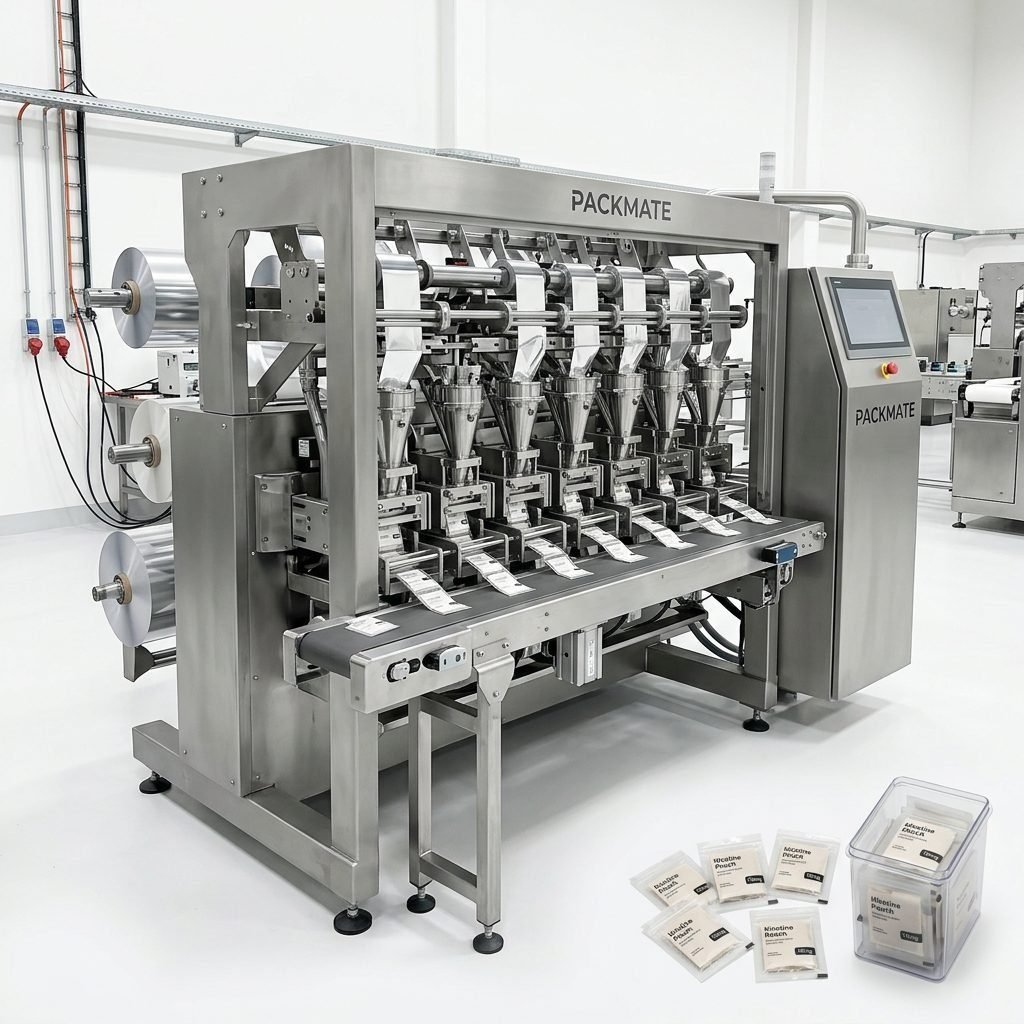
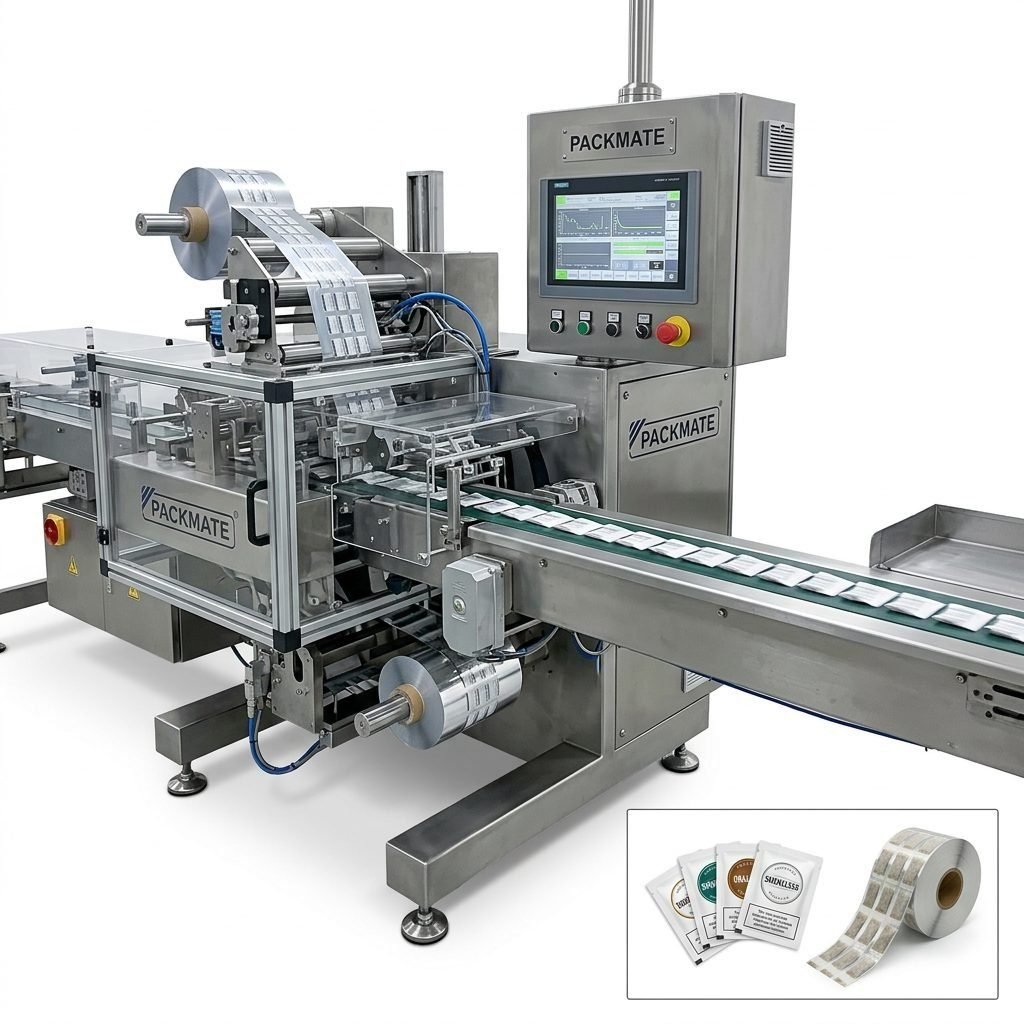
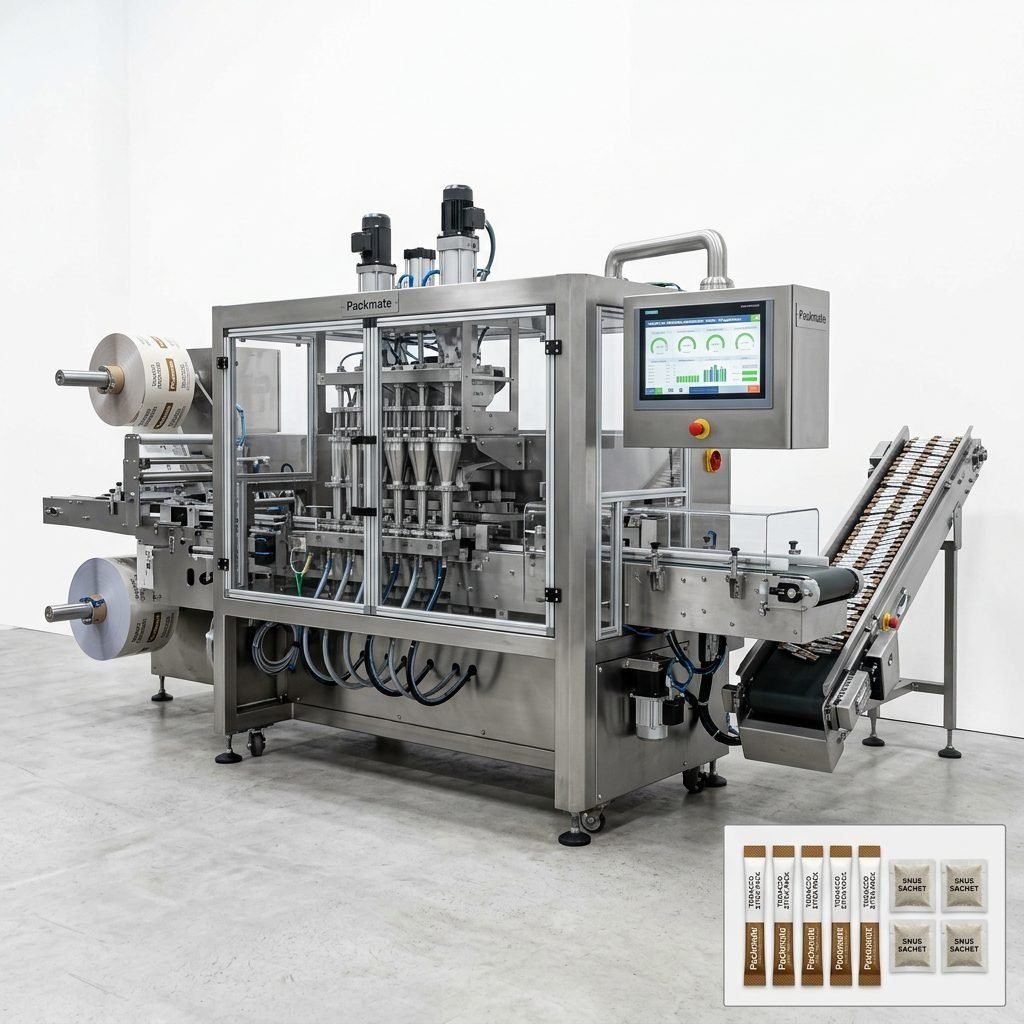
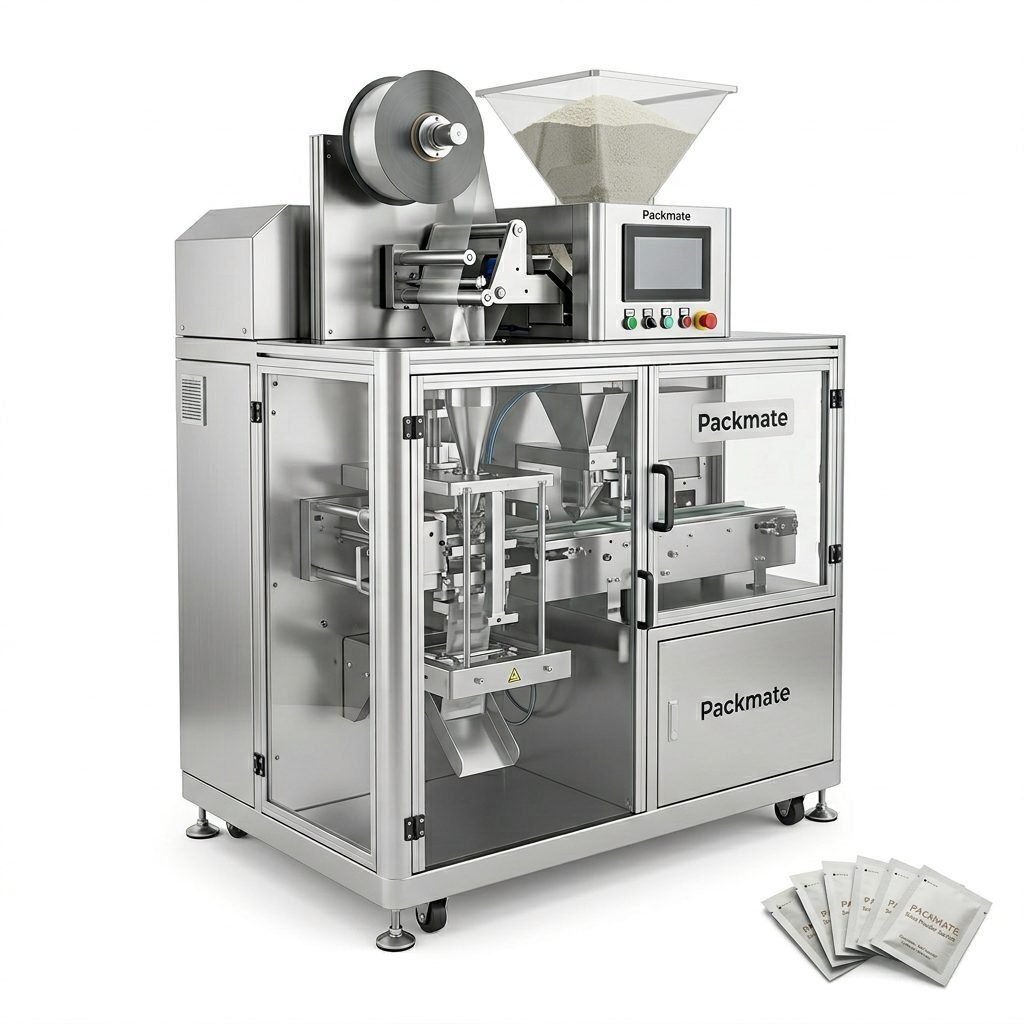
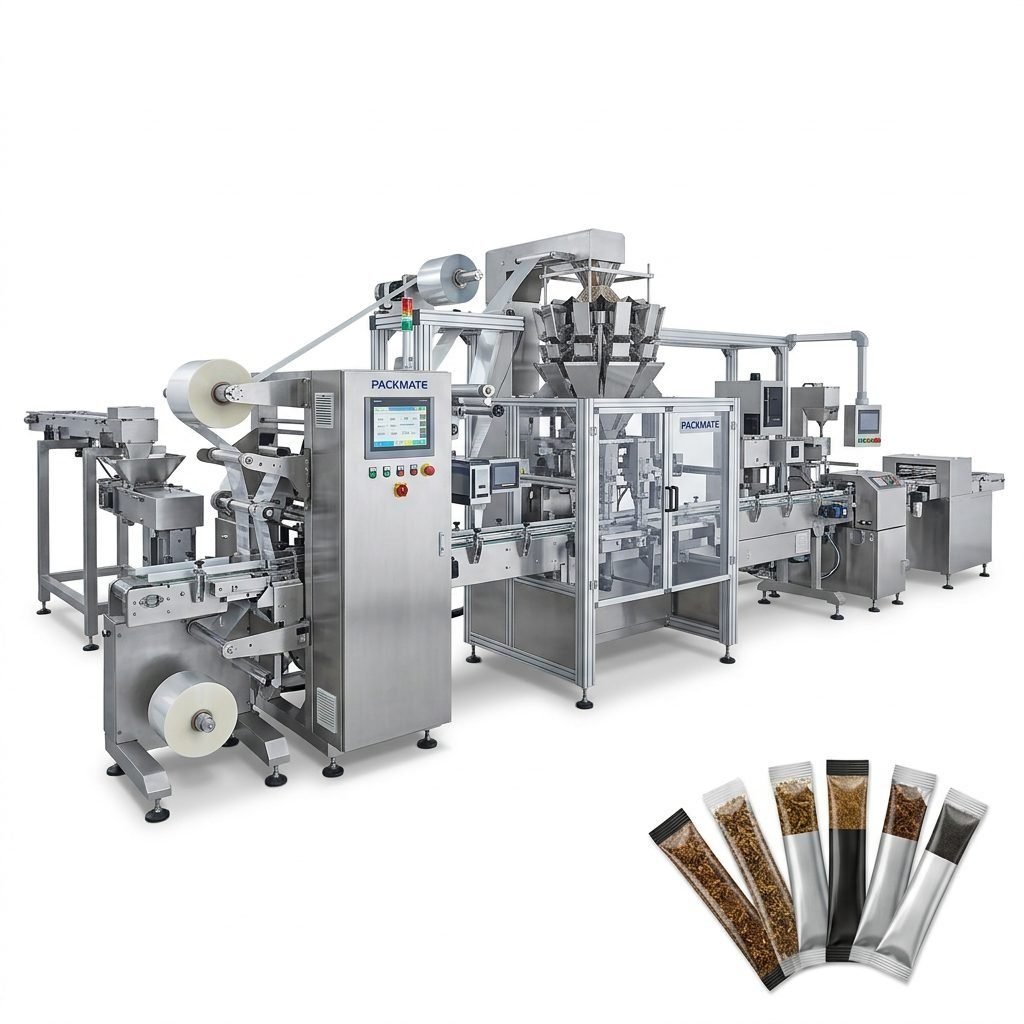
Entering the Haitian market with snus or nicotine pouch products requires more than a great formula and attractive packaging — it demands the right packaging machinery partner. Choosing a trustworthy snus packaging machinery manufacturer in Haiti (or one that can serve Haiti reliably) affects product quality, compliance, production speed, and long-term operating costs. This guide walks you through practical, on-the-ground criteria and decision points so your business can select the best partner for long-term success.
Understand the Haitian market and local customs
Haiti has a unique cultural and business environment. French and Haitian Creole are the primary languages, and business communication is often relationship-driven. For foreign manufacturers, local customs favor personal relationships, clear timelines, and predictable after-sales support. Climate-wise, Haiti is tropical — high humidity and heat are normal — so equipment must be corrosion-resistant and suitable for humid environments. Expect logistical challenges in some regions, and consider a machine supplier with export experience and strong packaging line documentation.
Practical implications for machinery
Choose machines with robust sealing systems and materials that deal well with humidity. Ask about protective finishes, stainless steel contact parts, and climate-adapted PLC settings. Also prioritize manufacturers who provide clear multilingual manuals (English/French/Creole when possible) and remote training options to bridge local language gaps.
Key evaluation criteria when selecting a manufacturer
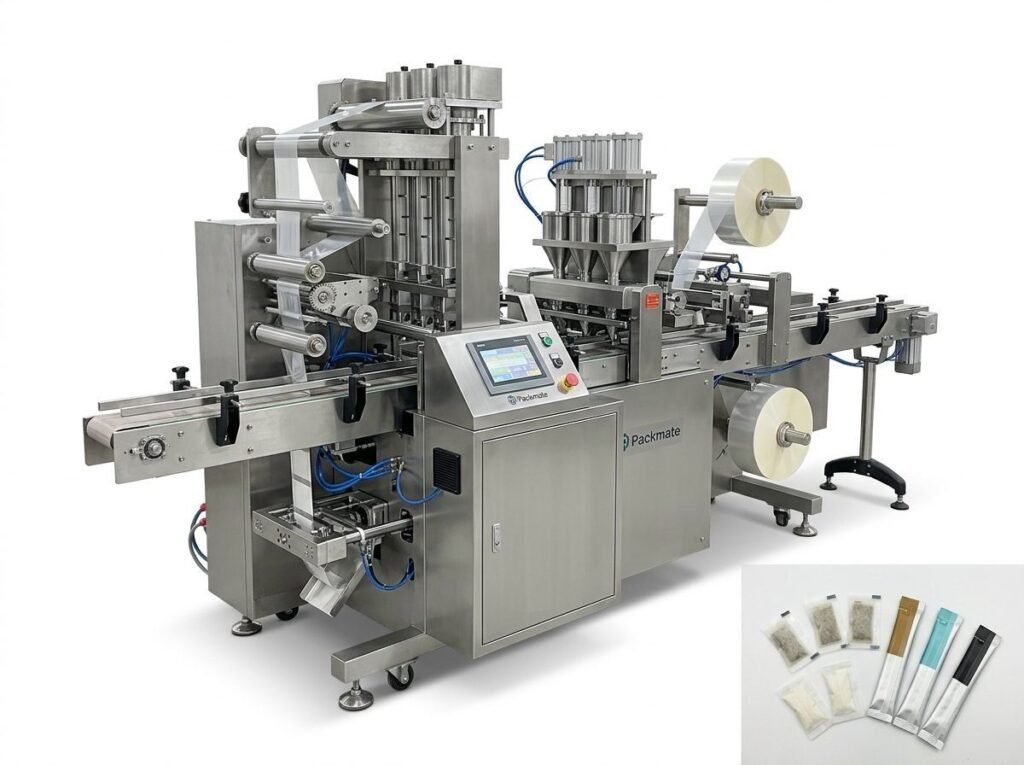
✅ Experience & product specialization: Prefer manufacturers with a deep focus in snus and nicotine pouch lines. Experience with multi-lane, stick pack, sachet, and pouch formats reduces risks when scaling.
Evaluate manufacturers based on factory size, number of machine models, and years of R&D. A supplier with an established facility and a portfolio of snus-specific machines will better handle small-dose, high-precision requirements common in nicotine pouch production.
🔧 Technical capabilities & customization: Machines must be adaptable to your pouch size, speed targets, filling materials (powder or granule), and packaging material types.
Confirm the manufacturer can deliver custom tooling, recipe memory for quick changeovers, and options like multi-lane systems for high throughput. Look for precise dosing and gentle handling features to maintain product quality.
🌍 Compliance & certifications: CE, ISO, and relevant safety certifications show international compliance and reduce import hurdles.
In Haiti, customs and import inspections expect clear compliance paperwork. Choose manufacturers who provide full certification packs and clear machine documentation to ease customs clearance.
Service, spare parts, and local support
After-sales service is a top priority for operations in Haiti. Reliable suppliers offer remote diagnostics, spare parts kits, and training programs for local technicians. Confirm spare part availability lead times and evaluate if the manufacturer can ship parts directly or through regional hubs.
⚡ Power & electrical considerations: Haitian voltage and power stability vary. Machines with flexible input ranges, soft-starts, and surge protection help prevent downtime.
Factory tours, references, and case studies
Visiting the manufacturer’s factory or watching live demos is invaluable. Request video tours, sample production runs, and reference contacts. Manufacturers that list exhibition history and customer cases indicate transparency and confidence — check their case studies and exhibition records to verify real-world performance. For example, view product lines and cases on manufacturer pages such as Snus & Nicotine Packaging Machines and their Case examples.
Total cost of ownership and ROI
Purchase price is one portion of total cost. Calculate installation, training, spare parts, consumables, energy consumption, and expected uptime. High-efficiency multi-lane machines may cost more upfront but can lower cost per pouch dramatically.
Ask for a projected ROI scenario based on your required output: how many pouches per minute, expected yield, and maintenance schedule. Clear data helps justify higher-quality investments.
Integration and turnkey solutions
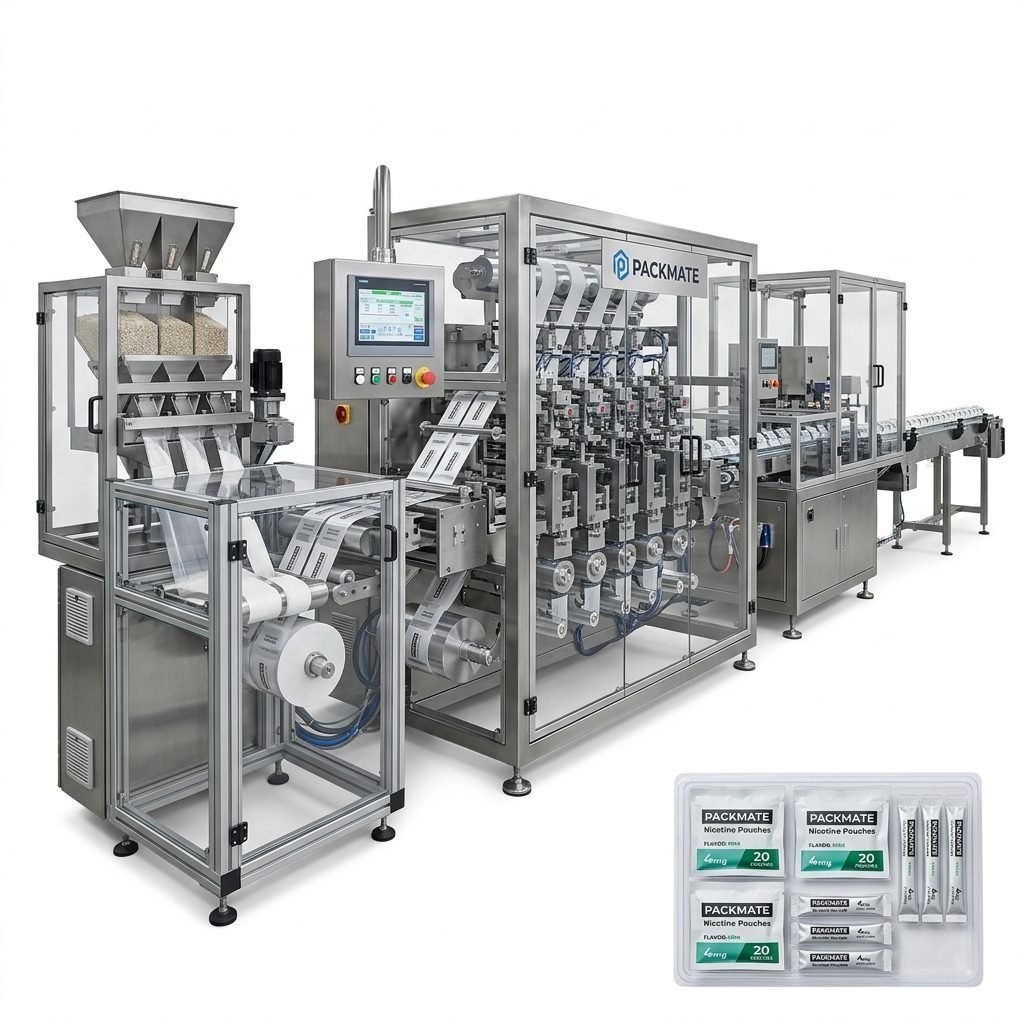
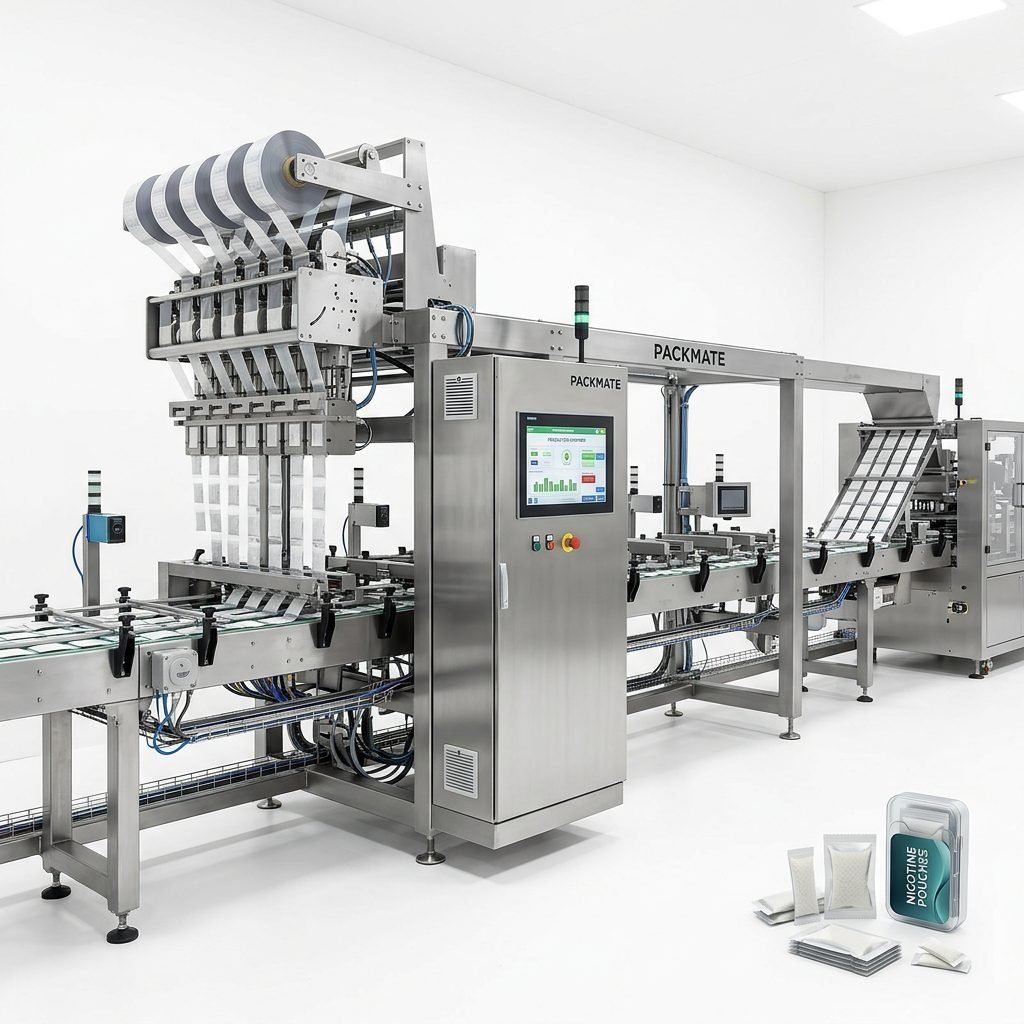
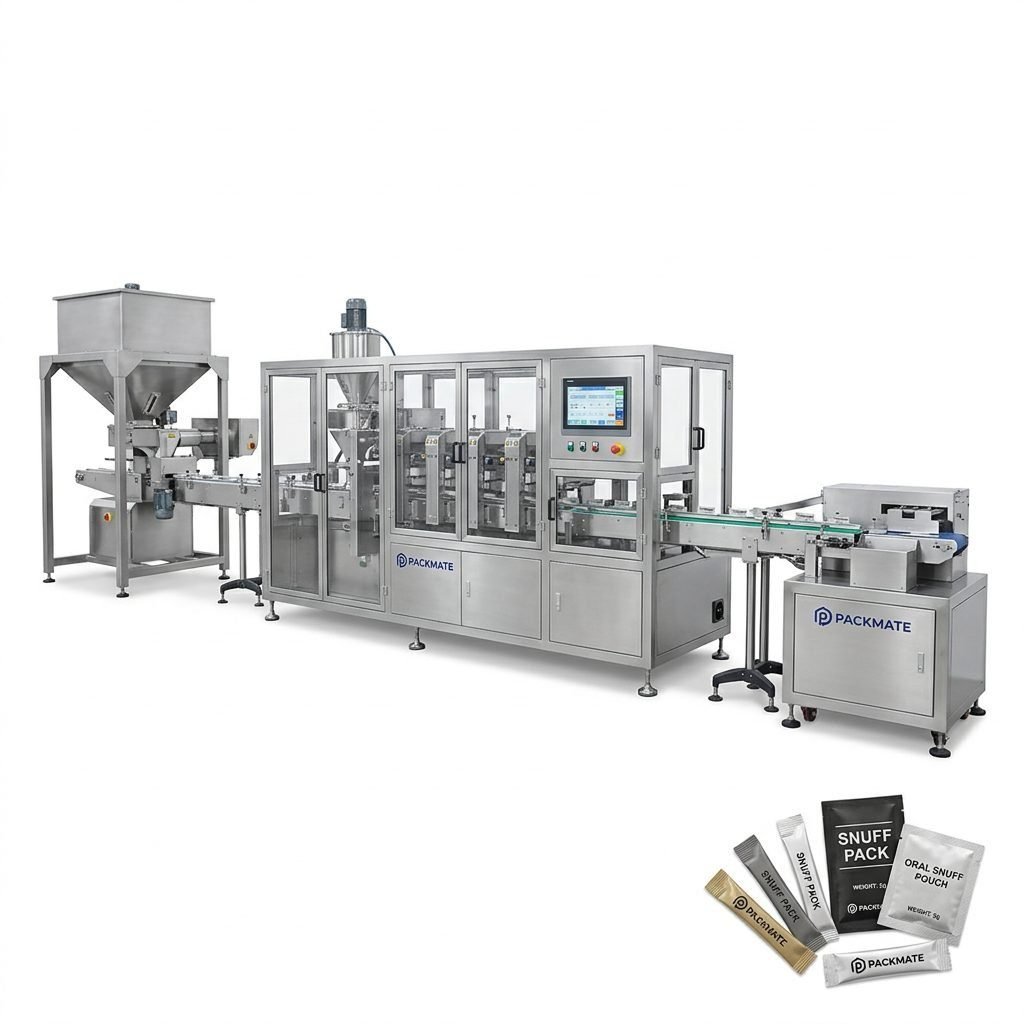
If you need a full line — from filling to weighing, packaging, and case packing — prefer manufacturers offering turnkey solutions and auxiliary equipment. Links such as Weighing & Packaging Systems and Auxiliary Packaging Equipment can illustrate integrated line capabilities.
📦 Logistics & installation: Ask if the manufacturer offers on-site installation, commissioning, and operator training. For Haiti, remote start-up support combined with clear manuals speeds commissioning.
Why Packmate-style manufacturers are a strong option
Manufacturers with 20,000㎡ factories, 30+ years of engineering history and a portfolio of snus-specific machines provide clear advantages: proven R&D, diverse machine models, and strict quality checks. Such suppliers often attend global exhibitions and maintain CE/ISO certifications, making them suitable partners for export markets like Haiti. Explore their broader capabilities on the About Packmate page and request catalogs or certificates via Contact Us.
Quick decision checklist
🔎 Factory size & models available
🧾 Certifications & documentation (CE, ISO)
🔧 Spare parts & remote service plan
📈 ROI projections and energy specs
🤝 Cultural fit & language support for Haiti
Final recommendations
Start with a shortlist of 3 manufacturers, request technical proposals, factory validation (video or visit), and a sample production run. Prioritize manufacturers who demonstrate experience with snus/nicotine pouch lines, provide clear certification packs, and offer practical after-sales support for Haitian operations. If possible, negotiate a pilot order or extended warranty to reduce launch risk.
Next steps
Prepare a machine requirements brief (target speed, pouch size, material, climate concerns, and local power conditions) and share it with potential partners. Request quotes that include packaging material compatibility, recommended spare parts lists, and training options. A well-prepared brief shortens lead times and improves final machine fit.
Frequently Asked Questions
Q1: How do I check a manufacturer’s claims about snus-specific experience? A1: Ask for video demos, sample pouches produced on your intended material, client references, and case studies. Verify certificates and machine photos showing real production lines.
Q2: What spare parts should I stock for Haiti? A2: Keep critical wear parts (seals, knives, belts), electrical spare modules (PLC backup, HMI), and dosing components. Confirm lead times from the manufacturer and consider an express shipping plan.
Q3: Can remote commissioning work in Haiti? A3: Yes — if your site provides stable internet and a local technician for hands-on tasks. Combine remote guidance with clear manuals and a parts kit for best results.
Q4: Are turnkey lines better than single machines for a launch? A4: Turnkey lines simplify integration but cost more upfront. If you expect rapid scale-up, turnkey options with integrated weighing and packaging systems reduce downtime and complexity.
Q5: Where can I view machine catalogs and contact suppliers? A5: Review product catalogs and contact details on the manufacturer’s website product pages and contact page to request tailored proposals and catalog PDFs.