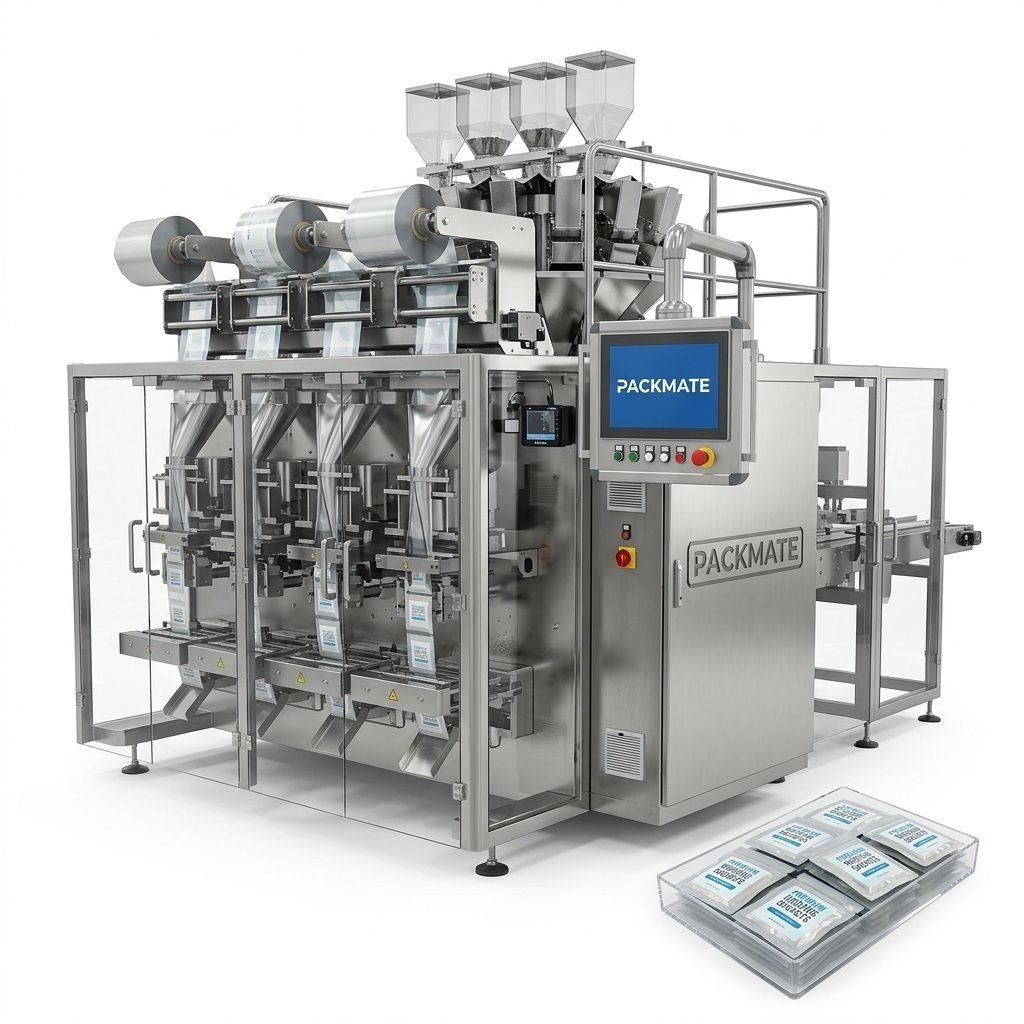
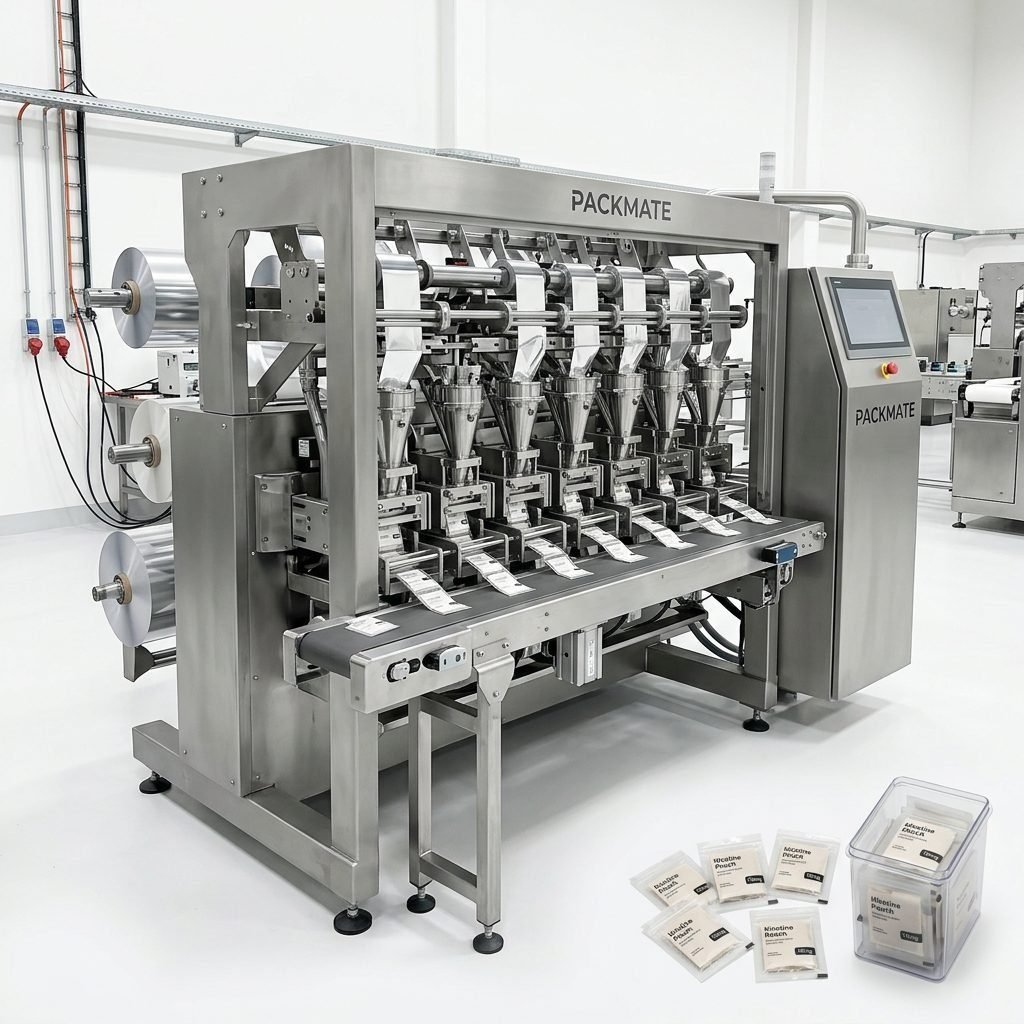
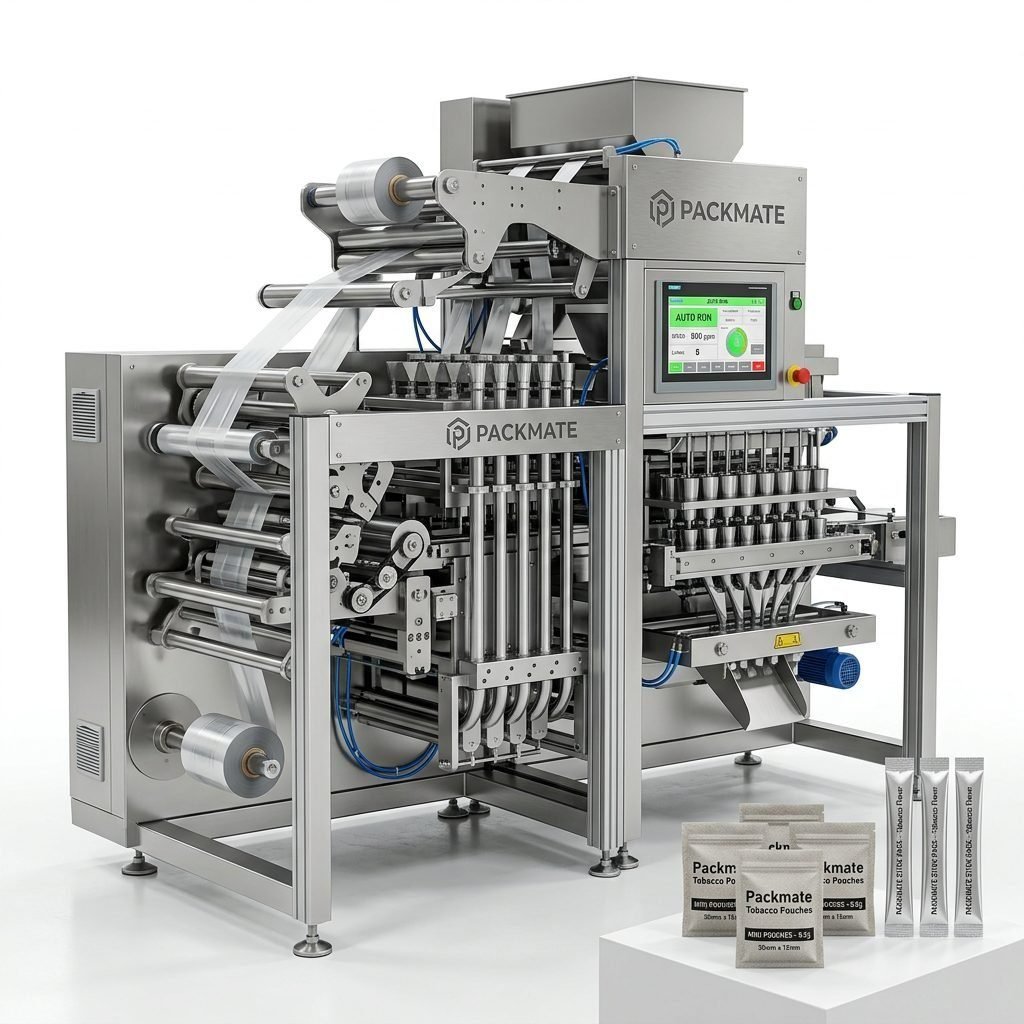
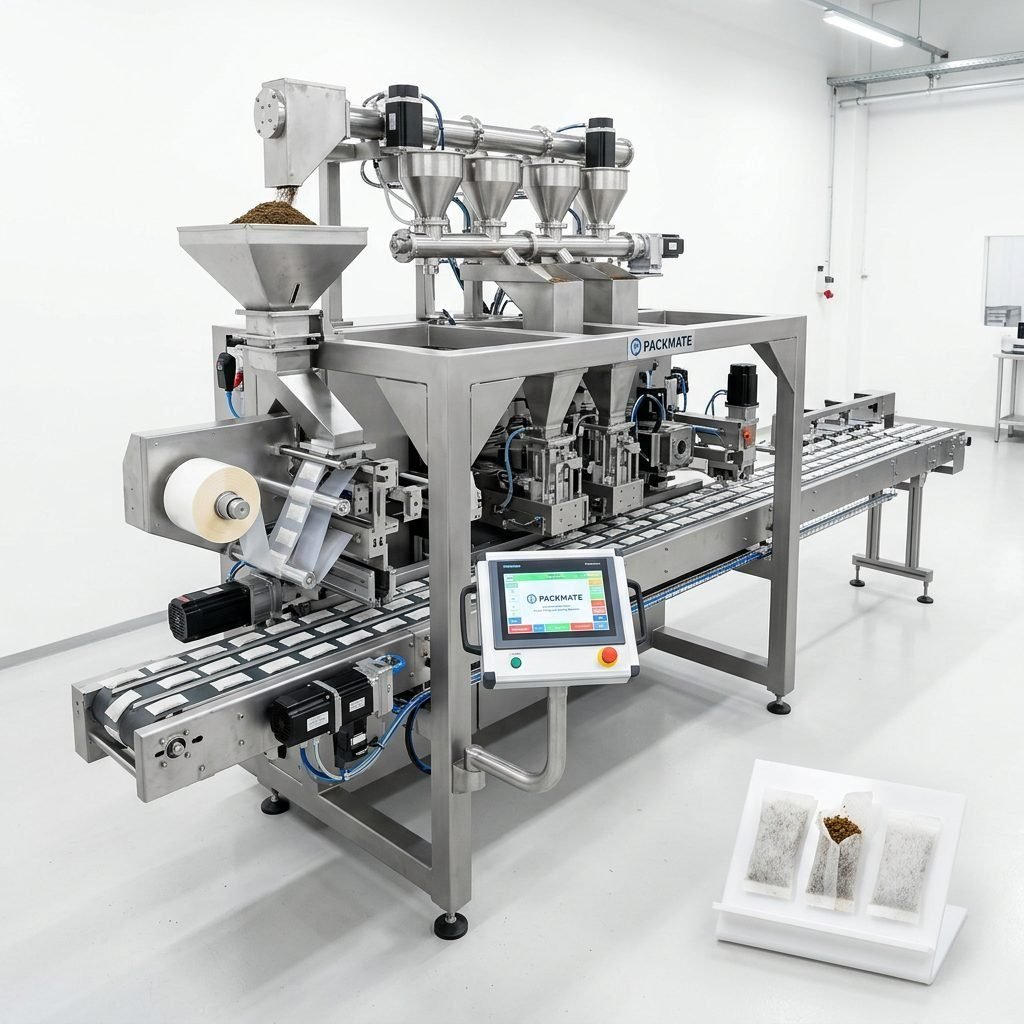
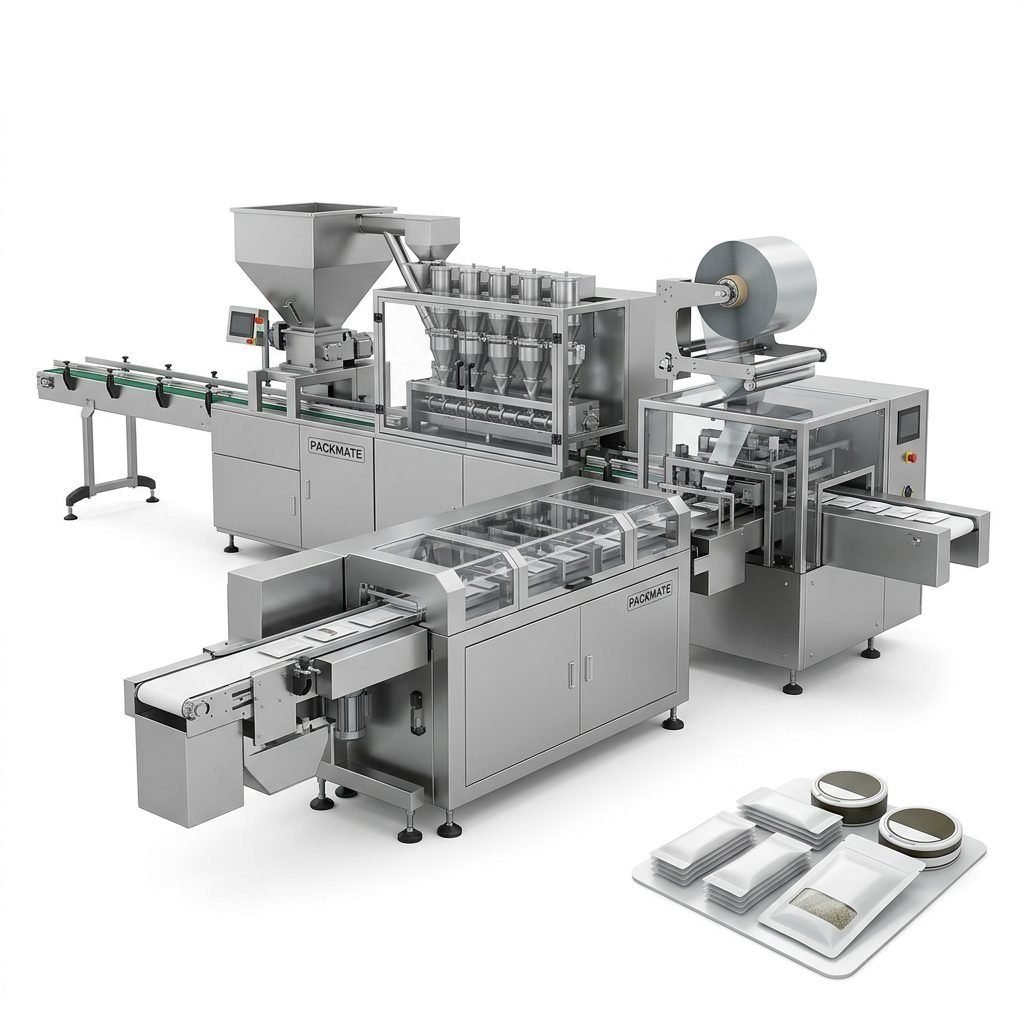
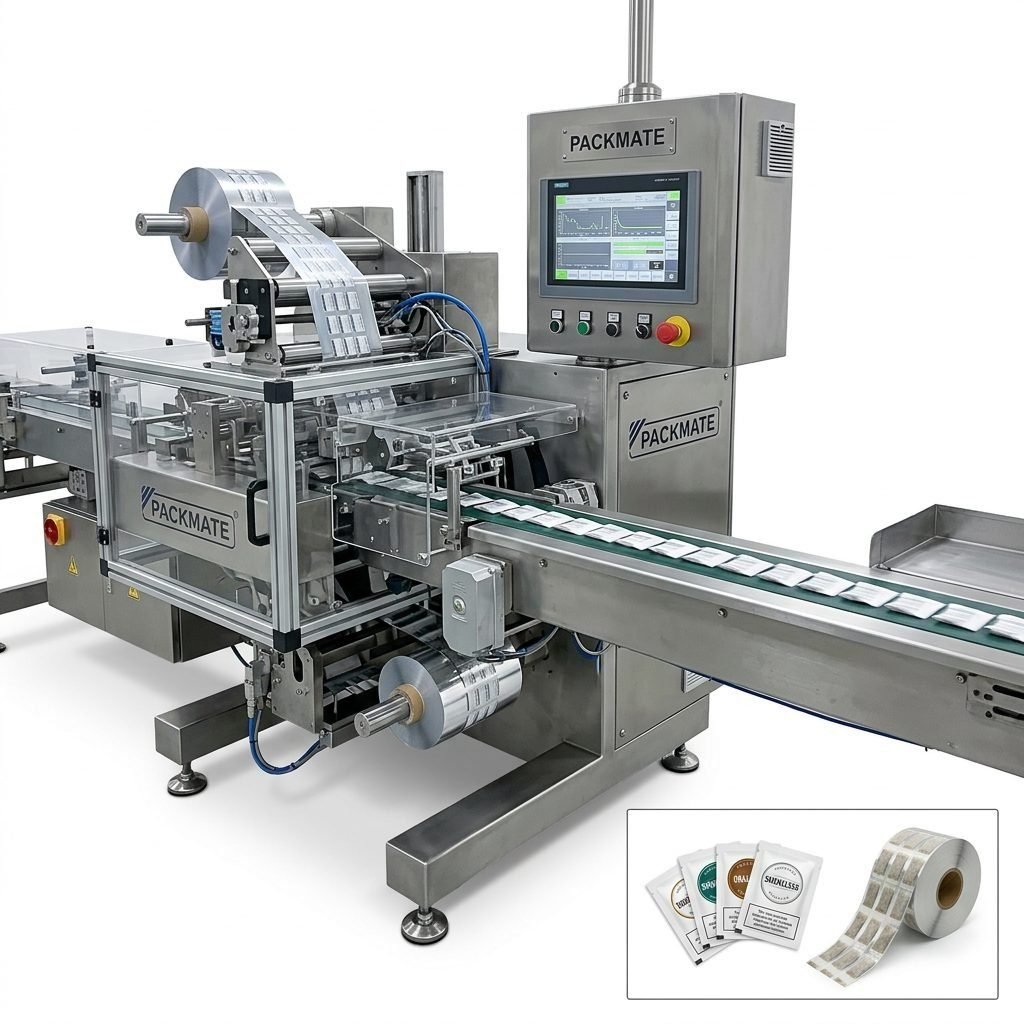
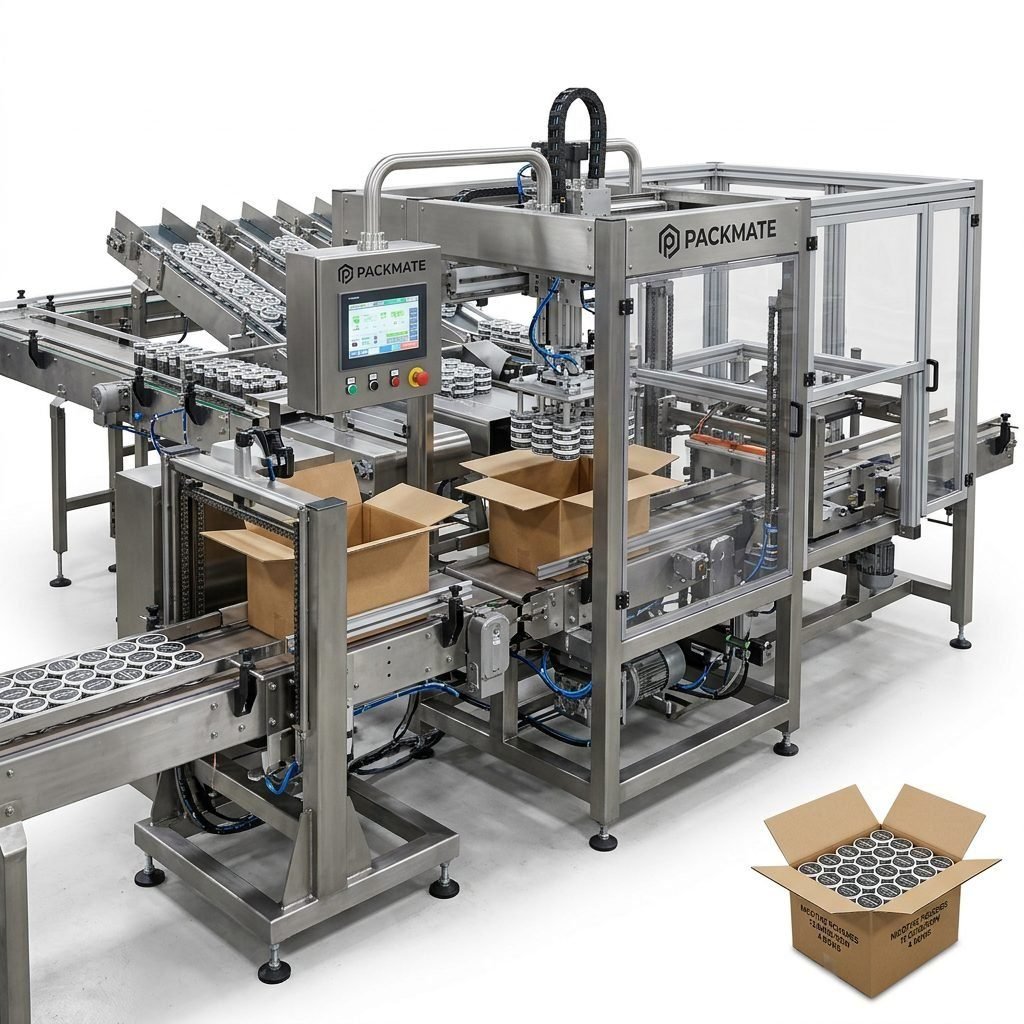
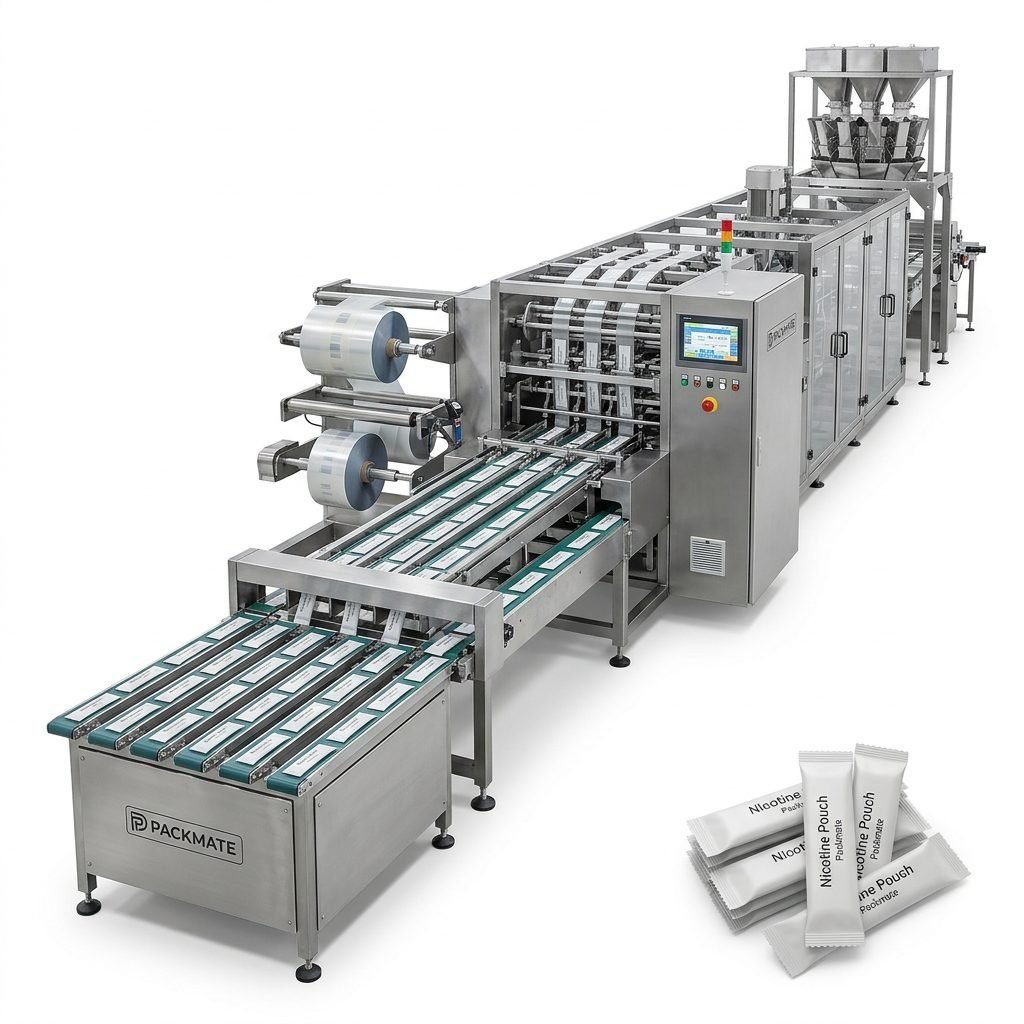
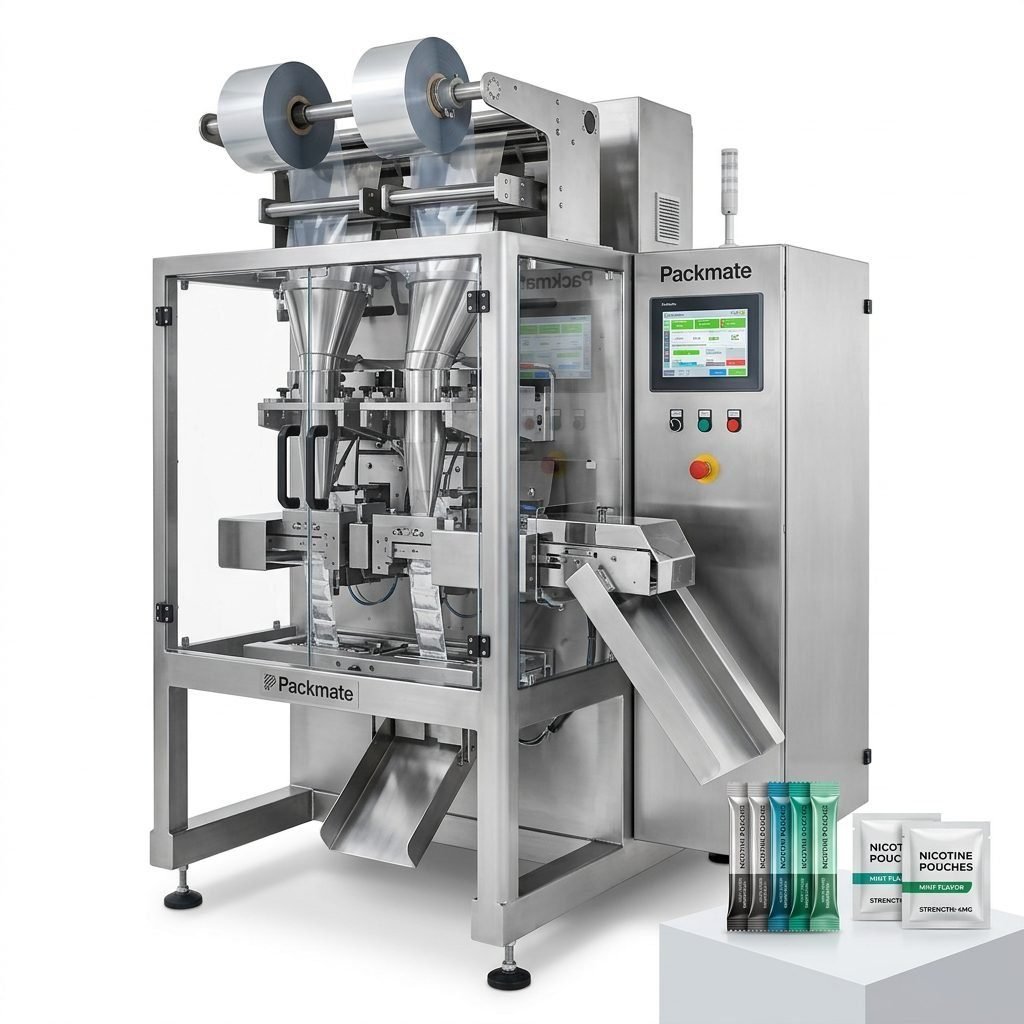
In the evolving landscape of portion snus and nicotine pouch production, compact packaging machines are no longer a compromise between space and capability. Modern small-footprint snus packaging equipment delivers high-speed, reliable output while fitting into constrained production floors. This article explores the technical strengths, operational benefits, and practical considerations for adopting a compact snus packaging machine — ideal for startups, contract manufacturers, and established brands seeking efficient portion snus production.
Overview: Why Choose a Compact Snus Packaging Machine?
Compact snus packaging machines are engineered to balance density and performance. They are designed to produce portion snus (nicotine pouches) with precise dosing, consistent sealing, and high throughput within a reduced footprint. For businesses operating in limited factory space or those who need flexible lines, compact systems offer a strategic advantage: scalable production without the overhead of large multi-lane lines.
Core Advantages
🔶 Space Efficiency: Compact machines are optimized for small- to medium-scale production environments where floor space is at a premium.
🔶 Cost-Effective Setup: Lower initial investment and reduced utility and maintenance costs compared to large multi-lane systems.
🔶 High Precision: Advanced dosing and filling systems ensure consistent portion weight and quality, critical for nicotine pouch compliance and consumer trust.
Performance Characteristics: Small Footprint, High Speed
Compact snus packaging machines from leading manufacturers achieve impressive speed through optimized mechanics and control systems. Typical compact models can reach several hundred pouches per minute per lane, and with multi-lane compact versions or parallel lines, overall line output can match many traditional larger systems while preserving modularity.
✅ Key performance indicators: precise dosing to +/- a few milligrams, sealing accuracy for pouch integrity, and machine uptime designed for continuous operation. These components are engineered for the consistent demands of portion snus production.
Typical Throughput Examples
Production throughput varies with pouch size, dosing method, and lane configuration. Compact systems shine in their ability to:
➤ Run single-lane high-speed operations for niche or craft brands.
➤ Support dual- or triple-lane compact modules for moderate scale-ups without increasing the factory footprint dramatically.
Design Features That Matter
When evaluating compact snus packaging machines, focus on mechanical precision, hygienic design, ergonomic access for maintenance, and integrated control systems supporting recipe management and fast changeovers.
Materials Handling & Dosing
Accurate delivery of powdered or granular nicotine formulations is crucial. Look for gravimetric or loss-in-weight feeders, vibration-assisted feed systems, or auger dosing tailored to your product characteristics. Compact machines often incorporate modular dosing units that are easy to clean and swap.
Sealing and Pouch Formation
Heat sealing precision impacts shelf life and product integrity. Modern compact machines use controlled sealing zones, servo-driven film transport, and web tension control to ensure consistent pouch shapes and seal strength.
Customization and Turnkey Solutions
For brands with unique requirements, turnkey packaging lines combine weighing, dosing, pouch-making, and end-of-line packaging into a compact footprint. Suppliers with deep experience in snus machinery can provide tailored solutions: from custom pouch formats to integrated metal detection and vision inspection.
Explore product families and turnkey examples at Snus & Nicotine Packaging Machines and Bag & Pouch Packaging Machines to understand modular options and integrations.
Why Turnkey Helps
Turnkey delivery reduces integration risk and shortens time-to-market. Vendors handle mechanical design, PLC programming, safety compliance, and on-site commissioning, leaving your team to focus on production planning and regulatory compliance.
Regulatory Compliance & Certifications
Products in the nicotine and snus category face strict regulatory regimes in many regions. Packaging equipment must support traceability, hygiene, and safe handling. Choose machines from suppliers that comply with international standards such as CE and ISO, and who can provide the documentation you need for audits.
Important: Ensure your line supports batch numbering, date coding, and any tamper-evident features required by your target markets.
Real-World Use Cases and Market Fit
Compact snus packaging machines are deployed across multiple scenarios:
➤ Craft and boutique snus producers who prioritize flexibility and small-batch runs.
➤ Startups launching new nicotine pouch brands with limited initial capital expenditure.
➤ Established manufacturers adding secondary lines for seasonal SKUs, limited editions, or product testing.
Packmate Snus Machine’s range highlights these scenarios with modular options and global case studies — see Case examples to learn how different customers implemented compact solutions across Europe, Asia, and the Americas.
Installation, Commissioning & After-Sales Support
A compact footprint does not mean easier integration by default. Professional installation is crucial: mechanical leveling, electrical integration, pneumatic hookups, and safety interlocks must be verified. Choose suppliers that provide on-site commissioning, operator training, and a documented maintenance plan.
Inquire about spare parts kits, remote diagnostic options, and scheduled preventive maintenance services to maximize machine uptime and ROI. Resources on Service and Contact Us pages can streamline pre-sales and post-sales communication.
Maintenance-Friendly Design
Maintenance-friendly features include modular dosing cartridges, quick-release belts, hygienic surfaces, and easily accessible lubrication points. These elements reduce downtime and simplify daily cleaning routines, which is particularly important for nicotine and food-related products.
Selecting the Right Compact Machine: A Checklist
🔎 Checklist: Evaluate dosing accuracy, sealing performance, film compatibility, changeover time, cleaning accessibility, control system capabilities (HMI & PLC), footprint vs throughput, and supplier support network.
If your business requires tailored weighing or integrated systems, look at Weighing & Packaging Systems and Filling & Packaging Lines to determine optimal upstream components that match your compact pouch machine.
Economic Considerations: CapEx and OpEx
Compact machines often present a strong total cost-of-ownership case. Lower CapEx and reduced facility modification costs contribute to a faster payback. Operationally, lower energy consumption, fewer shift-requiring operators, and simplified maintenance lead to reduced OpEx.
Consider lifecycle costs: choose a reputable manufacturer with robust parts availability and training programs to avoid unexpected downtime expenses.
Global Reach & Exhibition Presence
Established snus packaging manufacturers frequently showcase compact solutions at major trade shows. Visiting live demonstrations helps prospective buyers assess machine ergonomics, speed, and flexibility. Check Our Exhibition schedule and Company Profile pages for upcoming events and demos.
Common Questions Before Purchase
Before committing, ask suppliers about lead time, warranty terms, spare parts availability, and the availability of pilot trials or sample runs with your actual formulation.
Tip: Request a site layout recommendation that visualizes the compact machine in relation to upstream and downstream equipment (e.g., conveyors, case packers) to confirm total line footprint.
Manufacturer Credentials & Why They Matter
Select manufacturers with proven track records in snus and nicotine pouch packaging. Firms with decades of engineering experience and robust factory capabilities — including advanced CNC machining and precision assembly — are more likely to deliver reliable, serviceable equipment. Learn more on About Packmate and Certificate references to validate manufacturing credentials and compliance.
Final Thoughts: Is a Compact Machine Right for You?
Compact snus packaging machines are an excellent choice for businesses prioritizing agility, space efficiency, and controlled investment. They are particularly suitable for startups, craft producers, and established brands adding flexible secondary lines. The combination of modern dosing systems, precise sealing, and modular turnkey integrations ensures compact lines deliver reliable production quality with a minimal footprint.
When evaluating options, compare supplier support, machine flexibility, and long-term maintainability. Visit product pages such as Snus & Nicotine Packaging Machines and Case examples to see real-world installations and performance benchmarks.
Next Steps
If you are considering a compact snus packaging line, contact experienced manufacturers for a production assessment and equipment quote. Use Contact Us for direct inquiries and to schedule live demonstrations or pilot runs.
Frequently Asked Questions (FAQs)
Q1: How much floor space does a compact snus packaging machine need?
A1: Compact models vary, but many are designed to fit within small footprints that can be integrated into existing production areas. Ask suppliers for exact footprint schematics and recommended clearance for maintenance.
Q2: Can compact snus machines handle different pouch sizes and formulations?
A2: Yes — most modern compact machines support multiple pouch sizes and have modular dosing units to accommodate powders, granules, or blended fillings. Confirm changeover time and format tooling requirements with the supplier.
Q3: What certifications should I expect from reputable snus packaging machine manufacturers?
A3: Look for CE and ISO certifications, detailed manufacturing quality control documentation, and traceability for critical components. Certification pages often provide downloadable documents to confirm compliance.
Q4: How long is the typical lead time and installation period?
A4: Lead times depend on customization and order backlog; standard compact machines may ship faster than fully customized turnkey lines. Installation and commissioning typically range from a few days to several weeks depending on line complexity.
Q5: Where can I see live demonstrations or case studies?
A5: Attend industry exhibitions or request a factory visit to see live demos. Many manufacturers publish Case studies and exhibition schedules online to showcase installed systems and customer testimonials.