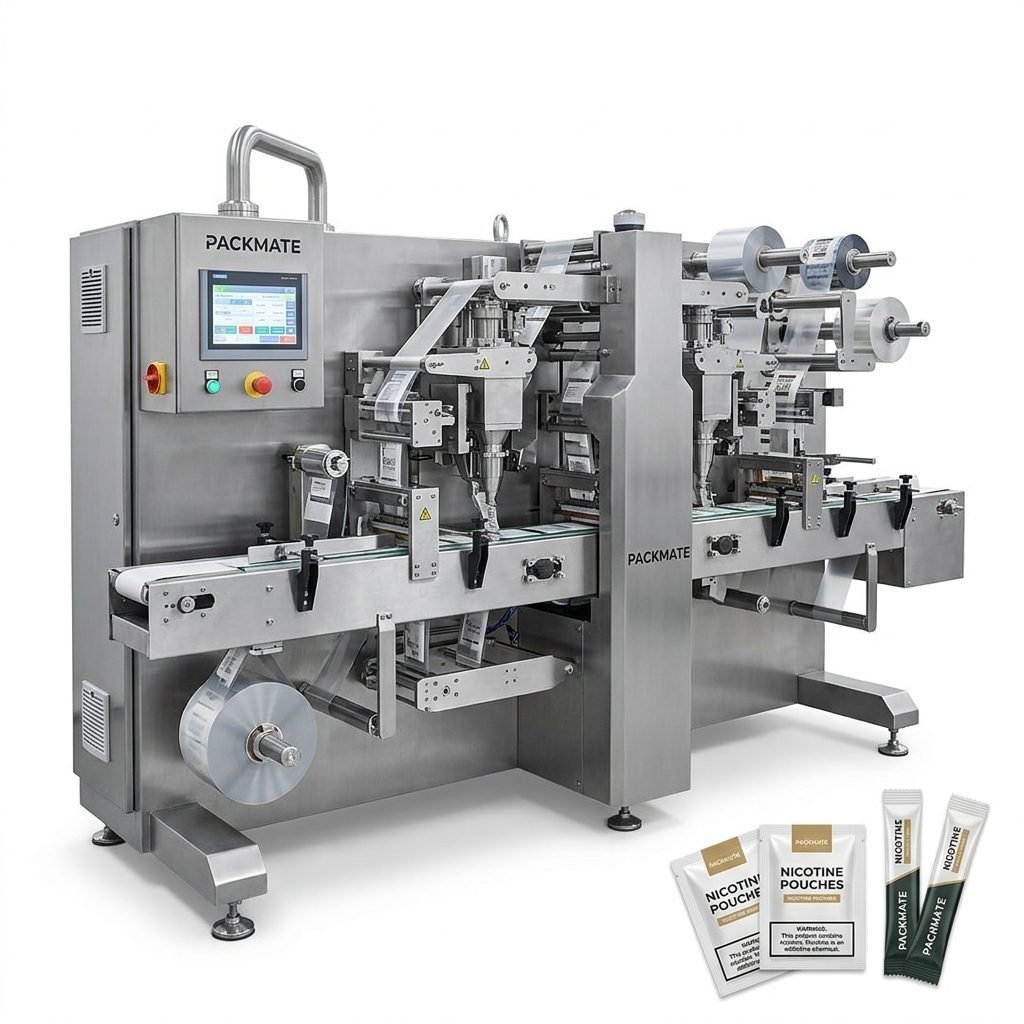
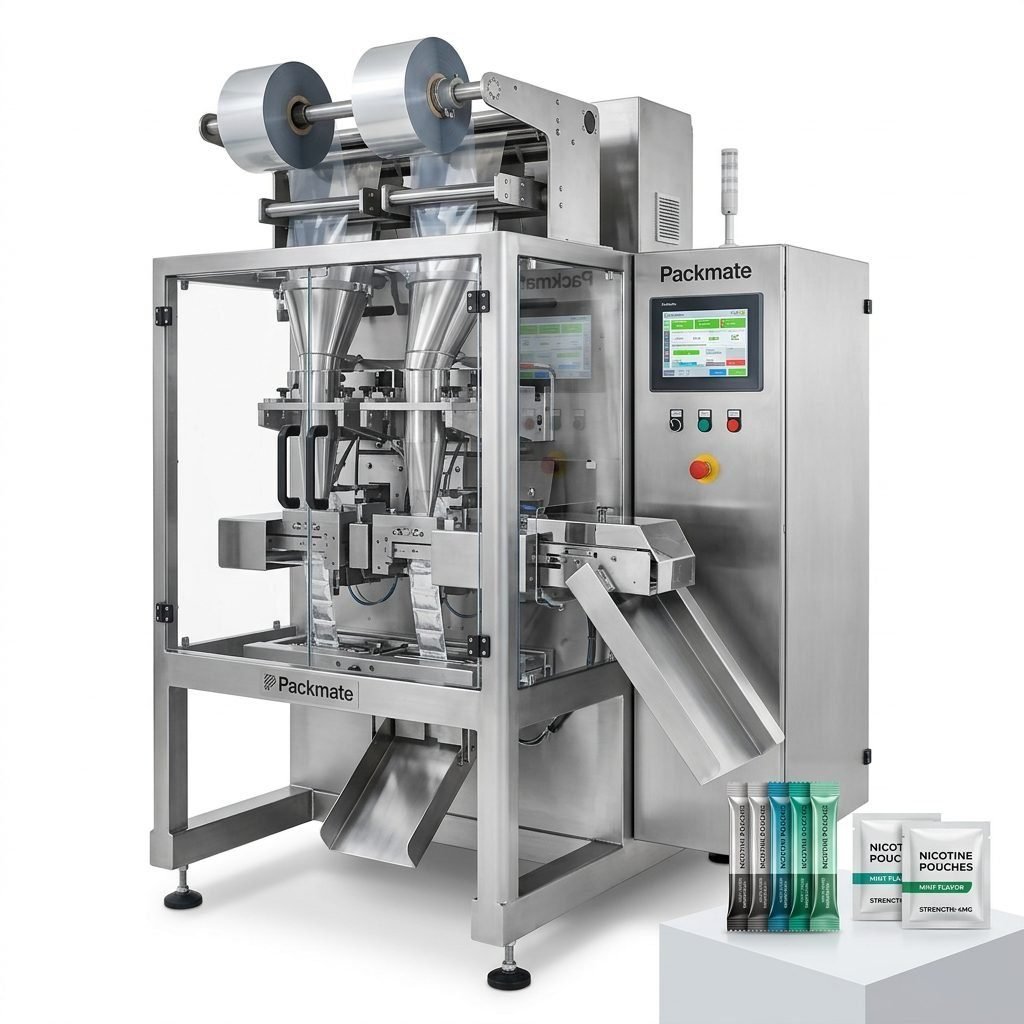
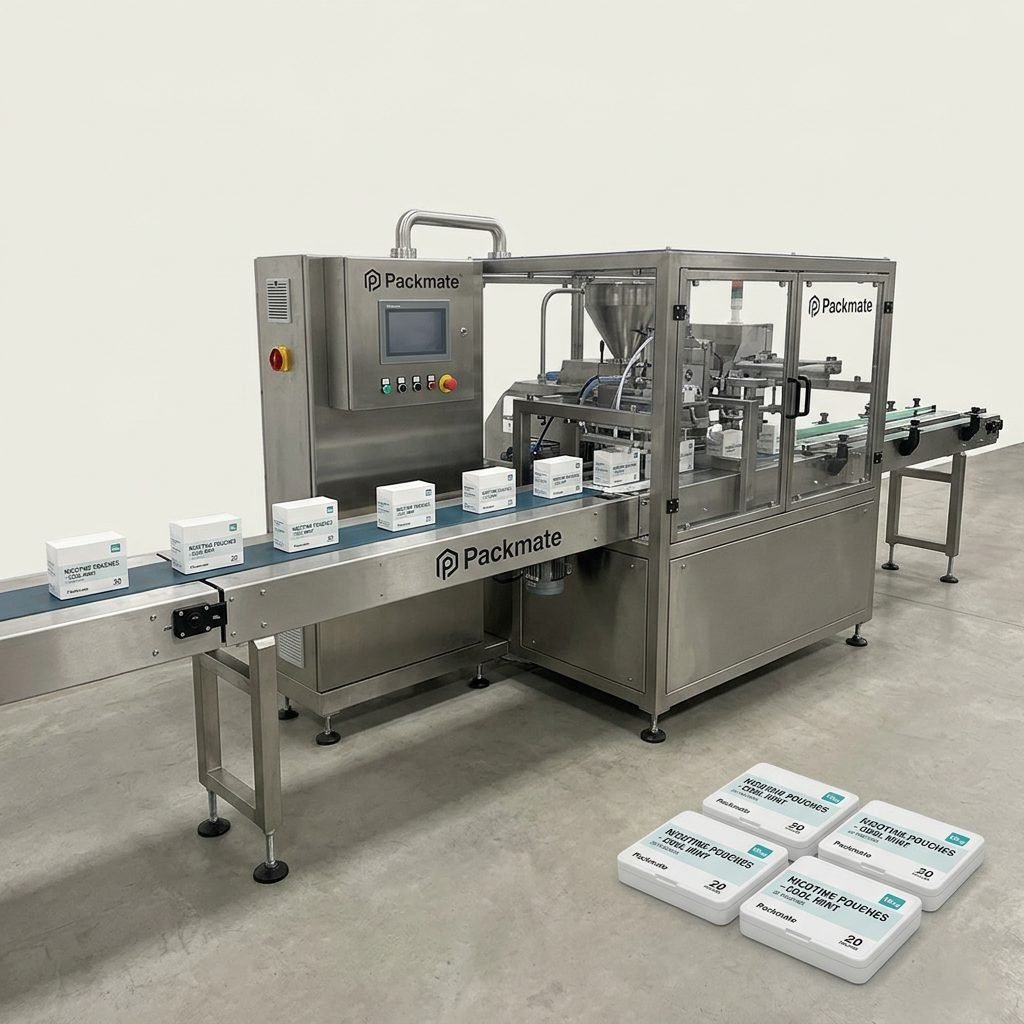
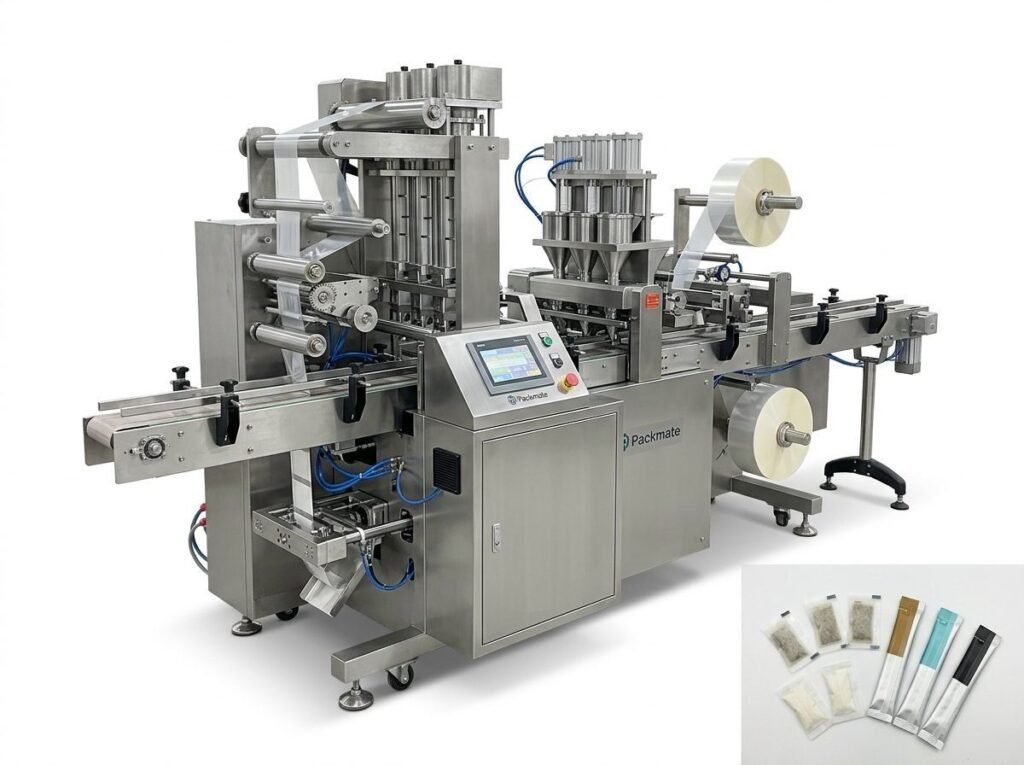
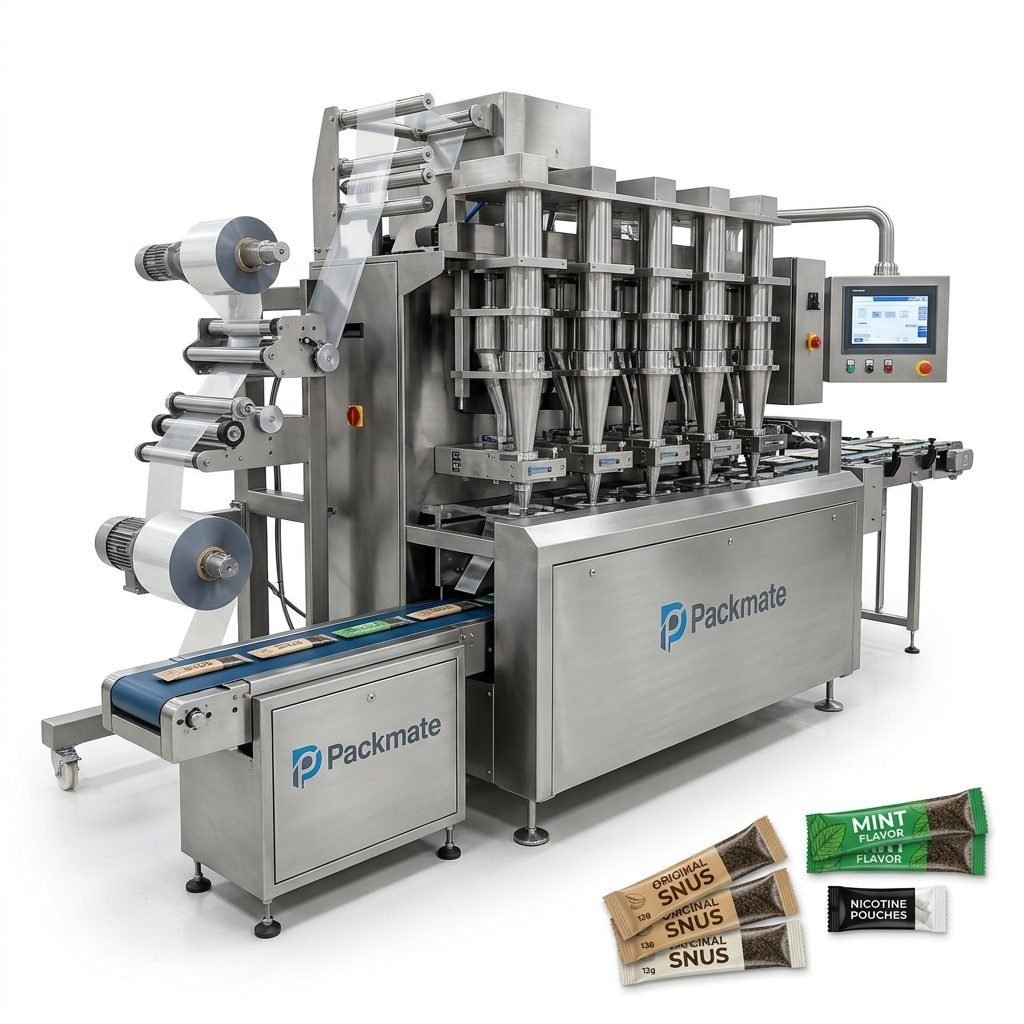
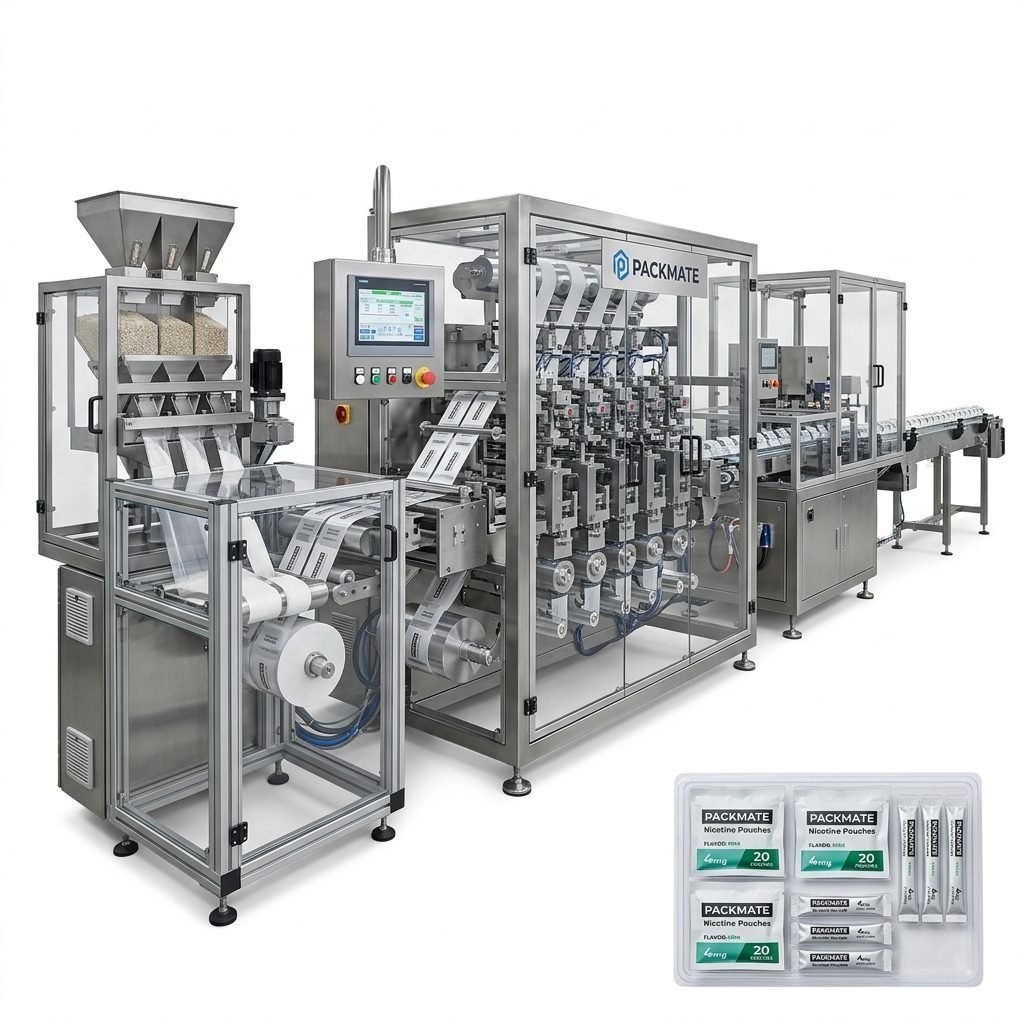
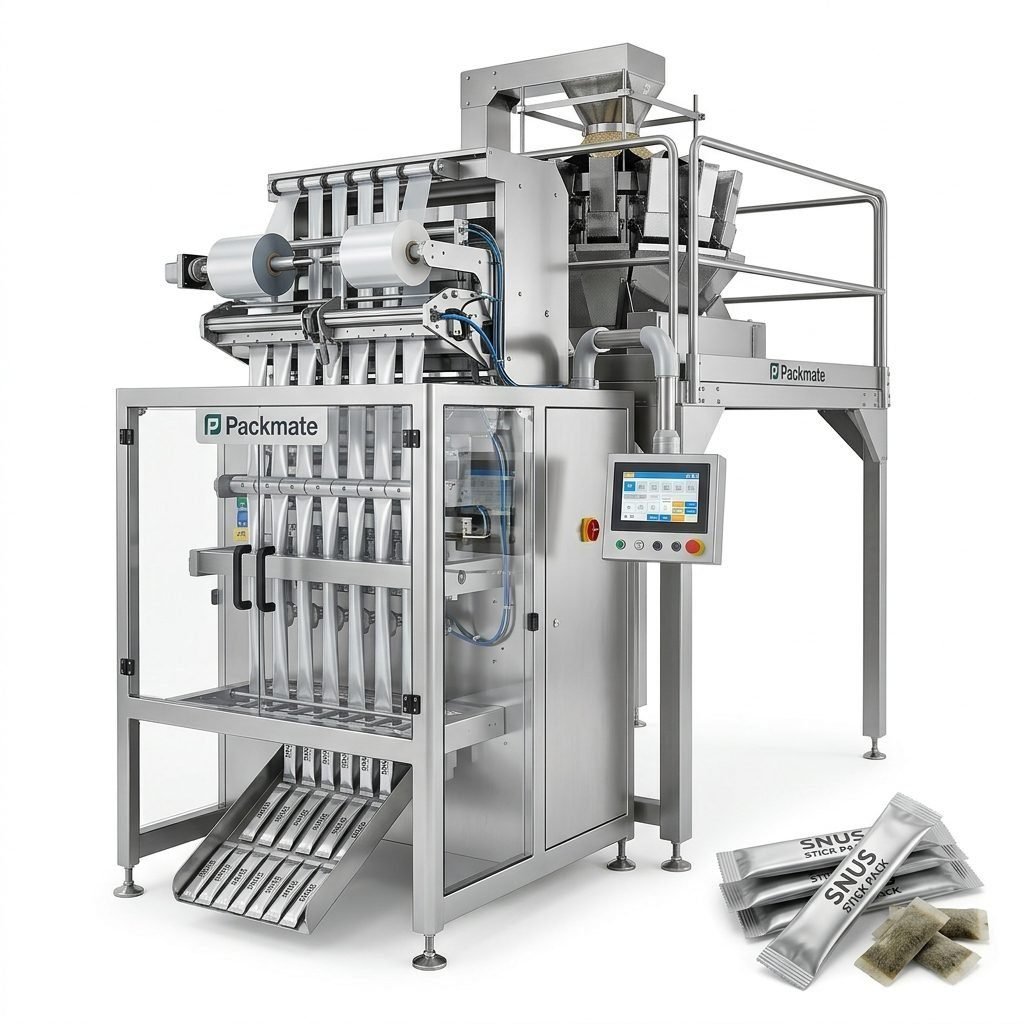
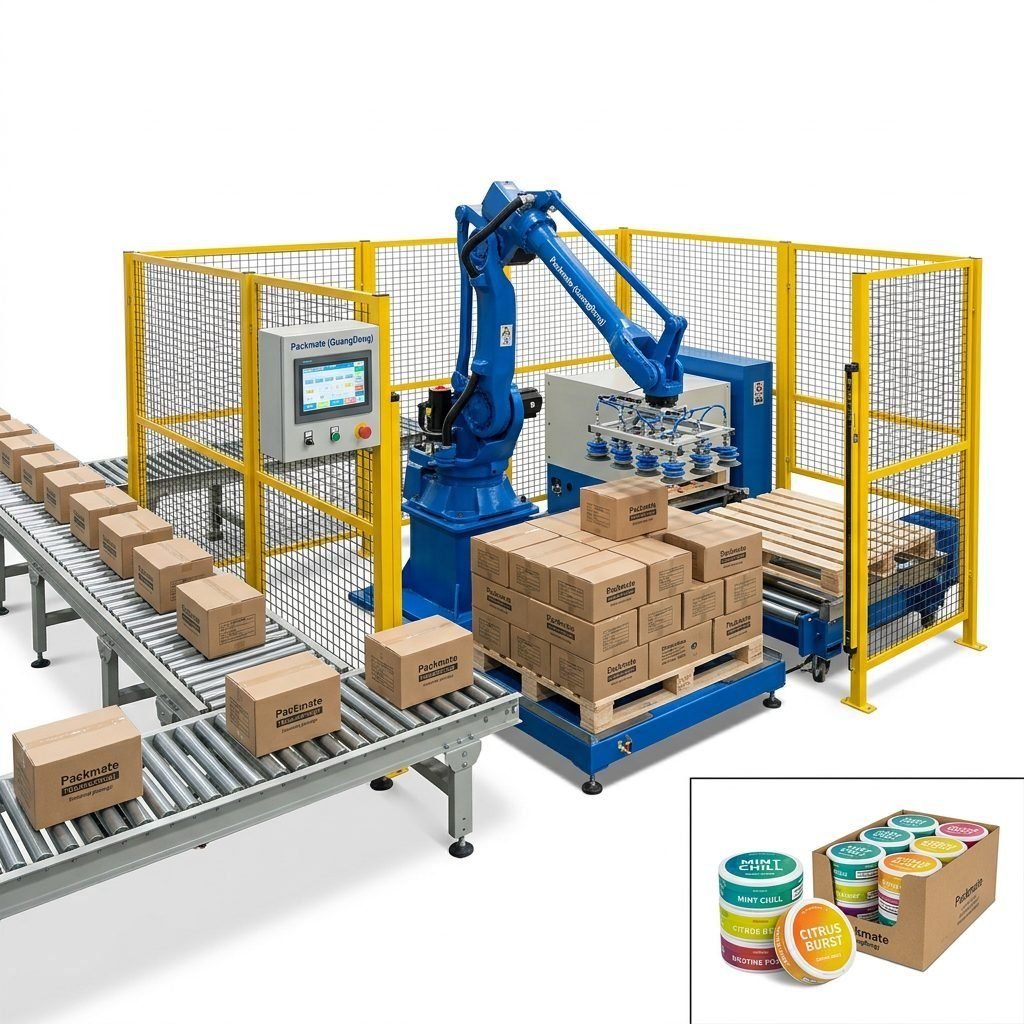
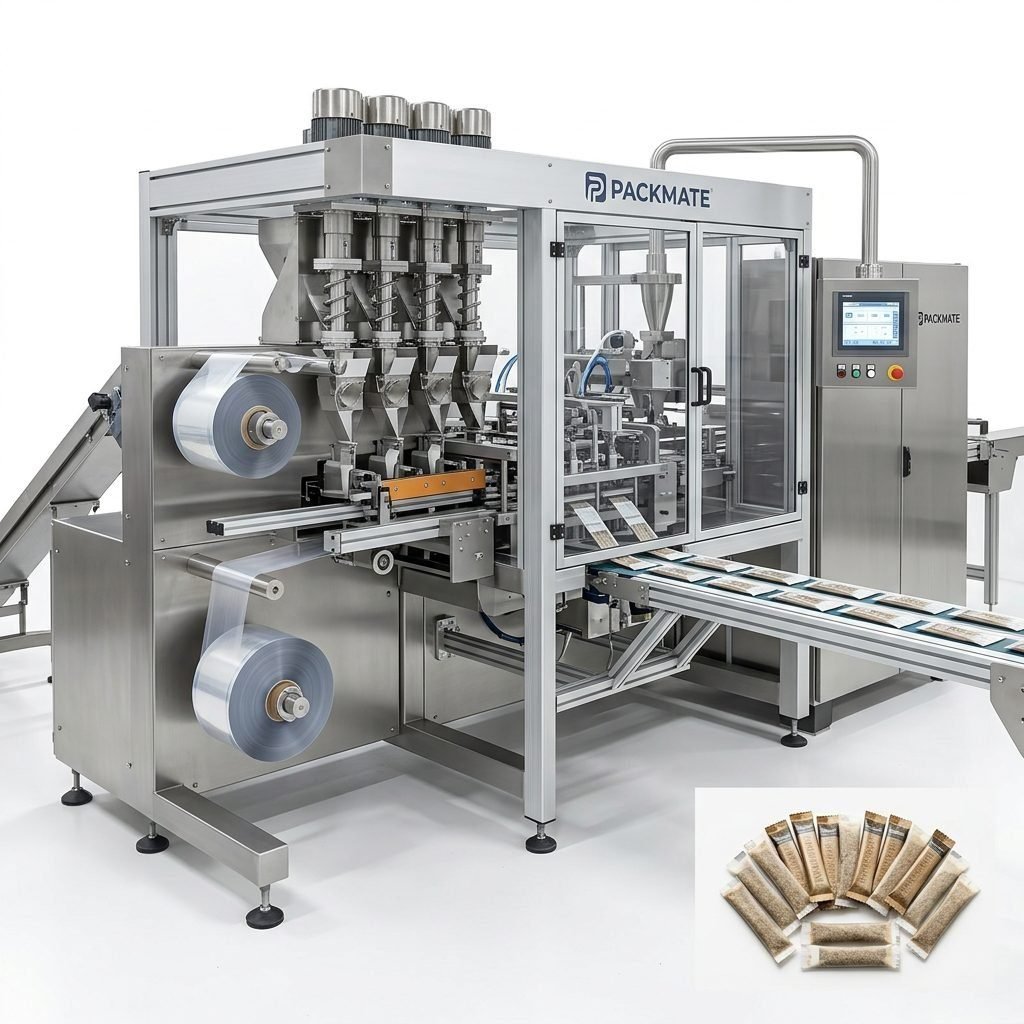
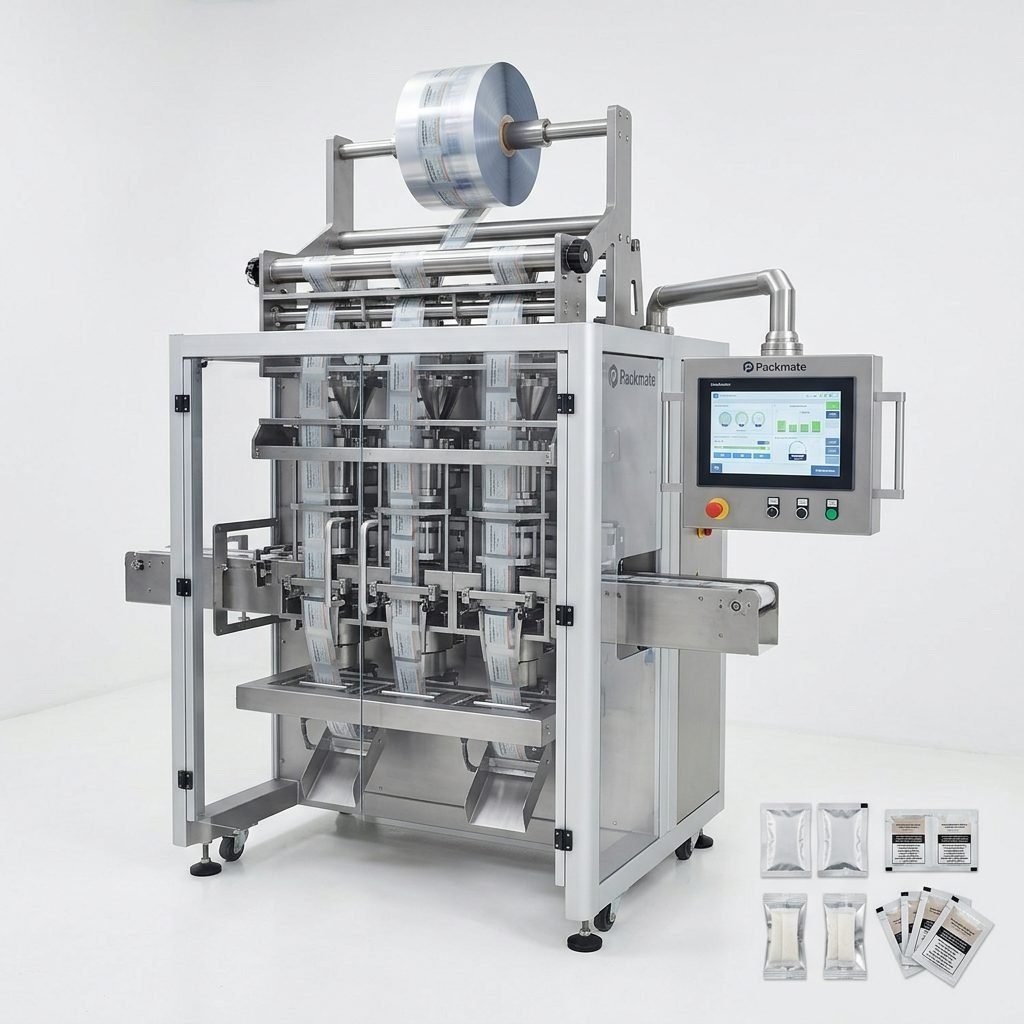
Entering the snus and nicotine pouch market in Kiribati requires careful planning: small population, remote geography, and strict import logistics all shape purchasing decisions. This guide helps buyers in Kiribati choose a reliable snus packaging machinery supplier — covering technical checks, certifications, after-sales support, shipping realities, and how to verify supplier credibility remotely. Whether you are sourcing a multi-lane pouch line or a compact sachet system, the right partner reduces risk and speeds your route to market.
Understanding the Kiribati Market & Local Considerations
Kiribati is an island nation with scattered atolls and limited industrial infrastructure. Buyers often face long lead times for shipments, customs clearances, and limited local technical support. Importantly, local business culture values personal relationships and trust — responding quickly to inquiries and keeping frequent, clear communication will often determine successful long-term cooperation.
Tip: plan for extended shipping and choose suppliers that offer solid remote support and parts kits for first-line repairs.
Key Qualifications to Look For in a Supplier
A trustworthy supplier should demonstrate both technical competence and global service capability. Look for:
🔍 Proven industry experience — at least a decade in pouch and stick-pack lines.
✅ International certifications (CE, ISO) that show compliance with global safety and manufacturing standards.
🔧 On-site commissioning and remote technical support capability for remote locations such as Kiribati.
📦 Spare parts supply and clear lead times for consumables and wear parts.
Technical Features You Must Verify
Packaging machinery varies widely. Before committing, confirm these specifics:
⚙️ Production capacity: make sure the machine’s hourly output meets your projected volumes — consider peak seasons and safety margin.
📏 Filling accuracy: for nicotine pouch or snus doses, precision is critical for compliance and cost control.
🛠️ Modularity & format changeover: ask about tool-less or quick-change systems to switch pouch sizes or sachet formats.
🔁 Multi-lane options: multi-lane machines can multiply throughput in limited factory footprints — ideal for small island factories.
🔌 PLC & HMI standards: look for familiar control systems and language options to ease local training.
Certifications, Quality Control & Compliance
Regulatory compliance affects both safety and market access. Verify:
– CE and ISO certificates for machinery manufacturing, plus any product-specific testing if required by importing authorities in the Pacific region.
– Factory audit reports and third-party inspection records. Reputable suppliers share factory photos, QC checklists, and test run videos.
After-Sales Support: The Most Critical Factor for Kiribati Buyers
⚠️ In remote markets, fast replacement of wear parts is often impossible. Ensure the supplier provides:
✅ Comprehensive spare parts kits shipped with the machine or via express freight.
✅ Remote troubleshooting (video call support, annotated manuals, diagnostic guides).
✅ Training options: on-site commissioning if possible, or intensive remote training sessions for operators and maintenance staff.
Logistics, Import & Local Installation Realities
Shipping to Kiribati often means transshipment and long ocean transit times. Plan for:
📦 Clear packaging and skid plans compatible with container shipping.
🧾 Full documentation for customs: packing list, commercial invoice, certificates of origin, and CE/ISO copies if requested by local authorities.
🚚 Local handling: identify a freight forwarder experienced with Pacific island deliveries and inland transport on small ferries if required.
🔩 Installation footprint and on-site utilities: confirm power specs, compressed air needs, and floor loading limits before shipment.
Evaluating Total Cost: Price vs Lifetime Value
The lowest purchase price can be costly later. Compare:
– Machine reliability and uptime history (ask for MTBF or availability data).
– Spare parts pricing and lead times.
– Energy efficiency and consumables usage.
– Resale value and upgrade paths (can the supplier retrofit automation or extra lanes later?).
Proven Performance: What to Request from Suppliers
🔎 Video of a full production run with similar product and format.
📄 Client references, ideally in similar geographic regions or with similar supply chain constraints.
🧾 A detailed spec sheet and spare parts list with part numbers and expected life.
📈 Performance guarantees and acceptance criteria documented in the sales contract.
How to Vet Suppliers Remotely (Step-by-step)
For buyers who cannot make frequent factory visits, follow this remote verification workflow:
1. Ask for a live video demo of the exact machine model running your product or a very similar one. Use multiple camera angles and request to see changeover and cleaning procedures.
2. Request recent factory audit reports, CE/ISO certificates, and production capacity documentation.
3. Conduct reference checks — call existing customers and ask about response times for support, spare parts delivery, and actual uptime.
4. Negotiate milestones: pre-shipment FAT (Factory Acceptance Test), shipping, on-site commissioning, and acceptance tests signed off by you.
Why a Supplier Like Packmate May Be a Good Fit
Suppliers with decades of experience in pouch and snus lines can shorten your learning curve. For example, a professional manufacturer profile that lists 30+ years of engineering experience, a large factory footprint, and a broad model range indicates the ability to supply turnkey lines and long-term support.
🔧 Packmate highlights you should verify: multi-lane snus & nicotine packaging solutions, modular stick-pack and sachet machines, plus global turnkey experience.
🌍 Look at documented cases and exhibitions — suppliers that participate in global shows and publish case studies are often more transparent. See example case listings here.
📚 Review product pages for detailed specs: Snus & Nicotine Packaging Machines, Sachet & Stick Pack Machines, and Filling & Packaging Lines help you compare options quickly — start with Snus & Nicotine Packaging Machines.
Negotiating Contracts and Warranties
Insist on written warranties, defined scope for commissioning, and acceptance criteria. Good contracts include:
• A warranty period with clear exclusions (wear parts vs manufacturing defects).
• Detailed FAT and SAT (site acceptance test) procedures with measurable KPIs.
• Spare parts supply terms and estimated delivery times to your port of entry.
• Training hours included and optional extended support packages.
Practical Checklist Before You Sign
Use this compact checklist to avoid surprises:
✅ Confirm capacity and uptime guarantees.
✅ Receive a detailed spare parts list and initial spares kit.
✅ Verify documentation for customs and local standards.
✅ Agree on training, commissioning scope and timelines.
✅ Secure a warranty and clear acceptance testing criteria.
Practical Next Steps for Kiribati Buyers
1. Shortlist 2–3 suppliers with relevant snus/nicotine packaging experience and request live demos.
2. Confirm spare parts availability and shipping routes to Kiribati; ask suppliers to recommend local freight partners.
3. Negotiate payment milestones tied to Factory Acceptance Tests and on-site commissioning.
4. If you want to explore specific machines, review product portfolios for stick packs and sachet machines or request turnkey line options: see Sachet & Stick Pack Machines and Filling & Packaging Lines.
Final Thoughts
Choosing the right snus packaging machinery supplier for Kiribati is about more than price. Reliability, spare parts logistics, remote support, and cultural fit matter just as much. Suppliers that offer documented case studies, global exhibitions, and comprehensive turnkey solutions can reduce risk and shorten time to revenue for your operation.
If you need vendor contacts, technical spec templates, or a sample FAT checklist, contact the supplier’s service team or review their catalog and service pages to prepare your RFQ: Contact Us.
FAQs — Common Questions from Buyers in Kiribati
Q1: How long does shipping typically take to Kiribati?
A1: Expect extended ocean transit and possible transshipment; plan for 6–12 weeks depending on routing and customs processing.
Q2: What spare parts should I stock locally?
A2: Essential wear parts (seals, belts, nozzles, sensors), electrical fuses, and a small toolkit for adjustments. Ask the supplier for an initial spares kit sized for 6–12 months of operation.
Q3: Can remote commissioning be effective?
A3: Yes — with live video support, annotated manuals, and pre-shipment FAT documentation. However, arrange at least one on-site specialist visit when possible for critical installations.
Q4: Are certifications like CE enough for Pacific imports?
A4: CE and ISO are important indicators of manufacturing quality, but confirm any local or regional regulatory requirements for nicotine products and packaging machinery before import.
Q5: Where can I find detailed product specs and case studies?
A5: Review supplier product pages and case listings for machine specs and real-world deployments; for example, see supplier product pages for snus machines and case studies linked in this guide.