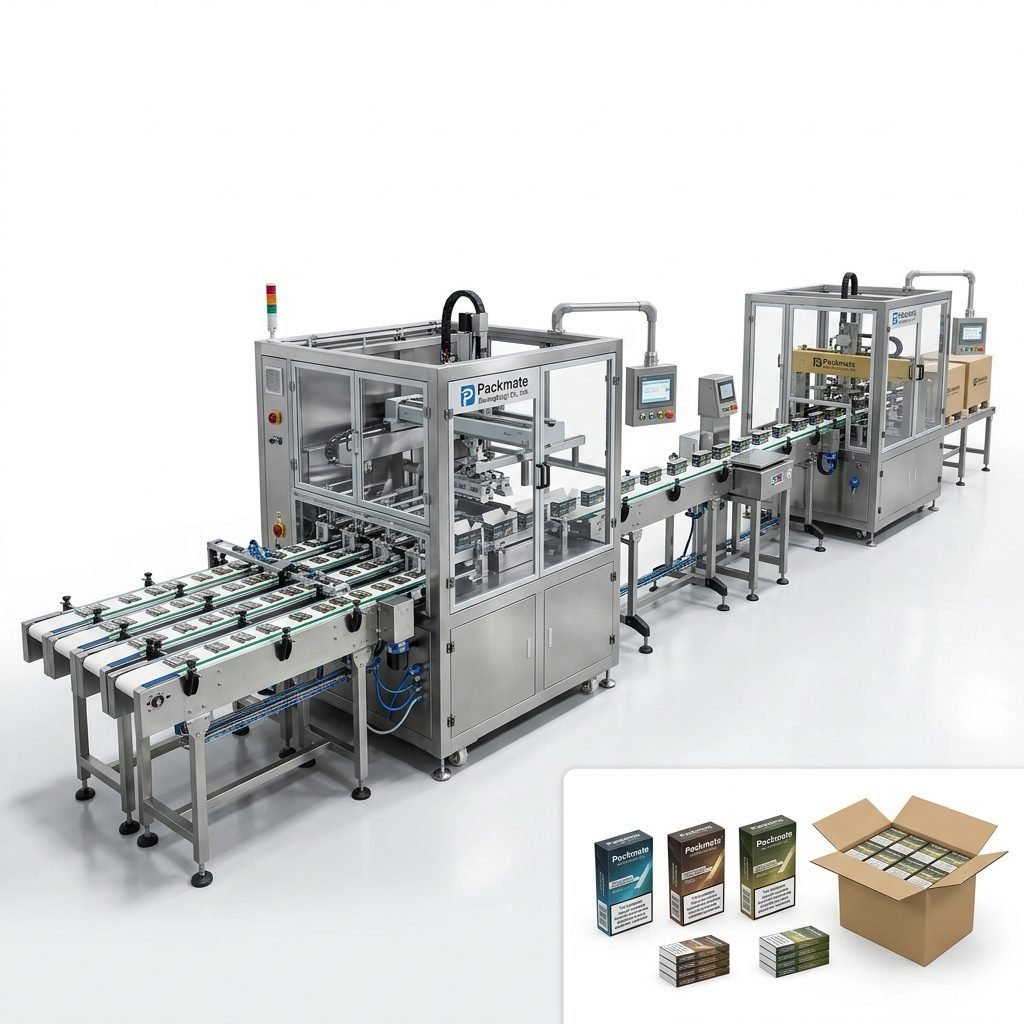
Choosing the right nicotine packaging machinery manufacturer for your Fijian business is more than a procurement decision — it is a strategic choice that affects regulatory compliance, product quality, operational uptime, and long-term cost. Fiji’s island economy, humid tropical climate, logistical realities, and local business customs deserve special consideration when evaluating manufacturers and full-line suppliers for nicotine pouches, snus, and related products.
Understand Fiji’s Market Context and Cultural Considerations
Fiji’s market is characterized by smaller production runs for local consumption, a strong emphasis on community relationships, and a reliance on imports for specialized equipment. Many companies value long-term partnerships and responsive support over one-time bargains. When you approach manufacturers, emphasise your need for clear after-sales support and predictable lead times as these aspects frequently determine success for island-based businesses.
Key local factors to keep in mind
– Shipping and import duties: Freight to Fiji can add significant time and cost. Choose a manufacturer that provides robust export documentation and shipping coordination. 🚢
– Humidity and corrosion resistance: High humidity in Fiji demands machines and parts with corrosion-resistant finishes and sealed electrical components. ⚙️
– Training and local language support: Offerings that include on-site commissioning, remote training, and clear manuals work best in a close-knit business culture.
Technical Criteria: Machine Performance and Packaging Flexibility
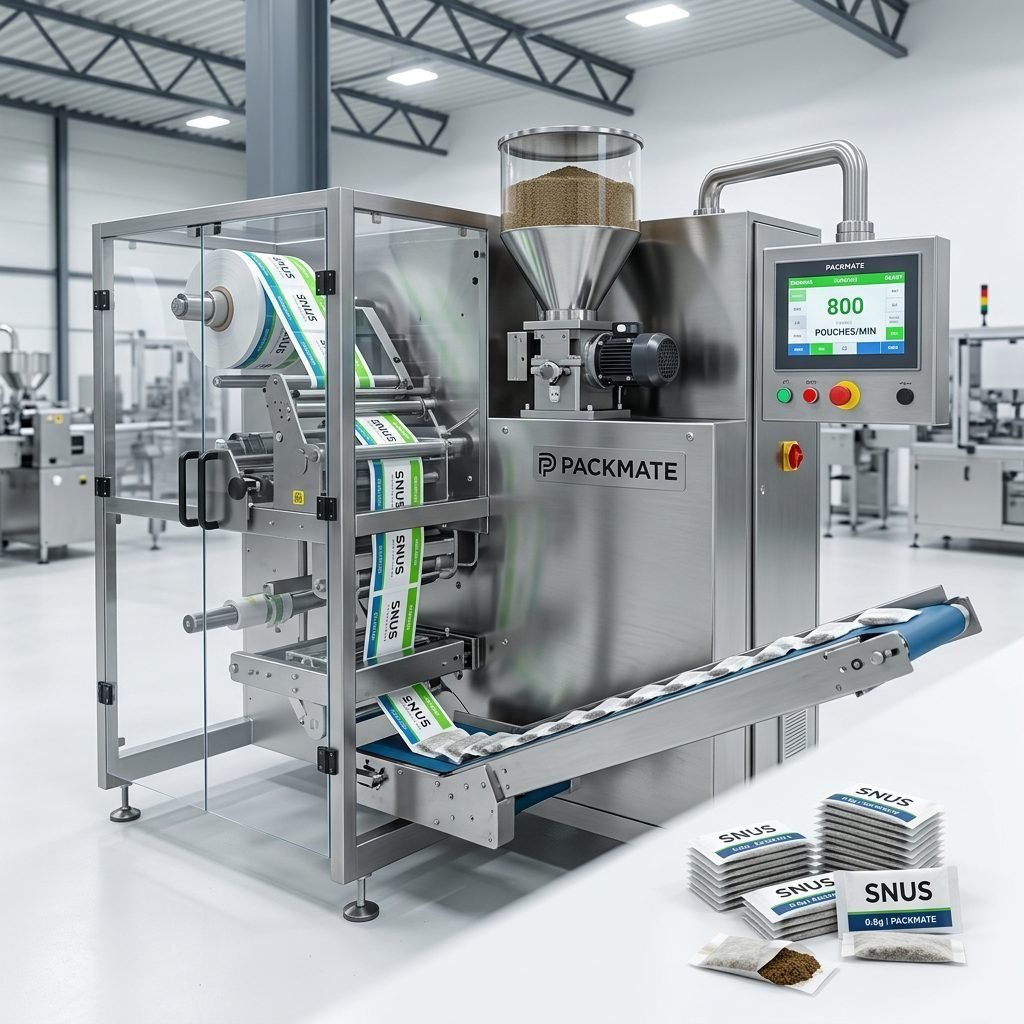
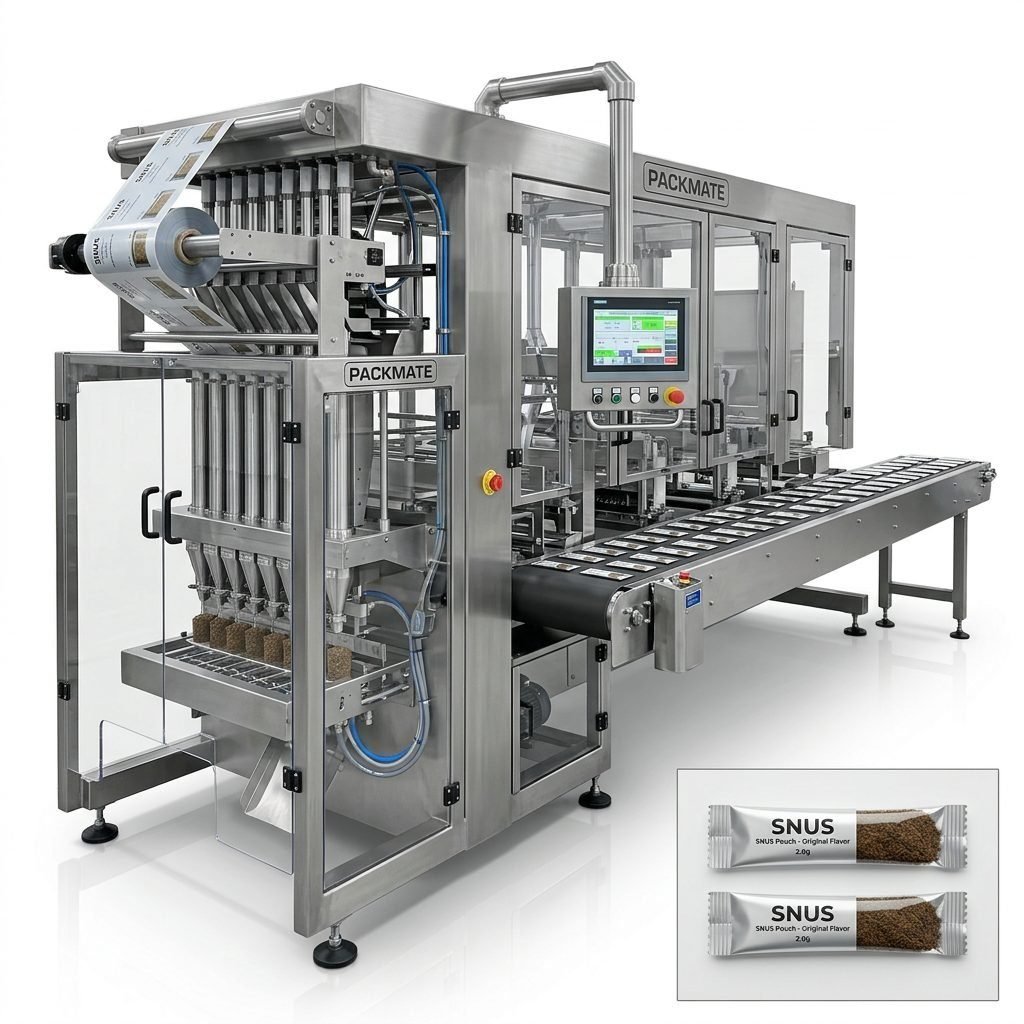
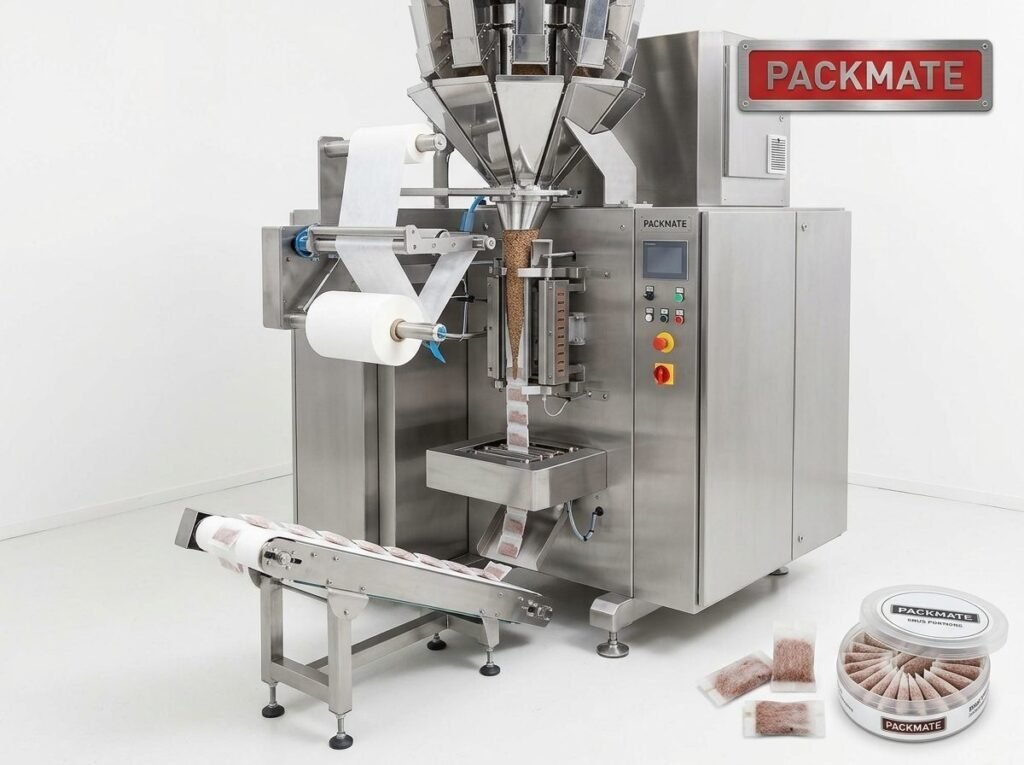
Evaluate technical performance across these dimensions: speed (pouches/minute), lane flexibility (single to multi-lane), dosing accuracy for small doses, changeover time, and compatibility with your existing upstream/downstream equipment. For nicotine pouches and snus, multi-lane small-dose systems and high-precision dosing are often critical. Manufacturers with a wide product range and modular designs give you room to scale.
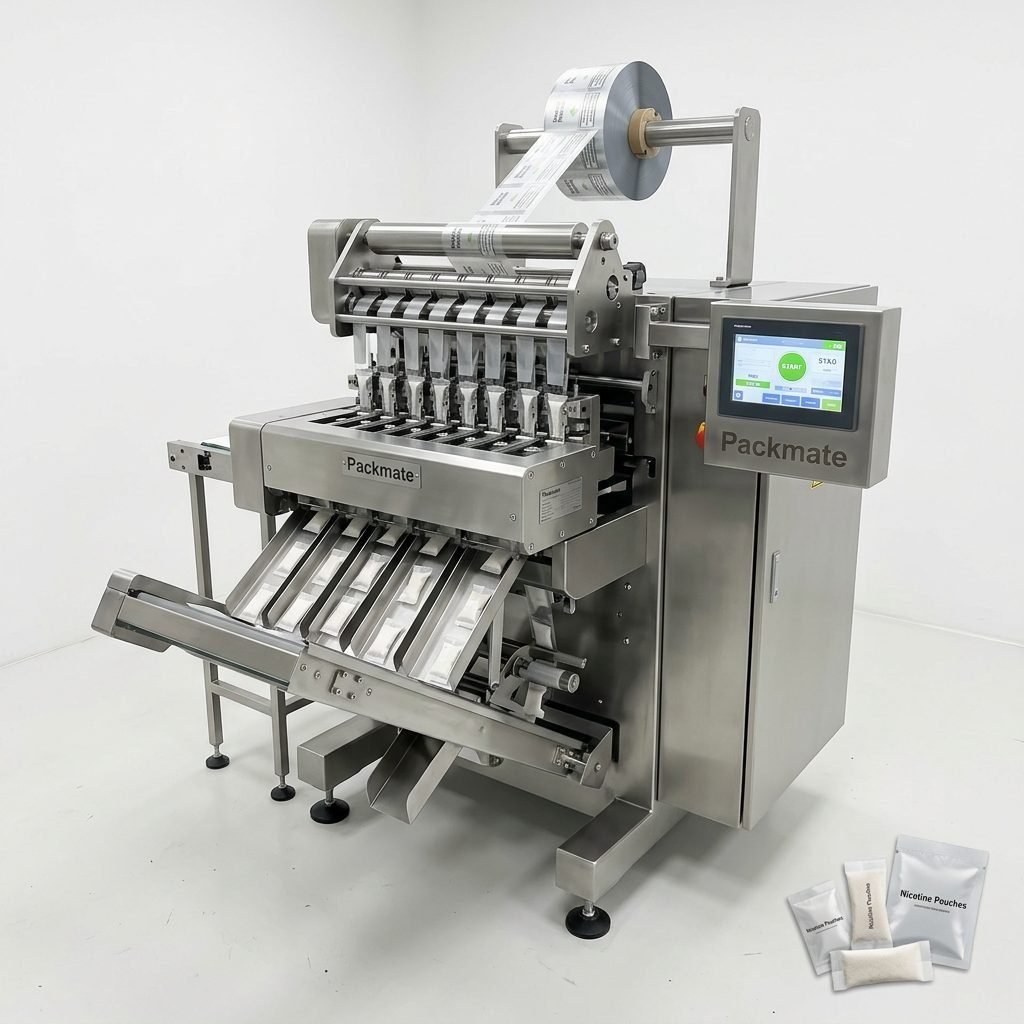
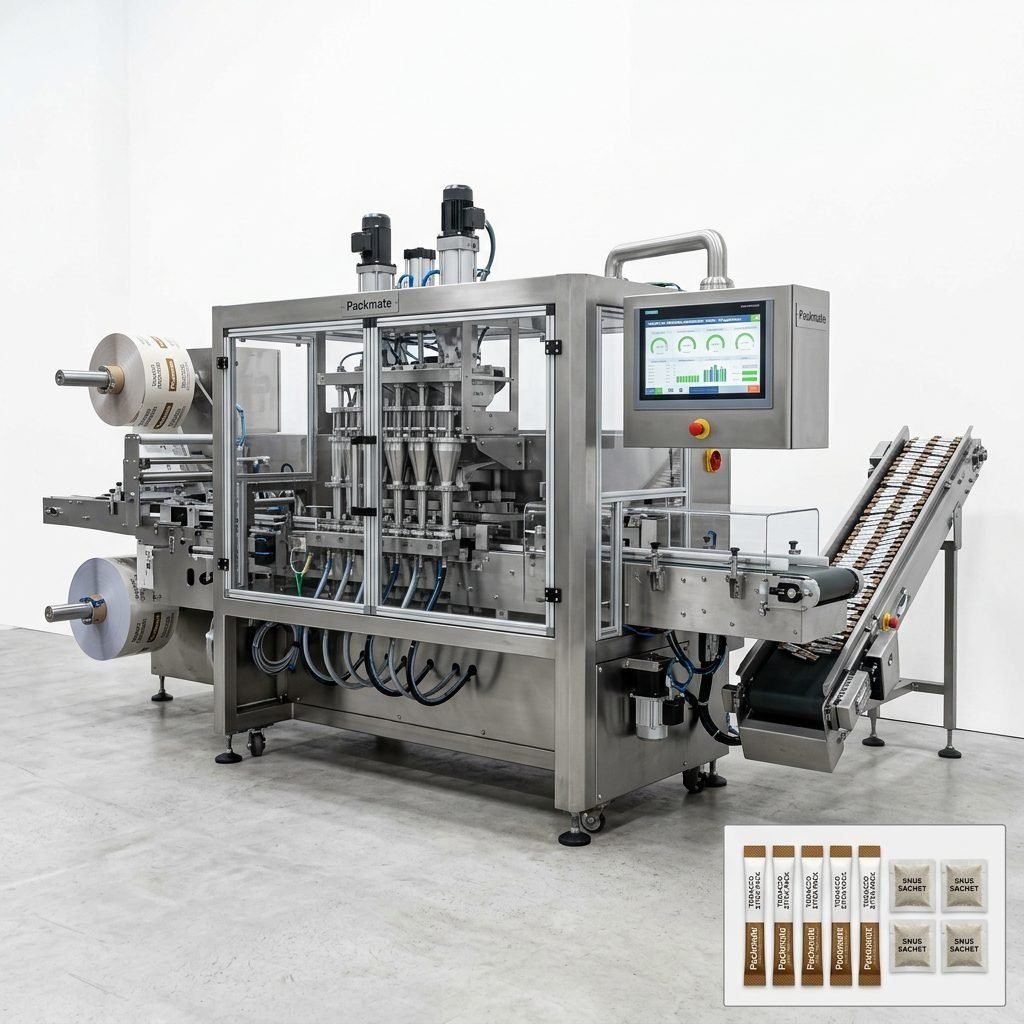
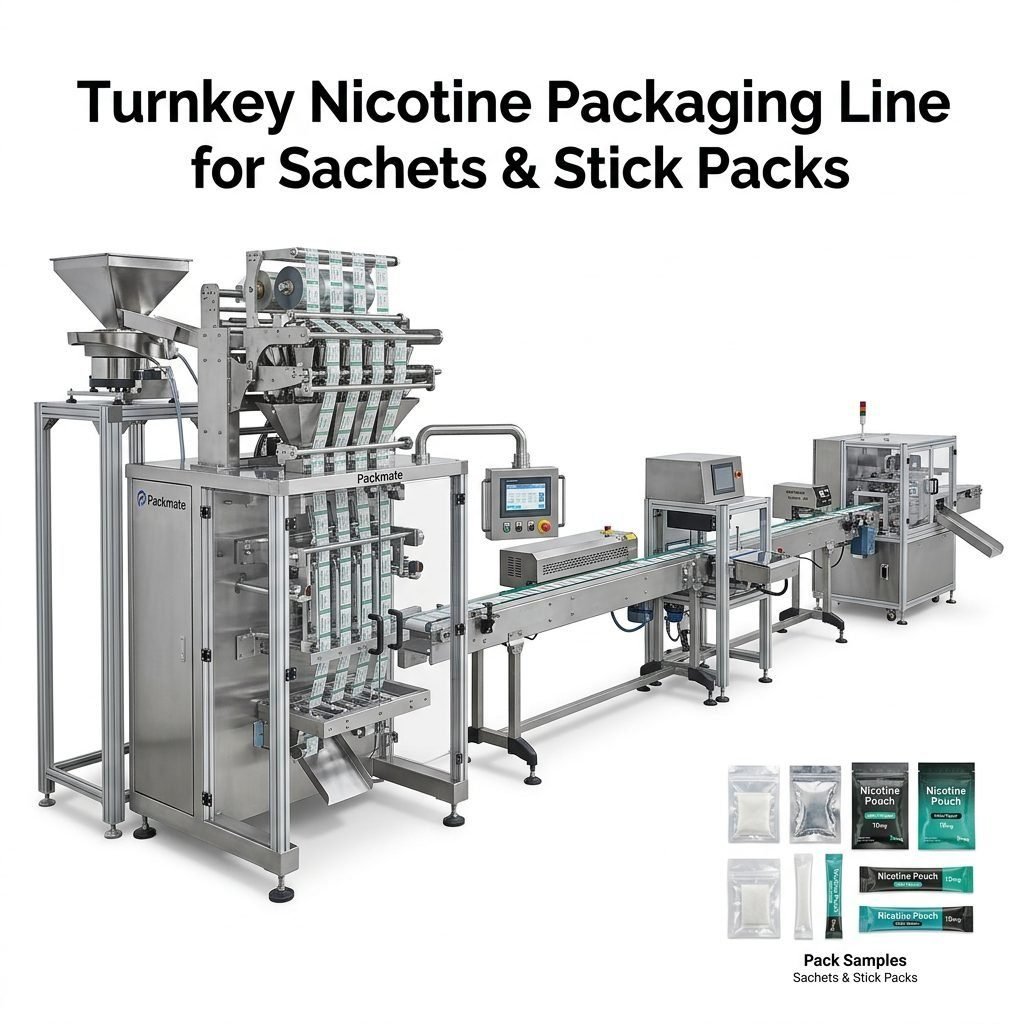
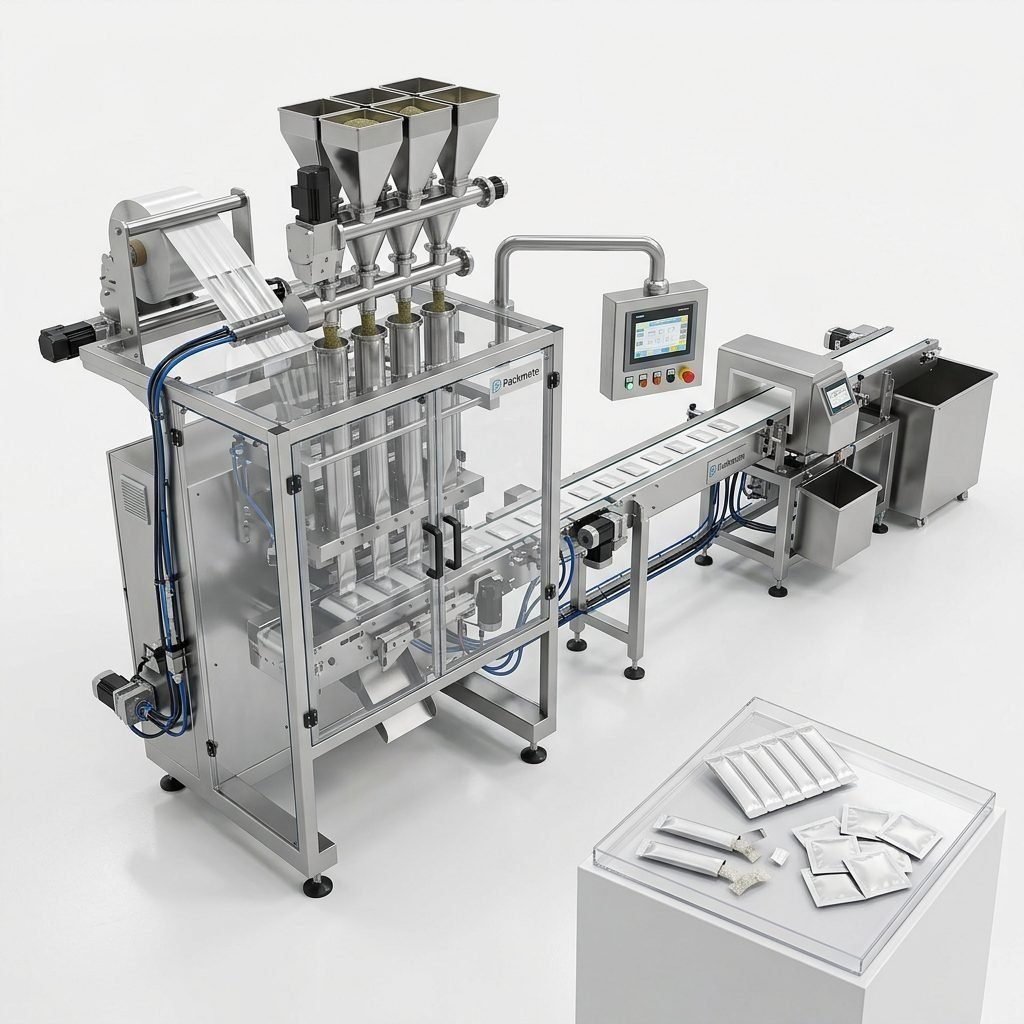
Tip: consider machines that handle various pack styles — stick packs, sachets, and pouches — to diversify your product line without buying separate dedicated machines. See examples of multi-purpose equipment at Snus & Nicotine Packaging Machines.
Quality, Certification, and Compliance
Prioritise manufacturers that hold international certifications like CE and ISO, which indicate established quality and safety systems. For nicotine packaging, compliance with food-grade and pharmaceutical hygienic standards may be necessary depending on your labeling claims and local regulations. Manufacturers who openly share test reports, material certificates, and safety documentation help speed up import approvals and local compliance checks.
Ask for documentation including:
– CE/ISO certificates and factory inspection records.
– Machine FAT (Factory Acceptance Test) videos and checklists.
– Electrical schematics, PLC program descriptions, and spare parts lists for 1–3 years of operation.
After-Sales Service and Local Support
After-sales service is the single most important factor for businesses in Fiji. Downtime caused by delayed spare parts shipment or unresponsive technical support can be costly. Look for manufacturers that provide:
– Remote troubleshooting and priority support channels.
– Spare parts packages tailored to your first year of operation.
– Training for your operators and technicians at commissioning and follow-up sessions.
Local readiness check: ask whether the manufacturer can coordinate customs paperwork, offer local partner contacts, or recommend freight-forwarders with Fiji experience. This practical support reduces delays and hidden costs.
Total Cost of Ownership (TCO) over Initial Price
Comparing initial quotes alone is a pitfall. Calculate the TCO by including installation, spare parts, energy consumption, maintenance intervals, and expected downtime costs. Machines with robust components and modular designs often cost more upfront but lower lifetime expenses. For turnkey solutions and integrated weighing or filling systems, review options at Filling & Packaging Lines and Weighing & Packaging Systems.
Energy and footprint considerations in Fiji
Fiji’s power reliability can vary by island. Choose energy-efficient machines with soft-starts and stable control systems. Also consider the physical footprint and vibration isolation — small facilities benefit from compact multi-lane machines that maximize output while minimising floor space.
Customization, Scalability and Turnkey Options
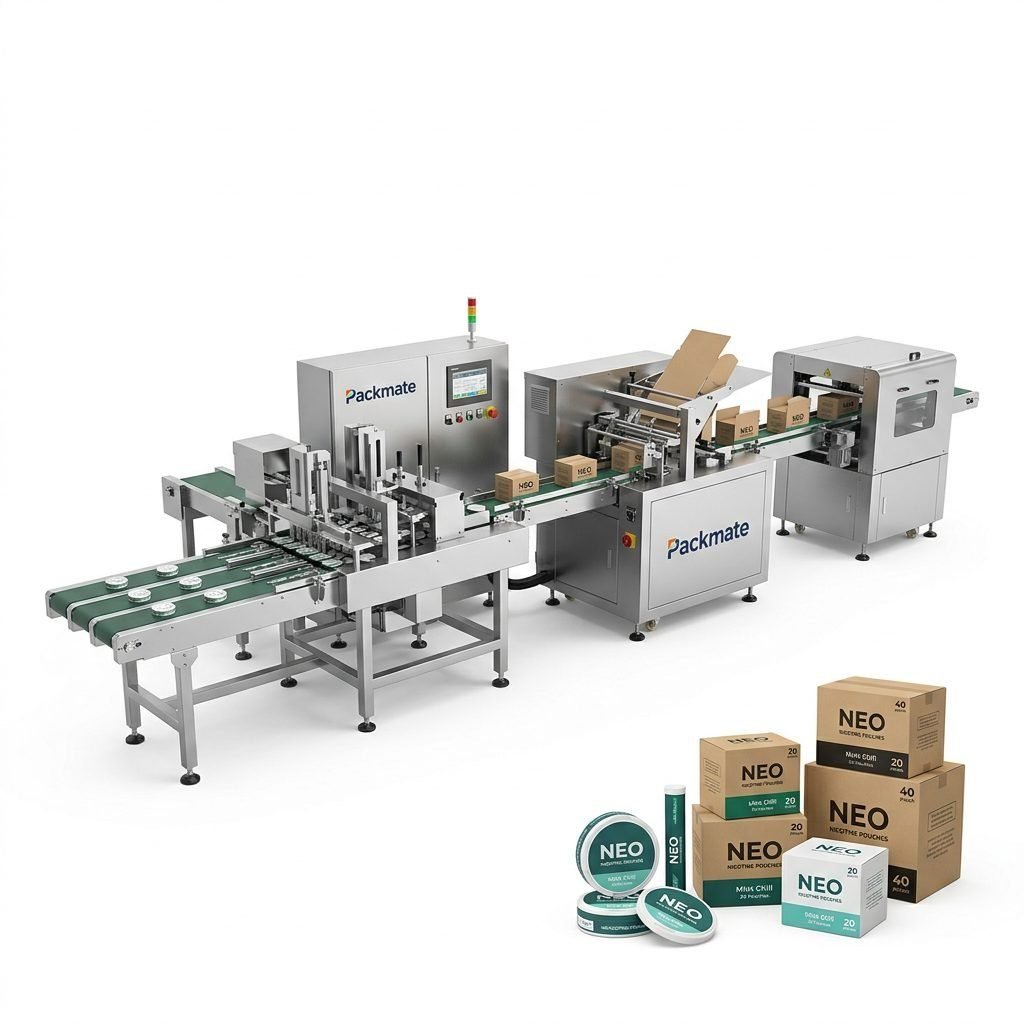
A manufacturer that offers flexible customization—such as adjustable dosing, multiple lane options, and easy format changeover—will let you expand product lines without frequent capital purchases. If you need a full production line, verify the supplier’s experience with turnkey projects and integration of ancillary equipment like conveyors, metal detectors, checkweighers, and packaging printers. Packmate’s range and turnkey capability provide a model for this approach — learn more at About Packmate.
Factory Visits, References and Case Studies
Whenever possible, request virtual or in-person factory visits, performance videos, and client references. Good manufacturers will showcase case studies and machine demonstrations at exhibitions or online galleries. Reviewing real-world installations, especially in climates similar to Fiji, helps validate claims about durability and service. Explore real deployments in the Case section: Case.
Checklist for factory verification: production capacity, CNC machining capability, assembly lines, quality control procedures, FAT documentation, and export experience.
Payment Terms, Warranties and Lead Times
Negotiate clear payment terms (stage payments tied to milestones are common), warranty coverage (12–24 months standard), and defined lead times including shipping. Make sure the contract specifies responsibilities for installation, performance acceptance tests, and penalties or remedies for missed delivery or performance targets.
How to Shortlist Manufacturers — A Practical Process
1. Compile an initial list of 5–8 suppliers who specialise in nicotine pouch/snuspouch solutions and turnkey production lines.
2. Request datasheets, certification copies, FAT videos, and reference clients — narrow down to 3 candidates.
3. Ask for a tailored proposal including TCO estimates, spare parts plan, and commissioning schedule.
4. Run a contract review focusing on warranty, service SLAs, intellectual property of recipes/PLC code, and training commitments.
5. Finalise with a small pilot order or a staged payment linked to delivery and acceptance.
Why Packmate-style suppliers are often suitable for Fiji
Manufacturers with decades of experience, broad model ranges, and export-ready facilities tend to handle the logistics and technical expectations of island customers more reliably. Packmate’s combination of precision engineering, multi-lane solutions, and factory capabilities can be representative of the level of supplier you should expect for nicotine pouch packaging.
Practical Considerations before Signing
– Confirm spare parts shipping times and local stocking options.
– Secure training slots and ask for operator manuals in a clear language.
– Plan a contingency budget for the first 12 months of operation to cover unforeseen parts and consumables.
Helpful links: explore products and service pages to compare specs and support offerings — Sachet & Stick Pack Machines, Service, and Contact Us.
Final selection summary (quick reference)
– Prioritise after-sales, spare parts, and local logistics experience.
– Validate certifications and FAT evidence.
– Calculate total lifecycle costs and consider energy and humidity resilience for Fiji.
– Ensure clear training and commissioning deliverables in the contract.
Closing advice
Focus on partners who see you as a long-term customer and provide practical logistics and service support for island operations. The right manufacturer will not only deliver machines but will help you bring consistent, compliant nicotine pouch products to market in Fiji with as little friction as possible.
Frequently Asked Questions
Q1: What certifications should I insist on for nicotine pouch packaging equipment destined for Fiji?
A1: Ask for CE and ISO certifications, machine FAT reports, and material traceability documents. If you have food- or pharma-grade claims, request hygienic design documentation and surface finish specifications.
Q2: How important is a local service partner or stock of spare parts in Fiji?
A2: Extremely important. Local or regional spare parts availability and a responsive service network reduce downtime and minimize the cost impact of repairs.
Q3: Should I prefer single-vendor turnkey solutions or assemble systems from multiple specialists?
A3: Turnkey solutions often reduce integration risk and simplify communications. However, if you need best-of-breed components, ensure the lead supplier has proven integration experience.
Q4: How can I make shipping and customs to Fiji smoother when importing packaging machinery?
A4: Work with a supplier experienced in island exports, request full export documentation, HS codes, packing lists, and nominate freight forwarders familiar with Fiji customs procedures.
Q5: Where can I view machine options and request quotations?
A5: Start with supplier product pages and contact their sales teams for tailored quotes. Useful starting links: Snus & Nicotine Packaging Machines, Bag & Pouch Packaging Machines, and the Contact Us page for direct inquiries.