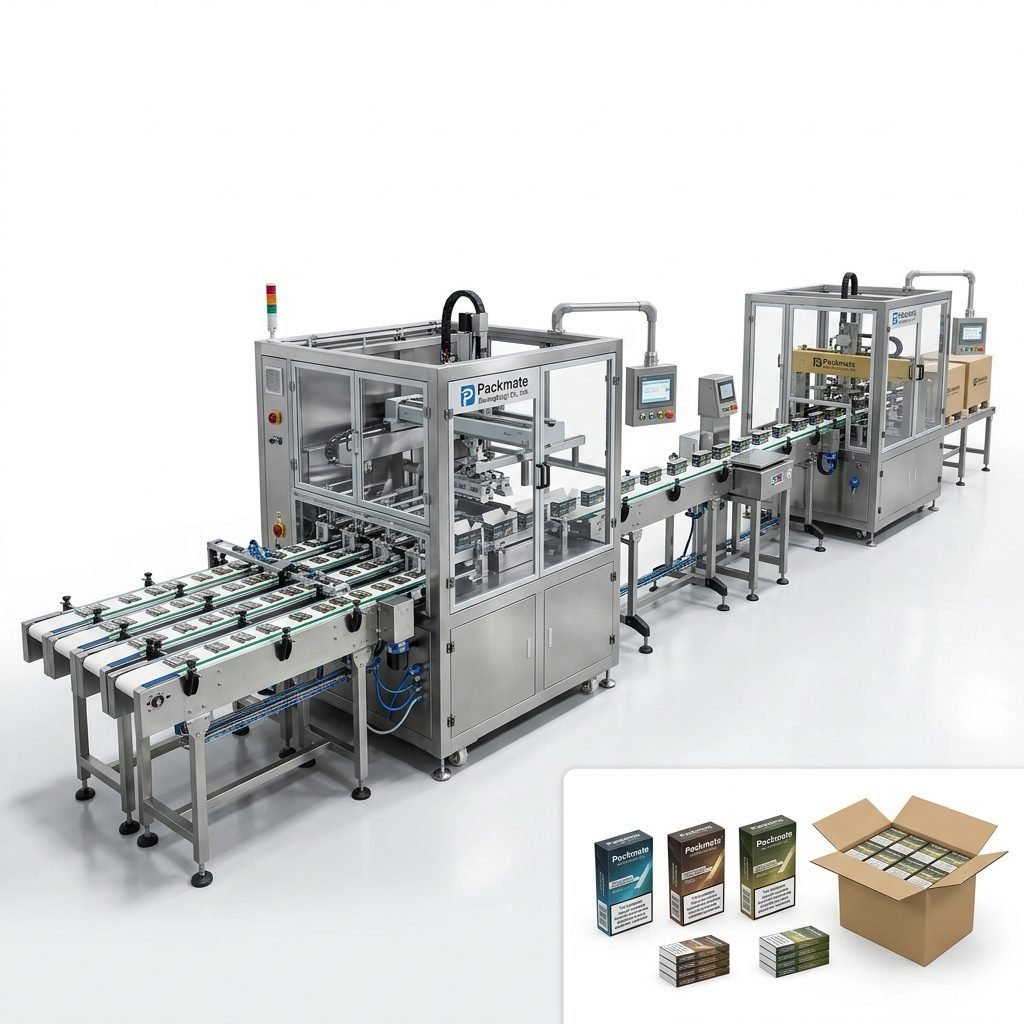
Choosing the right nicotine packaging machine in Vietnam requires a clear understanding of product formats, local market habits, regulatory nuances, and production realities. This guide helps manufacturers, distributors, and entrepreneurs evaluate machine types, technical specifications, supplier capabilities, and installation requirements—so you can make a practical buying decision that fits the Vietnamese market and your business goals.
Understand the Local Market and Cultural Context
Vietnam’s consumer behavior in tobacco-related products is shaped by strong urban–rural differences, rising disposable incomes in metropolitan areas like Ho Chi Minh City and Hanoi, and an increasing interest in alternative nicotine products among younger adults. When selecting packaging equipment, consider:
-
Preferred formats: single-dose pouches and compact sachets sell well for convenience and portability.
-
Climate impact: high humidity and tropical temperatures influence material choice and sealing performance.
-
Regulatory environment: local packaging must meet labeling and material requirements—confirm compliance with Vietnam import and health rules.
Key takeaway
🔎 Tip: Select machines that support multiple pouch sizes and robust sealing to handle humidity. Machines with quick changeover are highly valuable in markets where product SKUs change often.
Step 1 — Define Your Product and Packaging Format
Start by documenting the exact product you will package. Nicotine pouches vary in weight, moisture content, and particle size. Packaging formats commonly used in Vietnam and nearby markets include:
-
Single-dose pouches (snus-style pouches)
-
Stick packs and sachets for single-use delivery
-
Multi-lane form-fill-seal pouches for higher throughput
Match the format to consumer preferences: urban convenience often favors small-dose, discreet pouches, while rural channels might require larger-volume packaging for cost efficiency.
Step 2 — Choose the Right Machine Type
There are several machine categories suitable for nicotine pouches. The correct choice depends on capacity, accuracy, and flexibility:
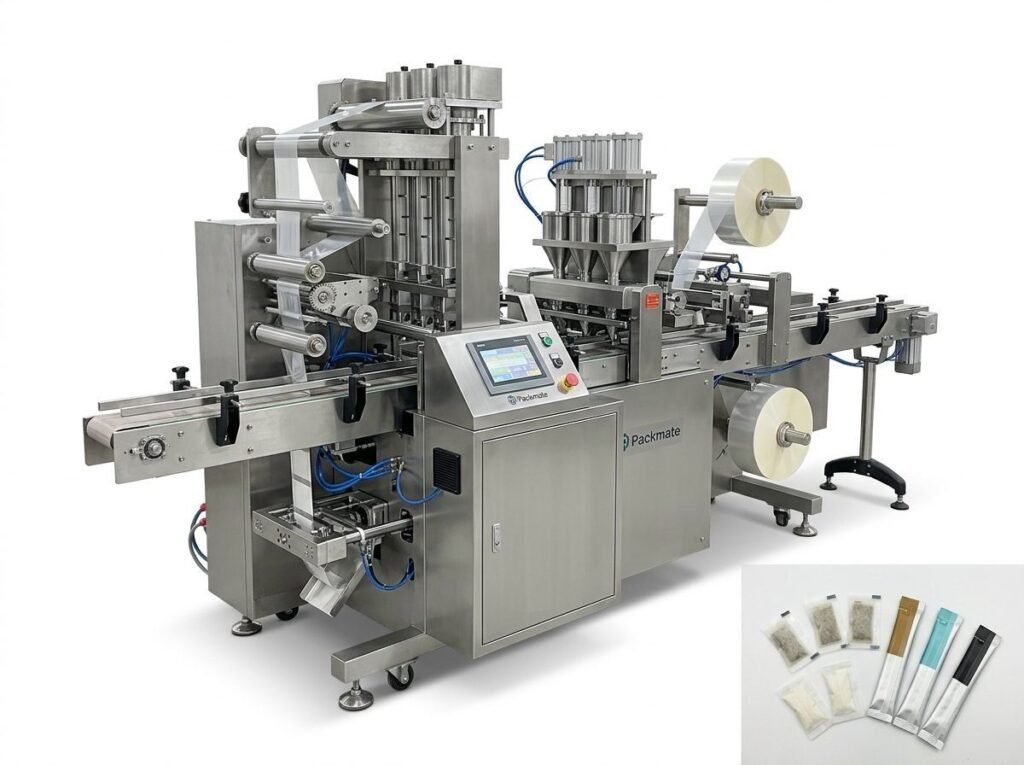
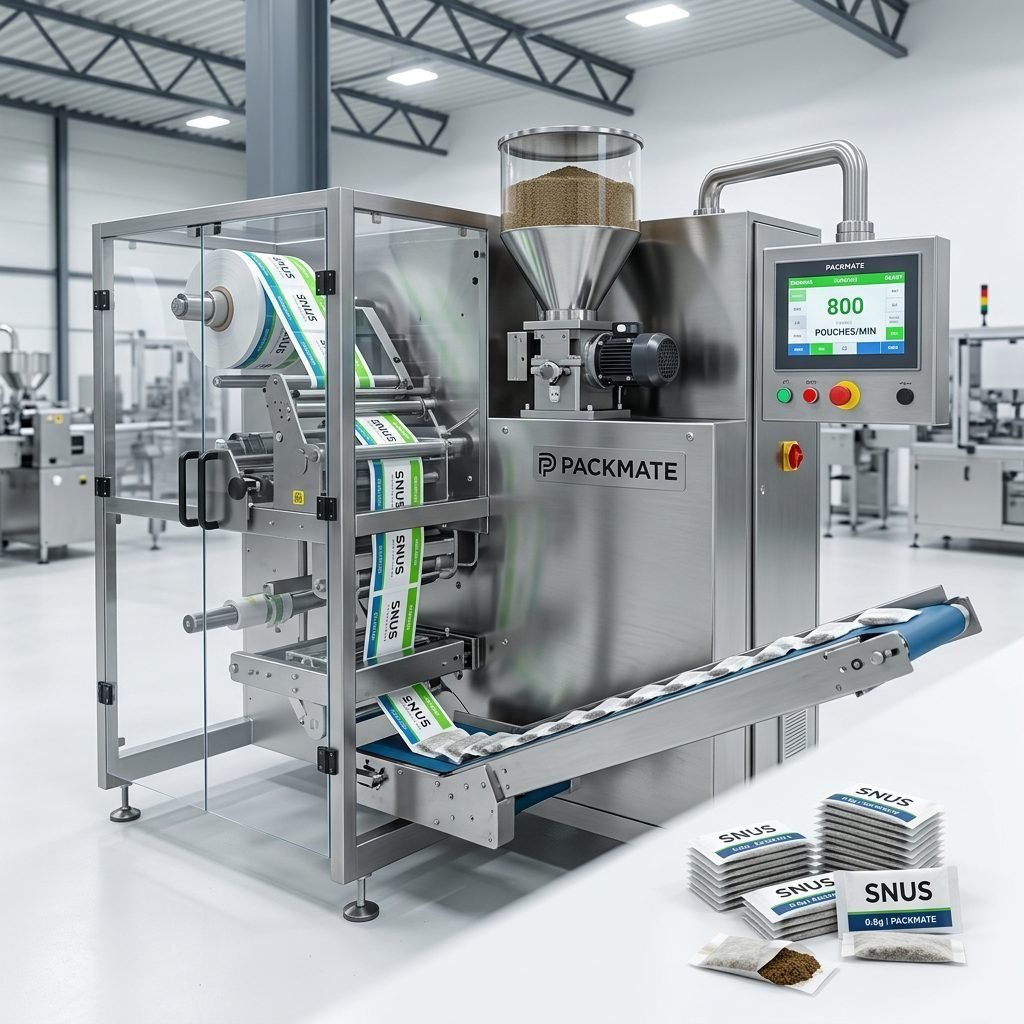
Form-Fill-Seal (Pouch) Machines
Pouch machines are ideal for stand-up pouches and small sachets. They work well for varied sizes and are user-friendly for small to medium batches.
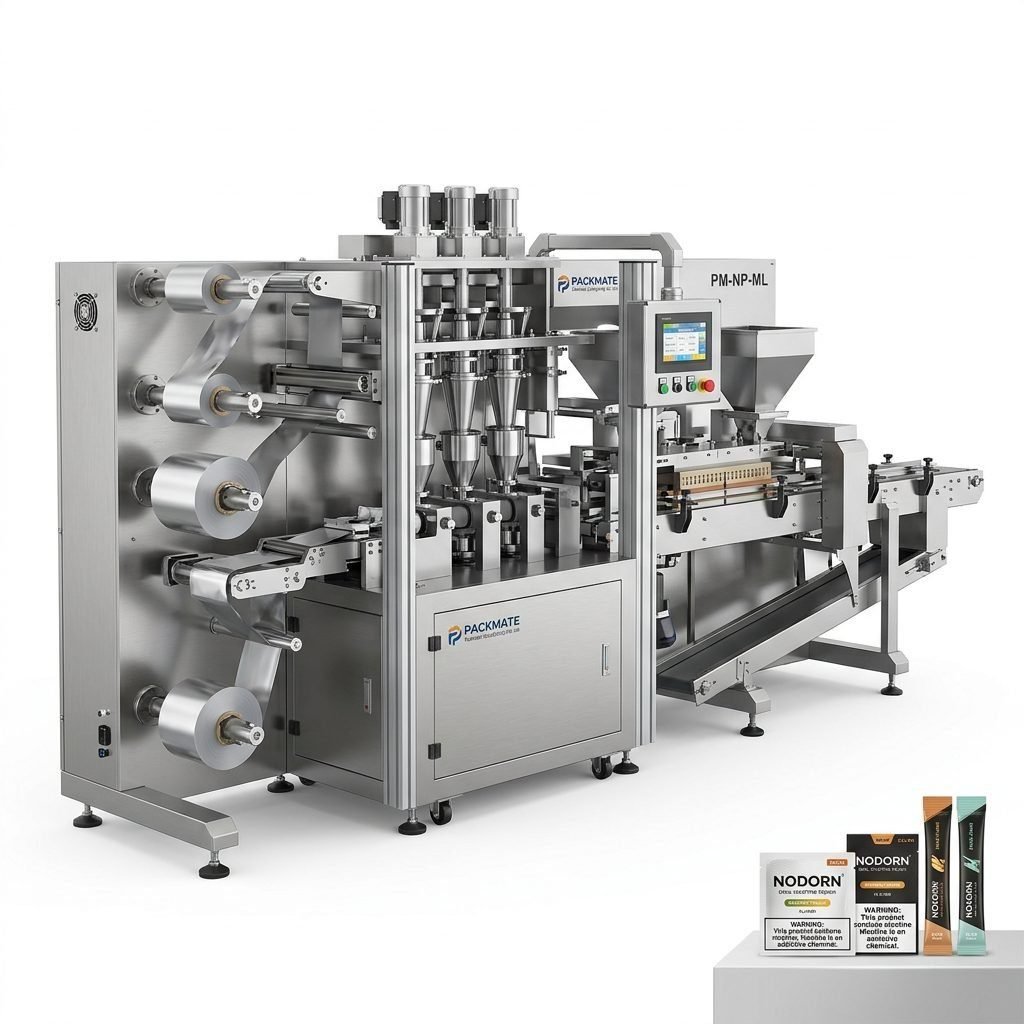
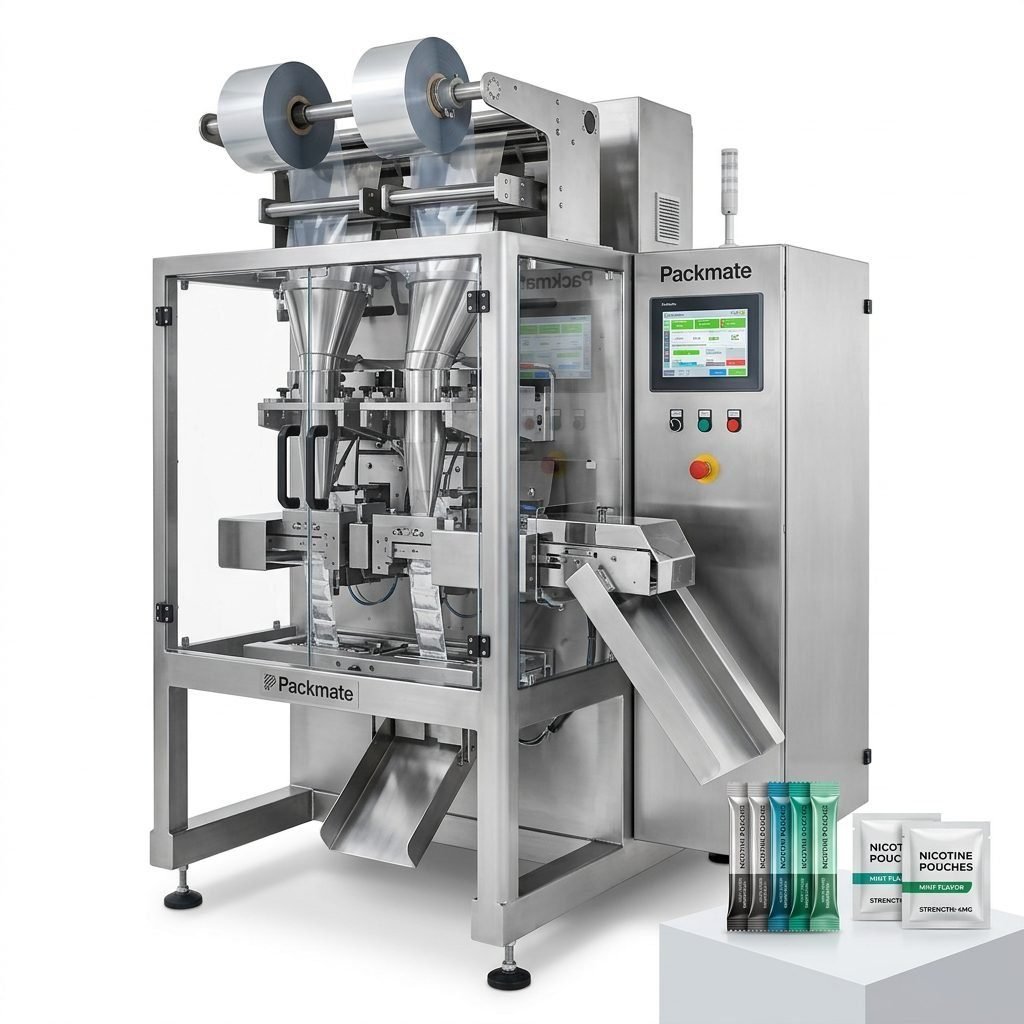
Stick Pack & Sachet Machines
For single-serve stick packs and sachets, stick pack machines deliver fast line speeds and minimal material waste—popular for on-the-go consumers. For full product lines, consider multi-head stick pack configurations.
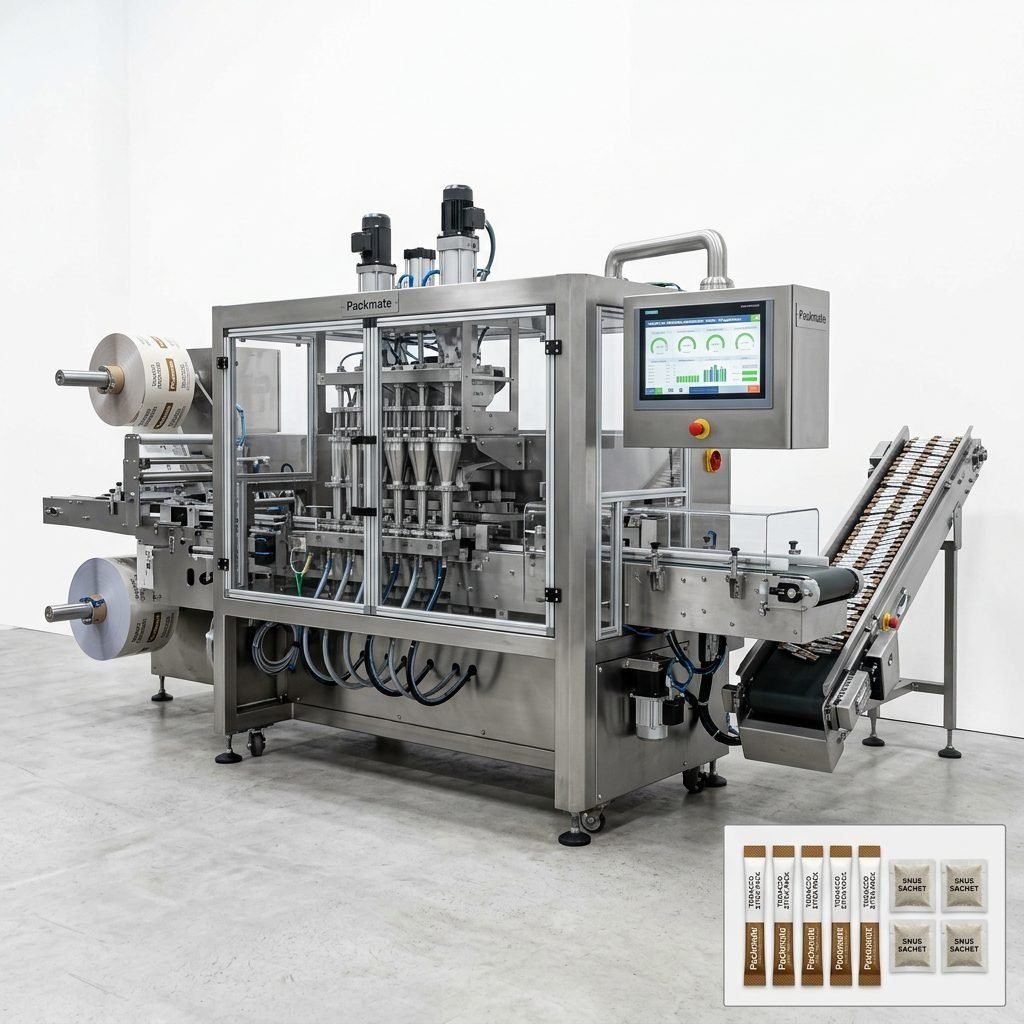
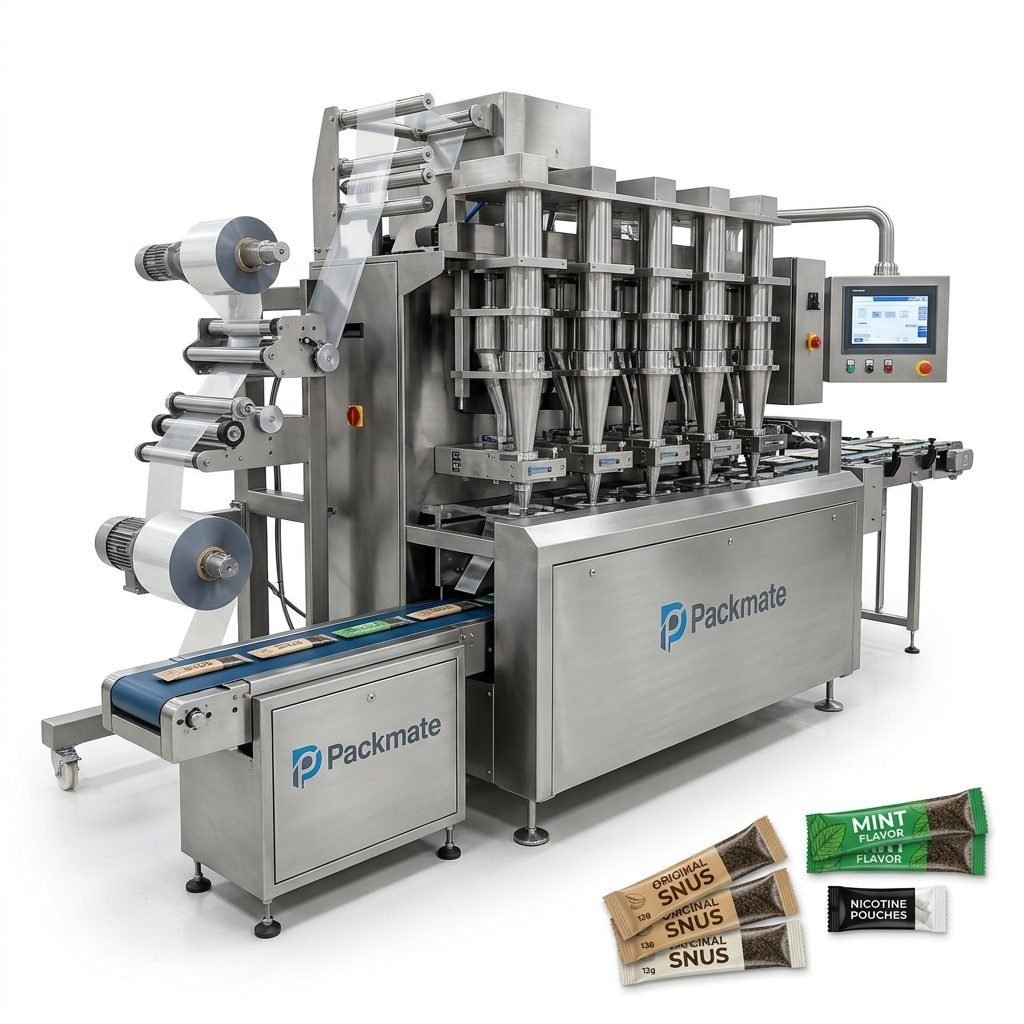
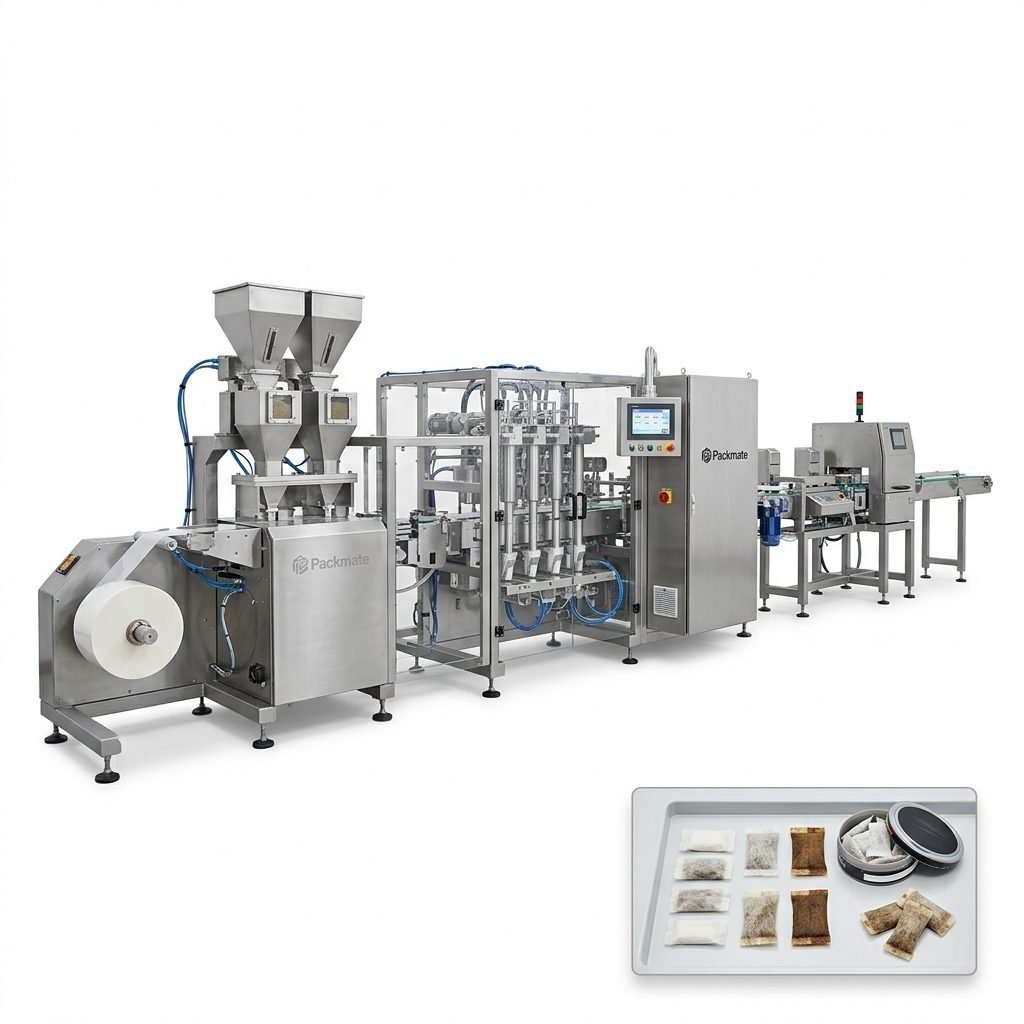
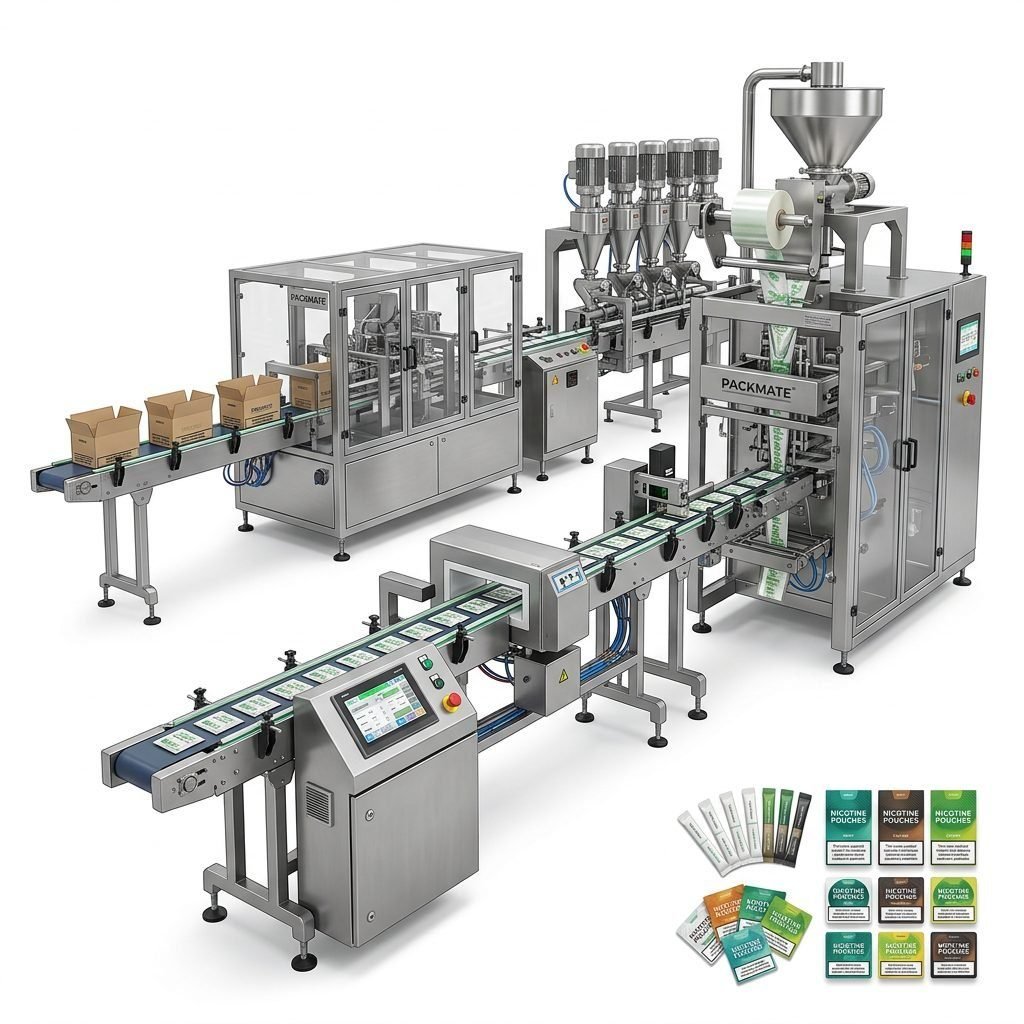
Multi-lane Snus & Nicotine Packaging Machines
Multi-lane systems are engineered for high-density production of small-dose pouches. If demand is high or you plan to scale quickly, choose multi-lane machines that maintain dosing accuracy across lanes.
⚠️ Important: If you plan to export from Vietnam, verify the machine supports packaging standards and labelling needs of target export markets.
Step 3 — Production Capacity & Line Speed
Determine hourly and daily throughput targets before contacting suppliers. Consider:
-
Planned annual production and seasonal peaks
-
Acceptable downtime and changeover times
-
Future scaling: choose machines with modular upgrades to increase lanes or speed
Machines from experienced manufacturers like Packmate offer configurations from single-lane to multi-lane systems—helpful for both startups and large-scale processors.
Step 4 — Dosing Accuracy and Product Protection
Nicotine pouch dosing precision directly affects product consistency and compliance. Evaluate:
-
Weighing systems: integrate high-precision multi-head weighers for powders and granules
-
Moisture control: ensure machines can handle hygroscopic blends and incorporate desiccant packaging options if needed
-
Sealing integrity: test heat-sealing performance under humid conditions to prevent leaks
Supplier Capabilities to Verify
🔧 Verify: The supplier provides CE/ISO certification, site acceptance testing (SAT), spare parts availability, and on-site training. Packmate’s factory profile shows 30+ years of experience, CNC manufacturing, and turnkey solutions for snus packaging.
Step 5 — Materials Compatibility and Consumables
Choose packaging materials based on barrier properties, printability, and sealing compatibility. In Vietnam’s climate, film combinations with strong moisture barriers are preferred. Ask suppliers about:
-
Recommended film laminates and their sealing temperature ranges
-
Supplier support for film testing and sample trials
-
Availability of spare parts and toolkits locally or via service partners
Step 6 — Automation, Controls and Industry 4.0 Features
Modern packaging lines should include PLC/HMI controls, recipe management, remote diagnostics, and safety interlocks. For Vietnam, consider:
-
Language support on HMI and training materials (English and any local language needs)
-
Remote support capability for troubleshooting, which reduces downtime
-
Data logging for traceability and batch records
Step 7 — Floor Space, Utilities, and Installation
Before finalizing, inspect installed footprint, power requirements, compressed air specs, and environmental needs. Typical considerations:
-
Site layout to enable smooth product flow and maintenance access
-
Power stability and recommended surge protection
-
Ventilation and humidity control in production halls
Step 8 — Testing, Acceptance and Training
Insist on factory acceptance tests (FAT) with your actual product samples. Key points:
-
FAT should include performance under expected local climatic conditions.
-
Site acceptance testing (SAT) confirms installation, commissioning, and performance metrics.
-
Comprehensive operator and maintenance training—include local language support where possible.
✅ Pro Advice: Arrange a pilot run in the supplier’s factory or a demo at an exhibition. Packmate participates in global exhibitions where you can view live demonstrations and test machines with your substrate.
Step 9 — After-Sales Support and Spare Parts
After-sales service is a major differentiator. Confirm:
-
Local service partner presence or quick international response times
-
Availability of spare parts, consumables, and recommended maintenance schedules
-
Support channels (phone, email, remote login) and SLAs for emergency response
Comparing Suppliers — What to Ask
Use a short checklist during supplier evaluation:
-
Can you provide FAT/SAT and customer references in Southeast Asia?
-
What is the total cost of ownership (TCO) including installation, training, and spare parts?
-
Are the machines CE/ISO certified and compliant with export market requirements?
-
Can the design be customized for Vietnamese labeling or package sizes?
Useful links and resources
For detailed machine categories and product lines, review manufacturer catalogs and product pages:
Budgeting and Financing Options
Price is important, but evaluate bids on value rather than lowest cost. Consider:
-
Warranty coverage and included spare parts
-
Financing options available from the supplier or local banks
-
Projected ROI based on production capacity, yield improvements, and reduced labor costs
Installation Timeline and Project Management
Realistic timelines reduce risk. Typical milestones:
-
Lead time for manufacturing and pre-shipment testing
-
Shipment, customs clearance, and local transport
-
Site readiness, mechanical installation, electrical hook-up, and commissioning
-
Operator training and first production runs
🔁 Recommendation: Align your procurement team, local contractors, and supplier project manager early. This minimizes installation delays and reduces hidden costs.
Sustainability and Local Considerations
Vietnam’s manufacturing sector is increasingly focused on sustainability. Consider machines that reduce waste, optimize material usage, and support recyclable films. Local worker safety and training should be prioritized—machines with clear safety guards and easy maintenance reduce workplace incidents.
Final Checklist Before Purchase
Use this final checklist to ensure you’ve covered critical areas:
-
Product compatibility and sealing performance tested
-
Production capacity and scalability match business targets
-
Certifications and compliance verified
-
After-sales support and parts availability confirmed
-
FAT/SAT and training scheduled
📌 Note: Packmate’s global turnkey solutions and factory capabilities (20,000㎡, advanced CNC systems) are examples of what experienced manufacturers can provide for robust snus and nicotine pouch production lines.
Conclusion
Choosing the right nicotine packaging machine in Vietnam is a balance of product needs, local environmental conditions, regulatory compliance, and supplier reliability. Prioritize machines that offer flexibility, high dosing accuracy, robust sealing in humid climates, and strong after-sales support. A carefully planned procurement process—inclusive of FAT/SAT, training, and spare parts planning—will deliver a reliable line that supports growth in Vietnam’s evolving nicotine pouch market.
Common Questions
Q: What machine type is best for small-dose nicotine pouches in Vietnam? A: Multi-lane snus packaging machines or specialized snus pouch form-fill-seal systems usually provide the best combination of accuracy and throughput for small-dose pouches.
Q: How does Vietnam’s humid climate affect packaging machine selection? A: Humidity impacts film sealing and product storage. Choose machines with consistent heat-sealing control and test sealing strength with the exact film laminate under tropical conditions.
Q: What certifications should I request from a packaging machine supplier? A: Request CE and ISO certifications, factory acceptance test documentation, and any compliance paperwork relevant to your target markets.
Q: How important is after-sales support when buying a packaging machine? A: Extremely important—fast access to spare parts, remote diagnostics, and local service partners shorten downtimes and protect production continuity.
Q: Can I test my product on a supplier’s machine before purchase? A: Yes. Insist on FAT with your product samples or attend an exhibition demo where manufacturers like Packmate often show live machine performance.