Choosing the right nicotine packaging machinery supplier for operations in Equatorial Guinea is a strategic decision that impacts product quality, regulatory compliance, and long-term operational costs. This guide walks production managers, procurement teams, and entrepreneurs through practical steps and local considerations to identify a supplier who can deliver reliable snus and nicotine pouch packaging lines tailored to the Central African market.
Understanding the Equatorial Guinea Market and Local Nuances
Equatorial Guinea’s official languages include Spanish, French, and Portuguese, and business culture places strong emphasis on personal relationships, respect, and formality. When sourcing packaging equipment, it helps to be sensitive to local customs: initial meetings are often formal and direct introductions from a trusted local contact can accelerate trust. Import processes typically go through ports like Bata and Malabo, and customs procedures can be slower than in larger markets, so lead times must be planned with buffer.
Regulatory and social considerations
Nicotine-containing products face regulatory scrutiny worldwide. In Equatorial Guinea, ensure you understand import licenses, labeling rules (Spanish-language requirements are common) and any health-related restrictions. Working with a supplier who can provide compliant documentation, CE/ISO certificates, and export support reduces customs delays and local friction. Suppliers who offer training in Spanish or French will help your team operate equipment faster and ensure safer handling.
Why supplier selection matters: beyond purchase price
Buying packaging machinery is not just a one-time purchase. It is an investment in uptime, product consistency, after-sales service, and long-term spare parts availability. A lower initial price can translate into higher downtime, more frequent repairs, and inconsistent package quality. Look for suppliers who demonstrate long-term commitment through local partnerships, spare parts logistics, and strong references in similar markets.
Key criteria to evaluate potential suppliers
1) Technical capability and machine range
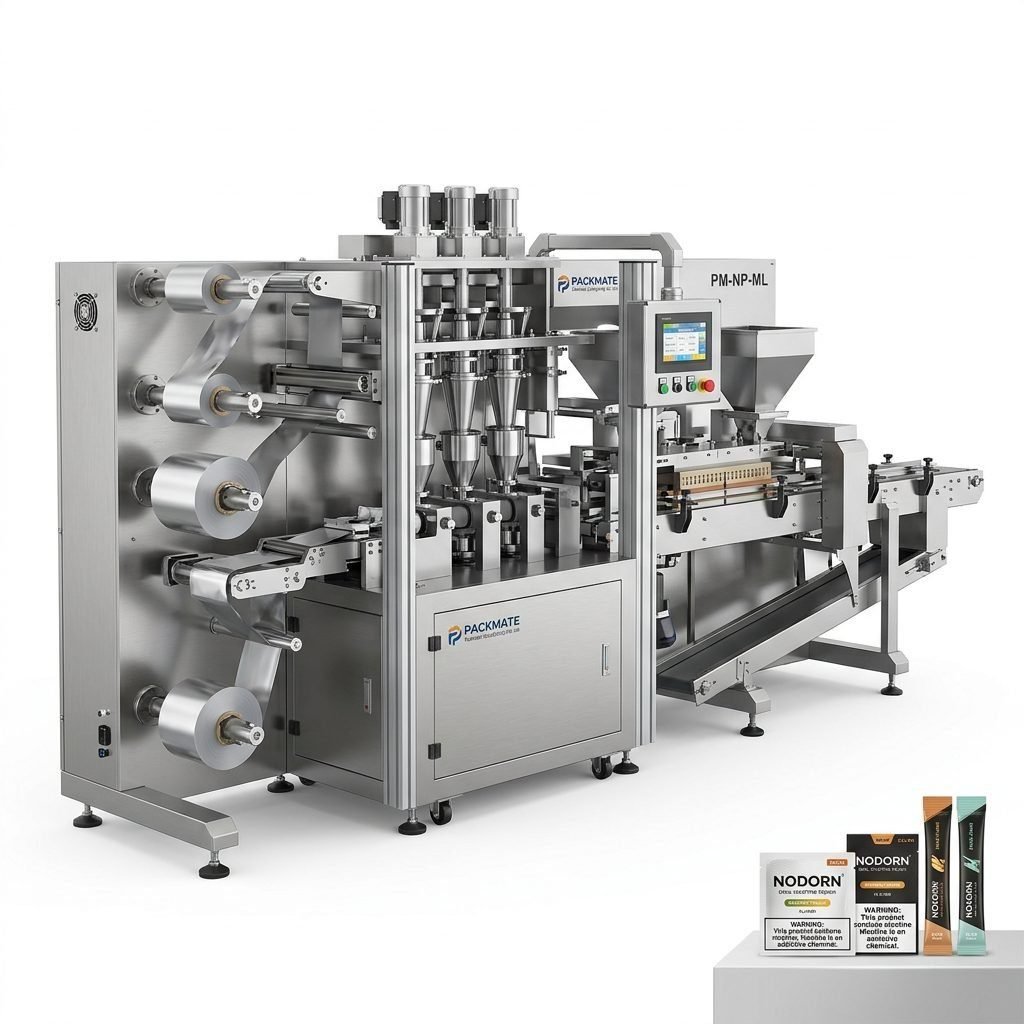
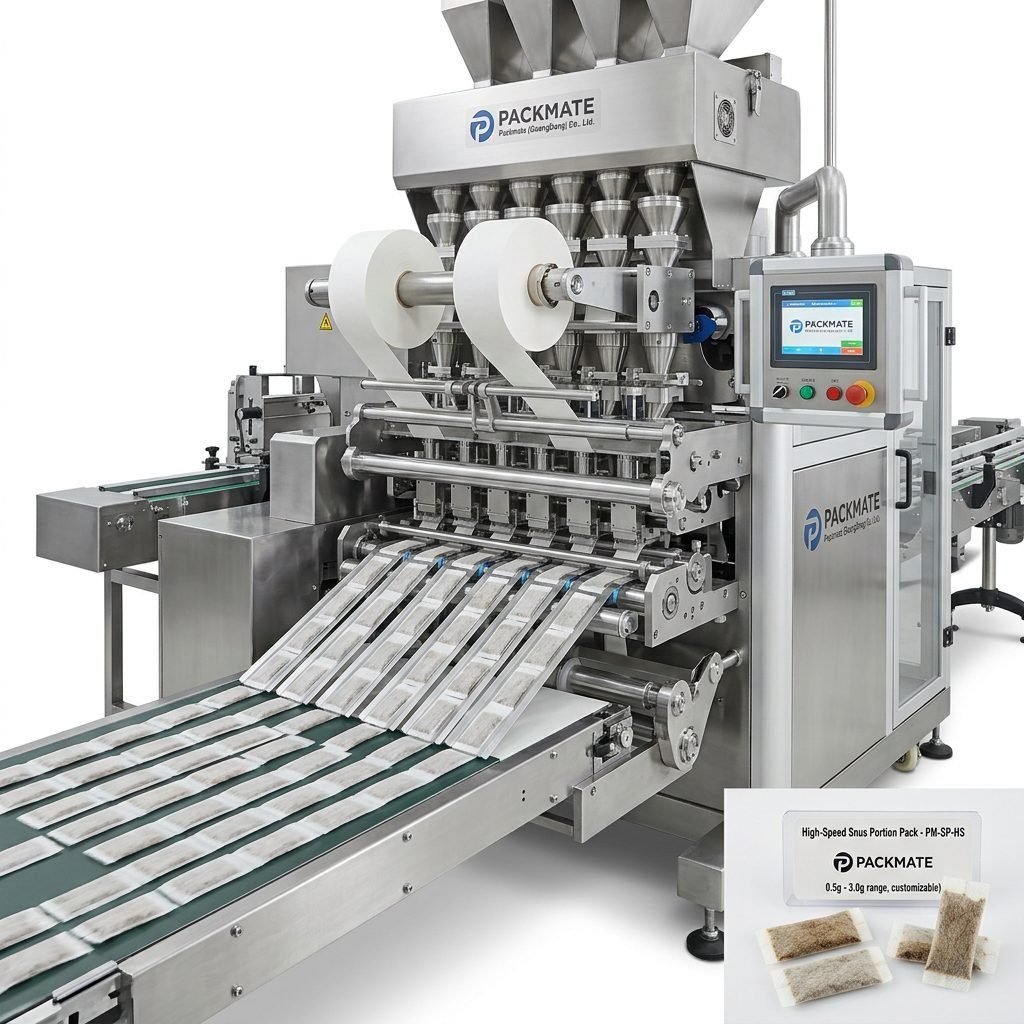
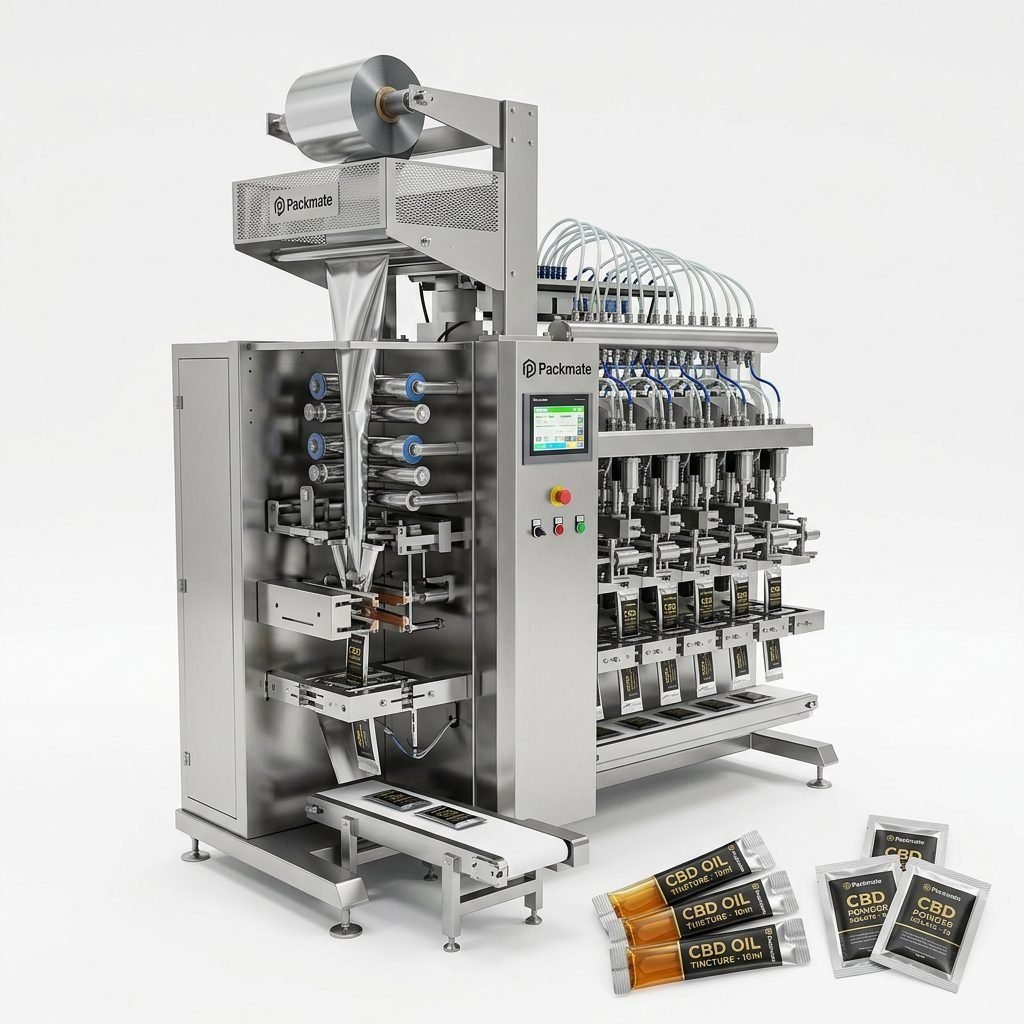
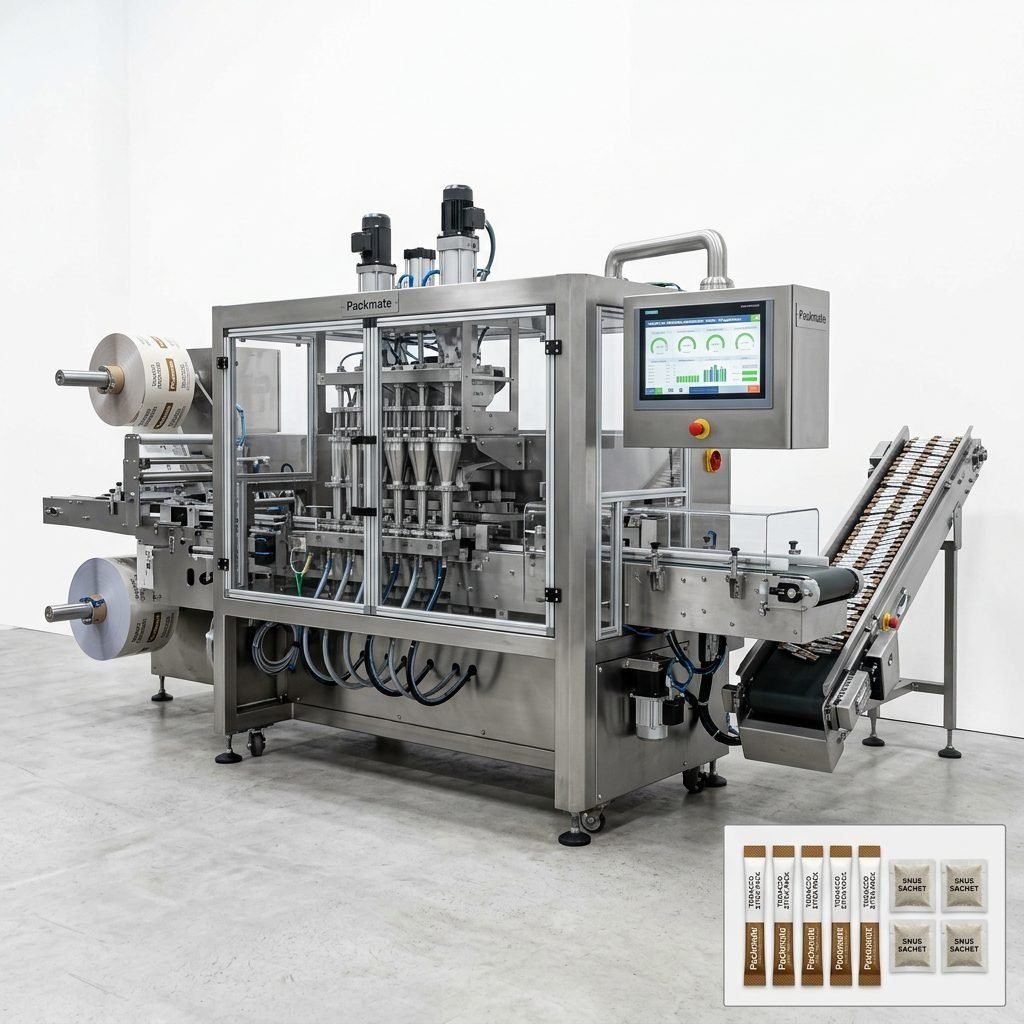
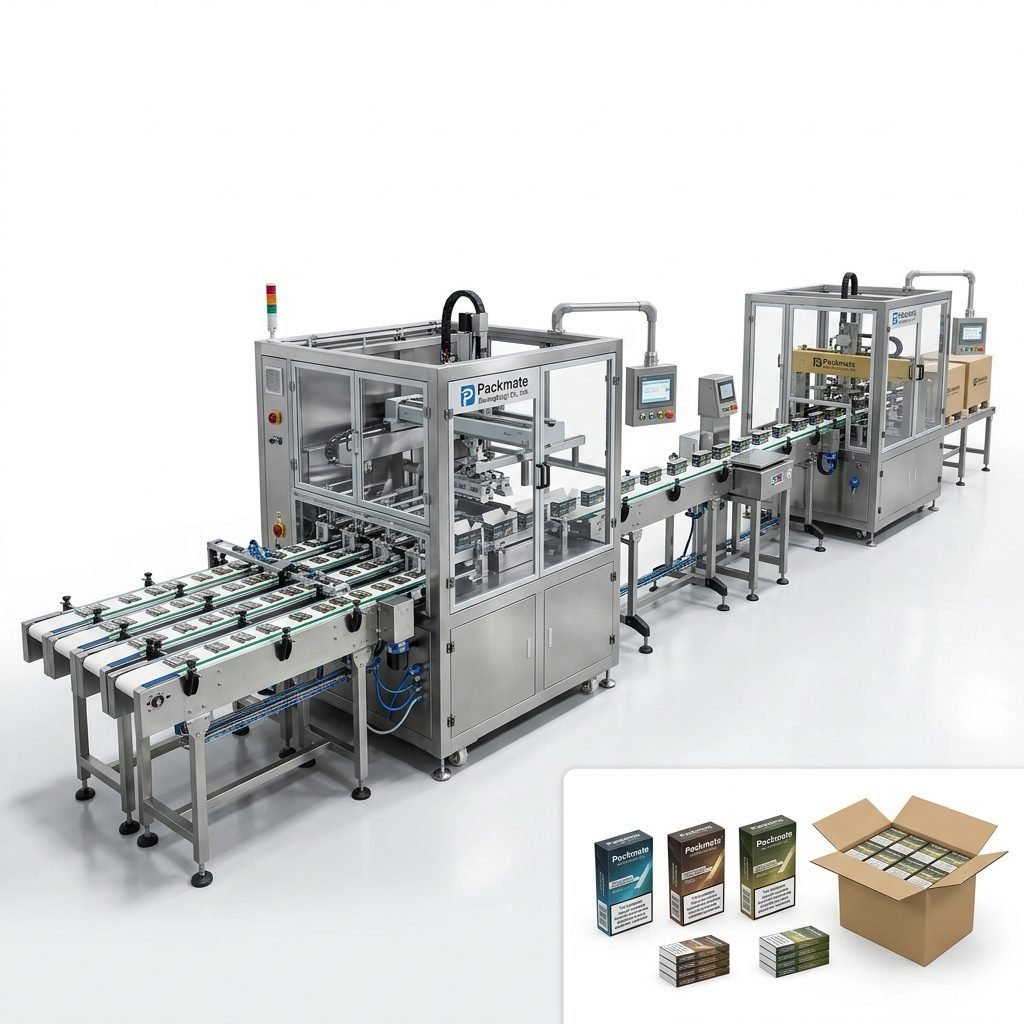
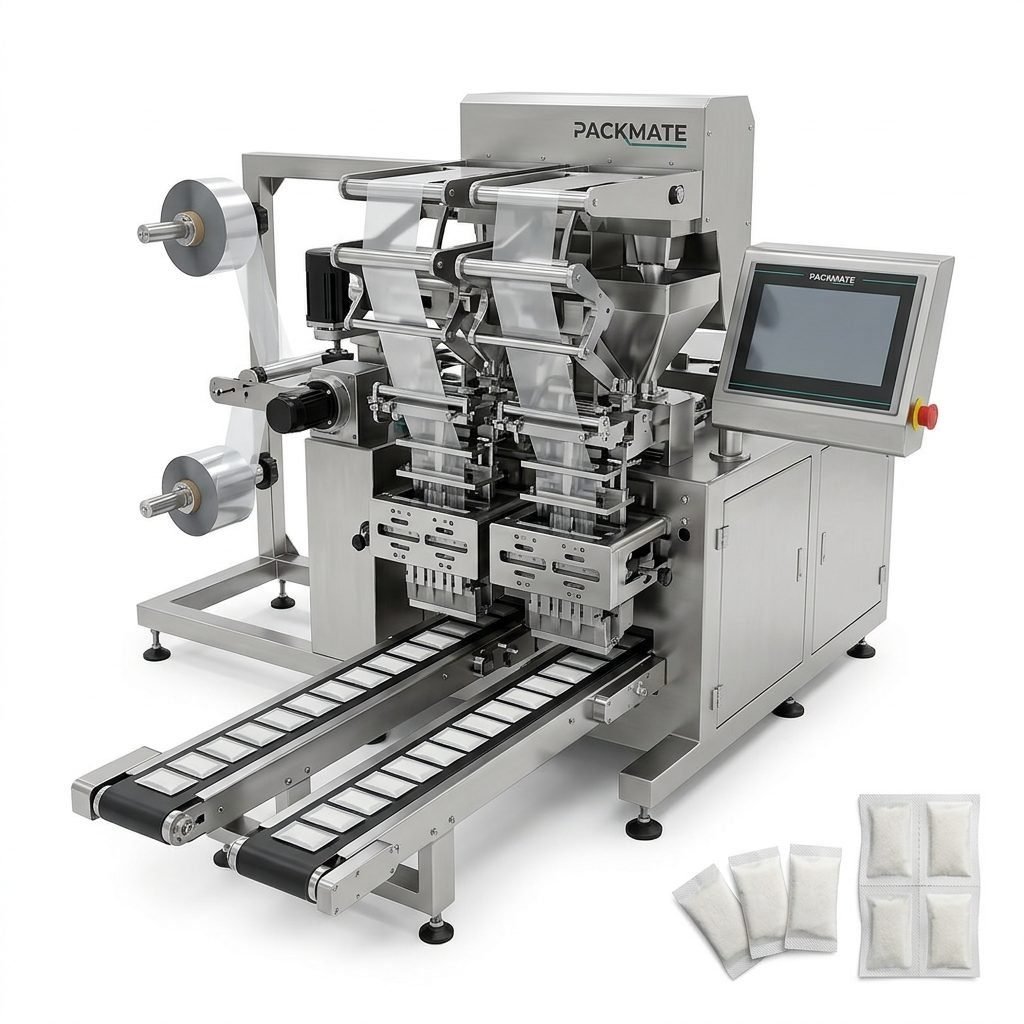
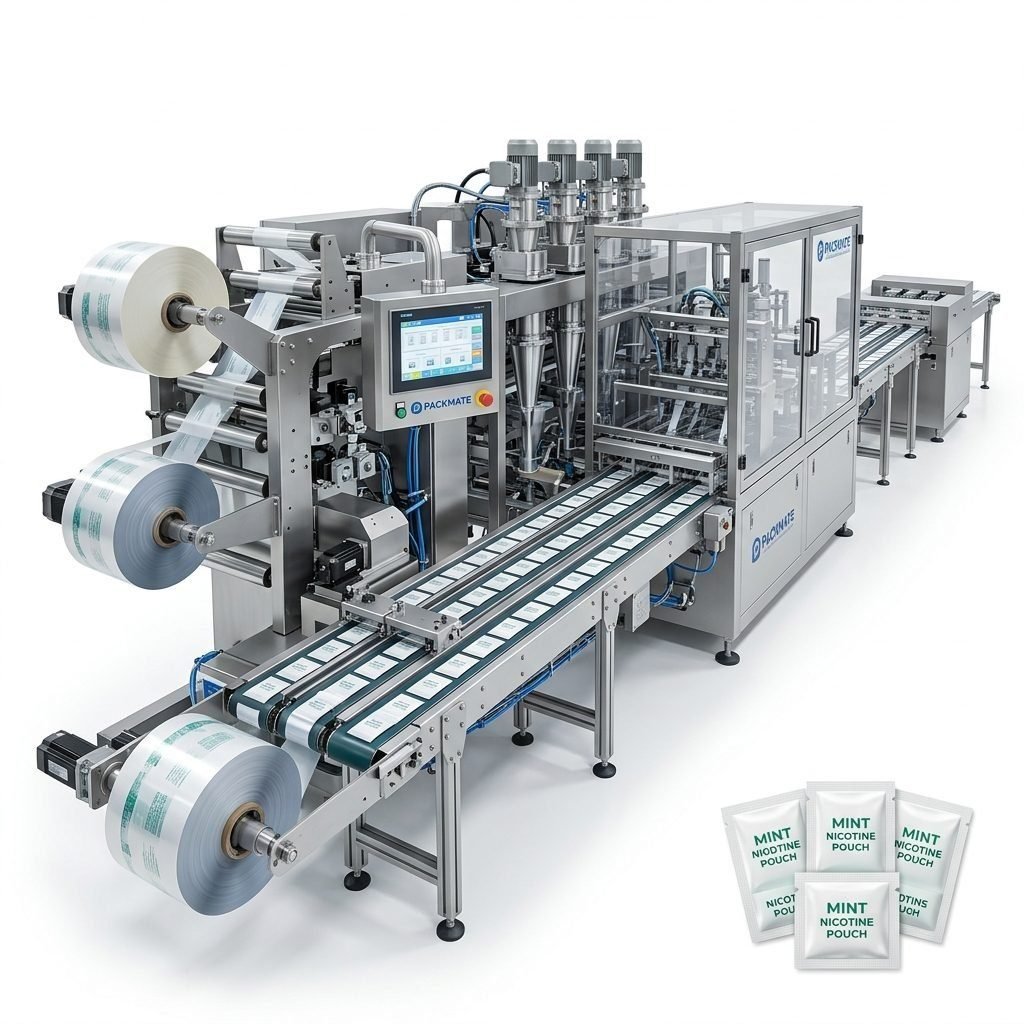
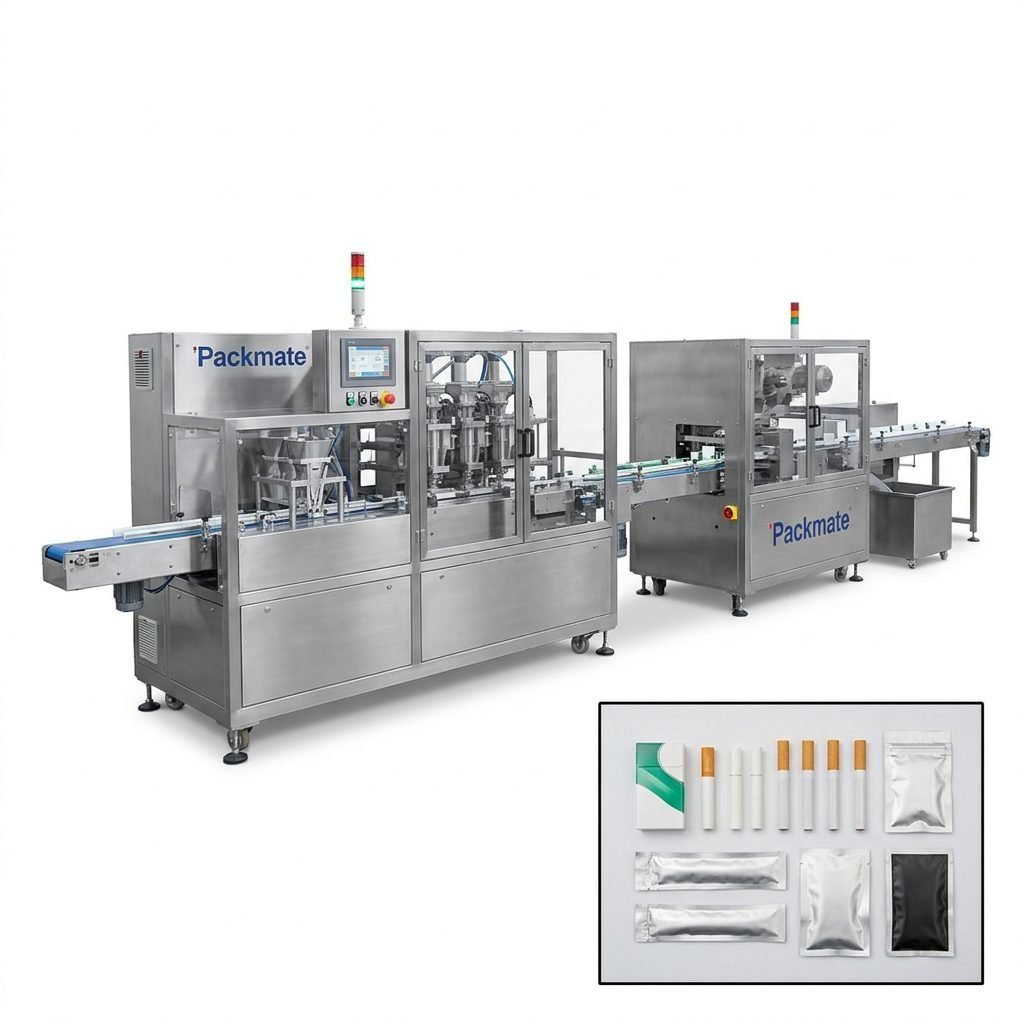
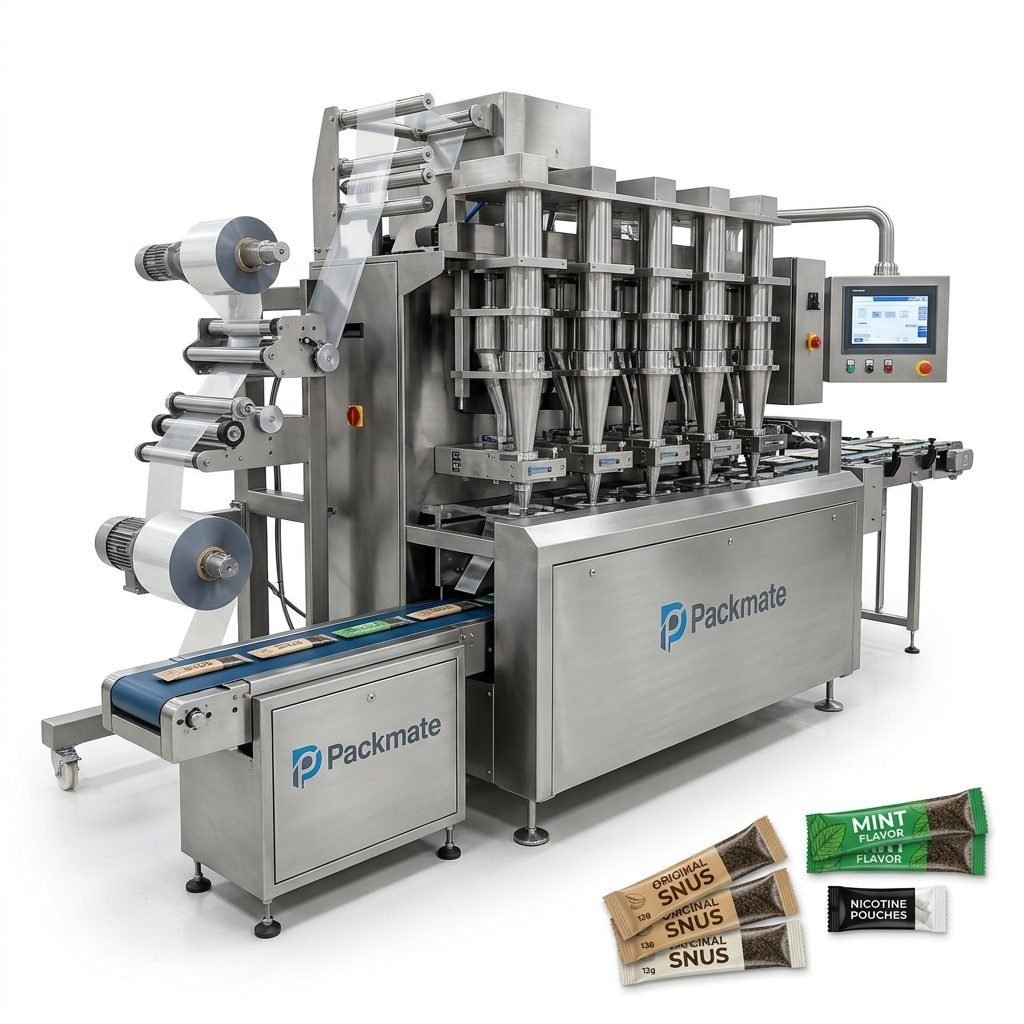
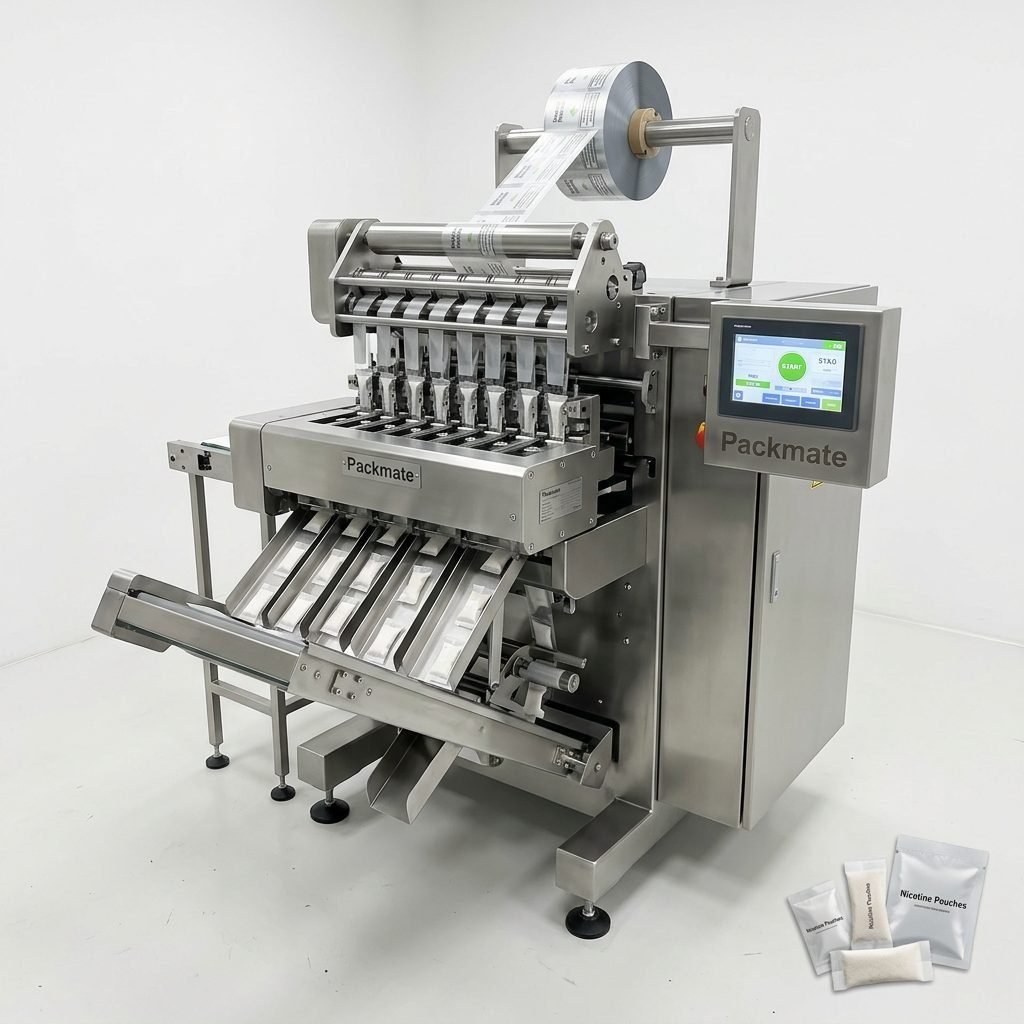
Evaluate whether the supplier offers machines that match your product format: nicotine pouches, snus, sachets, stick packs, multi-lane lines or customized pouch shapes. Suppliers with a broad portfolio can scale with you and adapt to product changes. For example, companies that provide both snus/nicotine packaging machines and accompanying weighing or filling lines reduce integration risk. See a supplier’s product range to confirm they cover multi-lane and small-dose pouch production.
Recommended check: ask for machine specifications, sample package photos (no images in this article), and references for similar installations. If you want to explore product lines, review relevant categories like Snus & Nicotine Packaging Machines and Sachet & Stick Pack Machines.
2) Quality control and certifications
Certifications such as CE and ISO indicate that design and production processes meet international standards. Request copies of certificates and ask about factory inspection protocols, material traceability, and in-line quality detection features (e.g., weight verification, seal integrity checks). Suppliers with strict quality procedures reduce the risk of product recalls and inconsistent dosing.
Learn more about a supplier’s accreditation and history on pages such as Certificate and their company introduction pages like About Packmate.
3) Customization and turnkey capability
Your local market may require unique packaging sizes, labeling in Spanish, or combination lines that fill and wrap. Suppliers who offer turnkey solutions—from filling to primary and secondary packaging—simplify project management. Confirm their experience in designing turnkey lines and their ability to provide PLC programming, HMI customization (language options), and factory acceptance testing.
Browse related solutions such as Filling & Packaging Lines to understand typical integration scopes.
4) After-sales service, spare parts and training
Rapid support and ready access to spare parts are crucial in markets where shipping and customs can delay shipments. Ask suppliers about spare parts kits, recommended stock levels, and whether they have regional agents or distributors who can provide quicker maintenance. Multilingual training (Spanish/French) for operators and technicians reduces commissioning time and lowers the risk of operator error.
Check the supplier’s service offering at their service pages for warranty terms and training packages (for example, Service).
5) Factory capability, lead times and references
Verify factory size, machining capability, and production capacity. A supplier with advanced CNC centers and a dedicated assembly line indicates repeatable build quality. Ask for recent projects, references in similar climates or markets, and evidence of long-term supplier relationships. A factory with 20,000㎡ and 30+ years of experience typically offers better production reliability.
Useful pages: Case, Our Exhibition.
🔍 Key supplier checklist (Quick scan)
✅ Machine models offered and sample outputs
✅ CE/ISO certificates and export documentation
✅ Turnkey integration capability (fillers, conveyors, wrappers)
✅ On-site training and multilingual manuals (Spanish/French)
✅ Spare parts lead time and local support options
Practical vetting steps: what to request and test
When you approach a supplier, request technical documents, videos of the machines running with products similar to yours, and a Factory Acceptance Test (FAT) plan. Ask for an itemized quotation that separates machine cost, tooling, spare parts kits, training time, shipping, and local installation services. If possible, visit the factory or arrange a live demonstration at an international exhibition where the supplier participates. This is especially important in cultures where in-person inspections build trust.
Sample technical and commercial questions
🔎 What is the machine’s guaranteed throughput at your target pouch weight?
🔎 What tolerances can the system maintain for weight and sealing integrity?
🔎 What is included in the standard warranty and what are the SLA terms for remote or on-site support?
🔎 Can the HMI and manuals be provided in Spanish and French? Do you offer on-site training in Equatorial Guinea?
Cost vs value: negotiating for lifecycle performance
Focus conversations on total cost of ownership (TCO) rather than unit purchase price alone. Consider energy efficiency, ease of cleaning and maintenance, mean time between failures (MTBF), and availability of local spare parts. Ask the supplier for a predictive maintenance plan and examples of average spare parts consumption for similar clients. A slightly higher upfront cost can yield a significantly lower TCO via reduced downtime and better product yields.
Logistics, installation and commissioning in Equatorial Guinea
Plan shipments to ports like Bata or Malabo and allow for extended customs clearance. Work with freight forwarders experienced with industrial equipment and coordinate with your supplier for documentation and palletization details. Ensure the supplier provides pre-shipment inspection reports and modularized packing to simplify unloading and on-site movement.
During installation ensure the supplier supports FAT and SAT (site acceptance testing) and provides training for local operators. Multilingual technical documentation and remote support via video calls will be critical during the initial ramp-up.
Local partnership and cultural tips for successful onboarding
Building a local partner or hiring a local project manager who understands import rules and language nuances (Spanish/French) dramatically reduces friction. Show respect for formal introductions, follow-up with clear written summaries after meetings, and, where appropriate, schedule face-to-face visits to strengthen relationships. Small gestures, punctuality, and clear communication are highly valued.
Decision-making checklist before signing contracts
🤝 Confirmed scope: machines, tooling, consumables, training and spare parts
📦 Shipping terms and approximate lead times including customs estimates
⚠️ Warranty and SLA details with response times for Equatorial Guinea
🔧 Availability of local technicians or guaranteed remote support
🔍 Agreed FAT/SAT acceptance criteria and sample acceptance thresholds
Sample contract clauses to request
Request clauses for spare parts lead times, escalation procedures for unresolved breakdowns, clear acceptance criteria for production speed and quality, and training scope with minimum trained personnel. Also agree on penalty clauses or remedies if the delivered equipment repeatedly fails to meet the agreed KPIs.
Commissioning and ramp-up best practices
During commissioning, run the machine with your actual product formulations and packaging substrates to verify compatibility. Keep a logbook for issues and track corrective actions. Agree on a post-commissioning support window where the supplier provides extra remote or on-site support while your team reaches stable production.
Why a supplier with proven snus and nicotine pouch expertise adds value
Suppliers specializing in snus and nicotine pouch packaging know the dosing tolerances, pouch materials, and sealing requirements unique to these products. They can advise on multi-lane solutions for small-dose production and provide proven filling, weighing, and sealing combinations that minimize product waste. If you are evaluating partners, consider those with industry-focused experience and demonstrated global turnkey deliveries.
For reference, explore specialized equipment ranges and turnkey options at product pages such as Weighing & Packaging Systems and Auxiliary Packaging Equipment.
Final selection tips and onboarding roadmap
1) Shortlist 2–3 suppliers who meet your core technical requirements and can provide references. 2) Request live demos or FAT videos using similar products. 3) Obtain a detailed commercial proposal and negotiate clear SLAs. 4) Plan logistics and local permits early. 5) Schedule commissioning and training with clear acceptance criteria. A methodical approach reduces surprises and helps you start production on time.
Quick links for further vendor research
Visit the supplier’s product and company pages to verify experience, certifications and case studies: Snus & Nicotine Packaging Machines, Case studies, and Contact Us for direct enquiries.
Conclusion
Selecting the best nicotine packaging machinery supplier for Equatorial Guinea requires a blend of technical evaluation, cultural awareness, and logistics planning. Prioritize suppliers with proven snus-specific experience, robust certification, clear after-sales support, and the ability to provide Spanish/French documentation and training. With careful vetting and a detailed contract that addresses lifecycle support, you will minimize risk and achieve a smooth production ramp-up in the local market.
Frequently Asked Questions
Q: How long does it typically take to receive and commission snus packaging equipment in Equatorial Guinea?
A: Typical lead time includes manufacturing (often 8–16 weeks depending on customization), shipping and customs clearance (plan an extra 4–8 weeks). Allow time for on-site installation and training—another 1–3 weeks depending on complexity.
Q: What certifications should I expect from a reputable supplier?
A: Expect CE and ISO certifications as baseline. For food or pharmaceutical-grade operations, verify GMP compatibility and any additional laboratory or production certifications required by your local regulator.
Q: Is local spare parts availability critical for Equatorial Guinea operations?
A: Yes. Given potential shipping delays, having a recommended spare parts kit on-site and an agreement for prioritized shipments is essential to reduce downtime.
Q: Can suppliers provide training in Spanish or French?
A: Many reputable global suppliers offer multilingual manuals and training. Confirm this during vetting; language-appropriate training will speed operator proficiency and improve safety.
Q: Should I prioritize turnkey suppliers or specialized single-machine vendors?
A: If you need a full production line (filling, weighing, packaging, secondary packaging), a turnkey supplier simplifies integration and reduces compatibility risk. For single-machine upgrades, specialized vendors may suffice but check integration capabilities.