Choosing the right nicotine packaging machine supplier in Bangladesh is more than a purchase — it’s a strategic decision that affects production stability, regulatory compliance, and your brand’s reputation in a sensitive market. This guide walks you through the practical steps, local considerations, and technical checkpoints you need to choose a reliable supplier and ensure smooth long‑term operations.
Understand Bangladesh’s Market & Cultural Context
Bangladesh is a densely populated, predominantly Muslim country where social norms and regulations around nicotine products tend to be conservative. When selecting a supplier, consider two local realities: first, strict adherence to local laws and import rules is essential; second, working through trusted relationships and clear communication often speeds procurement and after‑sales processes. Suppliers who demonstrate cultural sensitivity, local logistics experience, and flexible documentation support will bring immediate advantages.
Local regulatory and social notes
Make sure the supplier understands product classification in Bangladesh, labeling requirements, and any advertising or distribution restrictions. A responsive supplier will help you prepare customs paperwork, CE/ISO documentation, and technical files that local authorities may request.
Key Technical Criteria to Evaluate
A shortlist of machines should be evaluated using objective technical metrics. Below are the core parameters that determine suitability and return on investment.
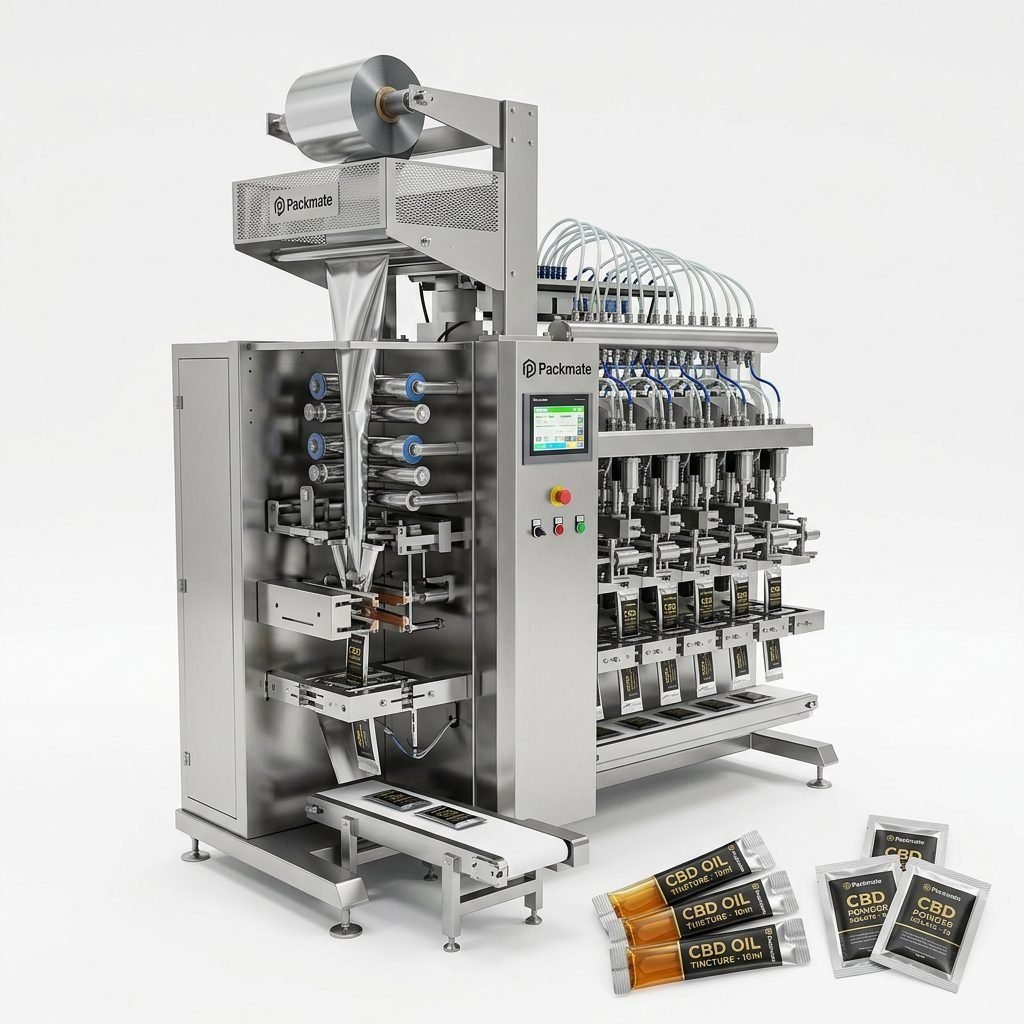
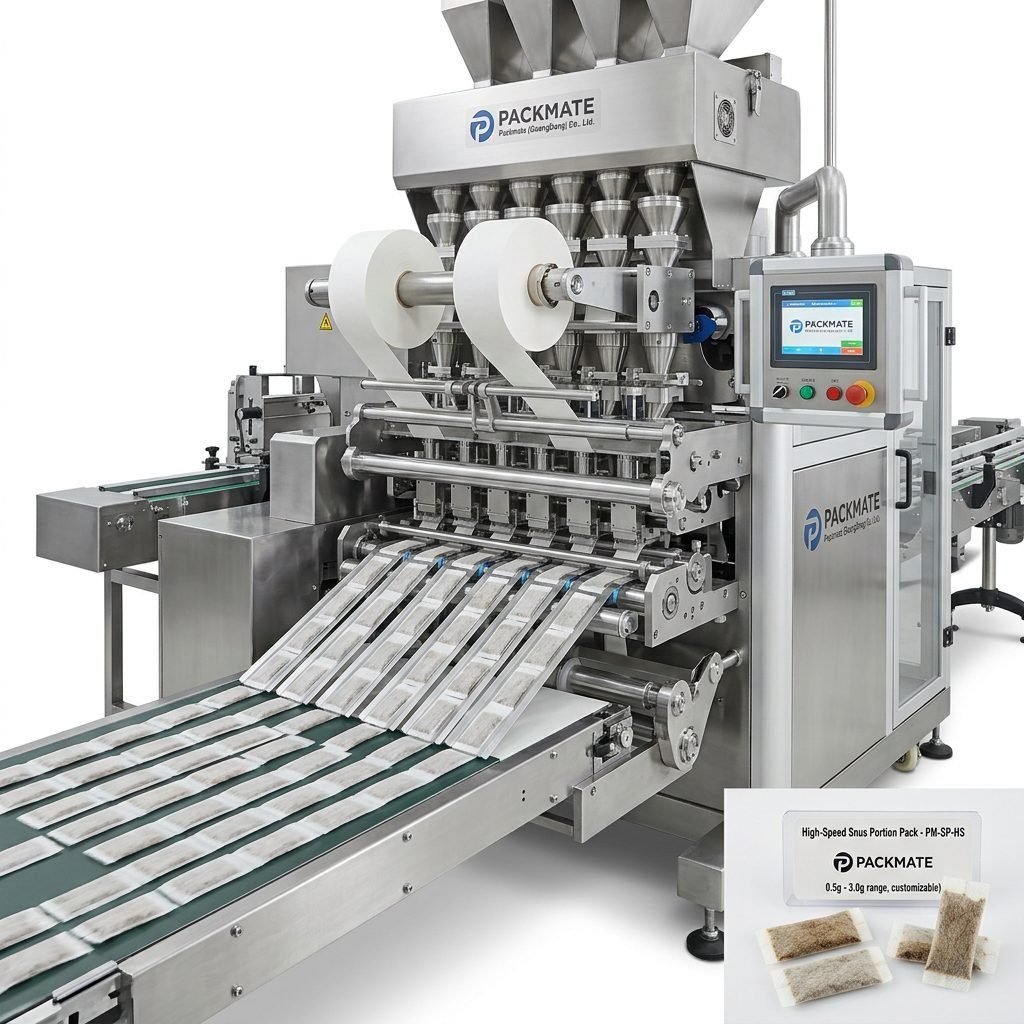
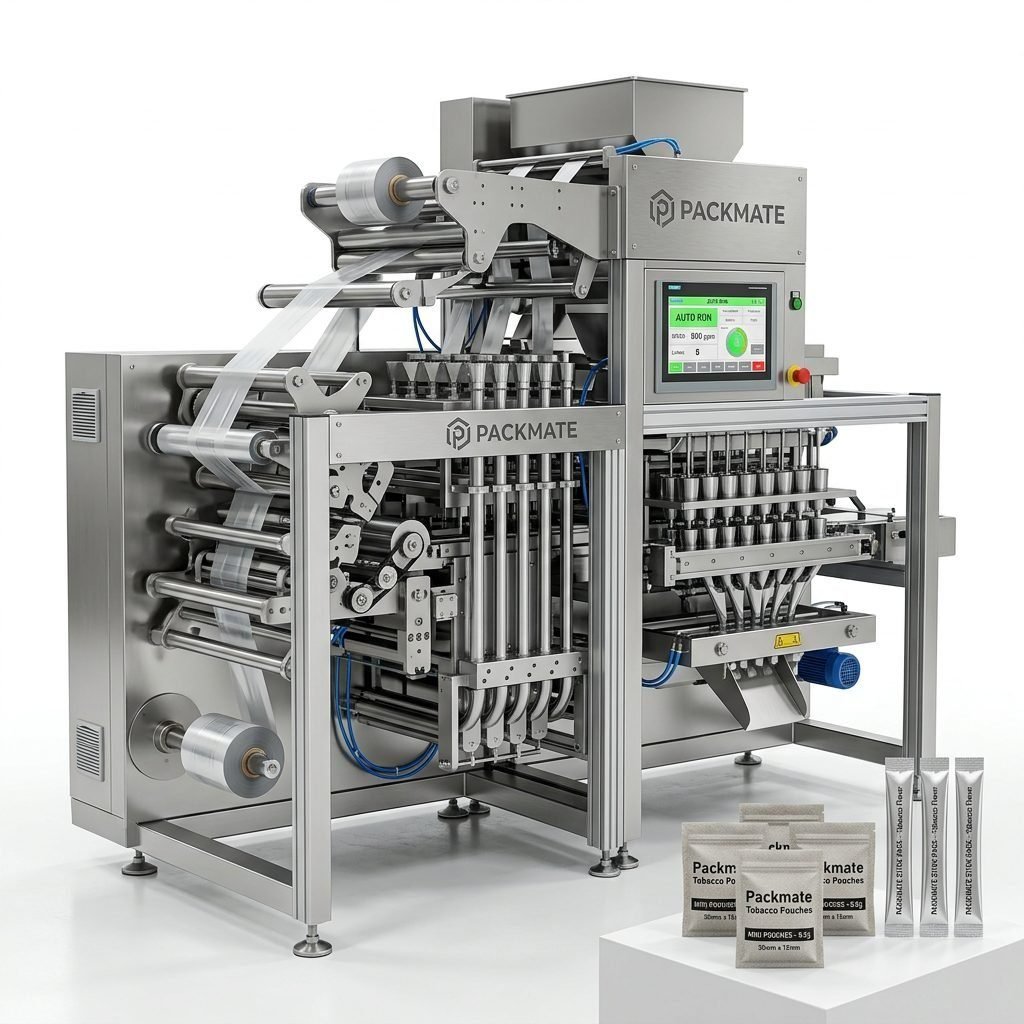
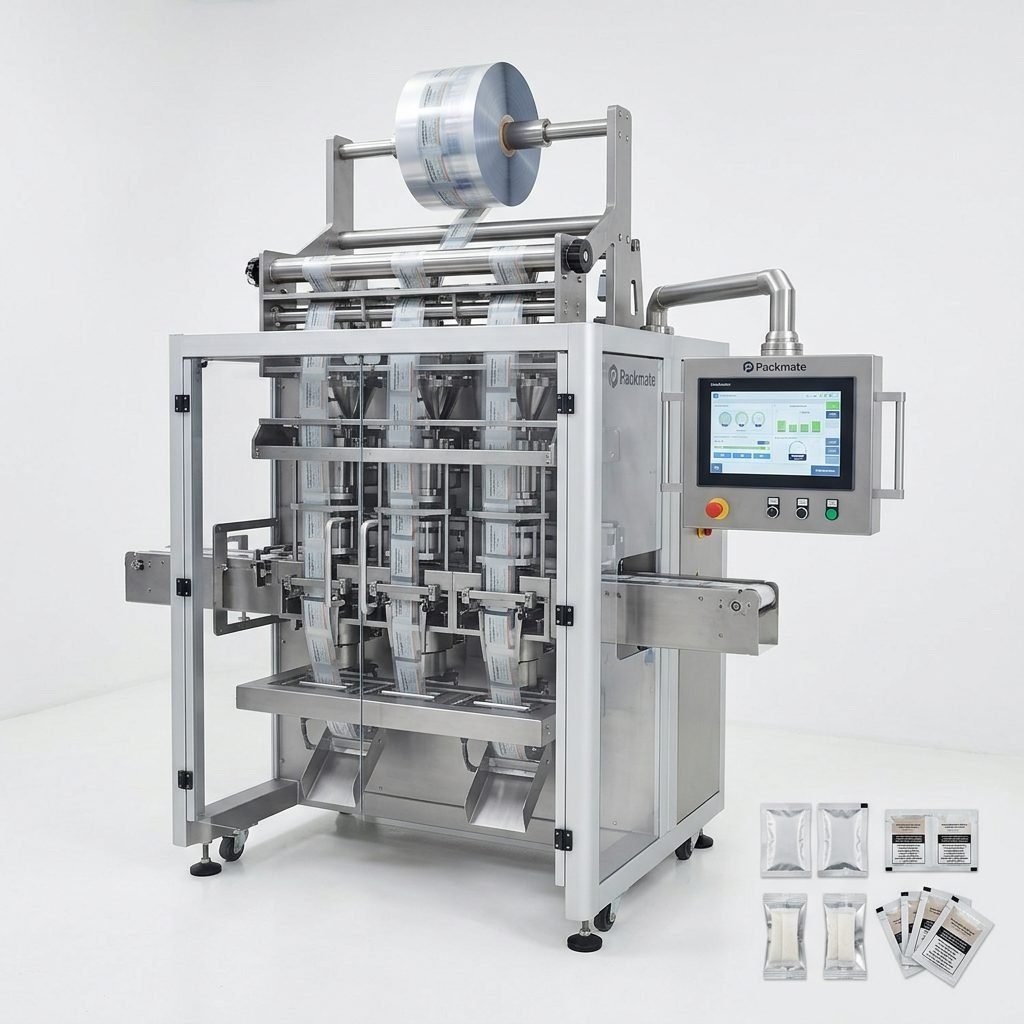
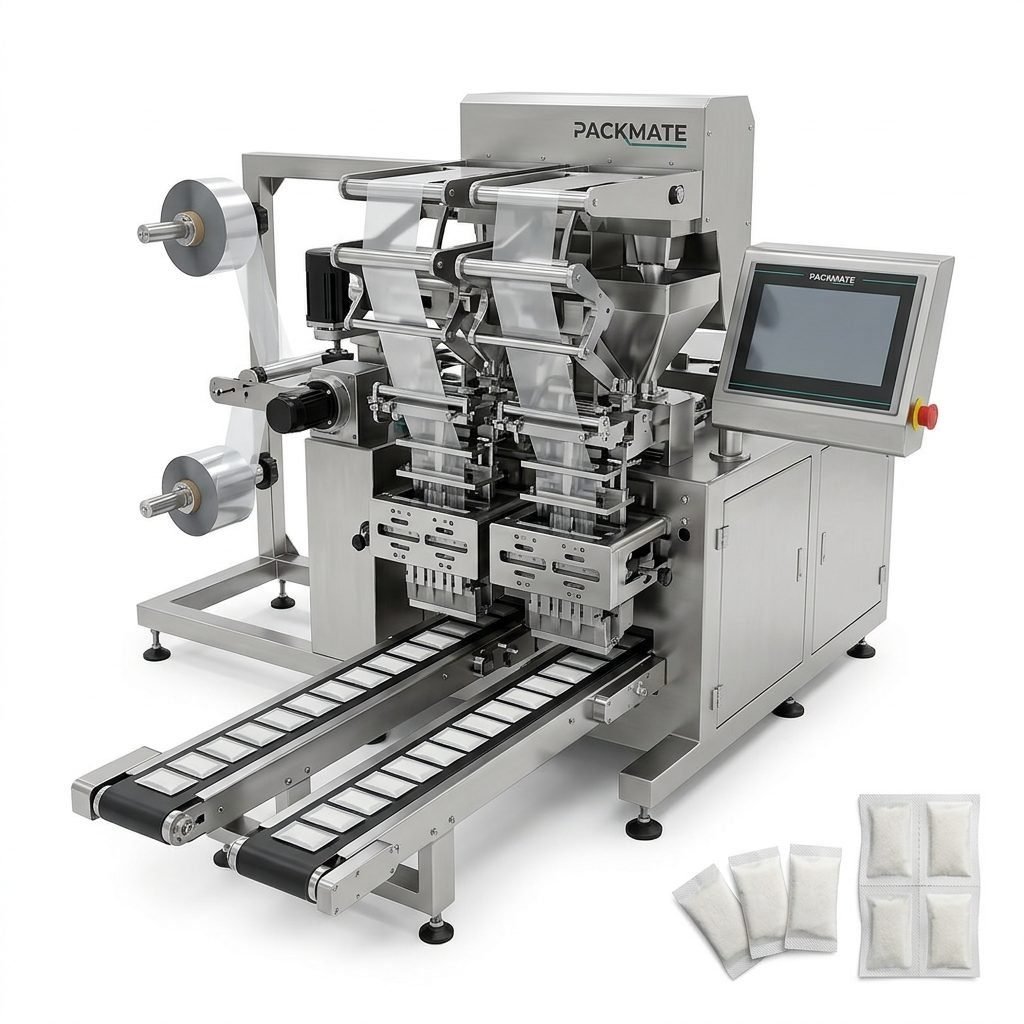
Throughput and lane configuration: Production speed (packs/min) and the number of lanes determine capacity. Multi‑lane systems reduce footprint per unit output and are popular for small‑dose nicotine pouch makers.
Accuracy and dosing: For pouches and sachets, dosing precision matters to avoid waste and ensure consistent product weight.
Material compatibility & sealing technology: Compatibility with barrier films, foil laminates and reliable sealing are critical for shelf‑life and leakage prevention.
Machine types you will consider
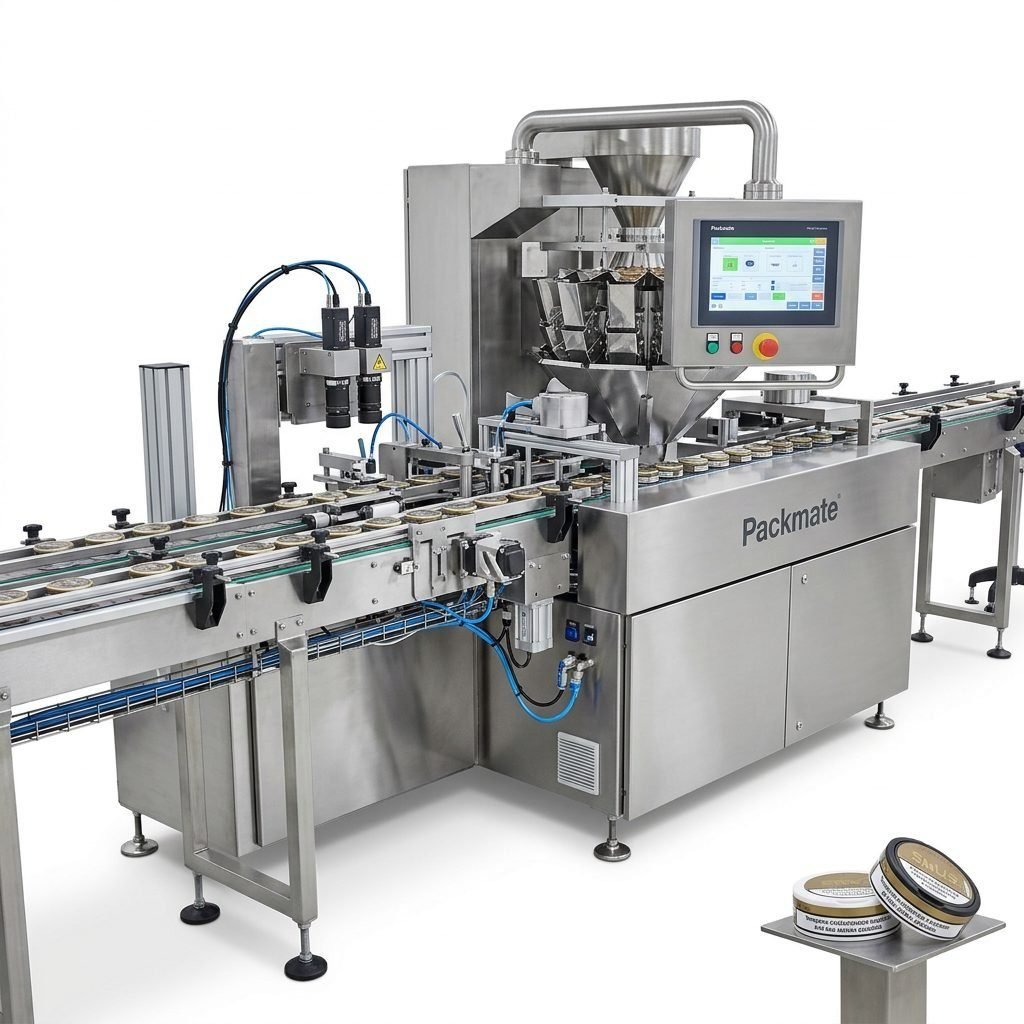
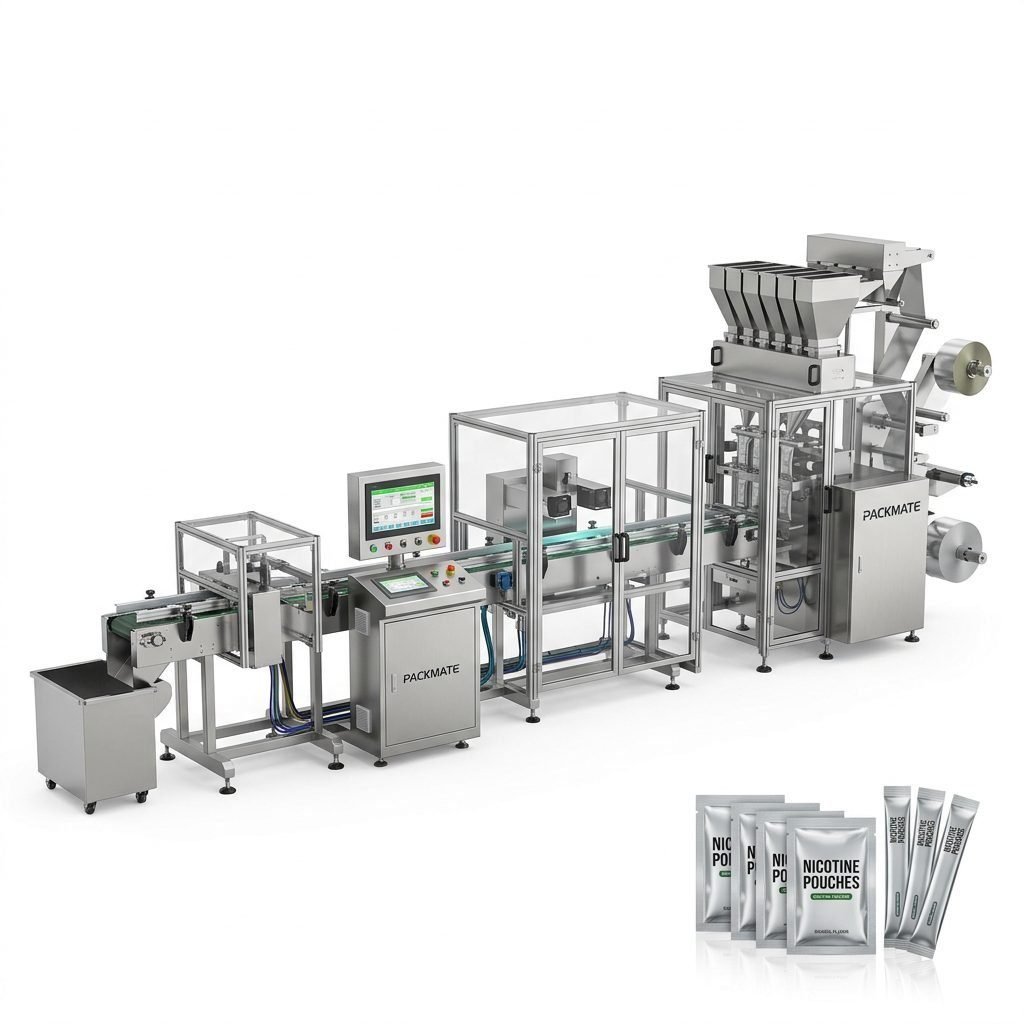
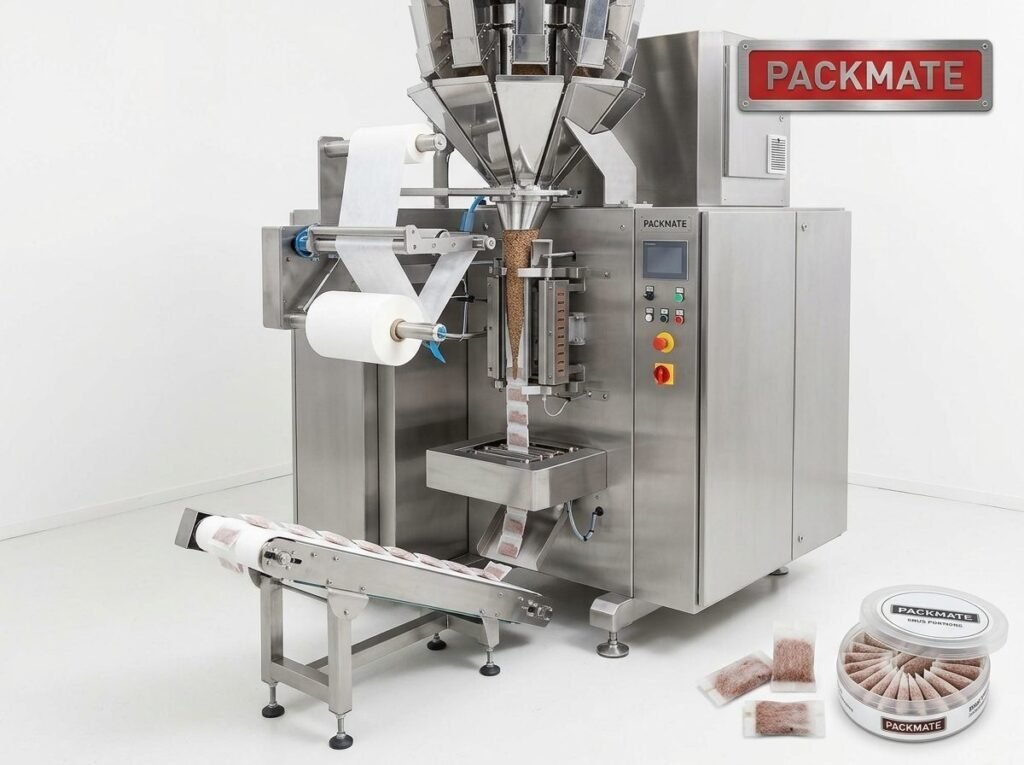
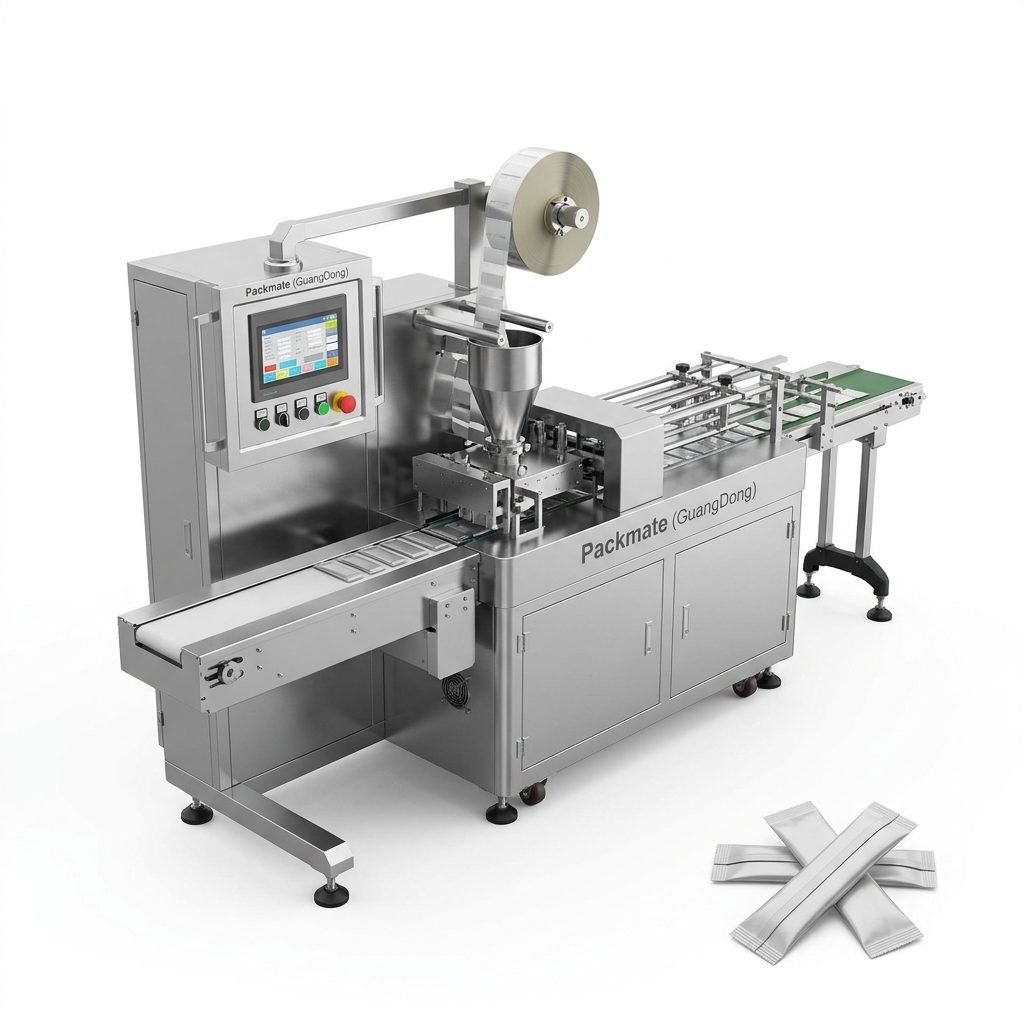
Suppliers typically offer stick pack, sachet, and multi‑lane snus/nicotine pouch machines. If you need turnkey lines with weighing, filling, and secondary packaging, prioritize suppliers that provide integrated solutions and clear interfaces between subsystems. You can explore practical examples and models on product pages like Snus & Nicotine Packaging Machines and Sachet & Stick Pack Machines.
Supplier Capabilities & Factory Verification
A supplier’s factory, engineering talent, and quality control systems are direct predictors of machine reliability. Request factory photos, video demonstrations, and—if possible—an on‑site or virtual factory tour.
Manufacturing footprint: A larger, modern factory with CNC centers and precision assembly lines is a plus. For example, suppliers with a 20,000㎡ facility and advanced equipment typically have better quality control and spare parts availability.
Certifications and compliance: CE and ISO certifications show the supplier follows international QA practices—important when importing into Bangladesh.
After‑Sales Support & Spare Parts
In Bangladesh, remote support, fast spare parts dispatch, and on‑site training save time and money. Evaluate the supplier’s spare parts policy, lead times, and whether they offer preventive maintenance contracts or local service partners.
Look for suppliers who provide clear Service documentation and contact routes—examples include dedicated service pages and a global support network. Check Service options and whether they participate in exhibitions or regional partnerships to maintain presence in your market.
Quality Demonstrations & Factory Acceptance Tests (FAT)
A professional supplier will offer FAT with your actual materials before shipment. FAT should demonstrate performance under realistic line conditions, sample outputs, and a signed acceptance protocol. If onsite FAT isn’t possible, insist on live video demonstrations and recorded test runs.
Logistics, Import Costs, and Local Setup
Confirm freight options, typical shipment lead times to Chittagong or Dhaka ports, insurance, and customs clearance assistance. Ask whether the supplier can handle CIF or DDP terms to simplify import and reduce delays. Also check packaging for sea transit and whether the supplier supplies installation tools and spare fasteners.
Power & environmental considerations
Bangladesh’s humidity and dust conditions demand machines with corrosion‑resistant parts, good IP ratings for electronics, and robust sealing stations. Verify electrical specifications, voltage options, and whether the supplier provides transformers or special electrical kits for your region.
Commercial & Contractual Checklist
Warranty terms: Minimum 12 months on major systems is standard; check what’s covered and exclusions for wear parts.
Payment structure: Negotiate staged payments tied to milestones: deposit, pre‑shipment inspection, and successful FAT or installation.
Spare parts kit & documentation: Ensure the contract includes an initial spare parts kit, downloadable manuals, and electrical/electronic schematics.
Practical Steps to Shortlist and Validate Suppliers
Follow a stepwise procurement routine to reduce risk: create a functional requirements list, request proposals (RFP) with technical sheets, compare CAPEX and OPEX, visit references, and finalize a FAT schedule. Prioritize suppliers who can show successful installations in similar climates and industries.
Reference checks & cases
Ask for case studies and client contacts. Look for long‑term customers and examples of turnkey projects. Many reputable suppliers publish project cases—reviewing those helps verify capacity and after‑sales reliability. See a collection of real projects at Case.
Costing, ROI & Production Planning
Calculate total cost of ownership: machine price, shipping, duties, installation, spare parts, consumables, power consumption, and operator training. Factor in downtime risk and expected throughput to estimate break‑even time. In Bangladesh, lower labor costs may favor semi‑automatic systems initially, while automated high‑speed lines become attractive as demand scales.
Negotiation Tips & Local Relationships
Building trust is often essential in Bangladesh business culture. Use clear contracts, but also invest time in relationship‑building with vendor representatives. Seek suppliers willing to provide trial runs, extended training packages, and flexible payment terms.
Installation, Training, and Ramp‑Up
Confirm on‑site installation services, operator and maintenance training, and remote support channels. Good suppliers include complete commissioning and a period of supervised production to ensure quality and optimize machine settings for local materials and packaging films.
To evaluate end‑to‑end solutions—weighing, filling and automated packaging—review integrated lines on the supplier’s filling and packaging lines pages such as Filling & Packaging Lines and complementary auxiliary equipment on Auxiliary Packaging Equipment.
Red Flags to Watch For
No FAT or video proof: If the supplier refuses FAT or real test videos, treat with caution.
Vague spare parts policy: Long lead times for consumables and parts will increase downtime risk in Bangladesh.
Unclear certification: Absence of CE/ISO or refusal to share relevant documents is a warning sign.
Final Checklist Before Signing
Before committing, confirm the detailed machine specification, spare parts list, warranties, training schedule, FAT acceptance criteria, delivery terms (Incoterms), and escalation contacts for service. Confirm whether the supplier attends major exhibitions where you can see live demos—this can be helpful for trust building and after‑sales contact; check their exhibition participation on Our Exhibition.
Quick procurement timeline (example)
1) Requirements & RFP (2‑3 weeks) — 2) Supplier evaluation and FAT scheduling (2‑4 weeks) — 3) Contract & deposit — 4) Manufacturing & QC (8‑16 weeks depending on customization) — 5) FAT & shipment — 6) Installation & commissioning in Bangladesh (1‑2 weeks).
Why a Specialized Supplier Matters
Suppliers focused on snus and nicotine pouch machines bring specialized know‑how: optimized filling heads for small doses, precision sealing for moisture control, and multi‑lane platforms that fit limited floor space. A focused supplier can also advise on consumables and continuous improvement for cost reduction and quality consistency.
Next Steps
Start by drafting a clear technical brief with expected throughput, pouch sizes, film types, and any secondary packaging requirements. Reach out to shortlisted suppliers and request RFP responses with technical datasheets, FAT schedules, references, and a tentative quote including spare parts. If you need turnkey solutions that include weighing and filling, ask for integrated line proposals to see total system compatibility.
Helpful links
For product details, spare parts and factory information, explore manufacturer resources such as About Packmate and the product collections previously referenced. Use these pages to compare models, read certifications, and prepare technical questions for suppliers.
Common Questions
Q: What certifications should I request from a nicotine packaging machine supplier?
A: Request CE and ISO certification documents, electrical safety reports, material conformity statements, and FAT reports. These documents will ease customs clearance and show compliance with international standards.
Q: How long does commissioning and training usually take in Bangladesh?
A: Typical commissioning and operator training take 3–7 working days for a standard line; more complex turnkey systems may require 1–2 weeks of supervised production and fine‑tuning.
Q: Are spare parts readily available, and what should be in the initial spare kit?
A: A useful initial kit includes seals, belts, sensors, fuses, heating elements, and commonly worn mechanical parts. Confirm lead times for replacement parts; shorter lead times are critical to minimize downtime.
Q: How can I check a supplier’s references and real performance?
A: Ask for client contact details, video evidence of running lines with your product type, and FAT records. Visiting exhibitions where suppliers demonstrate machines is also helpful.
Q: What local considerations are specific to Bangladesh I should prepare for?
A: Factor in customs clearance complexity, duty schedules, local power stability, high humidity, and cultural sensitivities regarding nicotine products. Engage freight forwarders experienced with Bangladeshi ports and ensure your supplier helps with required documentation.