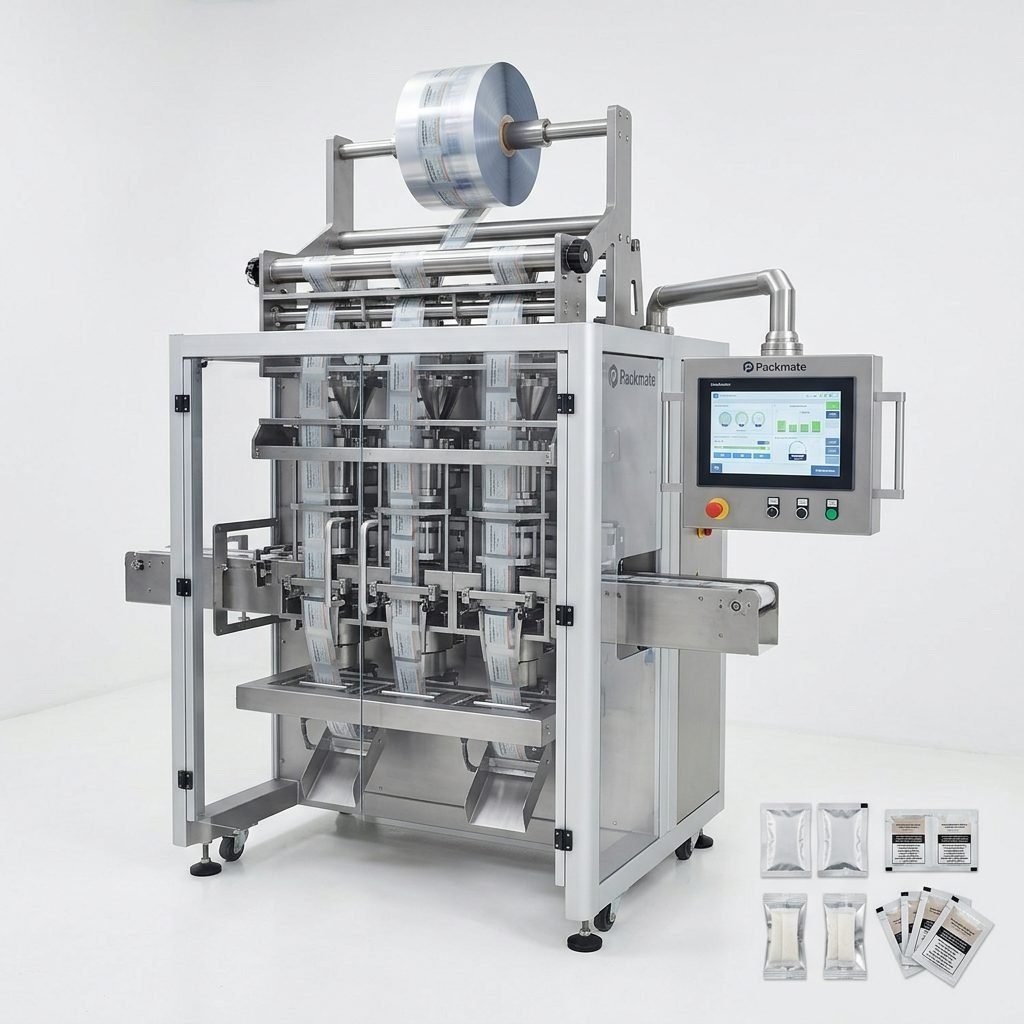
Choosing the right nicotine packaging machine manufacturer for your business in Togo can determine the efficiency, compliance, and profitability of your production line. This guide walks you through the critical factors to evaluate — from machine types and factory capabilities to after-sales support and logistics — so you can make an informed decision that aligns with your operational goals and regulatory environment.
Understand the Togo market and your production needs 📈
Togo’s growing demand for nicotine pouches and snus requires manufacturers to focus on compact, high-speed, and compliant packaging solutions. Before engaging suppliers, define your target products (nicotine pouches, snus, sachets, stick packs), daily output, desired automation level, and future scaling plans. These parameters will shape the type of equipment you need and the level of customization required.
Match machine types to product formats
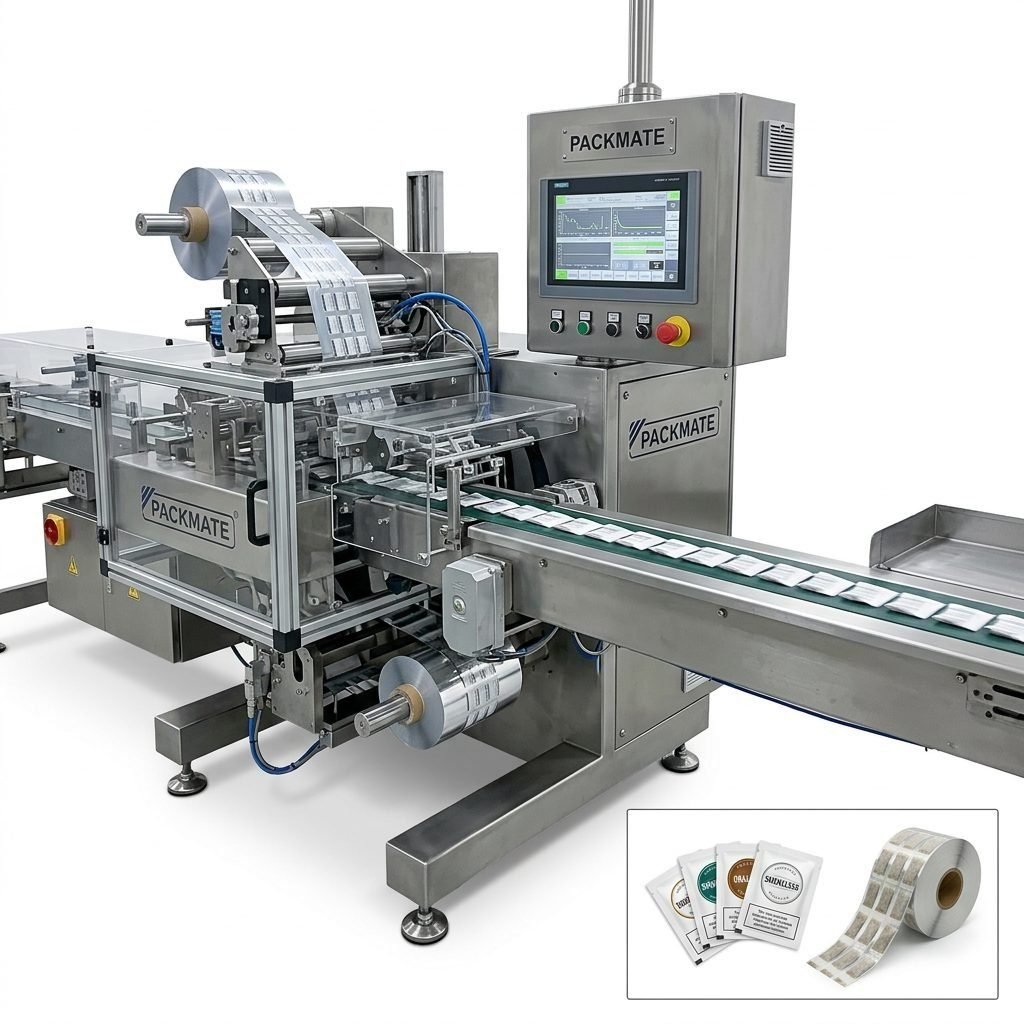
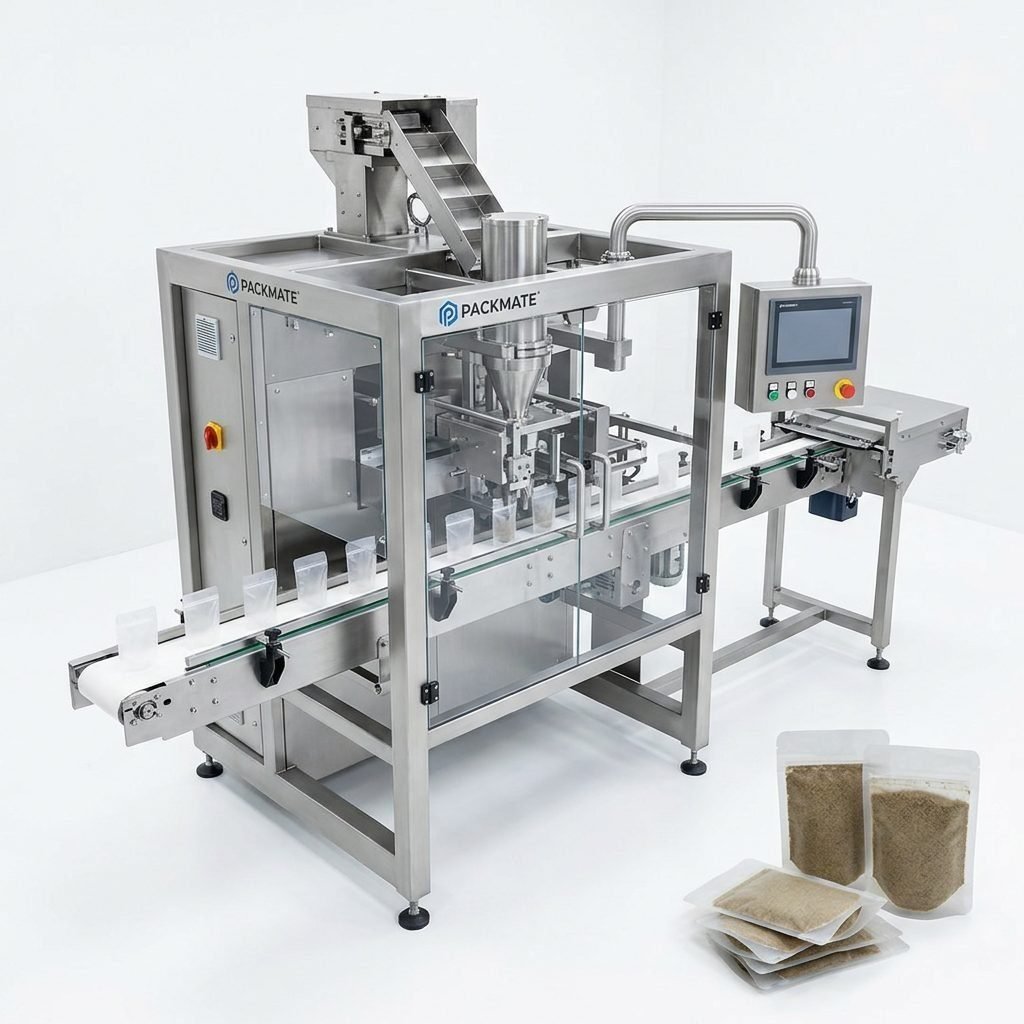
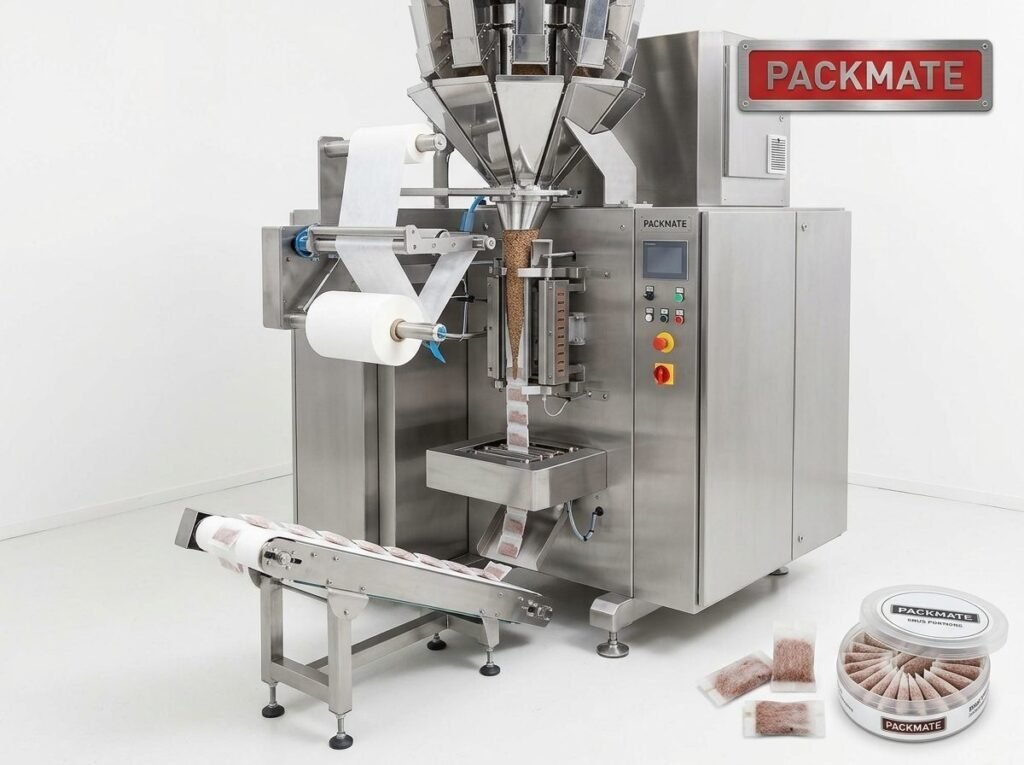
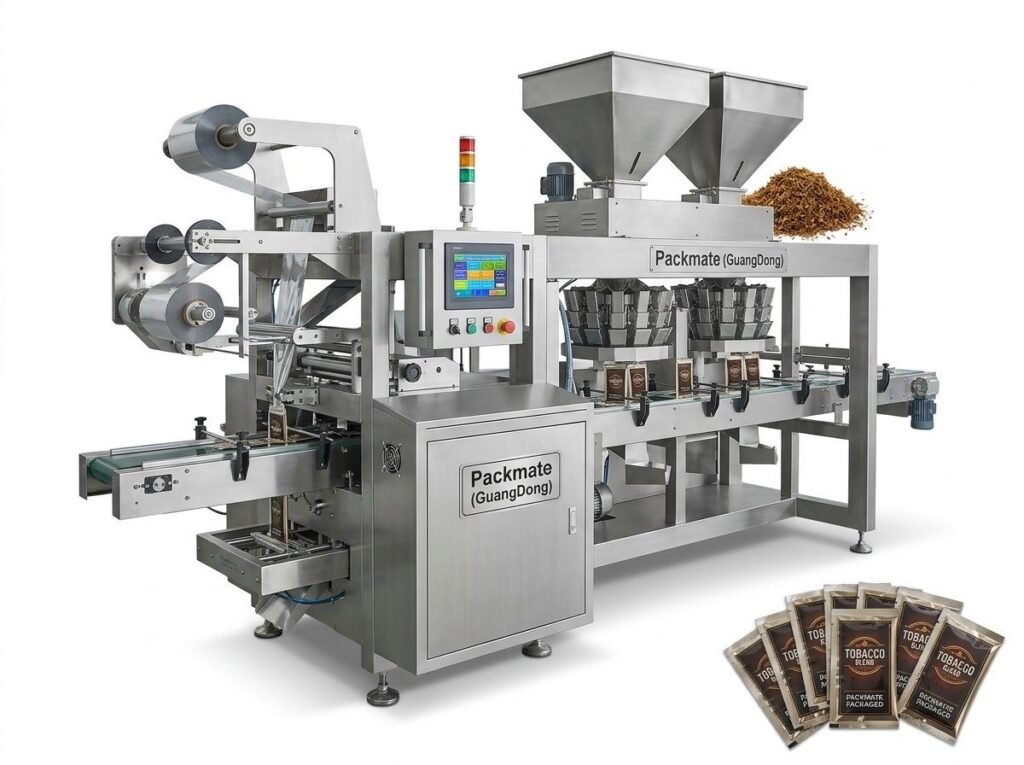
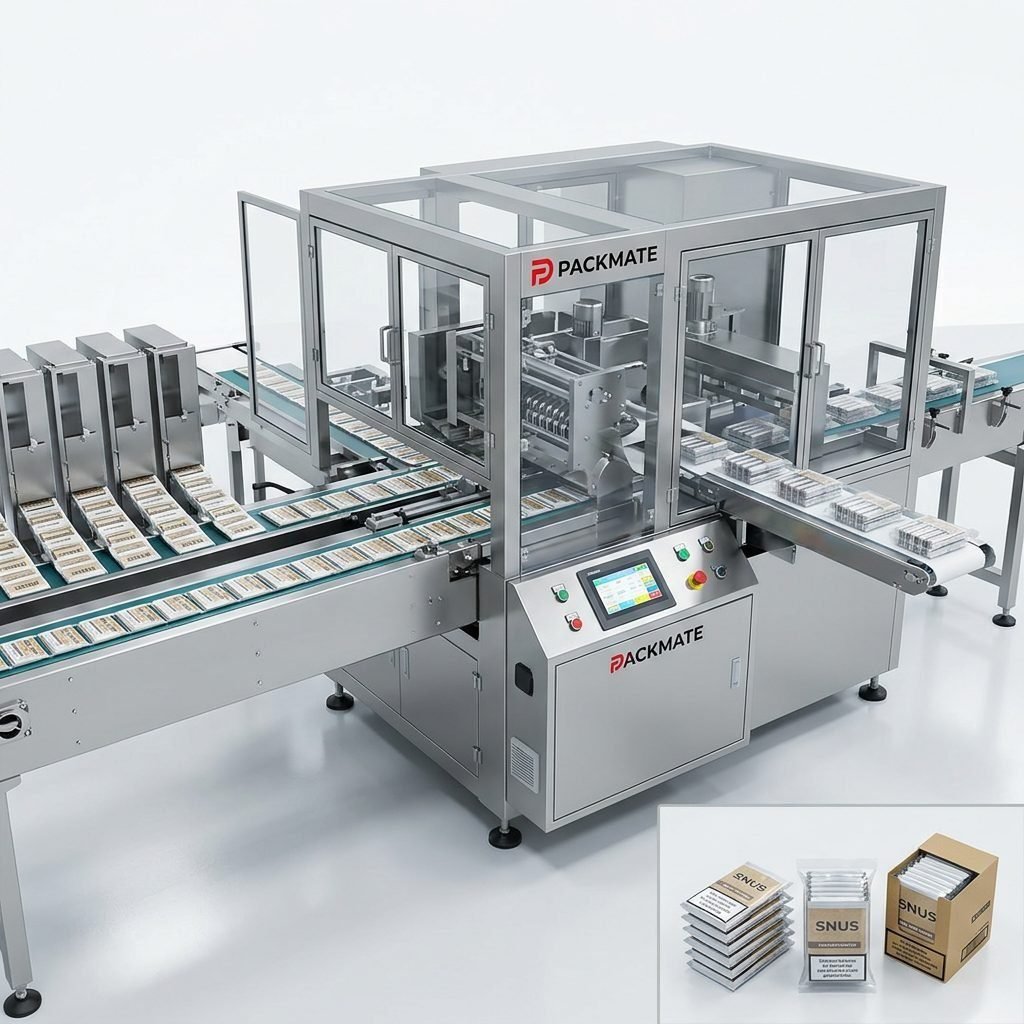
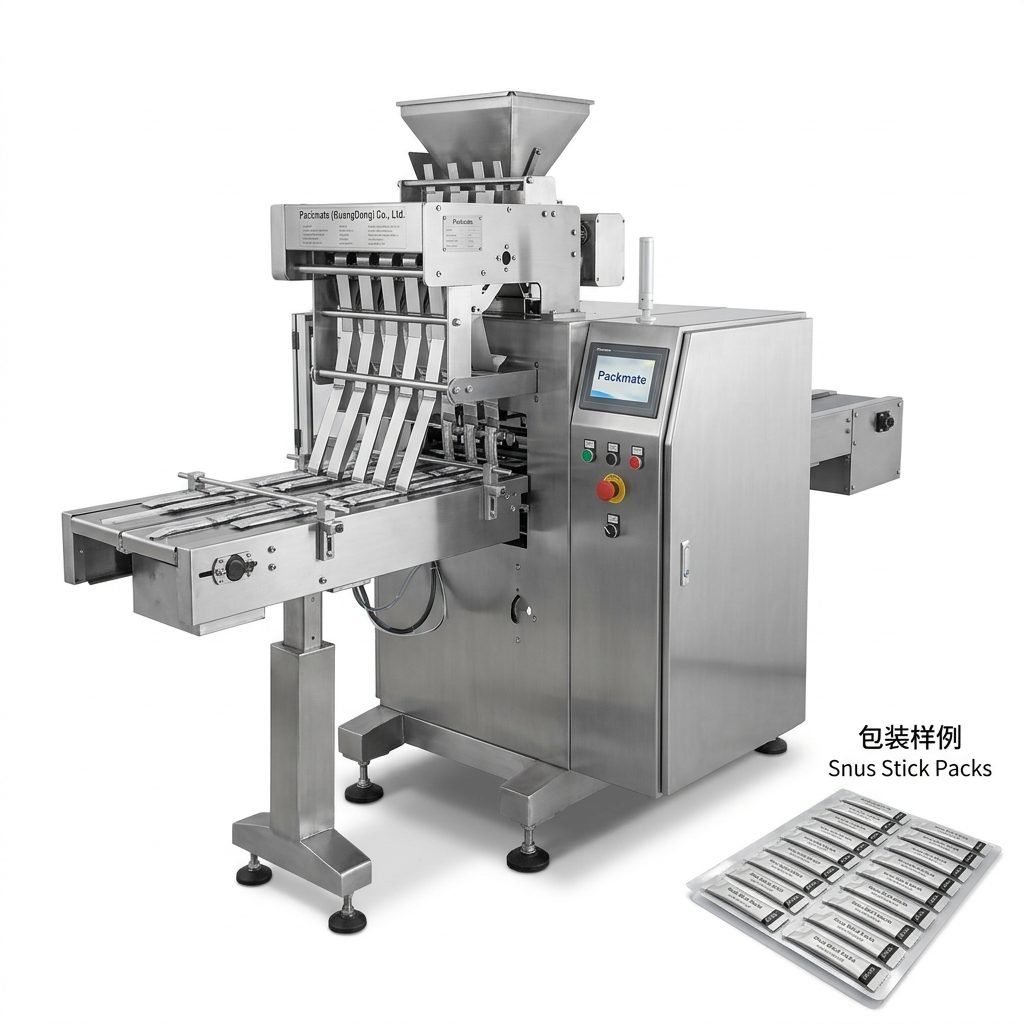
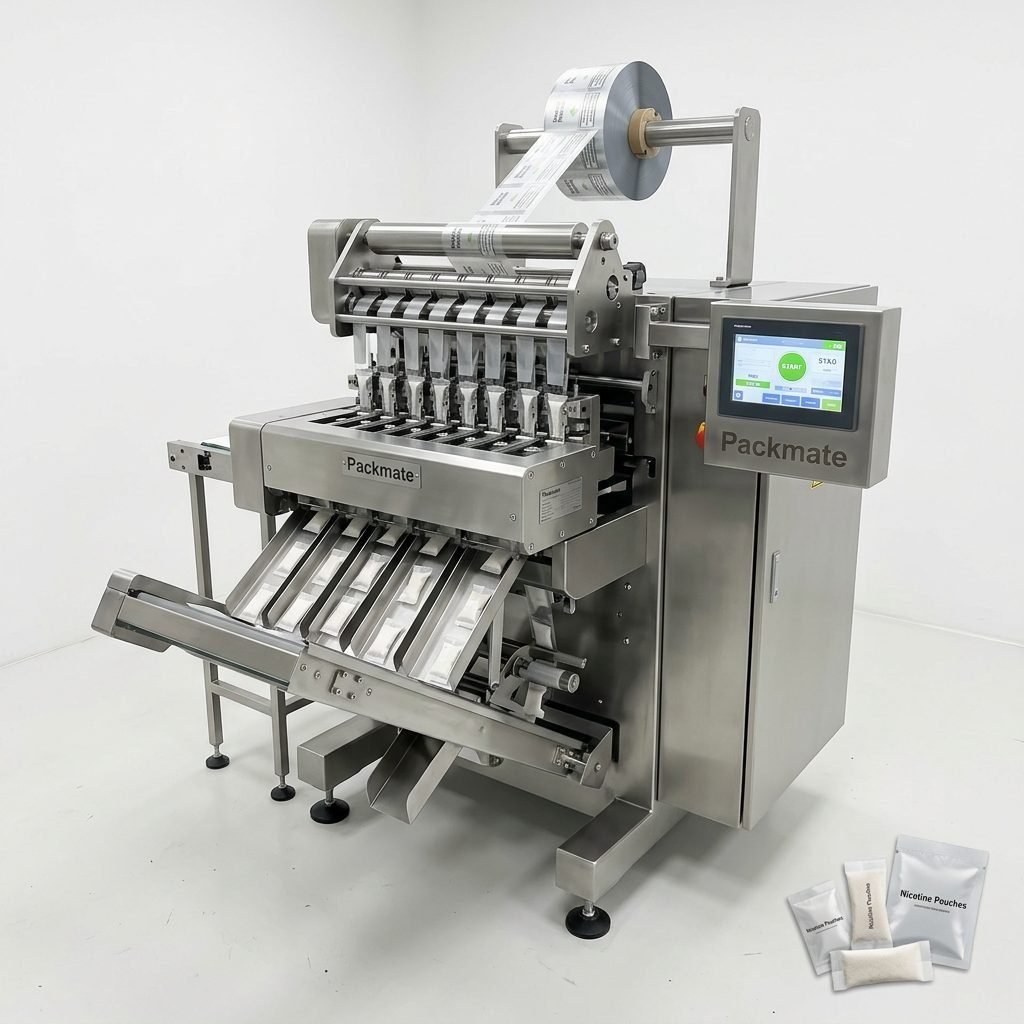
Different packaging forms demand different machinery. For nicotine pouches and snus consider multi-lane pouch fillers; for single-dose items, sachet and stick pack machines may be ideal. If you need integrated weighing or liquid filling, look for turnkey providers that supply complete lines. Explore product categories like Snus & Nicotine Packaging Machines and Sachet & Stick Pack Machines to clarify options.
Tip: If you expect production growth, prioritize multi-lane systems and modular solutions that allow adding lanes or modules without replacing the whole line.
Key selection criteria: what matters most
When comparing manufacturers, evaluate four main areas: technical capability, quality & certifications, customization & integration, and after-sales support. Each area directly impacts uptime, compliance, and long-term costs.
1) Technical capability and experience ⚙️
Choose a manufacturer with proven experience in nicotine pouch and snus packaging, ideally with multiple machine models and case references. A company with decades of engineering know-how and a wide product range can offer the best-fit solution — for example, manufacturers that offer 50+ machine models and 30+ years of industry experience are more likely to address niche production challenges reliably.
2) Quality, standards and certifications ✅
International certifications like CE and ISO indicate adherence to safety and quality systems. Verify test reports, factory inspection options, and third-party audits. A well-documented quality control process, from CNC machining to final assembly and testing, reduces the risk of early failures and ensures consistent output quality.
3) Customization, automation and turnkey capability 🔧
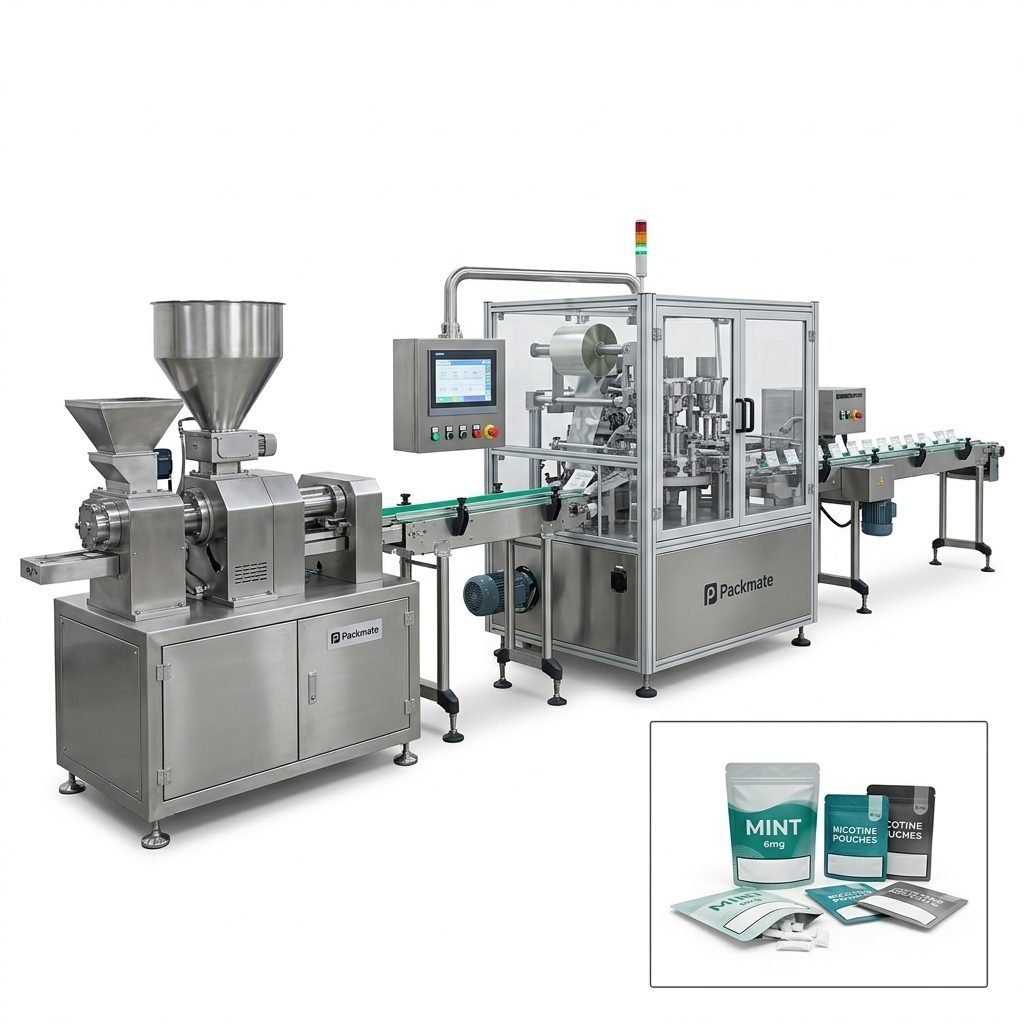
Your ideal supplier should provide flexible solutions: modular multi-lane systems, tailored feeding and dosing units, and control systems that integrate with upstream and downstream equipment. Look for vendors who offer full line solutions including weighing, filling, sealing and secondary packaging to minimize integration headaches. Visit sections like Filling & Packaging Lines and Weighing & Packaging Systems to see examples.
Must ask: Can the supplier adapt lane counts, dosing ranges, and sachet sizes on the same machine model?
4) After-sales service, spare parts and training 🤝
Strong after-sales support is critical for operations in Togo. Confirm local or regional service partners, spare parts lead times, remote diagnostics, and operator training programs. A manufacturer with global reach and field service teams or distributor networks will minimize downtime and expedite maintenance.
Evaluate factory capability and manufacturing strength 🏭
Inspect the supplier’s facility (virtually or in-person) to confirm machining centers, assembly lines, and quality testing labs. A robust factory will have advanced CNC equipment, precision assembly processes, and documented QC checkpoints. Facilities with a 20,000㎡ footprint typically indicate capacity for customization and volume production, which supports consistent delivery schedules.
When possible, request factory photos, equipment lists, or a guided video tour. Suppliers proud of their workmanship often share a company story and timeline showcasing decades of development — these narratives reveal commitment and growth in engineering capabilities.
Certifications and global compliance
Ensure machines comply with relevant international standards for electrical safety, hygiene, and mechanical safety. A supplier that lists certificates and exhibits globally is more likely to deliver compliant equipment and understands export logistics. For background on a trusted provider, see their company introduction such as About Packmate and certification details at Certificate.
Ask for performance proof: tests, demos, and references 🎯
Request machine run videos, production data (speed, accuracy, rejection rates), and customer references — ideally from similar markets or product types. Live demonstrations at exhibitions or in the supplier’s test center let you verify runtime stability and product handling. Many reputable suppliers list exhibition appearances and case studies; review their Our Exhibition and Case pages for examples.
Performance checklist: Ask for real-world throughput numbers, reject rate statistics, and standard cycle times for your specific product format.
Logistics, installation and local compliance in Togo 🚚
Plan for import duties, freight, customs clearance, and local electrical/hygiene compliance. Choose suppliers familiar with African exports or who offer door-to-door shipping support and documentation. Confirm site requirements for power, compressed air, floor loading, and utilities before the machine arrives to avoid installation delays.
Installation, commissioning and operator training
A good supplier provides on-site commissioning, operator training, and maintenance education. If travel or visa constraints exist, request remote commissioning support and training modules that include detailed manuals and video tutorials. For ongoing service, ask about spare parts kits and preventive maintenance schedules.
Total cost of ownership and ROI considerations 💰
When comparing quotes, evaluate not just the purchase price but the total cost of ownership: energy consumption, spare parts pricing, expected maintenance intervals, warranty coverage, and the machine’s ability to reduce labor costs or increase yield. A higher initial investment can be justified by improved uptime, lower waste, and higher throughput.
Ask suppliers for an estimated payback period given your production target and labor cost structure. Request references from customers with similar production volumes to validate claimed efficiencies.
Why choose an experienced supplier like Packmate Snus Machine? ⚙️📦
An experienced supplier brings decades of R&D, a broad machine portfolio, and turnkey solutions. For instance, a company with over 30 years of engineering history, a 20,000㎡ factory, and a diverse product lineup covering snus, stick pack, sachet, weighing and filling systems is well-positioned to deliver tailored solutions and stable performance. Explore product categories such as Snus & Nicotine Packaging Machines, Bag & Pouch Packaging Machines, and auxiliary options to see the breadth of offerings.
Note: Suppliers engaged in global exhibitions and consistent case studies demonstrate not only product capability but also active global support networks.
Practical vendor vetting checklist ✔️
Use this checklist when you contact potential manufacturers:
• Provide your product specs and ask for a tailored solution and layout.
• Request factory capability proof: photos, video tours, and equipment lists.
• Verify certifications (CE/ISO) and references in similar markets.
• Confirm spare parts lead times, warranty terms, and remote support options.
• Ask for an itemized quote including installation, training, and optional upgrades.
Negotiation and purchase tips
Negotiate a clear service level agreement (SLA) covering response times, spare part availability, and performance guarantees. Consider phased payments tied to milestones: design approval, factory acceptance test (FAT), shipping, and commissioning. FATs are essential — they let you validate machine performance before it leaves the factory.
Case studies and proof of success 🌍
Review case studies from suppliers to understand real-world performance. Successful global suppliers often publish customer cases, exhibition demos, and product galleries. Check their case pages and exhibition history to see how machines perform across regions and product types. For more examples, visit the supplier’s Case and Our Exhibition sections.
Final recommendations before signing
Before finalizing your supplier, ensure all technical specifications are documented in the contract, including performance metrics, spare parts lists, warranty coverage, and training commitments. Confirm lead times and shipping schedules and ensure the supplier provides comprehensive documentation for maintenance, spare parts ordering, and troubleshooting.
Contact and service resources
A responsive contact channel is vital. If you need direct communication, use the supplier’s contact resources and service pages. For example, check their contact and service portals like Contact Us and Service for pre-sales and after-sales support options.
Frequently Asked Questions (FAQs)
Q1: How do I know which machine model fits my nicotine pouch product?
A1: Provide detailed product specs (pouch size, weight, filling type) and target output. Reputable manufacturers will propose models and lane configurations with expected throughput and accuracy figures.
Q2: What certifications should I require from a packaging machine supplier?
A2: Ask for CE and ISO certifications as minimum. Also verify electrical safety documentation, material compatibility statements, and any industry-specific compliance relevant to nicotine products.
Q3: How long is the typical lead time for a customized multi-lane snus packaging line?
A3: Lead times vary by customization level and factory workload; expect anywhere from a few weeks for standard models to several months for bespoke turnkey lines. Confirm timelines in writing and include FAT dates in the contract.
Q4: What after-sales support should I expect in Togo?
A4: Ensure the supplier offers remote diagnostics, spare parts shipping, and either local service agents or scheduled on-site visits. A comprehensive training program for operators and maintenance staff is essential.
Q5: Can suppliers integrate weighing and filling systems into the packaging line?
A5: Yes — many suppliers offer integrated weighing, dosing, and filling units as part of turnkey solutions. Check the supplier’s product pages for combined systems such as Weighing & Packaging Systems and Filling & Packaging Lines.