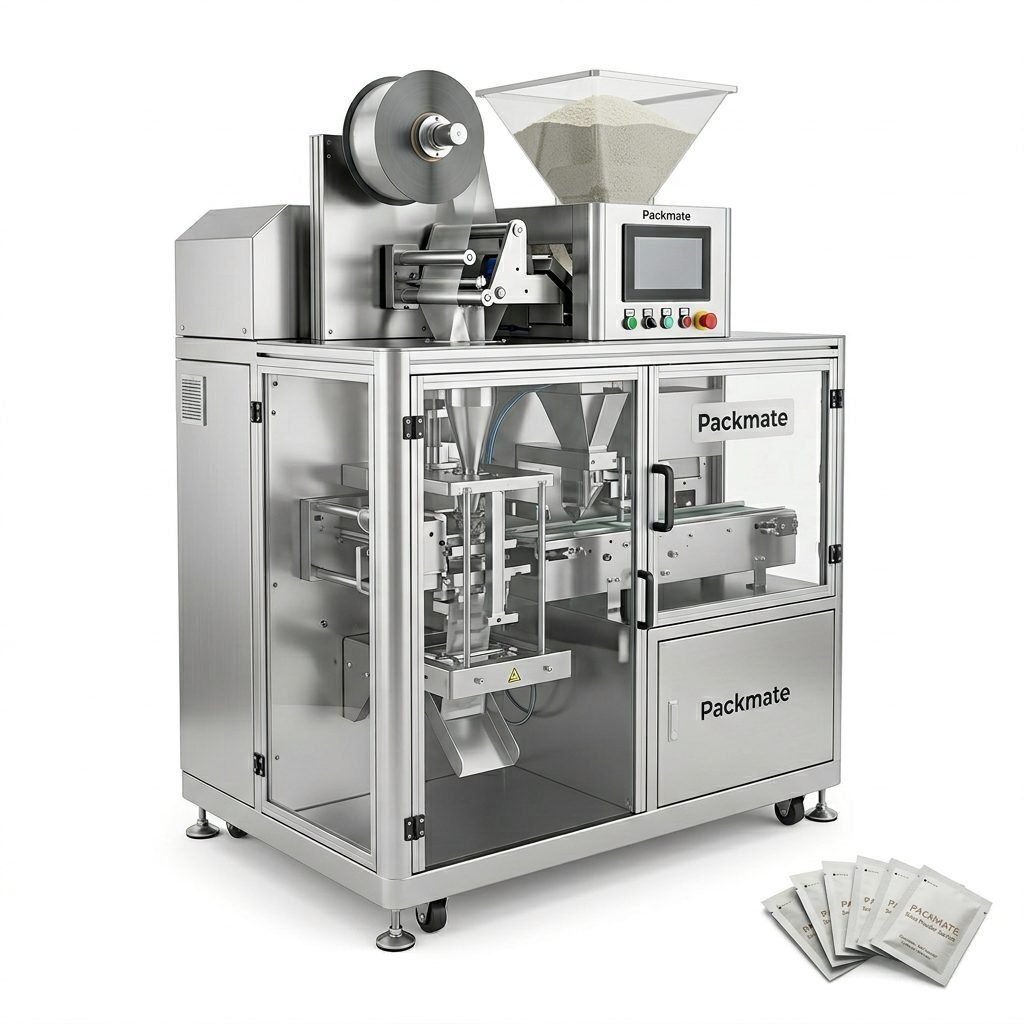
Entering the Comoros market with nicotine pouches or snus products requires more than choosing good packaging equipment — it demands a partner who understands local trade practices, logistics constraints, regulatory sensitivities, and cultural nuances. This buyer’s guide walks you through how to choose the best nicotine packaging machinery supplier for Comoros, covering regulatory checks, machine selection, installation logistics, after‑sales support, and negotiation tactics. Use these steps to reduce risk, optimize investment, and ensure your new production line is fit for both market demand and local conditions.
Understand Comoros Market & Local Customs
Comoros is a small island nation with a predominantly Muslim population, French and Arabic as official languages, and local trading customs that emphasize personal relationships and trust. When planning machinery purchases:
🔍 Cultural note: commercial negotiations often benefit from clear, respectful communication in French and verification of terms in writing. Providing manuals and training options in French or Arabic is a strong advantage.
⚠️ Regulatory check: nicotine and tobacco-related products may face special import controls, labeling requirements, or age-restriction laws. Confirm local rules with a customs broker or local legal advisor before committing to purchase.
Define Your Production Needs First
Before evaluating suppliers, be precise about your product format, daily output targets, and packaging styles. A clear brief reduces overpaying for unnecessary capabilities and ensures the line fits Comoros’ demand profile.
Key production questions
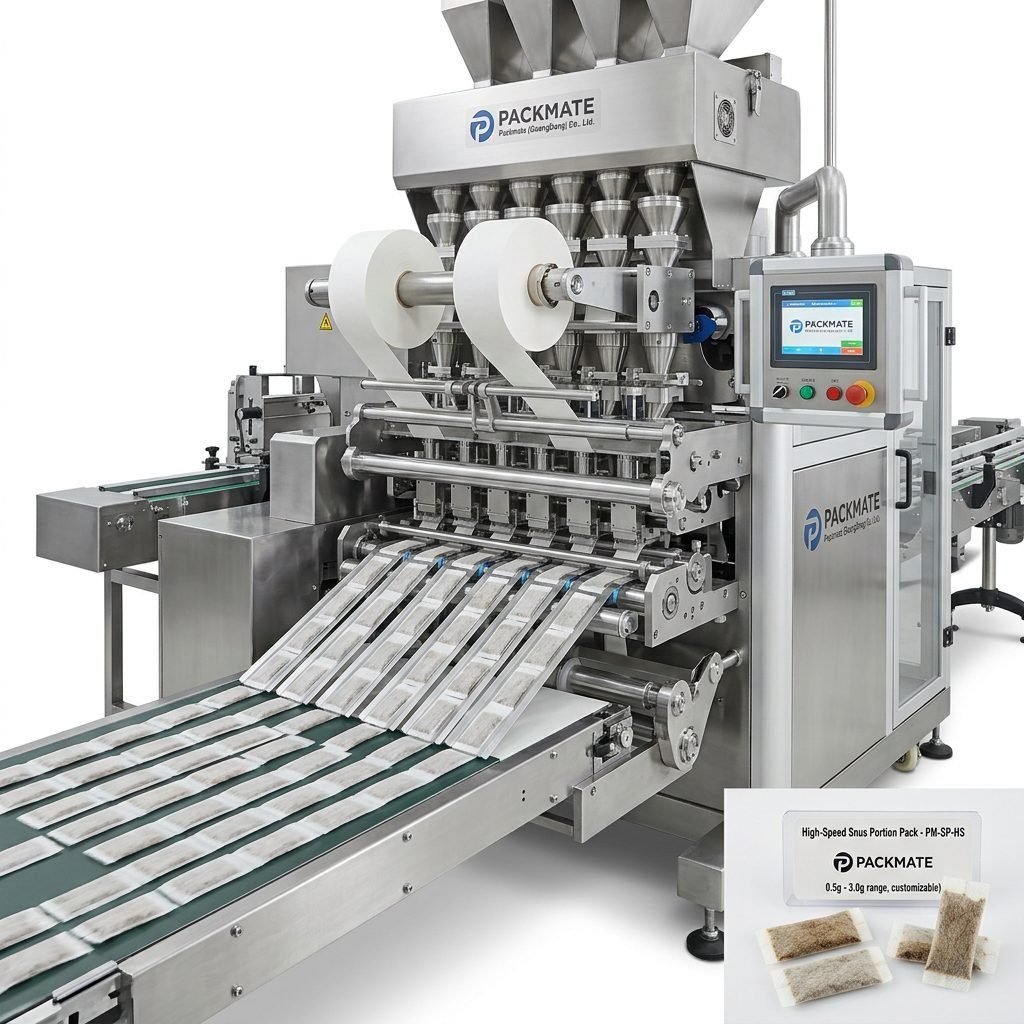
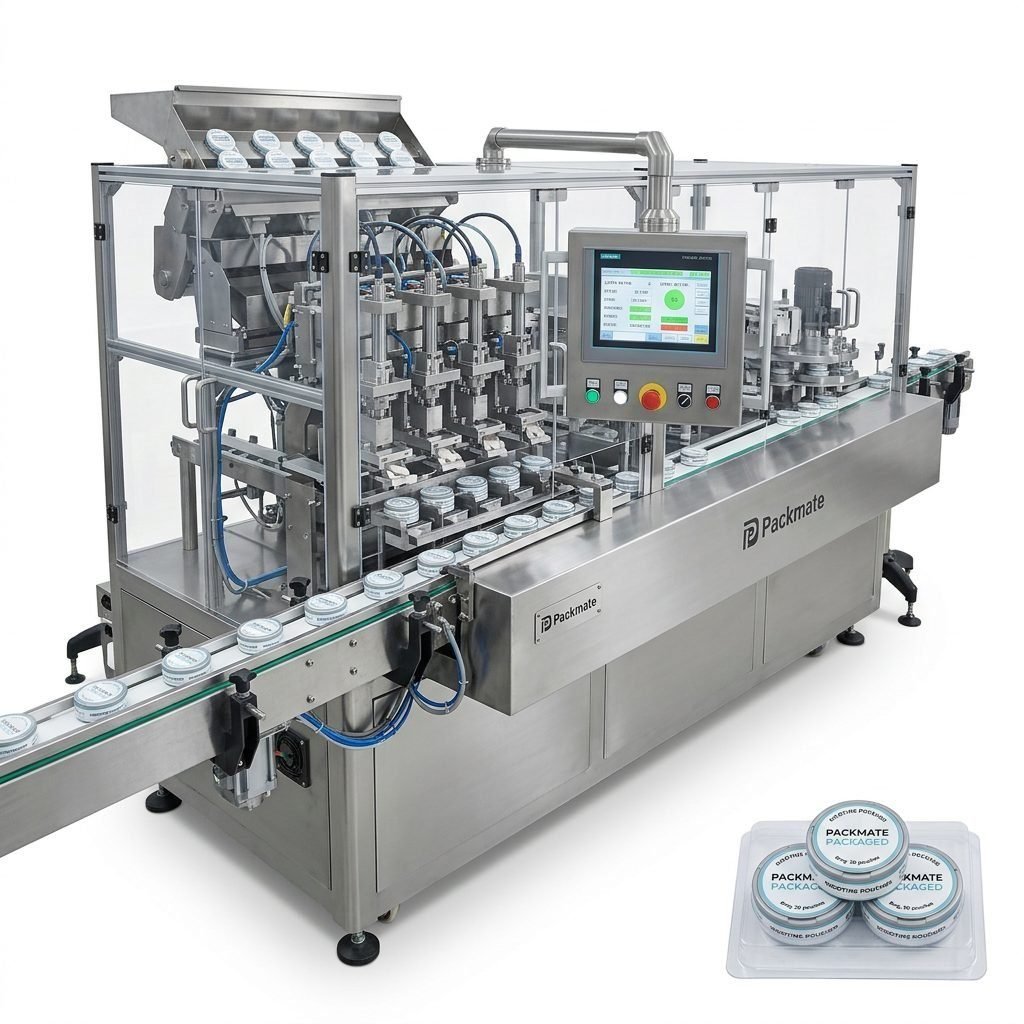
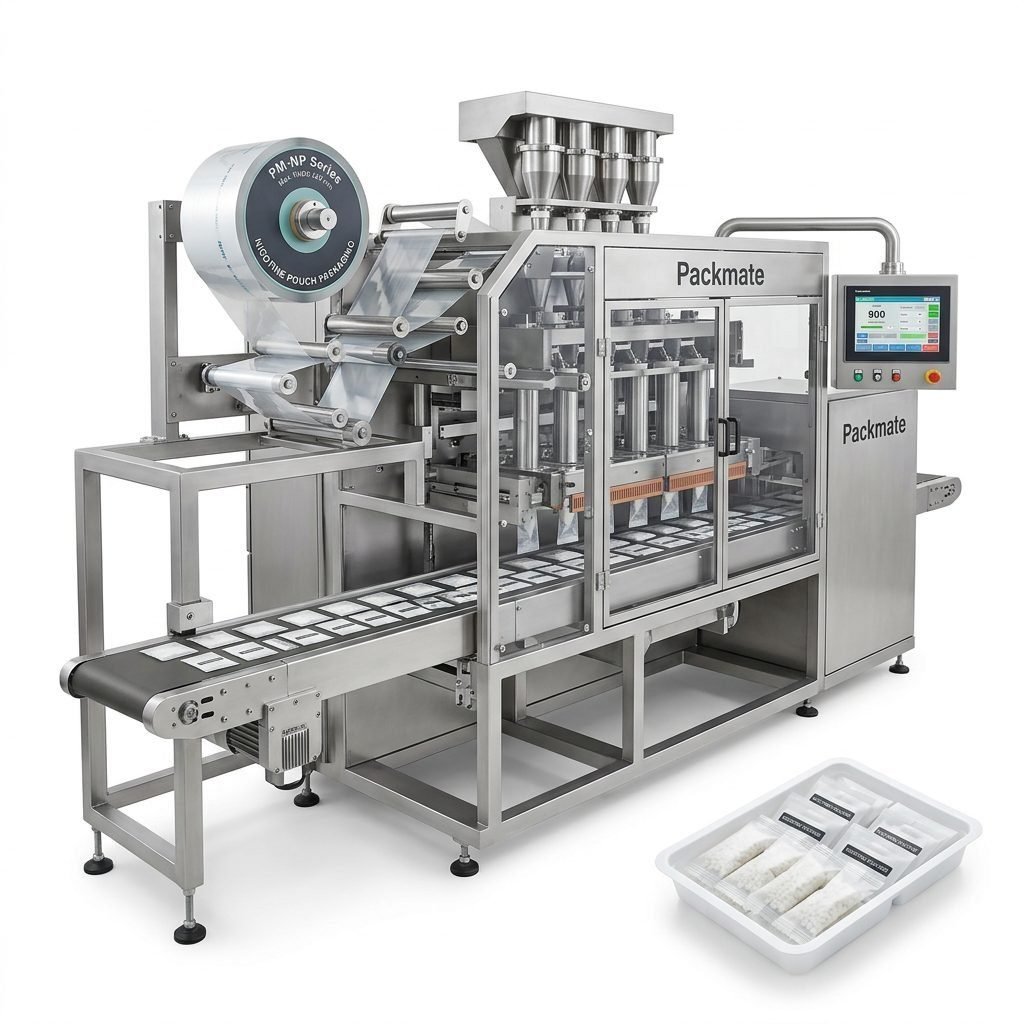
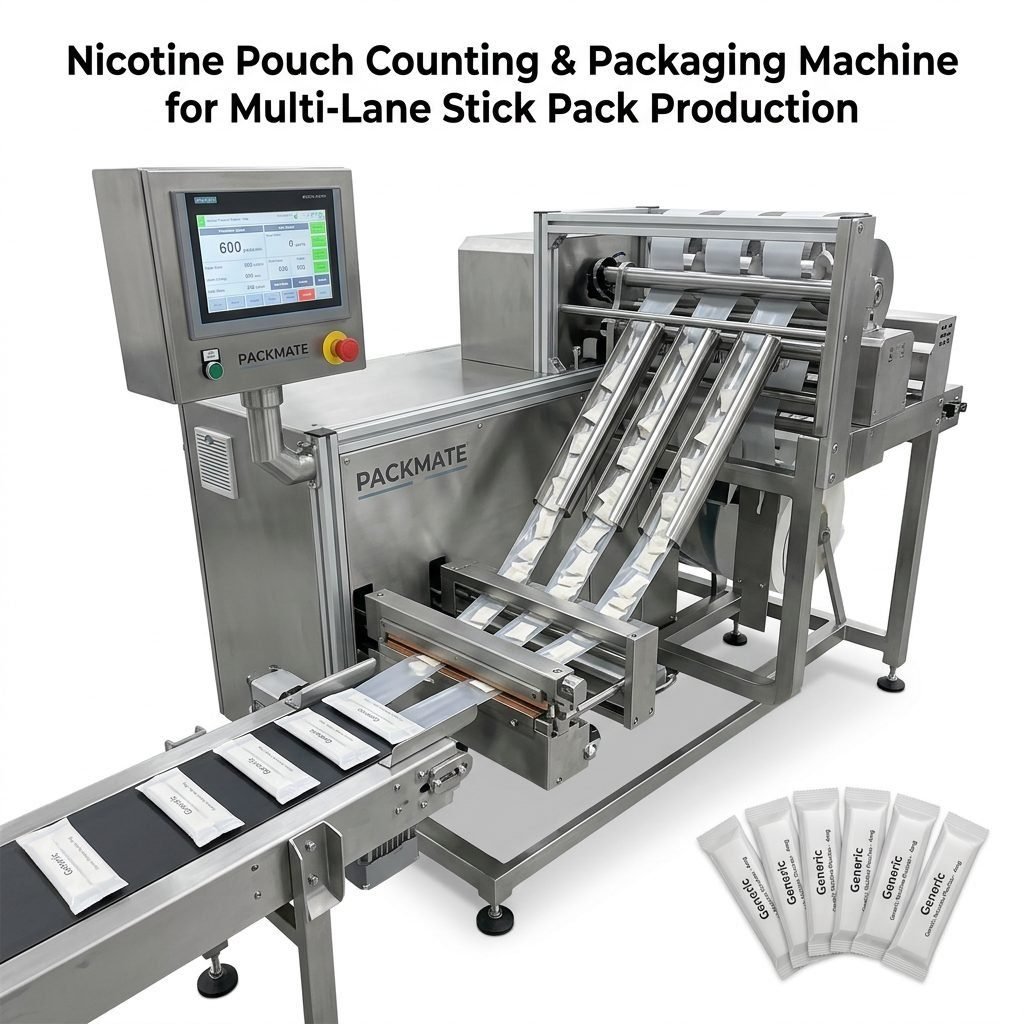
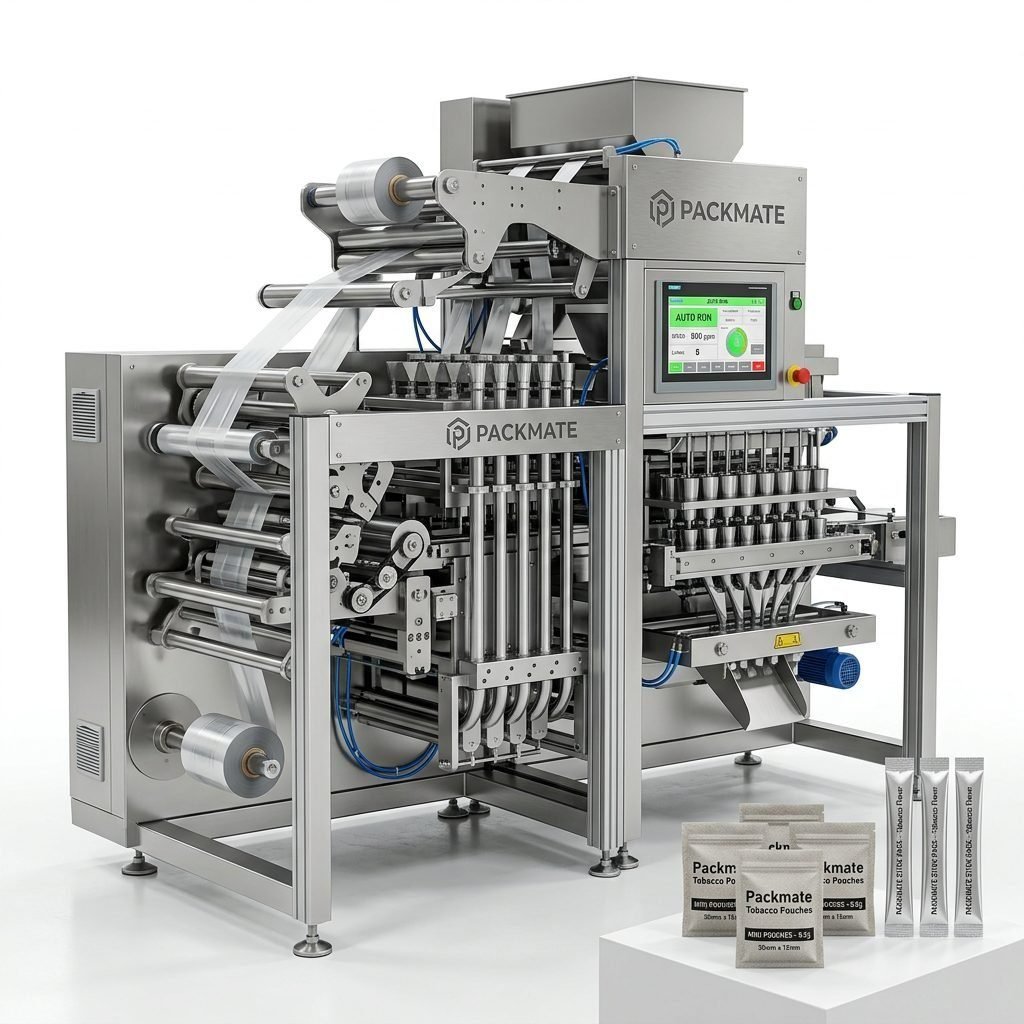
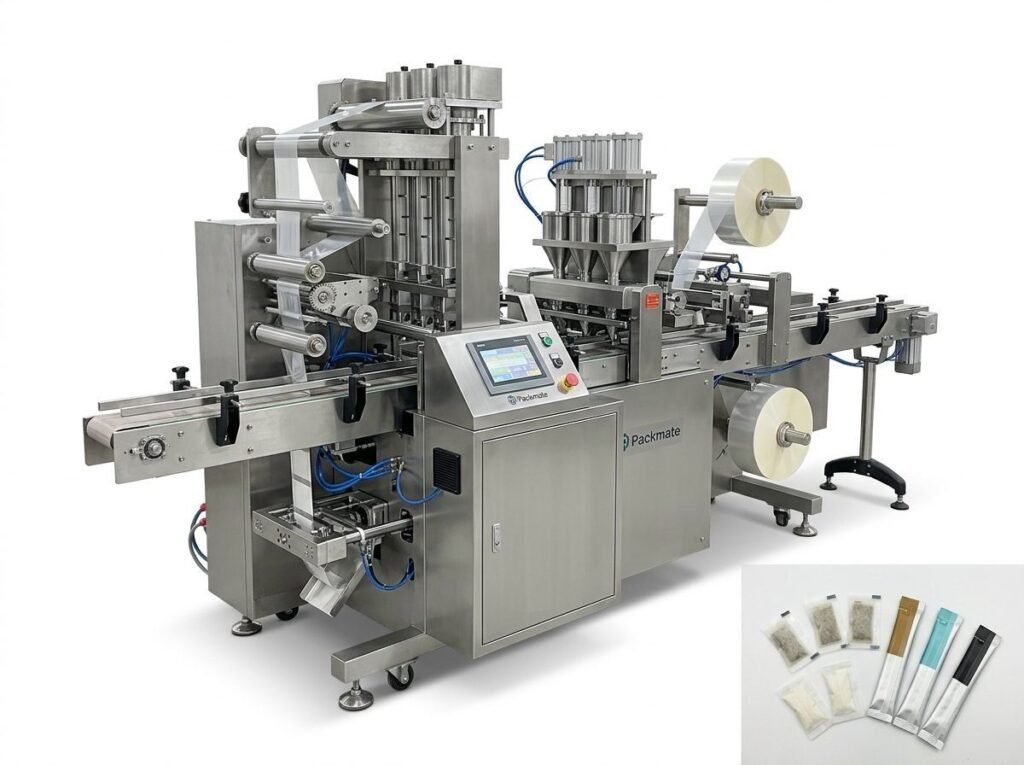
• Product formats: single-dose pouches, stick packs, sachets, or multi-lane small-dose systems. Suppliers often specialize — review machine families like Snus & Nicotine Packaging Machines and Sachet & Stick Pack Machines.
• Capacity: estimate daily pouch volumes. For small island markets consider modular machines or smaller multi-lane systems to match demand and reduce capital lock-up.
• Future growth: choose equipment that allows lane expansion or modular add-ons to avoid full replacement when volumes grow.
Machine Selection Criteria — What Really Matters
Use objective criteria to compare suppliers: build quality, automation level, spare parts availability, energy consumption, and certification. Below are the core considerations framed for a Comoros buyer.
✓ Reliability & uptime: choose machines with robust mechanical design and proven global references. Ask for uptime statistics and mean time between failures (MTBF).
✓ Certifications: CE, ISO and factory test records help ensure equipment meets international safety and quality norms. Suppliers like Packmate list certificates publicly — check their Certificate page.
✓ Spare parts & local service: lead times to Comoros can be long. Prioritize suppliers that ship spare parts quickly, provide clear parts lists, and support remote troubleshooting.
✓ Energy & power compatibility: Confirm machine voltage and frequency (Comoros uses 220V, 50Hz). If your supplier’s equipment uses different specs, budget for transformers or local electrical adaptation.
Technical specs to verify
Speed (pouches/min), lane count, dosing accuracy, servo control, changeover time between SKUs, hygiene design for easy cleaning, and CIP readiness for wet processes. Request factory acceptance test (FAT) videos showing real product runs to validate claims.
Supplier Evaluation & After‑Sales Support
After‑sales service is the lifeline of any packaging line. Evaluate suppliers on technical support responsiveness, remote support capabilities, training packages, and spare part logistics.
• Factory visits & virtual FAT: If possible, visit the manufacturer’s plant or request a live virtual FAT. Packmate highlights factory capabilities and a wide range of models on its About Packmate page.
• Training: ensure the supplier offers on‑site commissioning and operator training, ideally in French or with translation support.
• Spare parts kits: purchase critical spare parts as part of the initial order to reduce downtime from long import lead times to Comoros.
Commercial Terms, Quotes & Negotiation
Clearly compare quotes using consistent parameters: EXW, FOB, CIF, or DDP. Clarify lead times, warranty periods, what training and FAT are included, and whether installation and local commissioning are part of the price.
For Comoros buyers, consider Incoterms that shift shipping responsibility to the supplier for smoother customs clearance. Discuss payment methods and staggered payments tied to milestones (order deposit, pre-shipment FAT, commissioning).
Logistics & Installation — Practical Tips for Comoros
• Port & handling: Comoros ports can have limited heavy-lift equipment. Plan for smaller crate sizes or on-site assembly. Ask the supplier for modular shipment options.
• Customs documentation: ensure accurate HS codes, certificates of origin, machine invoices, and packing lists. Consider hiring a local customs agent familiar with medical/pharmaceutical or tobacco classifications if applicable.
• Power & site preparation: verify site power, grounding, water supply (if wet processes), and floor loading specs. Request supplier-provided site layout drawings for pre-installation checks.
Localization: Manuals, Language & Training
Because French and Arabic are official languages, insist on critical documentation and safety instructions in French and provide operator training in a suitable language. If the supplier offers remote support and spare parts ordering via an online portal, ensure the interface is accessible and staff are trained.
Sustainability & Packaging Preferences in Small Markets
Consumers in island markets often prefer affordable single-dose formats. At the same time, environmental concerns about plastic waste are growing. Discuss recyclable or lower-plastic barrier pouches and small-batch production options to reduce inventory obsolescence. Machines that support flexible pouch sizes and low changeover times are advantageous.
Why Work With an Established Manufacturer?
Long‑established manufacturers bring tested designs, spare parts networks, and global references. For example, Packmate Snus Machine emphasizes over 30 years of engineering experience, a 20,000㎡ manufacturing facility, and full turnkey solutions — all helpful when you need reliability and documented quality.
Explore supplier portfolios and case studies to validate performance. Packmate publishes cases and exhibitions that demonstrate global deployments — useful material when assessing references and machine performance in different markets. See their Case and Our Exhibition pages for context.
Final Buyer’s Checklist — Quick Reference
✓ Confirm regulations: import rules, labeling, and any age-related restrictions in Comoros.
✓ Validate supplier claims: request FAT videos, client references, and machine performance data.
✓ Secure spare parts: order critical spares with the machine and confirm shipping lead times to Comoros.
✓ Plan installation: site power, floor loading, and local lifting capacity; request supplier site drawings.
✓ Training & language: confirm training in French/Arabic or provide translator for commissioning.
How to Engage a Trusted Supplier — Practical Steps
Start with a short list of 3–5 suppliers. Request a formal proposal with technical datasheets, FAT arrangements, and a detailed commercial offer. Visit the factory if possible, or arrange a live virtual FAT. Compare true landed cost to Comoros including duty, port handling, inland transport, and installation. Finally, insist on a written warranty and clear escalation path for technical support.
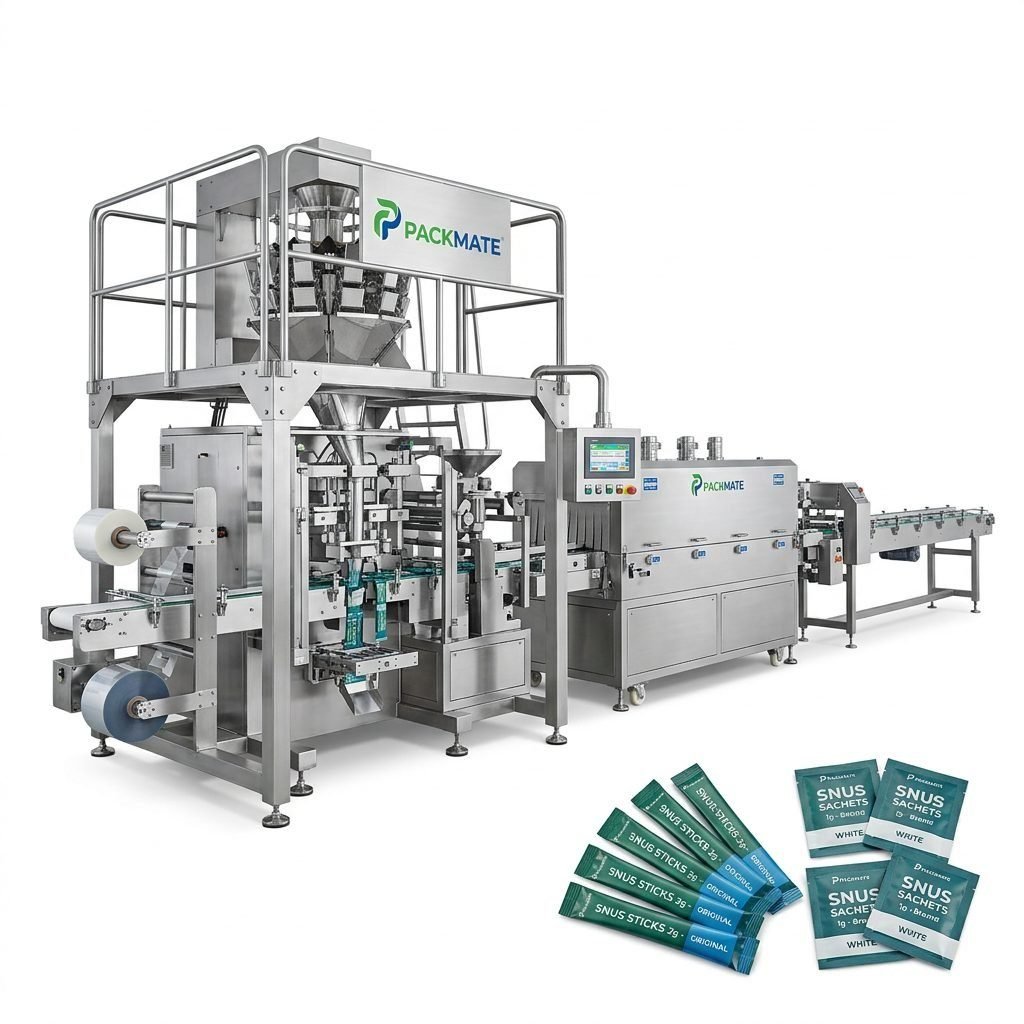
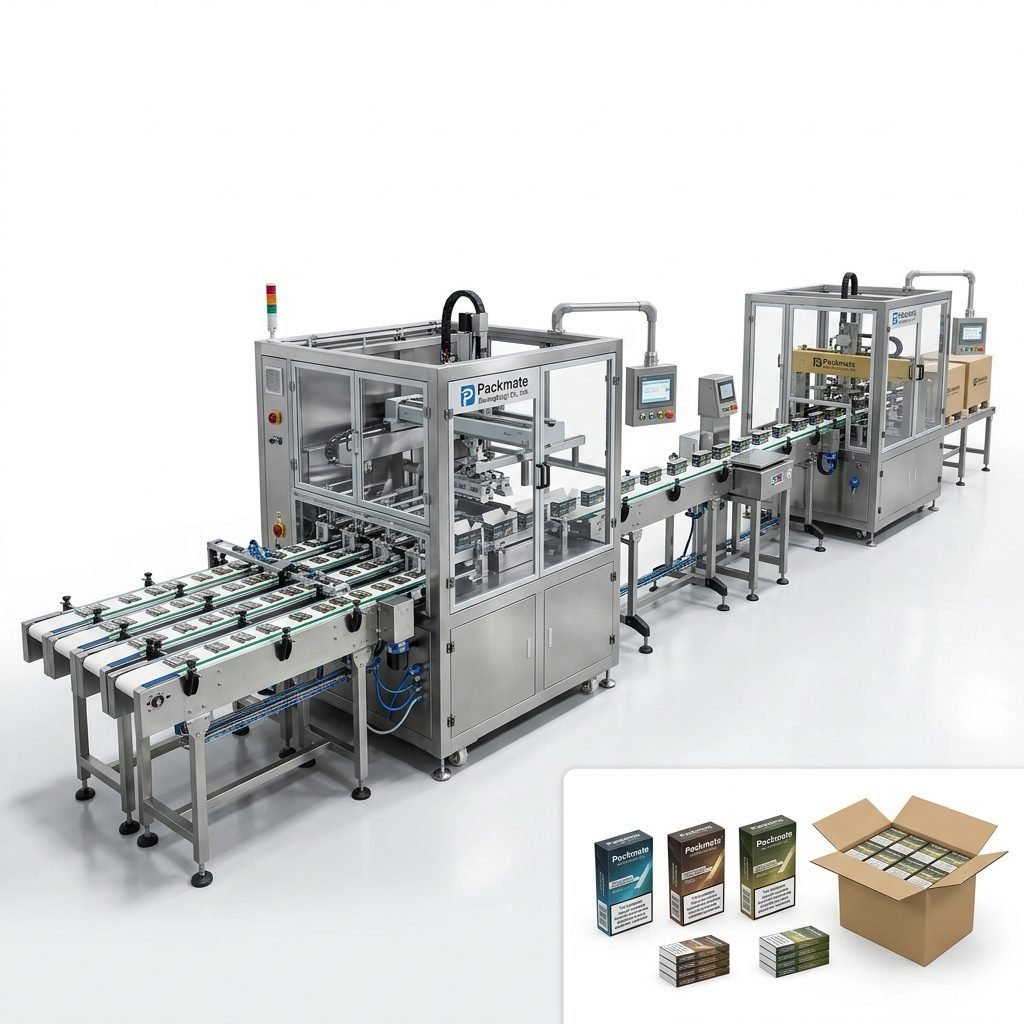
If you want more information on packaging line components — from weighing systems to auxiliary equipment — review supplier catalogs and product pages. For instance, see Packmate’s product lines for Weighing & Packaging Systems and Auxiliary Packaging Equipment.
Quick supplier engagement tip
📞 Proactive communication: pick a supplier that assigns a single point of contact for the entire project — from order placement through commissioning and spare parts management. This reduces miscommunication and speeds problem resolution.
When you are ready to reach out, use direct contact channels for quotes and technical queries. For example, review supplier contact information and service options on their Contact Us and Service pages to confirm local support pathways.
Next Steps — From Inquiry to Production
1) Prepare a clear product & capacity brief. 2) Contact shortlisted suppliers and request proposals and FAT schedules. 3) Review technical and commercial offers side-by-side. 4) Finalize site preparations and schedule shipping with a reliable freight forwarder experienced with Comoros. 5) Oversee commissioning and accept the line after performance validation.
Helpful links & company background
For deeper supplier background and product ranges, consult manufacturer product pages and catalogs. Packmate provides a broad range of snus and pouch packaging machines and turnkey solutions; explore their Snus & Nicotine Packaging Machines listing and full Catalog.
Summary — Make a Confident Purchase Decision
Choosing the right nicotine packaging machinery supplier for Comoros means balancing equipment capability, supplier reliability, documentation in local languages, spare parts readiness, and a logistics plan that accommodates island‑specific constraints. Prioritize proven suppliers with clear after‑sales support and consider modular, scalable solutions to match local demand. With careful evaluation you can reduce downtime, control costs, and build a resilient production footprint in Comoros.
Common Questions (FAQ)
Q: What documentation is critical to import packaging machinery into Comoros? — A: Commercial invoice, packing list, bill of lading, certificate of origin, machine manuals, and any certificates (CE/ISO) required by local authorities.
Q: How do I ensure quick spare parts delivery to Comoros? — A: Order an initial spare parts kit, choose suppliers with global logistics networks, and verify express shipping options and local customs clearance experience.
Q: Do suppliers offer training in French or Arabic? — A: Many global suppliers provide documentation and training in multiple languages. Confirm language options in the purchase agreement and include interpreter support if needed.
Q: What power specifications should I confirm? — A: Verify machine nameplate voltage/frequency and compare with Comoros standard (220V, 50Hz). Plan for stable power, grounding, and possible generator backup.