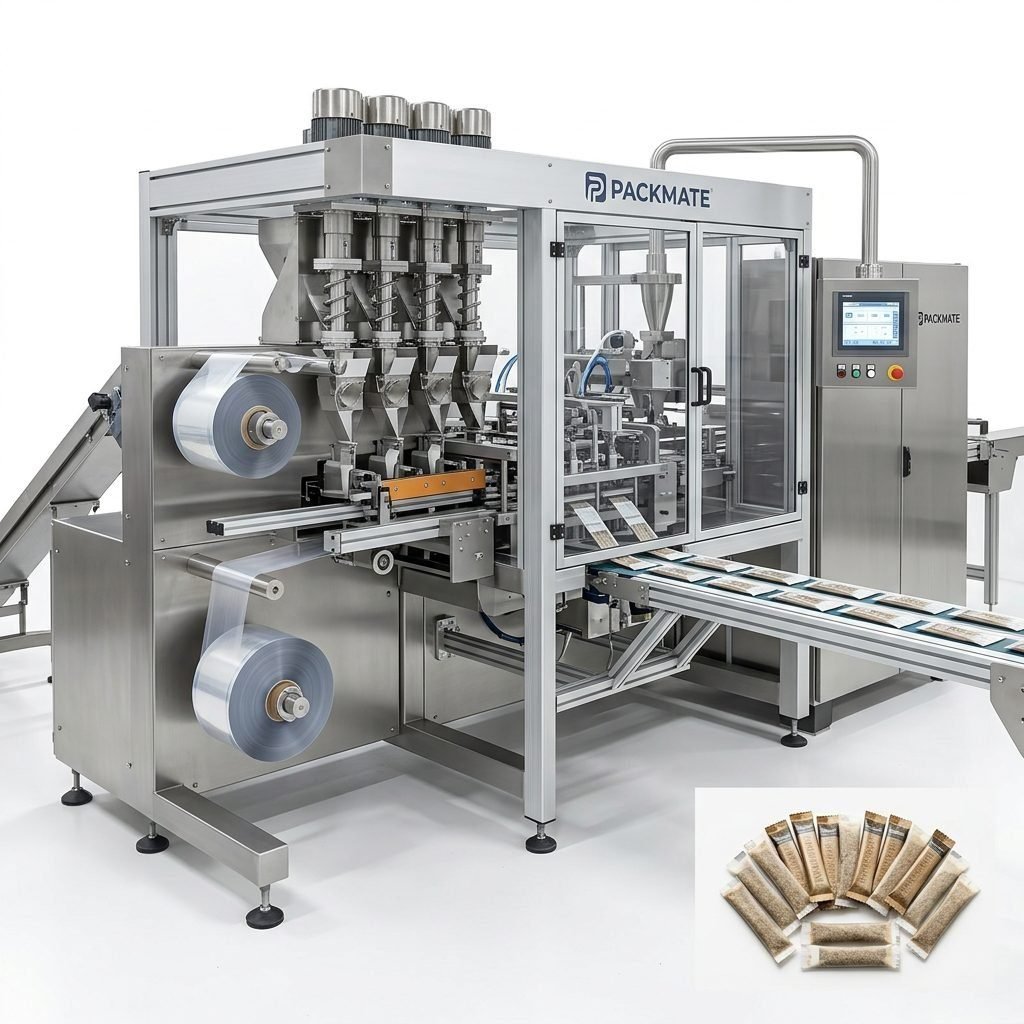
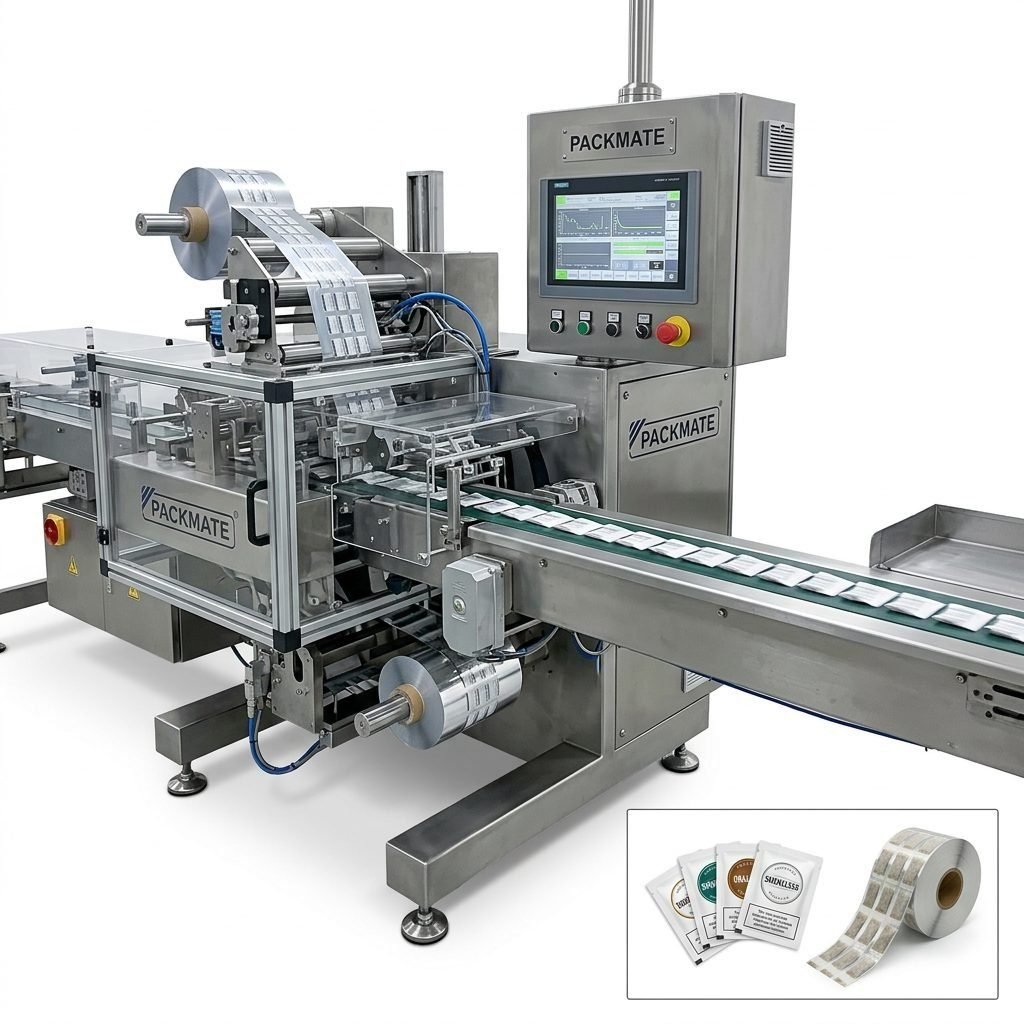
Choosing a reliable snus packaging machine supplier in Ecuador requires more than comparing prices. You need to align machine capabilities with local regulations, Spanish-language documentation and training, logistics to Ecuadorian ports, and after-sales support that understands regional business practices. This buyer’s guide breaks down the practical steps, technical checks, and commercial considerations to help you select a trusted supplier and set up a stable production line for nicotine pouches or snus products.
Understand Ecuador’s Market Context and Local Customs
Ecuador’s consumer market and regulatory environment shape how snus/nicotine pouches can be introduced. While tobacco consumption has traditional patterns in the region, nicotine pouches are a newer category—import rules, labeling in Spanish, and health notifications may apply. Local business culture values relationship building and trust: suppliers who provide clear Spanish-language documentation and are willing to arrange a factory visit or remote demonstrations often secure long-term partnerships. Expect Spanish as the default language for operators and maintenance teams; machines with bilingual HMI and manuals will accelerate commissioning and reduce downtime.
Which Machine Type Suits Your Product?
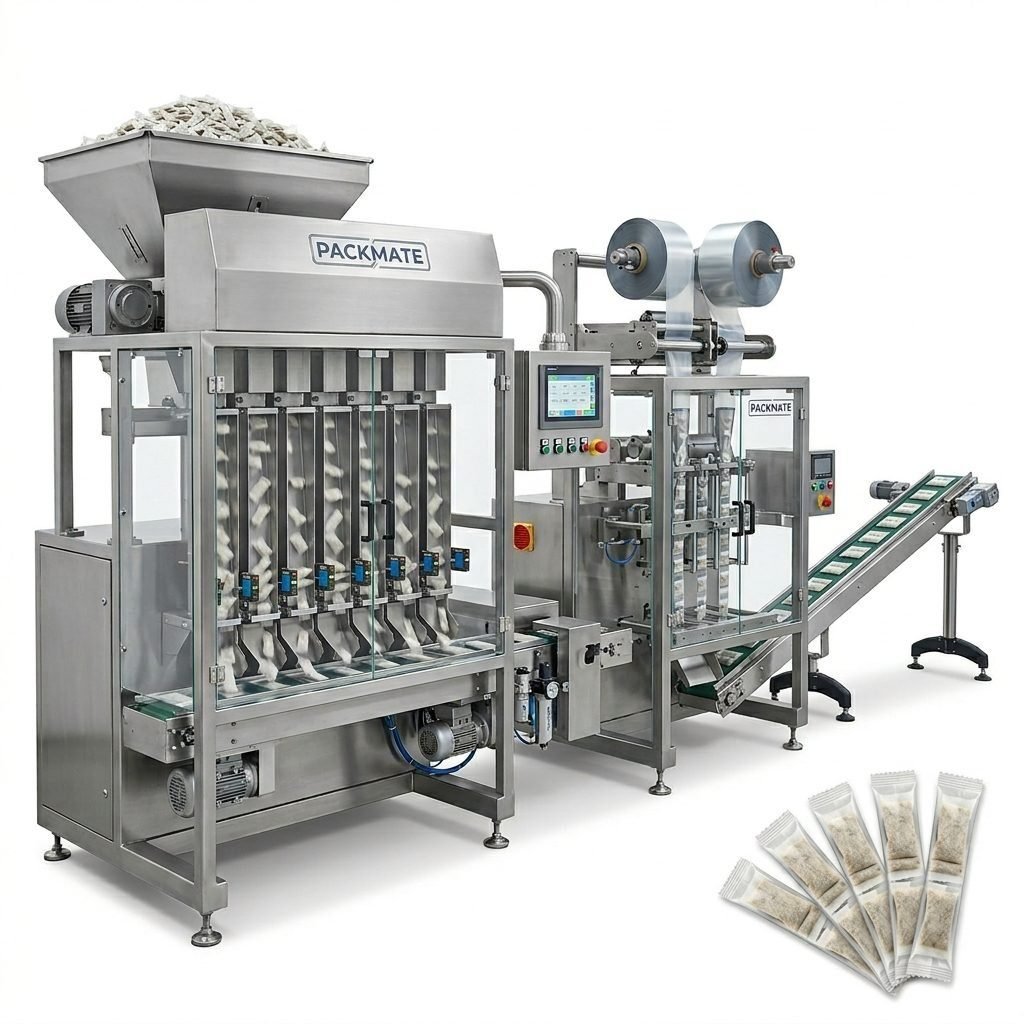
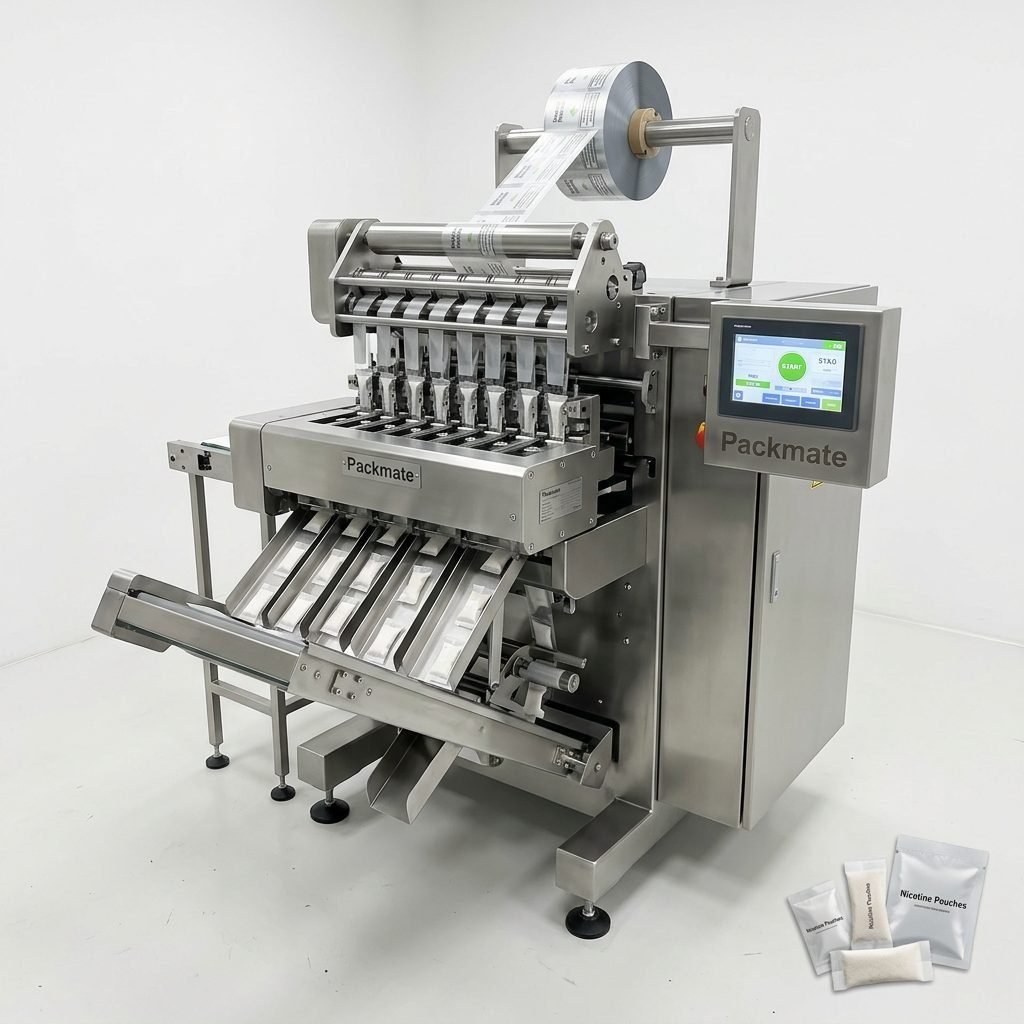
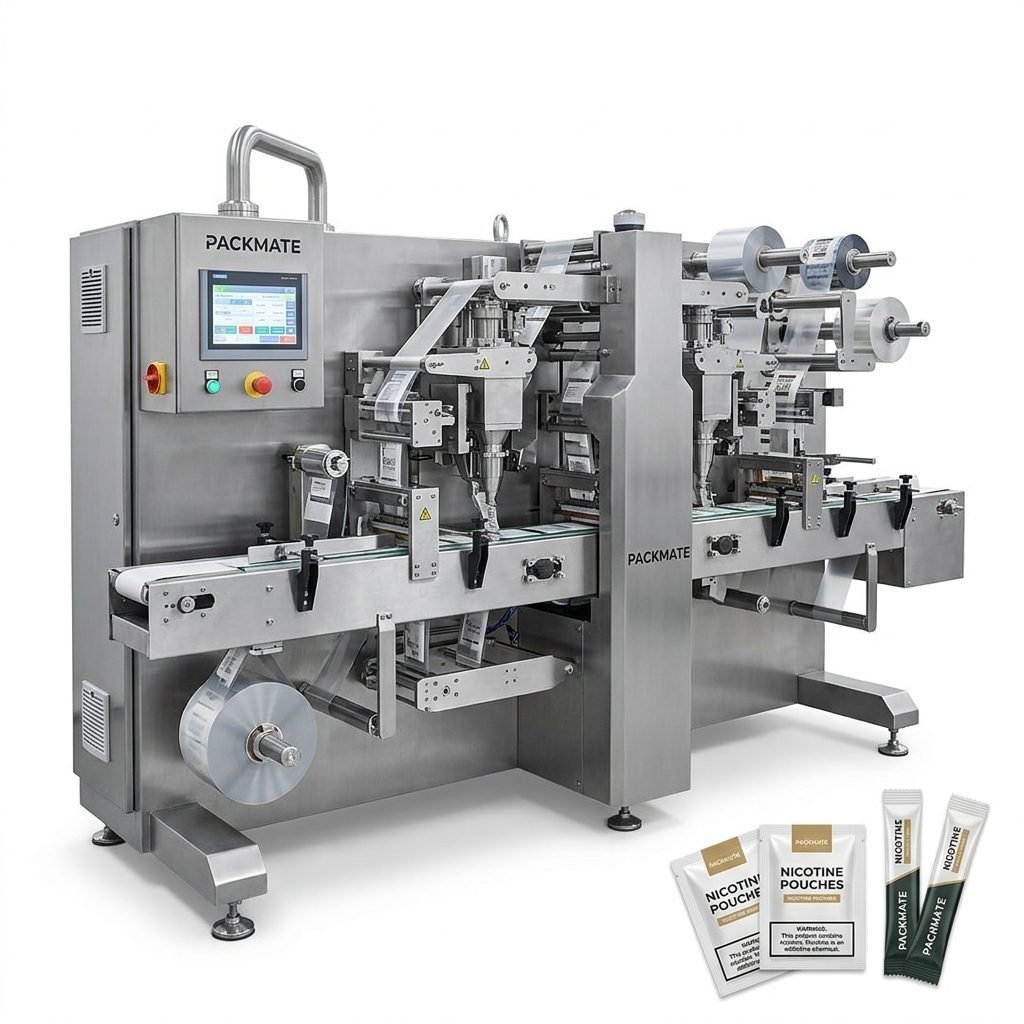
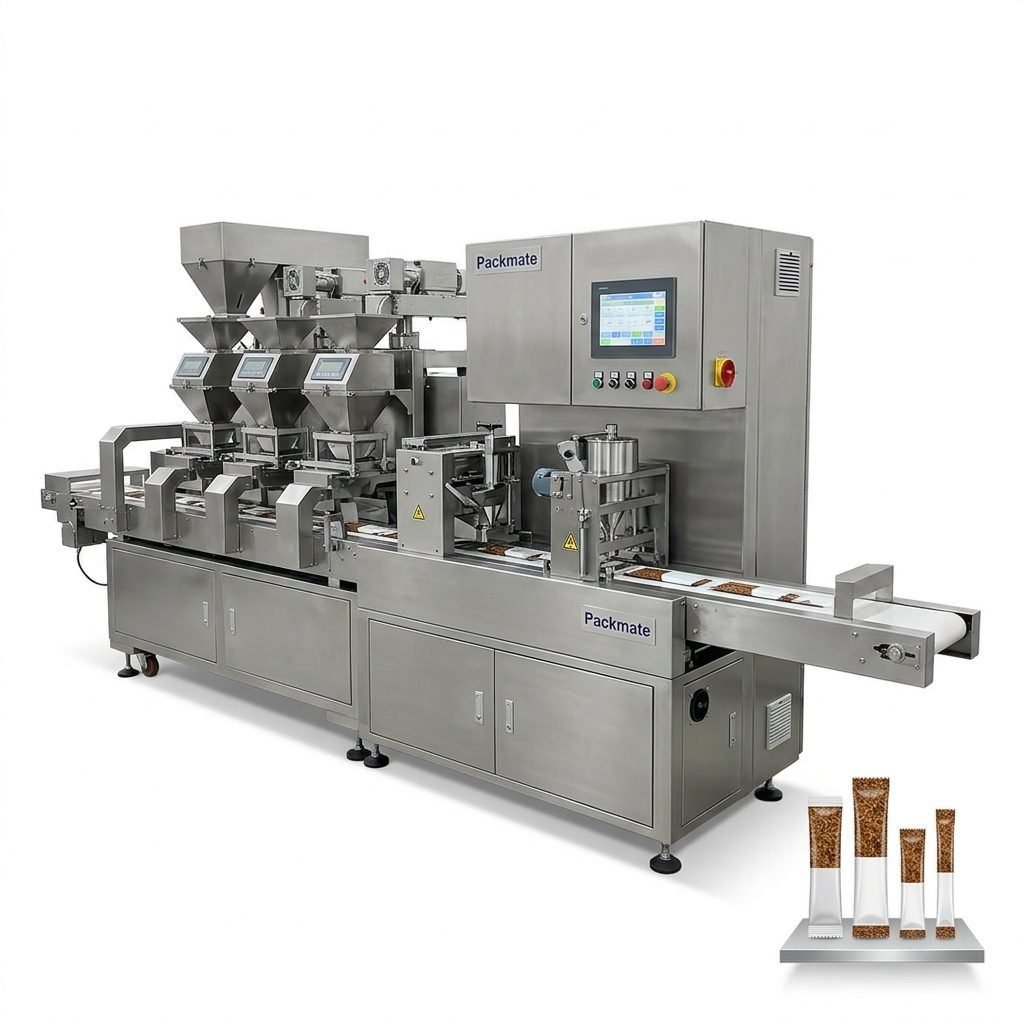
Different packaging styles and throughput targets demand different machines. Key types include:
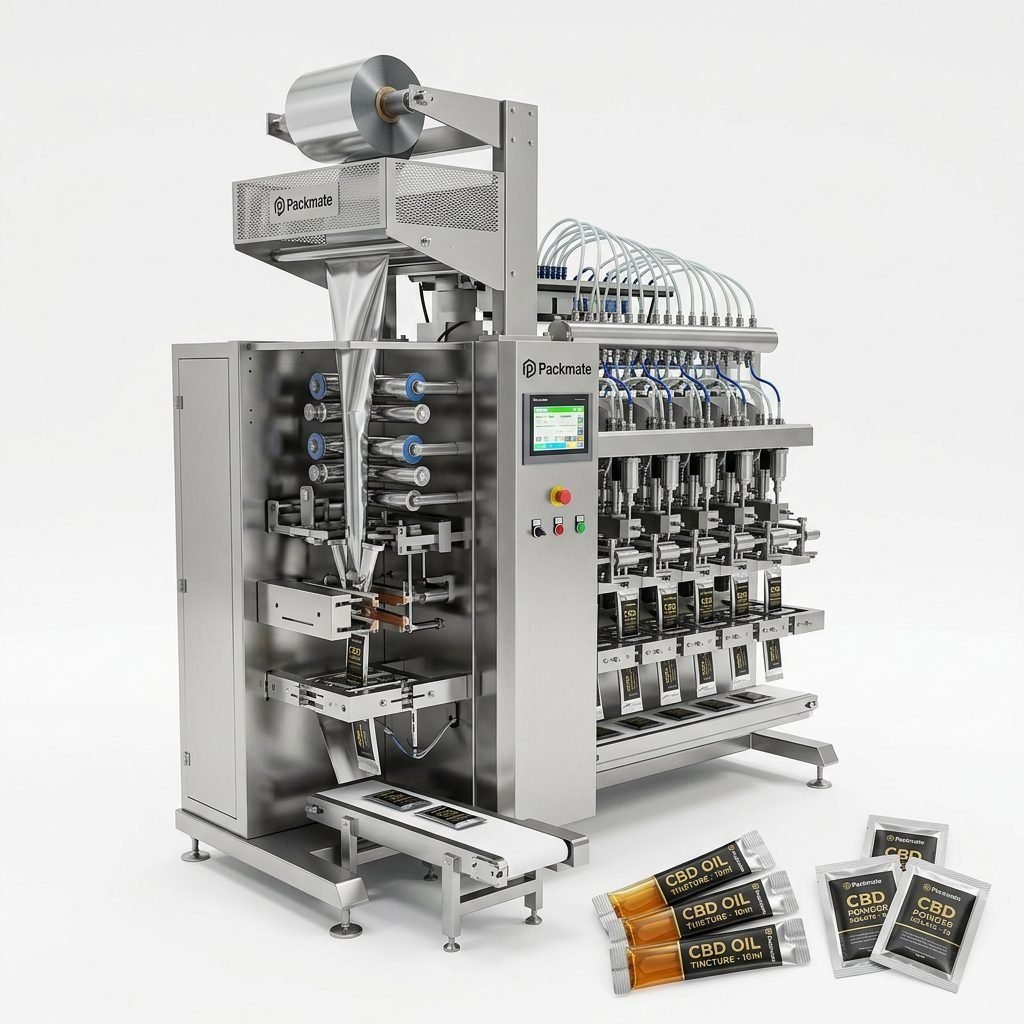
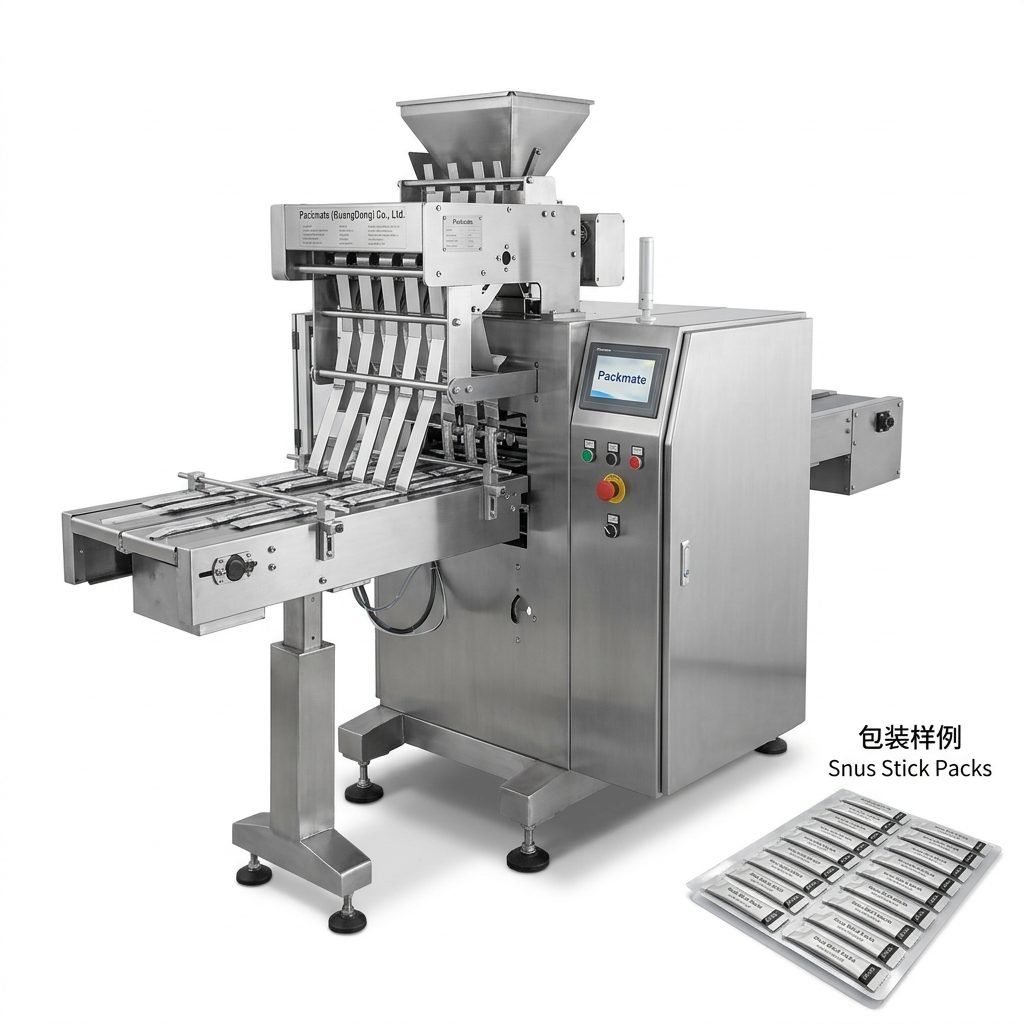
➤ Stick Pack Machines — Ideal for single-dose stick formats and high-speed applications. Good for slim, retail-friendly dosing.
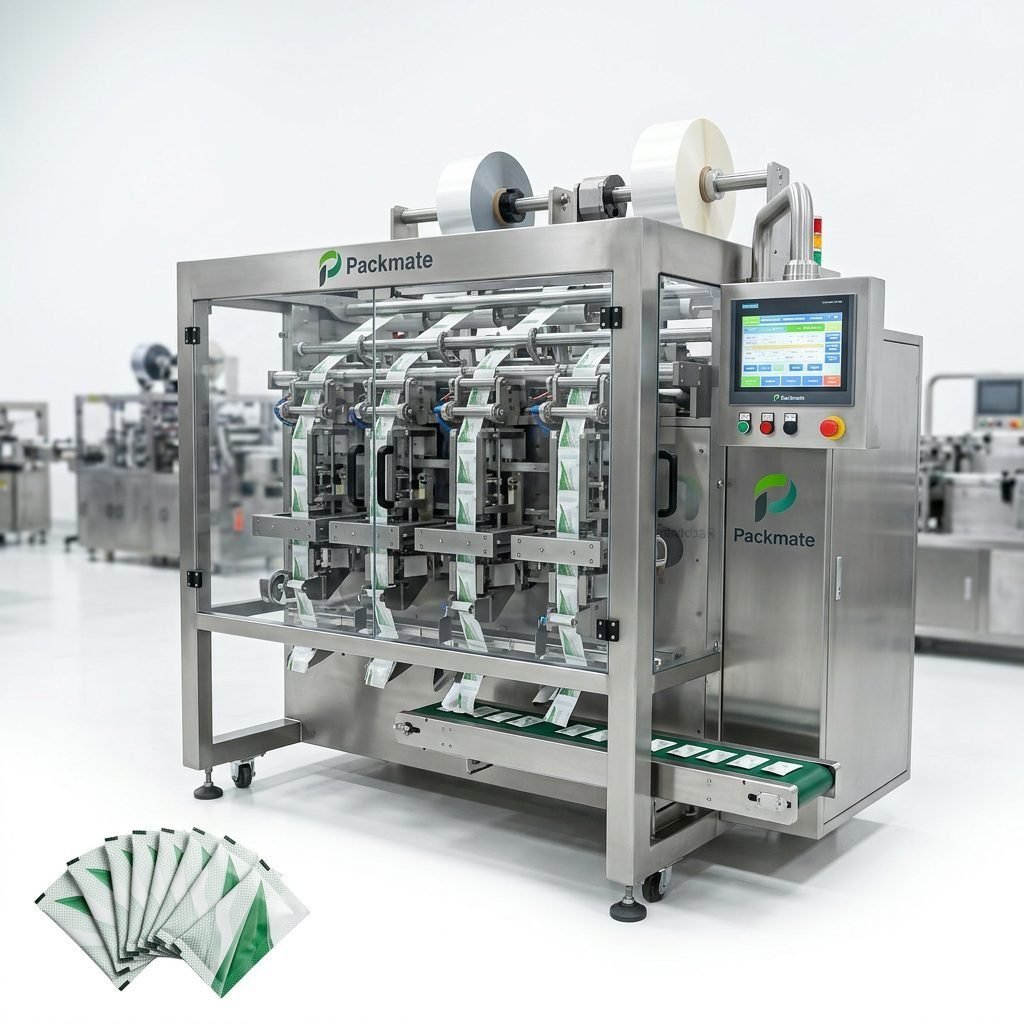
➤ Sachet Packaging Machines — Flexible for sachets and flat pouches. They handle a wider variety of pouch sizes and are suited to multi-format production.
➤ Multi-Lane Systems — Best for high-volume small-dose pouch production; they multiply per-lane output while sharing a central dosing and sealing platform.
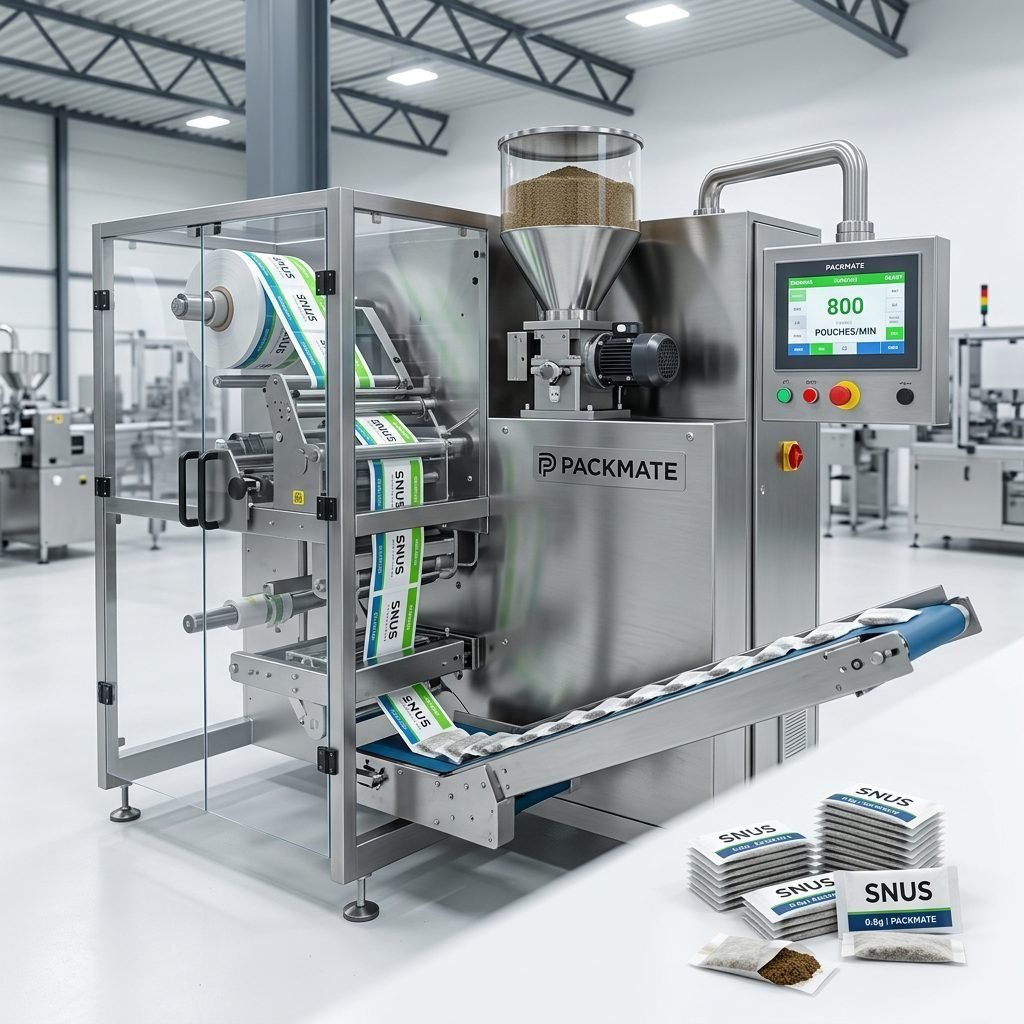
➤ Filling and Weighing Lines — Necessary if your product is powder or granule based and requires precise dosing before pouch forming.
To review product families and machine configurations, you can check manufacturer catalogs such as Snus & Nicotine Packaging Machines, Sachet & Stick Pack Machines, and Filling & Packaging Lines for configuration examples and technical data.
Technical Specifications to Verify Before Buying
Focus on measurable parameters that affect daily operations:
📌 Throughput (pouches/min) — Ensure nominal and real-world speeds are tested with your product.
📌 Lane Count & Scalability — Can you upgrade lanes or swap modules to increase capacity later?
📌 Dosing Accuracy & Fill Range — Especially important for nicotine pouch weight and regulatory compliance.
📌 Material Compatibility — Will the machine handle your blend (powder, fibrous pouch, moisture level) and selected films?
📌 Changeover Time — Fast format change reduces downtime for multiple SKUs.
📌 HMI & Language Support — Spanish-language HMI and manuals are highly recommended for Ecuadorian operators.
📌 Safety & Compliance — CE, ISO and other certificates should be verified and available for customs clearance.
Inspect the Manufacturer: Factory, Quality Systems, and References
A reputable supplier will welcome audits, provide factory photos, and share customer references. Key checks:
• Verify production capabilities: CNC machining centers, precision assembly lines, and QA labs indicate consistent build quality.
• Ask for production certificates and testing reports for machines similar to your model. Confirm CE/ISO compliance when required.
• Request case studies and sample videos of your product running on the proposed machine. Real-case references in similar climates or markets are valuable.
For real-world examples and supplier credibility, review manufacturer cases or company profiles like Case and About Packmate.
After-sales Support, Spare Parts & Training
In Ecuador, geographic distance makes robust after-sales arrangements essential. Negotiate these items up front:
✔ Warranty & Response Time — Get clear commitments for on-site visits, remote diagnostics, and replacement timelines.
✔ Spare Parts Availability — Keep a recommended spare parts list and initial spare kit. Ask whether parts can be shipped from regional warehouses or must come from the factory.
✔ Training — Ensure supplier offers operator and maintenance training in Spanish, plus documentation and troubleshooting guides.
✔ Remote Support Tools — Video calls, annotated manuals, and remote PLC/HMI access facilitate fast fixes.
Commercial Terms, Shipping and Ecuador-specific Logistics
Packaging machines are capital equipment. Total landed cost includes machine price, export packing, freight, customs duties, local VAT, and installation. Ecuadorian importers should:
• Confirm Incoterms (FOB, CIF, DDP) and whether the supplier helps with customs documentation.
• Budget for nationalization fees and inspection at port—Guayaquil and Manta are common entry points.
• Check certification requirements for nicotine/tobacco-related machinery and product labeling in Spanish to prevent delays at customs or market clearance. Nicotine products may be regulated—engage local legal counsel or customs broker early.
• Negotiate payment terms that balance risk: letter of credit, partial deposit plus balance on shipment, or staged payments against milestones.
Practical Negotiation Tips & Warning Signs
Use these pointers when evaluating quotes and proposals:
⚠ Red Flags: vague technical specs, no factory photos, missing references, no spare-part list, or unwillingness to provide a test run with your product.
✔ Positive Signals: clear test reports, open factory tours, an assigned project engineer, local language support, and documented service commitments.
Checklist Before You Sign
• Confirm tested throughput with your actual product and film;
• Get a detailed spare parts list and recommended spare kit;
• Ensure Spanish-language HMI and manuals or translation support;
• Agree on warranty, service SLA and training scope;
• Clarify lead times, packing method for ocean freight, and customs documentation responsibilities.
Why Packmate-style Suppliers Often Score Well
Manufacturers with long-term engineering experience, advanced CNC facilities, and a wide model range reduce risk when entering a new product category. For example, suppliers that provide full turnkey solutions for snus and nicotine pouches—including multi-lane systems, sachet/stick pack options and integrated filling/weighing lines—allow you to scale without changing vendors. If you’d like to evaluate a supplier with detailed product lines and company credentials, see their product pages and contact channels such as Snus & Nicotine Packaging Machines and Contact Us.
Commissioning and Local Ramp-up
Plan at least 2–4 weeks for machine installation, operator training, and process validation. Consider pilot production runs to finalize film selection and pouch sealing profiles. Local technicians and operators often appreciate hands-on training in Spanish and a comprehensive maintenance schedule to extend mean time between failures. Request a printed maintenance checklist and spare part codes to ease future ordering.
Useful Supplier Resources
Look for suppliers that publish catalogs, certificates, exhibitions and FAQ resources. These materials speed due diligence and build confidence before purchase. Examples of helpful pages include product catalogs, certificates, and service descriptions—use them to validate claims and prepare questions for technical review. For more details, consult supplier resources like their product pages and service descriptions.
Additional reference links: Sachet & Stick Pack Machines, Filling & Packaging Lines, and About Packmate.
Final Recommendations
Invest time in technical trials with your actual product and insist on clear contractual terms for warranty and spare parts. Prioritize suppliers who offer local-language documentation and are willing to support installation and operator training in Spanish. A reliable supplier will reduce long-term operating cost through stable machine design, local support readiness, and available spare parts.
Frequently Asked Questions
Q1: What certifications should I ask a snus machine supplier for?
A1: Ask for CE and ISO certificates, electrical safety reports, and any available test reports for similar product runs. These help with customs clearance and demonstrate manufacturing quality.
Q2: How important is Spanish-language support for installation and training?
A2: Very important. Local operators understand procedures faster with Spanish HMI and manuals, which reduces commissioning time and operational errors.
Q3: Can a single supplier deliver a turnkey line for nicotine pouches?
A3: Yes. Experienced manufacturers provide integrated lines including dosing, forming, sealing, and packaging. Verify responsibilities for integration and after-sales support.
Q4: What should I budget for spare parts and initial inventory?
A4: Budget a spare kit covering belts, seals, sensors, and wear parts for the first 6–12 months. Request a recommended spare list from the supplier.
Q5: Who handles customs and regulatory issues when importing into Ecuador?
A5: Clarify Incoterms before purchase. Many buyers use local customs brokers; suppliers can provide documentation but typically do not manage nationalization unless explicitly contracted to do so.