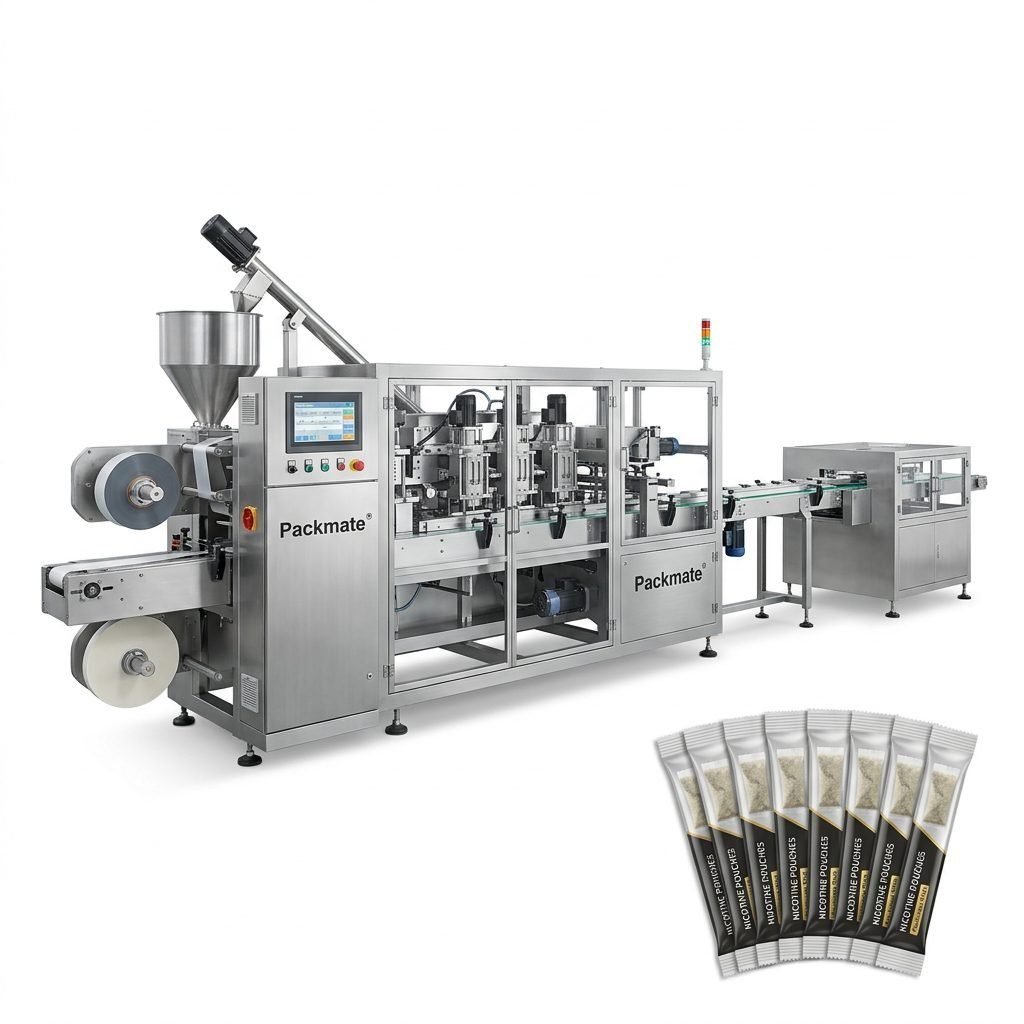
Choosing the right supplier for nicotine packaging machinery in Palestine is a strategic decision that affects product quality, regulatory compliance, operational efficiency, and long-term costs. Whether you’re launching a new nicotine pouch brand, scaling up production, or upgrading an aging line, the supplier you select must align with Palestinian market realities — from import logistics and local workplace customs to the diverse preferences of retailers and consumers. This guide breaks down practical steps, technical considerations, and cultural factors to help you identify the best supplier for your specific production needs.
Understand Your Production Requirements First
Before contacting suppliers, document your production targets in clear terms: daily output, pouch or can formats, desired packaging types (stick pack, sachet, multi-lane snus pouches), required fill weights and weight tolerances, and any secondary packaging (carton, shrink-wrap). Consider future growth — will you want to add lanes or upgrade to higher speed models within two to five years?
In Palestine, many manufacturers must factor in fluctuating demand cycles and variable access to consistent utilities. If power stability is a concern, specify machine models with robust control systems and surge protection. Also list any certifications or compliance needs (CE/ISO, product traceability) early on to avoid redesign delays.
Key technical specs to list
• Target output (pouches per minute or cans per hour)
• Pouch dimensions and material types (film laminates, foil, biodegradable options)
• Fill types: powder, granules, liquid, or pre-formed pouches
• Accuracy tolerances (±g) and acceptable scrap rates
• Format changeover time expectations and automation level
Tip: When preparing requests for quotation (RFQs), include sample packaging materials and a realistic production timeline. This helps suppliers propose accurate line layouts and spare parts lists.
Evaluate Supplier Expertise and Product Range
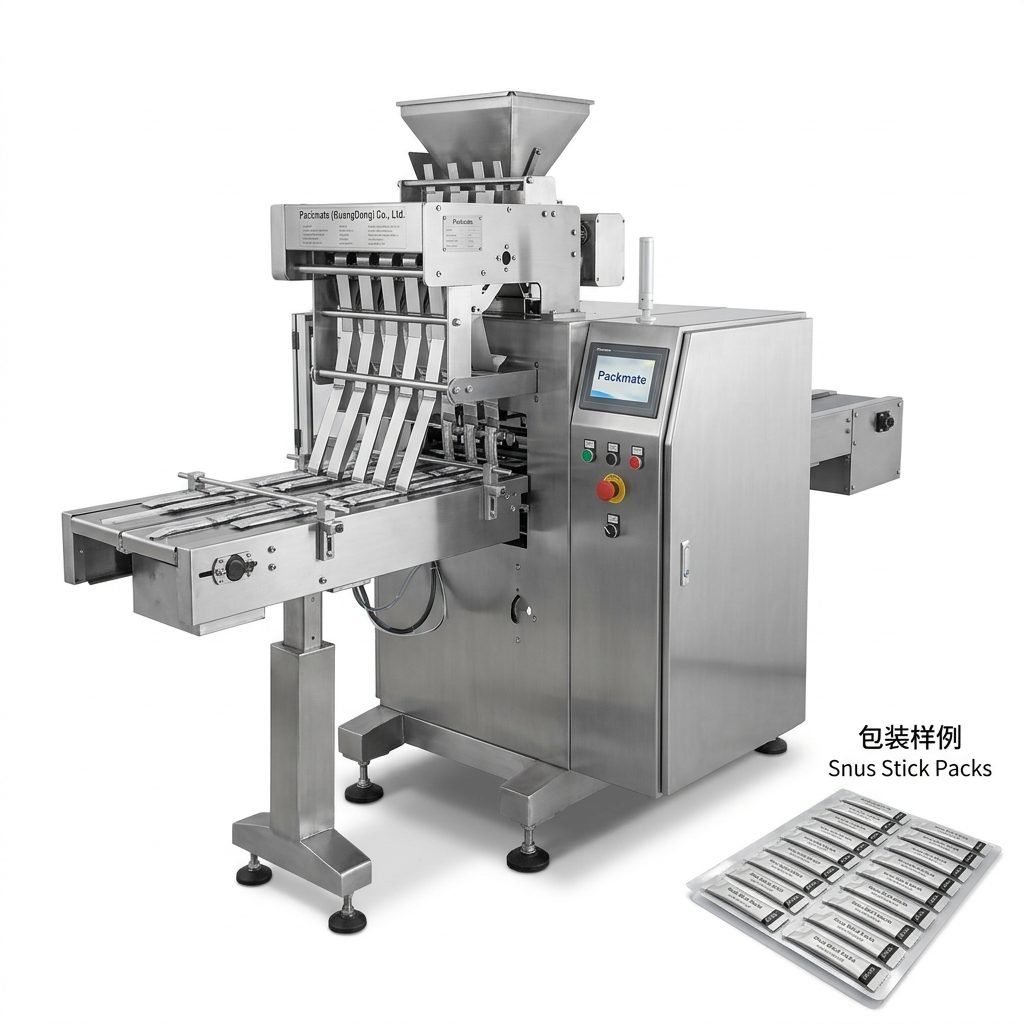
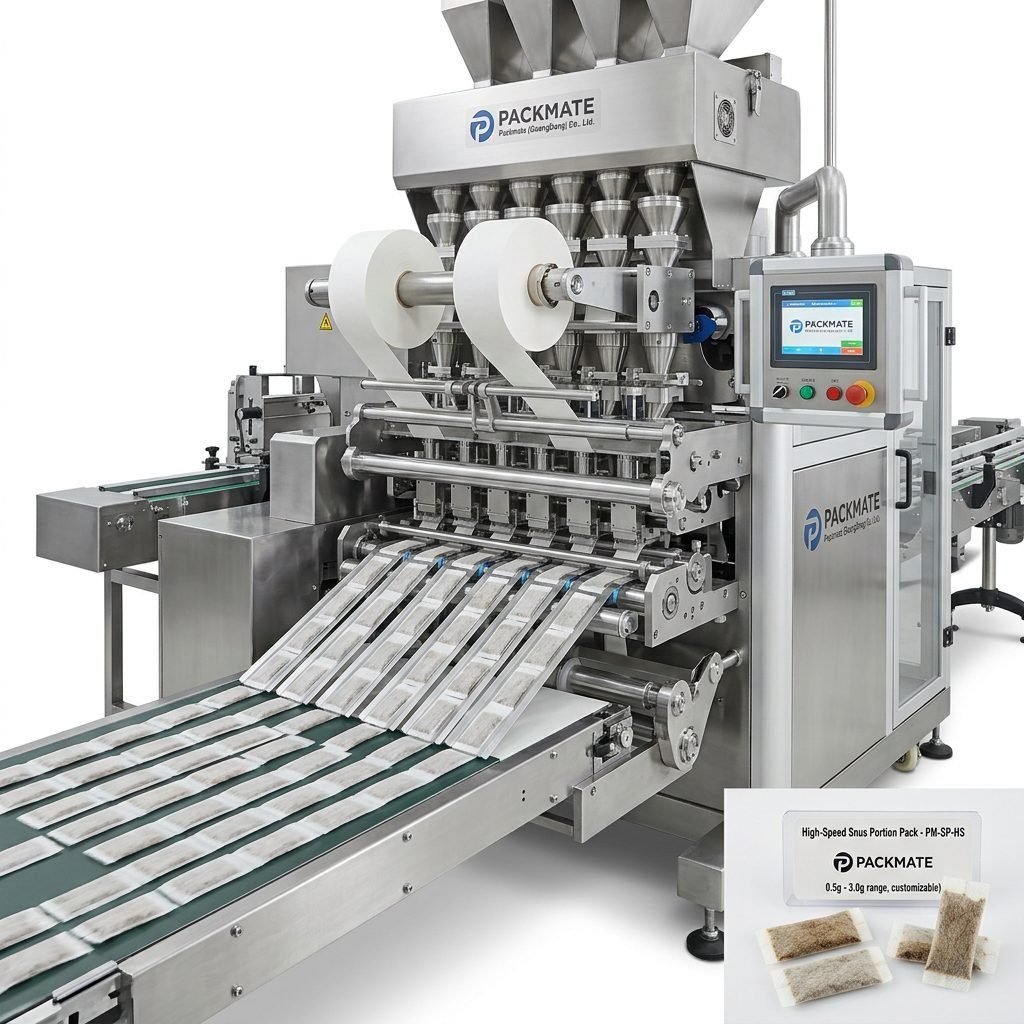
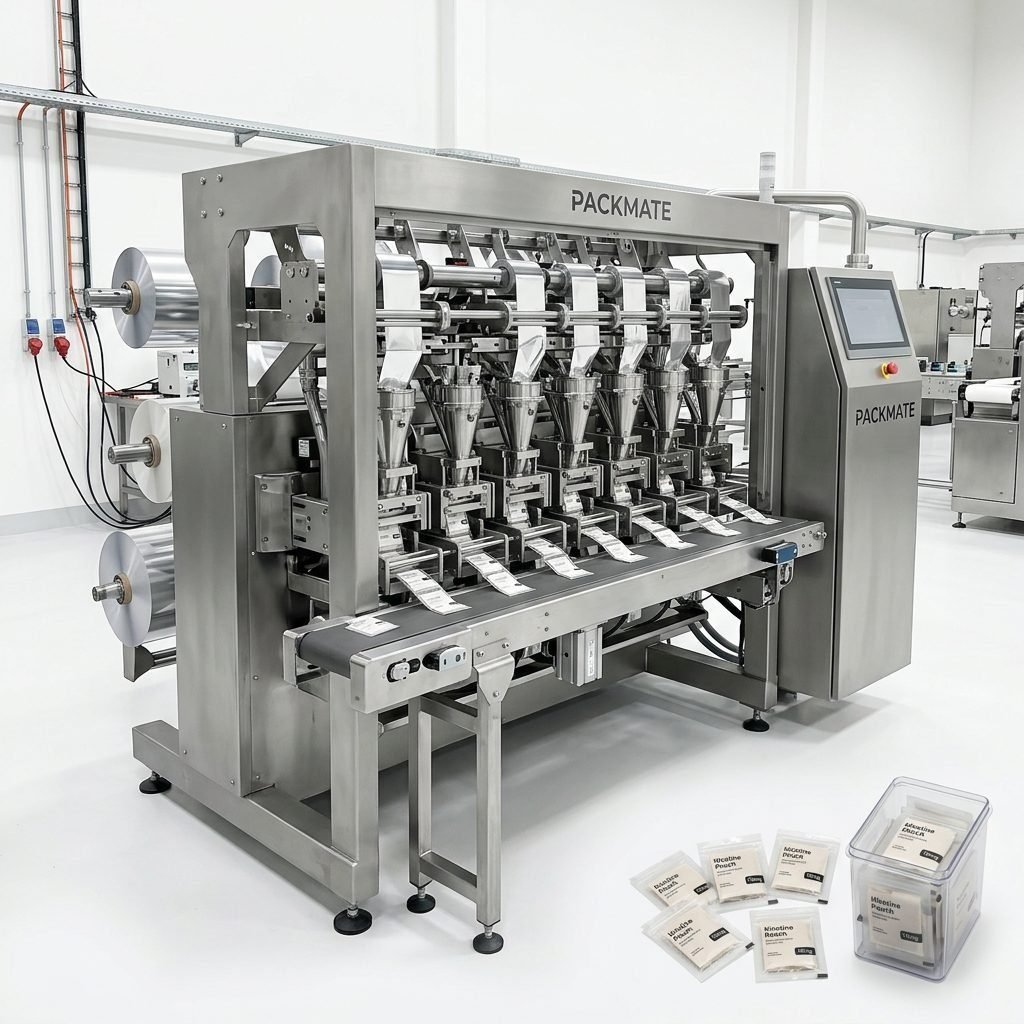
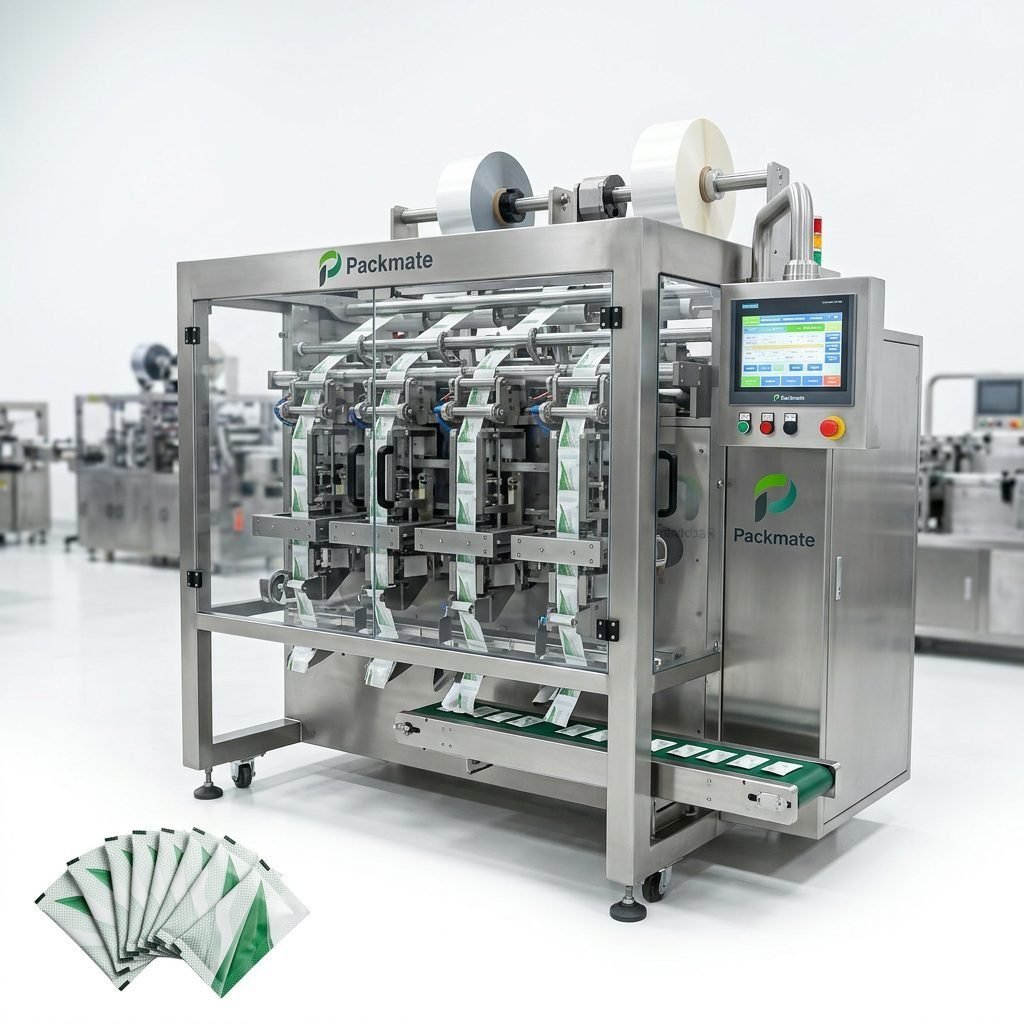
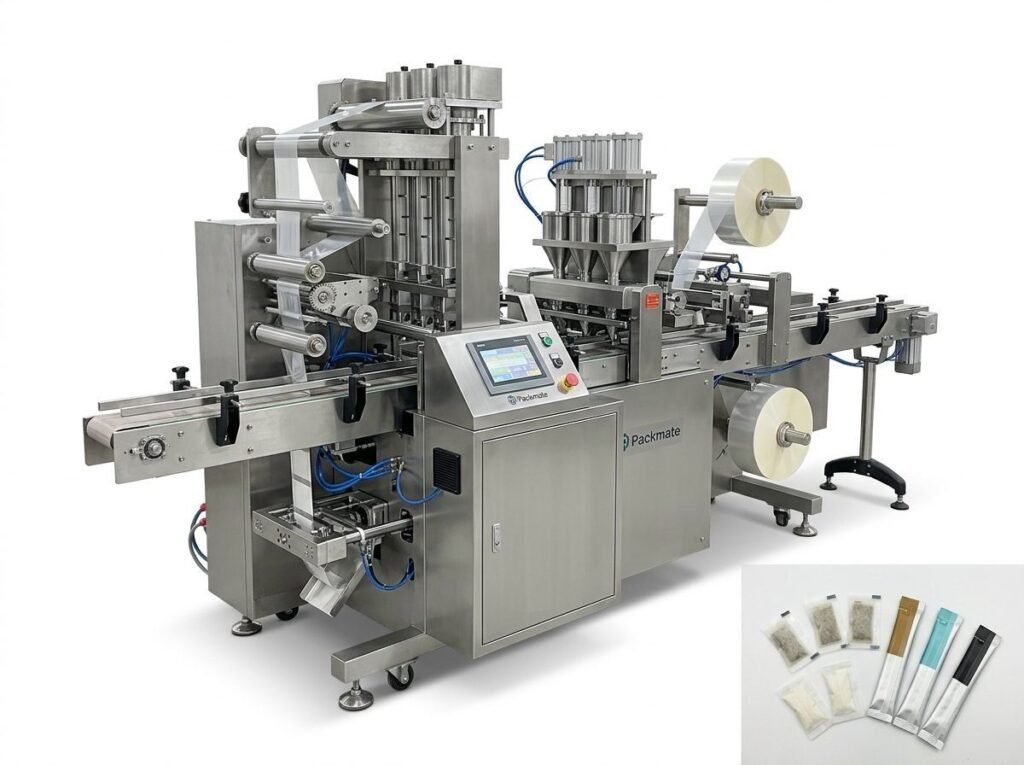
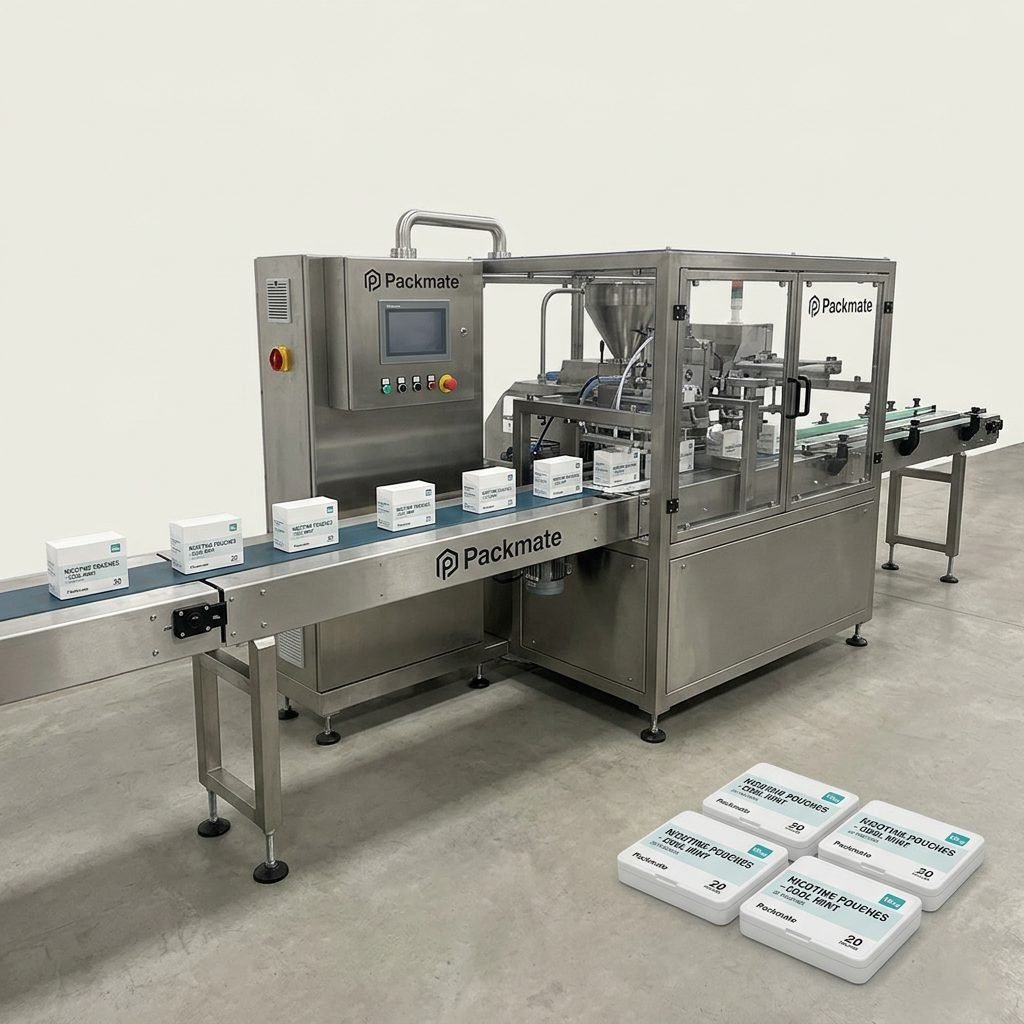
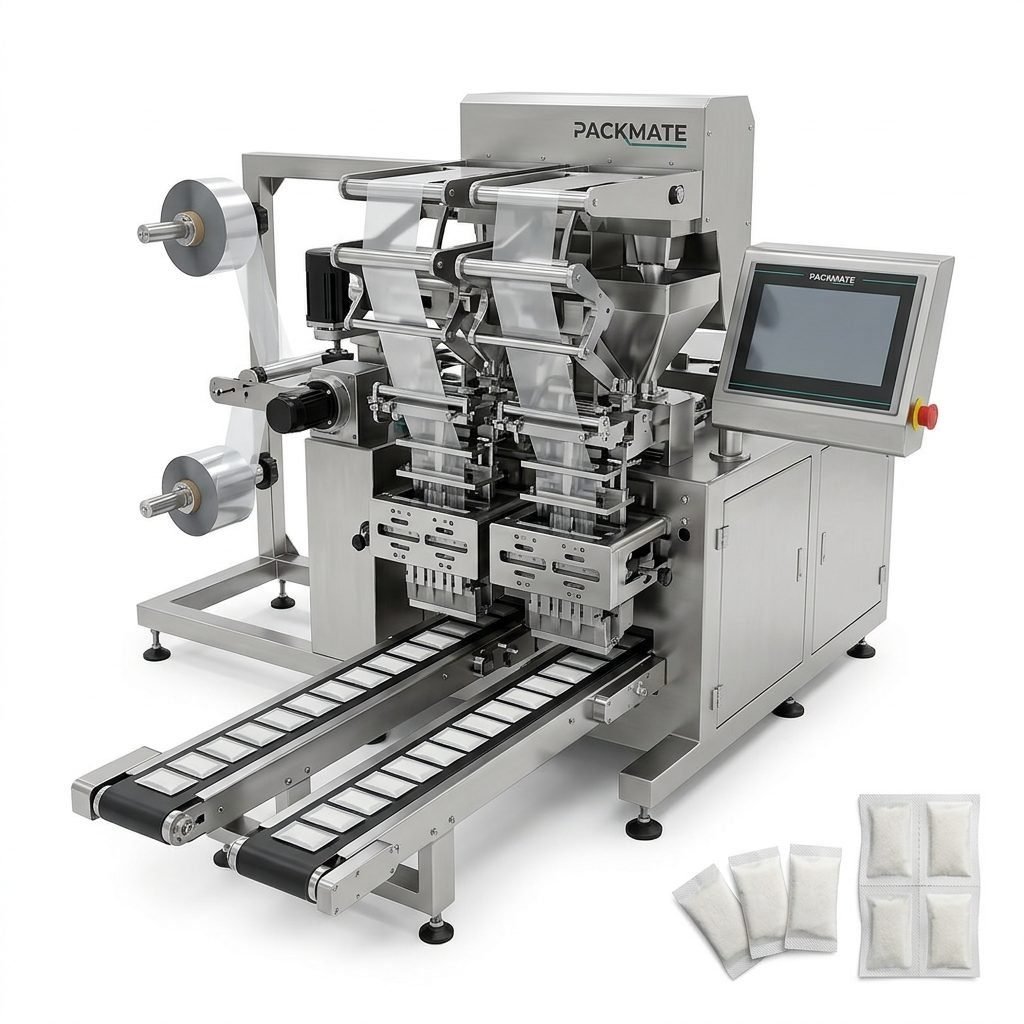
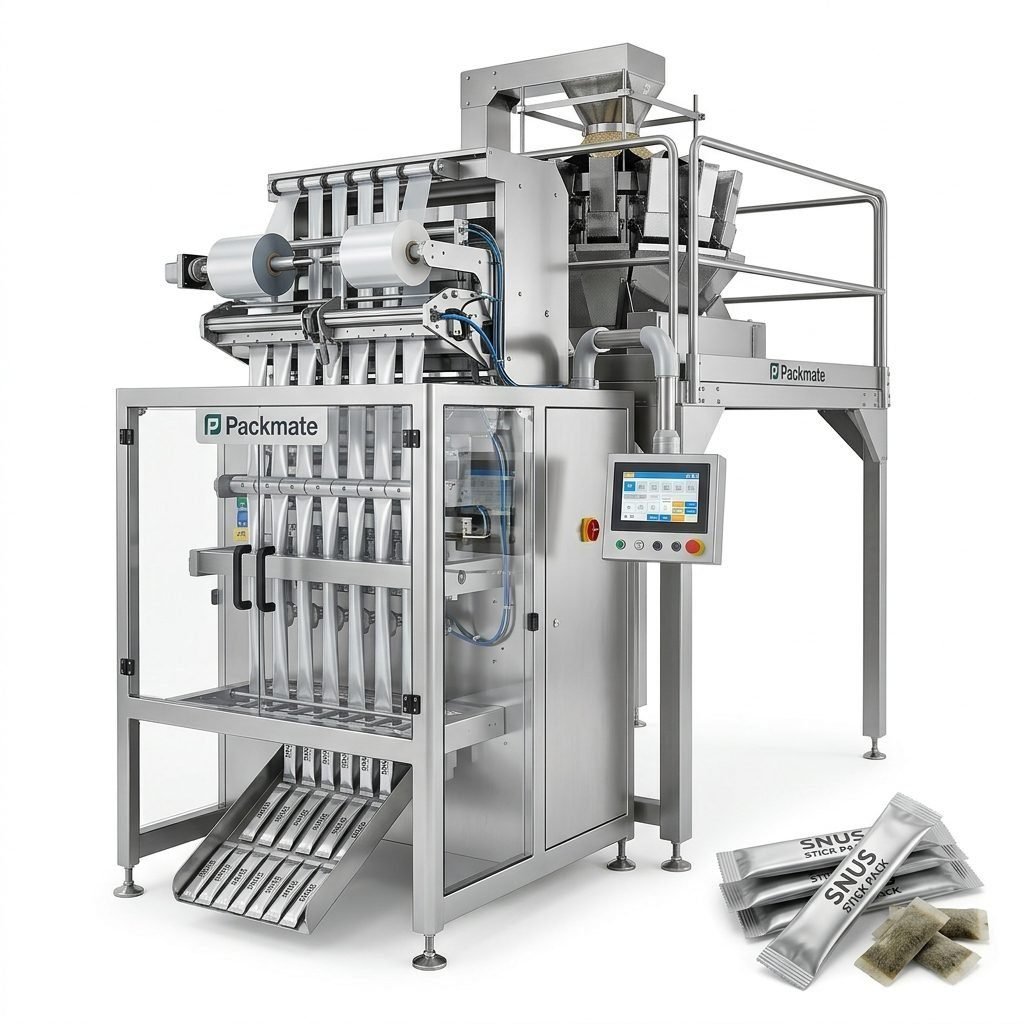
Look for suppliers with proven experience in snus and nicotine pouch packaging technology. A vendor with 30+ years of engineering experience and a wide portfolio of machines — from multi-lane snus lines to sachet and stick pack systems — will likely understand the nuanced requirements of nicotine products. For example, Packmate Snus Machine offers a range that covers snus/nicotine packaging machines and complete filling & packaging lines; reviewing manufacturers with similar capabilities helps shortlist reliable partners.
Check the supplier’s catalogue and machine models for features like servo-driven controls, quick-change parts, and integrated quality inspection systems. Inspect whether they provide modular upgrades so you can expand capacity without replacing the entire line.
Practical checks
• Ask for references and case studies from similar markets (see real-world Case examples).
• Verify the factory’s production scale and machining capabilities — advanced CNC machining centers and precision assembly lines are a plus.
• Review certification documents (CE, ISO) and test reports.
Consider Local Market and Cultural Factors in Palestine
Business customs in Palestine often emphasize relationship-building and long-term trust. Suppliers that provide dedicated account managers, responsive local support or nearby service partners, and clear communication in Arabic and English will be easier to work with. In many Palestinian manufacturing environments, decisions factor in local workforce skills; therefore, machines that are user-friendly, with straightforward mechanical access and clear training materials, reduce downtime and improve adoption.
Cultural note: Offering on-site training and extended commissioning support resonates well with Palestinian partners. Emphasize practical hands-on training sessions and fast spare-part delivery assurances in your supplier selection criteria.
Service, Spare Parts, and After-Sales Support
After-sales service is a critical differentiator. Ask potential suppliers about service response times, remote diagnostics capability, and availability of spare parts in regional warehouses. A supplier that offers remote troubleshooting, clear warranty terms, and optional service contracts will reduce production risks. For Palestinian customers, clarify customs and import procedures for spare parts to avoid long downtime.
Confirm whether the supplier provides:
• Remote PLC/SCADA access for diagnostics
• Fast-swap spare parts kits for wear-prone items
• On-site engineers for installation and training
• Documentation in Arabic/English and spare parts lists
Service level agreement (SLA) essentials
Your SLA should define maximum repair times, guaranteed parts availability, technician dispatch windows, and escalation procedures. Ensure the SLA accounts for cross-border logistics and any permits needed to bring foreign technicians into Palestinian territories.
Quality, Safety, and Compliance Requirements
Nicotine products face regulatory scrutiny in many regions. Ensure the supplier’s machines are built to hygienic design standards, use food-grade contact parts where applicable, and support traceability functions. International certifications such as CE and ISO indicate baseline compliance with global safety and quality standards.
Ask for material certificates, machine validation records, and performance test data. A supplier that publishes certificates and test videos is more transparent and easier to verify.
Total Cost of Ownership (TCO) vs. Initial Purchase Price
Focus on TCO, not just the machine’s purchase price. Include expected energy consumption, spare parts life cycle, routine maintenance intervals, operator training costs, and potential productivity losses during changeovers. Energy-efficient servo drives, modular designs that limit downtime during maintenance, and robust components can reduce TCO significantly over the machine’s lifetime.
Cost analysis checklist: energy usage, spare part pricing, recommended stocking levels, training hours required, and projected ROI based on local production volumes.
Factory Visit and Factory Audit
If possible, visit the supplier’s manufacturing facility or request a virtual tour. Inspect machining capabilities, assembly workflows, and quality control stations. Verify calibration records and observe a machine running under load. For international suppliers, ask for recent Factory Acceptance Test (FAT) videos and independent inspection reports. A transparent manufacturer will welcome audits and provide references — review these carefully.
Customization and Turnkey Solutions
Some nicotine pouch producers require tailor-made solutions — special pouch shapes, integrated dosing systems, or automated secondary packaging. A supplier that offers turnkey packaging lines and has experience with multi-lane snus systems can deliver complete production workflows including weighing, filling, primary packaging, and case packing. Explore suppliers that provide end-to-end solutions to reduce integration risk.
For examples of comprehensive line offerings, review product categories like Snus & Nicotine Packaging Machines and Filling & Packaging Lines to see how components are integrated.
Logistics, Installation, and Local Compliance
Planning delivery and installation in Palestine requires attention to import regulations, port handling, customs clearance, and local transport capacities. Confirm whether the supplier can manage CIF or DAP shipping terms, and if they provide local partners for customs clearance and installation assistance. Verify that any electrical or pneumatic requirements match local standards, and that the supplier supplies clear installation manuals and wiring documentation.
Practical logistics tips
• Request a packing list and 3D layout drawings for site planning.
• Confirm crane capacity and floor load limits at your facility.
• Schedule installation during seasons with minimal transport disruptions.
Commercial Terms and Contract Safeguards
Negotiate clear payment milestones tied to design approval, FAT completion, and successful on-site commissioning. Ensure warranty terms are explicit and include remedies for defective parts or performance shortfalls. Include acceptance criteria for production rates and product quality during commissioning. For cross-border transactions, consider letters of credit and specify dispute resolution mechanisms.
Negotiation pointers: link final payments to successful performance tests, agree on a spare parts kit for initial operations, and secure training hours in the contract.
How to Shortlist and Make the Final Decision
Build a weighted decision matrix that includes technical fit, cost (TCO), lead time, support network, references, and local cultural fit. Give extra weight to serviceability and spare parts accessibility for operations in Palestine. Arrange technical Q&A sessions and review FAT recordings. If multiple vendors meet your criteria, prioritize the one that balances technology with practical support and transparent warranties.
Decision-making checklist
✓ Technical performance validated by test runs
✓ Acceptable TCO and clear spare parts plan
✓ Strong references and verified case studies
✓ Clear post-sale support and reasonable SLAs
✓ Local cultural alignment and language support
Useful Resources and Next Steps
Start by collecting RFQs and technical datasheets from reputable suppliers. Explore detailed product pages to match machine models to your needs: Snus & Nicotine Packaging Machines and Filling & Packaging Lines provide useful overviews of machine families and integration options. Review the supplier’s company profile and certifications to confirm credibility. When ready, request a FAT and a site layout drawing to validate your factory’s compatibility.
For supplier background and examples of turnkey implementations, examine About Packmate, Case studies, and have an initial conversation via Contact Us to discuss Palestinian-specific logistics and service expectations.
Summary Checklist Before You Sign
• Clear RFQ with production and growth targets
• Verified certifications and FAT evidence
• Defined SLA, spare parts plan, and training schedule
• Logistics plan for Palestine (import, customs, installation)
• Contract terms linked to performance milestones
Final thought
Selecting the best nicotine packaging machinery supplier in Palestine requires a balanced view of technology, service, cultural fit, and logistics. Prioritize suppliers who demonstrate transparency, provide local-friendly support plans, and can prove performance through FATs and case studies. Doing so will help you build a resilient production line that supports product quality, regulatory compliance, and business growth.
Frequently Asked Questions
Q1: How long does it typically take from order to commissioning?
A1: Typical lead times range from 12–24 weeks depending on customization, factory backlog, and shipping. Allow additional time for customs clearance and site preparation in Palestine.
Q2: What spare parts should I stock initially?
A2: Stock wear parts (seals, belts, sensors), critical electronic modules, and a basic mechanical spare kit. Your supplier should provide a recommended initial spare parts list based on machine model and expected throughput.
Q3: Can suppliers support remote troubleshooting?
A3: Many modern suppliers offer remote diagnostics and PLC access to speed up problem resolution. Confirm network security and access protocols before commissioning.
Q4: Are there turnkey providers that handle integration and secondary packaging?
A4: Yes, some manufacturers provide full lines that include weighing, filling, primary pouch formation, and case packing. Review integrated solutions in Filling & Packaging Lines and related product categories.
Q5: How do I verify supplier claims before purchase?
A5: Request FAT videos, third-party inspection reports, factory references, and, if possible, a factory visit or virtual audit. Check certificates and documented performance tests.