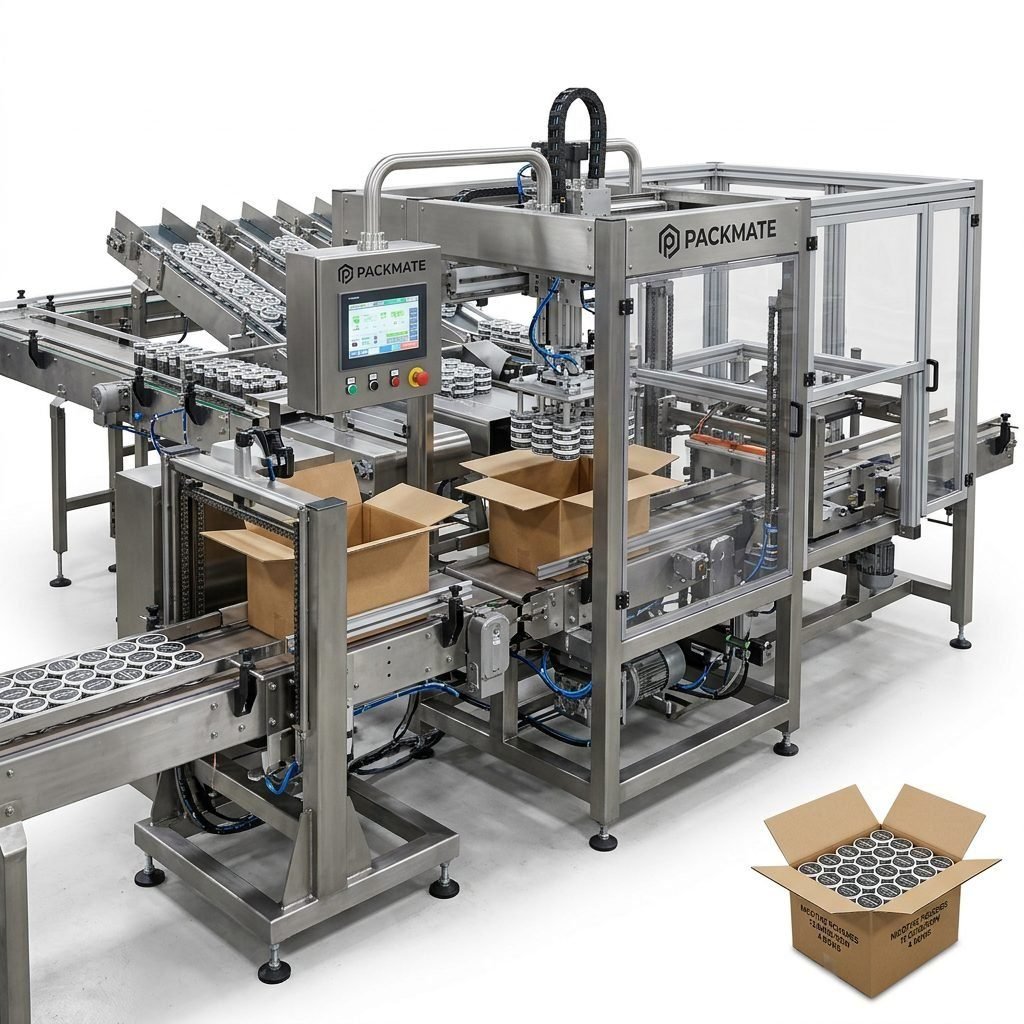
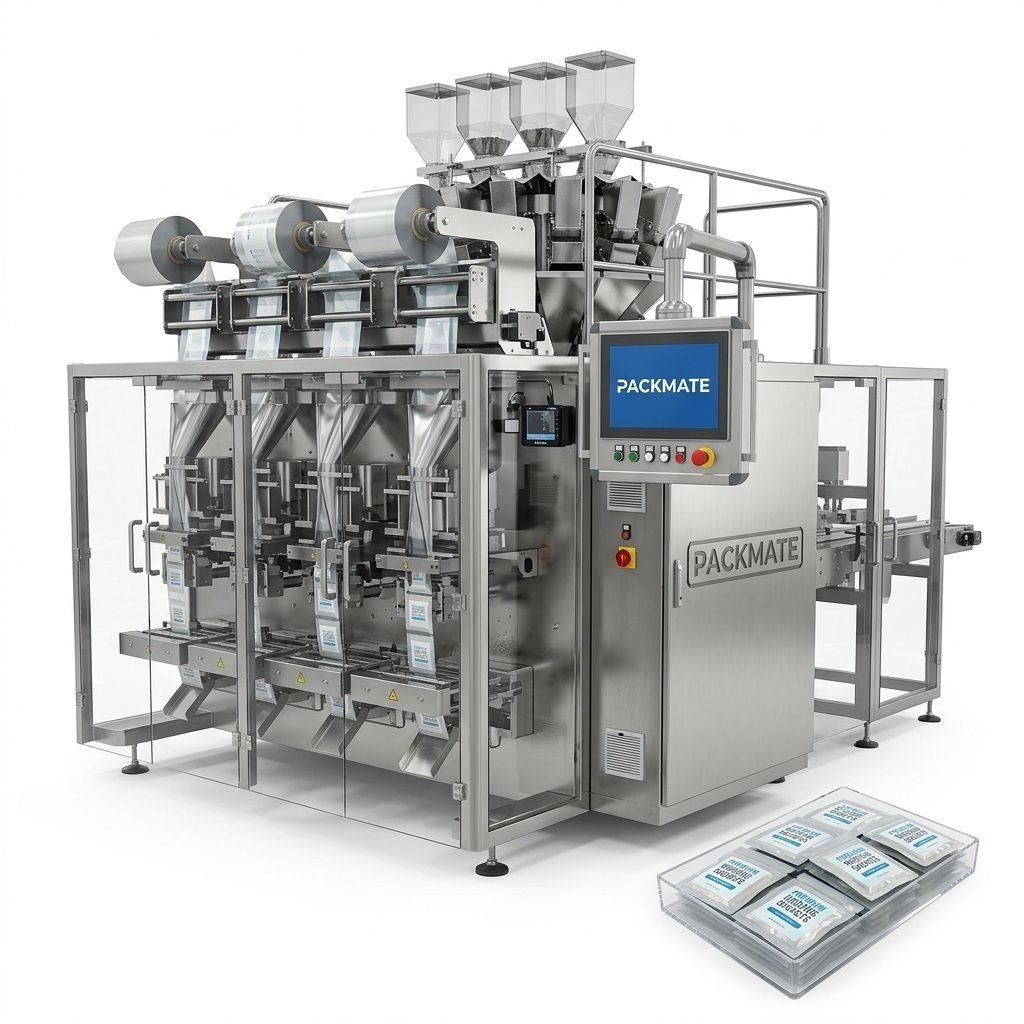
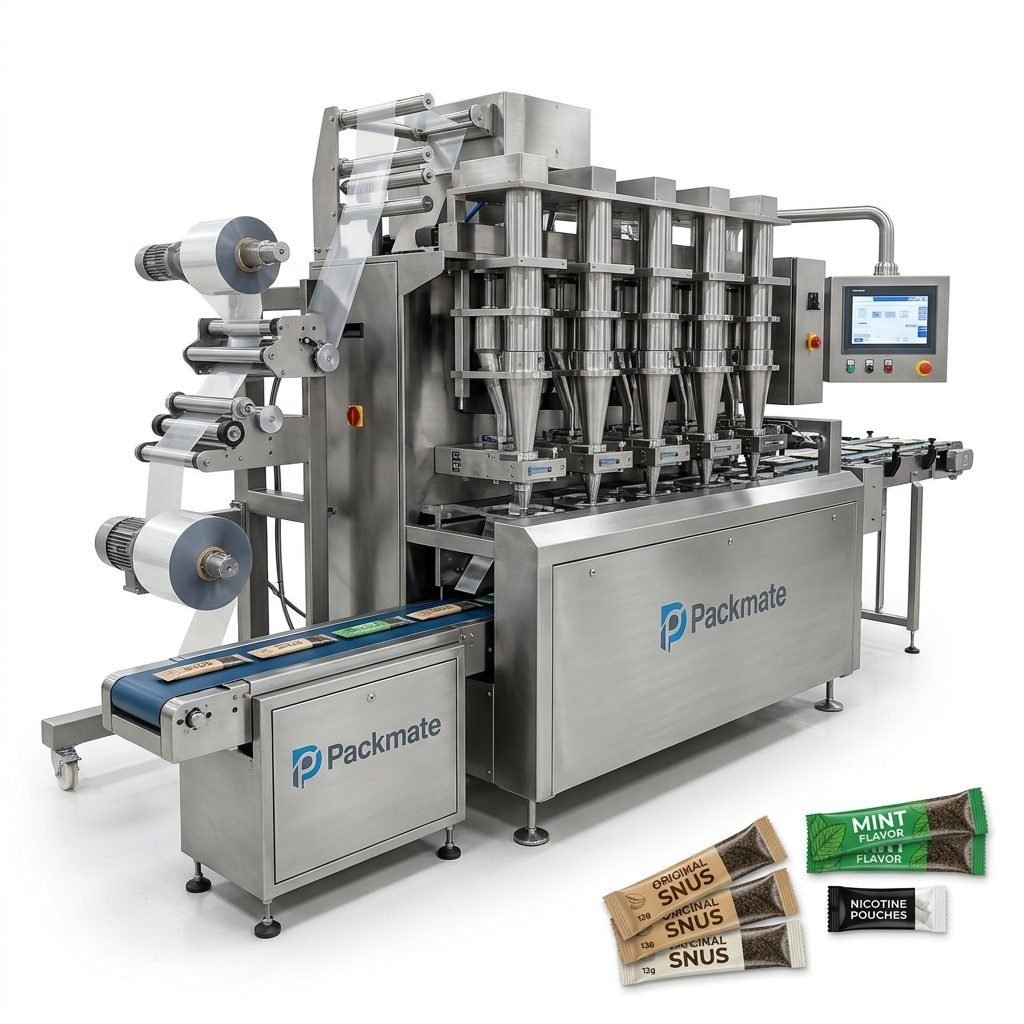
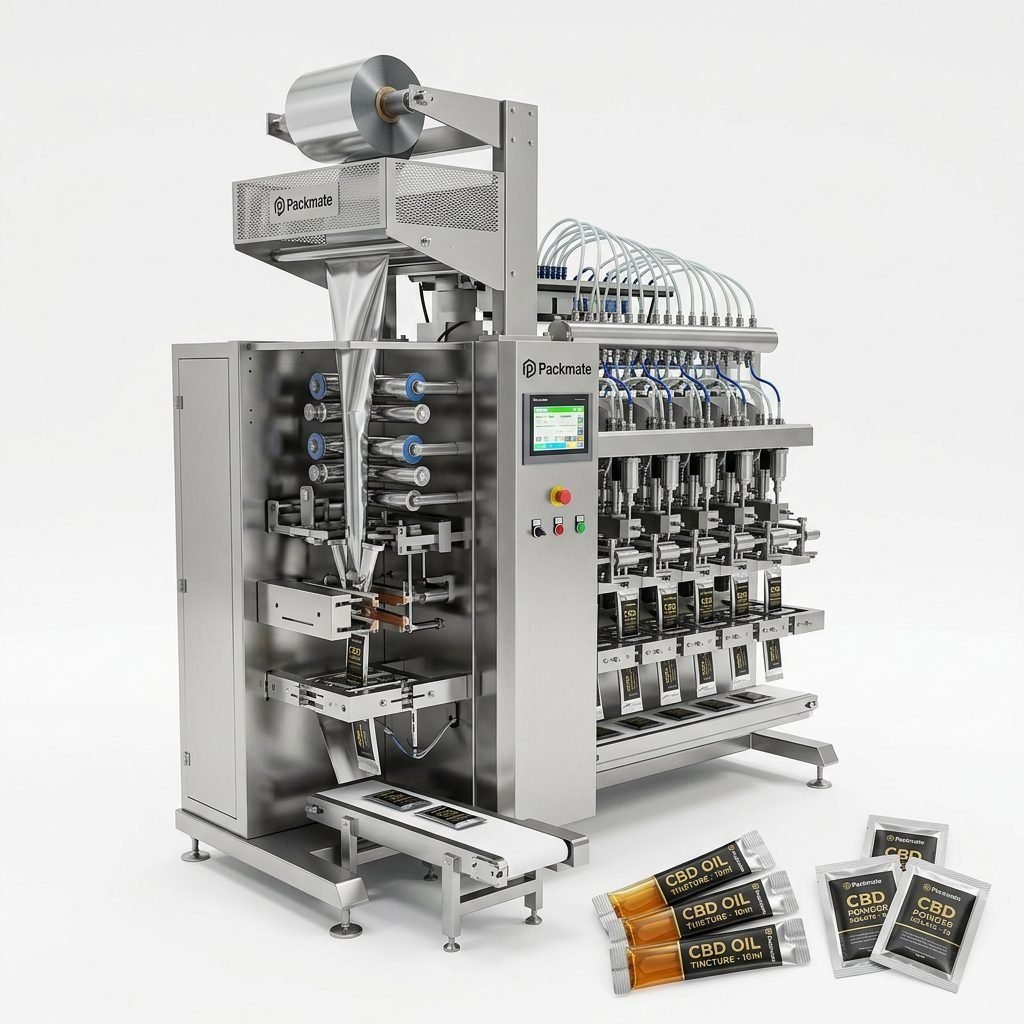
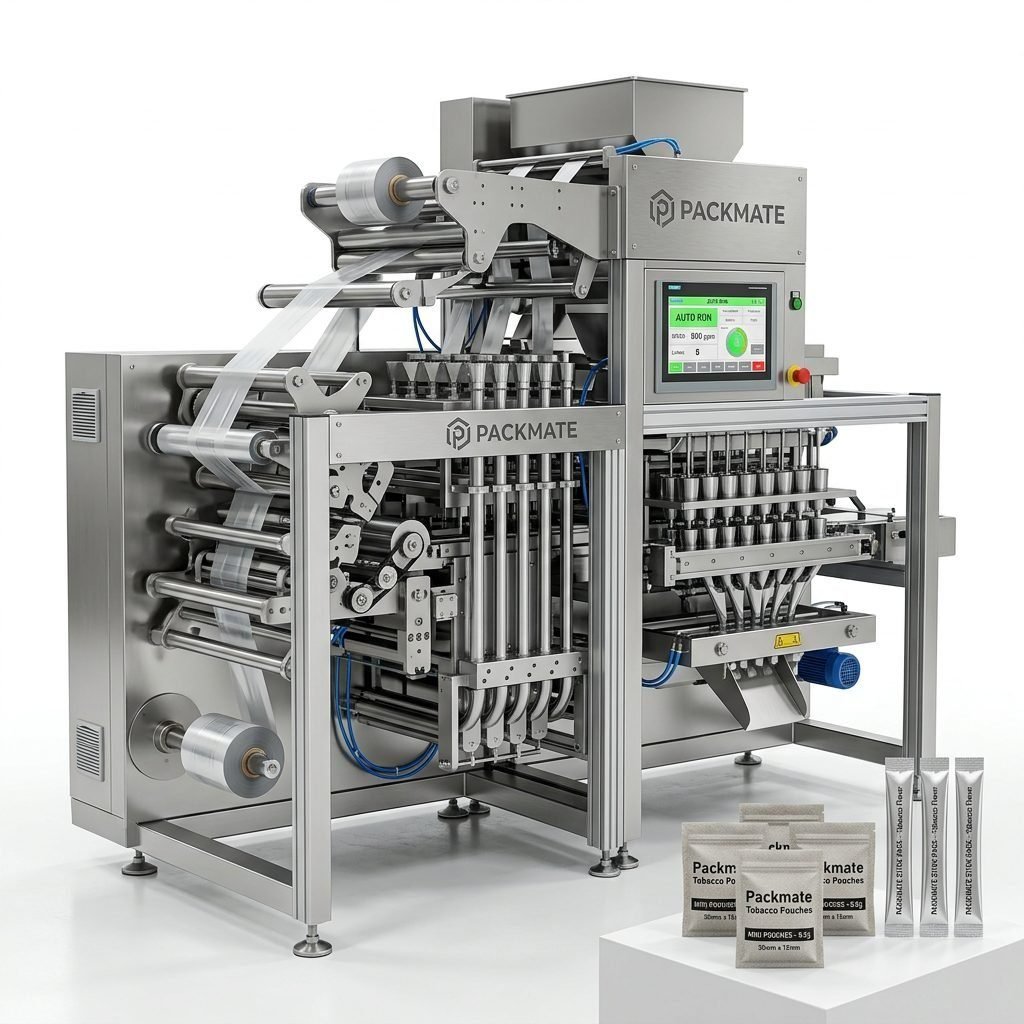
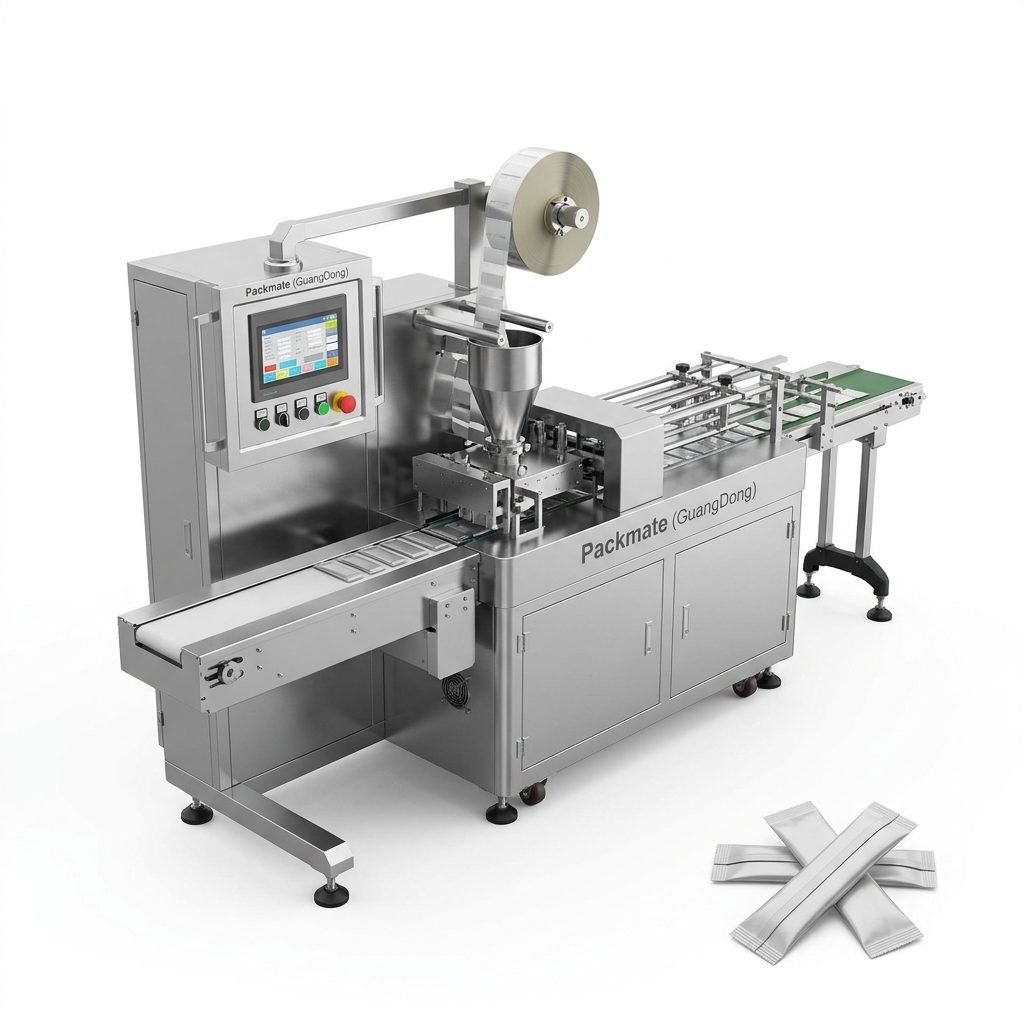
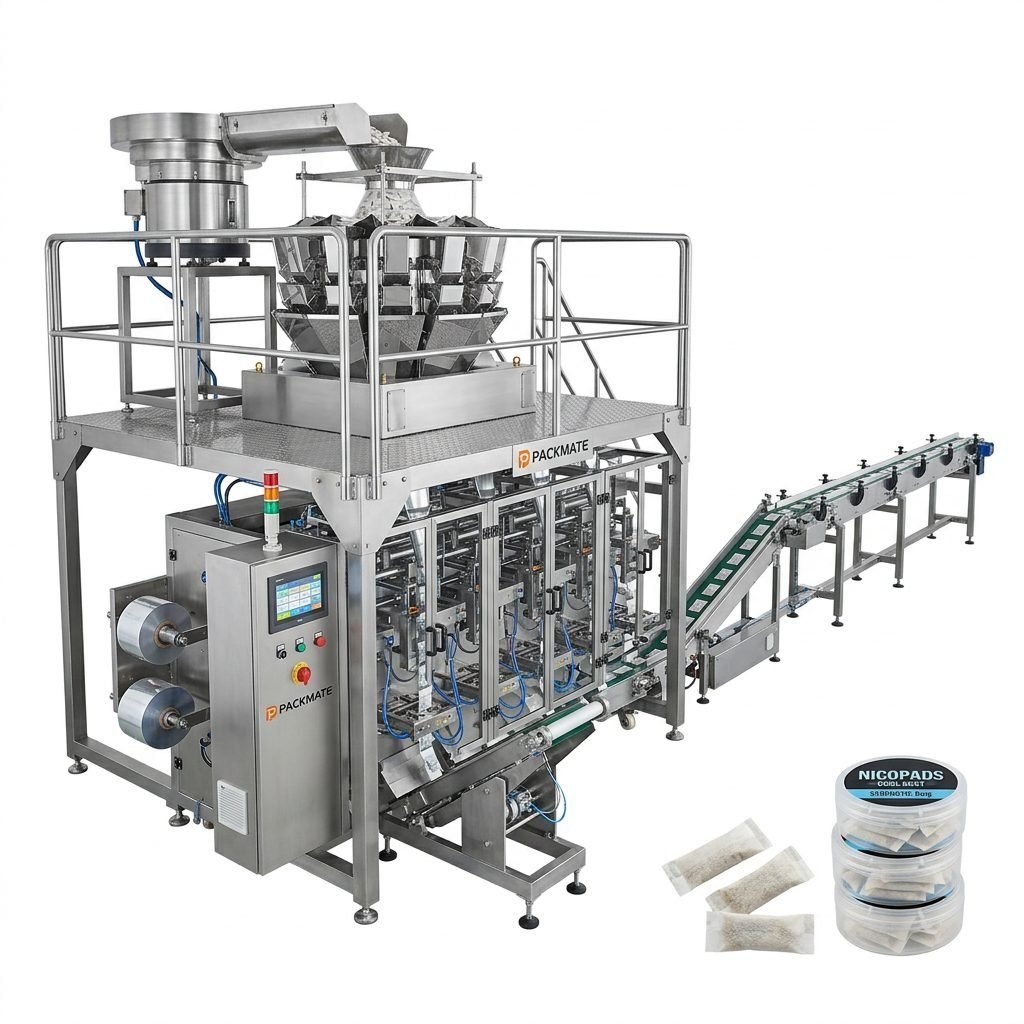
Proper maintenance of snus and nicotine pouch packaging machines is essential to ensure consistent production quality, maximize uptime, and extend equipment life. This guide provides a comprehensive, practical, step‑by‑step maintenance plan, troubleshooting tips, and proven best practices for operators, maintenance technicians, and plant managers working with snus packaging lines.
🔧 Why Regular Maintenance Matters
Packaging machines are precision systems that combine mechanical, pneumatic, electronic, and software components. Without routine attention, small issues such as worn seals, misaligned guides, or dirty sensors can escalate into production stops, product waste, and higher repair costs. A proactive maintenance program lowers risk and ensures machines deliver consistent pouch weight, seal quality, and line speed.
⚠️ Key benefits:
Improved uptime — fewer unplanned stops and faster recovery from faults.
Consistent product quality — accurate fills, reliable seals, and correct pouch formation.
Lower lifecycle cost — timely replacement of wear parts reduces major failures.
🗓️ Daily Inspection and Start‑Up Checklist
Perform a quick but systematic check at the start of every shift to catch issues early. Use a checklist and record results to build a maintenance history.
Visual inspection: Look for loose fasteners, torn belts, or product build-up around forming areas.
Sensors and safety: Check photoeyes and safety interlocks for cleanliness and correct alignment.
Air and vacuum supply: Verify pressure levels, dryer status, and that filters are not saturated.
Test run: Run an empty cycle to ensure conveyors, feed systems, and seal bars operate smoothly.
🛠️ Weekly Maintenance — Step‑by‑Step
Weekly tasks target components that accumulate wear or contamination faster. These steps take longer but are critical to avoid gradual performance degradation.
1. Clean forming and sealing zones
Remove dust, powder, and residue from forming tubes, seal jaws, and cutting knives. Use approved cleaning agents and dry thoroughly to prevent corrosion. Never use compressed air to blow debris into sensors.
2. Inspect belts, chains, and guides
Check belt tension and alignment, chain lubrication, and guide wear. Replace frayed belts and adjust tension to manufacturer recommendations. Misaligned belts cause fluttering and inconsistent pouch fills.
3. Check electrical connectors
Inspect connectors for corrosion, secure fastening, and strain relief. Ensure grounding straps are intact. Loose connections create intermittent faults and sensor errors.
📅 Monthly and Quarterly Preventive Tasks
These scheduled checks and replacements protect critical subsystems: pneumatics, motors, gearboxes, and PLC/servo components.
Lubrication: Re-lubricate bearings, chains, and linear guides per the lubrication schedule. Use manufacturer‑recommended greases.
Vacuum pump service: Replace filters and check oil levels on vacuum pumps that handle pouch forming or product transfer.
Servo and motor checks: Review vibration, unusual noise, and temperature during operation; schedule vibration analysis if anomalies appear.
🧰 Lubrication and Consumables Guide
A clear lubrication plan reduces wear and ensures smooth motion. Keep a log of each lubrication event and the lubricant batch used. For Packmate snus machines, follow the recommended lubricants for food-grade compatibility where product contact risk exists.
Replace consumables such as Teflon seals, cutting knives, seals and belts according to run hours and observed wear. Keep a small stock of high‑wear parts to minimize downtime.
🔎 Cleaning Procedures — Avoiding Contamination
Cleanliness is crucial for nicotine pouch production. Use non-abrasive cloths and compatible cleaning agents. Follow lockout/tagout before cleaning moving parts. For parts in direct product contact, use approved sanitation methods and document each cleaning.
Tip: Clean sensors and lenses with lint-free wipes to prevent false triggers.
Tip: Avoid leaving cleaning solvents inside forming tubes; residues can cause adhesion or off-flavor.
⚡ Electrical, Controls and Pneumatics
Keep the control cabinets dry and free of dust. Check PLC backups and update software only following validated procedures. Pneumatic lines should be leak-tested and fitted with appropriate filtration, regulators, and lubricators.
Document firmware versions for servos and controllers and coordinate software updates with production windows to avoid unexpected behavior.
🩺 Troubleshooting: Common Faults and Fixes
Below are typical problems encountered in snus packaging lines and quick diagnostic steps to resolve them.
Issue: Frequent pouch jams
Check feed timing, web alignment, and knife sharpness. A common cause is incorrect form-fill timing or debris at the cutting station. Realign the web and replace dull knives. Verify that feed belts are free from oil.
Issue: Seal failures or leakers
Inspect seal bar temperature uniformity, pressure, and platen surface condition. Replace worn Teflon covers and verify that film specifications match machine settings. For inconsistent seals, check for contamination on seal jaws.
Issue: Inaccurate fill weights
Calibrate weighers and check dosing systems for wear. Evaluate hopper agitation and feed screw condition. For multi‑lane systems, ensure each lane’s feed path is balanced and free of blockages.
Issue: Sensor errors and false stops
Clean and re‑align photoeyes and proximity sensors. Confirm wiring integrity and eliminate reflective surfaces that may confuse optical sensors. If necessary, adjust sensor sensitivity per the manual.
📦 Spare Parts, Inventory and Progressive Replacement
Maintain a critical spare‑parts list tailored to your production profile. Typical spares include sealing elements, knives, belts, bearings, sensors, vacuum components, and fuses. A minimal onsite inventory reduces downtime; for less frequent parts, source reliable vendors with short lead times.
Recommended items to keep: spare knives, spare seals, a set of belts, vacuum pump filters, and a small toolkit for alignment and adjustments.
👷 Training, Documentation and Service Contracts
Train operators and technicians on routine checks, emergency stops, and basic troubleshooting. Keep an up‑to‑date maintenance manual and log all service events. Consider a service contract for annual inspections and rapid on‑site support to maximize ROI.
🔗 Helpful resources
For spare parts, model specifications, and tailored solutions explore product pages and service information:
Snus & Nicotine Packaging Machines,
Sachet & Stick Pack Machines, and
Service.
✅ Best Practices for Long‑Term Reliability
Adopt a maintenance culture rather than a reactive approach. Schedule routine intervals, use proper tools, and empower operators to report early signs of failure. Log all interventions and analyze downtime patterns to create an improvement plan.
Audit: Conduct quarterly audits of maintenance logs to identify recurring issues.
Standardization: Standardize parts and consumables across lines to minimize inventory complexity.
Continuous training: Refresh operator skills after each major change to process or tooling.
🔁 When to Contact Manufacturer Support
Contact Packmate or your OEM when encountering persistent electrical faults, unusual vibration or noise from gearboxes and motors, or when a software update or replacement module is required. For global customers, use the manufacturer’s contact channel to request certified parts and certified service personnel.
For direct assistance, parts inquiries or to arrange factory support, visit the Contact Us page.
📝 Final Checklist Before Shift End
At shift end, perform a short checklist to preserve machine condition: clean product paths, top up lubricants if scheduled, record any abnormalities, and secure the machine per lockout procedures. This small discipline saves hours of troubleshooting the next day.
❓Frequently Asked Questions
Q1: How often should sealing jaws be replaced?
A: Replace jaws when you observe incomplete seals, visible wear marks, or after the manufacturer’s recommended hours. Keep spare jaws on hand for high‑speed lines.
Q2: Can operators perform electrical troubleshooting?
A: Basic checks such as verifying fuses and connectors can be done, but in-depth electrical diagnostics should be performed by qualified technicians to comply with safety standards.
Q3: What is the most common cause of fill weight variation?
A: Worn dosing screws, inconsistent hopper feeding, or incorrect agitation settings are typical causes. Start by inspecting the dosing element and hopper flow.
Q4: How should I manage spare parts inventory?
A: Maintain a core list of fast‑moving spares and track usage rates. Use historical downtime data to adjust reorder points.
Q5: Where can I find official documentation and parts for Packmate machines?
A: Official manuals, certifications, and case studies are available on the manufacturer’s site; refer to the About Packmate and Case pages for more details.
Implementing a disciplined maintenance program—daily checks, weekly servicing, monthly preventive work, and good spare parts planning—delivers measurable improvements in uptime and product quality for snus and nicotine pouch packaging lines.