Choosing the right supplier for nicotine pouch and snus packaging machinery in Nicaragua requires more than a price comparison. Local market dynamics, import regulations, production environment, and after-sales support are all critical factors. This guide walks you through practical steps and industry insights to help you select a supplier who will deliver reliable machines, compliant solutions, and long-term value for your business in Nicaragua.
Understand Nicaragua’s Market and Regulatory Context
Nicaragua is a Spanish-speaking country with specific customs and norms affecting product distribution and manufacturing. When sourcing nicotine packaging machines, consider local rules on nicotine products, labeling requirements, and age-restriction compliance. Many importers and manufacturers in Nicaragua work closely with legal consultants to ensure shipments and machine usage comply with national health and customs regulations.
Practical tip: work with suppliers who understand Latin American markets and can assist with documentation for customs clearance and regulatory compliance. Suppliers with global export experience often provide tailored guidance for countries such as Nicaragua.
Assess the Supplier’s Industry Experience and Specialization
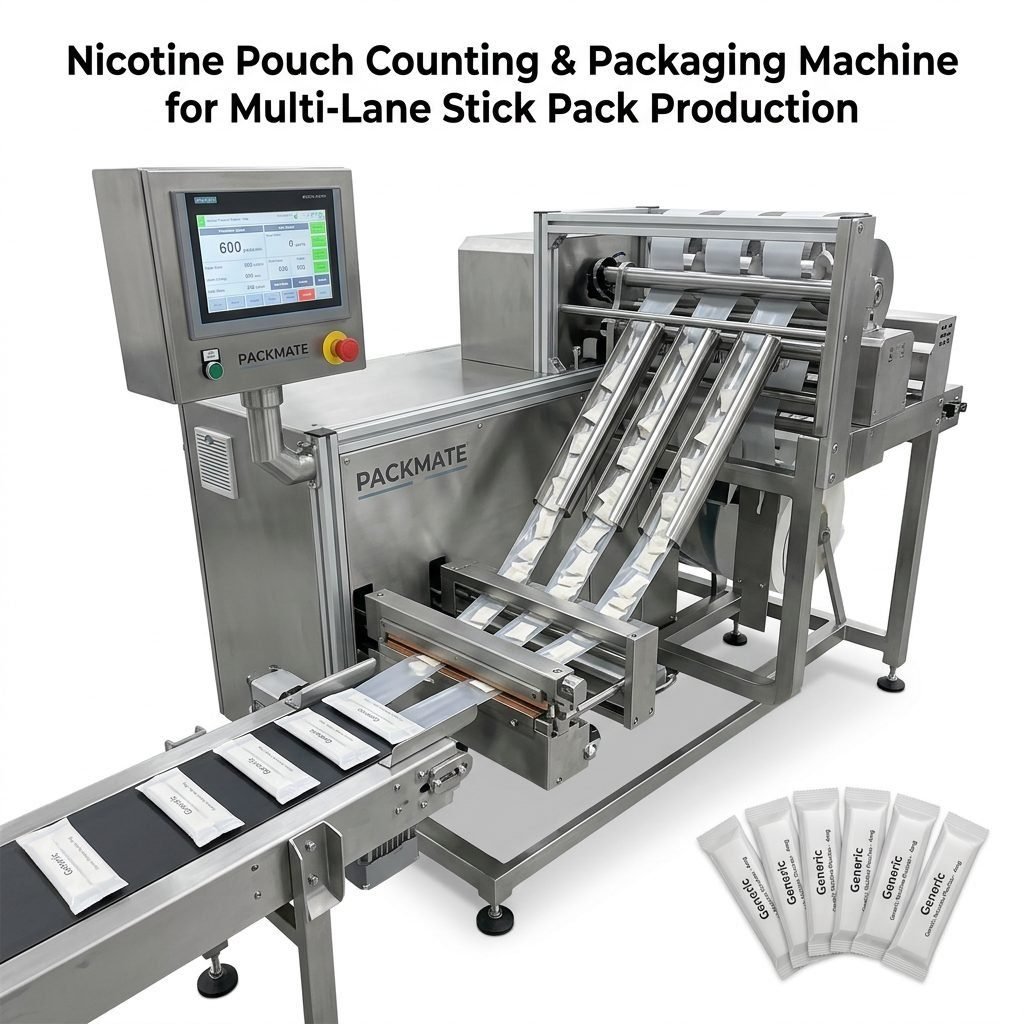
Not all packaging machine manufacturers are equal. For nicotine pouches and snus, you need equipment engineered for small-dose, high-precision filling, multi-lane production, and delicate pouch handling. Select a supplier with demonstrable experience in snus or nicotine pouch systems rather than a generalist.
Look for evidence such as case studies, decades of engineering experience, and a range of product models tailored to powder, granule, and pouch formats. For example, suppliers that offer dedicated lines for snus and multi-lane packaging deliver better uptime and lower waste.
Verify Manufacturing Capability and Quality Control
A strong factory footprint and robust machining capability are important indicators of consistent product quality. Verify the supplier’s factory size, CNC capabilities, and precision assembly lines. Suppliers that document comprehensive quality testing and adhere to international standards are preferable.
Key indicators: factory area, CNC centers, precision assembly, and ISO/CE certifications. These factors reduce risk and ensure machines meet performance standards.
Evaluate Machine Models and Customization Options
Your production goals — batch sizes, lane counts, pouch types, and product consistency — dictate which model is right. Suppliers that offer multiple models (from single-lane to high-speed multi-lane systems) and turnkey solutions will better adapt to your growth.
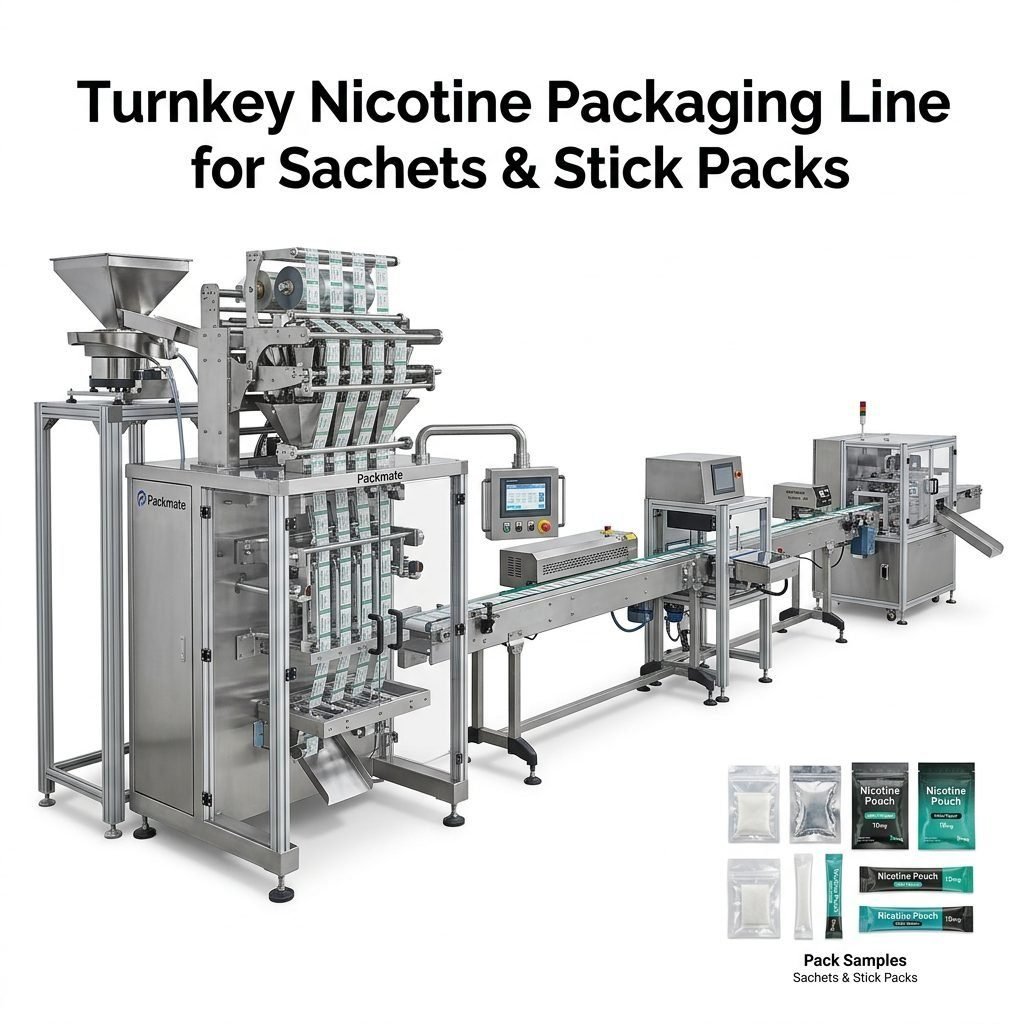
Consider whether the supplier can provide custom tooling, dosing systems for micro-quantities, and integration with auxiliary equipment (weighing, filling, sealing). If you plan to diversify into other formats (stick packs, sachets, or pouch bags), choose a partner with broad capabilities.
Recommended product categories to review:
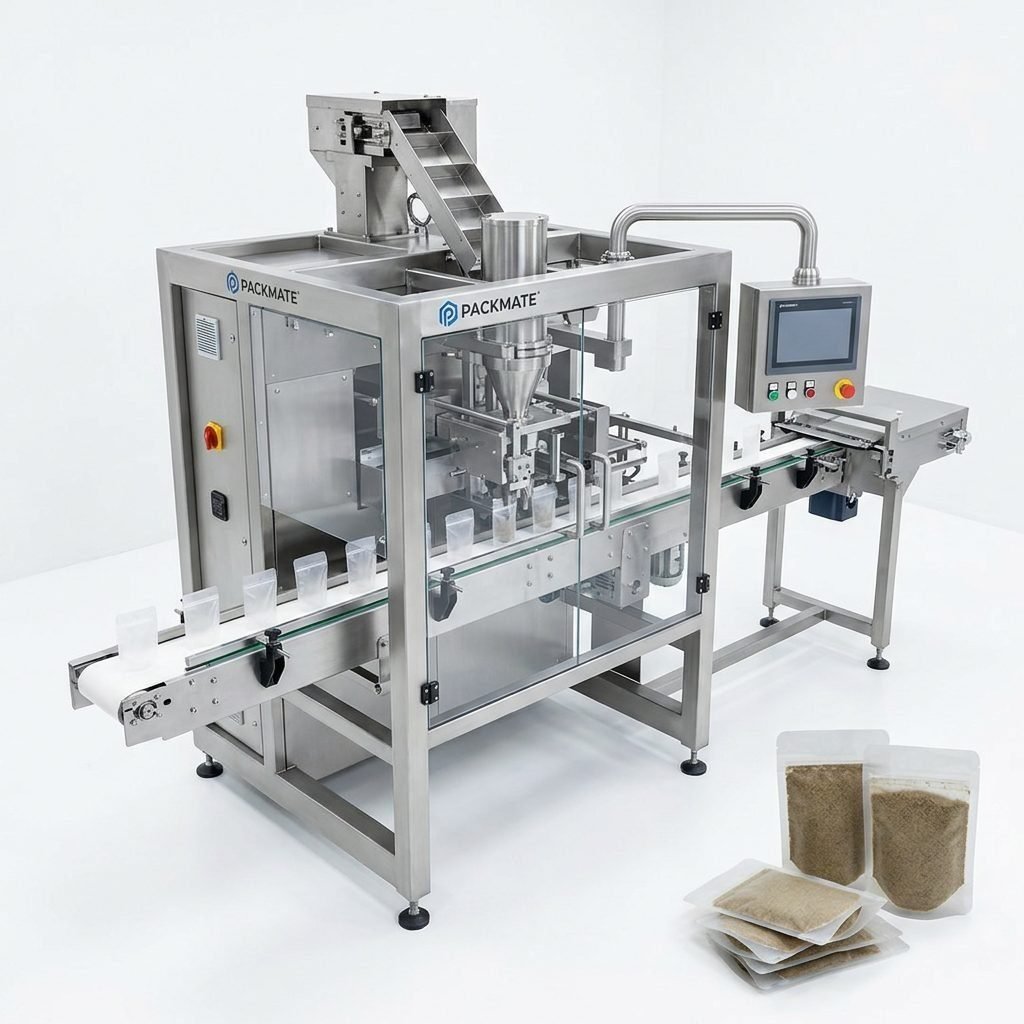
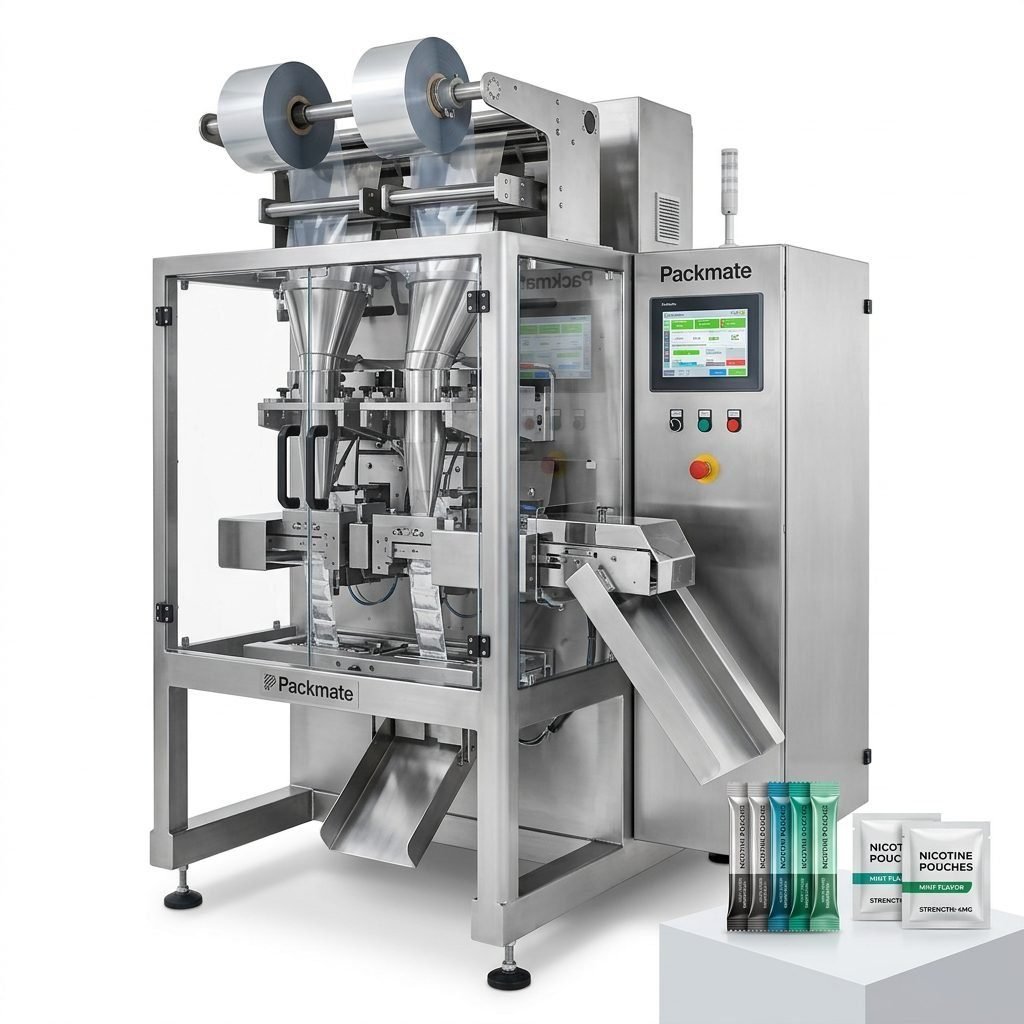
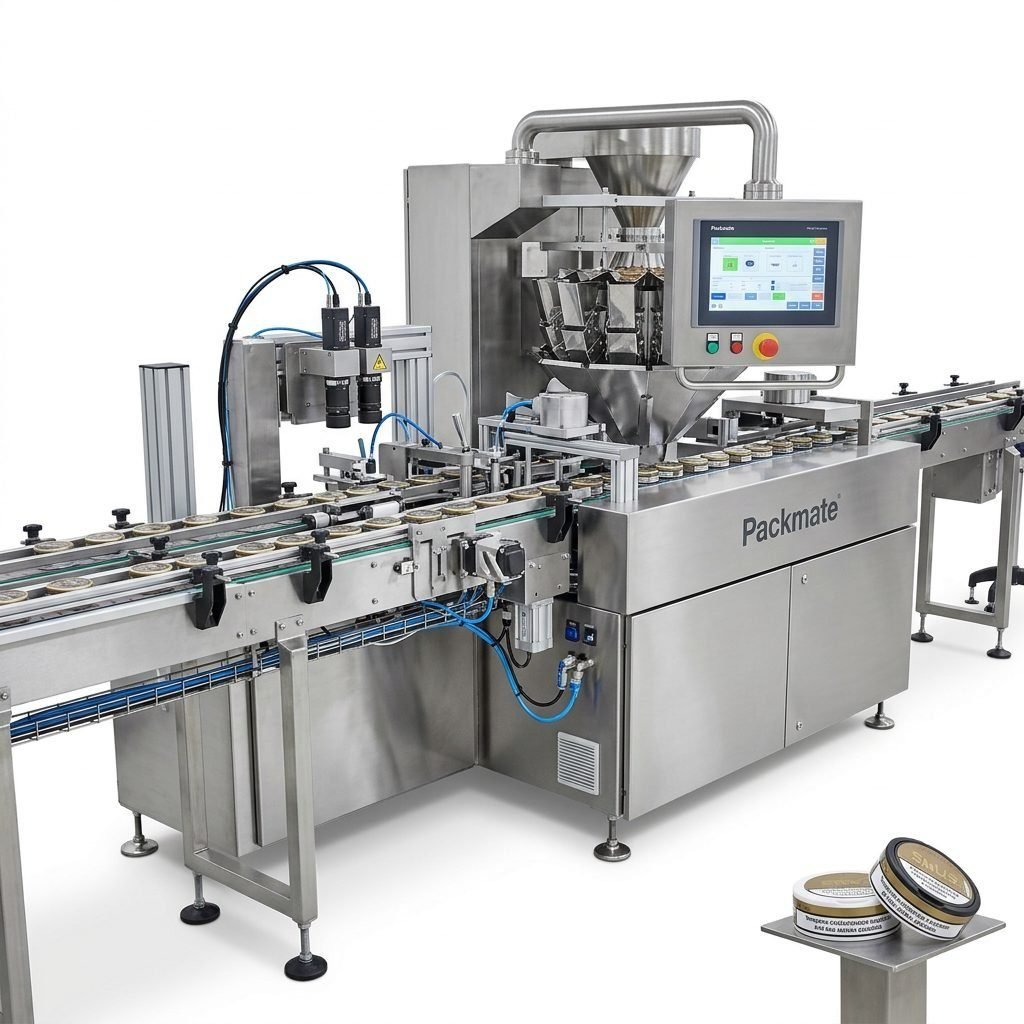
– Snus & Nicotine Packaging Machines (product page)
– Bag & Pouch Packaging Machines (product page)
– Sachet & Stick Pack Machines (product page)
Check Certifications and Compliance Records
Certifications such as CE and ISO reflect that manufacturing and safety processes align with international norms. For operators in Nicaragua, having certified equipment simplifies approval processes and helps maintain workplace safety standards.
Ask for copies of certificates and test reports, and confirm whether the supplier performs factory acceptance tests (FAT) prior to shipment.
Assess After-Sales Support and Spare Parts Availability
A machine is only as good as the support network behind it. In Nicaragua, prompt access to spare parts, remote diagnostics, and on-site technical service are vital — especially when machines run 24/7.
Ask your supplier about: local or regional spare parts inventory, mean time to repair (MTTR), remote support tools, and training programs for operators and maintenance staff.
Consider Logistics, Installation and Site Preparation
Shipping heavy machinery to Nicaragua often involves port handling, inland transport, and customs clearance. A supplier that coordinates logistics, provides packing lists, and offers installation supervision reduces delays. Evaluate whether the supplier provides:
– Pre-shipment testing and FAT videos
– Installation supervision or certified technicians for on-site commissioning
– Training materials in Spanish or bilingual manuals for local teams
Testimonial and Case Evidence
Request customer references and case studies that show long-term performance in similar climates and product types. Evidence of successful deployments across Central and South America or similar markets is a strong indicator of reliability.
To learn more about real-world deployments, review supplier case pages and exhibition records for live demos and user feedback: Case (case studies), Our Exhibition (events).
Evaluate Total Cost of Ownership, Not Just Purchase Price
The upfront machine cost may be only a portion of long-term expenses. Consider energy consumption, maintenance intervals, spare parts cost, and production yield. A slightly higher initial investment in well-engineered equipment often reduces downtime and waste, lowering the overall cost of ownership.
Language and Cultural Fit: Spanish Support Matters
In Nicaragua, business is typically conducted in Spanish. A supplier capable of providing Spanish-speaking engineers, bilingual documentation, and training makes commissioning and daily operations smoother. Cultural sensitivity to business practices and local holidays will also improve planning and coordination.
Warranty, Payment Terms, and Contractual Safeguards
Ensure that warranties are clearly defined, including coverage for spare parts and technical service response times. Negotiate payment terms that balance risk — consider letters of credit, milestone payments, and documented acceptance testing before final payment.
Technical Compatibility and Future-Proofing
Confirm that control systems, PLCs, and communication protocols used in the machines are internationally supported and can be integrated with your plant systems. Also, assess modularity for future capacity upgrades and the ability to handle new pouch formats or formulations.
Supplier traits that reduce risk: proven multi-lane systems, spare part guarantees, on-site commissioning, and bilingual technical resources.
How to Shortlist and Make the Final Decision
1. Create a requirements checklist: capacity, pouch type, production speed, environmental conditions (humidity, dust), and compliance needs.
2. Screen suppliers for relevant experience and certifications.
3. Request machine videos, FAT reports, and references from clients in similar markets.
4. Evaluate after-sales service offerings and logistics support.
5. Negotiate commercial terms and include service-level agreements in the contract.
Supplier example to consider
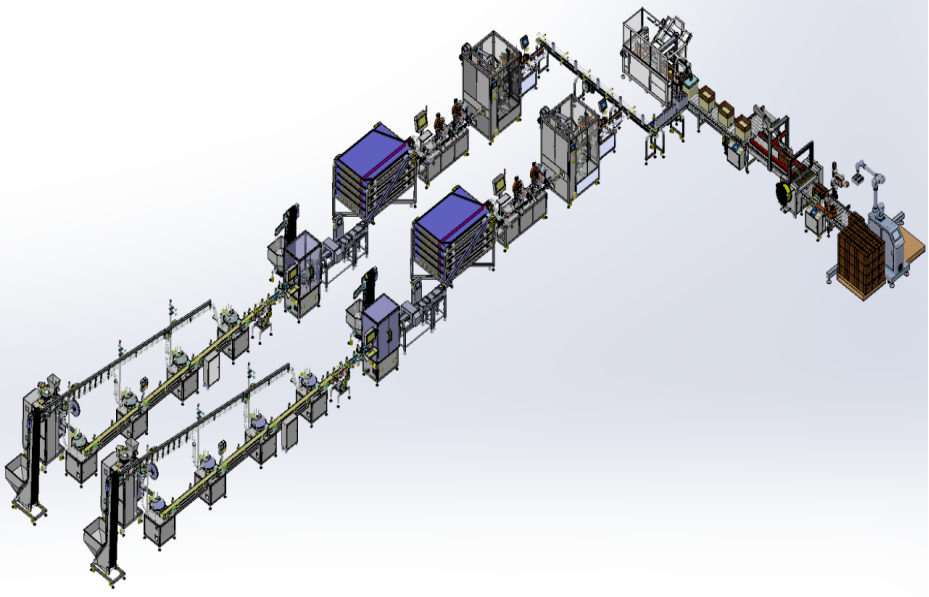
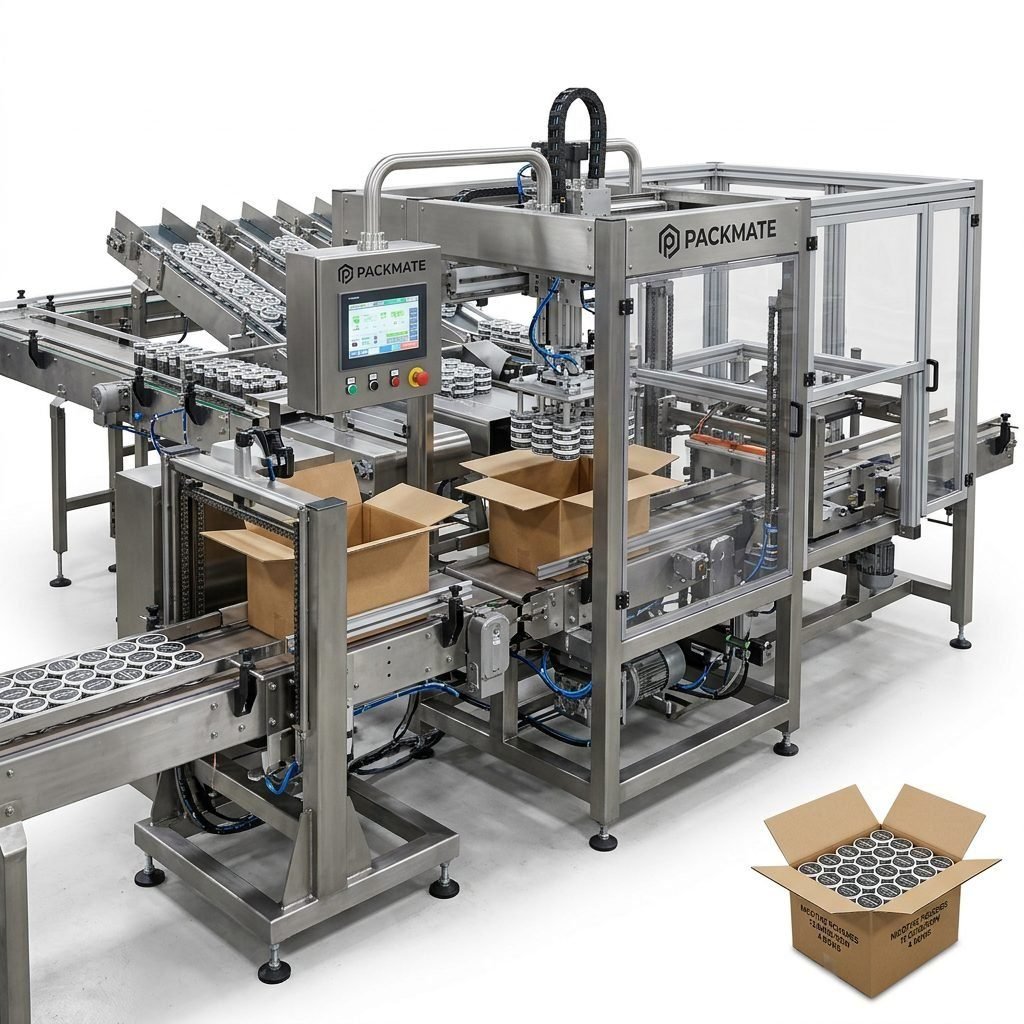
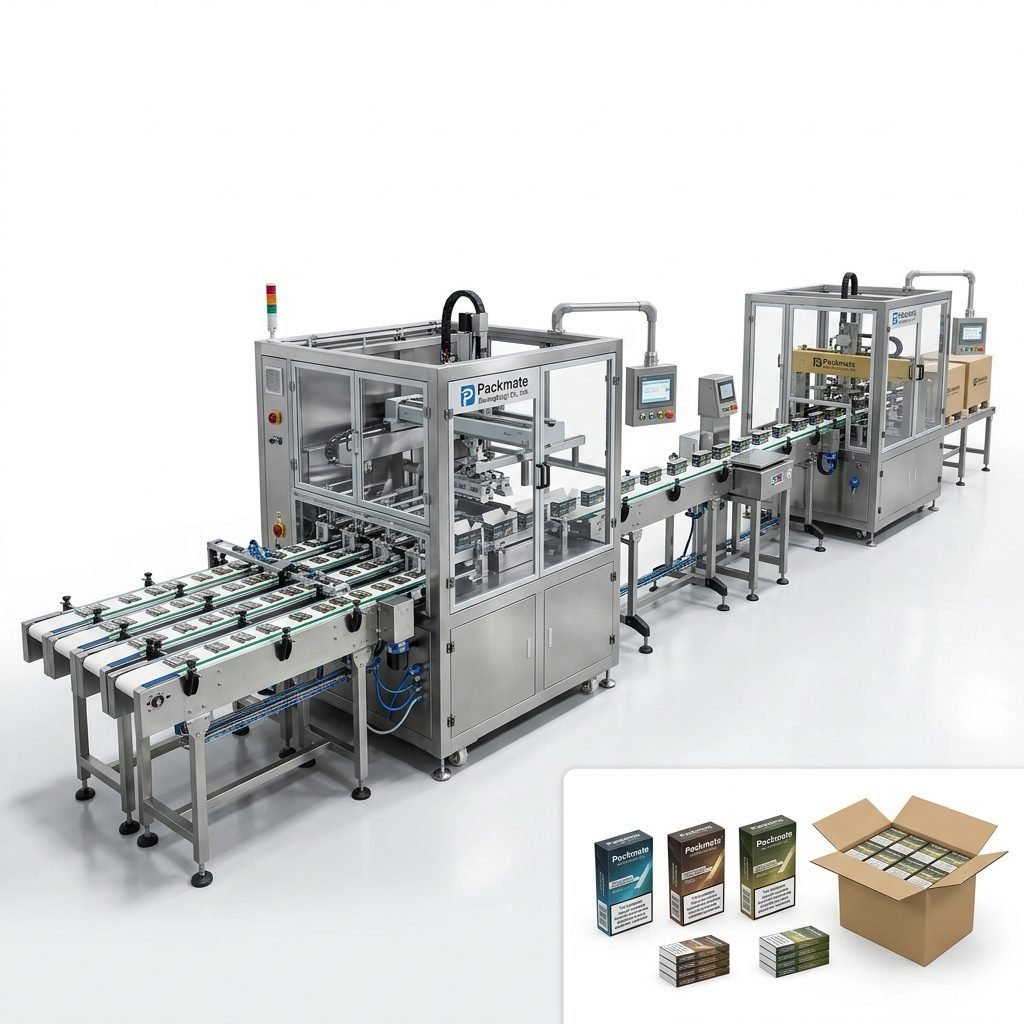
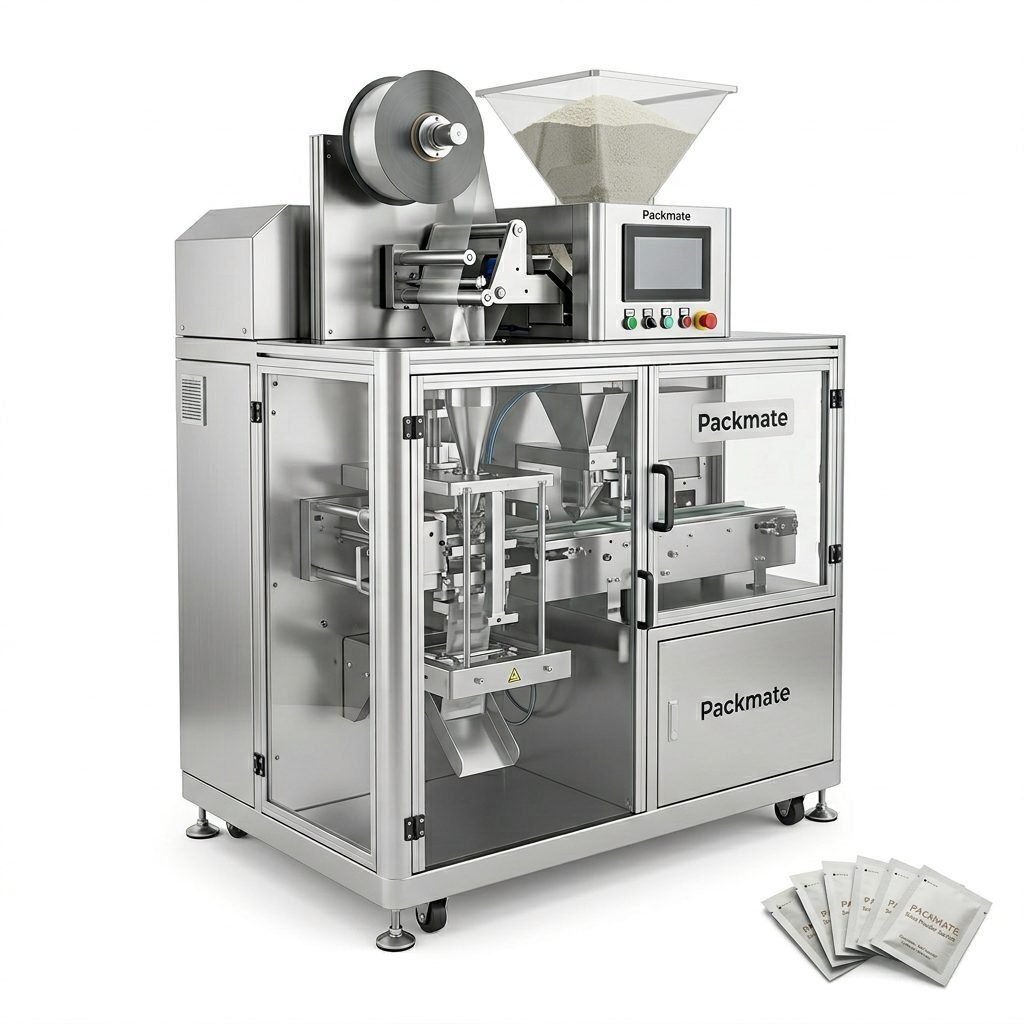
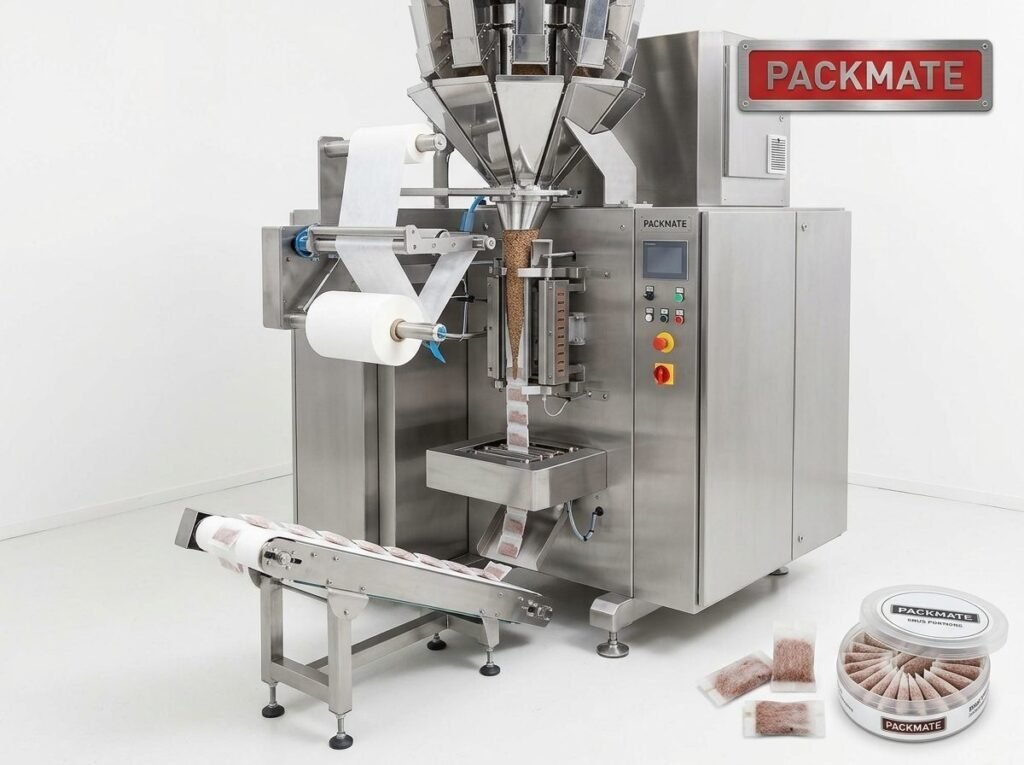
Packmate Snus Machine is a manufacturer with decades of R&D and over 50 machine models including snus & nicotine packaging systems, stick pack and sachet machines, and full filling & weighing lines. Explore their product range and capabilities to see if they match your requirements: Filling & Packaging Lines (link), Weighing & Packaging Systems (link).
Practical On-site Considerations in Nicaragua
Nicaragua’s climate can be hot and humid in many regions; ensure machines have corrosion-resistant components and proper climate control in packaging rooms. Electricity stability may vary — discuss power conditioning solutions with suppliers to avoid downtime from voltage fluctuation.
Distribution channels in Nicaragua often include regional warehouses and smaller retail outlets. Packaging aesthetics, labeling in Spanish, and product durability for local supply chains should be part of the supplier conversation.
Negotiation Pointers
Negotiate clear acceptance criteria, training responsibilities, warranty terms, and spare parts lead times. Ask for a dedicated project manager, an implementation timeline, and a breakdown of costs for optional extras (automation upgrades, additional tooling).
Where to Find More Information and Support
Visit supplier resource pages to gather catalogs, service descriptions, and FAQs. For a deeper view of a vendor’s background, check About pages and certificates: About Packmate (company info), Certificate (certificates), and Service (service offerings).
Final Checklist Before You Buy
– Confirm machine specification matches your production requirements and future expansion plans.
– Verify certifications and factory testing documentation.
– Ensure clear warranty, spare parts availability, and support SLA.
– Arrange for Spanish-language manuals and training if needed.
– Plan logistics, customs, and site preparation well in advance.
Bottom line: prioritize experienced suppliers with specific snus/nicotine packaging expertise, strong factory capabilities, international certifications, and reliable after-sales support to succeed in Nicaragua’s market.
Common Questions
Q1: How long does it typically take to receive and install a snus packaging line in Nicaragua?
A: Delivery and installation timelines vary by machine complexity, customization, and logistics. Plan for several weeks for standard models and up to a few months for highly customized turnkey lines. Always include FAT and shipping time in your schedule.
Q2: Are Spanish manuals and training commonly available?
A: Reputable suppliers often provide bilingual manuals and can offer Spanish-speaking technicians for commissioning and training — request this explicitly in the contract.
Q3: What certifications should I request for equipment used with nicotine products?
A: Common certifications include CE and ISO for manufacturing and safety. Additionally, request electrical and material compliance documentation to meet local regulatory requirements.
Q4: How can I ensure spare parts are available quickly in Nicaragua?
A: Negotiate parts stocking agreements, ask about regional distributors, and request a spare parts kit to be shipped with the machine for initial operations.
Q5: What is the best way to validate machine performance before final payment?
A: Use formal Factory Acceptance Testing (FAT), video evidence, and on-site commissioning acceptance criteria. Make final payments contingent on meeting documented performance targets.