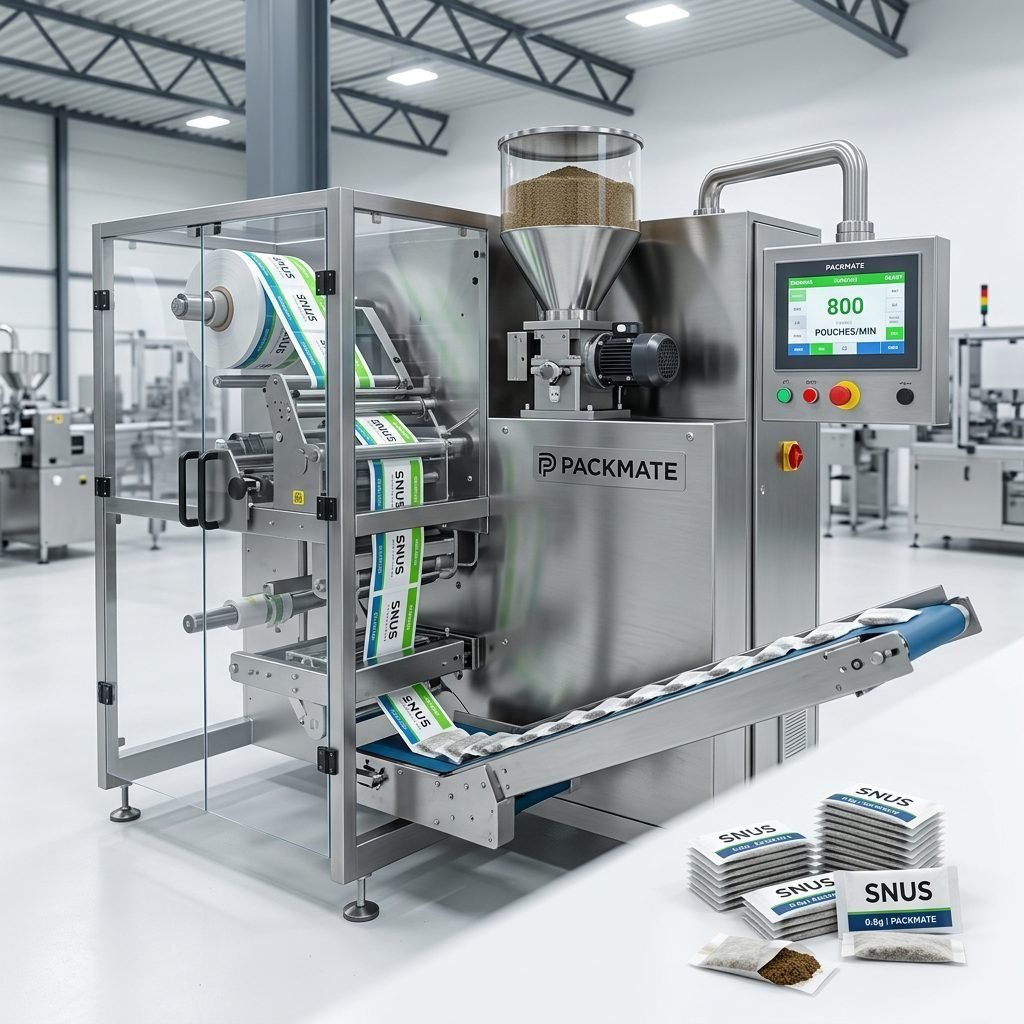
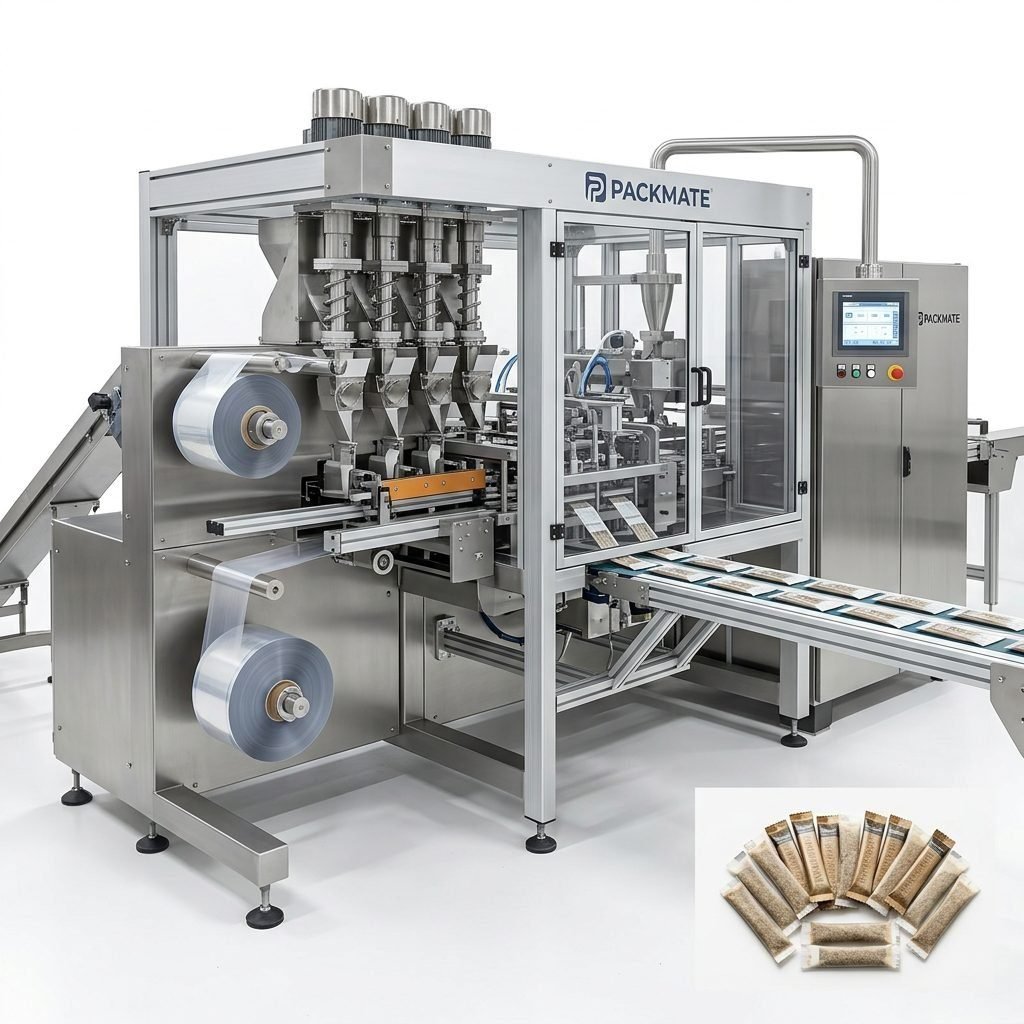
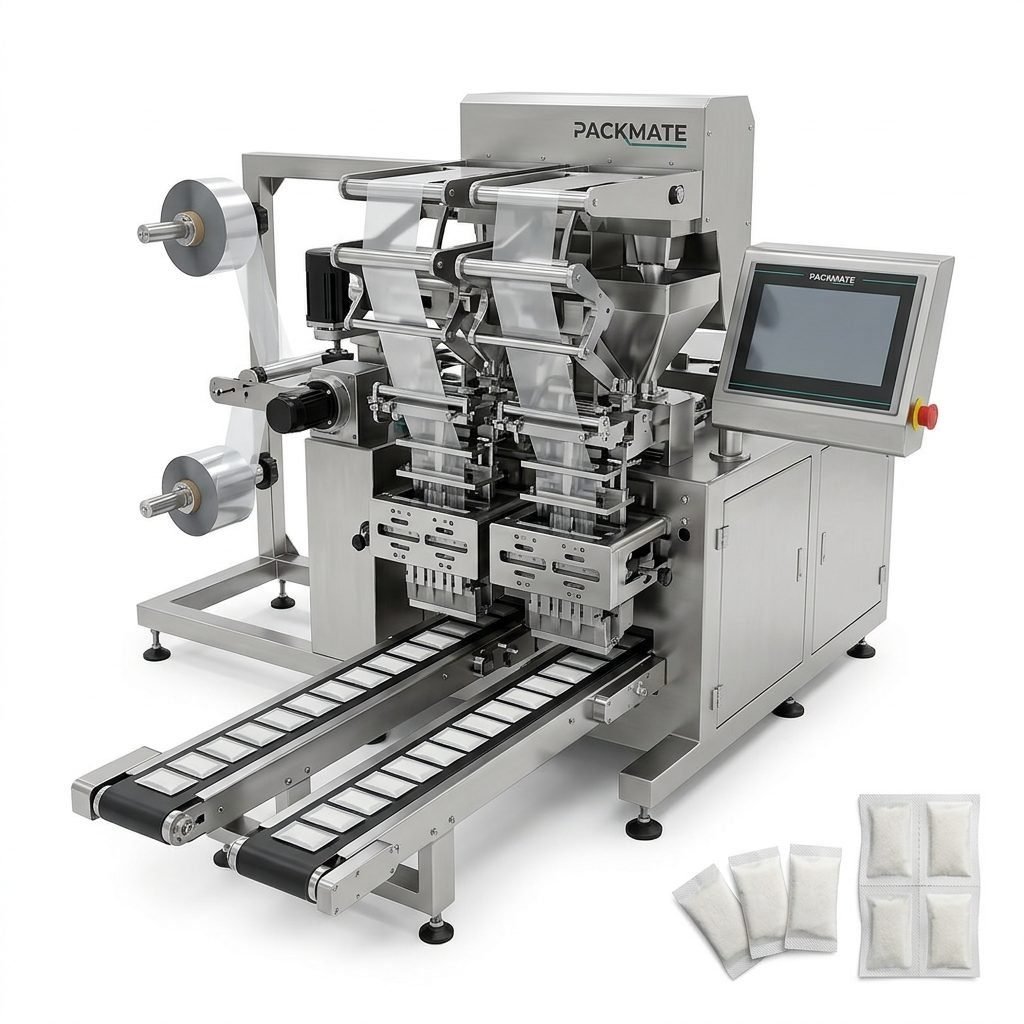
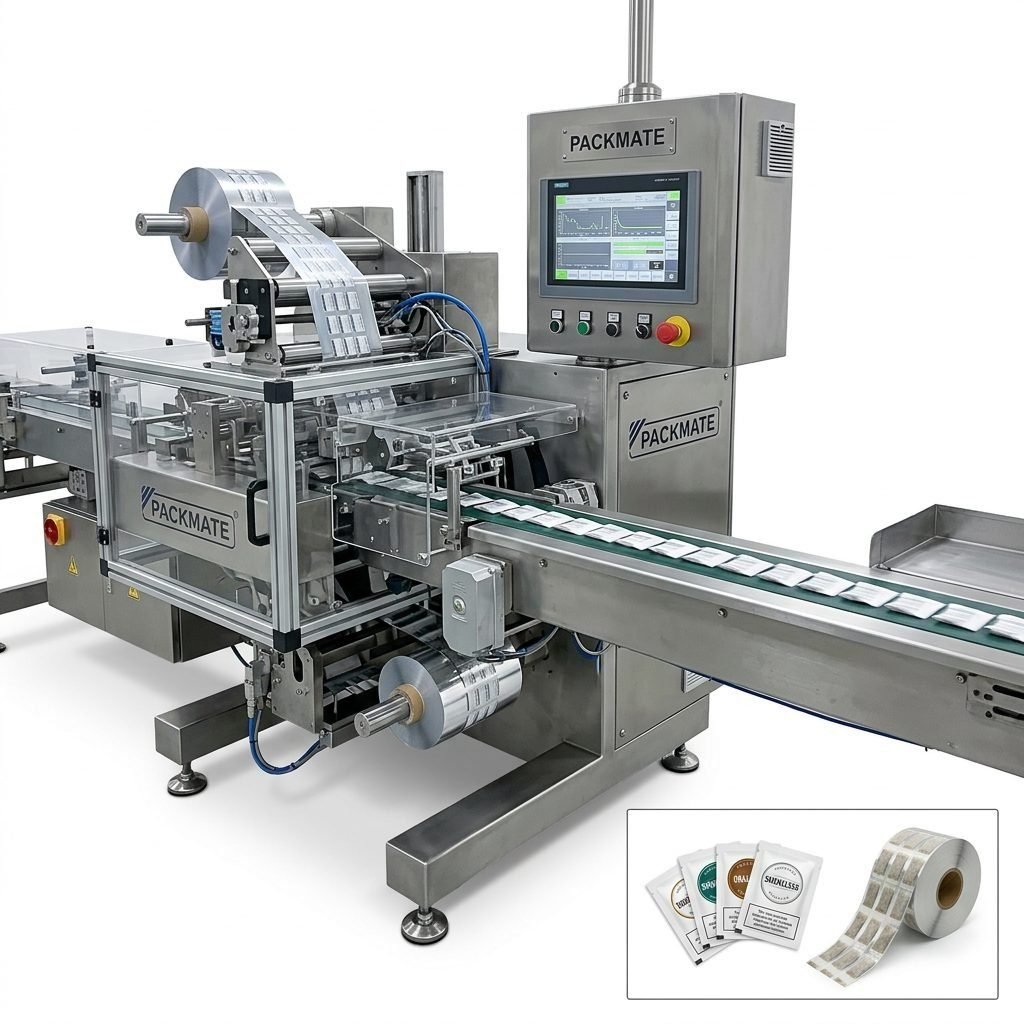
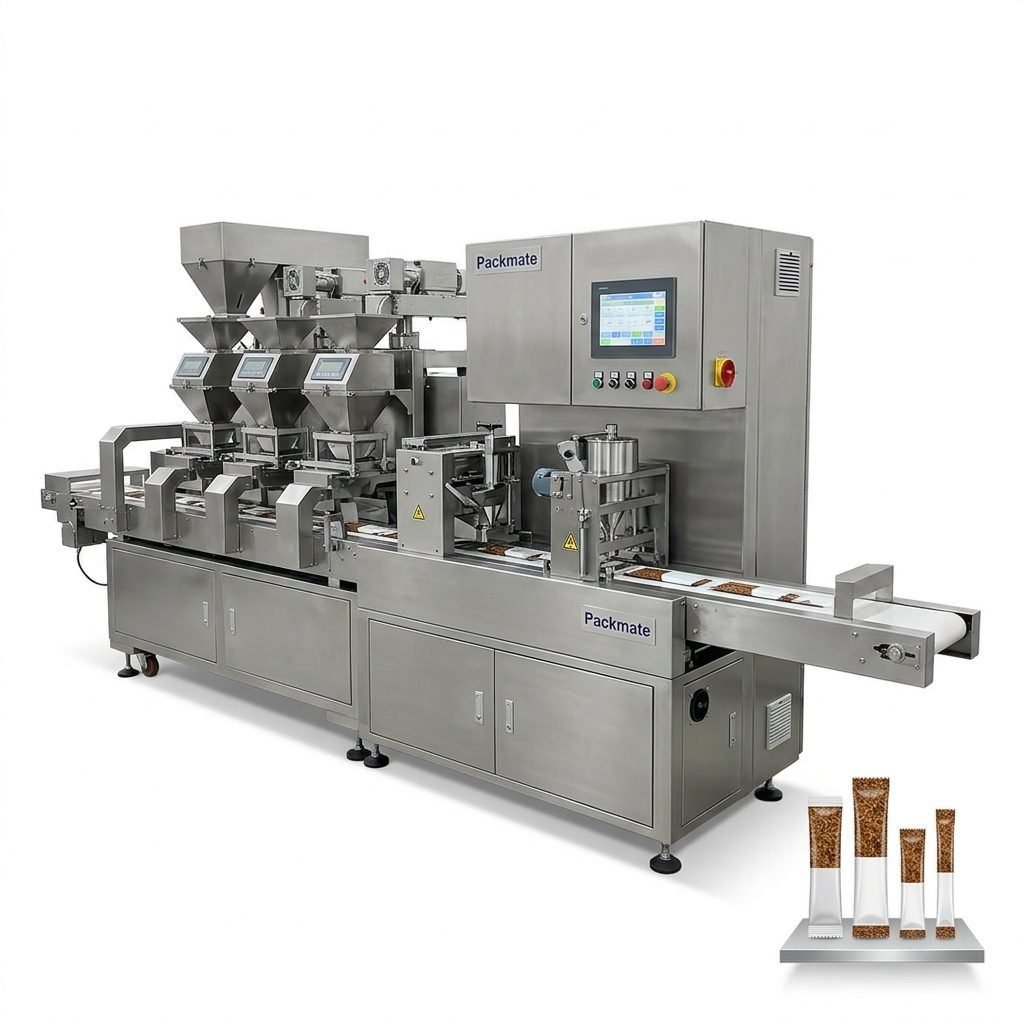
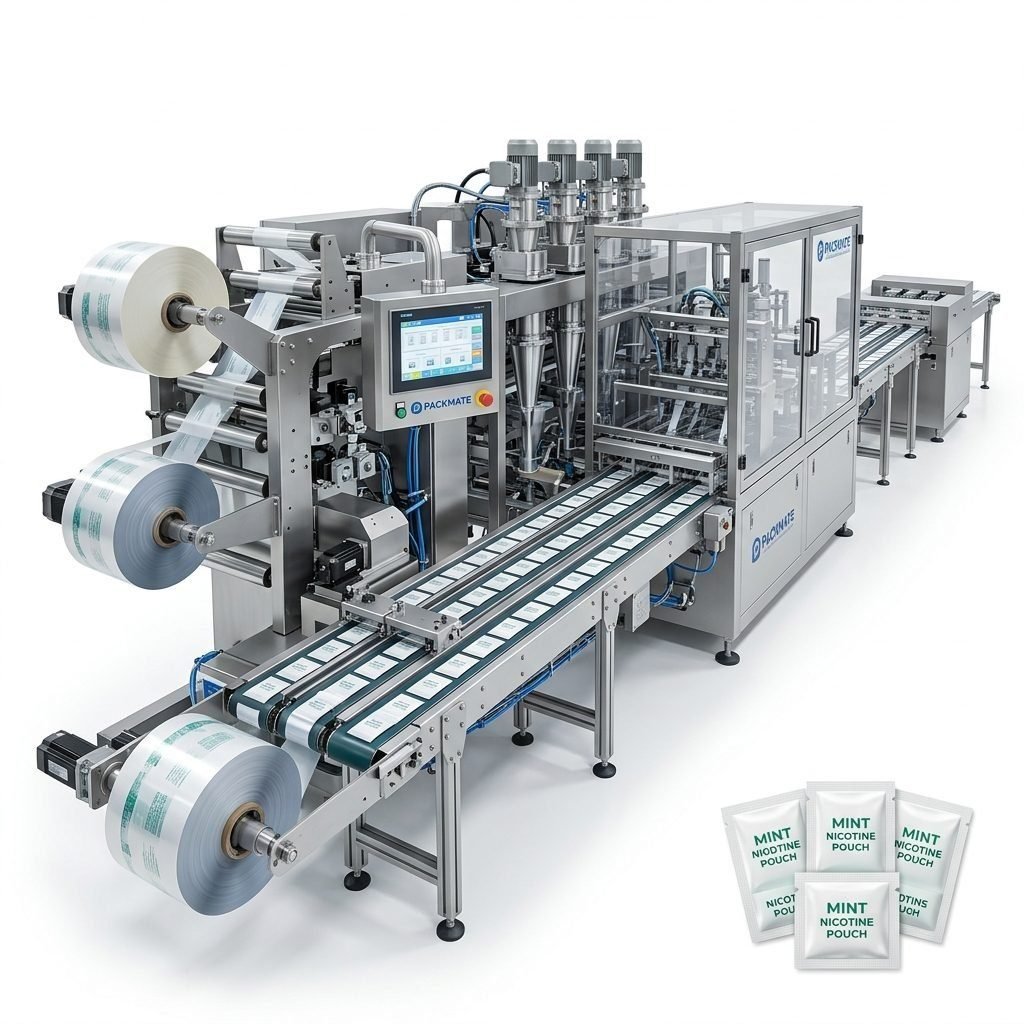
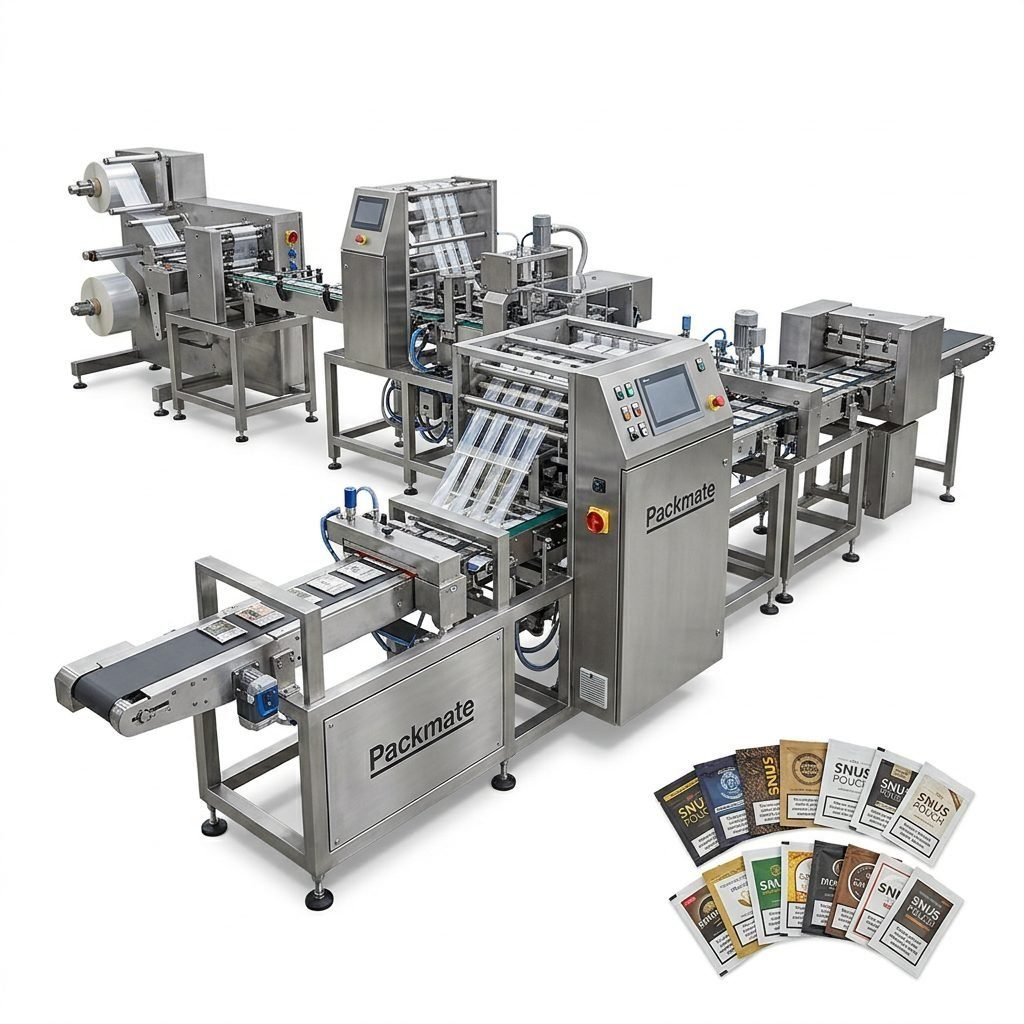
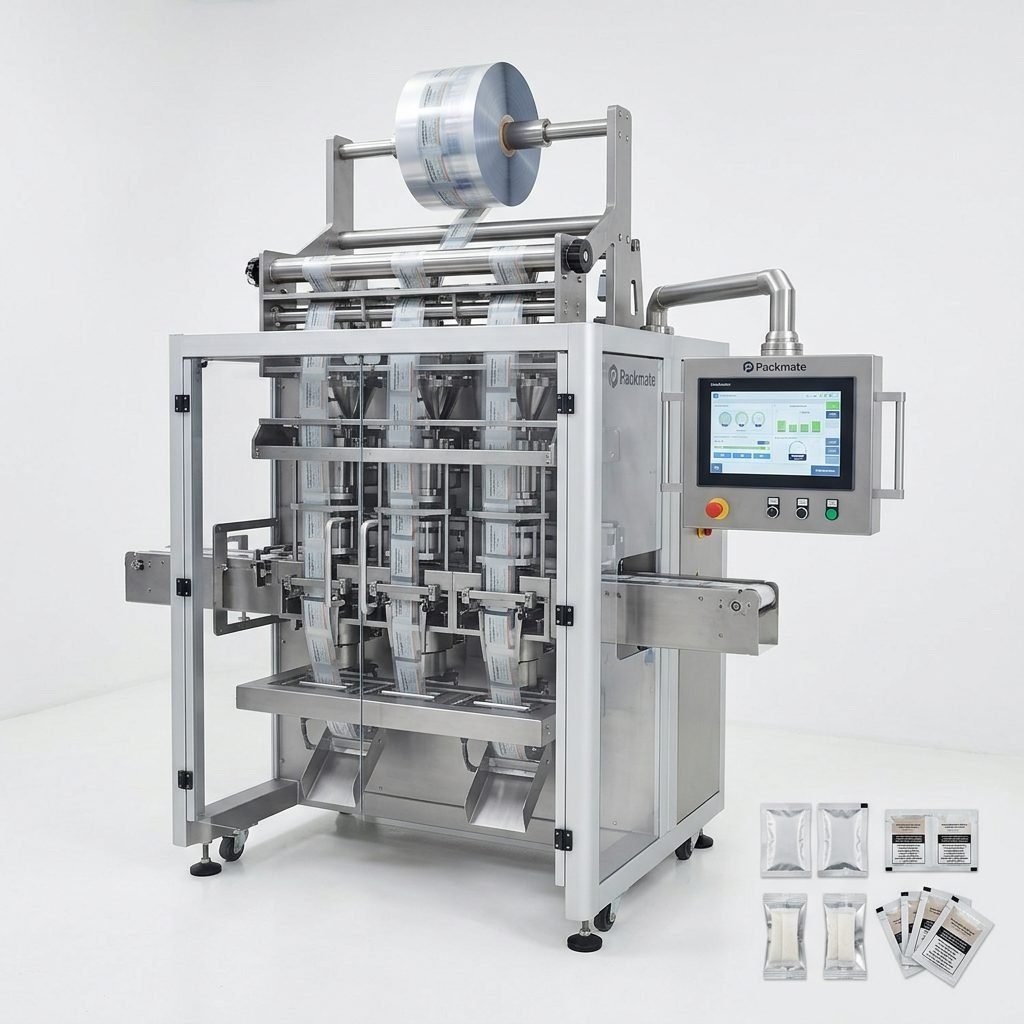
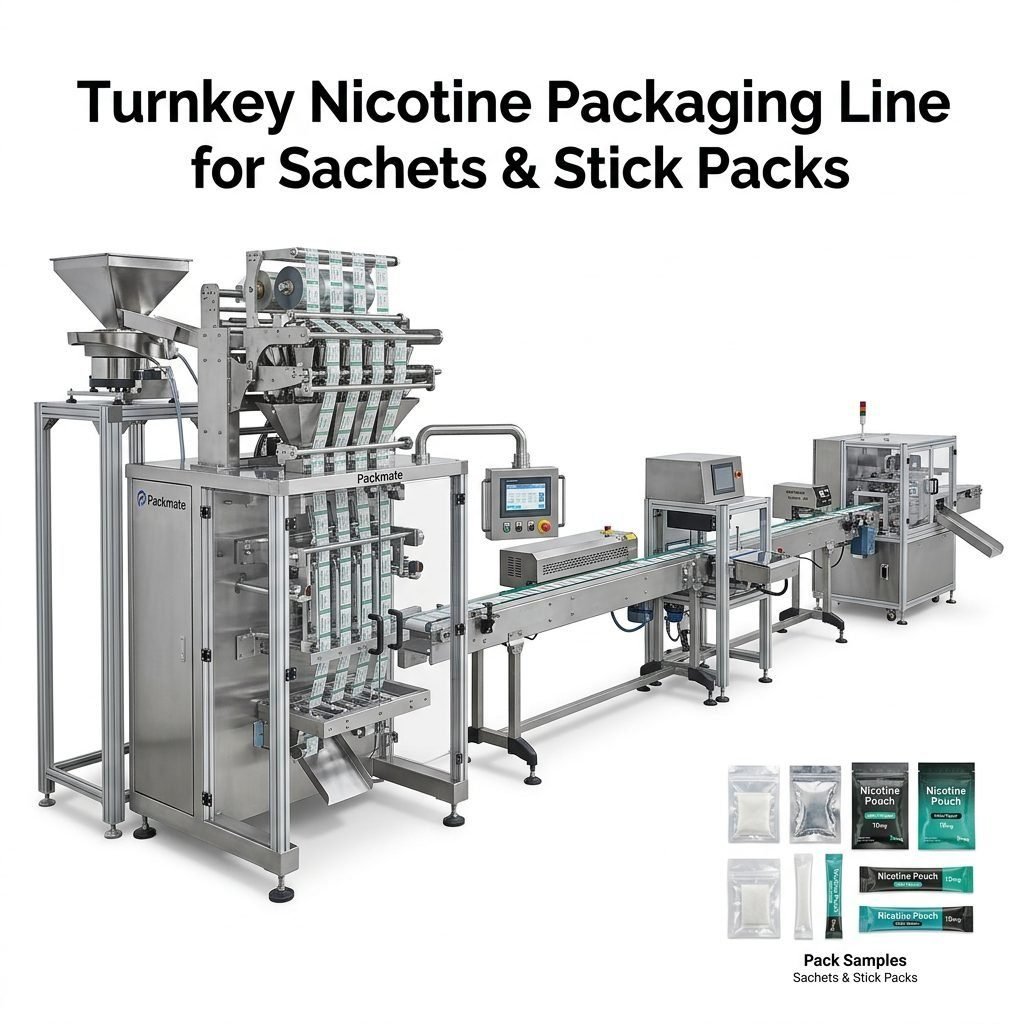
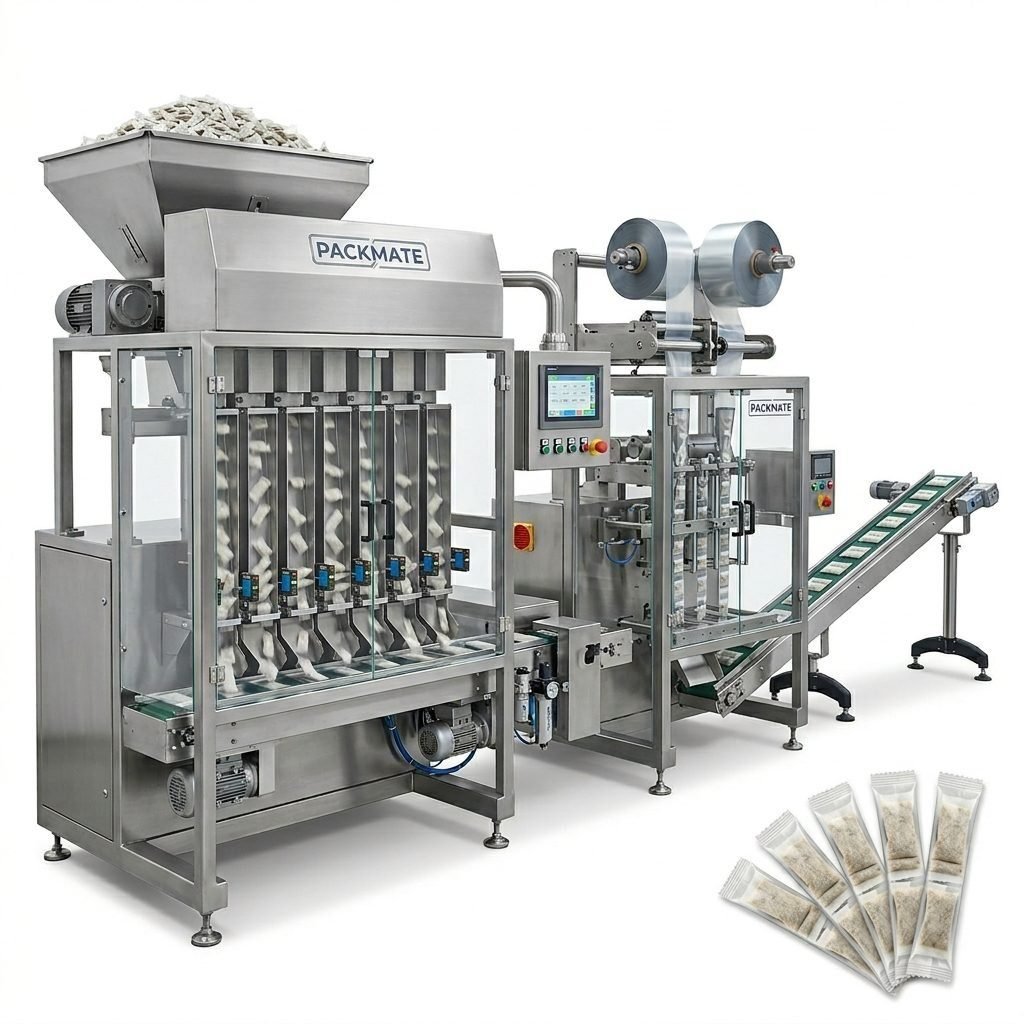
For manufacturers and brands operating in the snus and nicotine pouch market, selecting the right packaging equipment can mean the difference between a consistent, compliant product and costly production interruptions. A high quality snus packaging machine delivers efficient portion packing, reliable sealing, and precise dosing — all essential for maintaining product integrity and meeting regulatory and consumer expectations. This article explores the technology, features, and operational benefits of advanced snus packaging systems, with practical guidance for choosing the optimal line for your business.
Understanding Snus & Nicotine Pouch Packaging Requirements
Snus and nicotine pouches are sensitive products that require careful handling throughout filling and sealing. Key requirements include gentle transfer to avoid crushing, precise metering for consistent dose weight, airtight seals to preserve freshness, and accurate portion counts for compliance. Modern packaging lines are engineered to meet these needs across a wide range of pouch types — from single-dose sachets to multi-lane stick packs.
Core Technologies in High-Performance Lines
⚙️ Precision Filling: Gravimetric, volumetric, or auger-based dosing systems calibrated for low-dose nicotine pouches ensure consistent weight and product homogeneity.
🔒 Clean Sealing: Heat-seal or ultrasonic sealing heads create reliable barrier seals that protect aroma and moisture levels, reducing rejects and returns.
📦 Gentle Conveying: Multi-lane indexing and synchronized feed systems prevent puckering or spilling during transfer, especially important for soft fiber-based pouches.
Why Multi-Lane Systems Matter
Multi-lane packaging machines multiply output without increasing cycle speed for each lane, improving throughput while preserving dosing accuracy. For companies scaling from small-batch trials to commercial runs, a multi-lane snus machine offers a practical path to higher production volumes with minimal additional footprint.
Key Features to Look For
When evaluating equipment, prioritize features that improve uptime, product consistency, and operator usability:
📌 Modular design: easy to upgrade or reconfigure for different pouch formats.
📌 Quick-change tooling: reduces downtime between runs and supports multiple pouch sizes.
📌 Automated weight control: inline check-weighers and feedback loops help keep fills within tight tolerances.
📌 HMI & recipe management: user-friendly interfaces store product recipes and enable fast job changeovers.
Efficiency & Production Reliability
High-quality machines are built for continuous operation with features that support long mean time between failures (MTBF). Look for components such as precision bearings, hardened sealing jaws, and industrial-grade PLC controls. Regular preventative maintenance and proper training further increase reliability and production uptime.
Customization and Turnkey Solutions
Leading manufacturers offer tailored turnkey lines that integrate upstream dosing and downstream packaging, such as secondary carton packing and case erectors. For an example of full production line solutions, explore the manufacturer’s product pages including Snus & Nicotine Packaging Machines and the Filling & Packaging Lines.
Factory Capacity & Build Quality
A manufacturer’s factory capabilities — including CNC machining centers, dedicated assembly lines, and rigorous testing — are a strong indicator of build quality. A facility with a large footprint and skilled engineering team can deliver robust machines and timely spare parts support.
Compliance, Certifications & After-Sales Support
Compliance with international standards like CE and ISO ensures equipment meets safety and quality benchmarks. Reliable after-sales support typically includes remote diagnostics, spare parts availability, and on-site commissioning services — all critical for rapid issue resolution and minimal downtime. Learn more about certifications and company background via Certificate and About Packmate.
Operational Best Practices
✅ Regular calibration: Keep dosing systems calibrated to maintain tight fill tolerances.
✅ Preventative maintenance: Scheduled replacement of wear parts extends life and prevents unplanned stoppages.
✅ Operator training: Invest in operator and technician training for efficient changeovers and quick troubleshooting.
Case Studies & Global Applications
Manufacturers serving global markets showcase real-world applications where snus lines have delivered improved yield and throughput. For detailed examples, view the company’s customer implementations at Case. Typical outcomes include reduced product giveaway through accurate dosing, higher output with multi-lane conversions, and simplified regulatory compliance through integrated traceability systems.
Selecting the Right Partner
When selecting a supplier, evaluate engineering experience, after-sales service footprint, spare parts support, and the ability to provide turnkey solutions. A seasoned manufacturer with decades of experience offers lower technical risk and faster ramp-up — particularly important in the highly regulated nicotine market.
Installation, Commissioning & Ramp-Up
Proper installation and commissioning are essential. Experienced vendors provide on-site setup, recipe tuning, and operator training to shorten commissioning time. Additionally, they supply documentation, spares lists, and recommended maintenance schedules to ensure smooth long-term operation.
Sustainability & Material Choices
Sustainability considerations are rising in importance for both consumers and regulators. Machines that support recyclable barrier materials, reduced film usage, or optimized pouch geometry can help manufacturers lower packaging waste while maintaining barrier performance.
How Packmate Supports Snus Manufacturers
Packmate Snus Machine brings decades of packaging experience and a wide portfolio of dedicated snus solutions. From single-lane sachet machines to high-speed multi-lane systems, the company provides customization, factory acceptance testing, and global lifecycle support. Explore product families and auxiliary equipment at Bag & Pouch Packaging Machines and Auxiliary Packaging Equipment.
Investment Considerations
Capital investment should be viewed in the context of total cost of ownership. Factors include initial machine cost, expected throughput, maintenance intervals, spare parts availability, and energy efficiency. Well-engineered machines often provide lower cost per pouch over their lifecycle through higher yields and reduced downtime.
Next Steps: From Inquiry to Production
Begin with a technical consultation to define product parameters, desired throughput, and regulatory needs. Request factory acceptance testing (FAT) and review spare parts packages and service agreements. For direct inquiries, see Contact Us and consider downloading technical catalogs available on the vendor site to match line specifications to your product.
Frequently Asked Questions
Q1: How do I choose between single-lane and multi-lane machines?
A1: Choose based on current and projected throughput. Single-lane machines suit small-scale production and R&D, while multi-lane systems scale capacity within a compact footprint for commercial volumes.
Q2: What maintenance is required to keep seals and dosing accurate?
A2: Regular inspection of sealing jaws, replacement of wear strips, calibration of dosing modules, and periodic PLC backups are standard. Follow the manufacturer’s preventative maintenance schedule for optimal results.
Q3: Can I produce different pouch styles on the same machine?
A3: Many modern machines feature modular tooling and quick-change stations to accommodate multiple pouch formats. Confirm format changeover times and tooling costs during the procurement stage.
Q4: What certifications should I expect from a reputable supplier?
A4: Look for CE and ISO compliance as a baseline. Additional documentation may include factory test reports, material certificates, and machine safety documentation.
Q5: Where can I see real-world examples and product ranges?
A5: Visit the manufacturer’s product and case pages to review machines and installations: Sachet & Stick Pack Machines and Case.