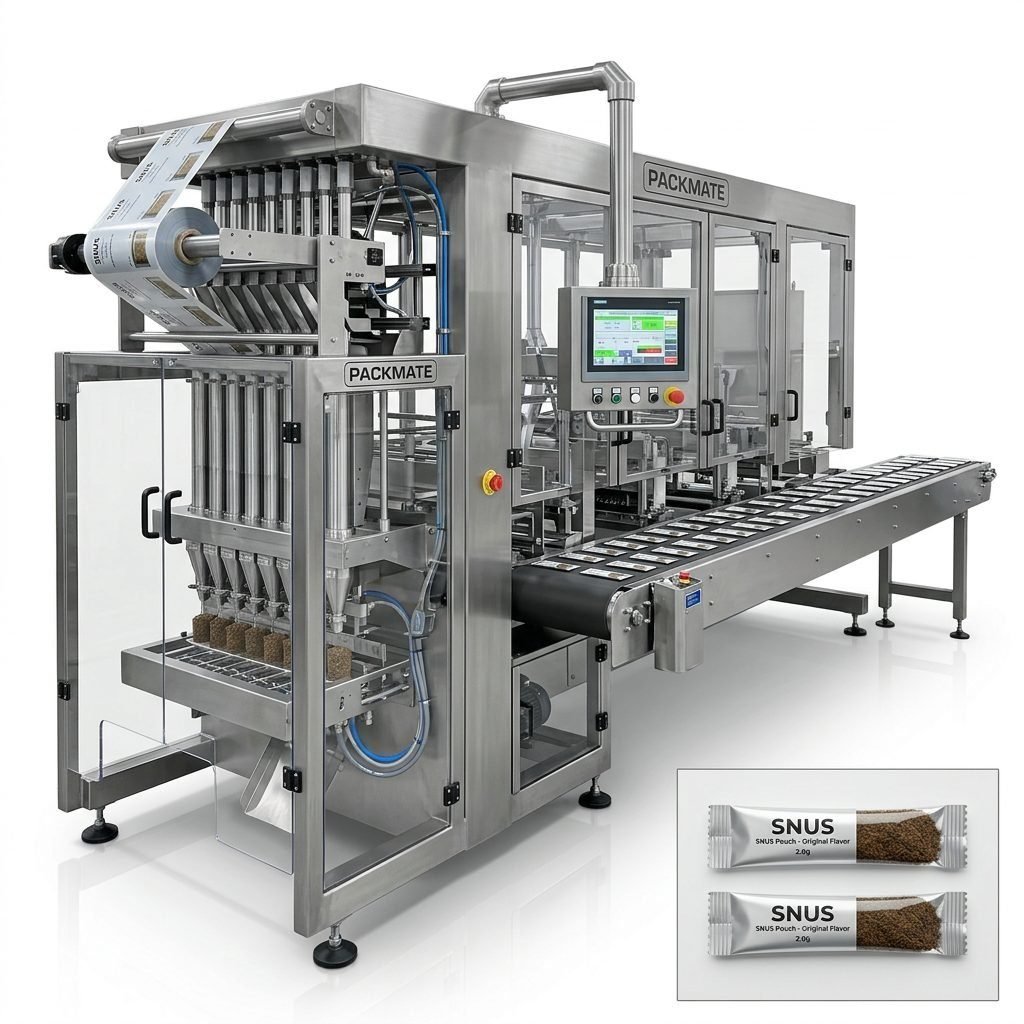
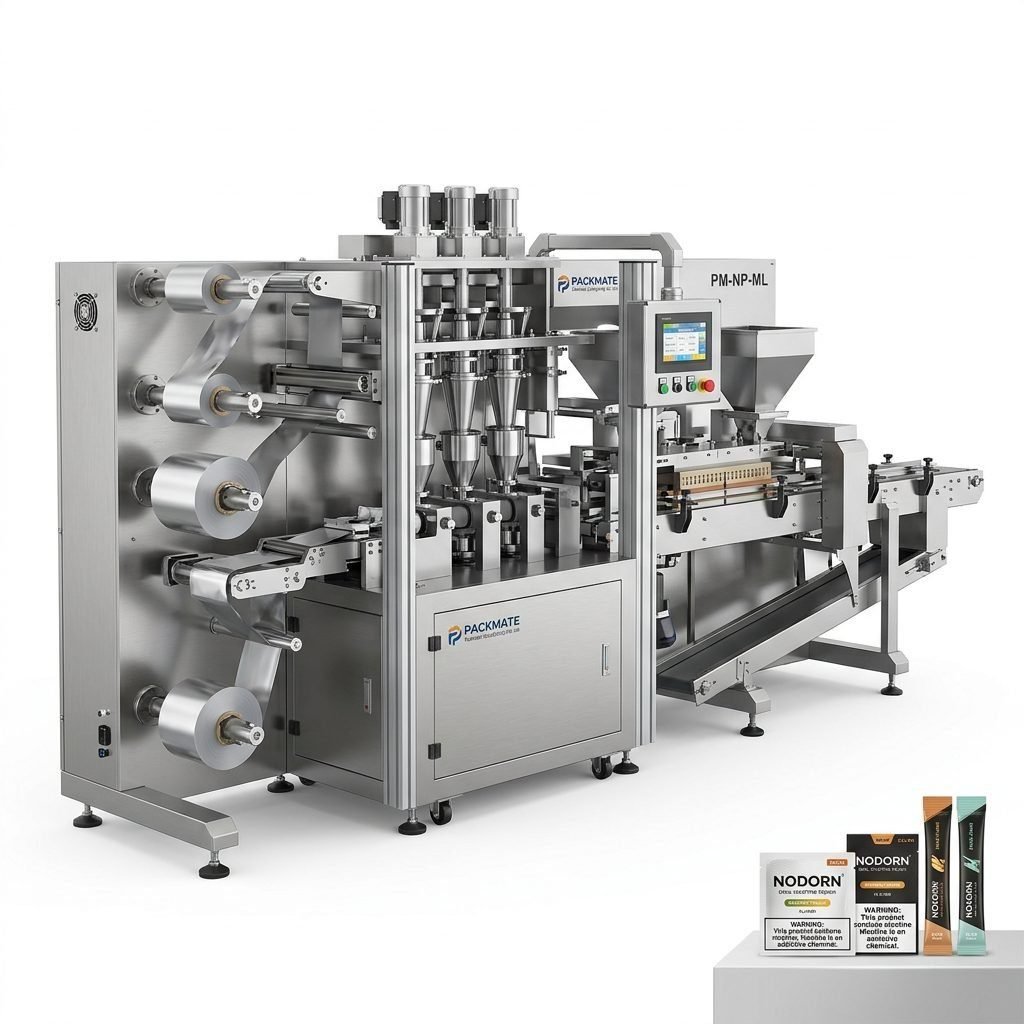
Choosing the right snus packaging machine in Sri Lanka requires a balance of technical understanding, local market awareness, and reliable supplier support. This guide walks you through the practical steps — from matching machine type to production needs, to compliance and after-sales service — so you can make a confident purchase that suits Sri Lanka’s distribution channels, consumer habits, and regulatory environment.
Why local context matters in Sri Lanka
Sri Lanka has distinct retail patterns and consumer preferences. Small-format retail outlets, duty-free shops near airports, and urban convenience stores often favor compact, visually appealing single-portion pouches. Meanwhile, import procedures, tariffs, and labeling requirements differ from other markets — so selecting a machine that supports compliant labeling, variable batch sizes, and flexible pouch formats is essential. Consider also the rising interest in nicotine pouch alternatives in urban centers; machines that can switch between low-dose runs and higher-speed production will be advantageous.
Key local considerations
- Market size & batch variability: favor modular machines for smaller Sri Lankan batches.
- Labeling & language: allow space for multi-language printing and batch codes.
- After-sales proximity: choose suppliers with global service or quick spare-part shipping.
- Compliance: select CE/ISO certified equipment to simplify local approvals and imports.
Types of snus packaging machines — which suits you?
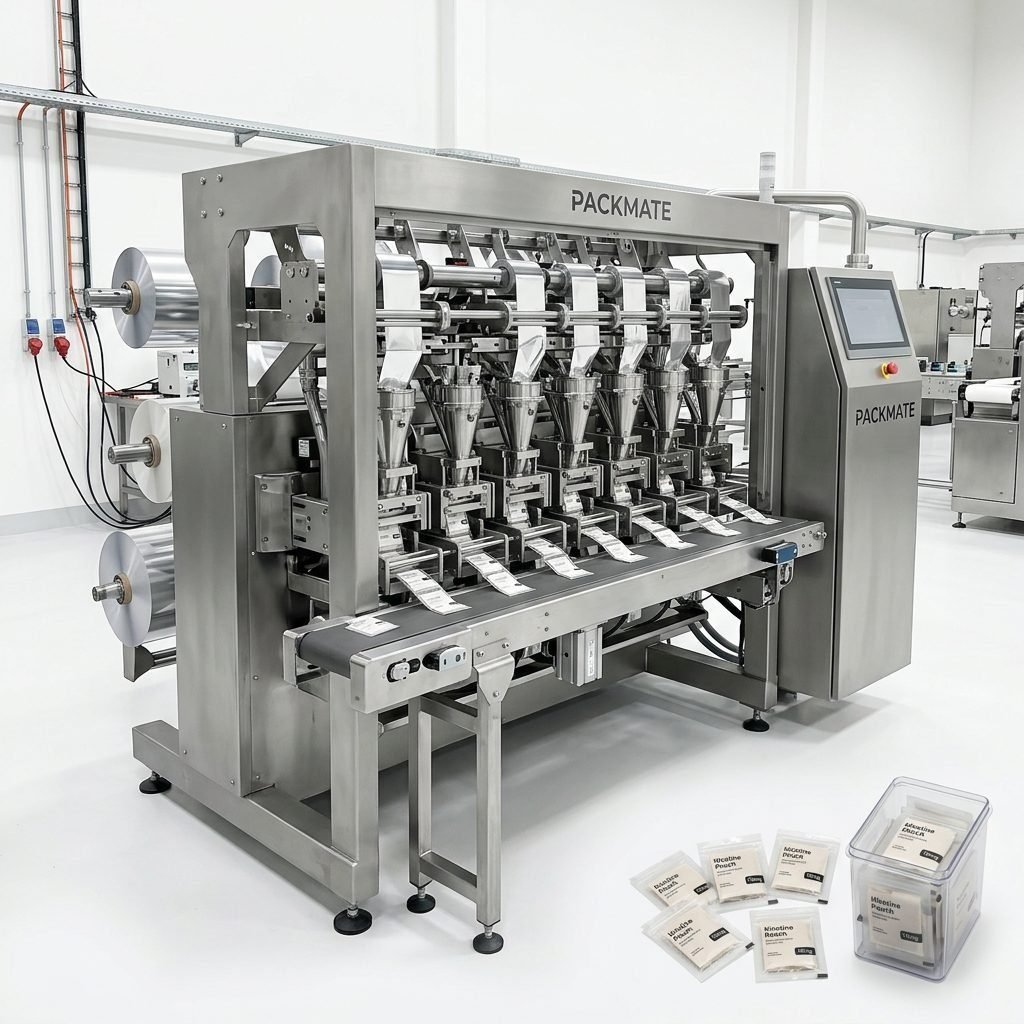
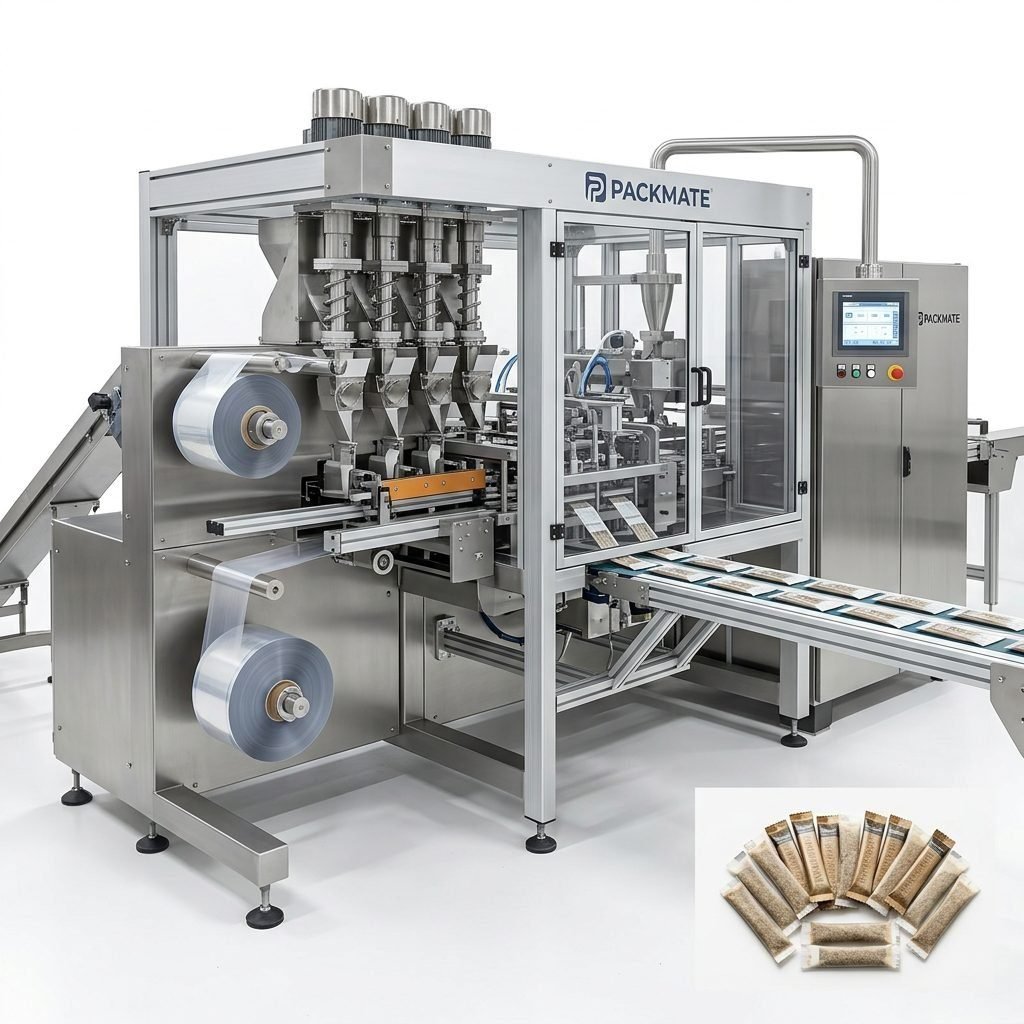
Matching machine type with your product and market strategy reduces cost and complexity. Primary options include stick pack/sachet machines, multi-lane pouch lines, and fully automated filling & sealing systems for pre-formed pouches.
Sachet & Stick Pack Machines
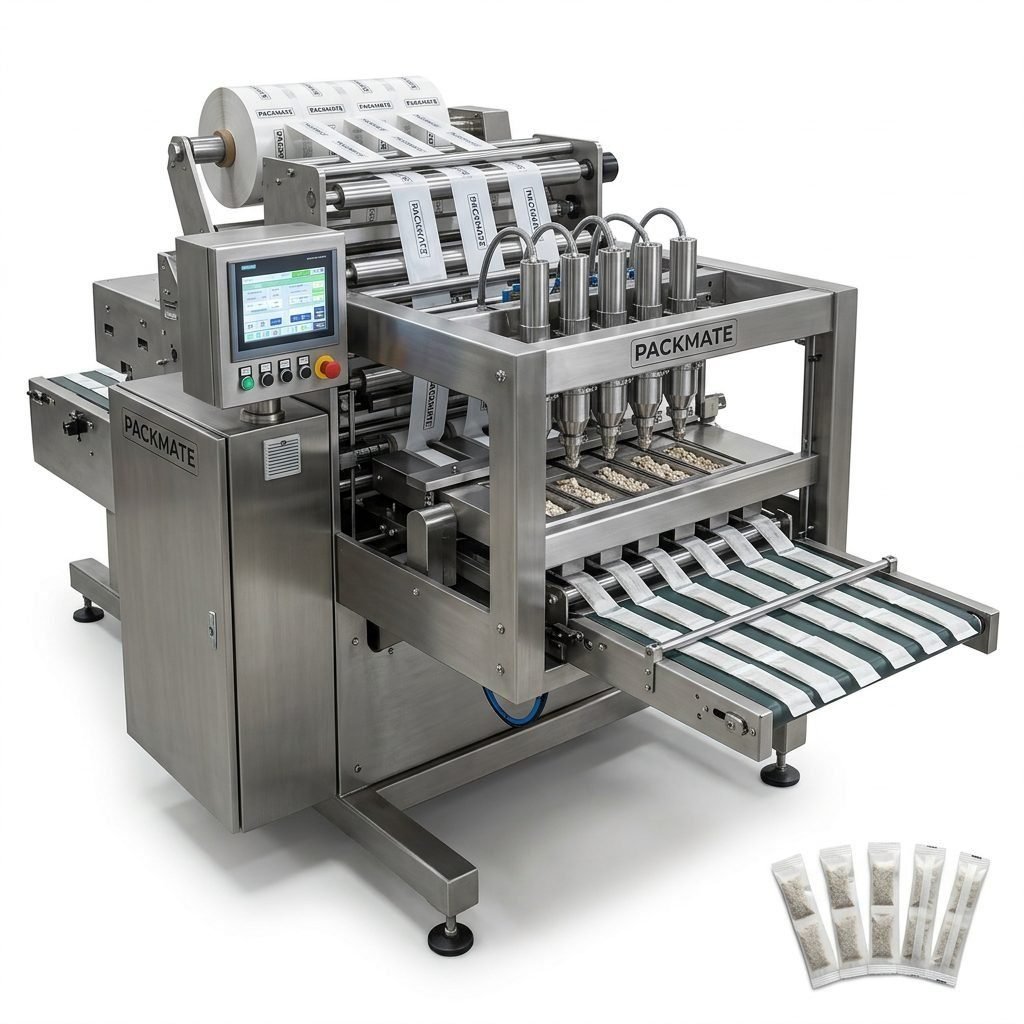
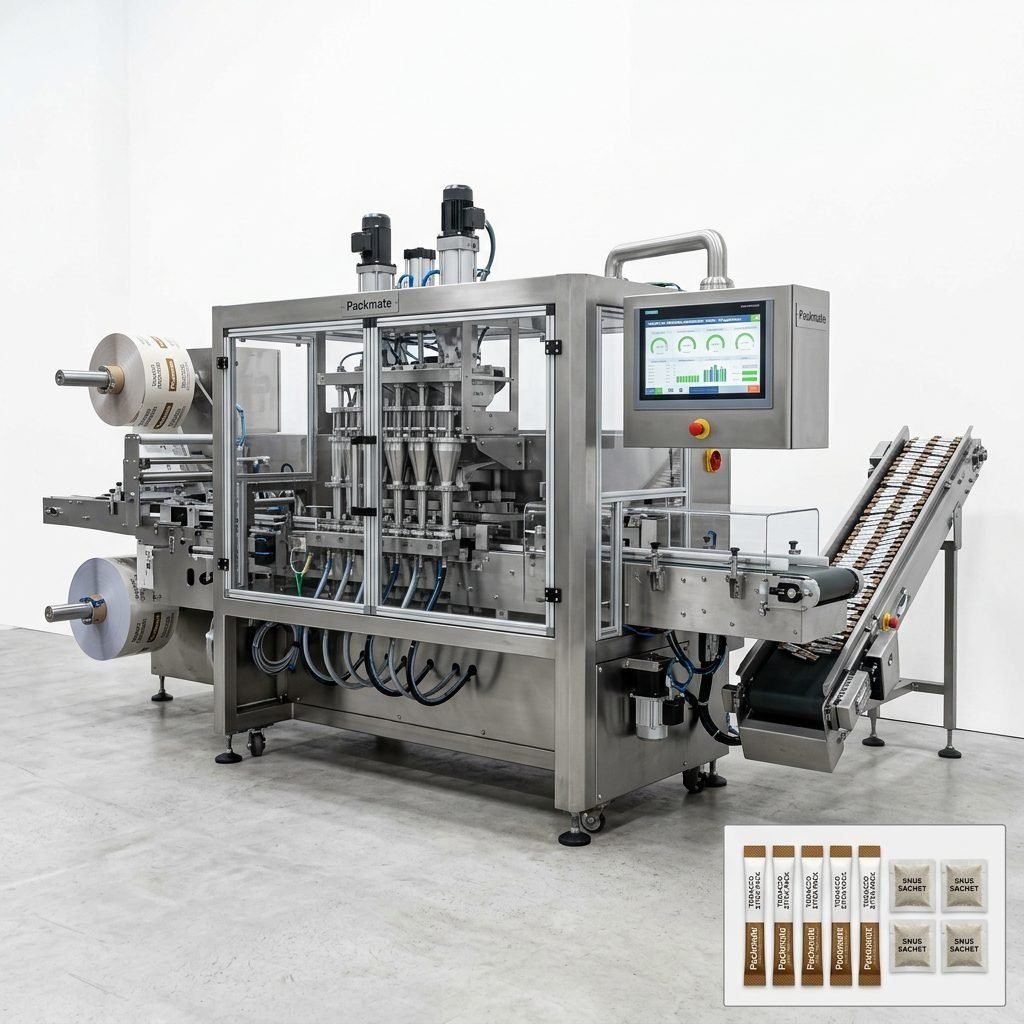
Best for single-portion tobacco-free nicotine pouches and flavor sachets. These machines offer high speeds for light-dose products and are often space-efficient — ideal when shelf-ready vertical packs are required. See options in Sachet & Stick Pack Machines.
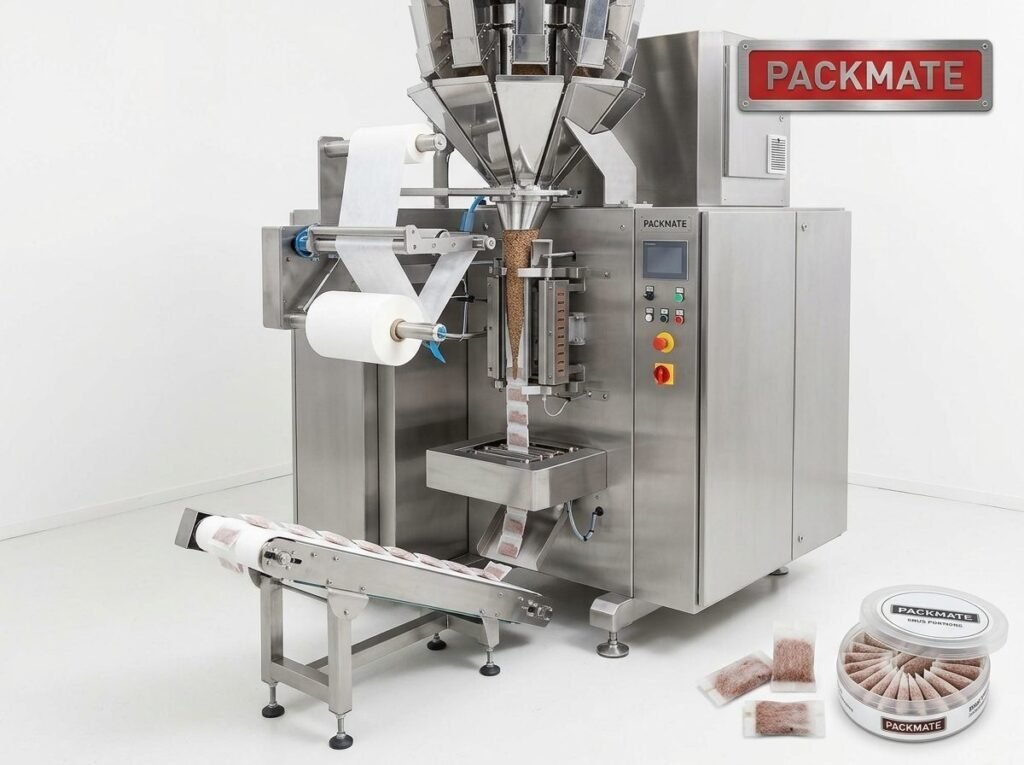
Multi-lane Snus & Nicotine Packaging Machines
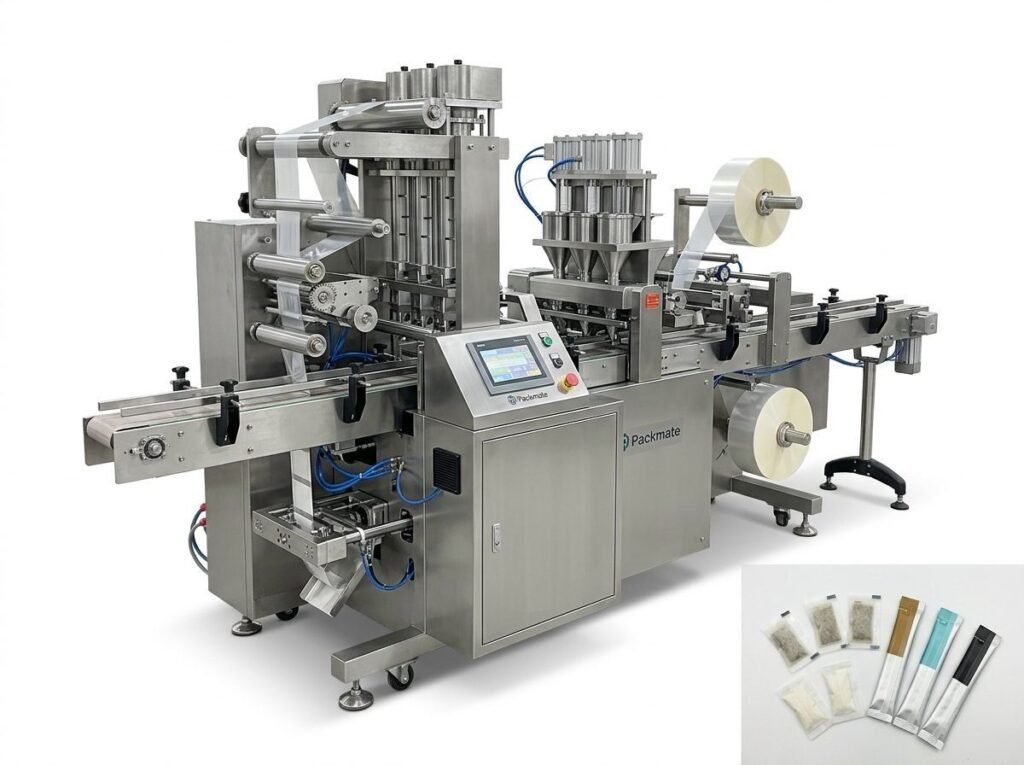
Multi-lane systems increase throughput by producing several lanes of pouches simultaneously. If you plan medium-to-high production runs for Sri Lankan distribution or export, multi-lane lines are efficient and reduce per-unit labor costs. Explore models at Snus & Nicotine Packaging Machines.
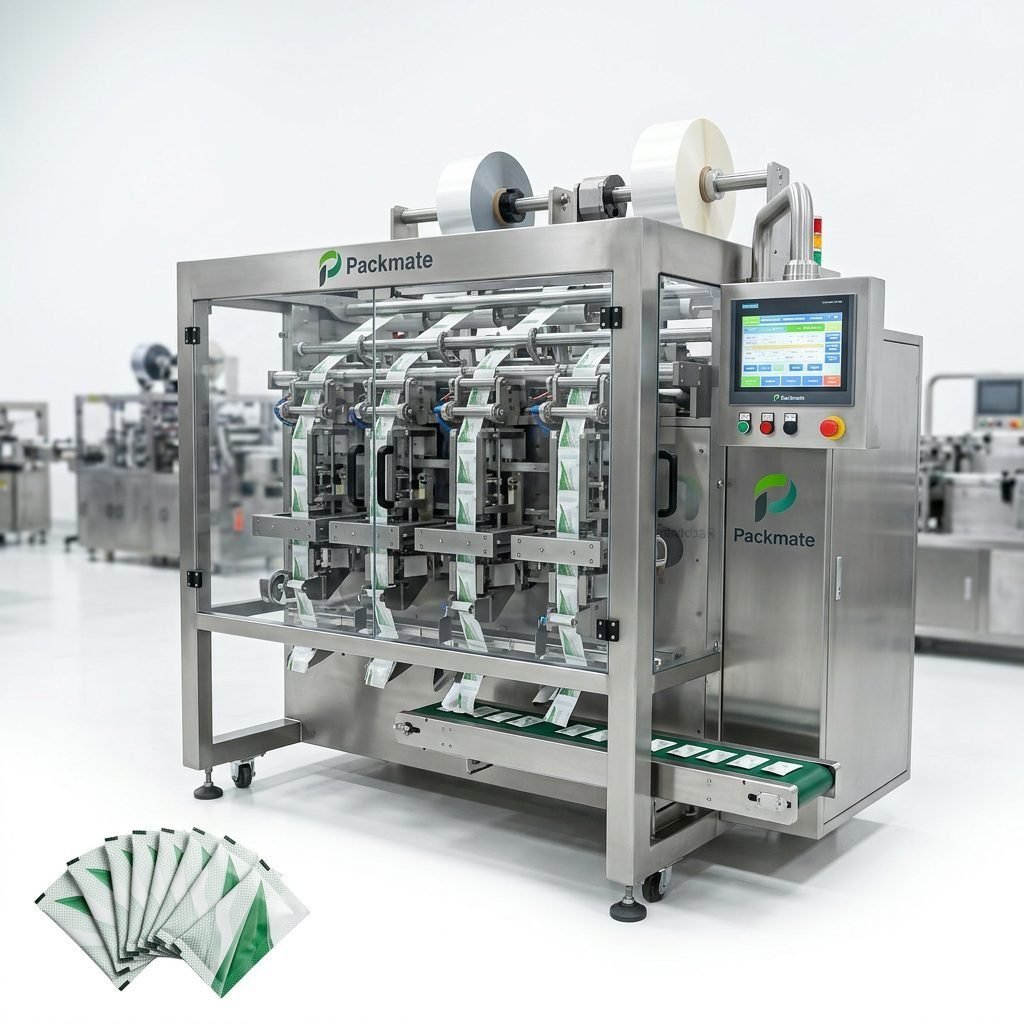
Bag & Pouch Packaging Machines (Pre-formed)
For pre-made pouches or laminated multi-layer bags, filling & sealing lines deliver clean, consistent fills and are well-suited for premium retail formats. For integration with upstream portioning or downstream cartoning, check Bag & Pouch Packaging Machines.
Quick tip:
Machines that support quick format changes are valuable in Sri Lanka’s fragmented retail market — they let you run small experimental SKUs without long downtime.
Critical technical specifications to evaluate
When comparing suppliers, evaluate operational parameters and how they translate into production economics:
Production capacity & speed
Determine target daily output and seasonal peaks. High-speed machines reduce labor but demand stable upstream supply (material rolls, portioning). For regional export ambitions, prioritize modular multi-lane options.
Fill accuracy & portion consistency
Consistent dosing protects brand reputation. Check technical sheets for portion tolerances and whether the line integrates electronic weighing systems. Consider combined solutions from Weighing & Packaging Systems if accuracy is critical.
Material compatibility & film options
Machines must handle common laminate films and foils used for moisture protection. If you plan to switch films, ensure the machine’s sealing temperature and jaw designs are adaptable.
Automation & integration
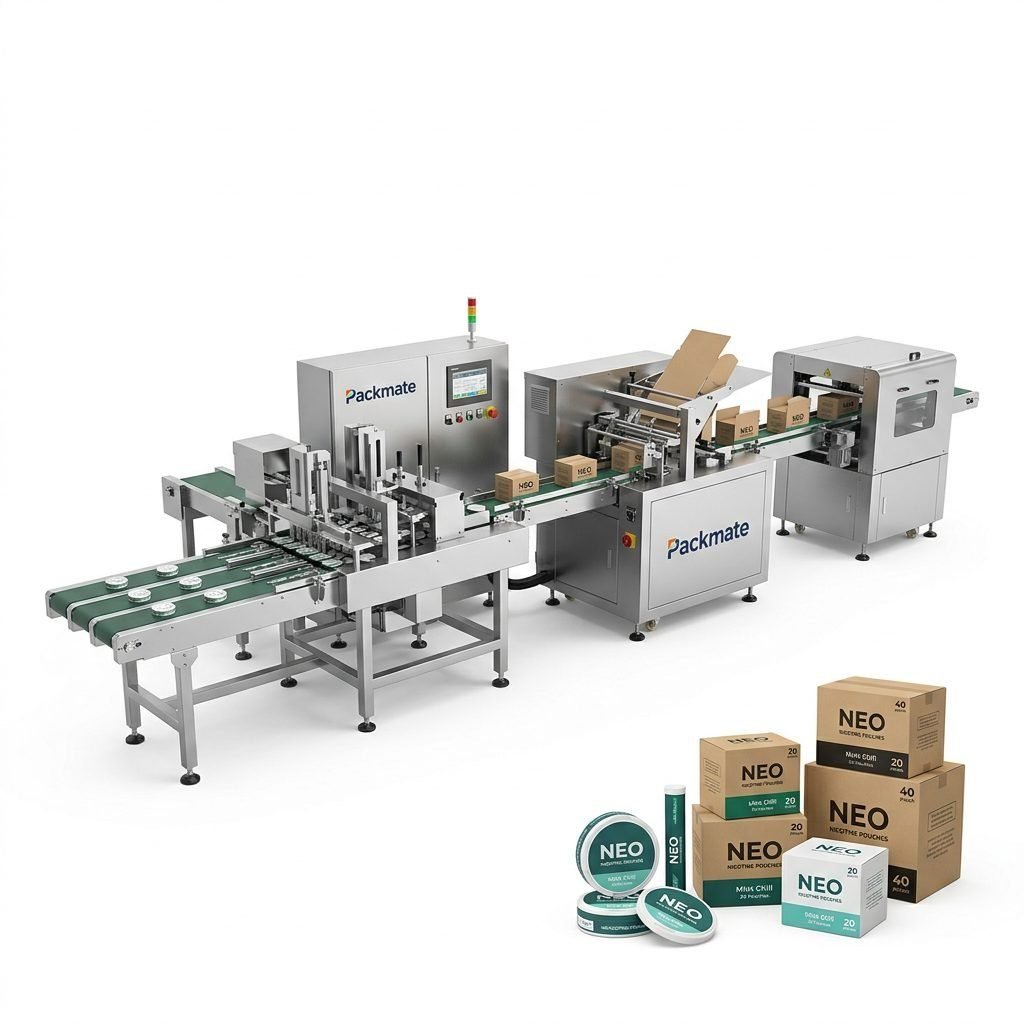
Integration with fillers, dosers, checkweighers, metal detectors and cartoners streamlines production and ensures compliance with export markets. Full lines like Filling & Packaging Lines reduce logistic complexity.
Material note:
In humid climates like Sri Lanka, choose barrier films and robust sealing systems to avoid moisture ingress during storage and transport.
Quality standards, certifications and compliance
International certifications such as CE and ISO demonstrate basic safety and quality. For easier import and local approvals in Sri Lanka, working with CE/ISO-certified manufacturers reduces friction. Packmate machines comply with these standards and offer test documentation to support customs clearance and regulatory checks.
Inspection & FAT (Factory Acceptance Test)
Request factory demos and a FAT report showing machine performance with your product. This helps ensure you receive a machine that meets promised speeds, fill accuracy, and changeover times.
Supplier evaluation: what to look for
Beyond specs, a reliable supplier should provide local or rapid global support, spare parts availability, documented training, and turnkey integration capabilities.
- Demonstrated experience in snus and nicotine pouch machinery.
- Factory visits and FAT documentation.
- Comprehensive post-sale service, training, and spare parts supply.
- Custom engineering for special pouch shapes or local labeling needs.
Manufacturers like Packmate Snus Machine offer turnkey solutions, broad model ranges, and international exhibition presence which helps buyers validate capabilities — read more on their About Packmate page.
Cost considerations & return on investment (ROI)
Calculate total cost of ownership (TCO): purchase price, shipping and import duties to Sri Lanka, installation, training, spare parts, and energy consumption. Factor in expected yield improvements, labor savings, and reduced material waste to estimate payback period.
ROI checklist:
Compare potential output increase, downtime reductions, material usage, and labor cost savings to estimate how quickly the machine pays for itself.
Installation, training and after-sales service
Choose a supplier that offers:
- On-site commissioning and acceptance testing.
- Operator and maintenance staff training in English (and local languages if needed).
- Fast spare-part shipping and remote technical support.
For broader packaging needs such as auxiliary equipment, check complementary offerings like Auxiliary Packaging Equipment to build a cohesive production line.
Common pitfalls and how to avoid them
Missteps often occur from underestimating local regulations, neglecting material compatibility, or choosing machines with limited upgrade paths. Avoid surprises by:
- Confirming film supplier compatibility and sealing parameters.
- Verifying customs paperwork and labeling requirements for Sri Lankan authorities.
- Specifying spare parts list and response times in contracts.
Case adaptation: Small-batch production for Sri Lankan retailers
Many Sri Lankan entrepreneurs start with low-volume SKUs to test flavors and packaging designs. Machines offering fast changeovers, simple HMI controls, and compact footprints are ideal. Consider modular lines that can be scaled as demand grows and that integrate with basic checkweighers and batch coders.
Local sales & distribution tips
Build relationships with distributors and ensure packaging meets local retail display sizes. Emphasize moisture protection and tamper-evident seals — features valued in coastal and humid regions of Sri Lanka.
Supplier highlight:
Packmate offers a wide range of models and turnkey solutions spanning snus, sachet, and pouch systems — useful if you need a vendor with deep experience and global support. Learn more at Case and Service.
Practical purchase checklist (printable)
- Capacity match: Daily target units and peak loads.
- Material compatibility: Films, pouches, and seal types.
- Certifications: CE, ISO documentation and FAT data.
- Service & spares: Lead times and local support options.
- Total cost: Price + shipping, duties, installation, training.
Final notes before you buy
Investing time in vendor due diligence, realistic ROI calculations, and sample runs will protect your business. Make sure the chosen line is flexible enough for Sri Lanka’s mixed retail landscape, and that your supplier provides clear documentation for customs and local authorities. If you need turnkey integration, machine demonstrations, or examples of exported lines, reputable manufacturers typically provide case studies and on-site test runs to confirm expectations.
Frequently Asked Questions
Q1: What certifications should I request?
Request CE and ISO certificates, FAT reports, and material compatibility test reports. These documents aid customs clearance and local compliance.
Q2: How important is spare parts availability?
Very important. Long lead times for critical parts can halt production. Confirm inventories, shipping options, and whether local distributors hold common spares.
Q3: Can a single machine handle multiple pouch formats?
Many modern lines are modular and support format changes, but check changeover time and whether additional tooling is required.
Q4: How do I ensure compliance with Sri Lanka import rules?
Work with your supplier to prepare documentation (invoices, certificates, technical specs) and consult a local customs broker to confirm labeling and duty classifications.
Q5: Where can I see machine examples and get support?
Visit manufacturer exhibition pages and case studies. For Packmate details, see Our Exhibition and contact the team at Contact Us.