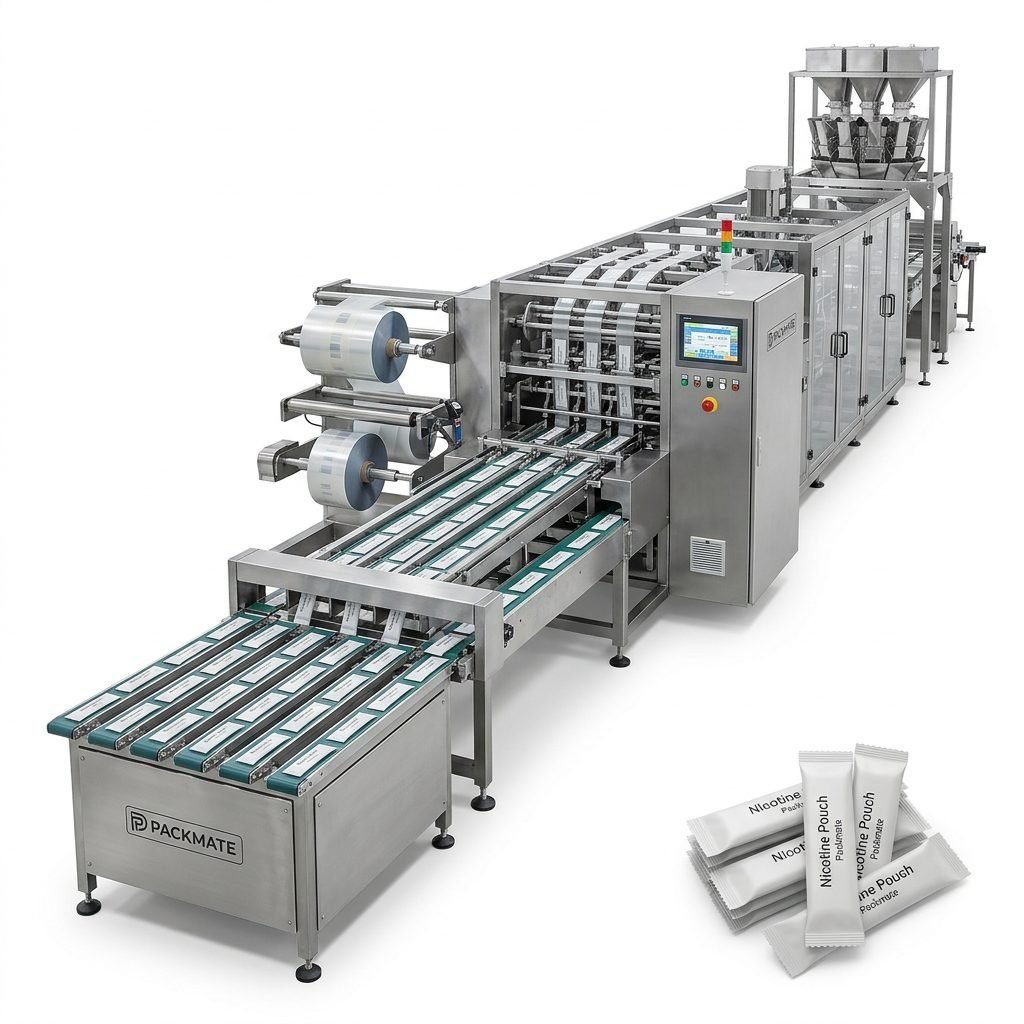
Finding a reliable snus packaging machine supplier in Costa Rica requires a mix of industry knowledge, local insight, and practical due diligence. Whether you are setting up production for nicotine pouches, snus sachets, or multi-lane pouch lines, choosing the right partner is critical for long-term efficiency and regulatory compliance. This guide walks you step-by-step through how to identify trustworthy suppliers, what technical and commercial criteria to evaluate, and how Costa Rica’s business culture and logistics landscape may influence your decision.
Why supplier selection matters for snus packaging in Costa Rica
Packaging machines are capital equipment with long lifecycles. A reliable supplier ensures consistent production uptime, accessibility to spare parts, and technical support — all of which reduce operational disruptions. In Costa Rica, where businesses value strong vendor relationships and timely service, selecting a partner that provides clear after-sales support and training can be as important as machine specifications.
Key outcomes of choosing the right supplier
A well-chosen supplier will help you achieve: higher first-pass yield, lower total cost of ownership, faster commissioning, and compliance with international standards if you plan to export. Look beyond price — focus on reliability, compliance (CE/ISO), and a supplier’s track record in nicotine pouch or snus packaging lines.
Step 1 — Define your production needs clearly
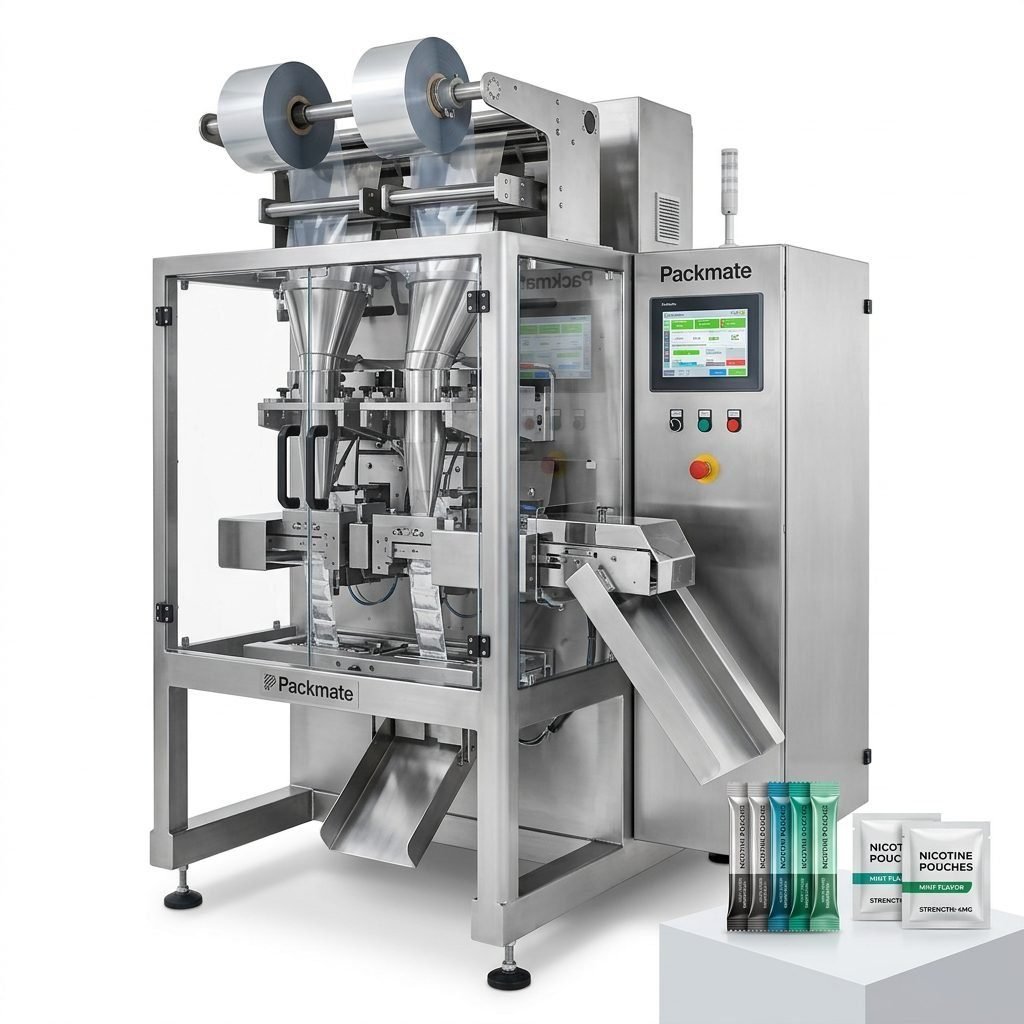
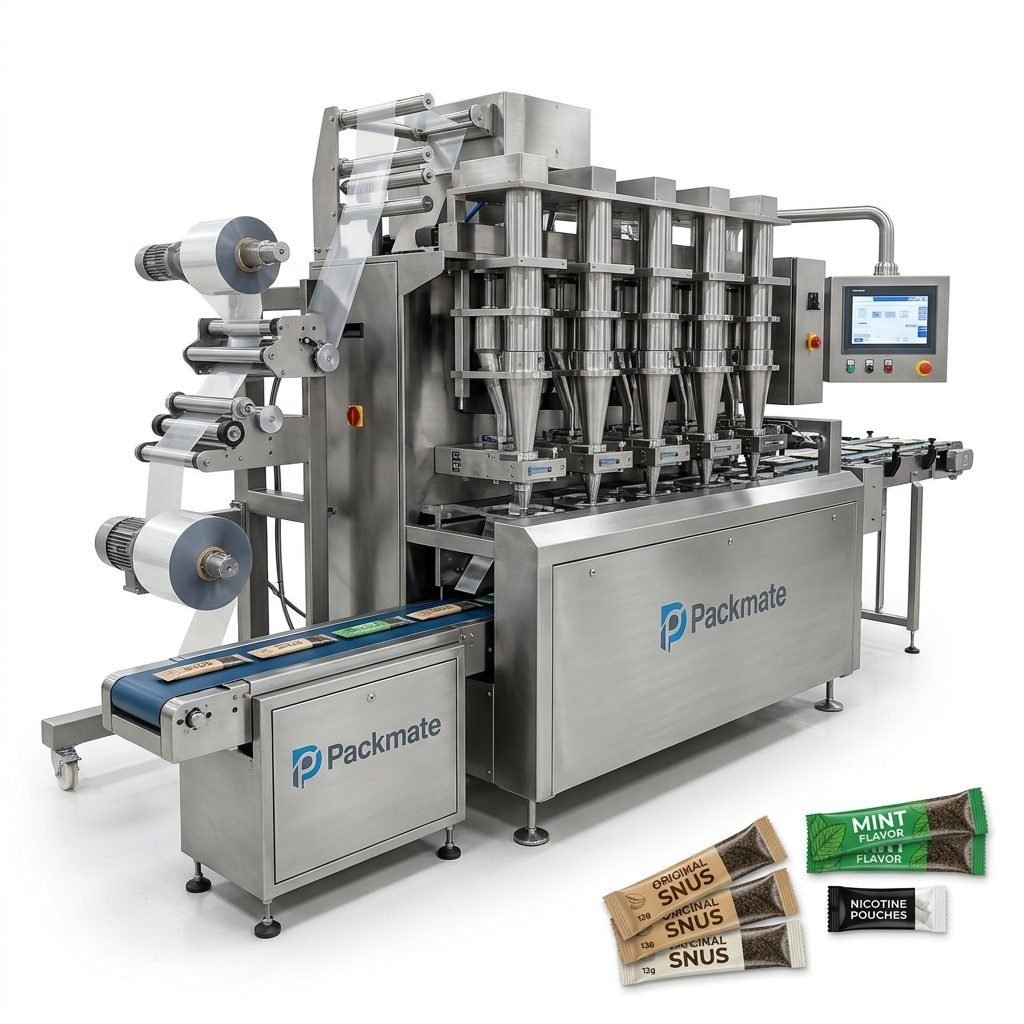
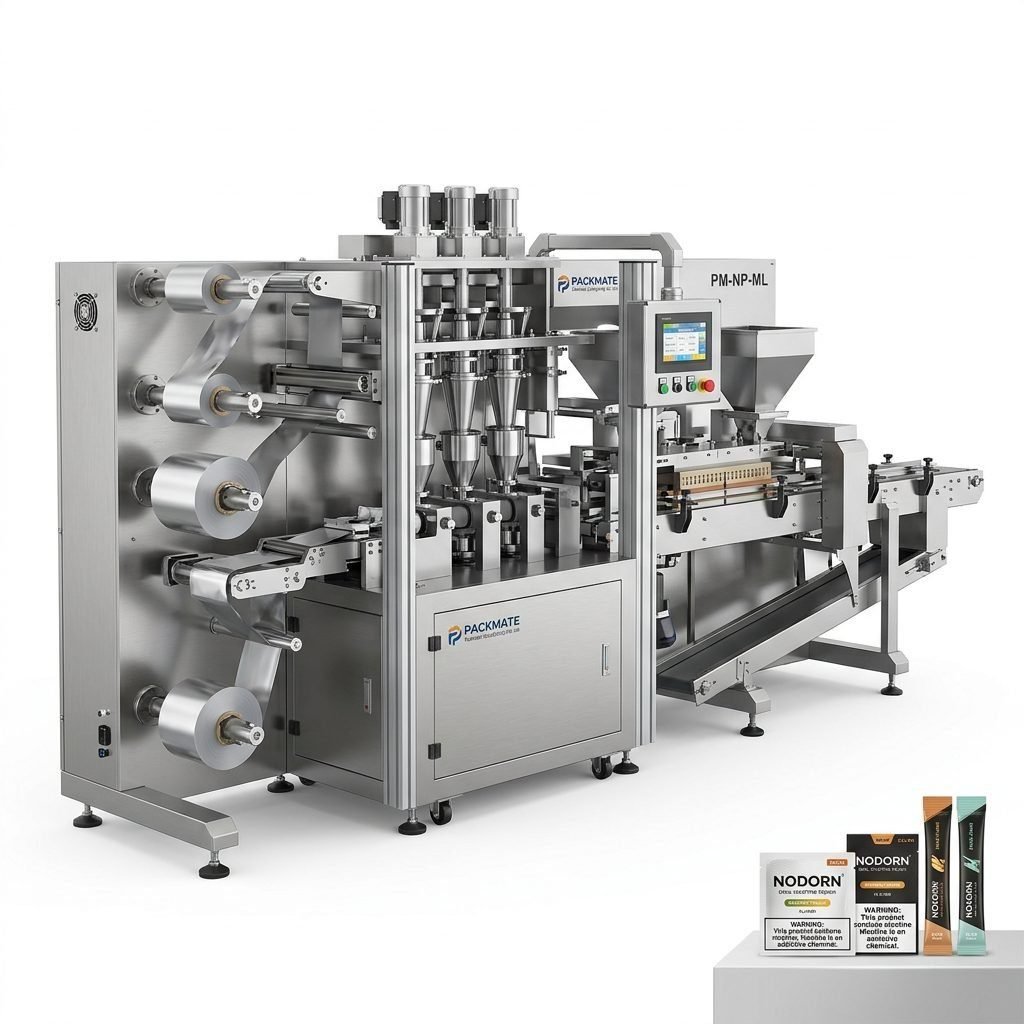
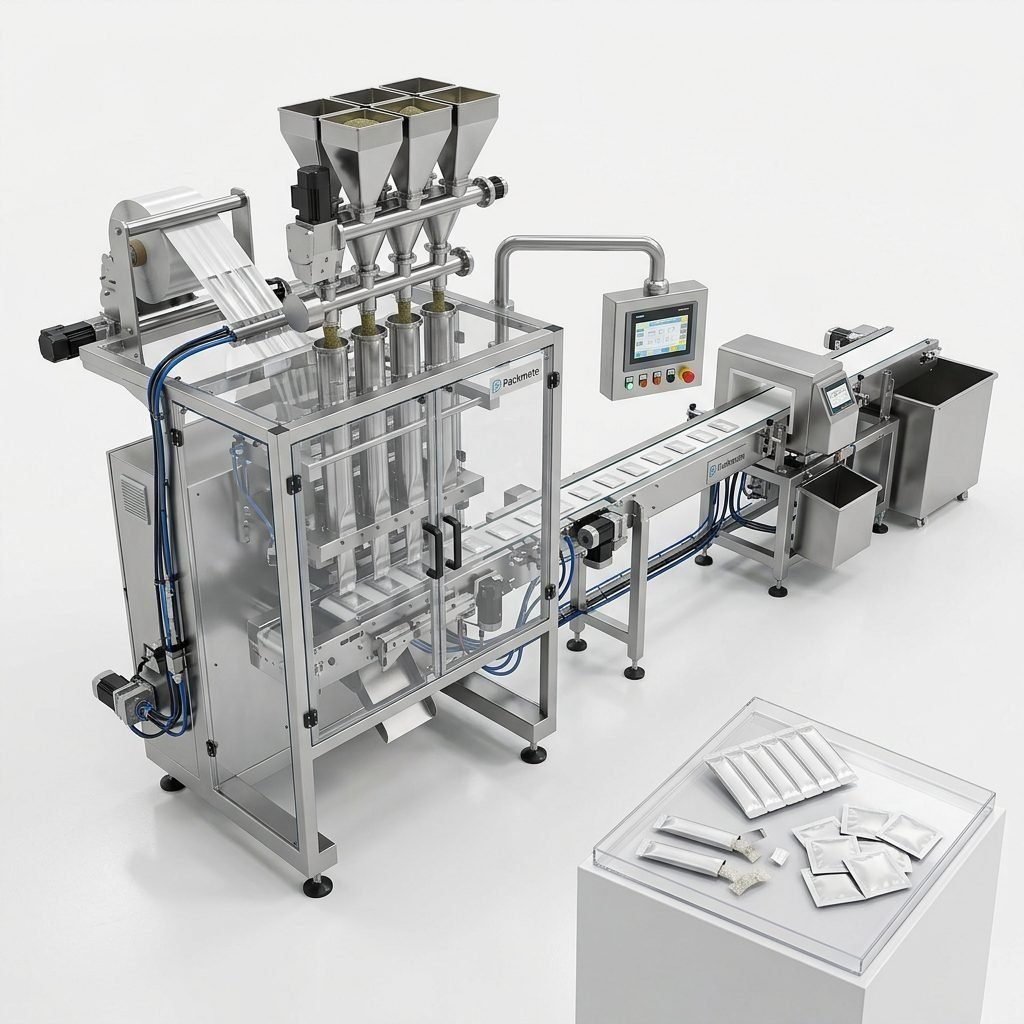
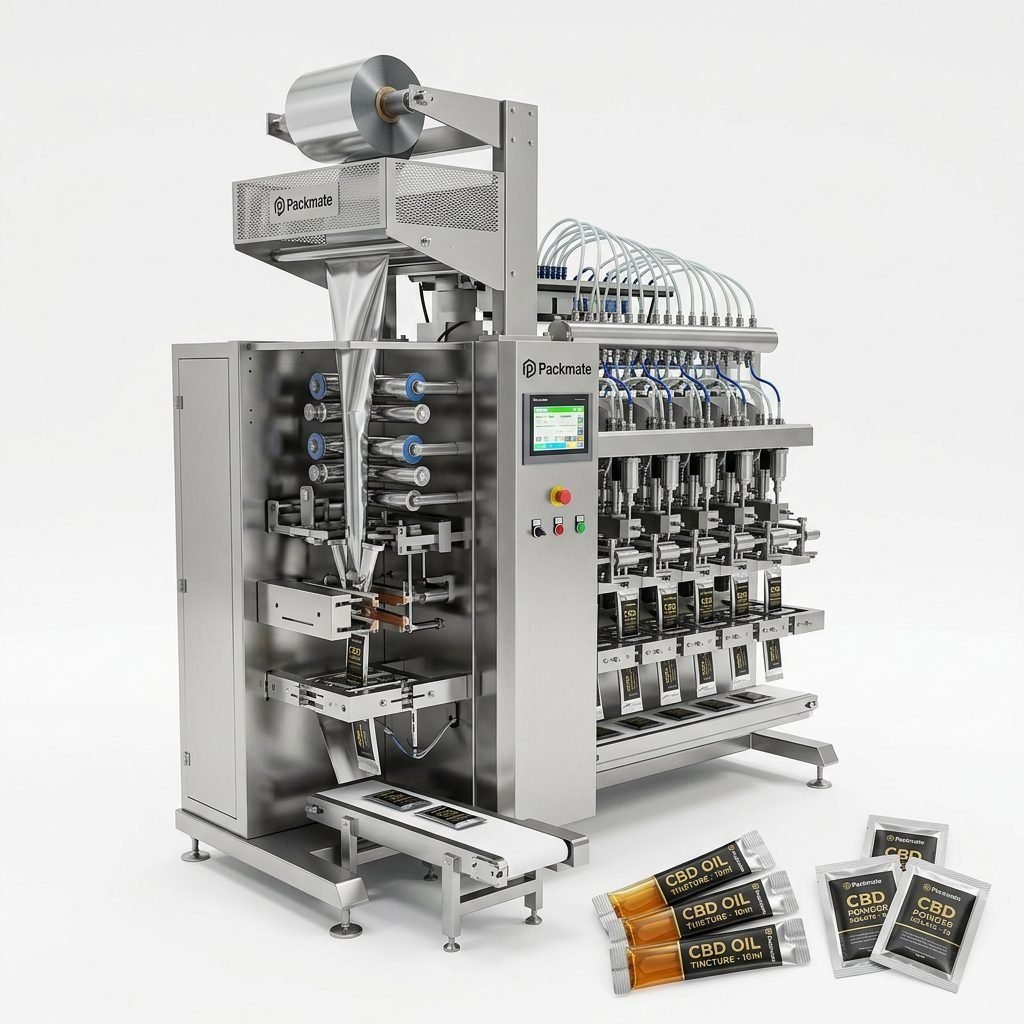
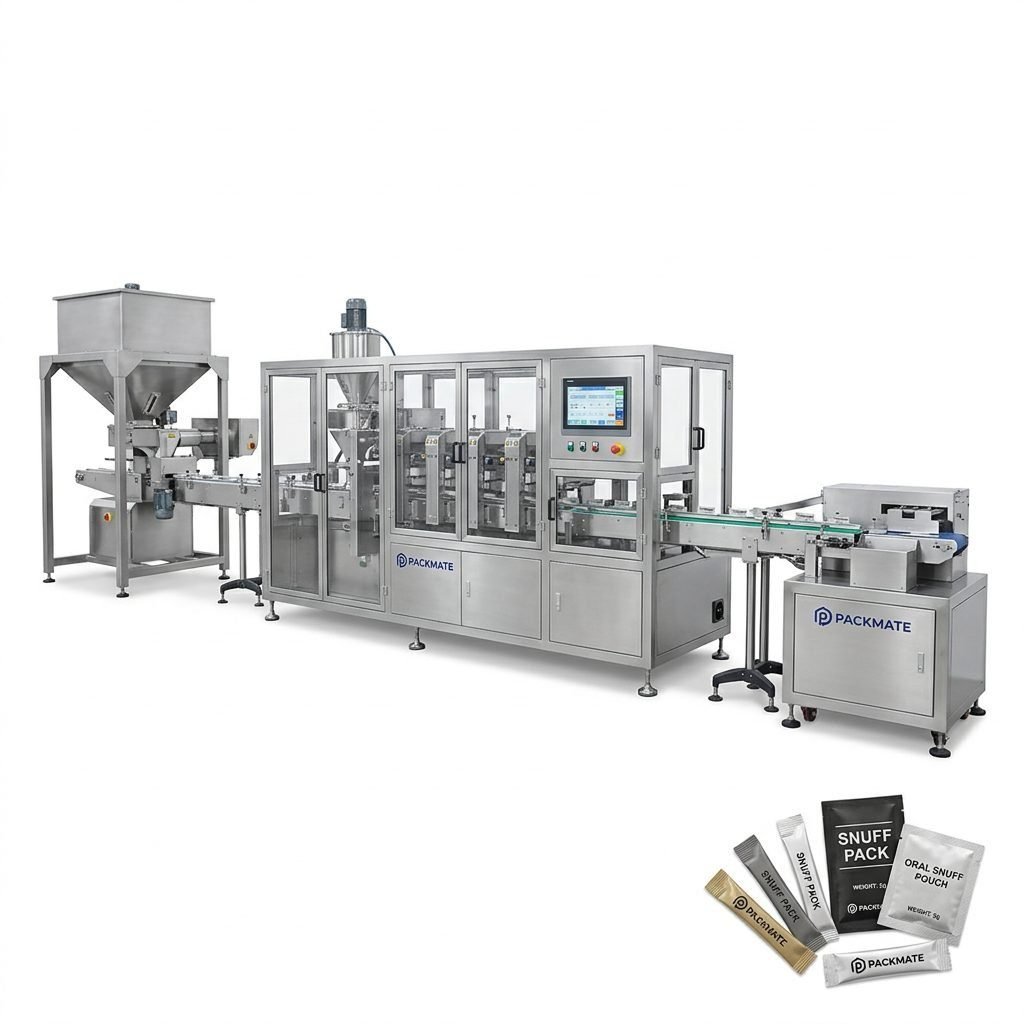
Start with a realistic projection of daily output, product formats (stick pack, sachet, can, or pouch), and expansion plans. Packmate Snus Machine and similar suppliers offer a range of models from single-lane machines to multi-lane systems optimized for small-dose pouches. Document the following before contacting vendors:
– Target daily/weekly production (units per hour)
– Product dimensions and dose ranges
– Required packaging materials and barrier properties
– Cleanroom or hygiene requirements (if applicable)
– Budget for equipment, installation, and training
🔧 Tip: When assessing machines, request the machine’s throughput curve and real customer case studies. A supplier like Packmate provides multi-lane solutions tailored for snus and nicotine pouches — see examples in their product portfolio.
Step 2 — Check technical capabilities and certifications
Technical specifications matter more than glossy brochures. Verify machine precision, filling accuracy, changeover time, cleaning procedures, and the automation level. Important certifications and manufacturing practices to confirm:
– CE and ISO certifications for safety and quality control
– Traceable manufacturing processes and CNC machining capabilities
– Availability of spare parts and recommended maintenance intervals
– Electrical and control system compatibility with Costa Rican power systems
What to ask for in a technical proposal
A robust proposal should include machine drawings, electrical schematics, a list of consumables, recommended spare parts, optional add-ons (e.g., multi-lane modules), and a clear warranty policy. It should also outline training offered during installation and remote support options.
Step 3 — Evaluate supplier reputation and track record
Reputation is built over repeated deliveries and ongoing service. Look for suppliers with global case studies and references in similar product categories (snus, nicotine pouches, tea, powder). Check demonstration videos or, where possible, witness a live machine demo at an exhibition or the supplier’s factory.
✅ Ask for customer case studies — especially those that describe long-term uptime and spare part availability. Packmate’s global cases can demonstrate real-world performance and reliability.
Step 4 — Assess after-sales support and spare parts logistics
In Costa Rica, quick response times and clear service agreements are valued. Inspect the supplier’s provision for:
– Local or regional service partners (or reliable remote support)
– Spare parts lead times and inventory policies
– Training programs for operators and maintenance teams
– Warranty coverage and extended service contracts
Local logistics note for Costa Rica
Costa Rica’s ports and customs procedures are generally efficient, but importing large machinery still requires clear documentation. Ask your supplier for full packing lists, CE certificates, and a list of parts by value to ease customs clearance. Working with a local customs broker experienced in industrial equipment imports can save time and avoid unexpected tax or clearance delays.
Step 5 — Verify manufacturing and quality control capabilities
Inspect the supplier’s factory capabilities when possible. Key indicators include CNC machining centers, precision assembly lines, factory size, and testing labs. Suppliers with strong manufacturing foundations will usually offer better consistency and spare part traceability.
Packmate, for example, operates a large facility with advanced CNC machining and precision assembly — factors that contribute to consistent machine performance and shorter lead times.
Step 6 — Factory acceptance testing (FAT) and installation checks
A proper FAT is critical. It verifies the machine meets agreed performance metrics before shipment. Ensure the supplier supports:
– FAT reports with measured throughput and accuracy
– Video evidence and remote witness if you cannot attend in person
– Clear acceptance criteria and remedies for non-conforming performance
⚠️ Important: Do not accept “as-is” shipments without FAT documentation — resolving issues after shipment is expensive and time-consuming.
Step 7 — Negotiate terms: warranty, spare parts, and training
Negotiate clear, written terms for warranty periods, spare parts pricing, and on-site training. Consider long-term service packages that include periodic maintenance visits and remote diagnostics. Ensure the supplier provides:
– A minimum warranty period with defined coverage
– A spare parts catalogue with lead times and prices
– Training curriculum for operators and maintenance staff
How Costa Rican business culture can influence supplier relationships
Costa Rican businesses value personal relationships, transparency, and punctuality. Face-to-face meetings and consistent communication build trust. When importing complex machinery, consider these local nuances:
– Plan for relationship-building meetings or virtual calls to establish rapport
– Provide clear timelines and respond promptly to document requests
– Respect local working hours and national holidays when scheduling installations or training
Cultural tip
Costa Ricans (Ticos) often appreciate an upright and respectful negotiation style. Clear commitments and responsive after-sales communication will greatly improve long-term cooperation.
Practical checklist before signing a contract
Use this checklist to avoid common pitfalls:
– Confirm CE/ISO certification copies and machine datasheets
– Get FAT reports and witness options in writing
– Check references from similar industry clients
– Confirm spare parts lead times and local stocking options
– Agree on clear payment milestones tied to delivery and acceptance
📌 Smart move: Include a clause for remote commissioning assistance and a timeline for spare part delivery in your contract.
Where to find reputable snus packaging suppliers
Trusted suppliers often exhibit at international exhibitions and maintain robust online portfolios. Explore suppliers with clear product lines for snus and nicotine packaging. Useful resource links:
– Explore product ranges such as Snus & Nicotine Packaging Machines
– Review multi-format solutions at Sachet & Stick Pack Machines
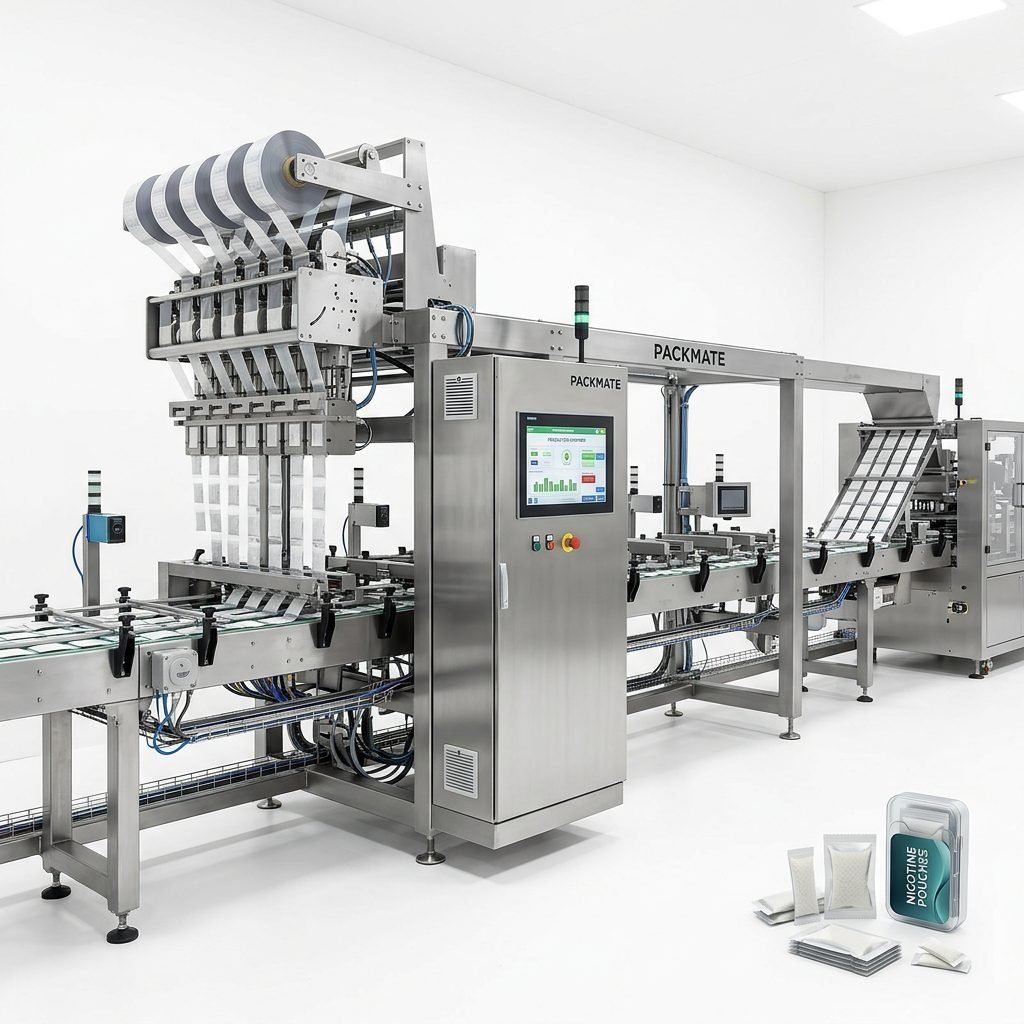
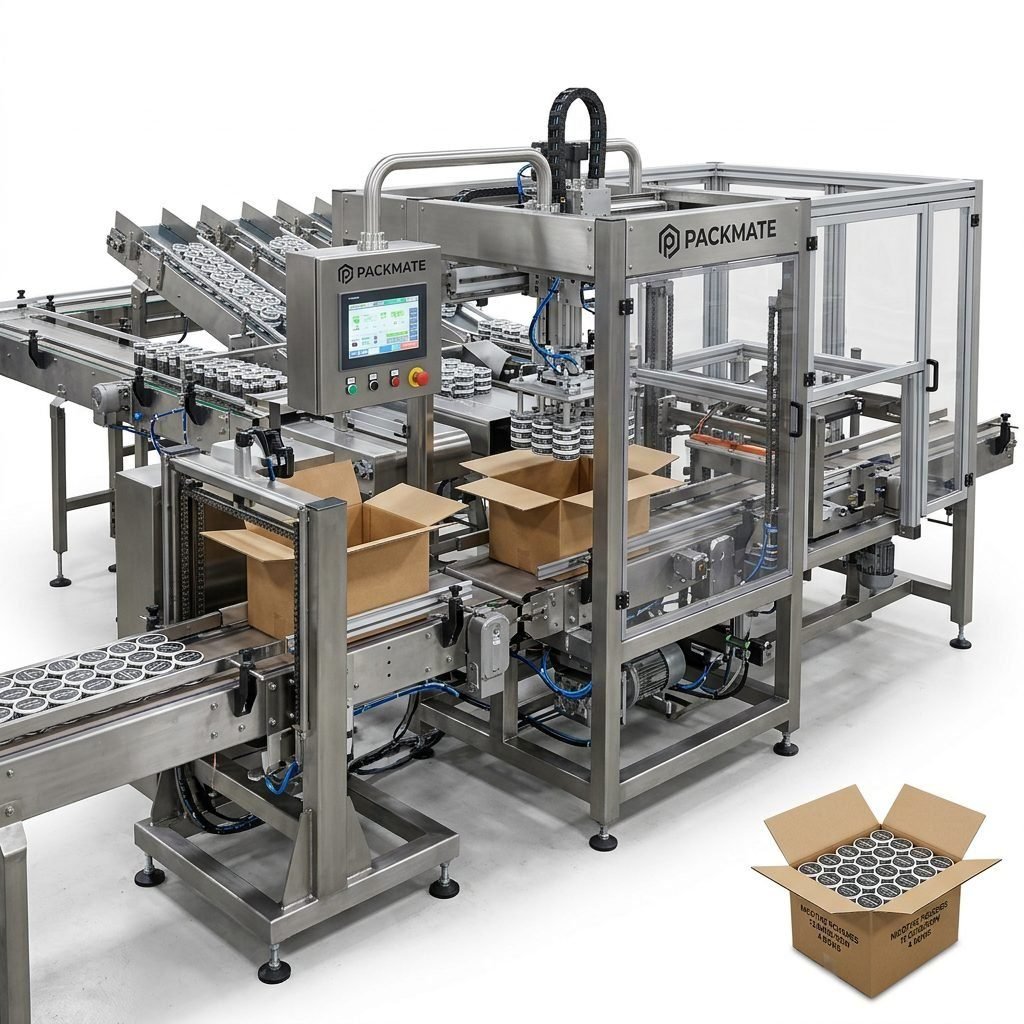
– Learn about complete lines via Filling & Packaging Lines
– Read customer examples in the Case section
On-site commissioning and staff training
Effective commissioning requires experienced engineers and a clear training plan. Ensure the supplier provides an on-site engineer for initial setup and a training schedule that covers operation, routine maintenance, troubleshooting, and safety practices.
Training checklist
– Operator training: daily setup, product changeover, and hygiene procedures
– Maintenance training: lubrication, routine checks, and part replacement
– Troubleshooting guide and contact channels for urgent support
Cost considerations beyond the machine price
Total cost of ownership includes shipping, customs duties, installation, spare parts, training, and downtime during commissioning. Factor in local utility compatibility and potential factory modifications (foundations, power, compressed air).
💡 Budget tip: Request a detailed breakdown of estimated additional costs so you can compare offers fairly.
Final selection and long-term partnership
When you reach the decision stage, weigh technical fit, vendor transparency, support network, and commercial terms. A supplier who demonstrates openness, solid documentation, and a willingness to support you in Costa Rica is likely to be a long-term partner rather than just a one-time vendor.
If you need more detailed machine specifications or to see how a supplier can tailor systems for nicotine pouch production, visit their company profile or contact their sales team directly.
Useful links: About Packmate, Contact Us, and Our Exhibition.
Common Questions (FAQ)
Q1: How long does commissioning and training usually take?
A1: Typical commissioning and operator training for a mid-size snus packaging line ranges from 5 to 14 working days, depending on machine complexity and the level of automation.
Q2: What certifications should I require for machines used in nicotine pouch production?
A2: Request CE and ISO certificates as a baseline. Additionally, confirm that the supplier follows good manufacturing practices and can provide hygiene and material-contact documentation if needed for regulatory compliance.
Q3: How do I ensure spare parts availability in Costa Rica?
A3: Negotiate spare parts stocking agreements, ask for a recommended spare parts kit, and verify lead times. Where possible, work with suppliers who maintain regional stocks or fast international shipping channels.
Q4: Can suppliers support remote troubleshooting?
A4: Many modern suppliers offer remote diagnostics and video-based troubleshooting, which can significantly reduce downtime. Confirm the scope and response time for remote support in your contract.
Q5: What should I prepare on-site before the machine arrives?
A5: Ensure proper foundations, stable power supply, compressed air (if required), adequate lighting, and a prepared area for machine installation. Coordinate with your supplier for precise utility and space requirements ahead of shipment.