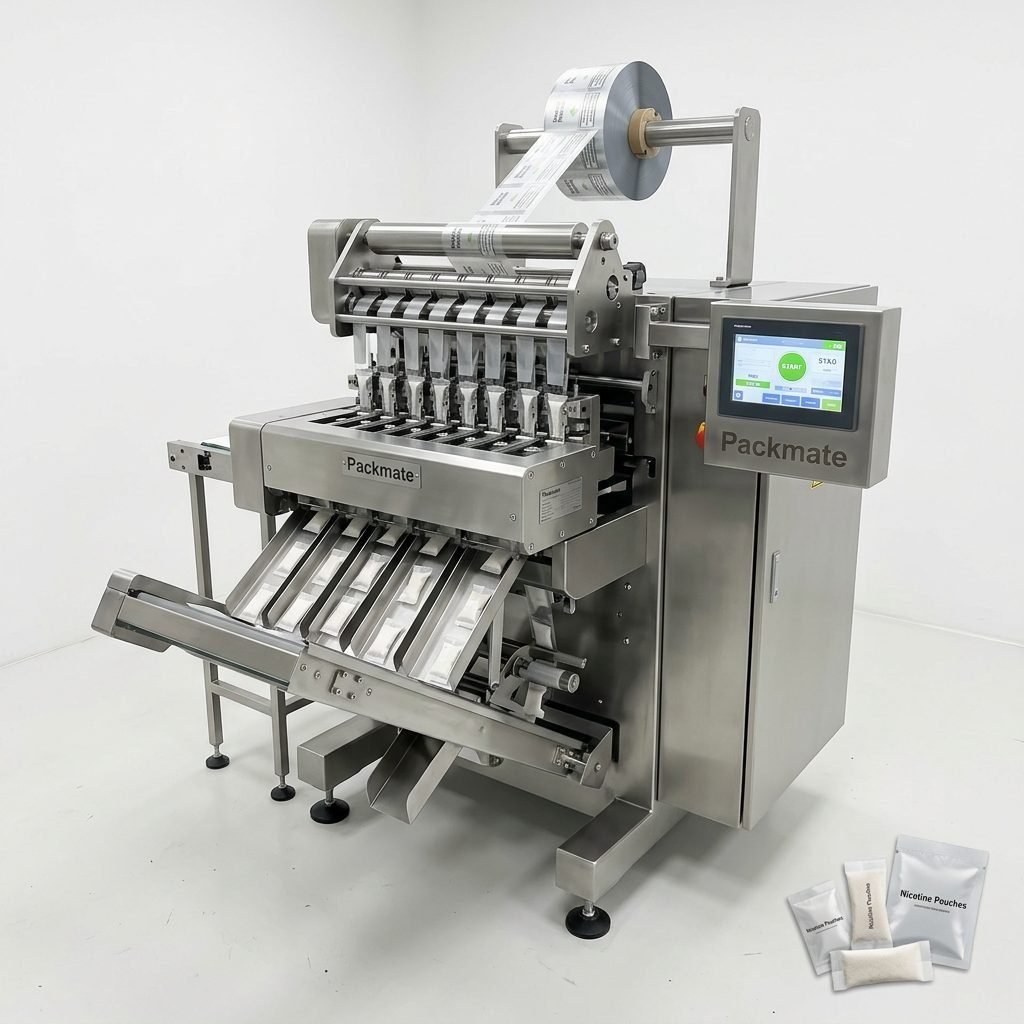
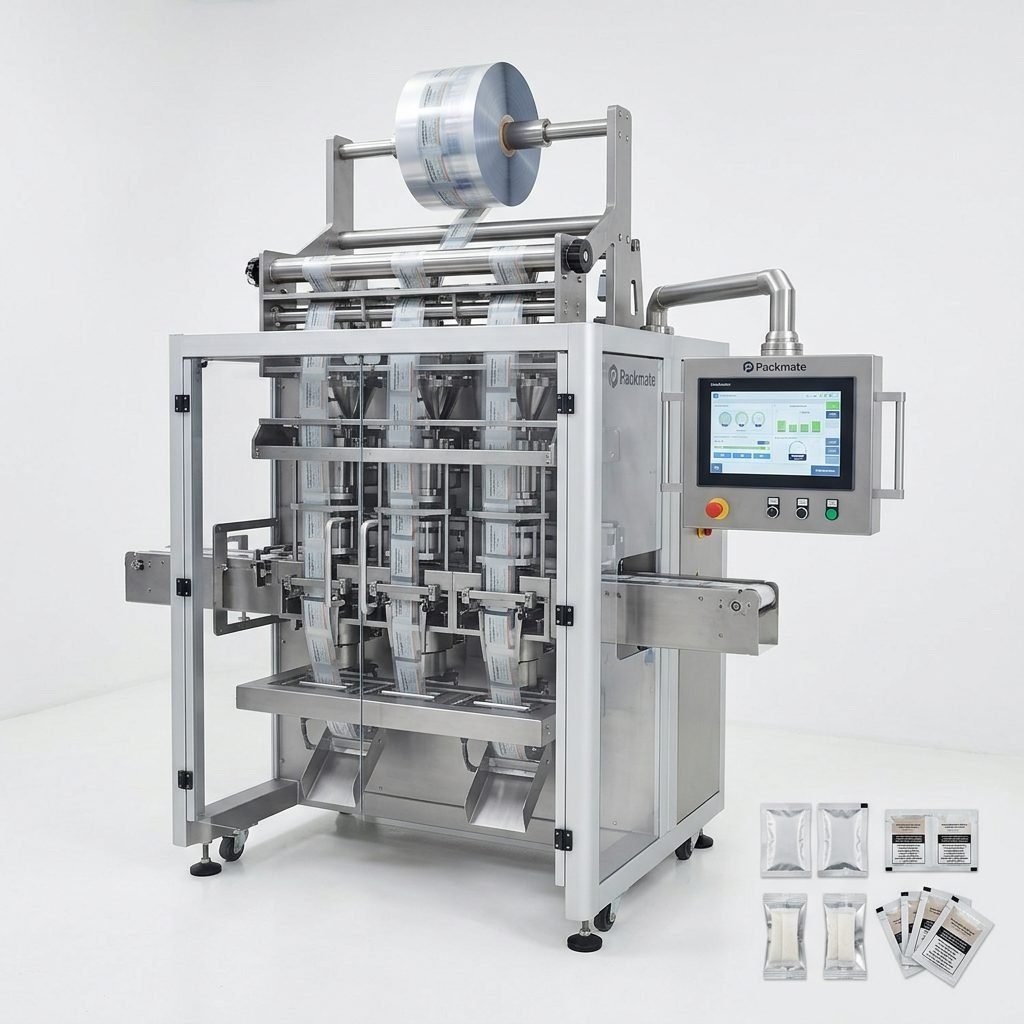
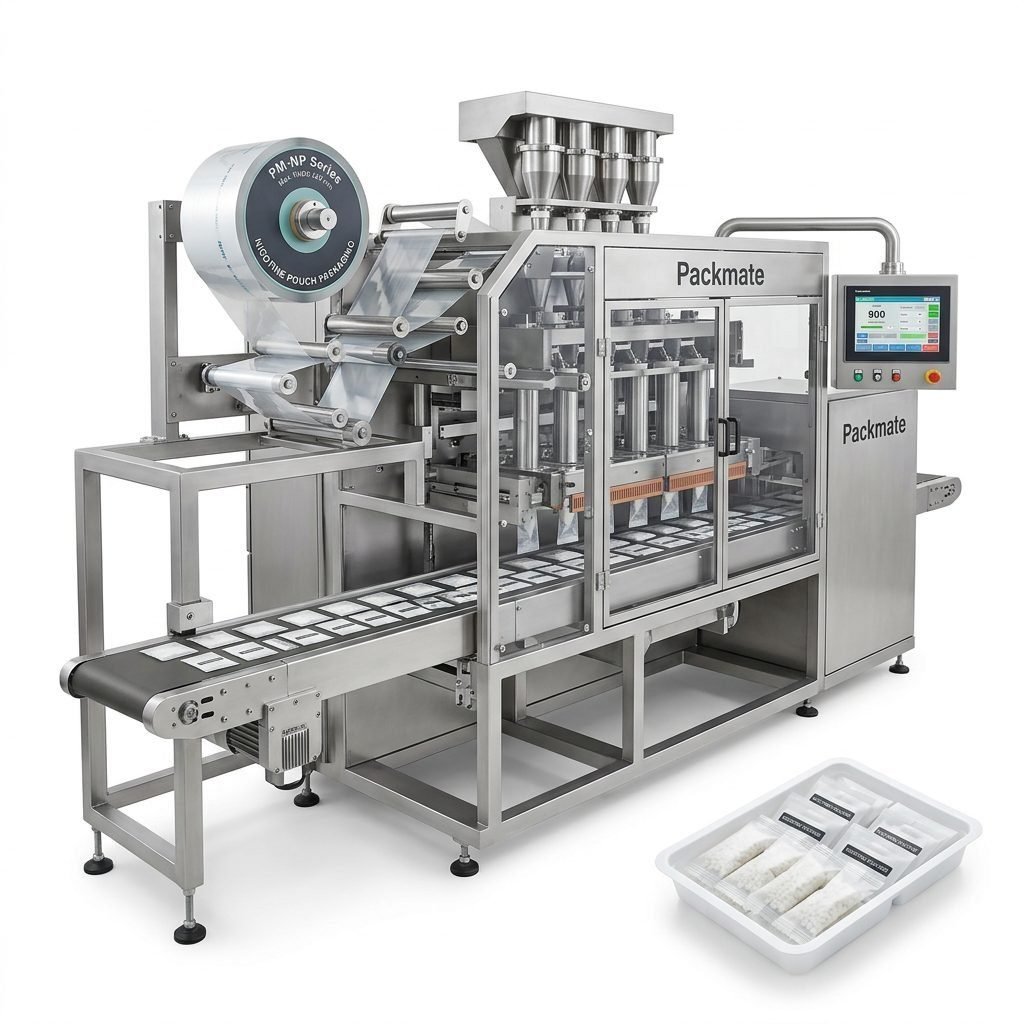
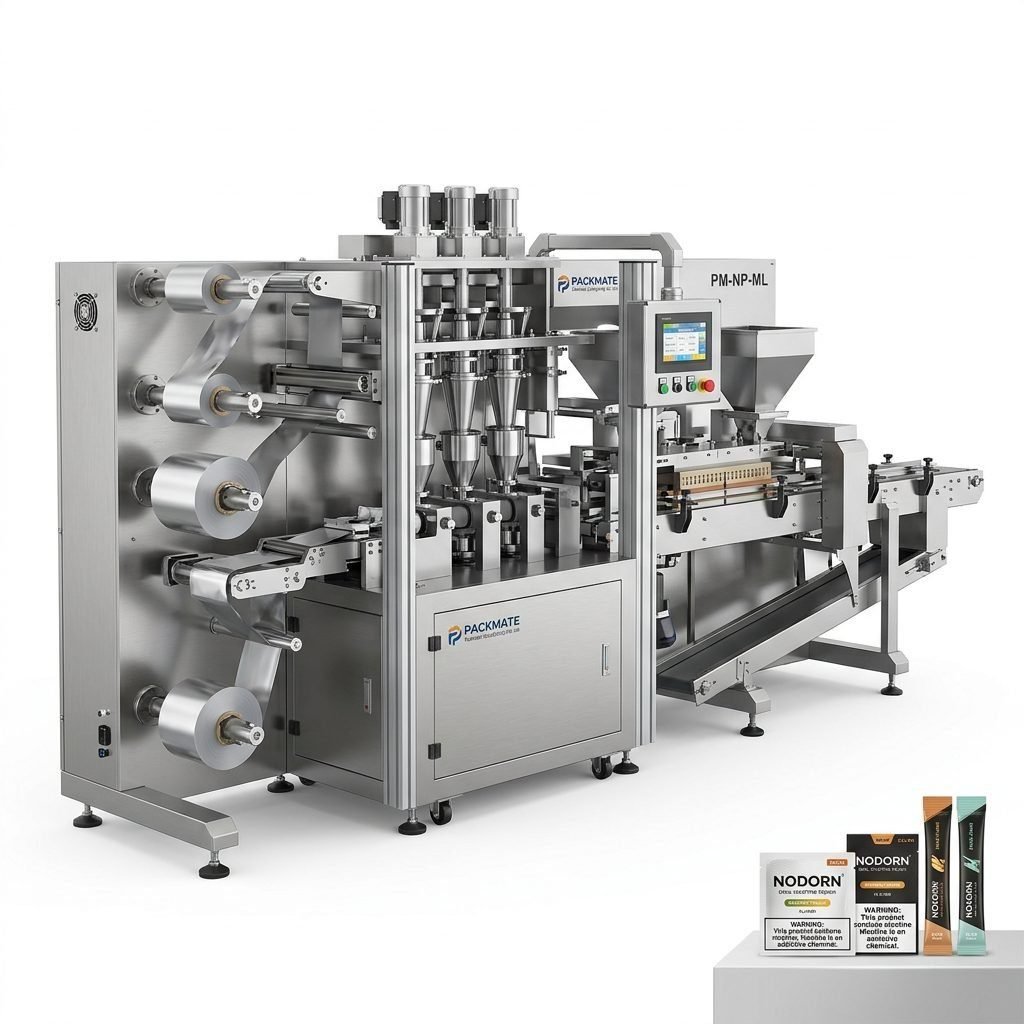
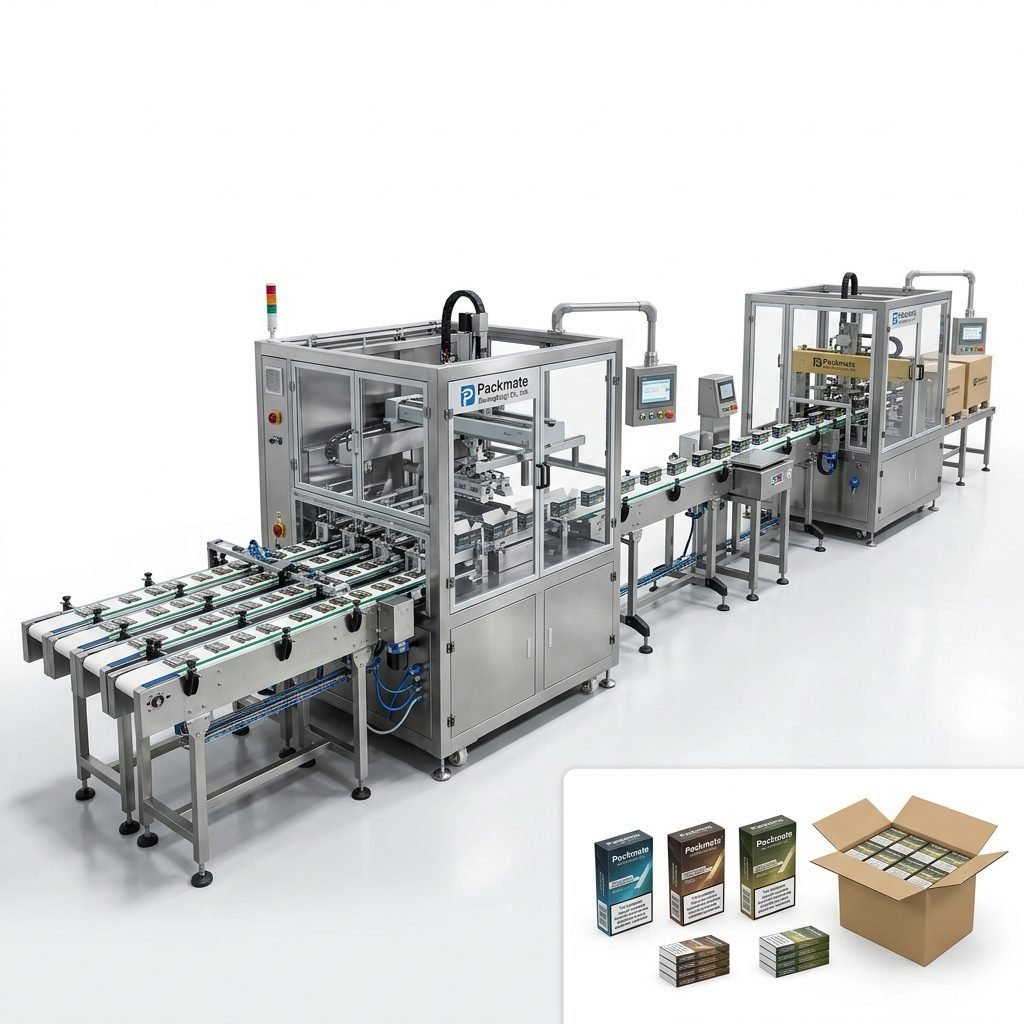
In today’s fast-evolving nicotine pouch market, manufacturers demand equipment that blends high throughput with micron-level dosing accuracy and consistent pouch quality. A High Quality Nicotine Pouch Filling System is the cornerstone for brands that compete on precision, regulatory compliance, and production efficiency. This article delves into the core design philosophies, technical features, production capabilities, and practical considerations for selecting a nicotine pouch filling and packaging line that delivers both precision dosing and high-speed output.
Key Advantages of a Modern Filling System
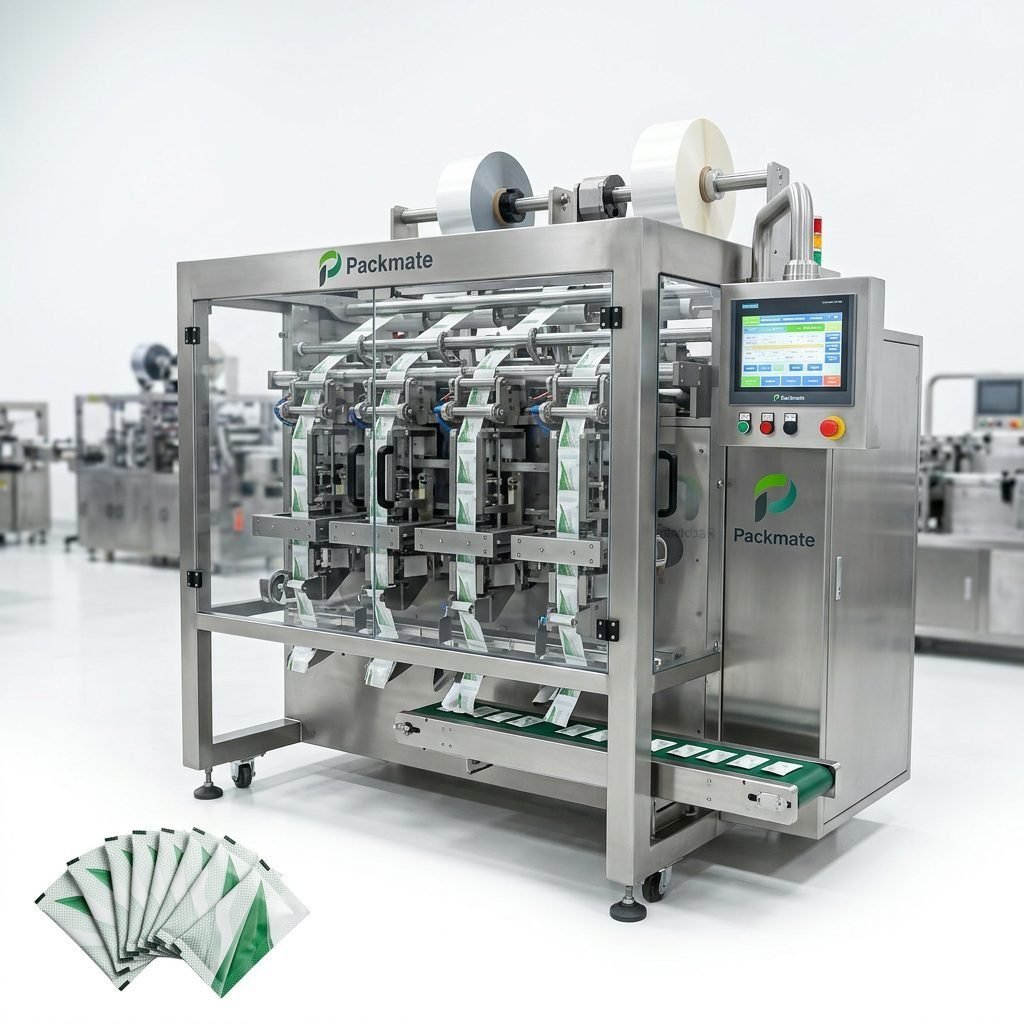
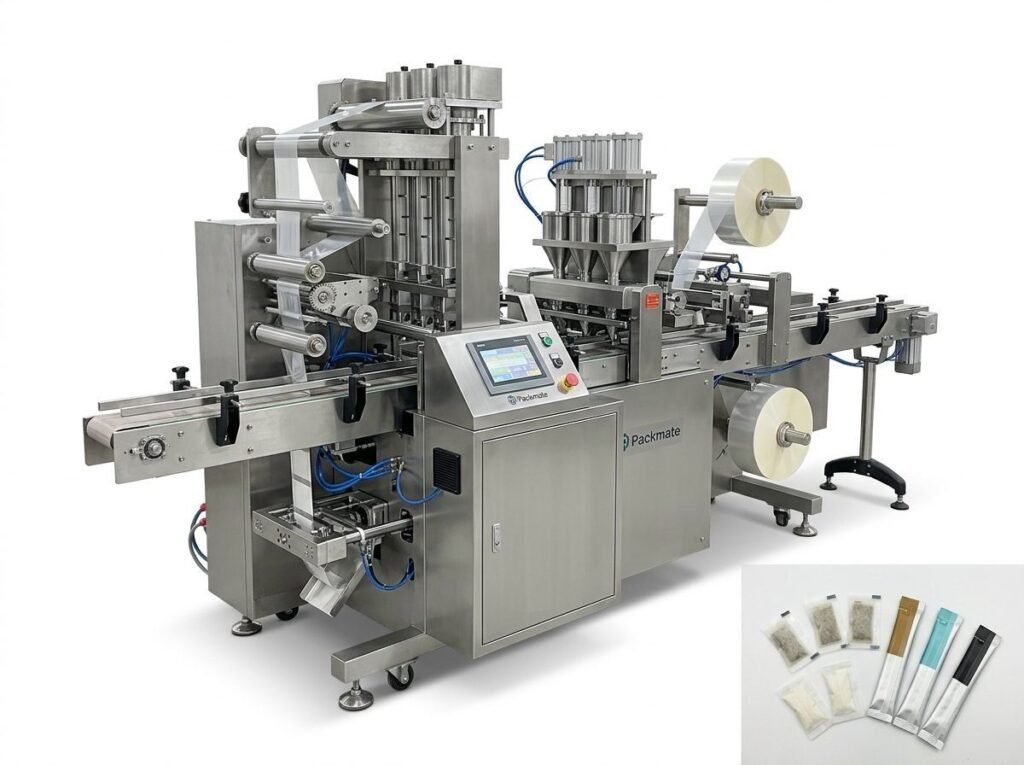
🔧 Modern nicotine pouch filling systems are engineered to reduce variation and waste while increasing uptime. By combining multi-lane pouch forming, precise metering, and servo-driven mechanics, manufacturers can achieve repeatable dosing accuracy across thousands of pouches per minute. These systems are ideal for nicotine pouches, snus and a wide range of small-dose particulate products.
✅ For brands seeking consistent sensory experience and regulatory traceability, investment in automation reduces manual handling and contamination risk. High-speed lines also support flexible batch sizes and fast changeovers, enabling product diversification without long production downtime.
⚡ Performance Highlights — Typical modern systems offer multi-lane pouch filling (2–12 lanes), dosing accuracy within ±2–5% for low-dose formulations, and modular scalability to match production demand.
🔒 Built-in quality controls such as online weight checking, camera inspection, and rejecting systems ensure only conforming pouches continue to packaging and secondary processing.
Core Components and How They Impact Dosing Precision
⚙️ A high-quality filling system integrates several critical subsystems. Each plays a role in dosing precision:
– Feeding & conveying: Stable ingredient feeding prevents segregation and ensures consistent bulk density into the dosing unit.
– Metering mechanism: Options include auger fillers for powders, vibratory feeders for granules, and precision dosing pumps for pastes. For nicotine pouch formulations, auger or servo-driven volumetric fillers combined with online weighing offer the best compromise between speed and accuracy.
– Multi-lane distribution: Proper lane balancing and synchronized control are essential for equal fill across lanes — a weak point in cheaper multi-lane systems.
– Weighing & feedback: High-speed checkweighers and load-cell feedback loops allow on-the-fly corrections, reducing long-term drift and minimizing rejects.
Speed vs. Accuracy: Finding the Right Balance
📈 Speed is essential, but uncontrolled speed sacrifices dosing consistency. The most successful lines are designed with dynamic control systems that adjust dosing parameters in real time based on in-line measurements. A properly calibrated machine can deliver high-speed production without compromising dose uniformity or pouch integrity.
Manufacturers should evaluate metrics such as throughput per lane, overall machine OEE (Overall Equipment Effectiveness), average reject rate, and changeover time when choosing a system. These indicators reveal the real-world balance between speed and precision.
Automation and Integration Capabilities
🔗 Modern nicotine pouch filling systems are not isolated machines; they form part of a complete production ecosystem. Integration points often include:
– Upstream bulk handling and dosing systems for raw material conditioning.
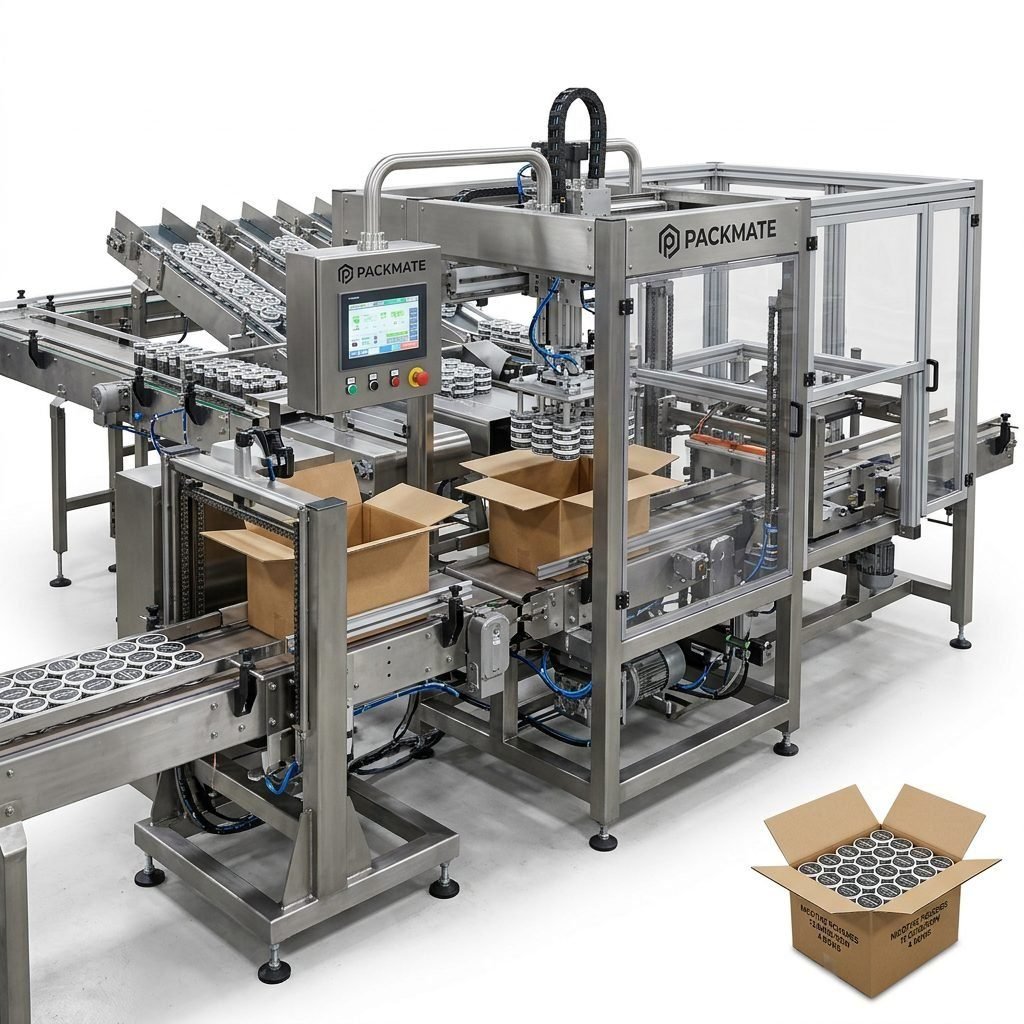
– Downstream sealing, labeling, and secondary packaging (cartoning, case packing).
– Manufacturing execution systems (MES) and SCADA for logging batch data, traceability, and remote diagnostics.
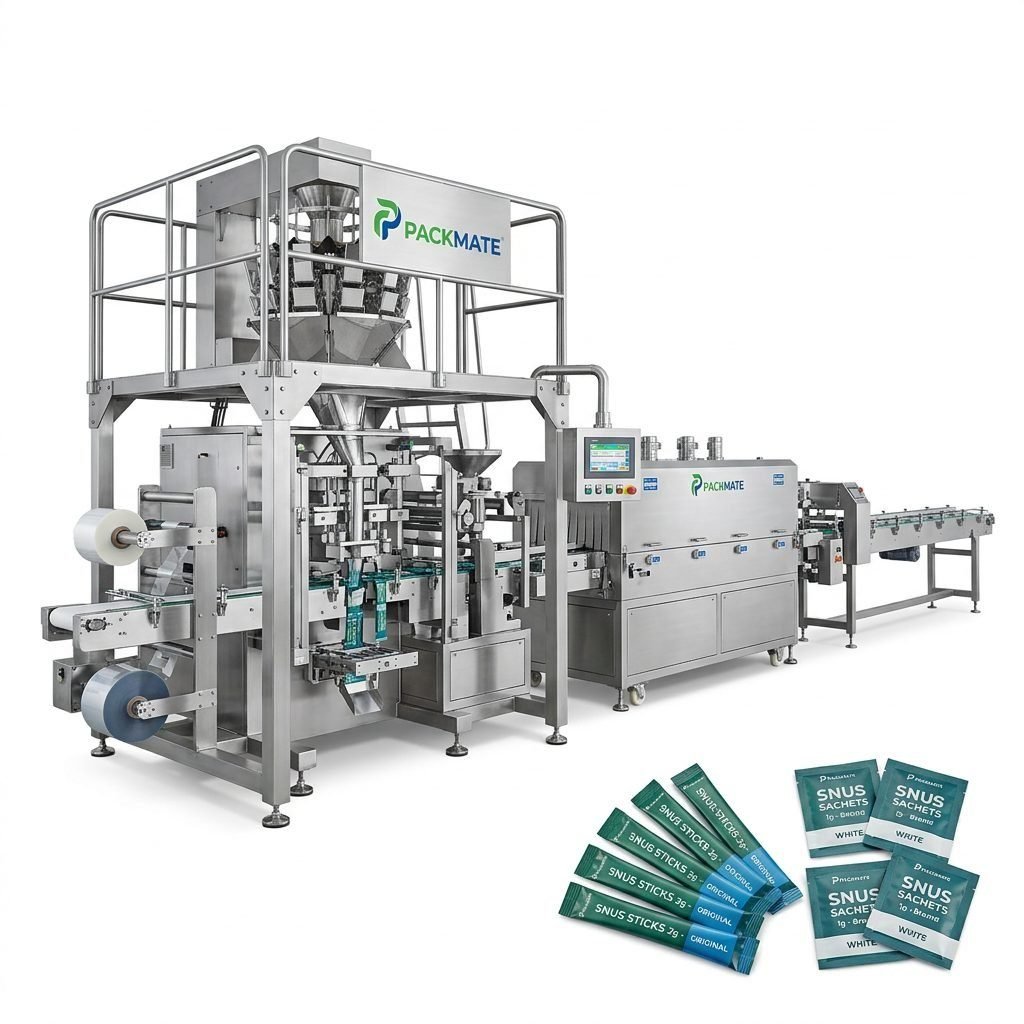
For turnkey solutions that link filling to final packaging, consider a supplier with experience across the full line. Packmate’s turnkey offerings span from precise snus pouch filling to final bag, pouch, or carton packaging as described in their Filling & Packaging Lines and Snus & Nicotine Packaging Machines portfolios.
Material Handling, Hygiene and Cleanability
🧼 For nicotine pouch production, hygiene and material compatibility are fundamental. Systems should minimize crevices and provide easy access for cleaning. Stainless steel contact parts, CIP-friendly hoppers, and quick-release components accelerate cleaning and reduce downtime.
Choose dosing mechanisms that are easy to disassemble and reassemble, and ensure spare parts availability aligns with your production cadence. Packmate’s advanced CNC machining and rigorous QA help ensure parts are precise and reliable across production cycles.
🔍 Regulatory & Certification Considerations — Global markets require documented compliance. Look for CE, ISO and other certifications that demonstrate a supplier’s commitment to safety and quality systems. Equipment traceability, material certificates, and FAT/SAT procedures are crucial for exporting lines.
Customization and Product Flexibility
🧩 Top-tier suppliers allow configuration across multiple dimensions: lane counts, pouch sizes, fill ranges, sealing types, and control platforms. Flexible servo-based stations and modular conveyors enable quick product changeovers — a must for companies launching multiple SKUs or regional variants.
If your product portfolio includes powders, granules, or moisture-sensitive blends, ask about environmental controls (dehumidified rooms, enclosed conveyors) and dosing technology adapted to material characteristics.
Maintenance, Service and Global Support
🛠️ Long-term support is a decisive factor. Choose a manufacturer with documented global service networks, remote troubleshooting capabilities, and clear spare-parts logistics. Suppliers that provide on-site commissioning, operator training, and comprehensive documentation reduce commissioning time and improve first-run yield.
For companies expanding internationally, verify the supplier’s track record in your target markets and their experience with export logistics and local regulatory requirements.
Real-World Case Examples and Global Reach
🌍 Manufacturers like Packmate have decades of experience delivering snus and nicotine pouch packaging lines across Europe, Asia and the Americas. Their multi-lane designs, advanced CNC manufacturing, and turnkey solutions have been implemented in diverse production environments — from small artisan brands scaling up to large industrial operations.
For detailed project references, case studies and exhibition appearances, consult the supplier’s Case, Our Exhibition and About Packmate pages to evaluate proven installations and machine demonstrations.
How to Evaluate Suppliers: A Practical Checklist
🔎 When selecting a filling system vendor, consider:
– Production capacity: Can the system reach your target throughput with acceptable rejects?
– Dosing accuracy: What are typical tolerance bands and real-world performance data?
– Service & parts: Is spare parts supply consistent and is there local or remote support?
– Regulatory compliance: Does the supplier provide certification and validation support?
– Turnkey capability: Can the supplier deliver integrated solutions from filling to final packaging?
Where to See Machines Live
Attend industry exhibitions and live demos to evaluate machine ergonomics and build quality. Many manufacturers also host factory acceptance tests (FAT) where a full production run can be observed. Check exhibition schedules or request a FAT — real-world run data often reveals machine strengths and weaknesses more clearly than spec sheets.
Integration with Packaging and Secondary Lines
A filling system’s long-term value depends on seamless handoff to sealing, pouch forming, labeling and case packing equipment. Explore integrated solutions within suppliers’ product lines such as Bag & Pouch Packaging Machines, Sachet & Stick Pack Machines, and Auxiliary Packaging Equipment to reduce compatibility issues and commissioning time.
📌 Supplier Resources & Links — To learn more about turnkey snus and nicotine pouch solutions and to view machine models and case studies, visit these recommended resources:
Commercial Considerations and ROI
💰 When evaluating ROI, consider not only the capital cost but also savings from reduced material waste, labor reduction, fewer rejects, and faster time-to-market for new SKUs. A well-engineered multi-lane system amortizes quickly if it allows high utilization and low scrap rates. Factor in training, spare parts inventory, and preventative maintenance plans when modeling payback periods.
Common Mistakes to Avoid
❗ Common pitfalls include choosing machines based only on headline speed, underestimating material-specific dosing challenges, and neglecting service and spare parts logistics. Always request performance data for your specific product formulation and a formal FAT demonstration.
Implementation Roadmap: From Specification to Production
1) Define product specifications: pouch sizes, fill weight range, moisture/particle characteristics.
2) Select dosing and lane configuration that meets your capacity plan.
3) Request a site-specific layout and CAPEX/OPEX estimate.
4) Conduct FAT and pilot runs, adjust parameters and document SOPs.
5) Commission on-site, train operators, and establish spare-parts and maintenance schedules.
Final commissioning and validation should include sample retention, traceability records, and a formal handover process with agreed KPIs for the first months of production.
Frequently Asked Questions
Q1: What dosing accuracy can I expect for nicotine pouch applications?
A1: Typical high-quality systems combined with in-line weighing achieve dosing variation within ±2–5% depending on product flow characteristics and fill weights. For ultra-low-dose SKUs, additional controls such as per-lane weighing and recipe-specific calibration can improve accuracy.
Q2: How many lanes should I choose for my production line?
A2: Lane counts depend on desired throughput, available floor space, and product flexibility. Multi-lane systems (4–12 lanes) are common for high-capacity plants, while 2–4 lanes are suitable for smaller operations or pilot lines. Evaluate throughput per lane and total line OEE to determine the optimal configuration.
Q3: How long does a full line installation and commissioning typically take?
A3: Installation time varies with line complexity and site readiness. A modular single-machine installation can take days to weeks, while a full turnkey filling and packaging line often requires several weeks for mechanical installation plus commissioning, validation, and operator training. Suppliers offering FATs reduce on-site commissioning time.
Q4: Are these systems compatible with different pouch materials and sealing methods?
A4: Yes. Most advanced systems support varied substrate materials and can be configured for heat-seal, ultrasonic seal, or cold-seal processes. Ensure your supplier provides compatibility testing and sample runs for your selected materials.
Q5: Where can I see real-world installations and get more technical documentation?
A5: Visit supplier exhibition pages or request case studies and factory acceptance test records. Packmate provides product pages, case studies and detailed line descriptions at their Snus & Nicotine Packaging Machines and Filling & Packaging Lines resources and offers global exhibition activities where live demonstrations are available.