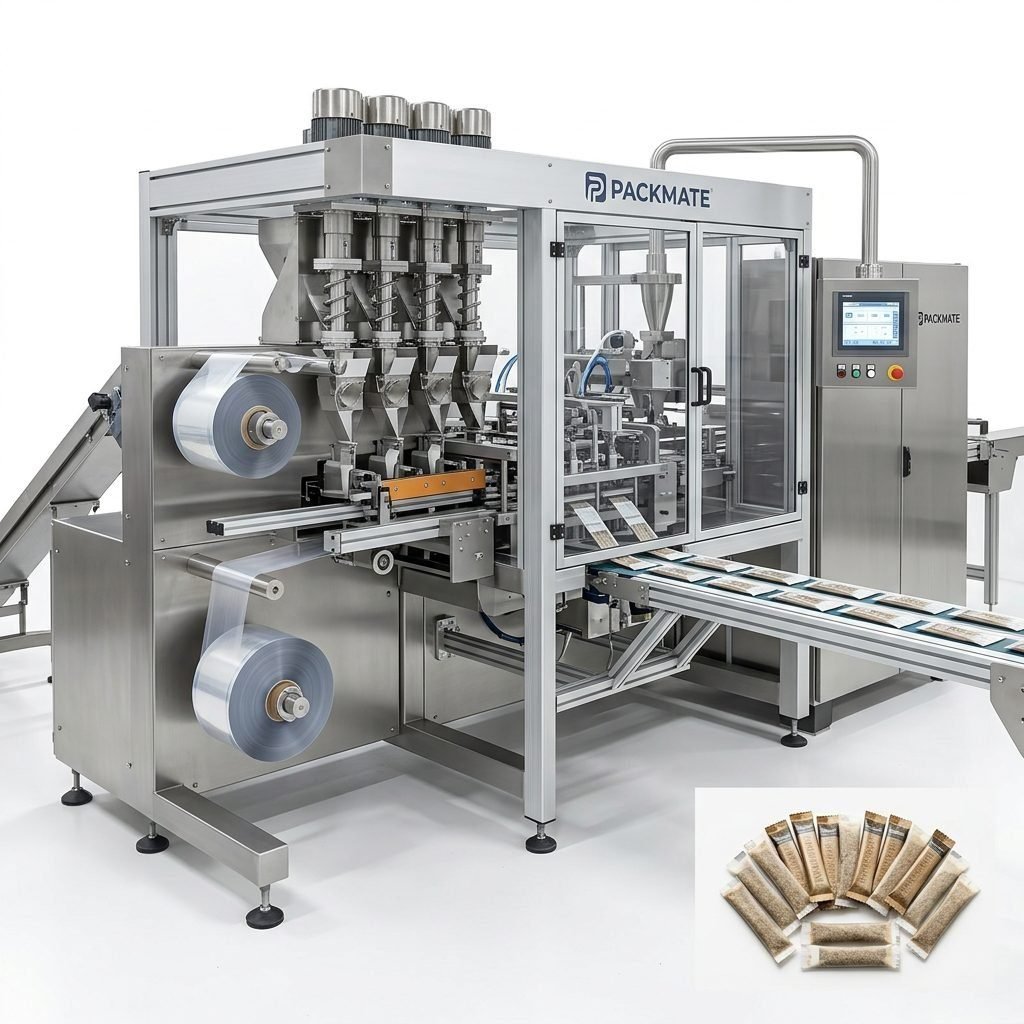
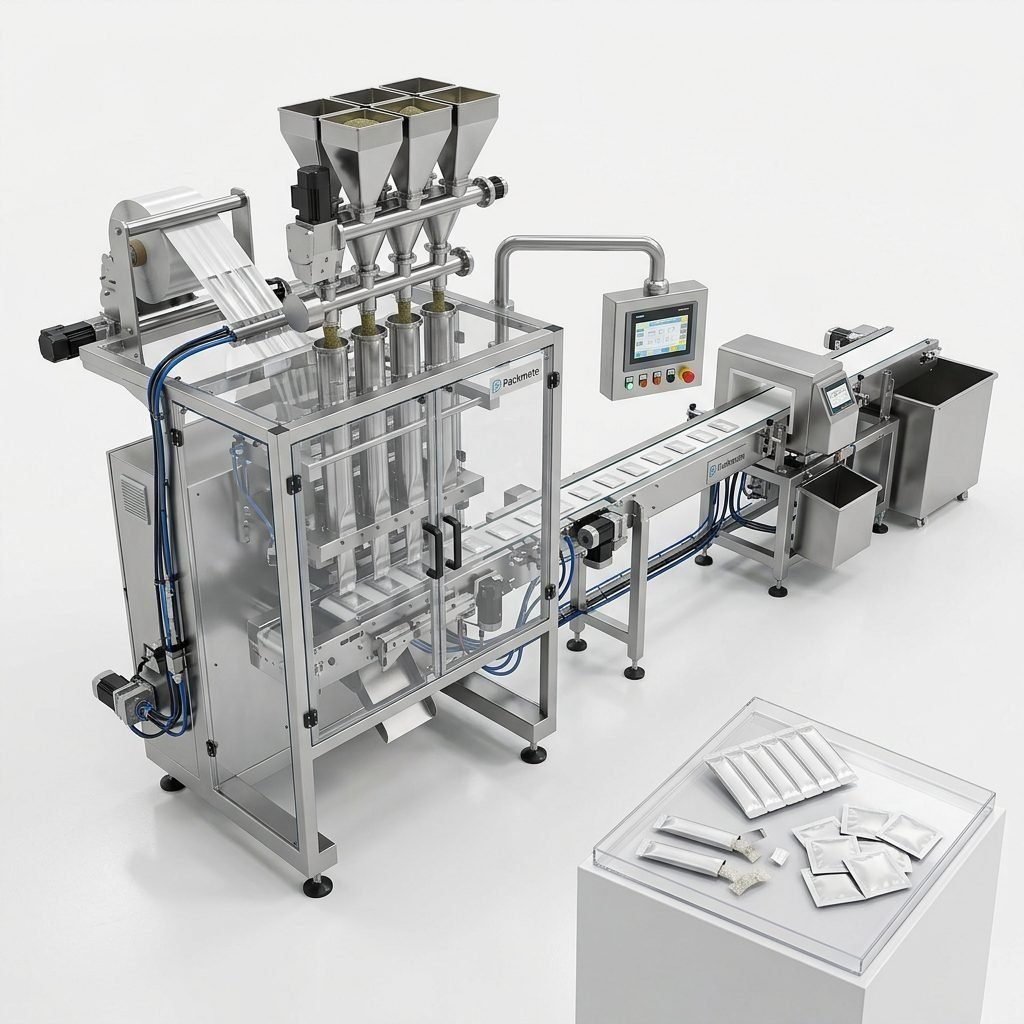
Choosing the right snus packaging machinery manufacturer in Georgia can determine the success of your nicotine pouch or snus product line. The right partner delivers reliable machines, tailored automation, compliance with international standards, and responsive after-sales support—each critical when scaling production or entering new markets. This guide walks you through a practical, step-by-step approach to evaluate manufacturers, compare solutions, and make a procurement decision that protects your investment and accelerates production.
Why the Manufacturer Choice Matters
🔧 A packaging machine is not just equipment; it is the backbone of your production process. Choosing an inexperienced or poorly supported supplier can lead to downtime, inconsistent pouch quality, regulatory challenges, and hidden costs. Conversely, a reputable manufacturer provides: stable machine performance, customization for product specs, and long-term technical support.
Step 1 — Define Your Production Needs Clearly
Before contacting manufacturers, document your product and line requirements: pouch type (snus, nicotine pouch, stick pack, sachet), output capacity (pouches/minute), lanes (single or multi-lane), filling materials (powder, granule, liquid), and target packaging materials. This clarity helps you secure precise quotations and technical comparisons.
Checklist to prepare
• Product characteristics (moisture, particulate size, abrasiveness)
• Desired daily/monthly throughput
• Packaging film and laminates used
• Expected automation level (manual feeding vs. turnkey lines)
• Budget range and timeline for delivery
✅ Tip: When dealing with nicotine pouch or snus packaging, machine precision and hygiene design are essential. Ask for machine performance data, test reports, and material contact specifications.
Step 2 — Evaluate Manufacturer Capabilities
Not all packaging machine suppliers are equal. Evaluate prospective manufacturers on engineering experience, production scale, product portfolio, and compliance certifications.
Key indicators of a reliable manufacturer
• Years of industry experience and demonstrated product lines
• Factory size, machining and assembly facilities (CNC, precision lines)
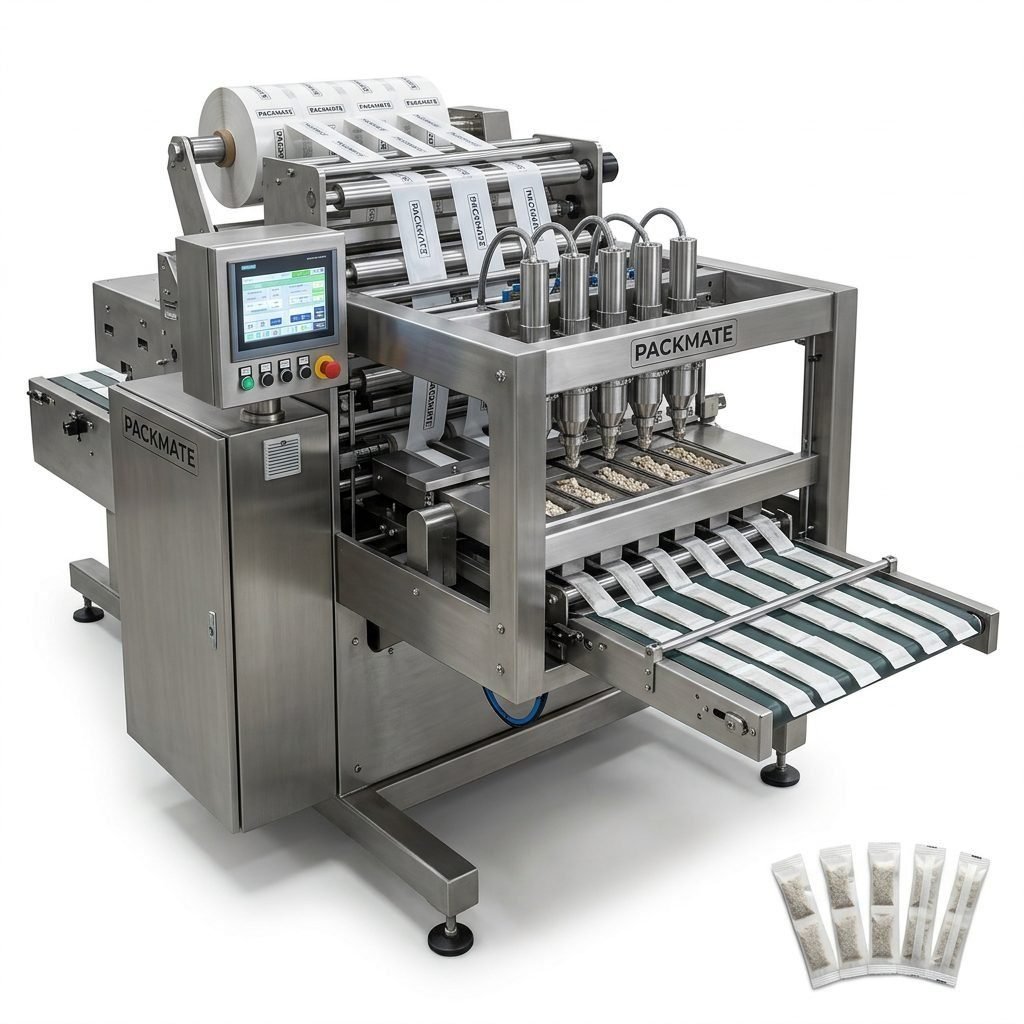
• Variety of available models and ability to customize (e.g., multi-lane systems)
• Quality management: CE, ISO certifications and test documentation
• References and case studies from similar industries
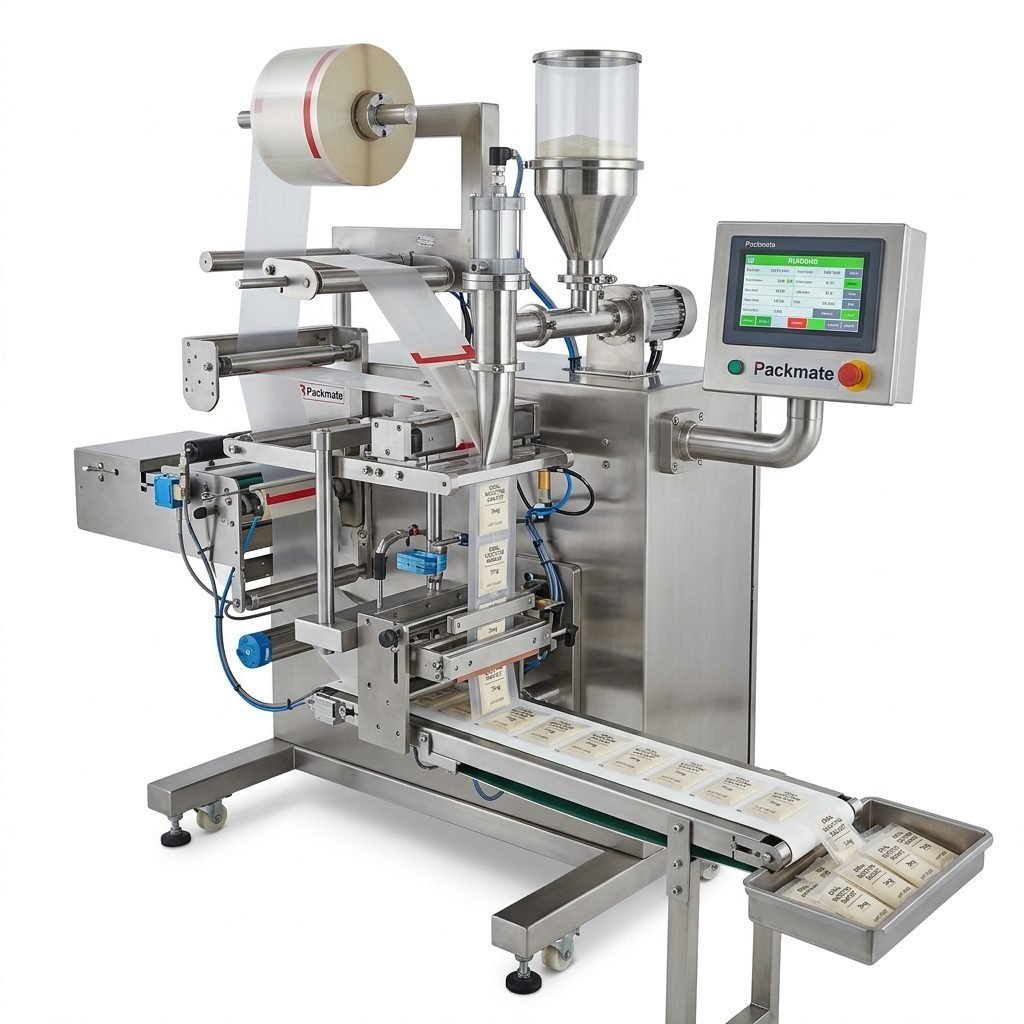
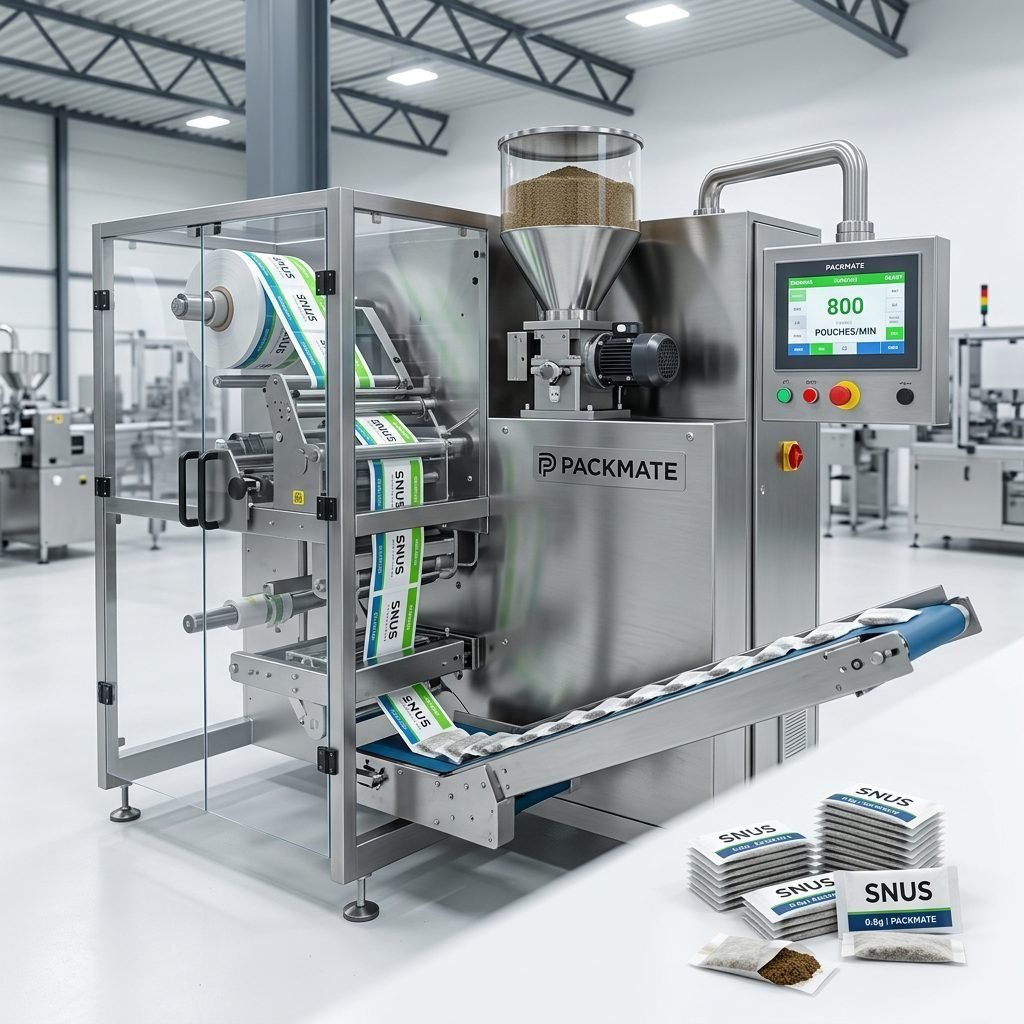
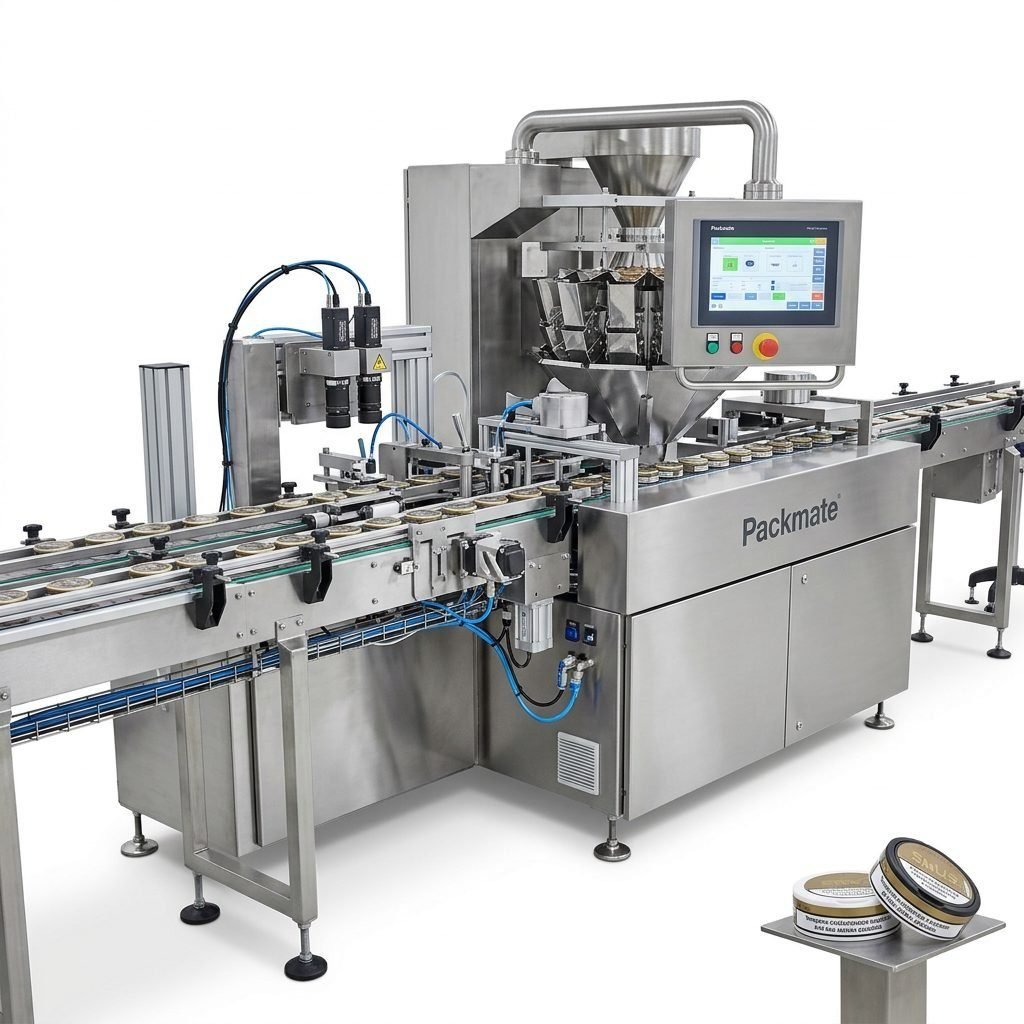
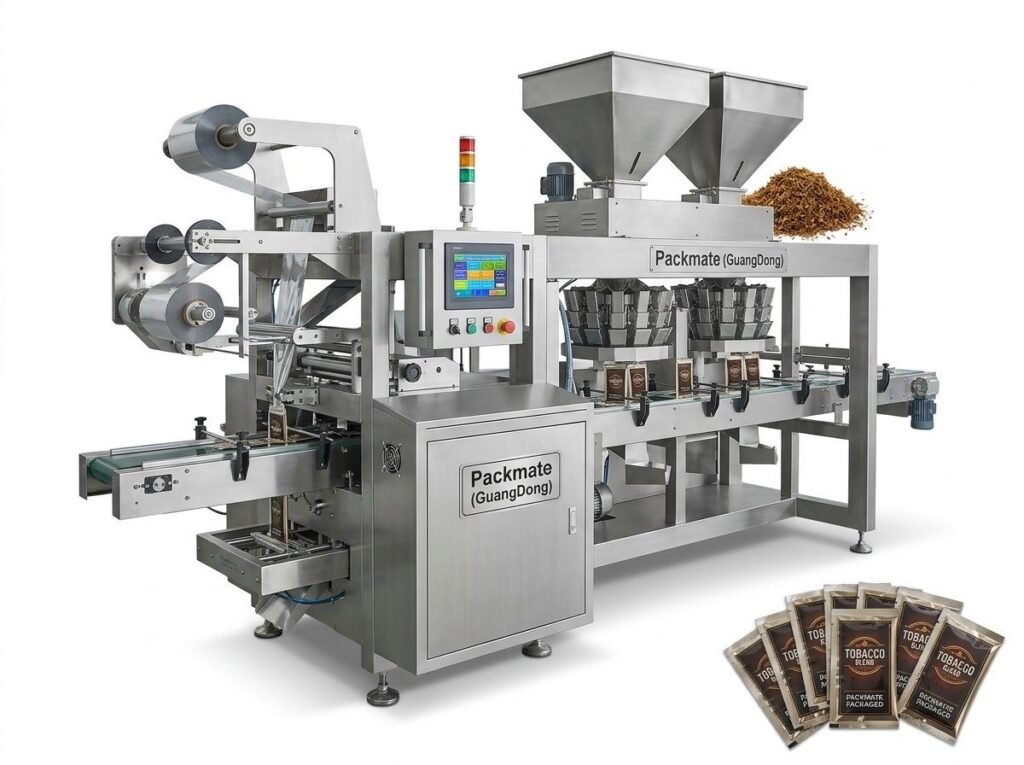
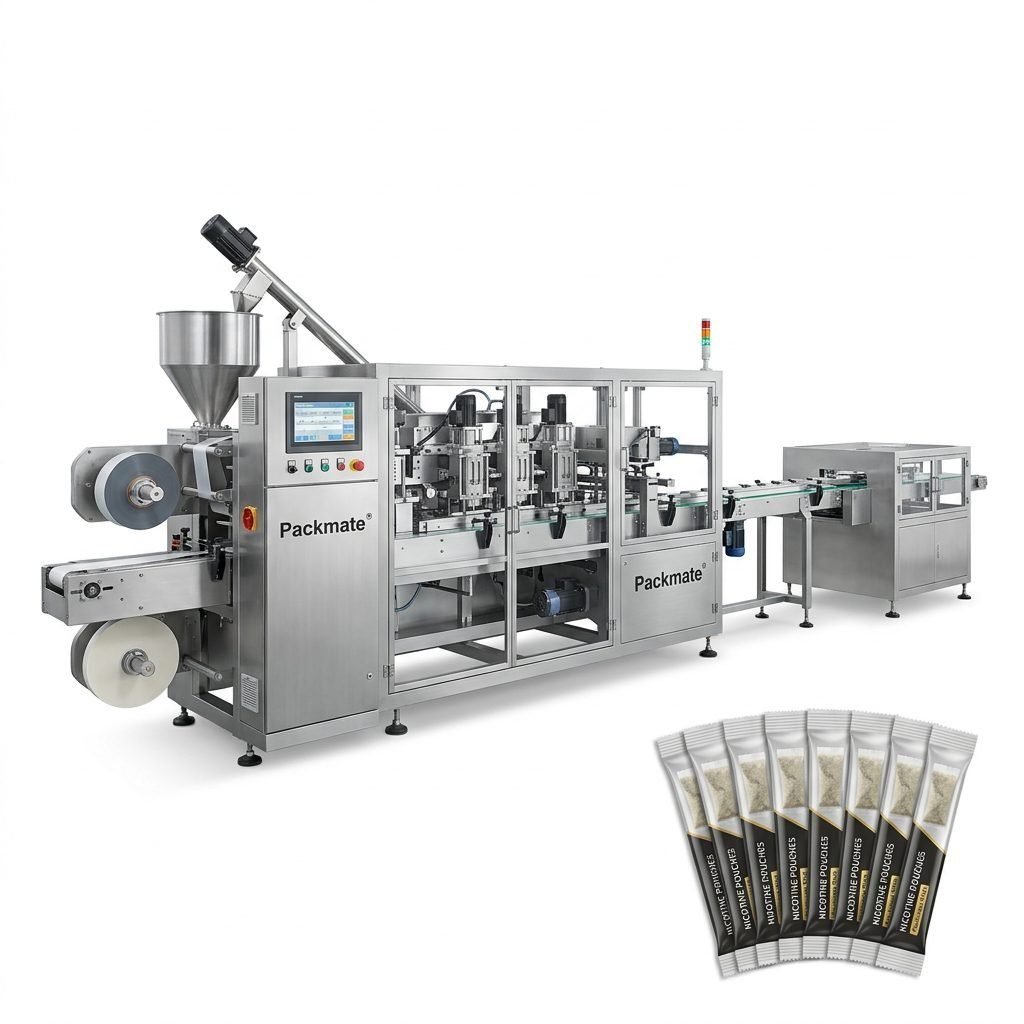
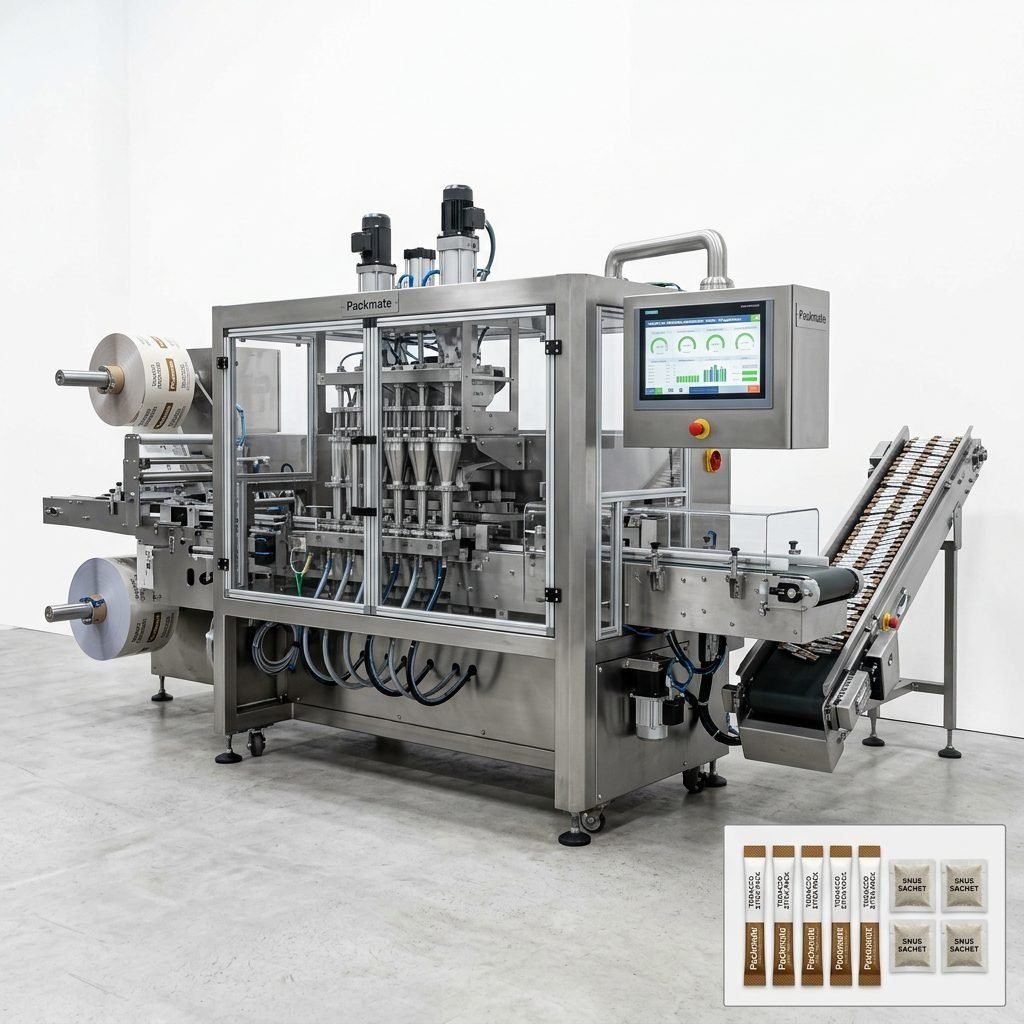
For example, a supplier that lists a wide range of packaging lines—stick packs, sachets, multi-lane nicotine pouch machines—and a 20,000㎡ facility with advanced CNC centers shows strong manufacturing depth and system integration capability. You can learn more about specific machine types at their product pages such as Snus & Nicotine Packaging Machines and Sachet & Stick Pack Machines.
Step 3 — Inspect Technical Specifications & Performance
Ask for detailed machine specifications and real-world performance metrics: cycle speed, accuracy, changeover time, maintenance intervals, and mean time between failures (MTBF). Request videos of machines running similar products and customer references for on-site verification.
Questions to ask
• What is the guaranteed and tested output (pouches/min) under production conditions?
• Can the machine handle your film thickness and seal temperatures?
• What tolerances are achieved for fill weight and seal integrity?
• How quickly can the machine be changed over for different pouch sizes?
⚠️ Important: Performance claims should be backed by test runs and third-party verification when possible. Do not accept unverified peak speeds—focus on sustainable production rates.
Step 4 — Assess Customization & Turnkey Solutions
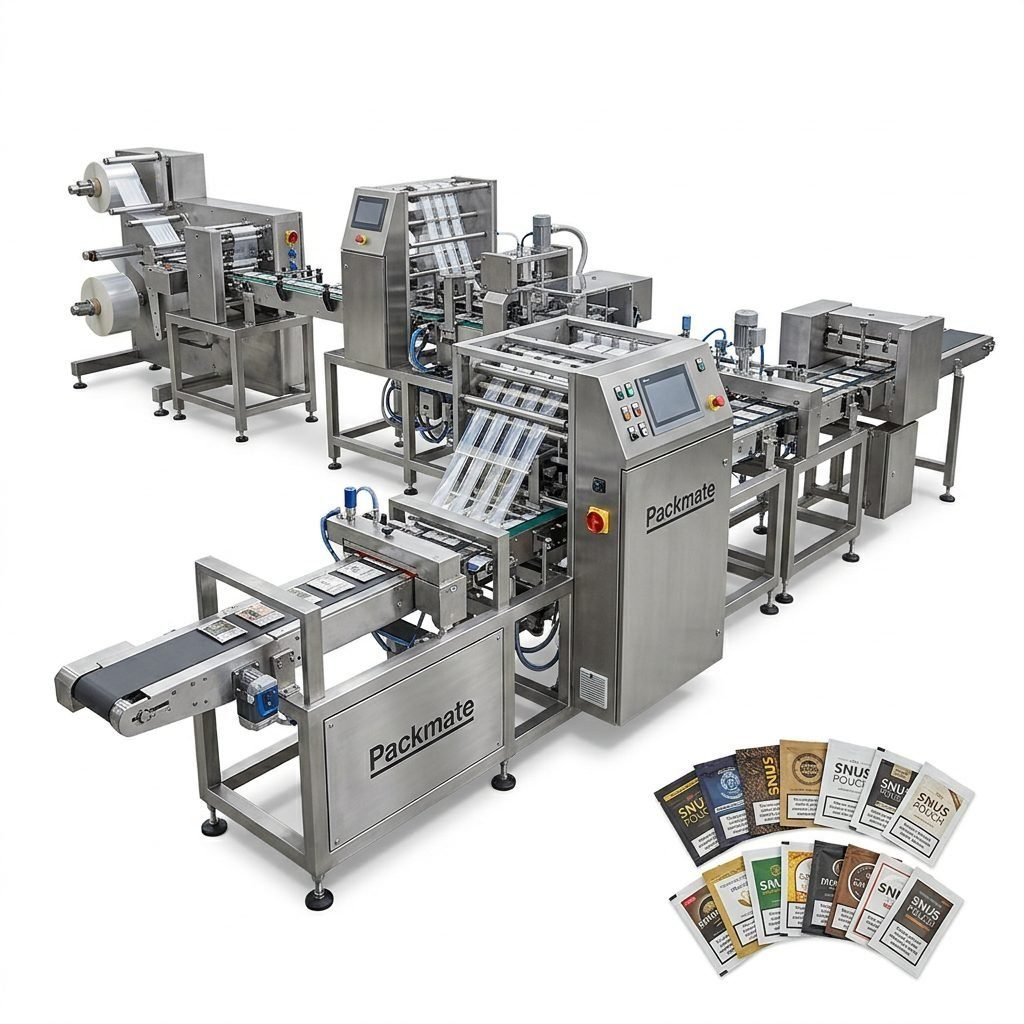
If your product requires special handling—multi-lane dosing, moisture control, anti-static measures, or unique pouch shapes—ensure the manufacturer provides customization and system integration. Turnkey solutions often include weighing systems, conveyors, capping or case packing, and PLC/SCADA integration.
Explore related lines and complementary equipment, for example Weighing & Packaging Systems or Filling & Packaging Lines to build a fully automated, synchronized production line.
Step 5 — Quality, Compliance & Safety
Regulatory compliance is non-negotiable in tobacco and nicotine-related products. Confirm the manufacturer adheres to international standards (CE, ISO) and can adapt machines for local regulatory or hygienic requirements. Safety features, electrical compliance, and documentation (IQ/OQ/PQ where relevant) are essential for internal quality assurance and third-party audits.
Documentation to request
• CE and ISO certificates
• Electrical schematics and PLC program documentation
• Machine FAT (Factory Acceptance Test) reports and video
• Cleaning and maintenance manuals
Step 6 — After-Sales Support & Spare Parts
Excellent after-sales service reduces downtime and protects ROI. Evaluate warranty terms, spare part availability, remote diagnostics, and on-site technical support. Suppliers with global service networks or fast shipping from stocked spare-parts hubs are preferable.
📞 Pro tip: Confirm lead times for critical spare parts and whether remote troubleshooting (via VPN/PLC access) is available. A vendor that provides training for your technicians can significantly reduce dependency on external engineers.
Step 7 — Visit the Factory and See Machines Running
If feasible, arrange a factory visit or third-party inspection. Watching machines run full production cycles, checking assembly quality, and speaking to engineers gives confidence the supplier can meet specifications. If travel is restricted, request a live video demonstration with a Q&A session.
Factory visit checklist
• Observe assembly lines and CNC machining centers
• Inspect material handling and quality control stations
• Review inventory of spare parts and finished machines
• Meet service and technical support teams
Step 8 — Compare Quotes and Total Cost of Ownership
Price matters, but so does the total cost of ownership (TCO). Compare quotes not just on purchase price but on energy consumption, spare part costs, downtime rates, training, warranty, and expected service intervals. A cheaper machine with frequent breakdowns will become the more expensive option over time.
Ask for a breakdown: machine price, shipping & installation, training, warranty scope, spare parts starter kit, and optional accessories. Clarify payment terms, lead times, and penalties for delayed delivery.
Step 9 — Logistics, Installation & Commissioning
Plan for transportation, customs clearance, and on-site installation. Confirm the supplier offers installation and commissioning services in Georgia or provides certified local partners. Check who is responsible for electrical and utility connections, safety guarding, and final acceptance testing.
If you are working with a manufacturer experienced in global turnkey delivery, they will manage coordination with freight forwarders, provide packing lists, and handle export documentation efficiently. Learn more about vendor credentials and company background to verify their global delivery experience on pages such as About Packmate.
Step 10 — Plan for Growth & Upgrades
Choose machines and suppliers with scalable solutions. As demand grows, you might add lanes, integrate automatic case packers, or migrate to higher-speed systems. A manufacturer that designs modular machines and supports upgrades will reduce future capital expenditure.
🔁 Future-proofing: Ensure PLC/controls are modern and allow software updates. Modular mechanical design eases lane additions and accessory integration.
Local Considerations for Georgia Buyers
If you operate in the U.S. state of Georgia (or the country Georgia), local factors—such as import duty, local standards, language, time zone for remote support, and availability of certified technicians—affect vendor selection. Prefer vendors with prior clients in your regional market or those who provide clear shipping/installation plans for Georgia locations.
Logistics & support tips
• Confirm estimated customs duty and classification for nicotine product machinery.
• Verify supplier can supply electrical schematics matching local voltages and frequencies.
• Ask about regional service partners or authorized technicians to speed up response times.
How Packmate Snus Machine Illustrates a Strong Manufacturer Profile
A strong example in the snus packaging industry is a supplier with decades of engineering experience, a large manufacturing facility, and a broad product range. The right partner will list machine types like snus packaging machines, stick pack, sachet, and multi-lane systems and present factory capabilities such as advanced CNC centers and strict quality control. Review case studies and exhibition presence to validate their market reputation; for example, vendor case histories can be reviewed at their case page Case.
Final Checklist Before You Sign a Contract
• Written performance guarantees and acceptance criteria (FAT/SAT)
• Clear warranty terms and spare parts supply agreement
• Detailed installation, training, and commissioning plan
• Documentation: manuals, electrical drawings, and software backups
• References from similar customers and demonstrated field performance
📌 Ready to evaluate vendors? Start with the manufacturer’s product catalogs and contact their sales and technical teams directly. If you need turnkey lines, review their Bag & Pouch Packaging Machines and auxiliary equipment options.
Conclusion
Selecting the best snus packaging machinery manufacturer in Georgia requires rigorous evaluation of technical capability, manufacturing strength, compliance, after-sales support, and logistical readiness. Prioritize vendors that can demonstrate real-world performance, provide clear documentation, and partner with you for long-term production success.
Frequently Asked Questions
1. How long does delivery and installation typically take for a snus packaging line?
2. What certifications should I insist on for nicotine pouch packaging machines?
3. How do I verify a vendor’s performance claims before purchase?
4. What spare parts should I stock to minimize downtime?
5. Can I upgrade a single-lane machine to multi-lane in the future?
For further information or to discuss specific equipment needs, contact the manufacturer directly via their contact page: Contact Us.