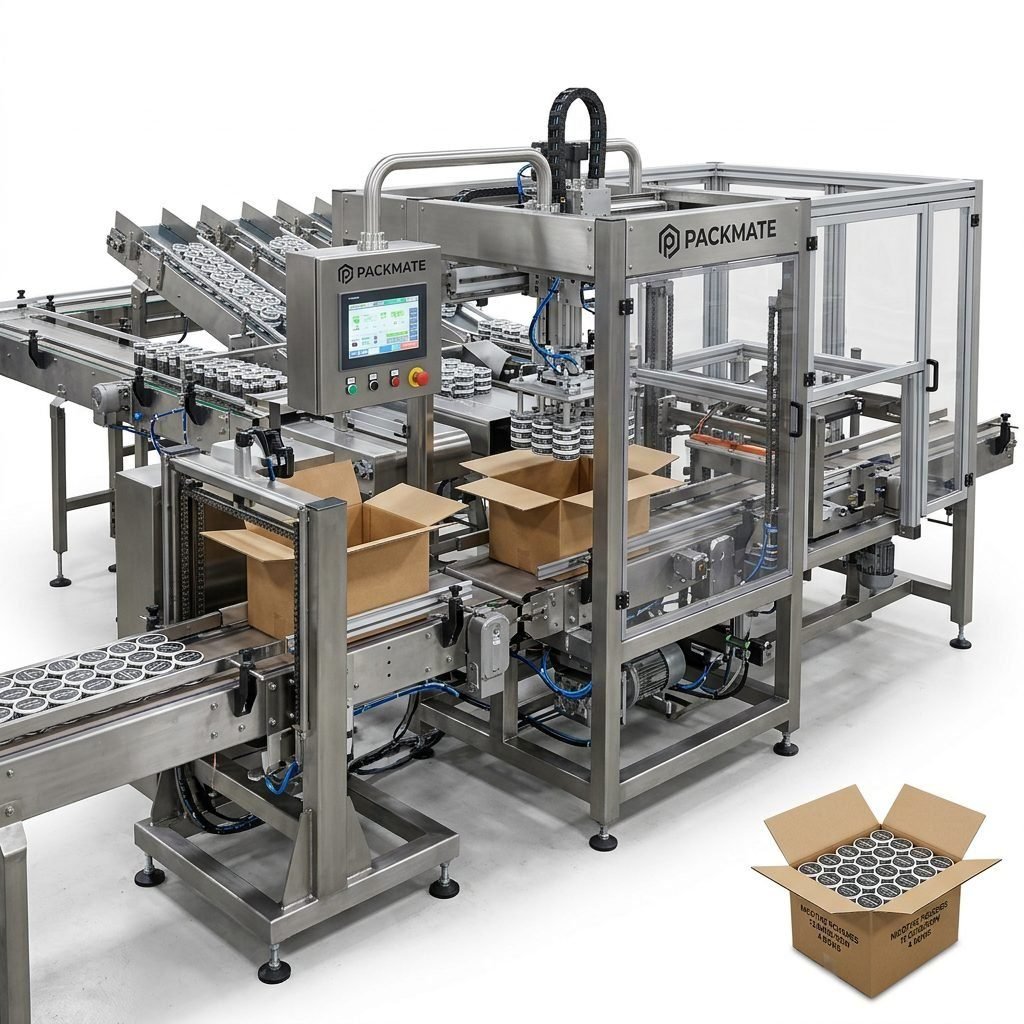
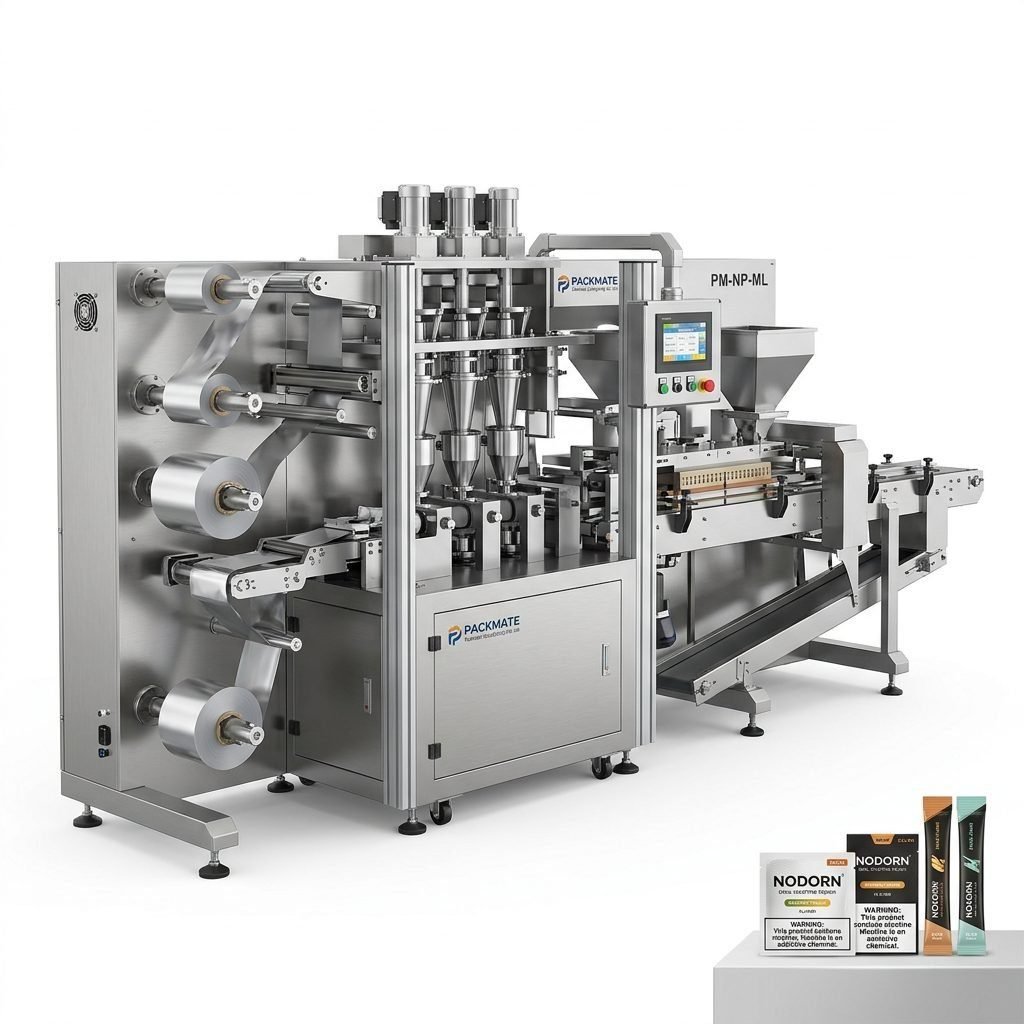
Choosing the right nicotine packaging machinery supplier in Zimbabwe is a strategic decision that affects production efficiency, compliance, and long-term profitability. Whether you are launching nicotine pouches, snus, or other small-dose tobacco alternatives, understanding technical requirements, local regulations, and supplier capabilities will help you avoid costly delays. This guide breaks down practical criteria, local considerations for Zimbabwe, and a step-by-step selection process to help your business secure the best packaging solution.
Understand Your Product and Production Targets
Before contacting suppliers, define your product specifications and production goals. Key variables include pouch type (stick pack, sachet, multi-lane nicotine pouch), target output (pieces per minute, daily throughput), fill accuracy, and packaging materials. In Zimbabwe, many manufacturers adapt to locally available paper, film, and laminates, so map available materials early.
🔍 Key questions to define:
✓ What pouch formats will you produce?
✓ What is the required fill weight accuracy (mg/g)?
✓ Do you need multi-lane systems for small-dose nicotine pouches?
✓ Will you run multiple SKUs and need fast changeovers?
Match Machine Type to Product
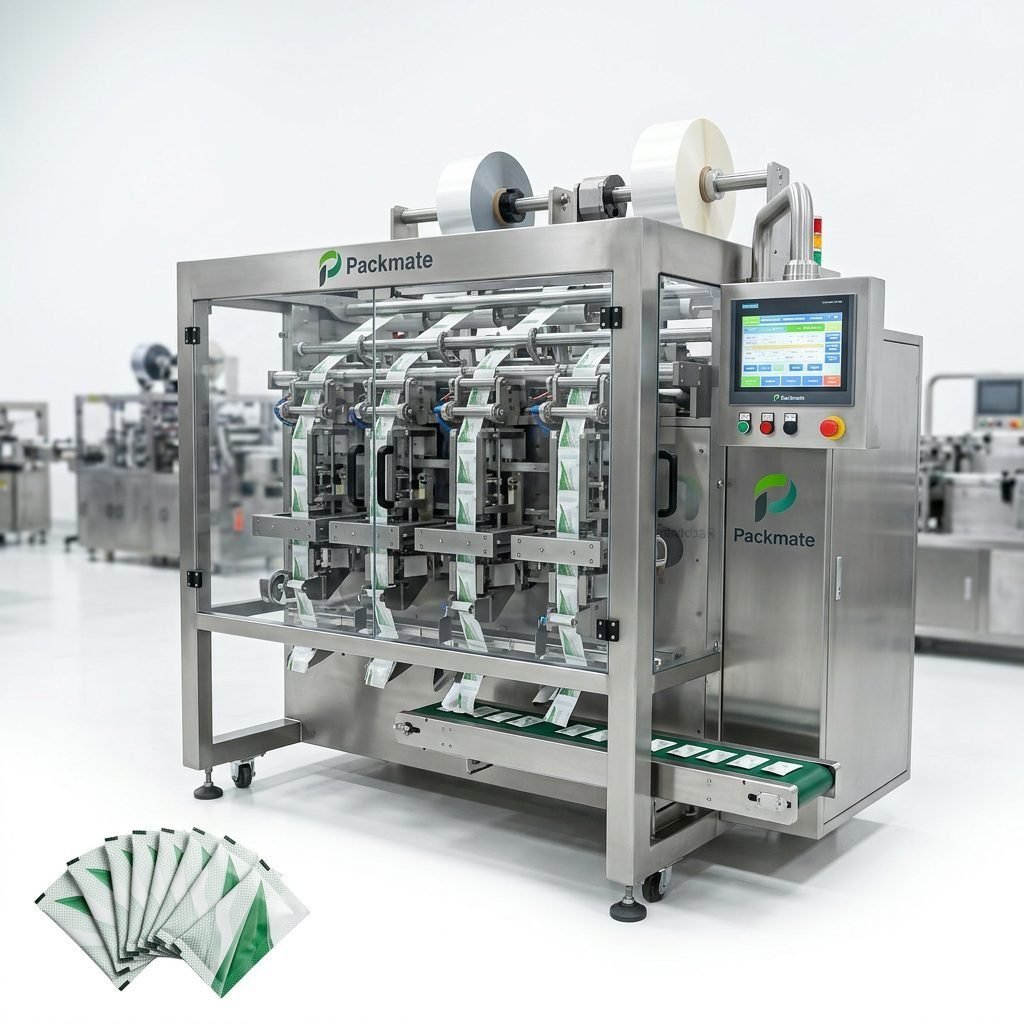
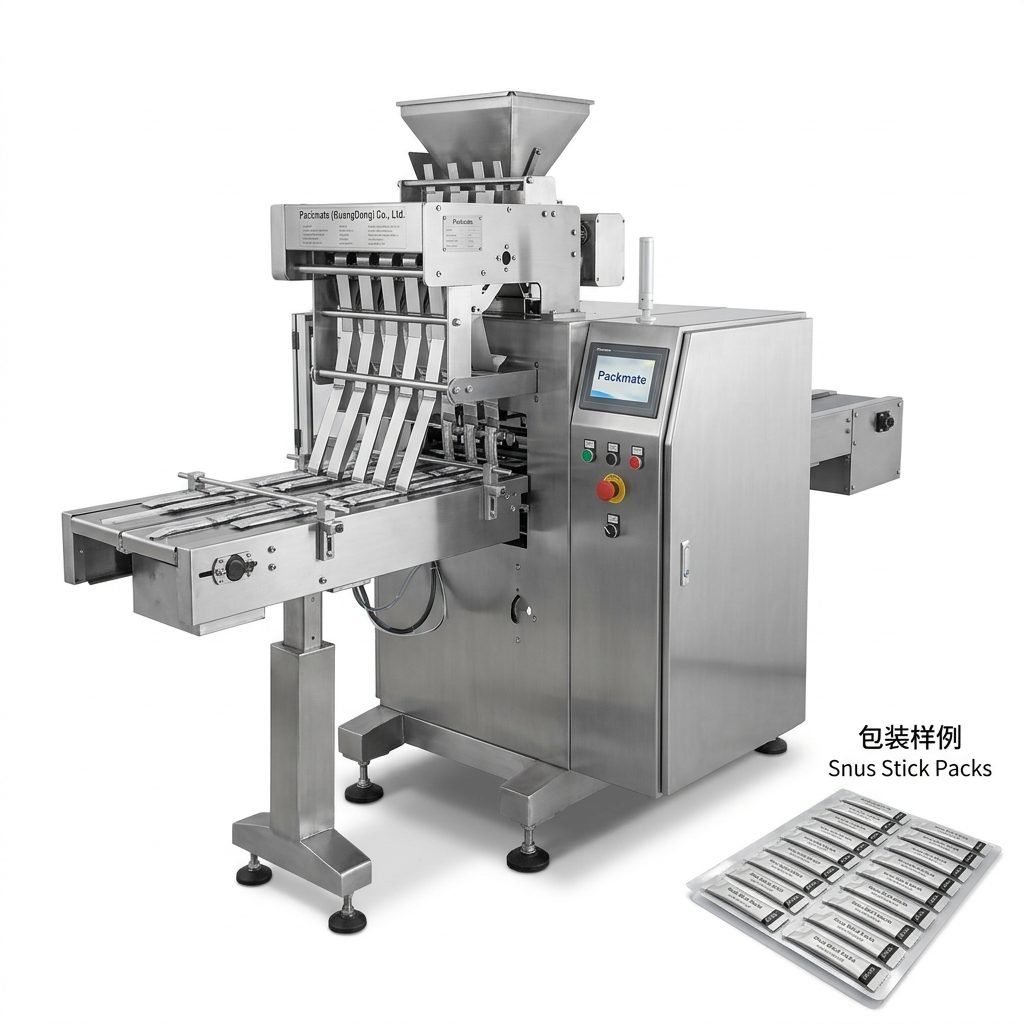
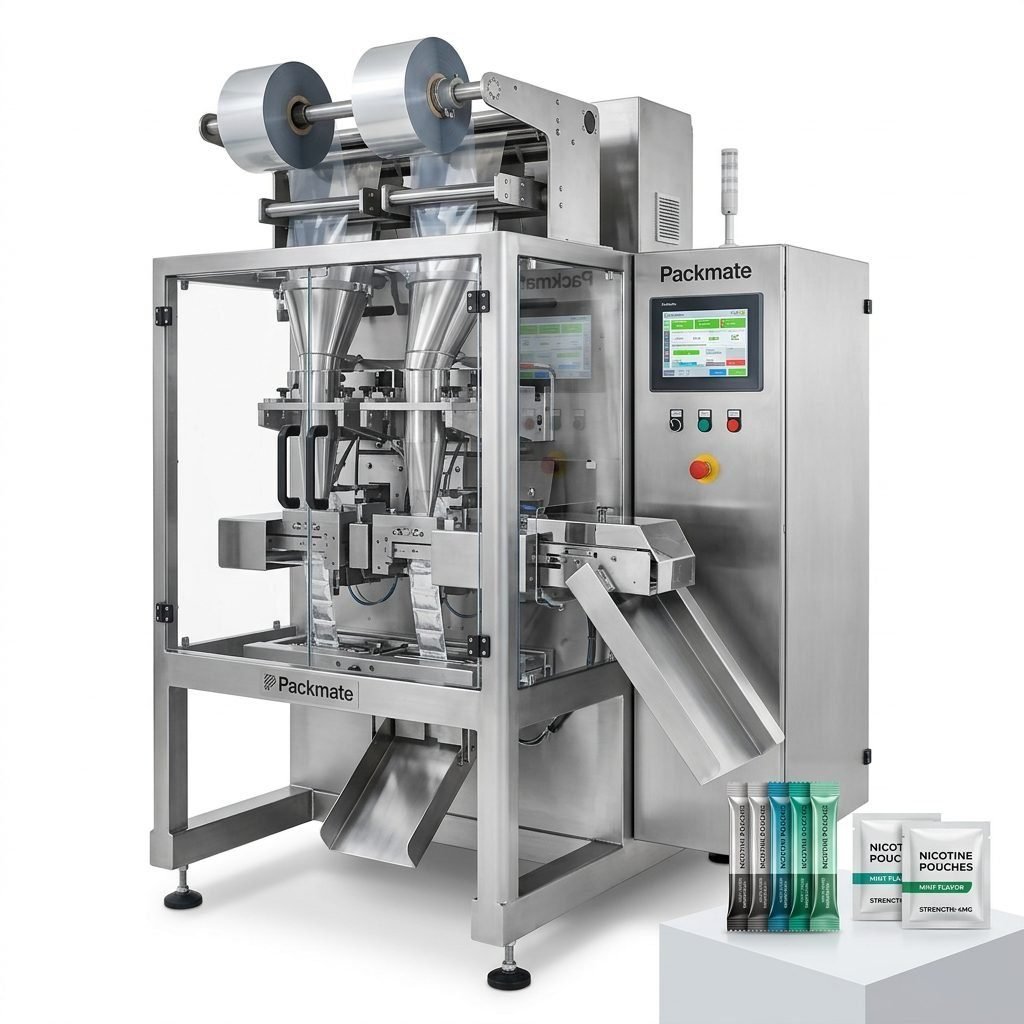
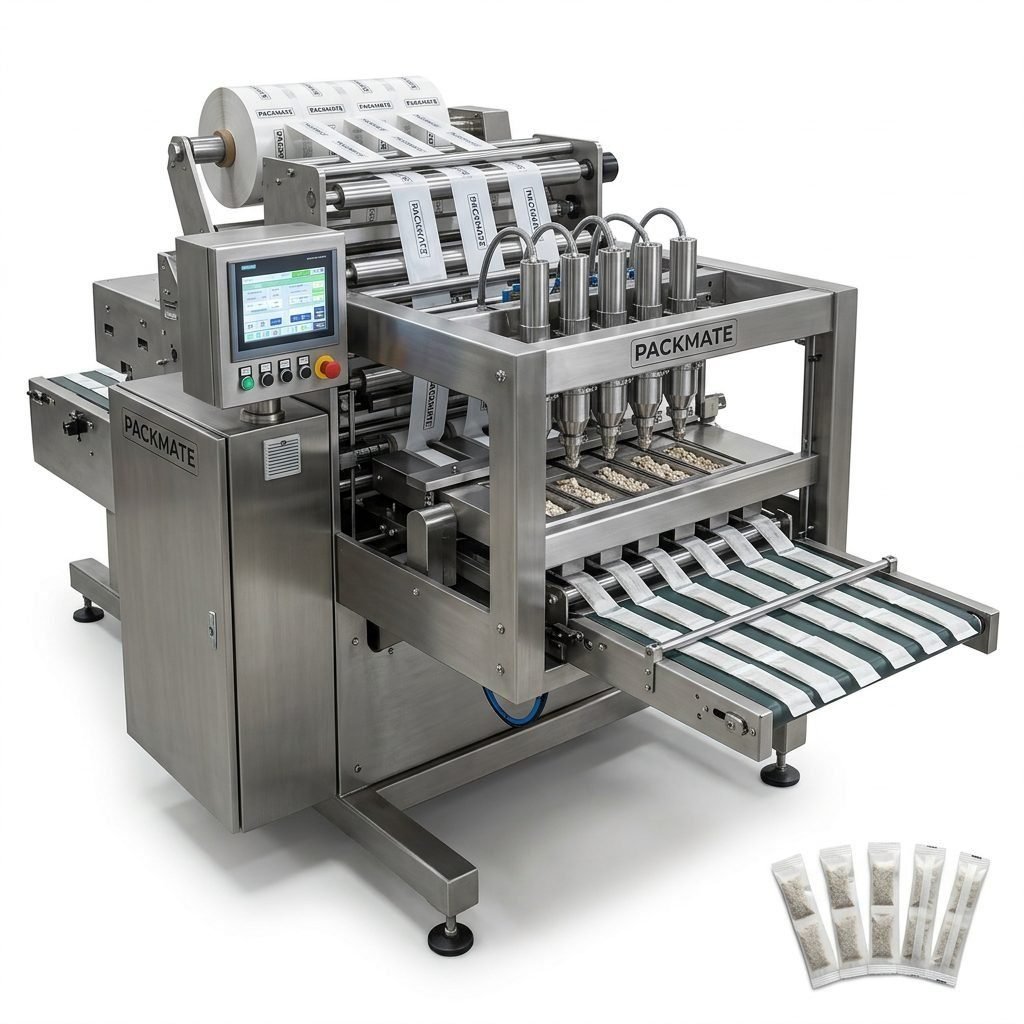
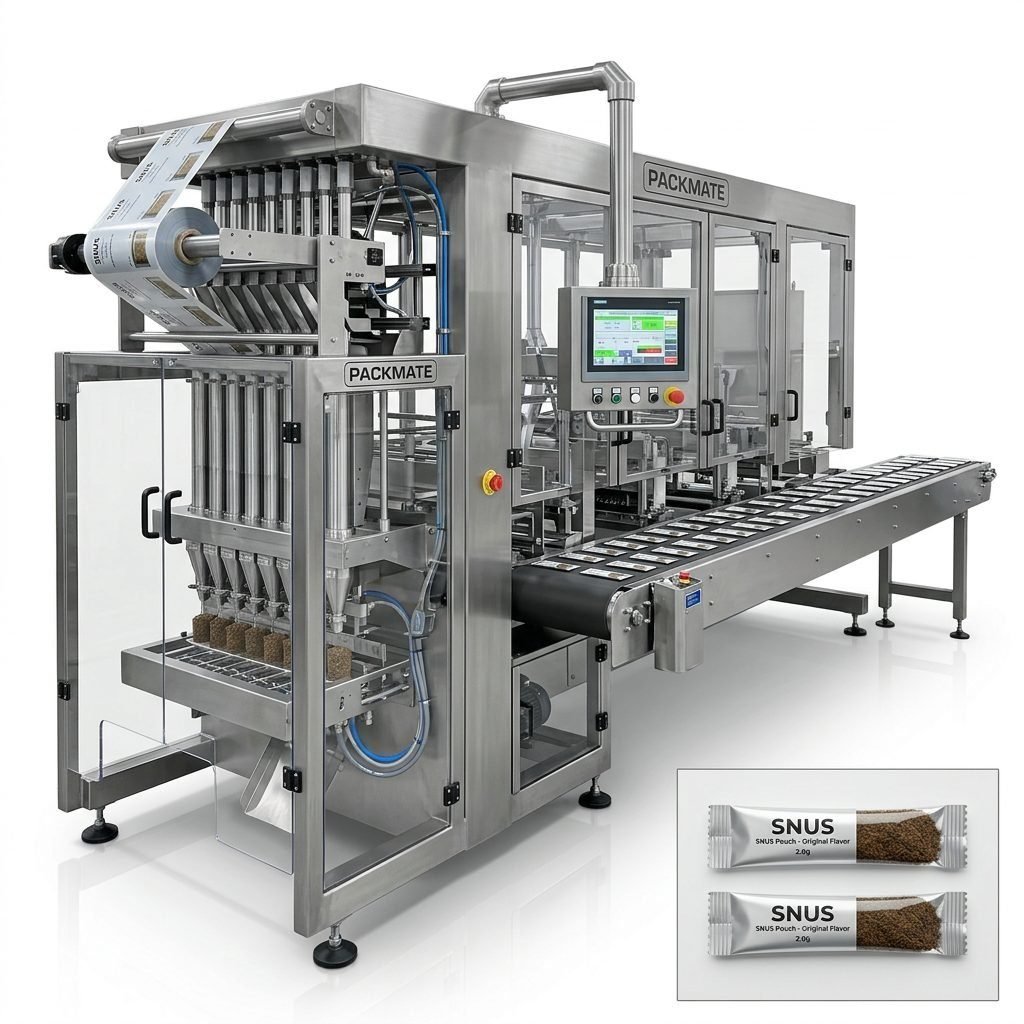
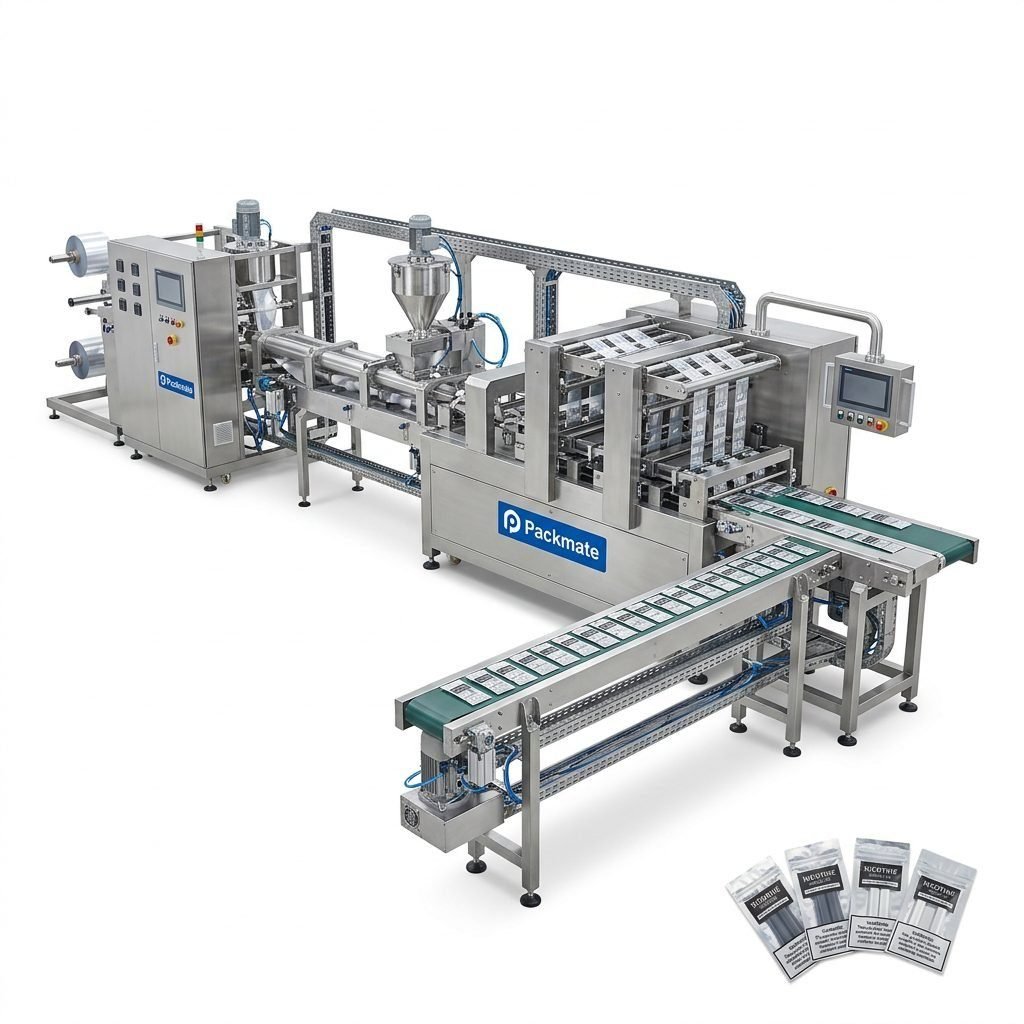
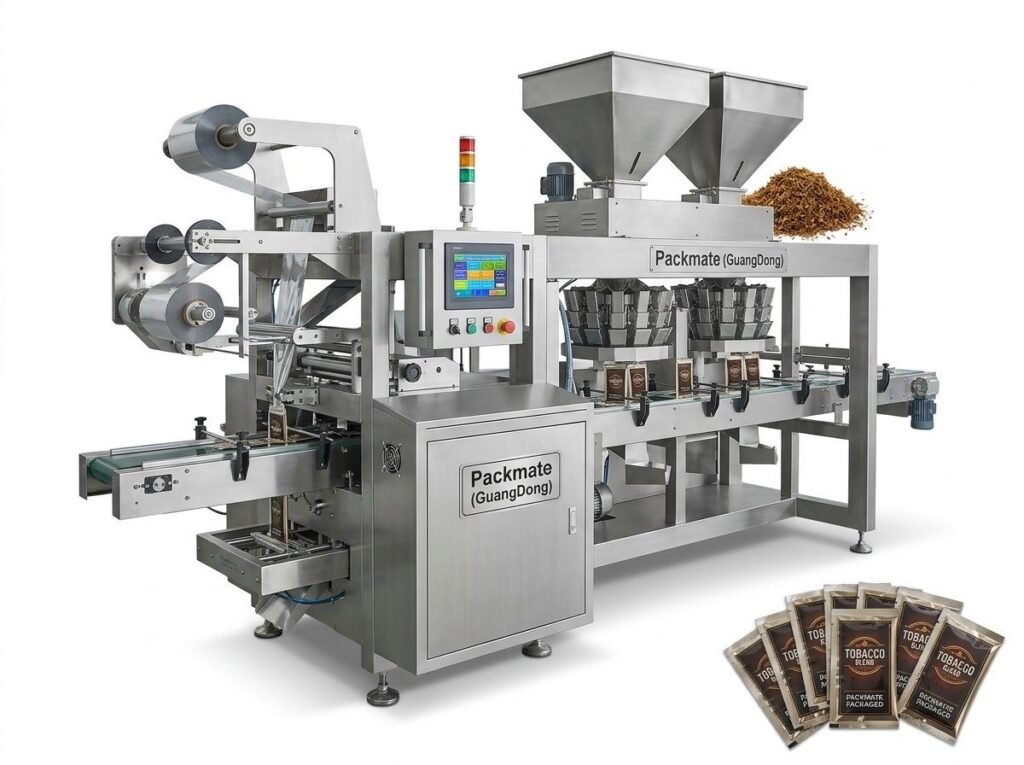
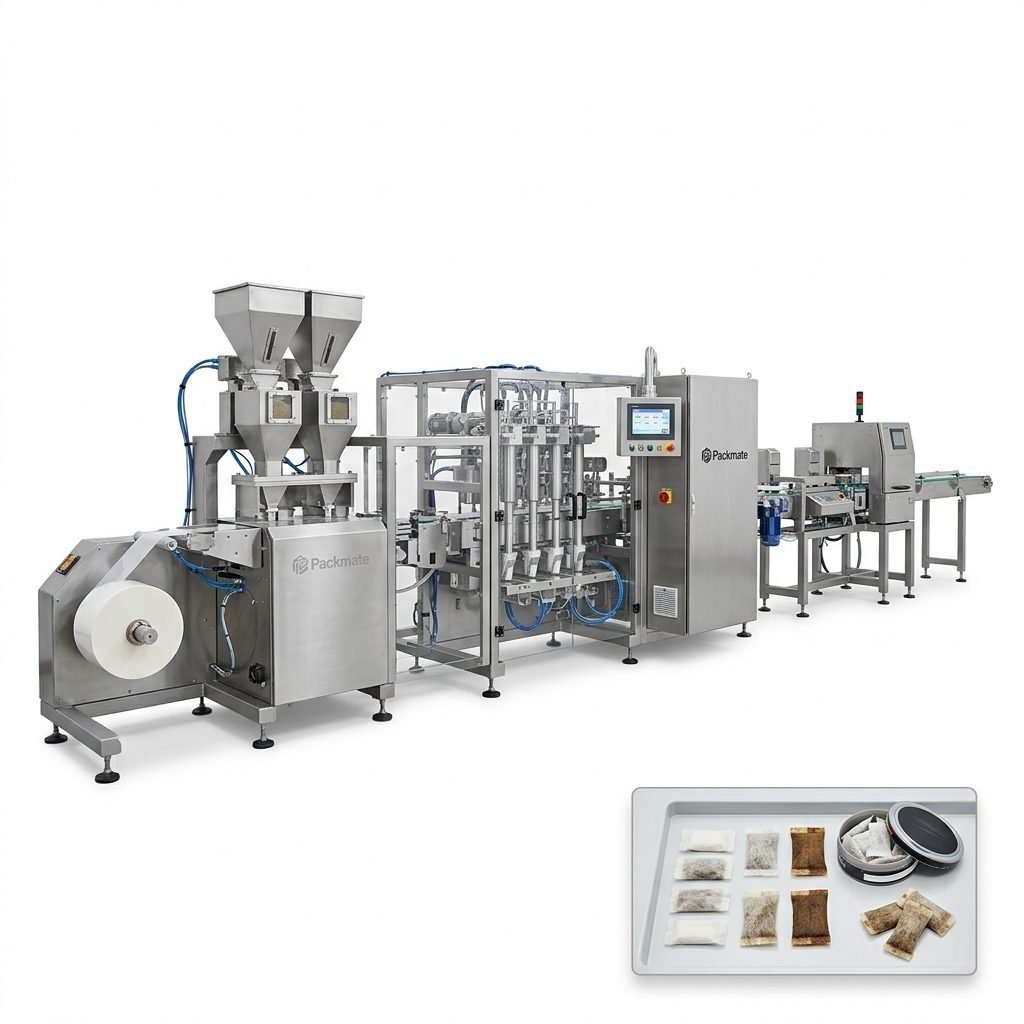
Familiarize yourself with machine families: stick pack, sachet, multi-lane snus machines and complete filling & packaging lines. If you need modular flexibility, consider suppliers who offer the full range of systems from weighing & dosing to final cartoning. For reference, reputable suppliers list product ranges like Snus & Nicotine Packaging Machines and Filling & Packaging Lines on their product pages.
Supplier Capabilities and Technical Strength
Look for a supplier with proven engineering capability, precision machining, and experience in nicotine pouch lines. Critical indicators include factory scale, CNC equipment, number of machine models, and turnkey project experience. Suppliers with more than a decade of focused R&D on snus or nicotine pouches will better understand small-dose filling tolerances and multi-lane synchronization.
⚙️ What to verify:
✓ Factory size and machining capabilities (e.g., advanced CNC)
✓ Number of machine models and customization options
✓ Experience with similar nicotine or snus projects
✓ International certifications (CE, ISO)
Check Certifications and Compliance
Ensure machines comply with international safety and quality standards. CE and ISO certifications demonstrate attention to regulatory detail and consistent manufacturing processes. For nicotine products, regulatory compliance varies by market; a supplier that understands export documentation and can help with declarations is an advantage.
After-Sales Service, Spare Parts and Local Support
In Zimbabwe, reliable after-sales support is vital because lead times for spare parts can impact production continuity. Assess supplier commitment to remote support, spare-part inventories, and training. Ask whether they provide comprehensive commissioning, operator training, and preventive maintenance schedules. Suppliers that maintain global spare parts distribution and provide documentation in English (widely used in Zimbabwe) will reduce downtime.
📦 Service checklist:
✓ Warranty terms and response time
✓ Local or regional partners for on-site service
✓ Availability of critical spare parts
✓ Remote support tools (video diagnostics, PLC remote access)
Look for Turnkey Solutions and Integration Expertise
A supplier who can integrate weighing & packaging, filling, and auxiliary equipment reduces compatibility issues. Packmate-style suppliers that offer complete production lines (weighing, filling, packaging, and auxiliary equipment) simplify procurement and streamline project timelines. Consider suppliers that demonstrate completed turnkey projects and publish case studies for reference.
You can review real-world examples and product families on pages like Snus & Nicotine Packaging Machines and Weighing & Packaging Systems to compare technical specs and integration capabilities.
Evaluate Total Cost of Ownership (TCO) — Not Just Purchase Price
Purchase price is only part of the equation. Include installation, training, spare parts, energy consumption, expected uptime, and maintenance frequency in your evaluation. High-precision machines with robust components may cost more initially but can reduce rejects and labor costs over time. In Zimbabwe, where electricity stability can vary, factor in energy efficiency and the feasibility of UPS or generators for critical lines.
Financial & Shipping Considerations for Zimbabwe
Import duties, customs clearance, and currency fluctuations affect landed cost. Request CIF or DDP quotes and clarify who handles customs formalities. Ask suppliers for help with documentation and recommended freight forwarders experienced with Zimbabwean ports (Beira/Maputo are options for some routes) or direct Harare clearance. Confirm expected lead times and shipping insurance.
Local Regulations and Cultural Considerations
Zimbabwe has a long history with tobacco farming and a local appreciation for tobacco industry jobs. However, nicotine product regulation can be strict depending on packaging, labeling and advertising laws. Work with suppliers who understand labelling requirements, and ensure your packaging materials meet local language and warning label regulations. Business culture values relationships and trust — plan factory visits when possible, build strong supplier rapport, and expect negotiation and site inspections as part of due diligence.
🔑 Local tips for Zimbabwe:
✓ Use English for technical documentation; be mindful of local customs and meeting etiquette
✓ Discuss after-sales commitments face-to-face when possible
✓ Factor in power backup and site infrastructure in costing
Factory Visits, Factory Capacity and Quality Assurance
A supplier’s factory visit reveals manufacturing standards, assembly lines, CNC equipment, and QA systems. Verify that their production scale matches your volume demands and that they run testing protocols for filling accuracy and machine stability. Good suppliers maintain traceable quality records and can demonstrate performance through live demos or video recordings. If an in-person visit is not possible, request virtual factory tours and machine test runs.
References, Case Studies and Exhibition Presence
Ask for client references and case studies in similar markets. Suppliers who exhibit internationally and publish case studies indicate transparency and confidence in their machines. Visit supplier pages such as Case and Our Exhibition for delivered projects and event participation to verify their market footprint.
Warranty, Training and Technical Documentation
Confirm warranty duration, what it covers, and how extended support is priced. Ensure training packages include operator, maintenance, and electrical/PLC workshops. Request full technical documentation, spare-parts lists with part numbers, and recommended preventive maintenance intervals.
📋 Documentation checklist:
✓ Electrical and mechanical drawings
✓ PLC program descriptions and HMI mappings
✓ Spare parts catalogue with lead times
✓ Operation & maintenance manuals in English
Decision-Making Roadmap — Step-by-Step
Follow a structured procurement process to minimize risk:
1) Gather machine specifications and define KPIs (capacity, accuracy, uptime).
2) Shortlist suppliers with nicotine pouch experience and review their product lines and case studies. Supplier product pages like Sachet & Stick Pack Machines and Bag & Pouch Packaging Machines can be used for comparison.
3) Request technical proposals with BOM, lead times, warranty, and training plans.
4) Perform financial analysis of TCO, including shipping, duties, and local installation costs.
5) Schedule factory visits or virtual demos to verify build quality and test runs.
6) Negotiate terms, request a pilot or acceptance test, and confirm spare parts logistics.
7) Finalize contract and plan commissioning with a detailed project timeline.
Why Strong Partnerships Matter
In Zimbabwe, building a long-term partnership with your supplier yields better support, priority spare parts, and tailored upgrades as your product range evolves. Suppliers with global turnkey experience can support regulatory documentation, provide references, and help localize packaging solutions for Zimbabwean market requirements.
Practical Checklist Before Signing a Contract
✅ Quick checklist
✓ Confirm machine performance with test reports or videos
✓ Verify CE/ISO certificates and export documentation
✓ Confirm spare part delivery times to Zimbabwe
✓ Agree on training plan and commissioning schedule
✓ Request a clear warranty and SLA for response times
Where to Start — Recommended First Contacts
Start with vendors who publish clear product lines and project portfolios. Visit About Packmate and Contact Us pages to initiate a conversation. Suppliers that provide transparent catalogs and FAQs streamline your evaluation process, and many maintain live demo videos or invite you to regional exhibitions for hands-on inspection.
📌 Helpful links
– Product range and machine types: Snus & Nicotine Packaging Machines
– Company background and capabilities: About Packmate
– Real project examples: Case
– Direct contact for quotations: Contact Us
Final Recommendations
Choose a supplier that balances engineering strength, turnkey experience, and strong after-sales support. For Zimbabwean operations, prioritize suppliers who assist with import logistics, provide clear spare-part plans, and offer training tailored to your team. A long-term partnership approach will reduce operational risk and help you scale production sustainably.
Frequently Asked Questions
Q1: What certifications should I require from a nicotine packaging machine supplier?
A1: Require CE and ISO as baseline quality and safety standards, plus any export documentation the supplier can provide. Confirm the machine meets electrical and mechanical safety norms accepted in Zimbabwe.
Q2: How can I ensure fast spare-part delivery to Zimbabwe?
A2: Ask suppliers to identify regional spare-part hubs or provide an advance spare-parts kit. Negotiate minimum stock levels and express shipping options in your contract.
Q3: Is remote commissioning viable for nicotine pouch machines?
A3: Yes, many suppliers offer remote commissioning augmented by on-site technicians for mechanical setup. Ensure robust remote-support tools and schedule initial in-person training if possible.
Q4: What local infrastructure should I prepare before machine arrival?
A4: Prepare stable power (with UPS/gen backup), appropriate floor loading, compressed air, and detailed electrical hookups. Confirm inbound logistics and customs clearance contacts ahead of shipment.
Q5: How important are factory visits when selecting a supplier?
A5: Very important. Factory visits reveal build quality, QA processes, and supplier professionalism. If travel is not possible, request live demos, factory videos, and client references.