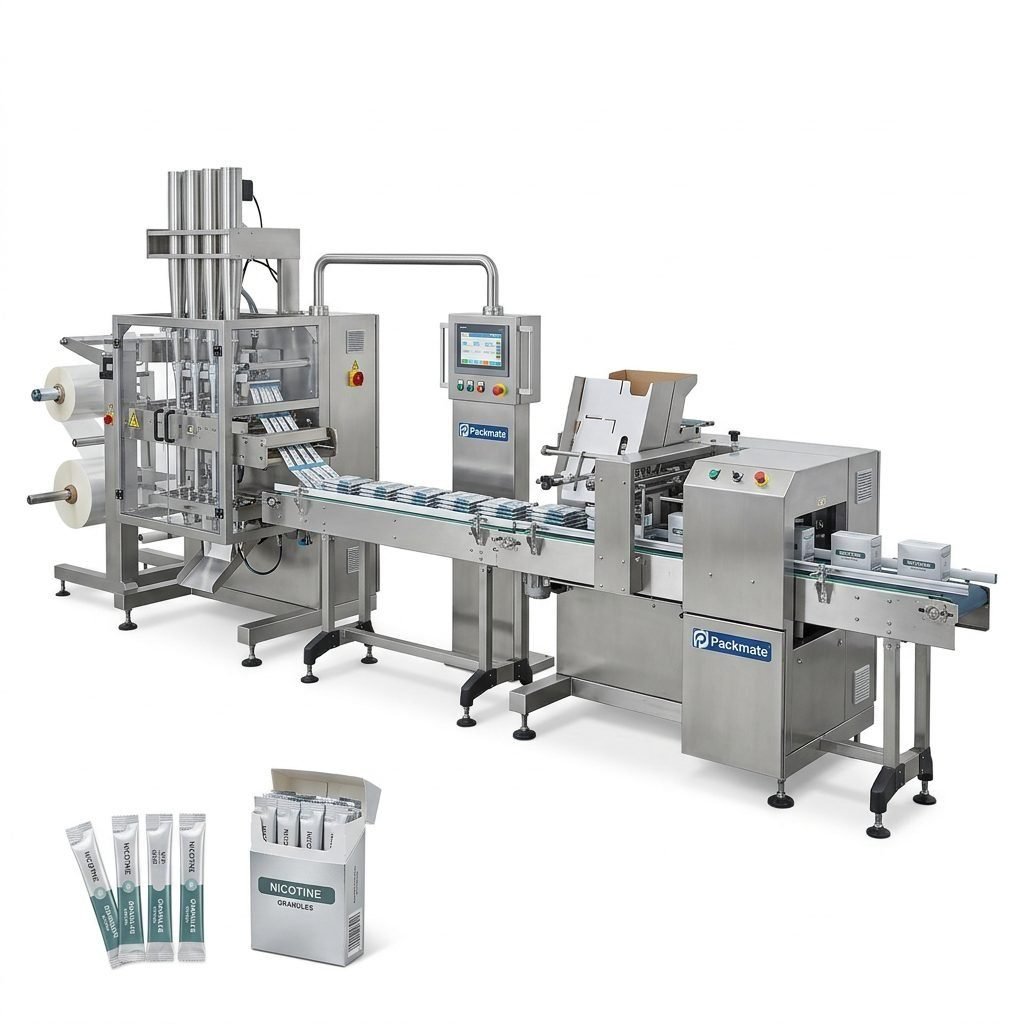
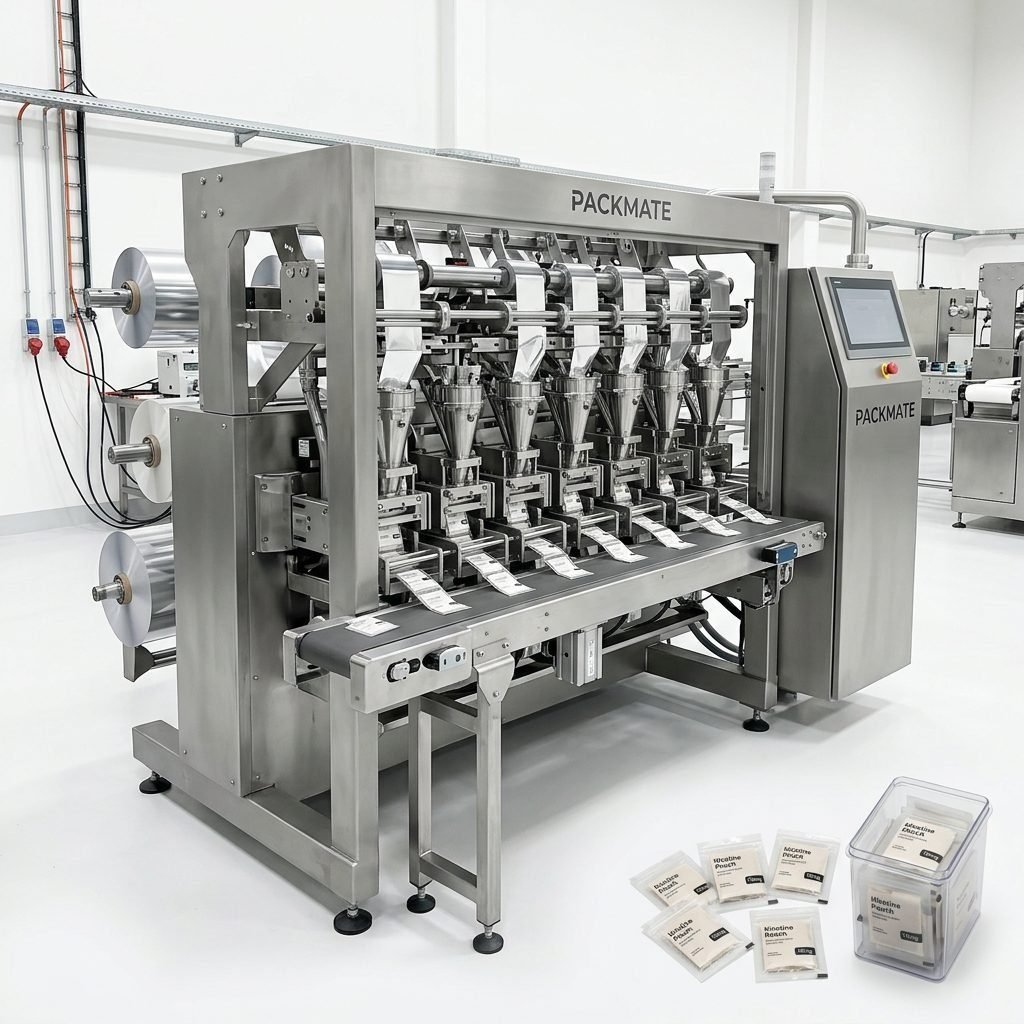
If you’re producing snus or nicotine pouches in Latvia, choosing the right packaging machine is one of the most important strategic decisions you will make. The right equipment not only ensures consistent product quality and regulatory compliance, but also determines your production capacity, operating costs, and ability to scale. This guide walks you step-by-step through the selection process so you can make an informed decision that matches your production needs, budget, and long-term goals.
Understand Your Production Requirements
Start with a clear assessment of your current and projected production volumes, product formats, and packaging styles. Are you planning small-batch artisanal production or high-volume continuous runs? Do you need stick packs, sachets, or small pouches designed specifically for nicotine products? For many companies, the first filter is throughput: how many pouches per minute do you need to reach your daily output goals?
Consider product characteristics such as moisture sensitivity, powder vs. granule vs. paste consistency, and the presence of additives or sachet liners. These factors influence machine choice, sealing technology, and the type of upstream feeding or dosing system required.
Key questions to answer up front
🔧 What is your target production per shift or per day?
ℹ️ Which pouch formats and materials (paper, foil, laminated film) will you use?
✓ Do you require nitrogen flushing, desiccants, or barrier films for extended shelf life?
Machine Types and Their Best Use Cases
Not all packaging machines are created equal. Matching machine type to product and business model is essential.
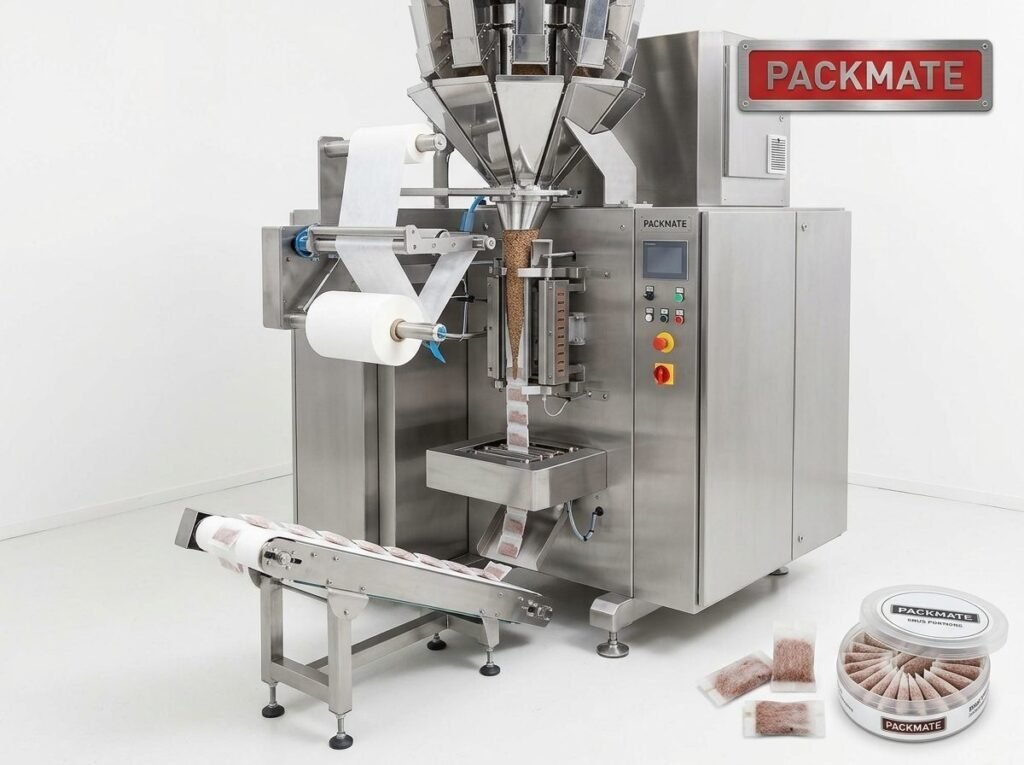
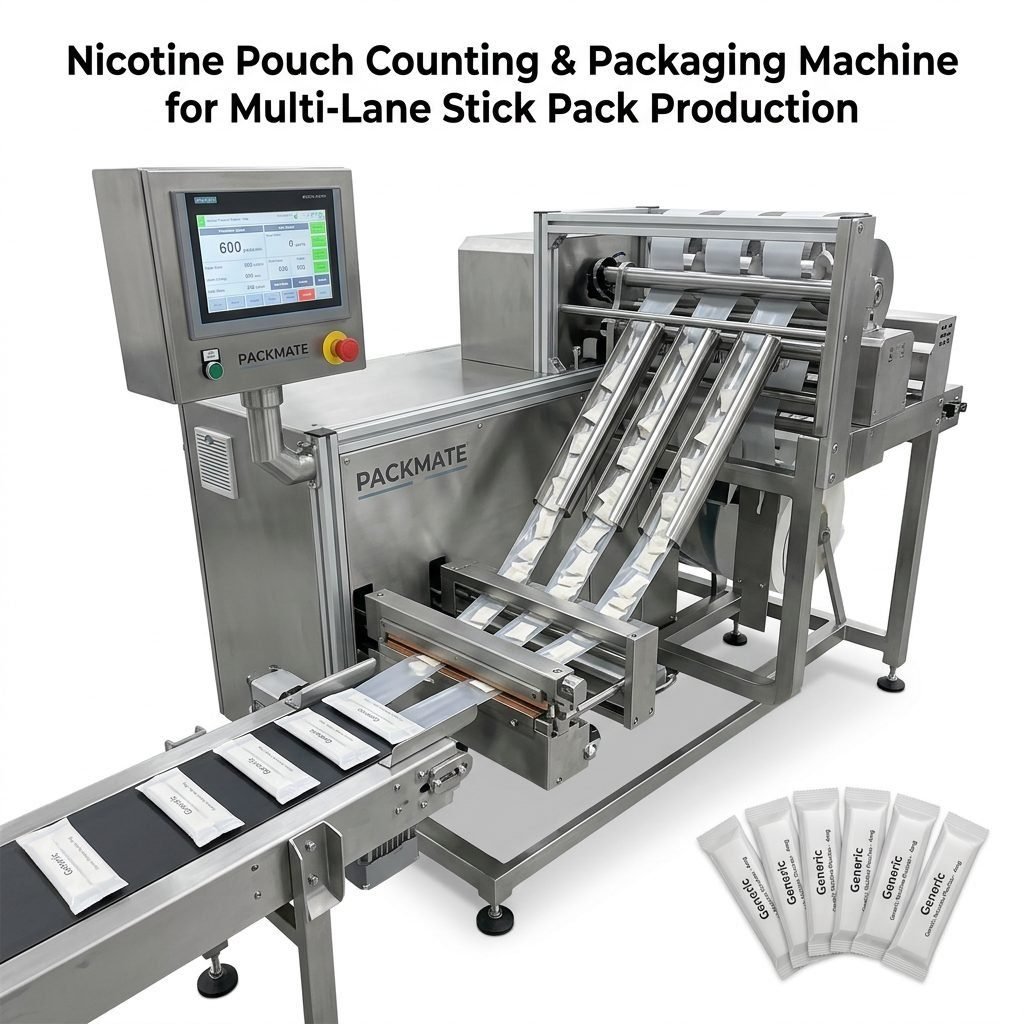
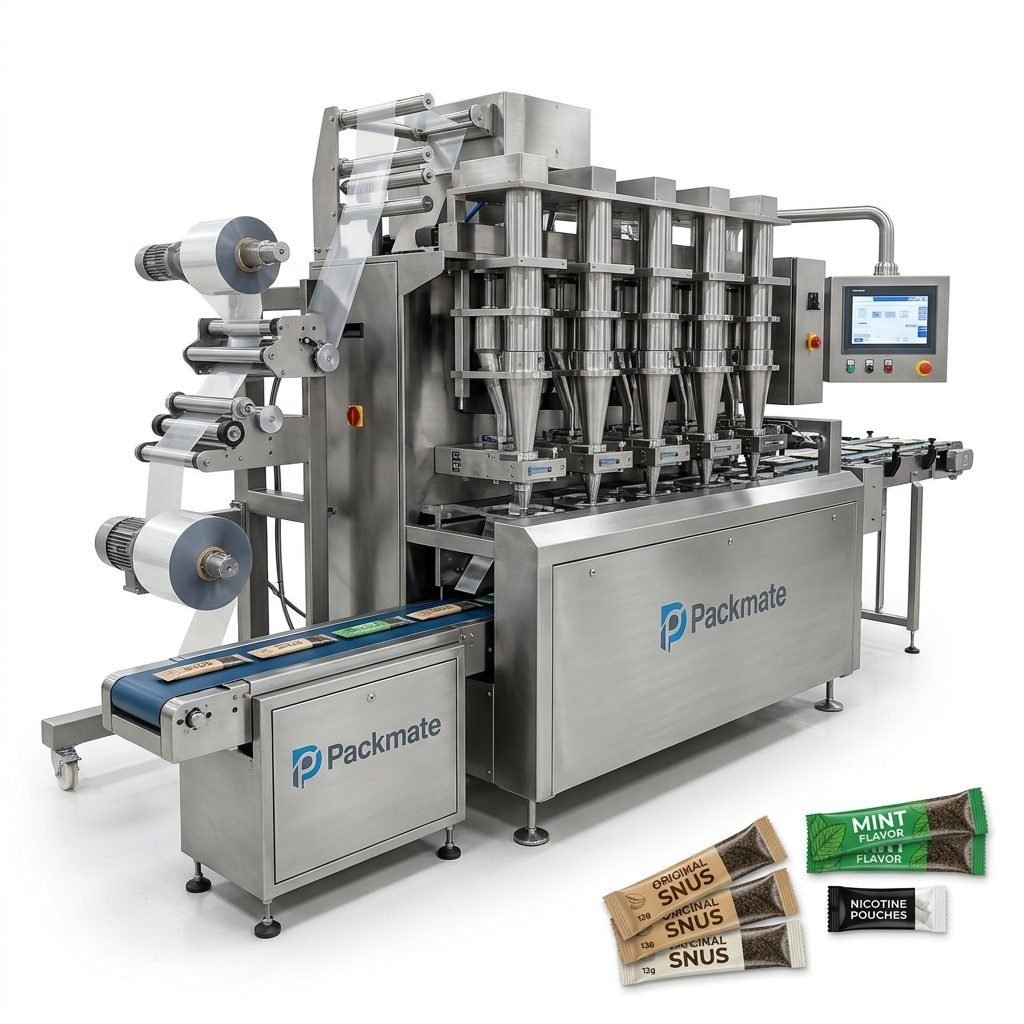
For specialized snus and nicotine pouch production, explore solutions specifically engineered for these formats. A good starting resource is a dedicated product line such as Snus & Nicotine Packaging Machines, where machines are optimized for small-dose pouches and high hygiene requirements.
Sachet & Stick Pack Machines
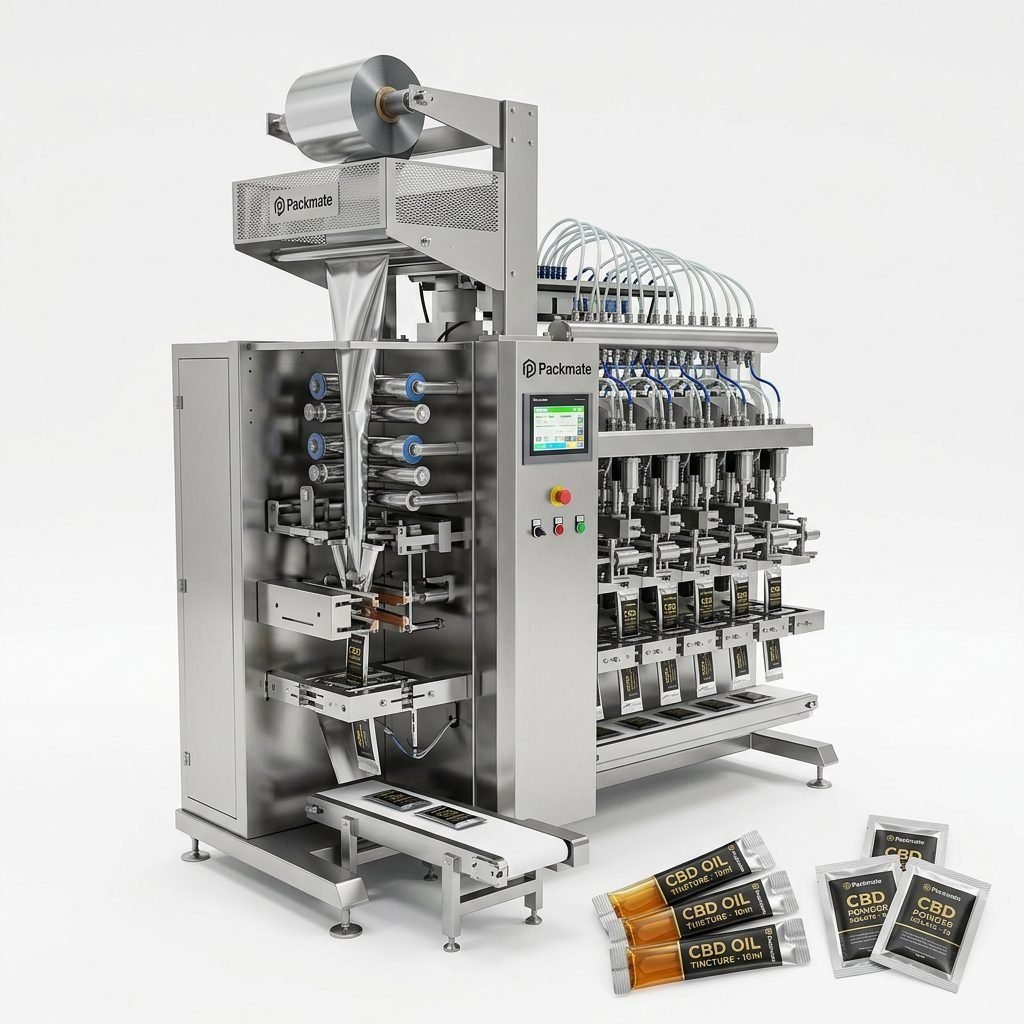
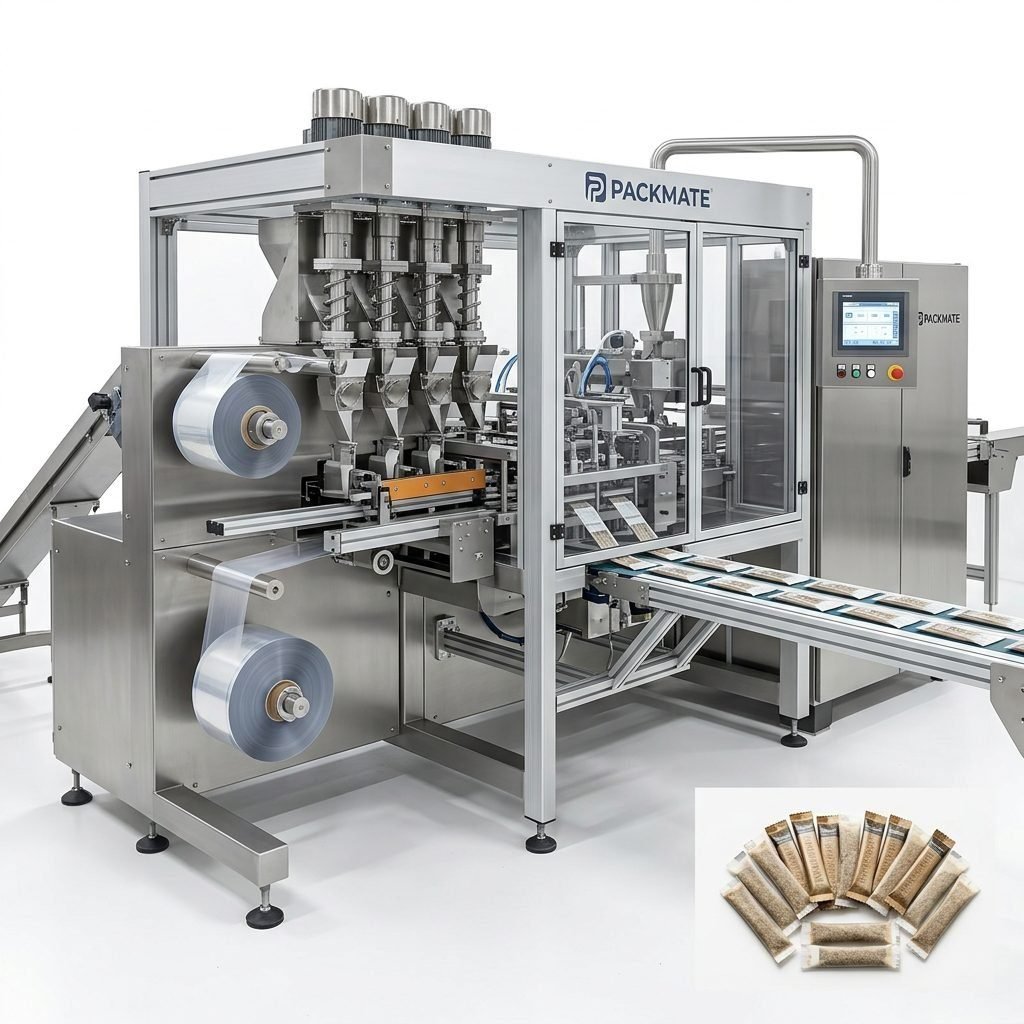
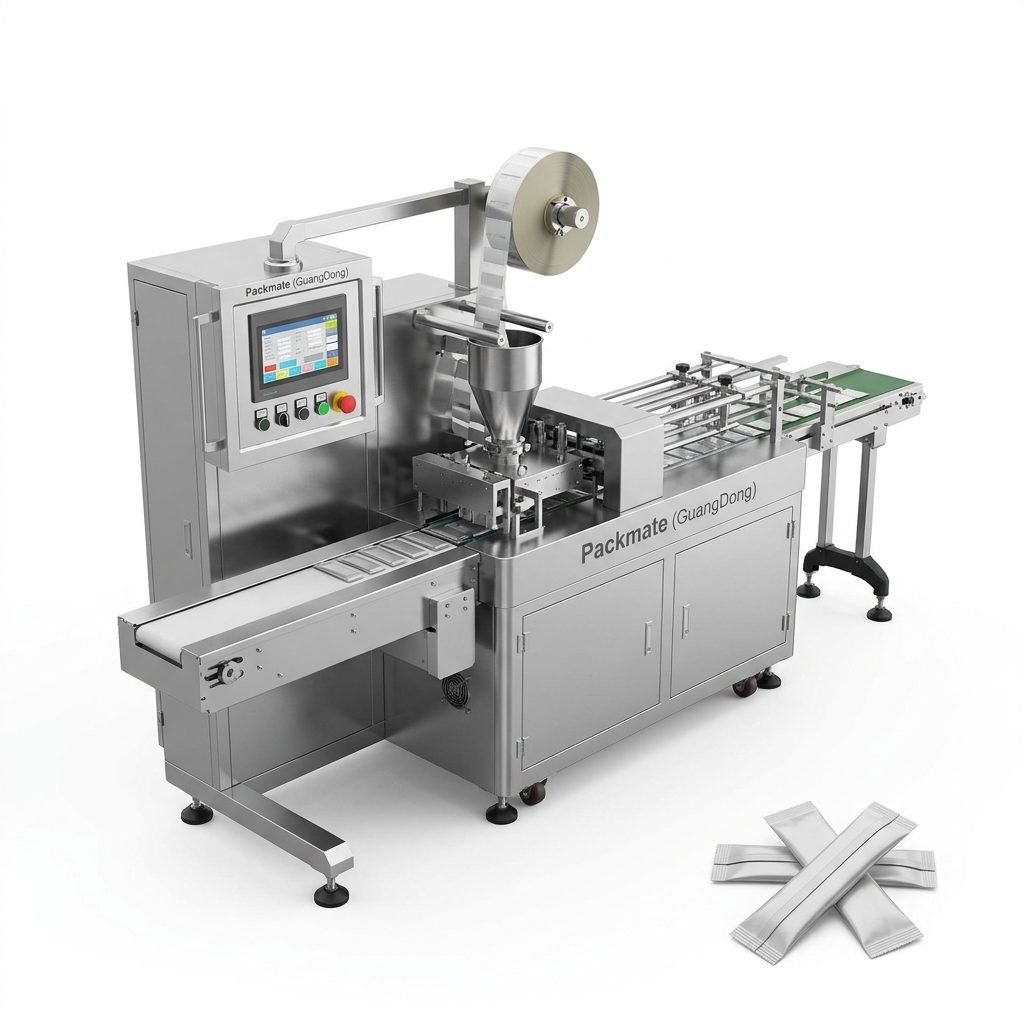
Sachet and stick pack machines are ideal for single-dose sachets or narrow stick-style pouches. They typically offer high speed in single-lane formats and can be configured with multi-lane options for greater throughput. See relevant models at Sachet & Stick Pack Machines.
Multi-lane Pouch Machines
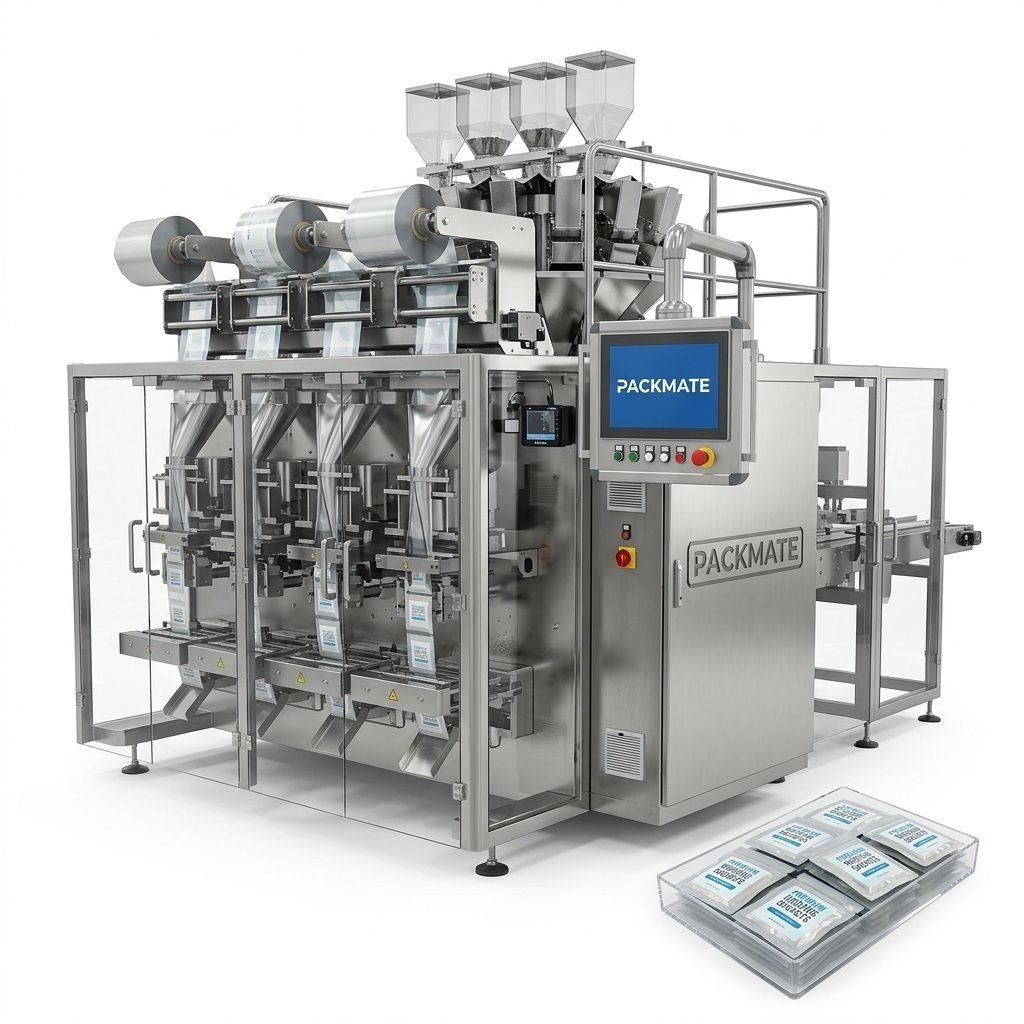
If you need high output and compact floor space, multi-lane pouch machines are often the best choice. They run several lanes in parallel, multiplying the output without requiring proportionally more footprint. These are commonly used in large-scale snus/nicotine pouch production.
Bag & Pouch Packaging Machines
Bag and pouch packaging lines offer flexibility for different pouch sizes and materials. If your business plans to offer multiple formats or needs frequent changeovers, consider modular bag & pouch machines. Learn more about modular solutions at Bag & Pouch Packaging Machines.
Technical Specifications to Compare
When comparing manufacturers and models, request and compare these technical specifications carefully.
• Throughput (pouches per minute) under realistic operating conditions
• Maximum/minimum pouch sizes and film roll specifications
• Dosing accuracy for powders, granules, or liquids (± tolerance in mg or %) — crucial for regulatory compliance
• Sealing technologies available (heat-seal, ultrasonic, impulse) and compatibility with barrier films
• Changeover times and ease of maintenance
• Electrical and pneumatic requirements, spare parts availability, and CE/ISO certifications
Tip: When suppliers quote throughput numbers, ask for real-world test data using your exact product and film. Lab conditions often overstate achievable speeds.
Material Compatibility and Hygiene Considerations
Snus and nicotine pouches are subject to strict hygiene and material safety requirements. Choose machines with food-grade contact parts (stainless steel 304/316 as appropriate), easy-to-clean designs, and minimal crevices where product can accumulate. If you use moisture-sensitive blends or oxygen-sensitive formulations, the ability to integrate nitrogen flushing or desiccant insertion is essential.
Ask suppliers about CIP (clean-in-place) capabilities, sealing head accessibility, and validation support for cleaning procedures. This is especially important if you produce multiple SKUs on the same line.
Automation, Integration, and Turnkey Solutions
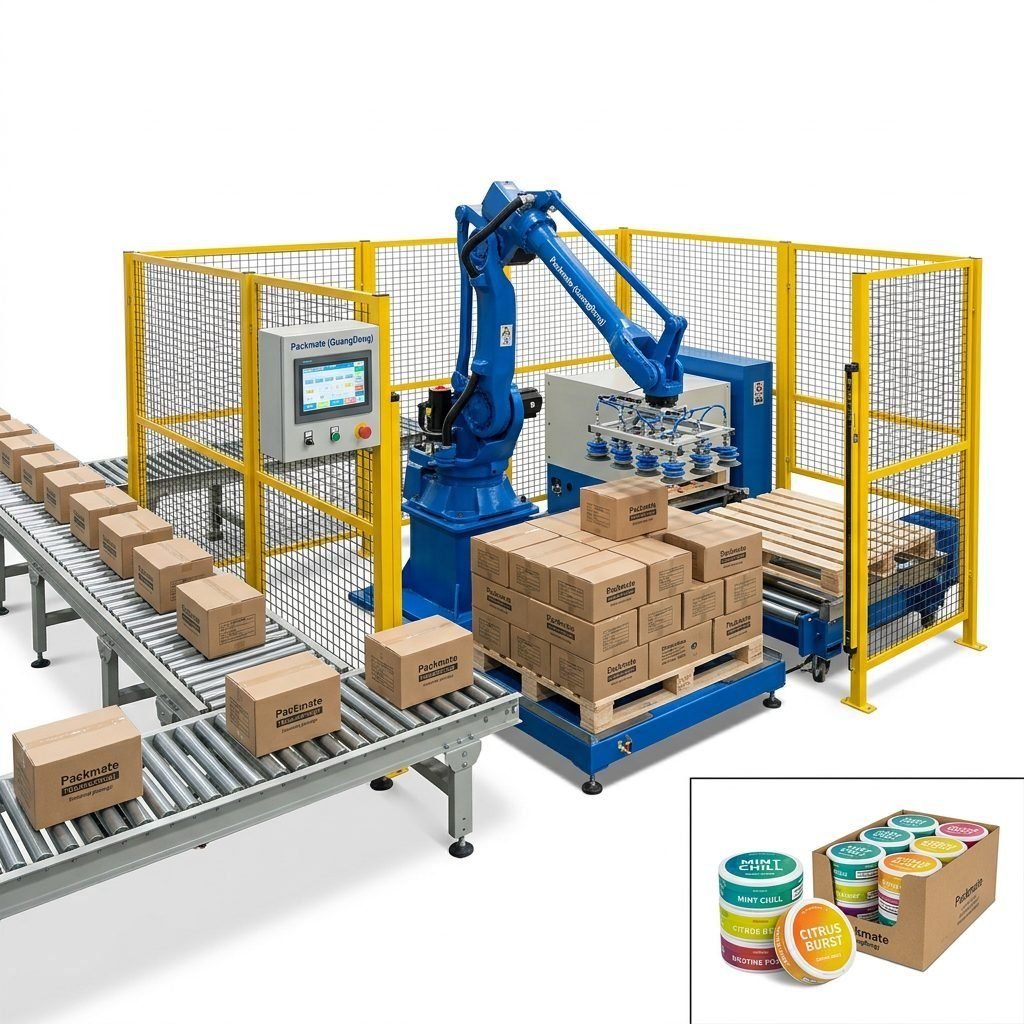
A critical decision is whether to purchase a standalone machine or a fully integrated turnkey line. Turnkey solutions combine dosing, pouch forming, filling, sealing, secondary packaging, and cartoning, enabling smoother integration and often faster startup. If you want a complete production line, explore integrated filling and packaging options such as Filling & Packaging Lines.
Automation reduces labor, increases repeatability, and helps enforce quality control. However, higher automation increases initial capital expenditure, so calculate ROI carefully.
Control Systems and Industry 4.0
Modern machines should offer PLC control with HMI, recipe storage, and data logging. Connectivity options (Ethernet/IP, OPC-UA) allow for remote monitoring and integration with MES systems — important for traceability and process improvement.
Important: Ensure spare parts and service agreements are available locally or via rapid international support. Service response time can be a major factor in minimizing downtime.
Selecting a Manufacturer: What to Evaluate
Selecting the right supplier is as important as the machine specs. Look for manufacturers with proven snus/nicotine pouch expertise, robust manufacturing facilities, and global compliance experience. A strong manufacturer profile typically includes decades of engineering, dedicated production space, and a variety of models to choose from.
Check for credentials such as CE and ISO certification, view case studies, and request references. If you want to learn more about a supplier’s company story and capabilities, review their About page such as About Packmate.
Factory tour and FAT (Factory Acceptance Test)
Whenever possible, arrange a factory tour and conduct a FAT with your product. Seeing the machine run with your material exposes potential issues early and builds confidence in the equipment’s performance and the supplier’s quality systems.
Cost Considerations and Return on Investment (ROI)
Price is rarely the only deciding factor. Evaluate total cost of ownership: initial capital, installation, staff training, spare parts, utilities, and expected maintenance. Consider the machine’s energy efficiency, mean time between failures (MTBF), and how quickly it pays back through labor savings and reduced scrap.
Create a conservative ROI model that includes realistic throughput, operator costs, downtime scenarios, and planned maintenance. Small differences in dosing accuracy and film waste can have outsized financial impacts over months and years.
Installation, Commissioning, and Training
Proper installation and commissioning accelerate time-to-production and reduce early failures. Ensure the supplier provides on-site commissioning, operator training, and maintenance training. Documentation such as electrical schematics, spare parts lists, and preventative maintenance schedules should be provided in your preferred language.
Ask about extended support options, remote diagnostics, and availability of replacement parts in Europe to minimize delivery delays. If you need local assistance, reach out through the supplier’s contact channels (for example, check Contact Us).
How to Test and Validate Machines Before Purchase
To reduce risk, request sample runs with your actual materials and packaging films. A reliable supplier will run trials on-site or at their factory and provide video evidence, performance data, and sample pouches for your inspection. Performance metrics to validate include dosing accuracy, seal integrity under stress, and long-run stability.
If possible, visit trade fairs or exhibitions where machines are demonstrated. Live demonstrations let you observe changeover procedures, noise levels, and operator ergonomics. Check the supplier’s exhibition calendar or cases to find demonstrations (for more examples, see manufacturer case studies: Case).
Checklist before signing: FAT results, spare parts lead times, warranty terms, training scope, and documentation completeness.
Practical Tips for Latvian Producers
Latvia’s strategic position in the EU makes it easy to source machines from global manufacturers while benefiting from EU standards. Ensure regulatory compliance for nicotine products in your target markets and plan for packaging materials that meet EU labeling and safety standards. Work with suppliers that are experienced exporting to Europe and that can provide CE documentation and post-sale support.
Local service providers and certified technicians can minimize downtime, so evaluate suppliers that either have European spare parts depots or trusted service partners in the region.
Final selection reminder
Balance your need for speed, flexibility, hygiene, and long-term cost efficiency. The best choice is a machine and partner that allow you to maintain product quality, adapt to market changes, and scale without facing excessive retrofit costs.
Recommended resources: Review specialized product pages such as Snus & Nicotine Packaging Machines and evaluate turnkey options at Filling & Packaging Lines.
Conclusion
Choosing the right snus packaging machine in Latvia requires a clear understanding of production goals, product characteristics, and regulatory considerations. Prioritize validated performance, hygienic design, proven supplier support, and realistic ROI calculations. By conducting thorough FAT trials, checking certifications, and ensuring robust after-sales support, you can select a packaging solution that supports both current needs and future growth.
Frequently Asked Questions
Q: What machine speed do I need for a small production line?
A: For small-batch production, machines that deliver 30–120 pouches per minute per lane are common. Your actual requirement depends on daily targets, changeover tolerance, and how many lanes you plan to run in parallel.
Q: How important is dosing accuracy?
A: Extremely important. Accurate dosing ensures regulatory compliance, consistent product experience, and cost control. Look for systems with precision dosing (e.g., ±1–3% or better) and request test reports using your product.
Q: Can machines be upgraded for higher throughput later?
A: Many modular machines allow upgrades, such as adding lanes, automation modules, or improved feeders. Confirm upgrade paths with the manufacturer and ensure spare capacity in electrical and mechanical systems for future enhancements.
Q: What after-sales support should I expect?
A: Expect on-site commissioning, operator and maintenance training, a clear spare parts list, warranty coverage, and options for extended service agreements. Remote diagnostics and spare stock availability in Europe are major advantages.
Q: Where can I find reliable suppliers and case studies?
A: Start with manufacturers who specialize in snus and nicotine packaging, review their case studies and exhibition records, and contact them for FAT demonstrations. Explore example resources such as Case and check certifications at Certificate.