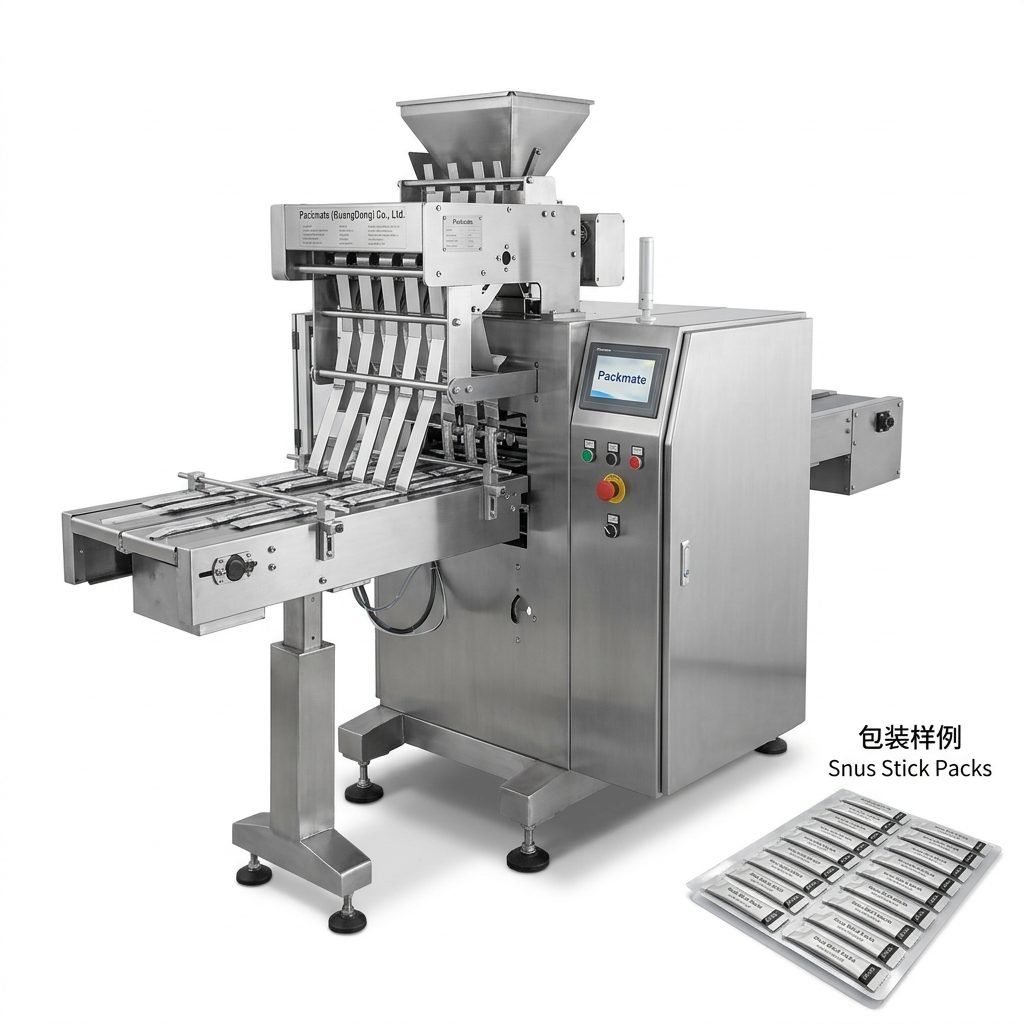
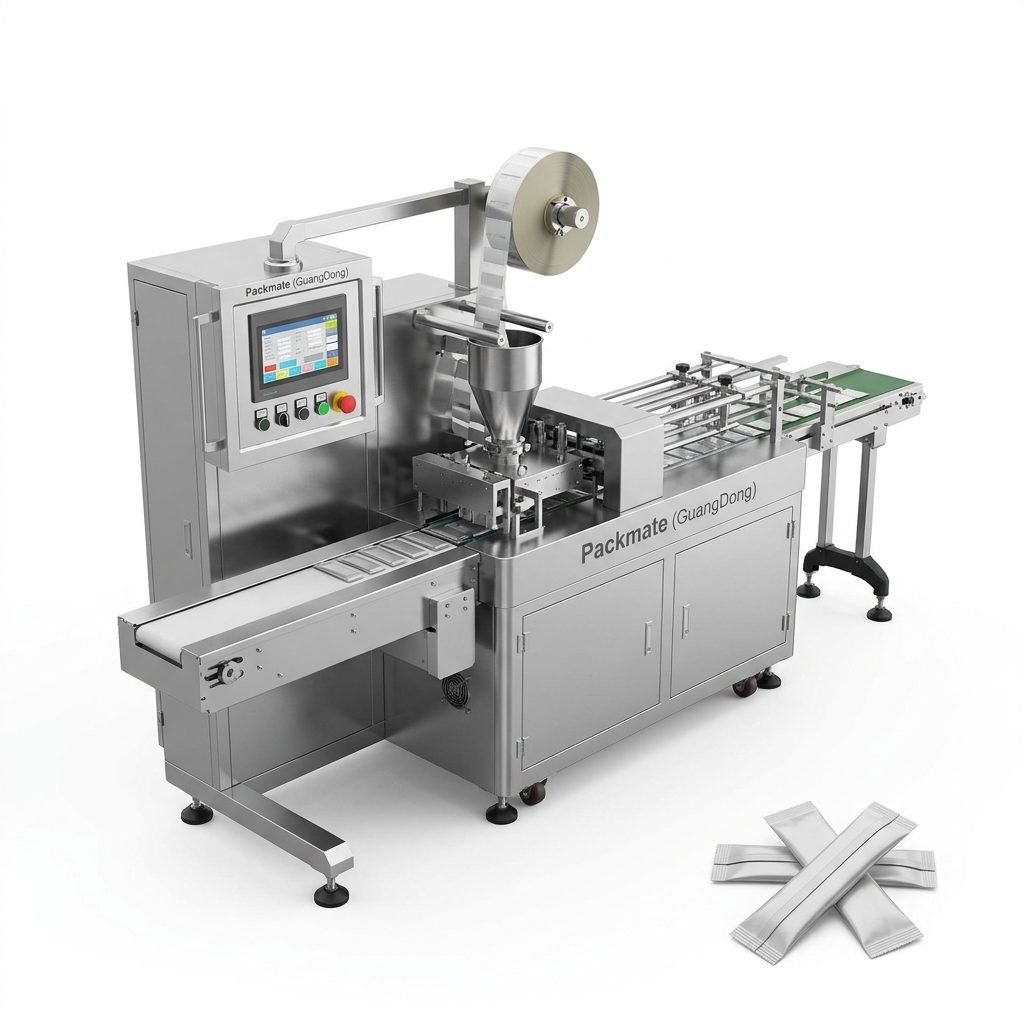
Choosing the right snus packaging machinery supplier in Zambia is a strategic decision that affects product quality, production efficiency, regulatory compliance, and long-term profitability. This guide walks Zambian manufacturers and importers through practical selection criteria — from understanding local market habits and environmental factors to evaluating technical capabilities, after-sales support, and cost of ownership. Whether you plan to package nicotine pouches, snus, or related products, these steps will help you pick a supplier who matches your production needs and growth plans.
Understand the Zambian Market & Local Habits
Zambia’s consumer market differs from Nordic or European snus markets. Traditional tobacco use in Zambia leans toward smoking and chewing tobacco, and nicotine pouches are still emerging. For businesses entering this market, prioritize flexible packaging solutions that support small to medium batch sizes, clear tamper-evident sealing, and packaging formats that appeal to local preferences — discreet, portable sachets and moisture-protective pouches.
Tip: In Zambia, simple and robust packaging designs with clear labeling in English and, where relevant, local languages can boost consumer trust. Consider packaging that protects against humidity and dust common in many regions.
Market access & regulatory considerations
Regulatory frameworks for nicotine products vary. Confirm local import rules, nicotine content labeling, and any health warnings required by Zambian authorities before specifying machine features or packaging materials. Partnering with a supplier experienced in international compliance (CE, ISO) ensures easier documentation and acceptance.
Key Technical Criteria for Snus Packaging Machines
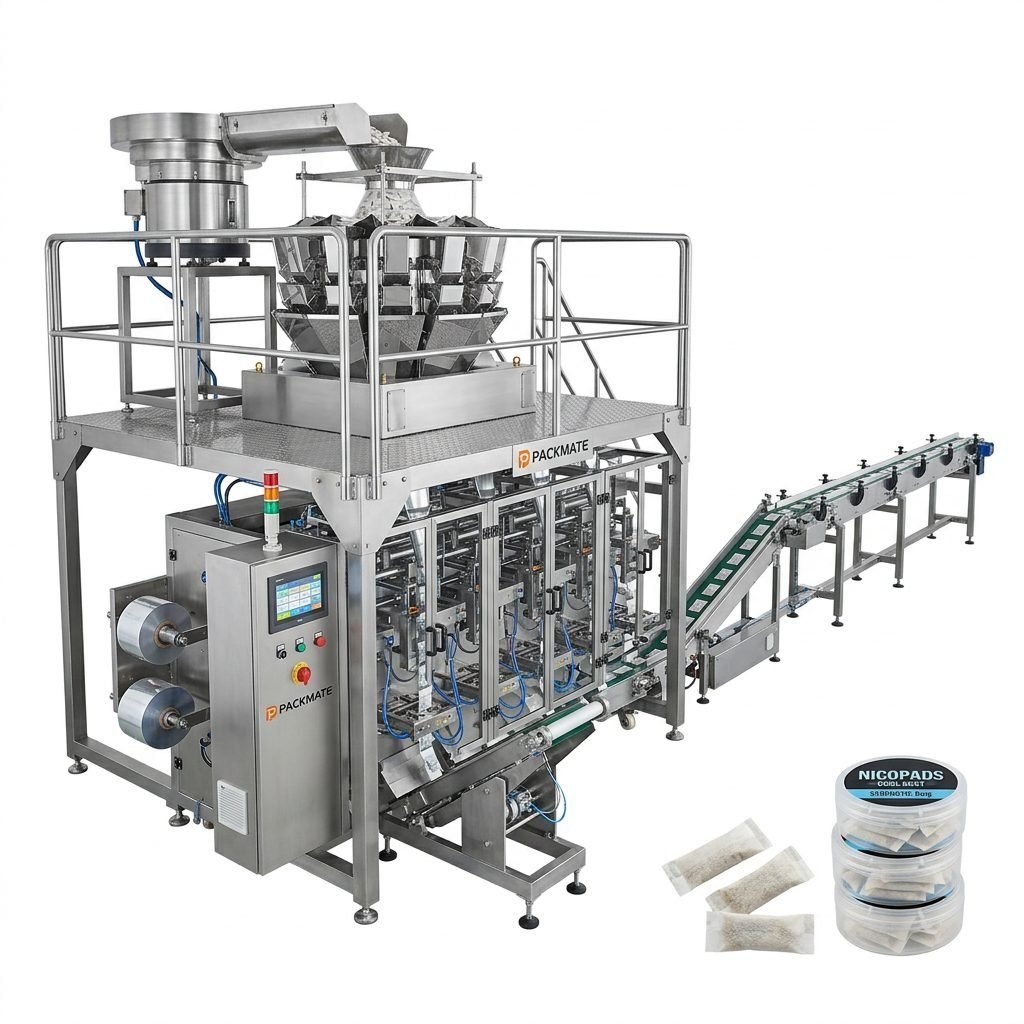
When comparing equipment, focus on performance metrics that impact your daily operation: throughput (pieces/min), lane configuration (single or multi-lane), fill accuracy, sealing reliability, and changeover speed. For nicotine pouches and snus, minimal dust, precise weighing, and hermetic sealing are essential.
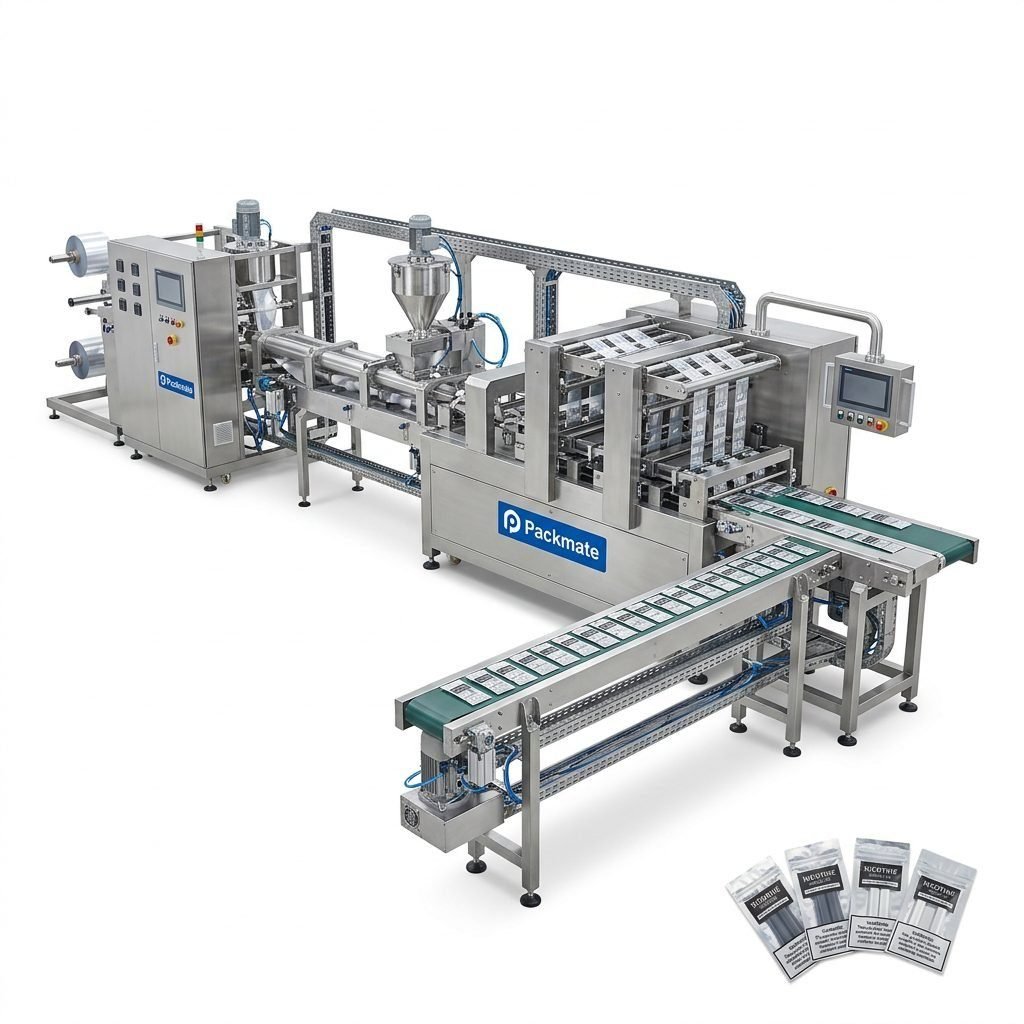
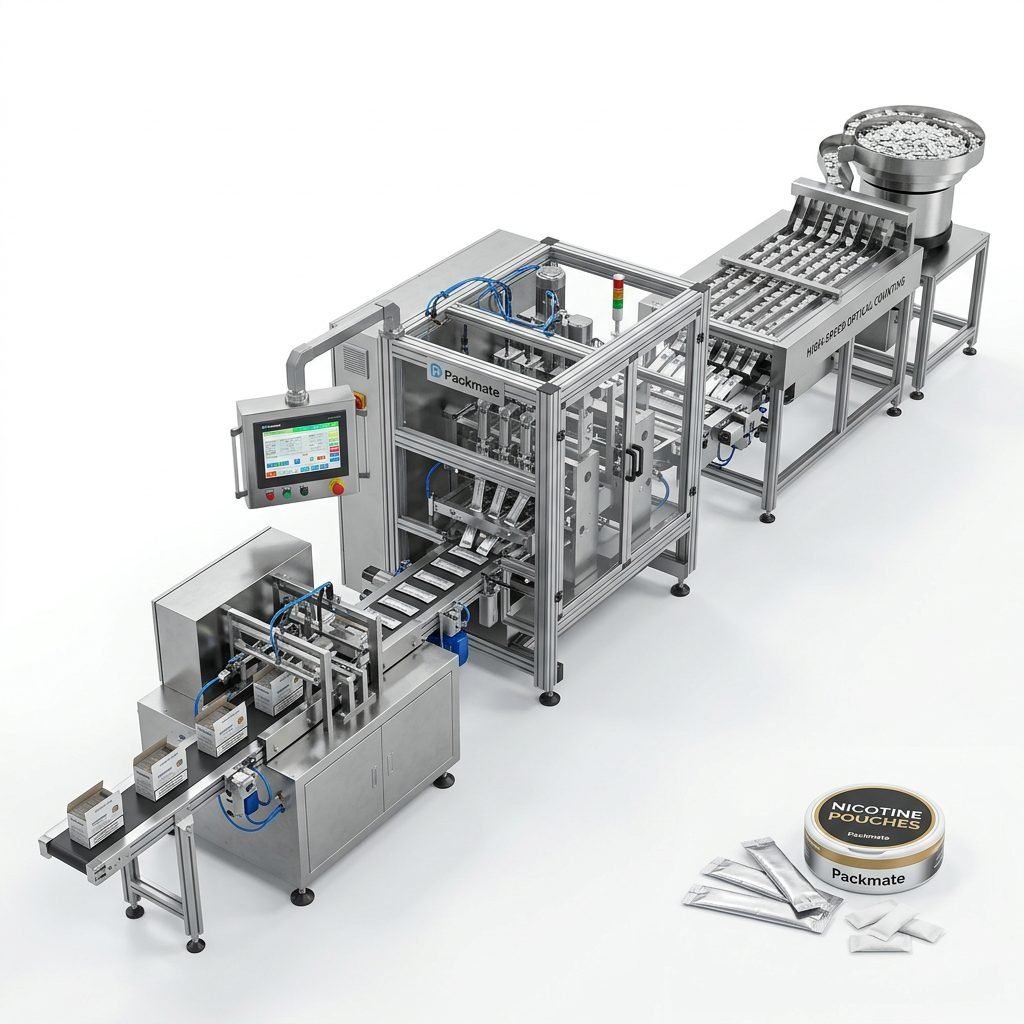
Look for modular designs that let you add functions later (e.g., desiccant insertion, nitrogen flushing, labeling). Suppliers that provide integrated lines — from weighing to pouch forming — reduce integration risk and improve warranties.
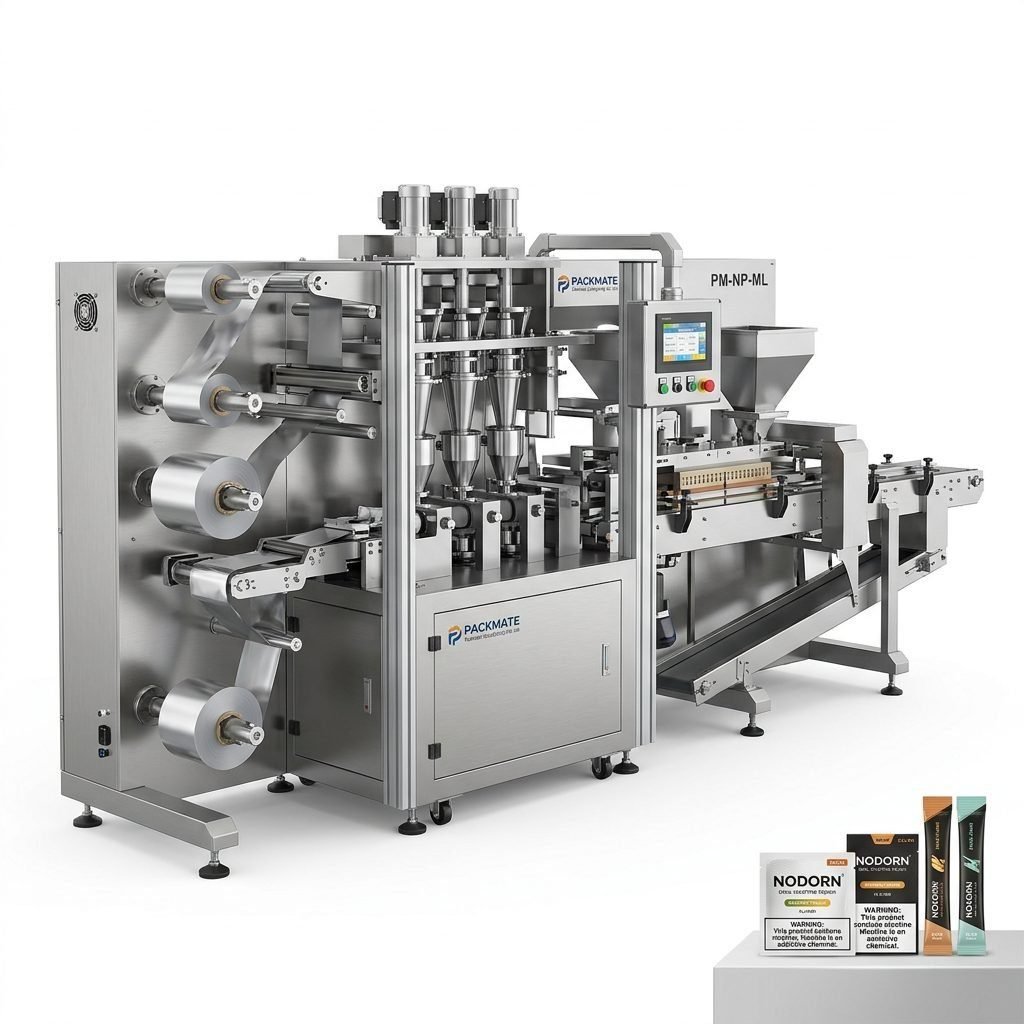
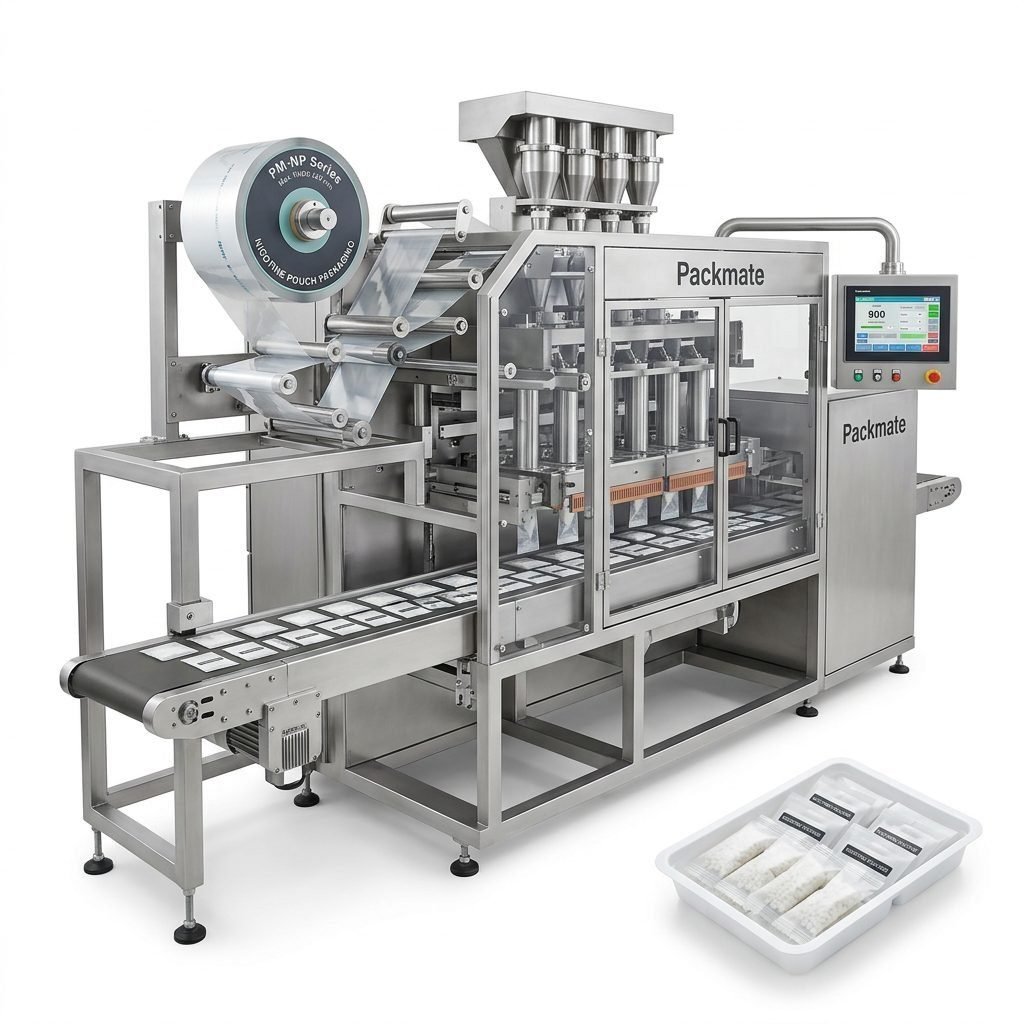
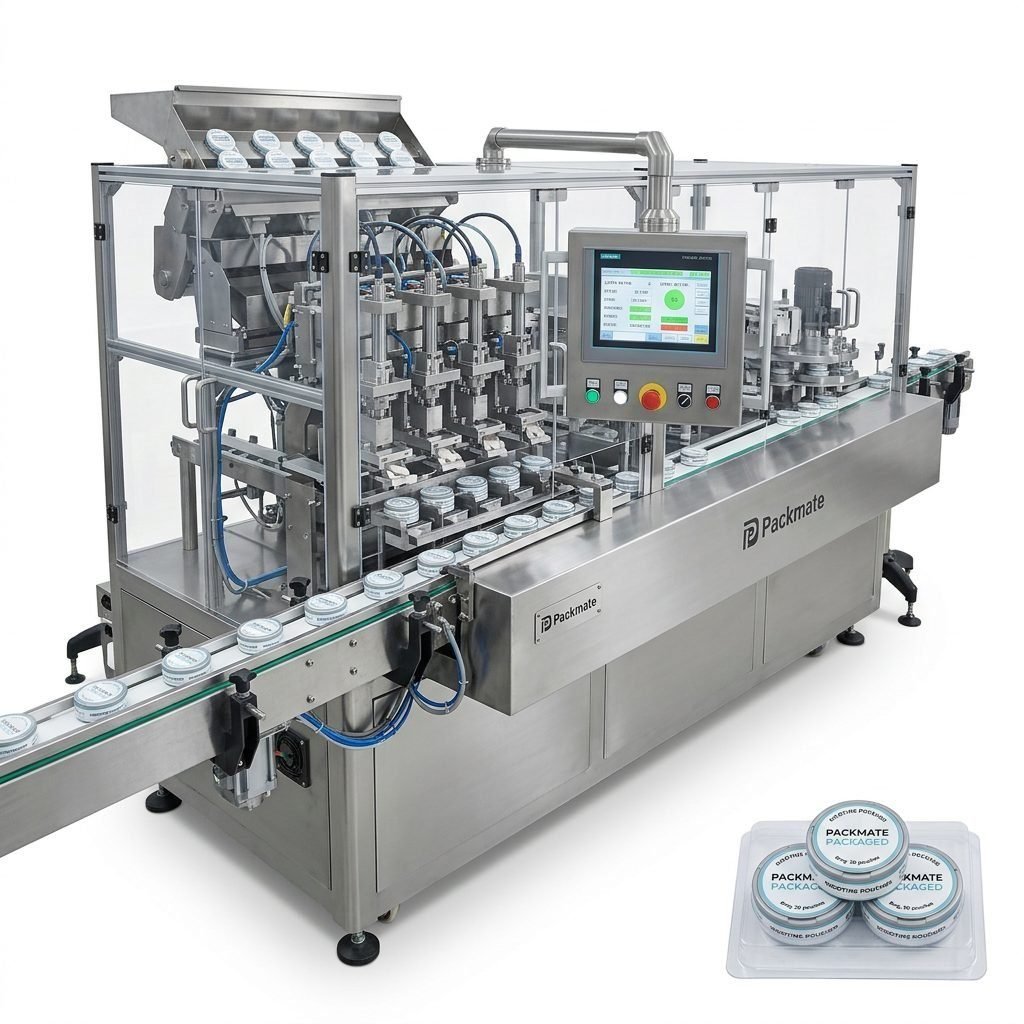
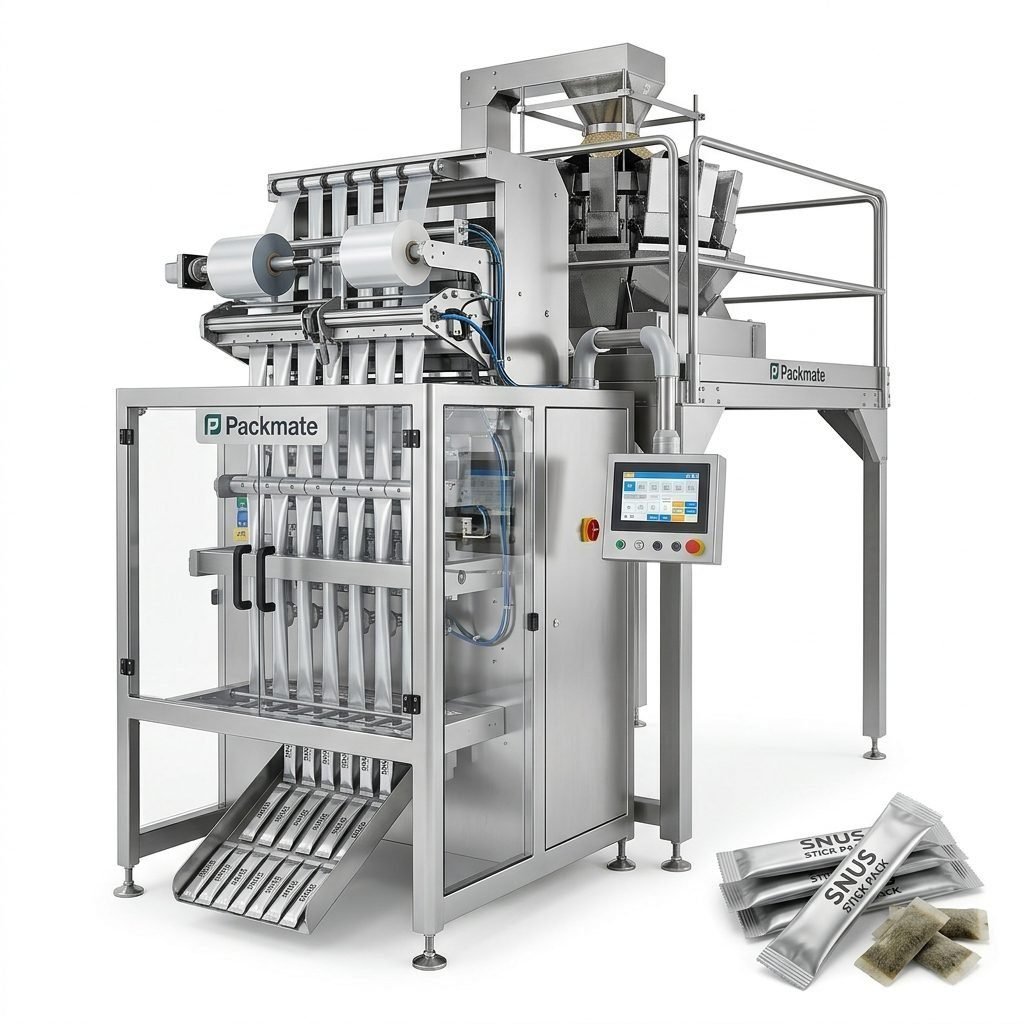
Explore related solutions such as Snus & Nicotine Packaging Machines and Bag & Pouch Packaging Machines to find equipment families that support your future expansions.
Durability & Climate Adaptation
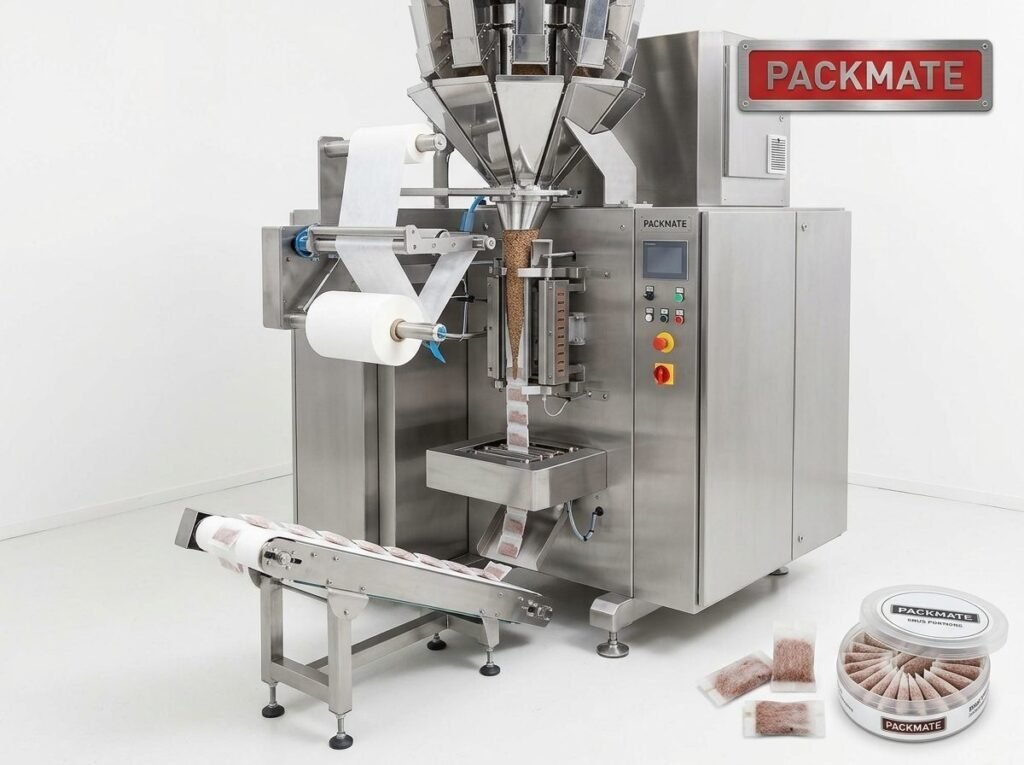
Zambia’s climate can include high humidity and temperature shifts. Choose machines with robust stainless-steel construction, sealed electrical cabinets, and components with proven performance in humid environments. Effective climate adaptation reduces downtime and product spoilage.
Evaluate the Supplier’s Capabilities
A supplier’s capability is more than a brochure. Verify factory scale, manufacturing processes, and quality control. For example, Packmate Snus Machine operates a 20,000㎡ factory with advanced CNC centers and precision assembly lines — indicators of strong manufacturing capability and consistent quality.
🔍 Check these items: factory photos, machine test videos, CE/ISO certificates, customer references, and sample packs produced on the actual model.
Machine models & customization
Prefer suppliers offering multiple models (single-lane, multi-lane, sachet, stick pack) and turnkey lines. Packmate lists 50+ models and custom turnkey solutions which can be tailored to nicotine pouch sizes, dosing types, and production volumes. See product families like Sachet & Stick Pack Machines for options.
After-Sales Service & Local Support in Zambia
Strong after-sales service is essential for businesses that may lack local spare parts networks. Verify lead times for spare parts, remote support capabilities, and training programs. Suppliers that offer remote diagnostics, video-guided maintenance, and on-site installation make startup faster and reduce production risk.
Consider whether the supplier has local partners or agents in Southern Africa for faster parts delivery and technical attendance. If not, ensure they provide an accessible spare-parts catalog and clear ordering channels.
Total Cost of Ownership (TCO) — Beyond the Purchase Price
Evaluate energy consumption, maintenance intervals, spare parts pricing, and expected production uptime. A lower-priced machine can become more expensive over time if it consumes more power, frequently breaks down, or requires expensive imported parts.
⚖️ Quick TCO checklist: energy rating, MTBF (mean time between failures), spare parts list, warranty, and on-site training.
Factory Visits, Testing & Acceptance
Whenever possible, inspect the supplier’s factory or request a live demonstration. Watch machines run your product or a close analog. Confirm acceptance criteria, FAT (Factory Acceptance Test) procedures, and final SAT (Site Acceptance Test) to ensure delivered performance matches promises.
Suppliers with regular exhibition participation and documented cases demonstrate transparency — review cases and exhibition details to see real-world deployments. For further background, you can view company info at About Packmate and review past projects at Case.
Practical Steps to Finalize Your Supplier
1. Shortlist 3–5 suppliers based on technical fit and references.
2. Request detailed quotes including training, spares, and shipping to Zambia.
3. Ask for FAT videos with your product or an equivalent sample.
4. Negotiate warranty terms and spare parts kit with lead times.
5. Confirm installation, commissioning, and operator training plans.
📦 Need help sourcing? Contact the supplier directly for tailored quotes and export support: Contact Us.
Local logistics & installation notes for Zambia
Plan for customs clearance, inland transport, and possible electrical adaptations. Ensure your facility has stable power supply or budget for UPS/stabilizers. Coordinate with the supplier for packing standards and import documentation to avoid delays.
Final Decision Checklist (Quick)
– Technical fit for current and projected volumes.
– Verified factory capability and quality control.
– Clear spare parts and service plan for Zambia.
– Acceptable TCO and warranty terms.
– Compliance documentation and sample approval.
Useful product pages & further reading
Explore equipment classes and systems to refine requirements: Weighing & Packaging Systems, Filling & Packaging Lines, and auxiliary equipment at Auxiliary Packaging Equipment.
Conclusion
Selecting the best snus packaging machinery supplier for Zambia combines understanding local market traits, verifying technical and manufacturing strength, and securing reliable after-sales service. Prioritize suppliers with proven turnkey solutions, robust quality systems, and streamlined export support to minimize risk and accelerate market entry.
Frequently Asked Questions
Q1: How soon can a supplier deliver a fully functional line to Zambia?
A1: Typical delivery varies by customization and export steps — standard models may ship in 8–14 weeks, while customized turnkey lines can take 16–28 weeks including FAT and shipping preparation.
Q2: What after-sales support should I expect for a snus packing line?
A2: Expect installation & commissioning, operator training, a spare-parts list, remote diagnostics, and warranty support. Confirm response times and local logistics options for spare parts.
Q3: Are special materials required for packaging nicotine pouches in Zambia?
A3: Use barrier films and proper sealing materials to protect against humidity. Your supplier should advise material options compatible with machine sealing systems and local climate.
Q4: How do I verify a supplier’s credibility?
A4: Check factory credentials, certifications (CE/ISO), customer references, FAT videos, and exhibition presence. Reviewing the supplier’s About and Certificate pages is helpful.
Q5: Can a supplier help with regulatory paperwork for Zambia?
A5: Many experienced suppliers offer export documentation and can share compliance certificates; however, local regulatory approvals are the buyer’s responsibility and may require coordination with local agents.