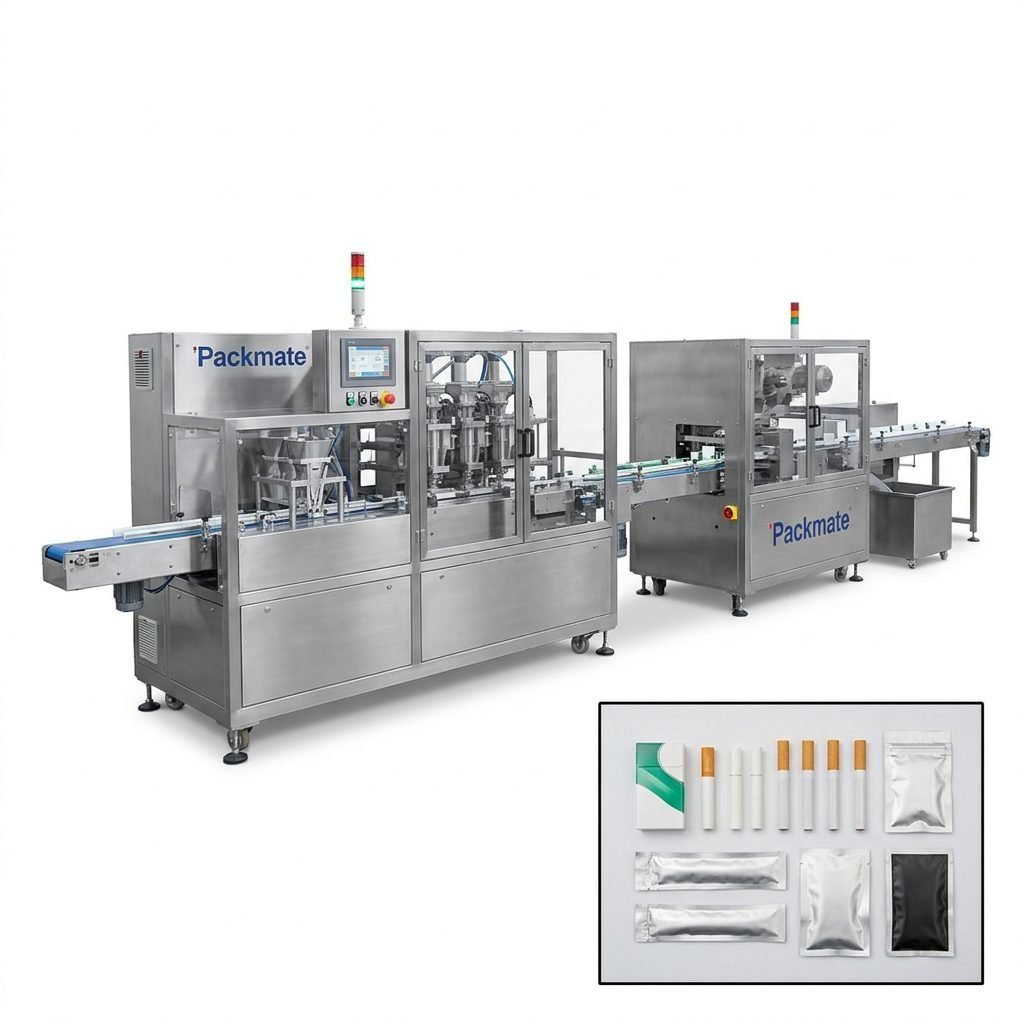
Choosing the best nicotine packaging machinery in Uganda requires a careful balance of regulatory compliance, production capacity, long-term reliability, and after-sales service. Whether you’re launching a new nicotine pouch brand or expanding an existing line, the right machine can make the difference between inconsistent output and a professional, scalable operation. This guide walks you through the practical steps, technical considerations, and supplier evaluation tactics to help you select the optimal packaging solution for nicotine pouches, snus, and related products in Uganda.
Understand Your Product: Nicotine Pouches in Uganda
Nicotine pouches are small-dose products that demand high precision in dosing, sealing, and presentation. Before selecting equipment, document your product attributes: pouch size and shape, target dose range, moisture sensitivity, particulate size, and whether you will produce single-lane or multi-lane formats. These parameters directly influence machine type and configuration.
Regulatory and Safety Considerations
Ugandan regulators and importing partners may impose packaging and labeling rules for nicotine products. Plan for equipment that supports tamper-evident seals, consistent label placement, and traceability features. Also prioritize machines that are easy to clean and maintain to meet hygiene and safety audits.
Key Features to Look for in Packaging Machinery
Selecting machinery involves comparing several technical and operational features. Below are the most critical capabilities you should evaluate when reviewing machine specs and vendor proposals.
Precision Dosing & Filling
Why it matters: Accurate dosing ensures product consistency, legal compliance, and reduced waste. For nicotine pouches, you need dosing systems capable of handling small gram amounts with tight tolerance.
Sealing, Lamination & Material Compatibility
Machines must be compatible with your chosen pouch materials (paper, film, composite) and provide reliable sealing across production speeds. Consider machines with adjustable heat/pressure controls and quality monitoring systems.
Multi-lane vs Single-lane Systems
Scalability: Multi-lane machines increase throughput without proportionally increasing floor space. If future growth is expected, invest in multi-lane technology or machines designed for modular expansion.
Machine Types & Where to Find Them
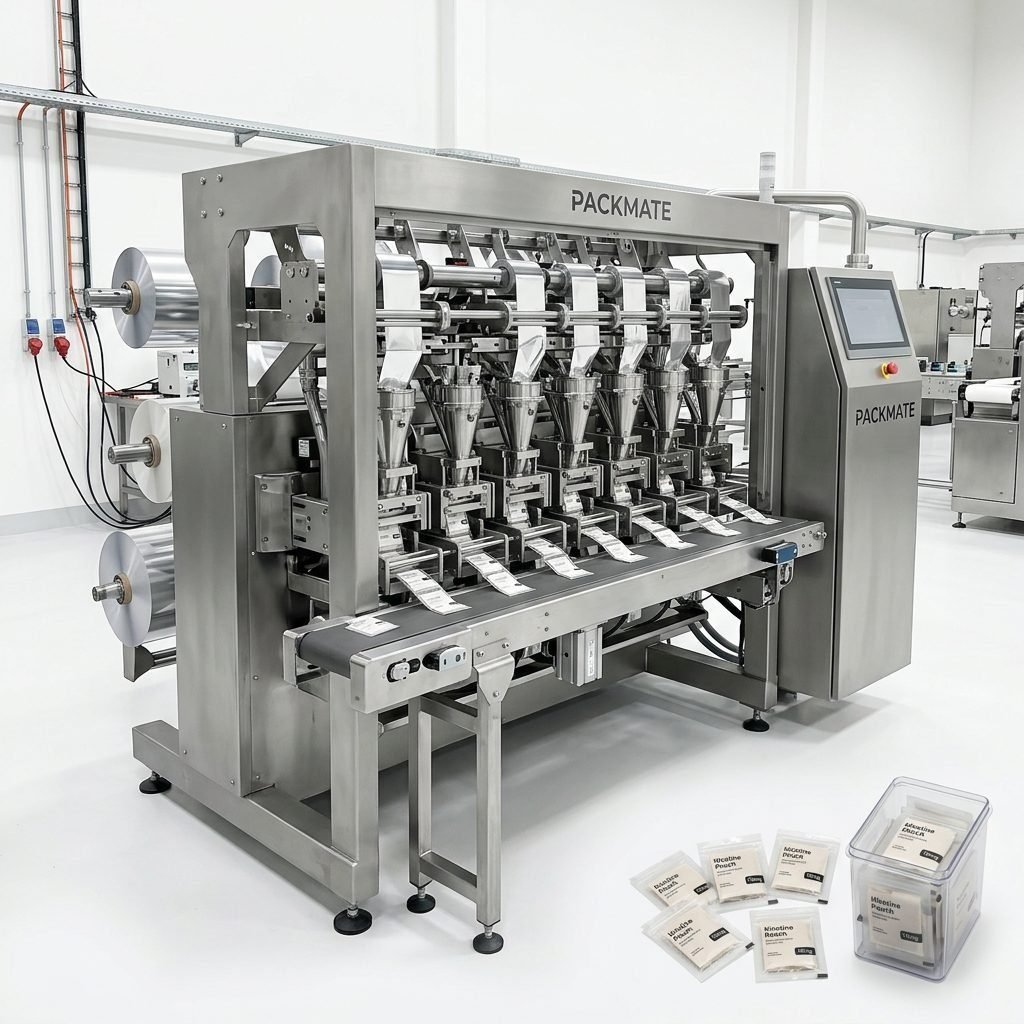
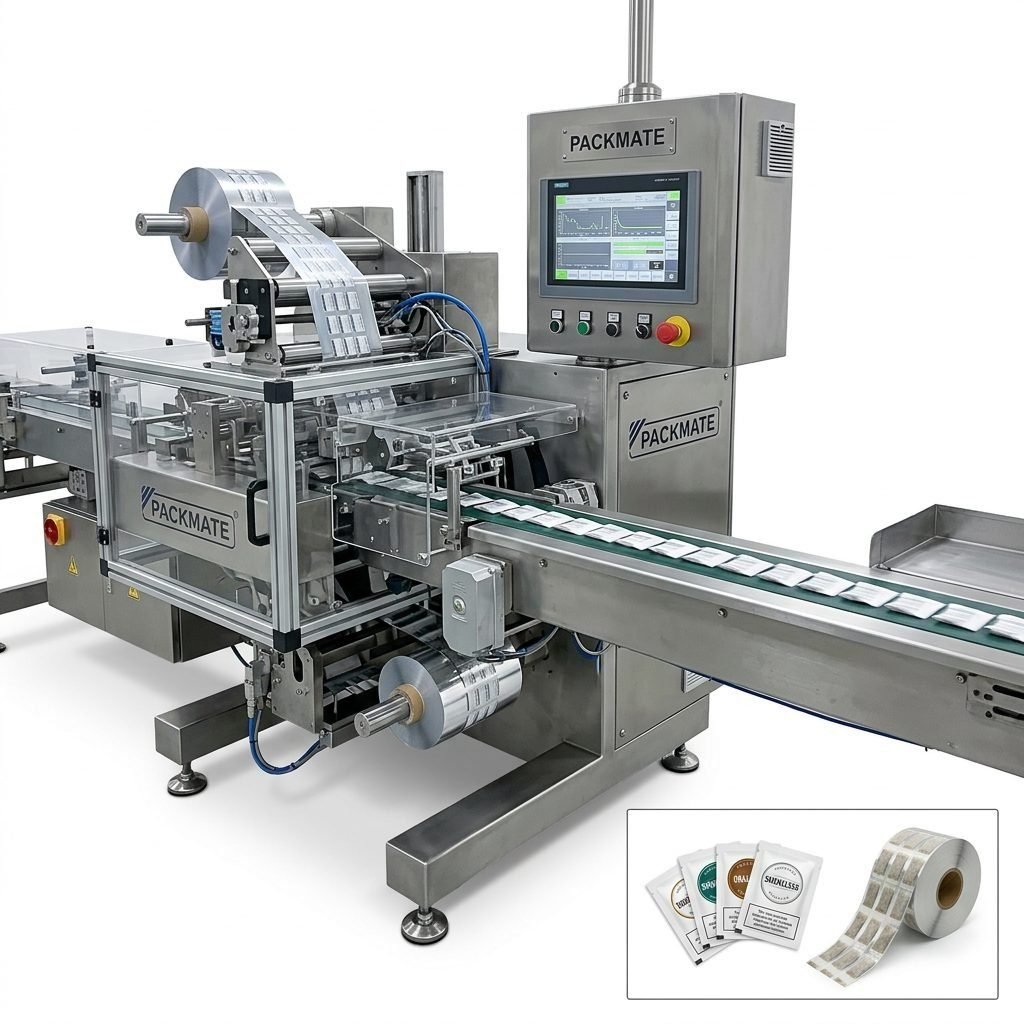
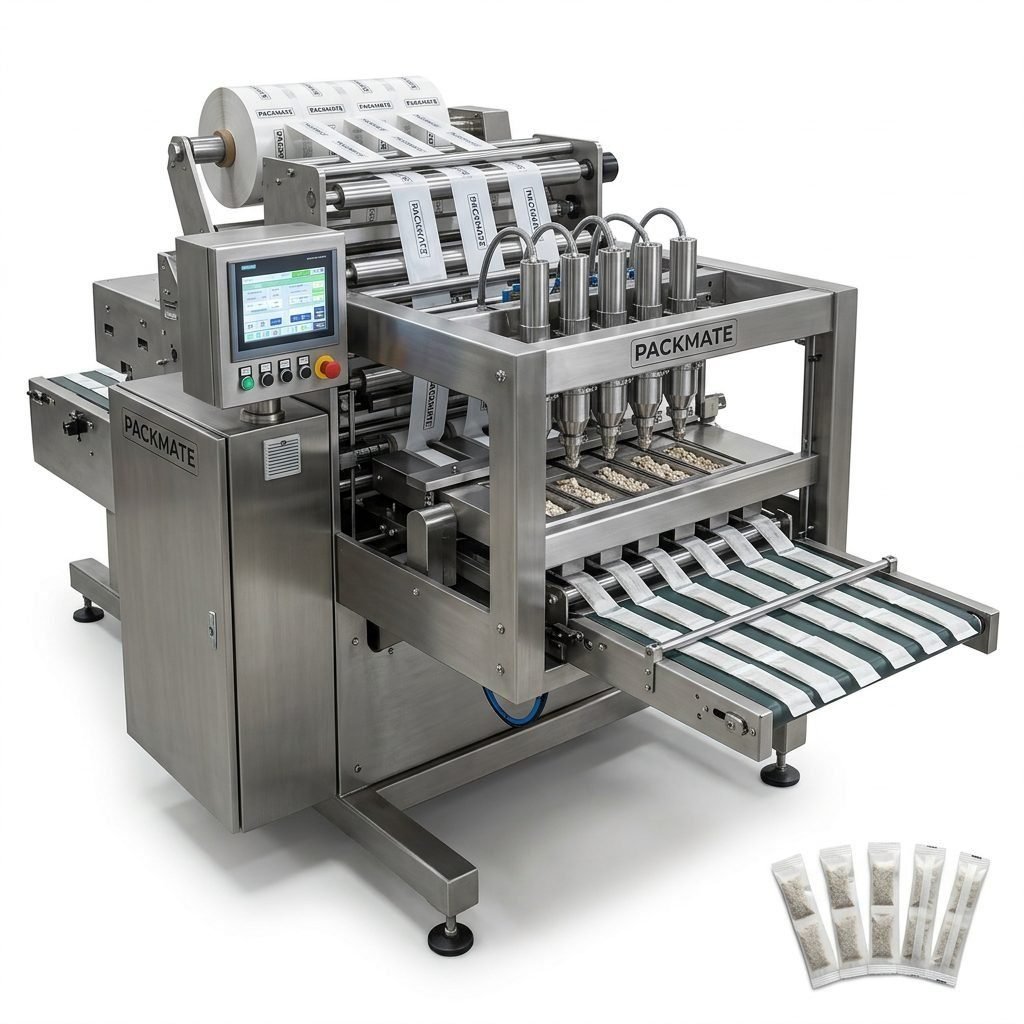
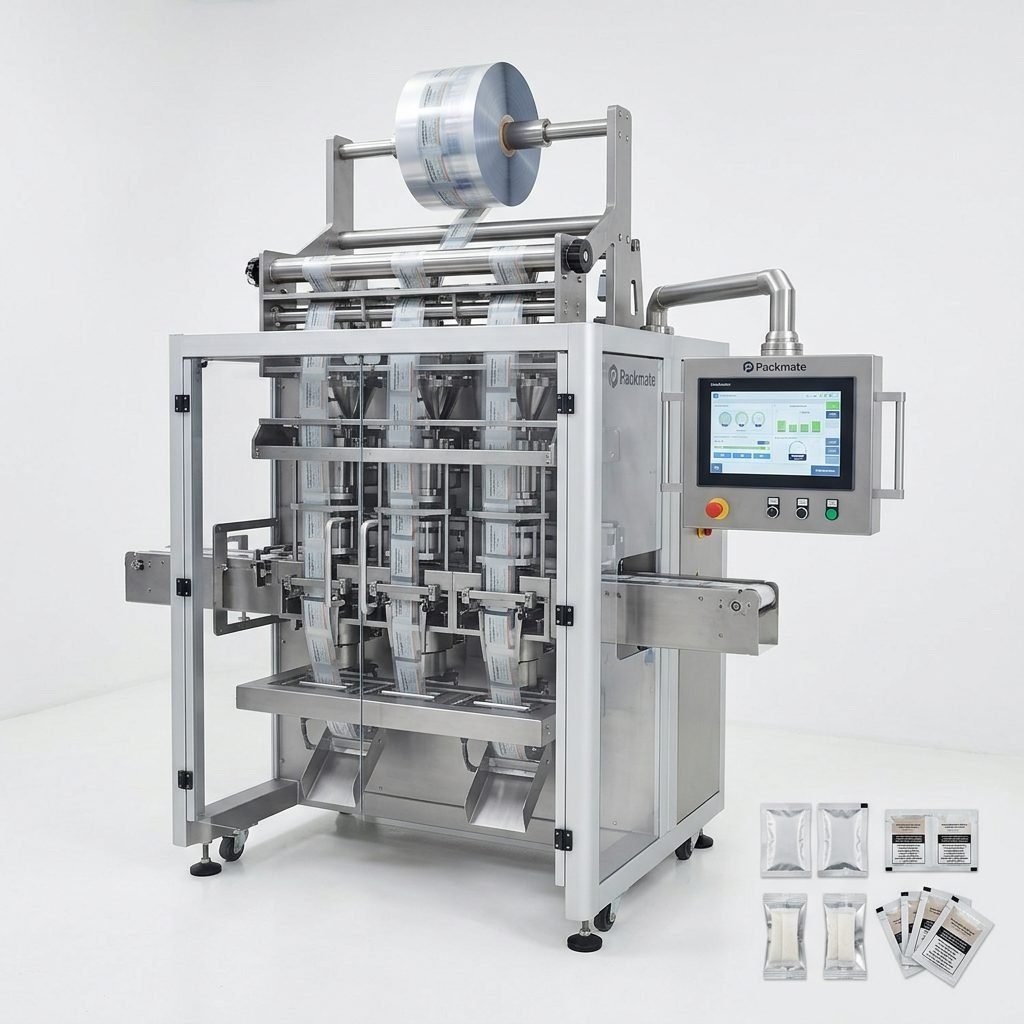
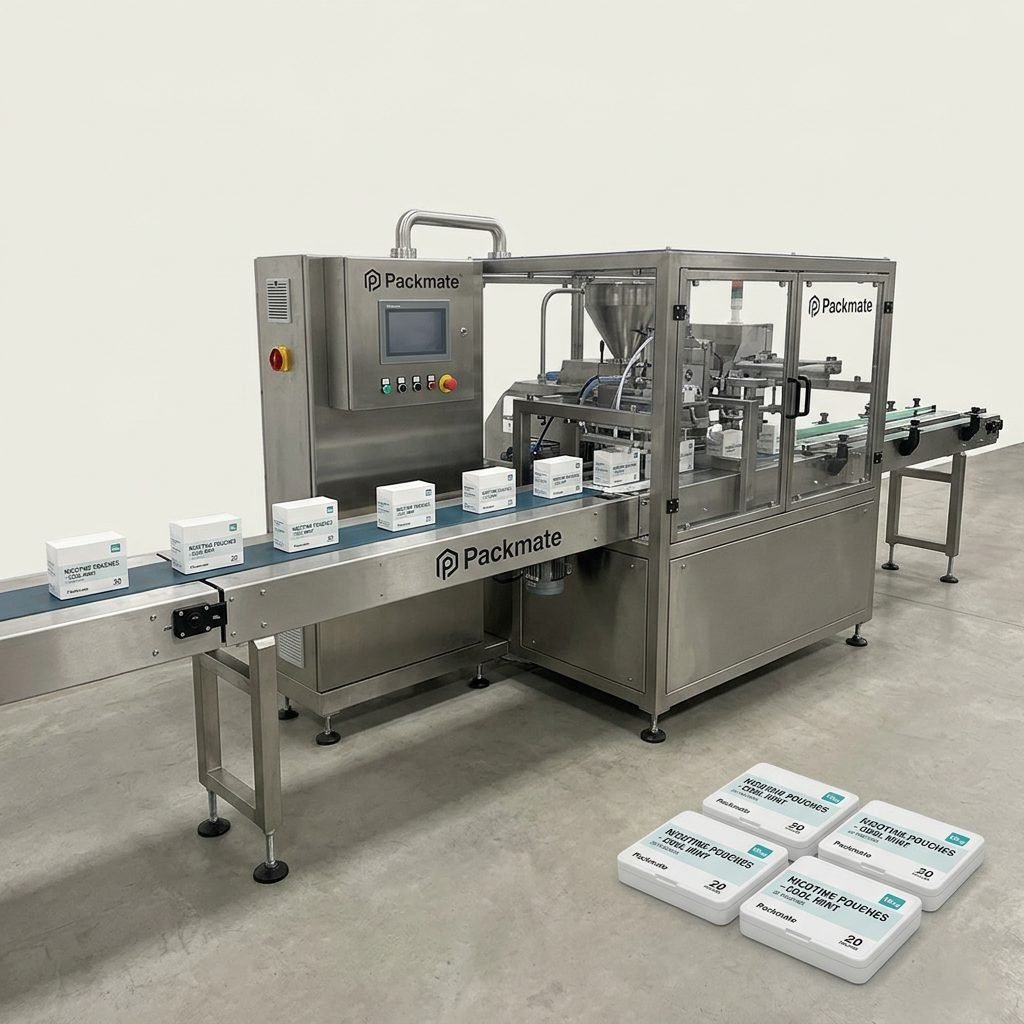
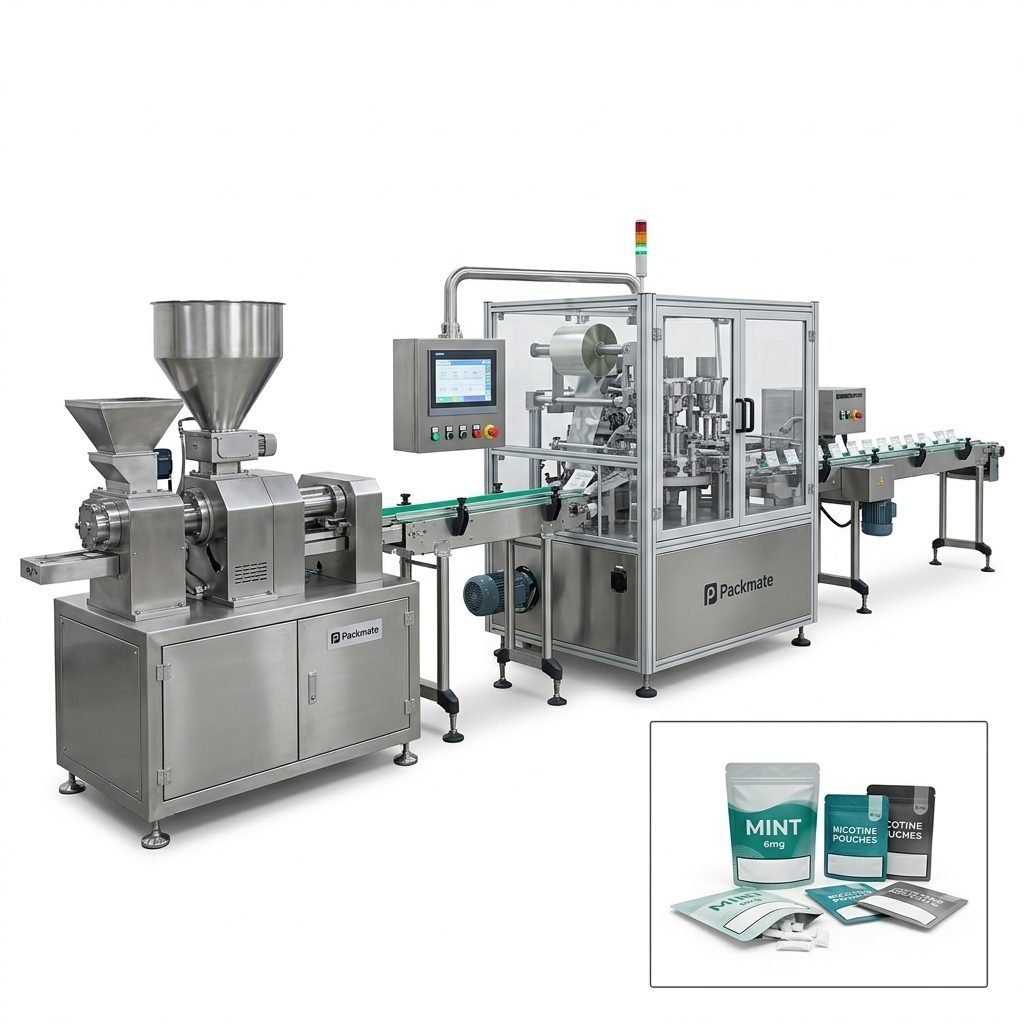
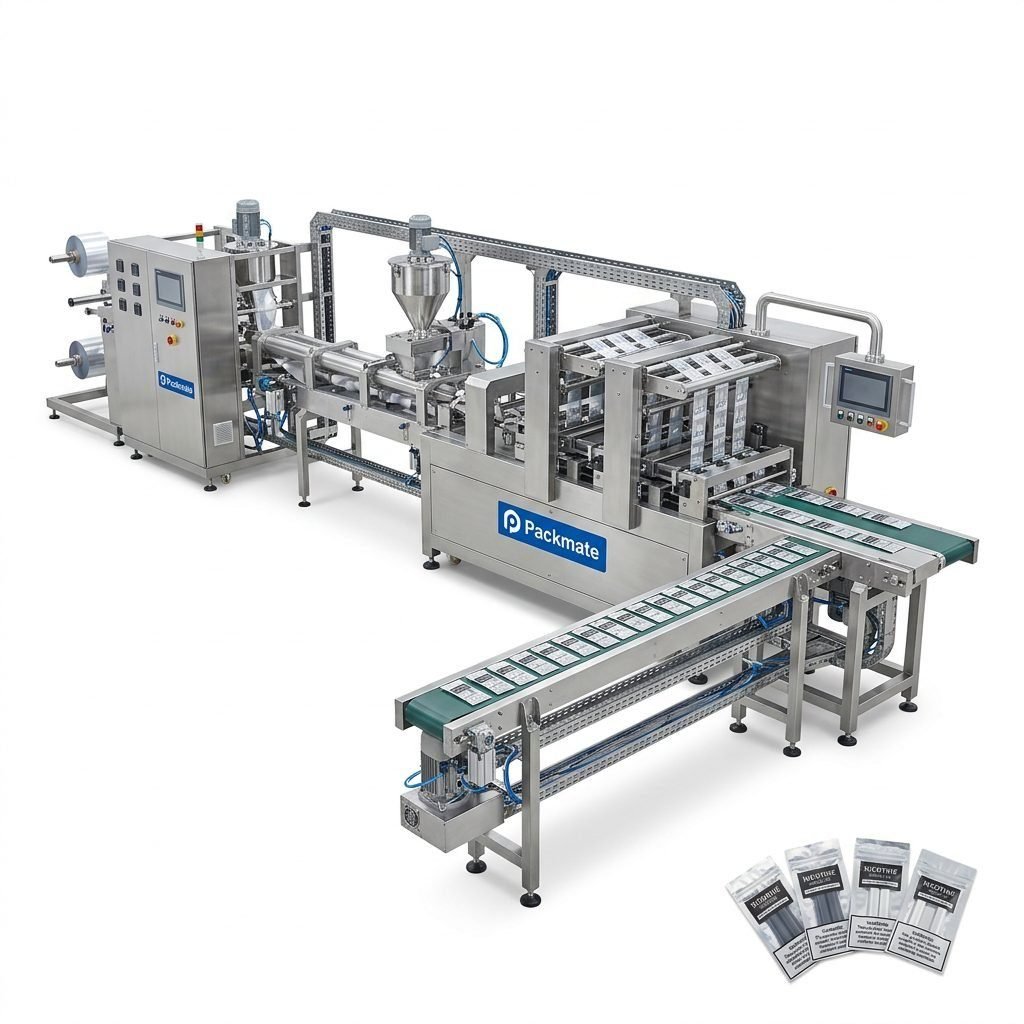
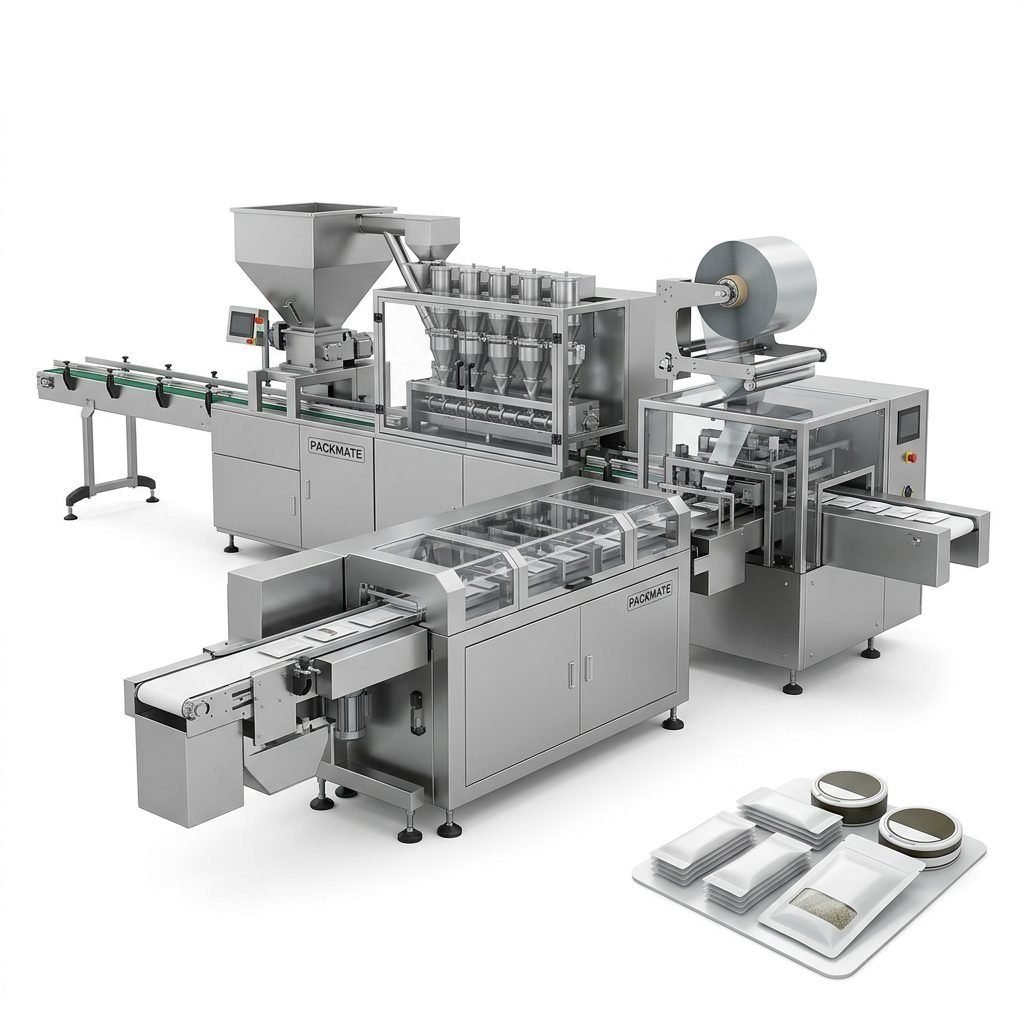
Typical options include sachet/stick pack machines, snus and nicotine pouch machines, and fully integrated filling & packaging lines. Explore product families to match your needs: Snus & Nicotine Packaging Machines, Sachet & Stick Pack Machines, and Filling & Packaging Lines. These product categories clarify the machine architectures suitable for dry or moist nicotine pouches.
You can view relevant product pages such as Snus & Nicotine Packaging Machines and Sachet & Stick Pack Machines to compare models and technical specifications.
Throughput, Efficiency and Floor Space
Calculate the hourly and daily output you need, then add 20-30% headroom for peak demand. Consider overall equipment effectiveness (OEE) numbers and changeover time between SKUs. Machines with tool-free changeovers and quick recipe storage reduce downtime and increase production flexibility.
Energy & Utilities
Confirm the machine’s power requirements and any compressed air or vacuum needs. In Uganda, power stability is a factor; machines with lower energy consumption and protective electronics for voltage fluctuation are advantageous.
Evaluating Suppliers: What to Ask
Choosing a reputable supplier is as important as choosing the right machine. Compile a list of questions covering experience, customization, testing, warranty, spare parts, and references. Request videos of similar machines in operation and a list of existing installations in markets with regulatory similarities to Uganda.
Proven Track Record
Packmate Snus Machine brings over 30 years of engineering experience and a 20,000㎡ facility. Look for suppliers with global case studies and certifications like CE/ISO. See company details at About Packmate and actual project references at Case.
After-sales Support & Local Presence
Check availability of spare parts, remote diagnostics, and training programs. Suppliers who provide commissioning, operator training, and local support reduce downtime risks. If possible, agree on a service contract that includes response times and parts stocking.
Customization & Turnkey Solutions
A turnkey approach simplifies procurement: the supplier handles machine integration, material handling, dosing, sealing, labeling, and quality control systems. If you require custom pouch formats or unique dosing systems, ensure the manufacturer offers customization and provides engineering drawings for approval.
Explore integrated options such as Filling & Packaging Lines and modular Weighing & Packaging Systems for automated, consistent output.
Total Cost of Ownership (TCO) and ROI
Upfront cost is only part of the financial picture. Calculate TCO considering energy use, spare parts, consumables, downtime cost, training, and expected lifespan. Machines constructed from durable materials with robust CNC-manufactured parts generally show lower long-term costs due to fewer breakdowns and easier maintenance.
Financing & Depreciation
Work with vendors that support leasing, staggered payments, or trade-in options. This can accelerate access to high-performance machinery while smoothing capital expenditure impacts.
Installation, Training & Commissioning
A successful deployment includes thorough on-site commissioning, operator and maintenance training, and process validation runs. Confirm what the supplier includes in the proposal: shipping, installation supervision, start-up runs, and staff training hours. Ask for digital manuals, spare parts lists, and recommended maintenance plans.
If you need help or have complex requirements, contact the supplier’s service team: Service and Contact Us.
Local Considerations for Uganda
Import logistics, customs clearance, and local infrastructure are crucial. Ensure the supplier provides full documentation (packing lists, certificates, CE/ISO) and offers assistance with customs classification. Plan for spare part kits and consumables to be shipped with the machine or stocked locally to minimize downtime.
Power & Environmental Conditions
Assess facility power quality, humidity control, and cleanroom needs if required. Machines performing precise dosing are sensitive to dust and humidity, so proper environmental controls can improve yield and reduce maintenance.
Practical Checklist Before Buying
✅ Define throughput (units/hour, shifts/day)
✅ Confirm compatibility with pouch material and nicotine dose range
✅ Check references and ask for machine run videos or site visits
✅ Negotiate warranty, spare parts kit, and service response times
✅ Evaluate TCO including energy, maintenance, and consumables
Why Consider Packmate as a Supplier
Packmate Snus Machine is positioned as a specialist in snus and nicotine pouch packaging. With over 30 years of experience, a 20,000㎡ manufacturing facility, advanced CNC machining, and a broad product line, Packmate can supply single machines or turnkey lines tailored to your needs. For detailed product families, view the Packmate offerings at Snus & Nicotine Packaging Machines and other product pages.
Certifications & Global Presence
International certifications (CE, ISO) and participation in global exhibitions build confidence in a supplier’s technical and regulatory competencies. Packmate showcases its solutions internationally, which helps customers verify machine performance in diverse operating environments. See exhibition history and certificates at Our Exhibition and Certificate.
Decision Flow: From Evaluation to Purchase
1) Gather requirements: production, materials, budget. 2) Shortlist vendors with relevant experience. 3) Request machine demonstrations, references, and technical offers. 4) Validate commercial terms including warranties and spare parts. 5) Plan installation, training, and validation with supplier involvement.
Negotiation Tips
Negotiate bundled offers that include commissioning, spare parts kits, and training. Clarify lead times and shipping terms. A clear acceptance test protocol (FAT/SAT) reduces disputes at delivery.
Quick Reference Links
– Snus & Nicotine Packaging Machines
– Sachet & Stick Pack Machines
– About Packmate
– Service
– Contact Us
Final Recommendations
Start with a clear product specification and projected volumes. Prioritize machines that offer precise dosing, robust sealing, and modular scalability. Choose suppliers with proven experience in nicotine pouch packaging, global references, and reliable after-sales support. When in doubt, opt for a slightly higher-capacity or multi-lane solution to protect against near-term growth and to maximize the return on investment.
Next Steps
Request detailed proposals and FAT videos from shortlisted vendors, confirm service and spare parts availability in your region, and schedule a pilot run or a test batch to validate performance. If you would like vendor information, Packmate’s product categories and contact options are listed above.
Common Questions
Q1: How do I know whether to choose single-lane or multi-lane machines?
A: Evaluate current and forecasted volumes. If you expect rapid growth or want higher throughput without expanding floor footprint, choose multi-lane systems. Multi-lane is more capital-intensive initially but offers better long-term throughput per square meter.
Q2: What is the typical lead time for snus/nicotine pouch machinery?
A: Lead times vary by customization and order size. Standard models may ship in a few weeks, while customized turnkey lines can take several months. Confirm lead time in writing and align it with your project timeline.
Q3: Are spare parts and consumables readily available for imported machines in Uganda?
A: Reputable suppliers provide spare parts kits and can ship via air or sea. Negotiate parts stocking agreements or local distribution to avoid long downtimes.
Q4: What training is necessary for operators and maintenance teams?
A: Operators need training on machine operation, troubleshooting, and cleaning. Maintenance staff require training on mechanical and electrical systems and recommended preventive maintenance schedules. Insist on supplier-provided on-site training during commissioning.
Q5: How can I validate machine performance before purchase?
A: Request factory acceptance testing (FAT) videos or onsite FAT, review performance data (OEE), and if possible, inspect machines running similar products at a customer site. Include acceptance criteria in the purchase agreement.