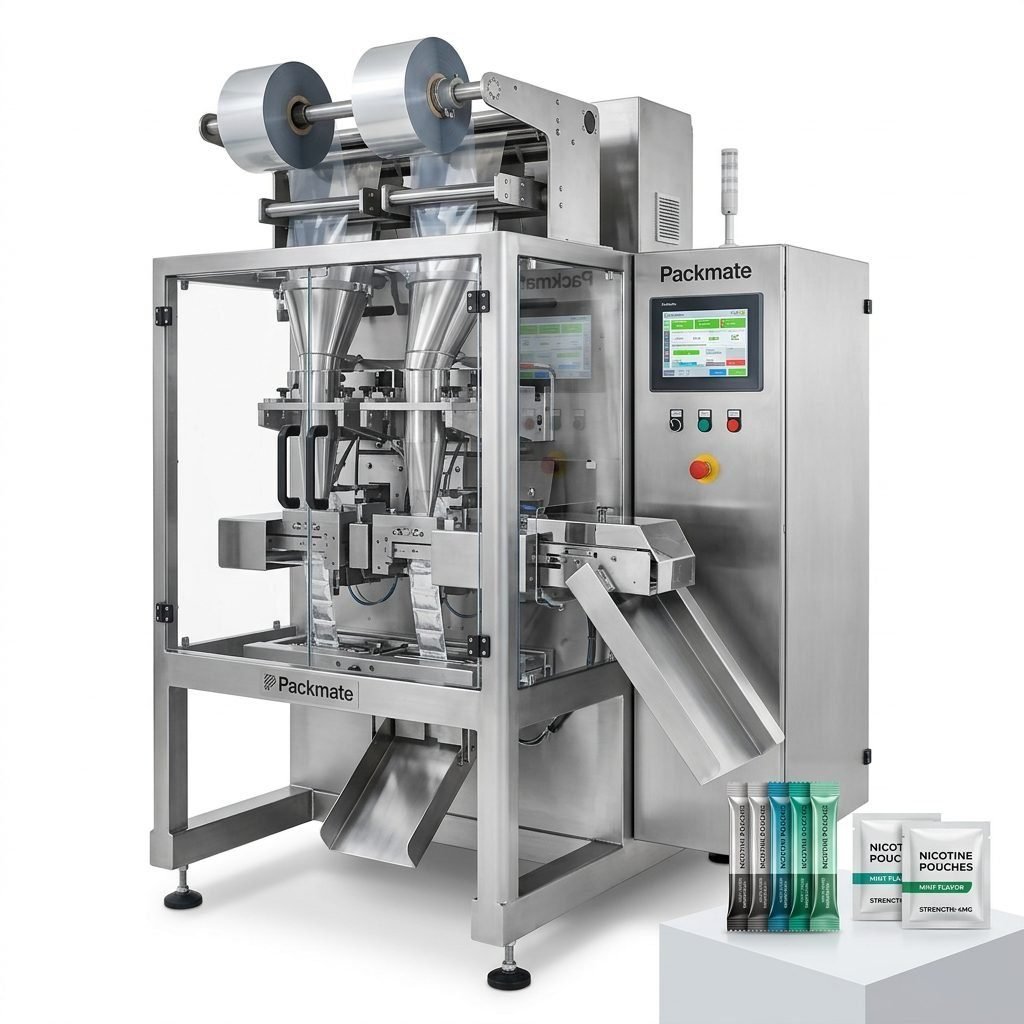
Choosing the right nicotine packaging machine in Mongolia requires balancing production capacity, regulatory compliance, material handling and long-term serviceability. This guide walks you through the practical steps and technical considerations to match a packaging solution to your production needs, whether you are producing nicotine pouches, snus, sachets or stick packs. The recommendations below reflect industry best practices and supplier capabilities to help you make an informed decision quickly and confidently.
Understand Your Product and Package Format
The first step is to clearly define the product form and final pack type. Nicotine products may be manufactured as loose pouches, sealed snus tins, sachets or stick packs. Each format requires different handling, filling accuracy and sealing technology. For example:
• Pouches and snus packs need delicate handling and vibration-free feeding to avoid damage.
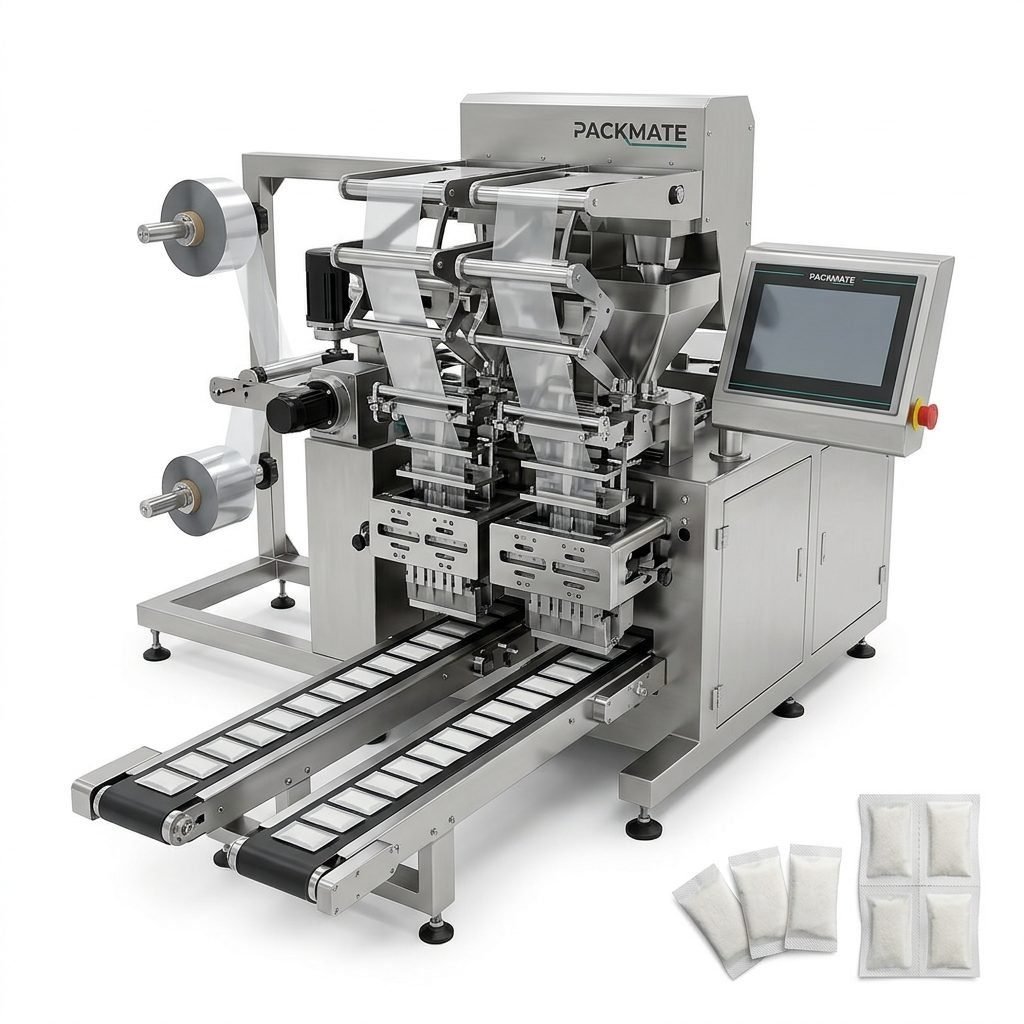
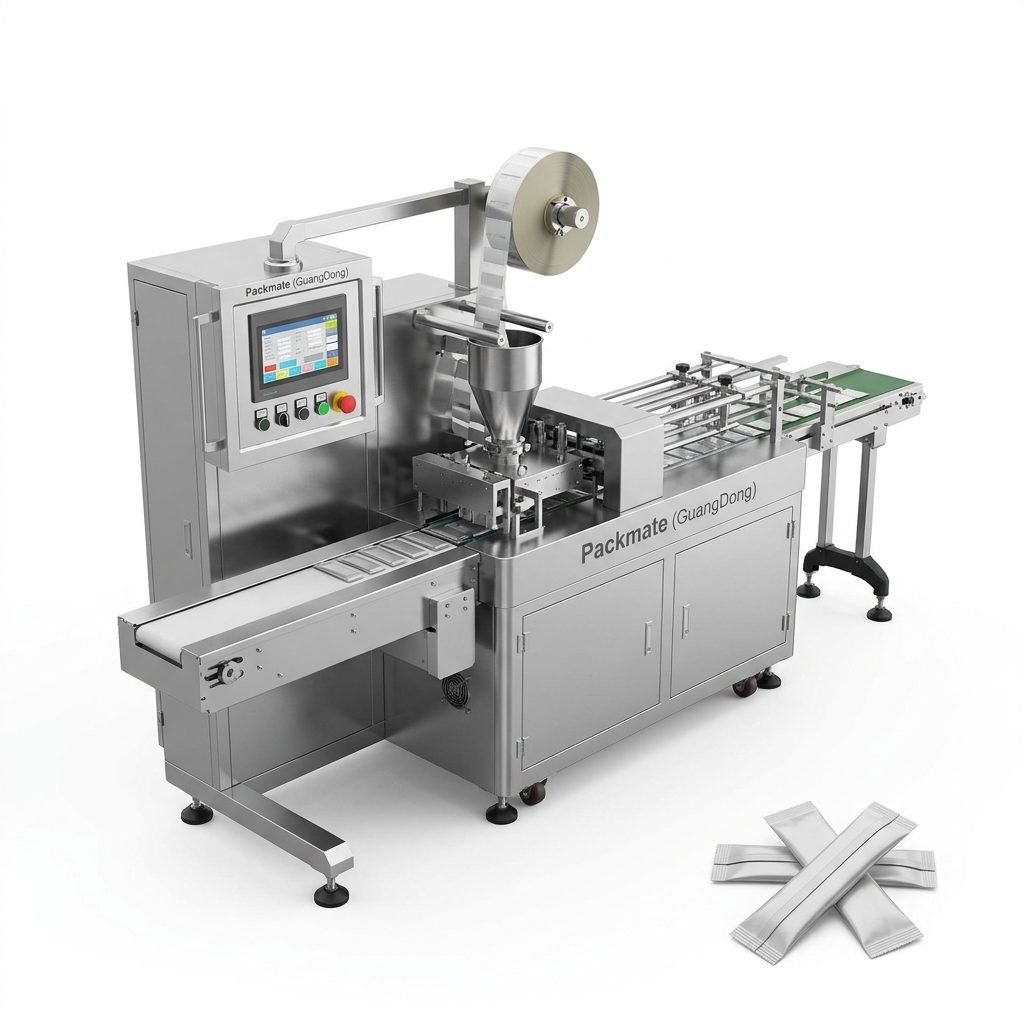
• Sachets and stick packs typically require high-speed longitudinal or transverse sealing and precise dosing for consistent weight.
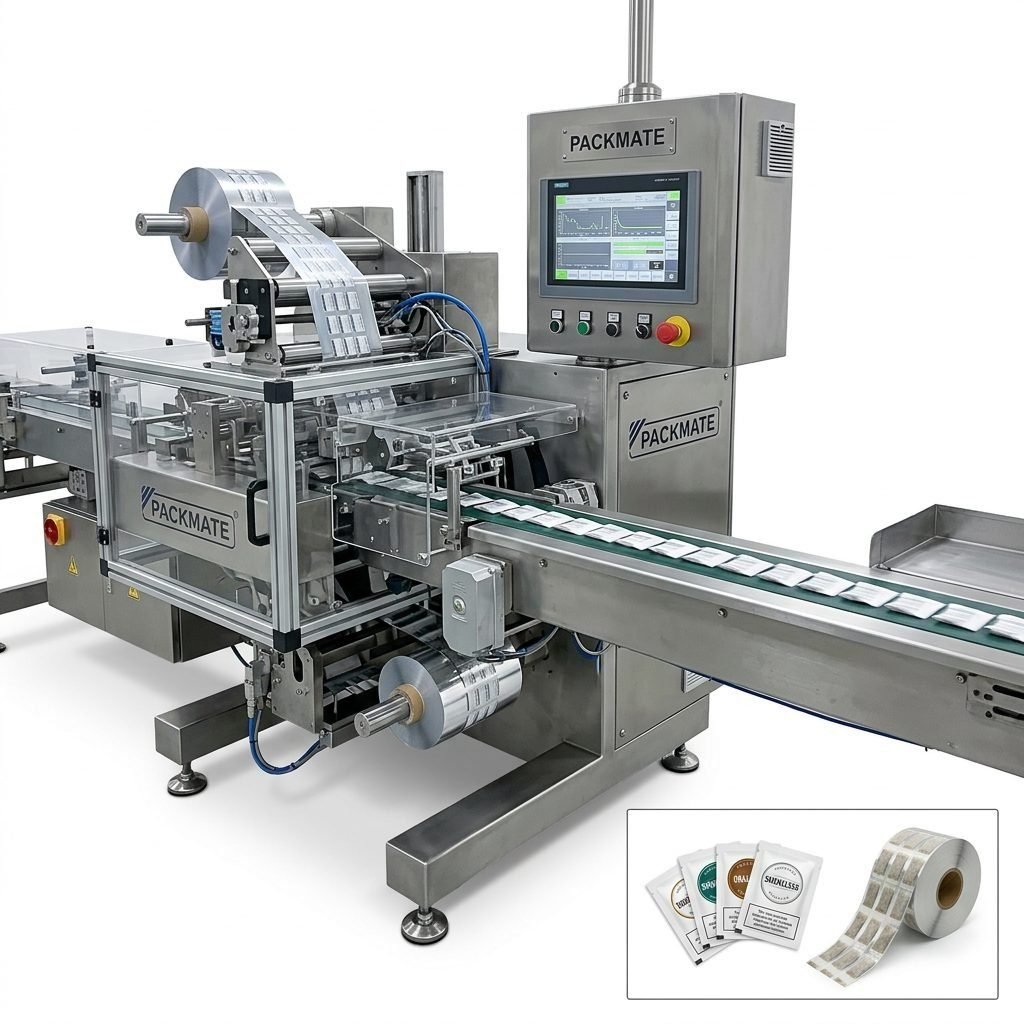
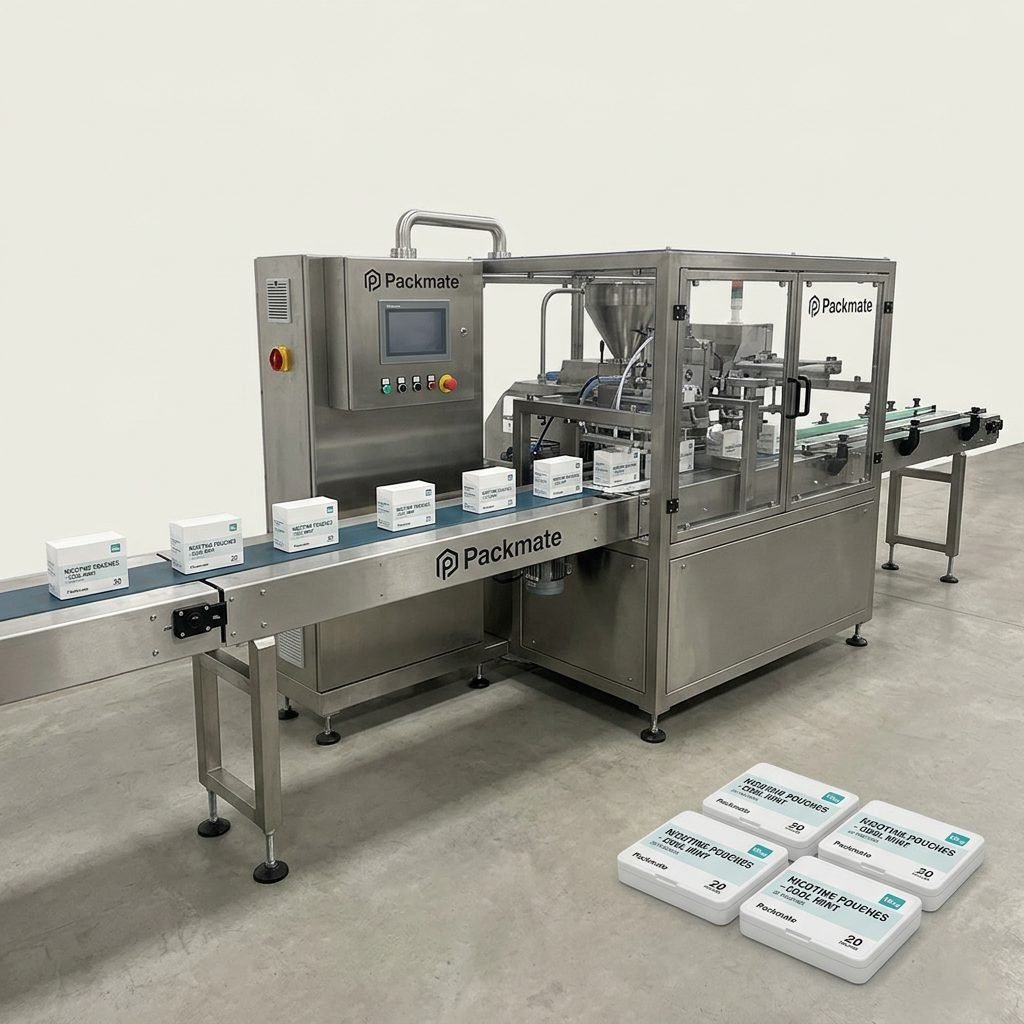
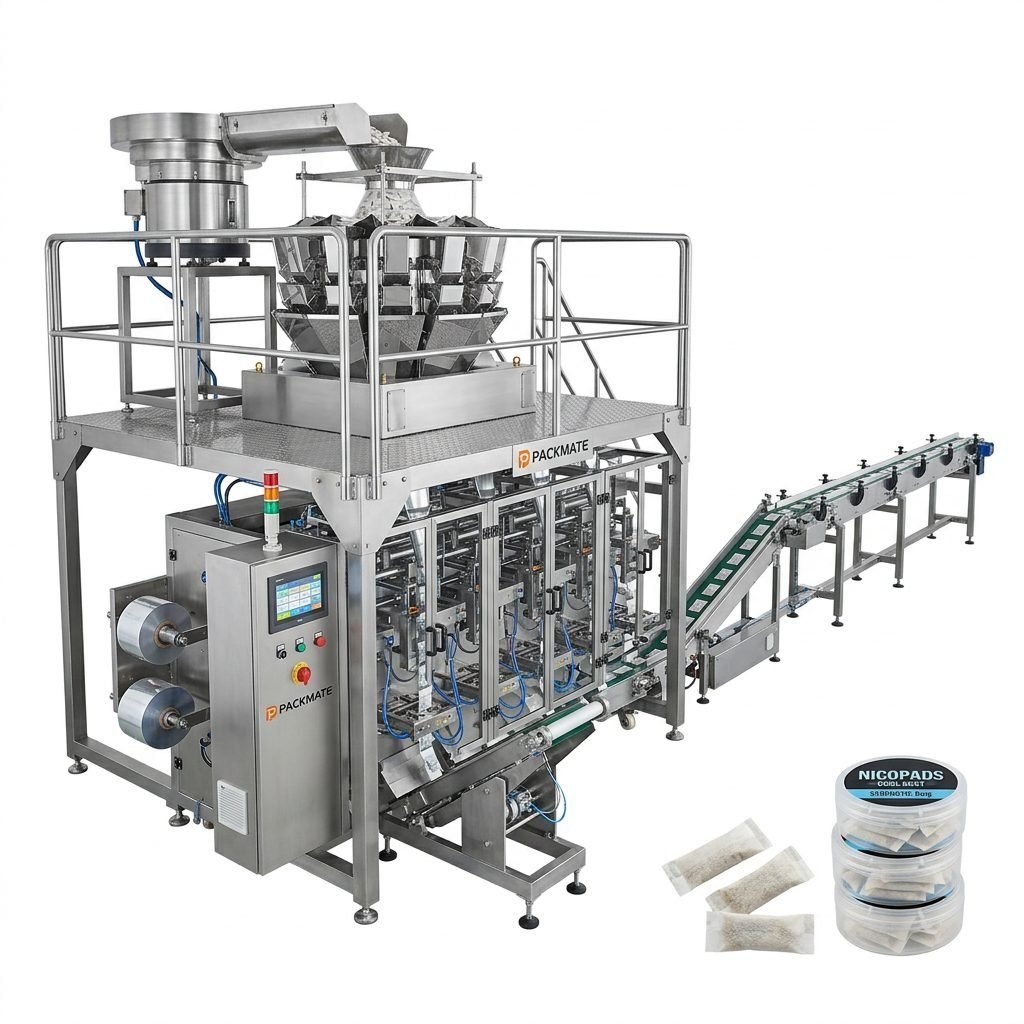
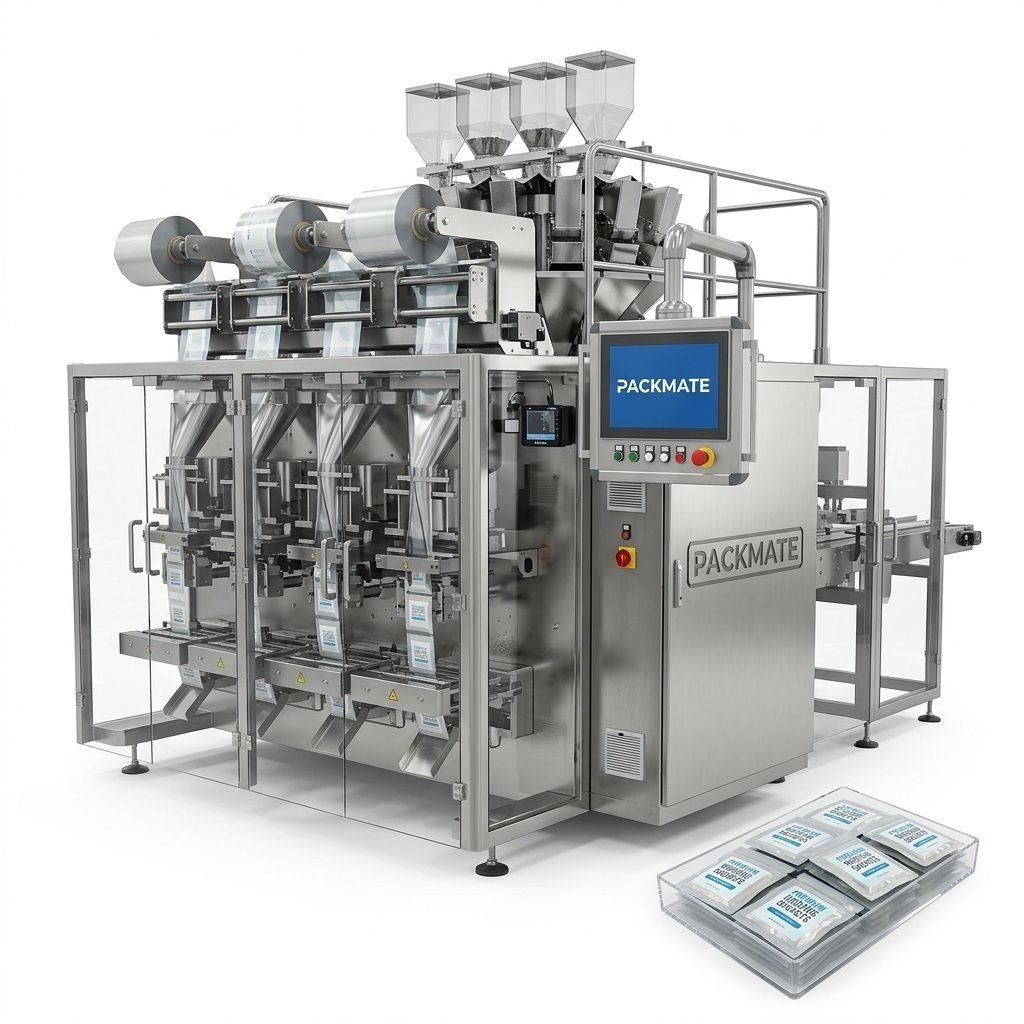
Choose a machine family designed specifically for nicotine pouches or snus if your product is small-dose and moisture-sensitive. For reference, manufacturers commonly list dedicated options under Snus & Nicotine Packaging Machines and Sachet & Stick Pack Machines.
Key product questions to answer:
• What is the pouch size and weight range?
• Is the product powder, granule, paste or moist snus?
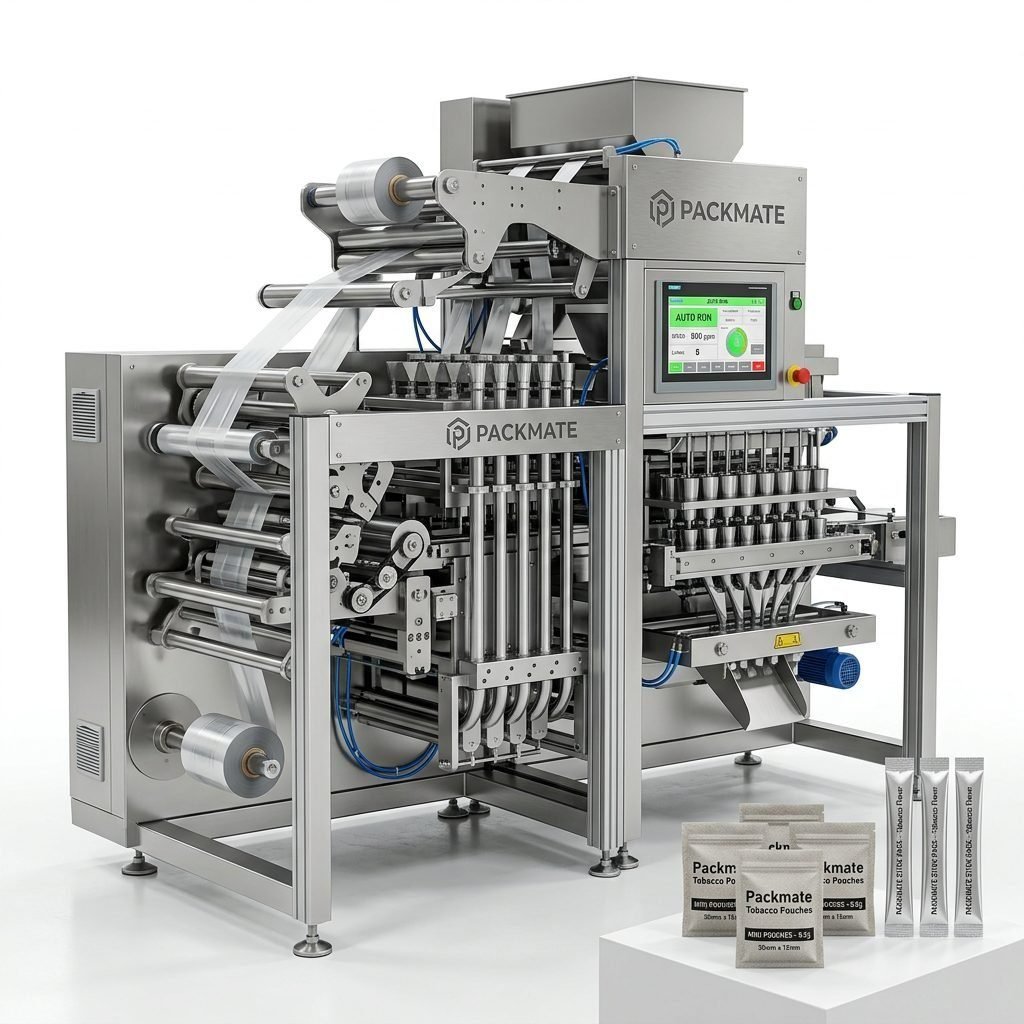
• Do you need multi-lane production for very high throughput?
Production Capacity and Line Speed
Match machine throughput to your target production volumes. In Mongolia, production runs can vary from small batches for regional distribution to larger volumes for export. Typical capacity categories:
• Pilot / R&D: low-speed units with flexibility for testing formulations.
• Small-scale commercial: single-lane machines producing moderate outputs.
• High-volume: multi-lane, high-speed packaging lines with automated infeed and upstream dosing systems.
Consider future growth: selecting a modular machine or a multi-lane system can reduce later upgrade costs. If export is planned, design your line for 24/7 operation and robust maintenance intervals.
Material Compatibility and Dosing Accuracy
Different nicotine products require different dosing technologies. Powder and granules may use volumetric or auger dosing, while paste-like products need piston fillers. Accurate dosing is critical for regulatory compliance and consumer safety.
Tip: For nicotine pouches choose dosing systems with high repeatability and easy calibration to maintain strict weight tolerances.
Hygiene, Materials and Machine Construction
Material contact parts should be stainless steel (304/316) and designed for easy cleaning. Moisture-sensitive products demand controlled material flow and minimal retention areas. Look for machines with tool-less guards and quick-disconnect components to reduce cleaning downtime.
Certifications such as CE and ISO indicate that equipment meets international safety and quality standards — a valuable consideration when procuring machinery for nicotine products.
Automation Level and Integration
Decide how much automation you need. A fully automated line may include feeding, dosing/weighing, packing, cartoning and palletizing. Semi-automated solutions can reduce capital expenditure while maintaining productivity. Key integration points:
• Upstream weighing and batching systems for precise formula control.
• In-line metal detection and X-ray systems for product safety.
• Automated case packing and palletizing to minimize manual handling.
Why integration matters
Integrated systems reduce manual labor, improve traceability and increase overall equipment effectiveness (OEE). For larger Mongolian operations that plan to export, an integrated production line is frequently a requirement to meet international buyer expectations.
Space, Utilities and Factory Readiness
Evaluate floor space, power supply, compressed air quality and humidity control. Packaging lines require stable utilities and sufficient room for maintenance access. A factory visit or a detailed site survey should be part of the procurement process to ensure the machine will operate reliably in the Mongolian environment.
Service, Spare Parts and Local Support
After-sales support is critical. Ask suppliers about spare parts availability, local service partners and remote support options. A supplier with global exhibition presence and a strong factory footprint often provides faster support and standardized parts. You can learn more about supplier capabilities and history via About Packmate.
Strong indicator: Suppliers offering turnkey solutions, training and commissioning reduce implementation risk.
Regulatory Compliance and Labeling Requirements
Nicotine products are regulated in many markets. Ensure the packaging machine can accommodate required labeling, batch coding, and tamper-evidence features. Integration with printing and coding devices must be validated during FAT (Factory Acceptance Test) and SAT (Site Acceptance Test).
Total Cost of Ownership (TCO) and ROI
Beyond purchase price, evaluate energy consumption, spare parts cost, planned maintenance and expected lifetime. A higher initial investment in a robust machine can yield lower TCO and faster ROI through reduced downtime and higher yield.
Customizability and Flexibility
Look for modular systems that support quick changeovers between SKUs. Features to request:
• Recipe-driven HMI for fast switchovers.
• Quick-change format parts and adjustable lanes.
• Compatibility with multiple packaging materials such as paper, foil and laminated films.
Supplier Evaluation Checklist
Use a checklist to compare vendors objectively. Important items include:
• Proven case studies and references in nicotine packaging.
• Factory capacity, CNC and assembly capabilities.
• ISO/CE certification and testing protocols.
• Available spare parts stock and lead times.
• Training, commissioning and maintenance support.
Real-World Example: Multi-Lane Nicotine Pouch Line
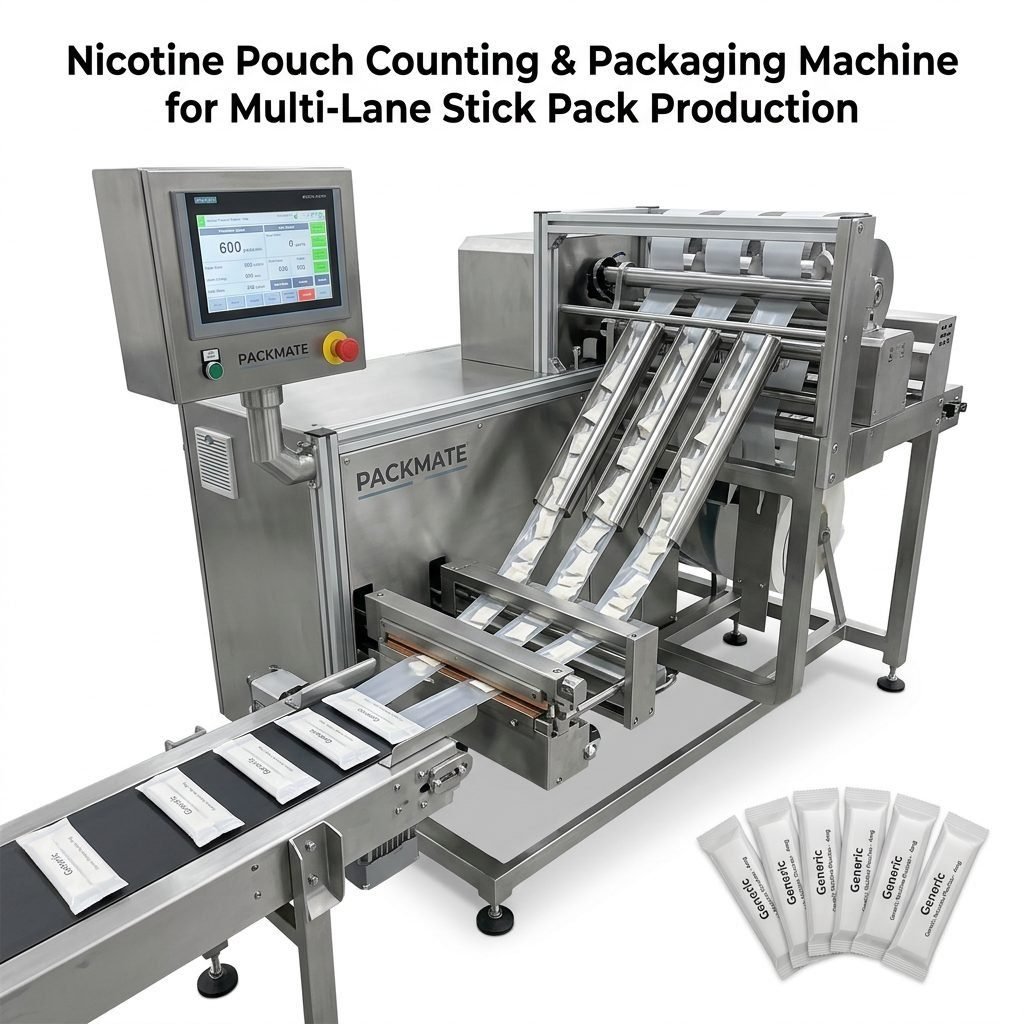
A typical high-capacity solution for nicotine pouch producers is a multi-lane pouch packing line with automated dosing, lane synchronization and continuous film feed. This line type reduces per-unit cost and enables export-scale production. For case references and real deployments, review Case examples from established manufacturers.
Logistics and Lead Time Considerations for Mongolia
Shipping to Mongolia may involve transit via sea and rail. Account for customs clearance, installation crew travel and on-site testing. Request a realistic project timeline from suppliers including FAT dates and shipment windows.
Common Add-Ons and Auxiliary Equipment
Consider integrating:
• Weighing & packaging systems for batching accuracy.
• Filling & packaging lines for liquids or semi-solids.
• Auxiliary packaging equipment such as conveyors, reject stations and infeed buffer systems.
See examples of auxiliary and integrated systems under Weighing & Packaging Systems and Filling & Packaging Lines.
Making the Final Decision: Practical Steps
1. Define your product SKUs, annual output targets and required uptime.
2. Invite shortlisted suppliers for a technical proposal and FAT demo. Ask for video-based demonstrations if travel is limited.
3. Request detailed spare parts lists, training plans and local support arrangements.
4. Compare TCO scenarios and warranty/service packages.
5. Validate regulatory and labeling capabilities before signing.
Checklist highlight: Include sample production runs as a contract milestone to confirm machine performance under your specific product conditions.
Why Choose an Experienced Manufacturer
Partnering with a manufacturer that has deep experience in snus and nicotine packaging ensures the machines are optimized for small-dose pouch handling, reliable sealing and low product loss. Established factories with advanced CNC machining and precision assembly can deliver better machine longevity and consistent performance. For additional information, visit the Snus & Nicotine Packaging Machines product page and About Packmate to understand factory capabilities.
Budgeting and Financing Options
Explore leasing, staged payment or equipment financing to spread capital costs. Some suppliers may offer refurb options or trade-in programs. Clarify warranty terms, installation costs and training hours in the commercial offer.
Next Steps and Procurement Tips
• Shortlist 2–3 suppliers and request formal quotations.
• Insist on FAT with your product and accept only after verified performance.
• Confirm spare parts lead times and stocking options for Mongolia.
• Consider visiting major exhibitions to see live demonstrations — many manufacturers showcase lines at global events (review Our Exhibition for schedules).
Useful links
• Explore specialized equipment at Snus & Nicotine Packaging Machines.
• Check multi-format packing options at Sachet & Stick Pack Machines.
• Learn about the manufacturer and factory capabilities at About Packmate.
• View real-world implementations at Case examples.
• For procurement or questions, reach out via Contact Us.
Final Recommendations
Selecting the right nicotine packaging machine in Mongolia depends on understanding product specifics, throughput targets and long-term service needs. Prioritize dosing accuracy, hygiene design, spare parts availability and supplier experience. Choose a supplier that offers clear FAT/SAT procedures and strong after-sales support to minimize implementation risk and maximize production uptime.
Common Questions (FAQs)
Q1: What machine type is best for small-dose nicotine pouches?
A1: Dedicated snus/nicotine pouch machines or multi-lane pouch systems are designed for small-dose accuracy and gentle handling — choose one with proven repeatability.
Q2: How do I verify machine performance before purchase?
A2: Request a Factory Acceptance Test (FAT) using your actual product or a validated equivalent. Video demonstrations and reference visits are also recommended.
Q3: What certifications should I expect from a reputable manufacturer?
A3: CE and ISO certifications are standard indicators of quality and safety; confirm documentation and compliance details in the contract.
Q4: Can I upgrade a single-lane machine to multi-lane later?
A4: Some modular machines support expansions; discuss upgrade paths and compatibility with the supplier during technical selection.
Q5: What local support should I arrange in Mongolia?
A5: Ensure availability of certified technicians, spare parts stocking plans and clear remote-support options from your supplier for rapid troubleshooting.