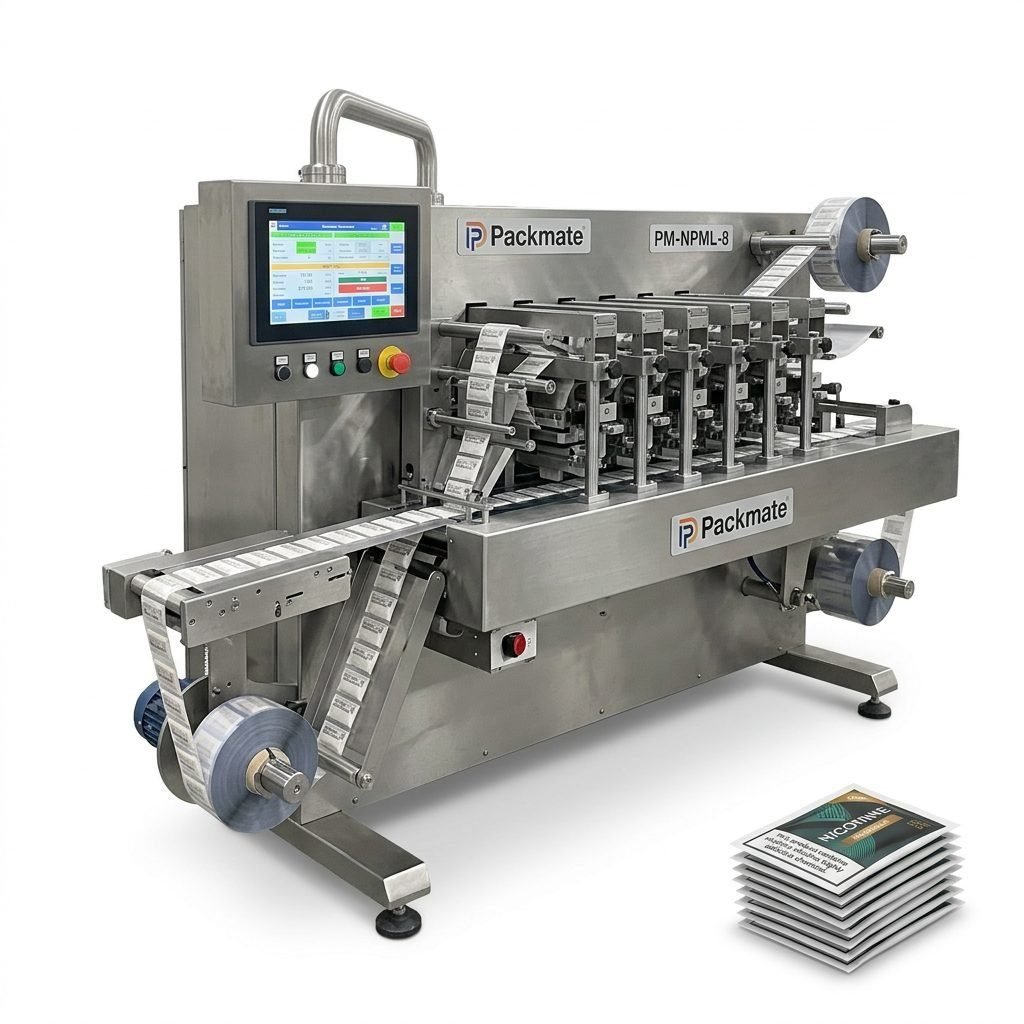
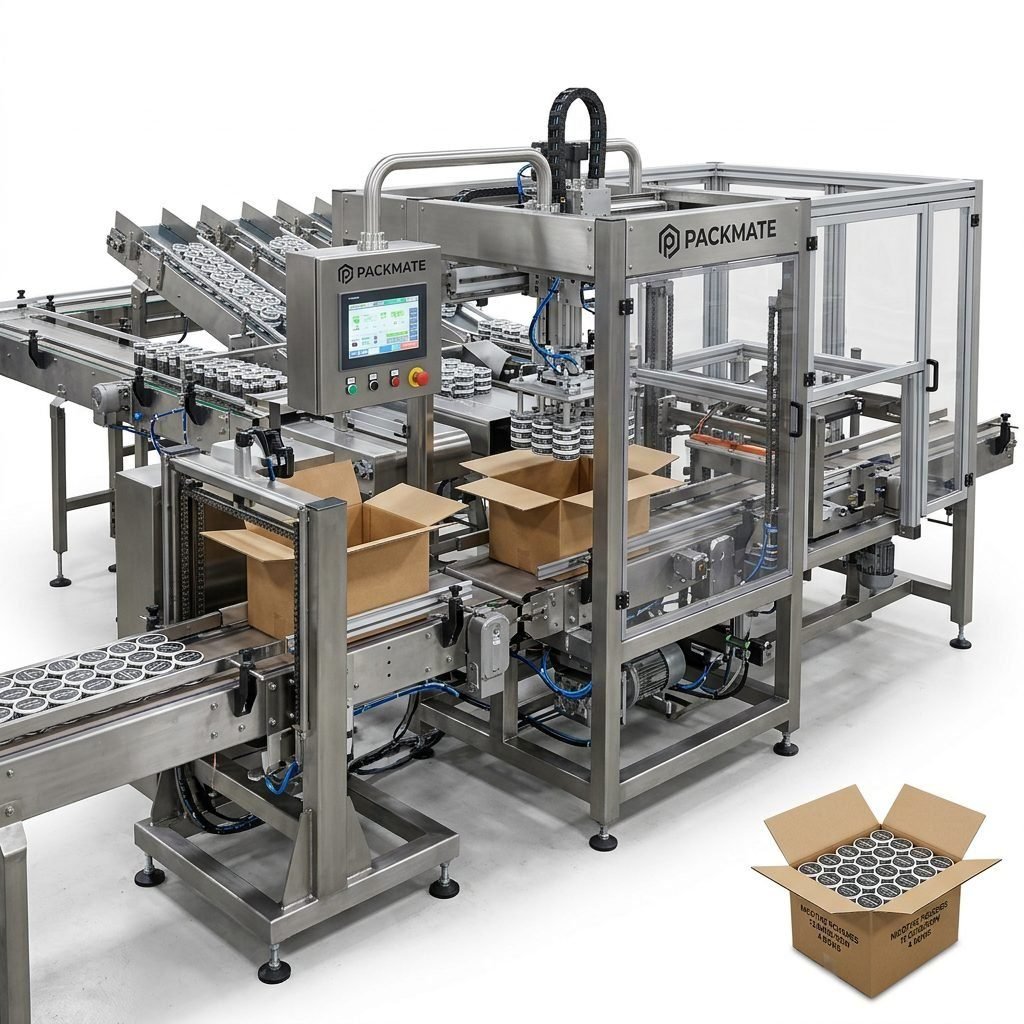
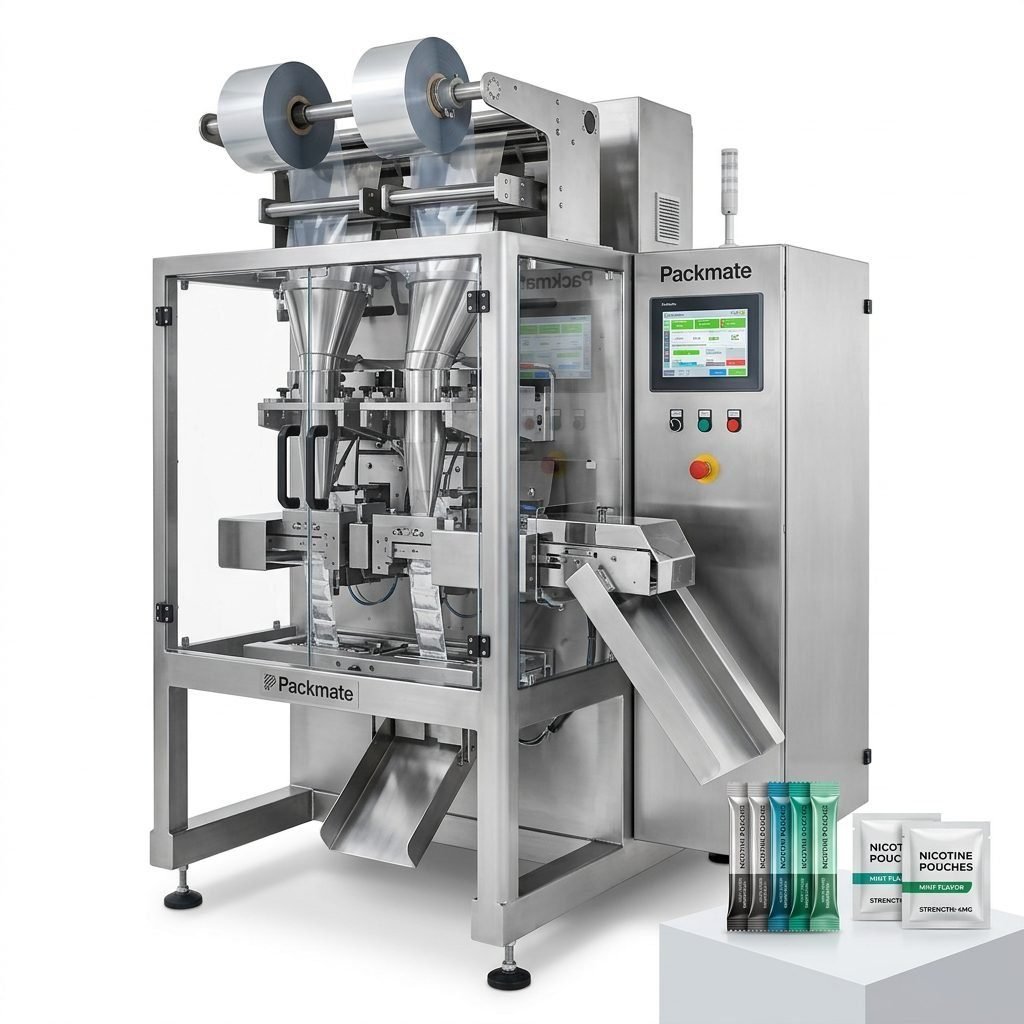
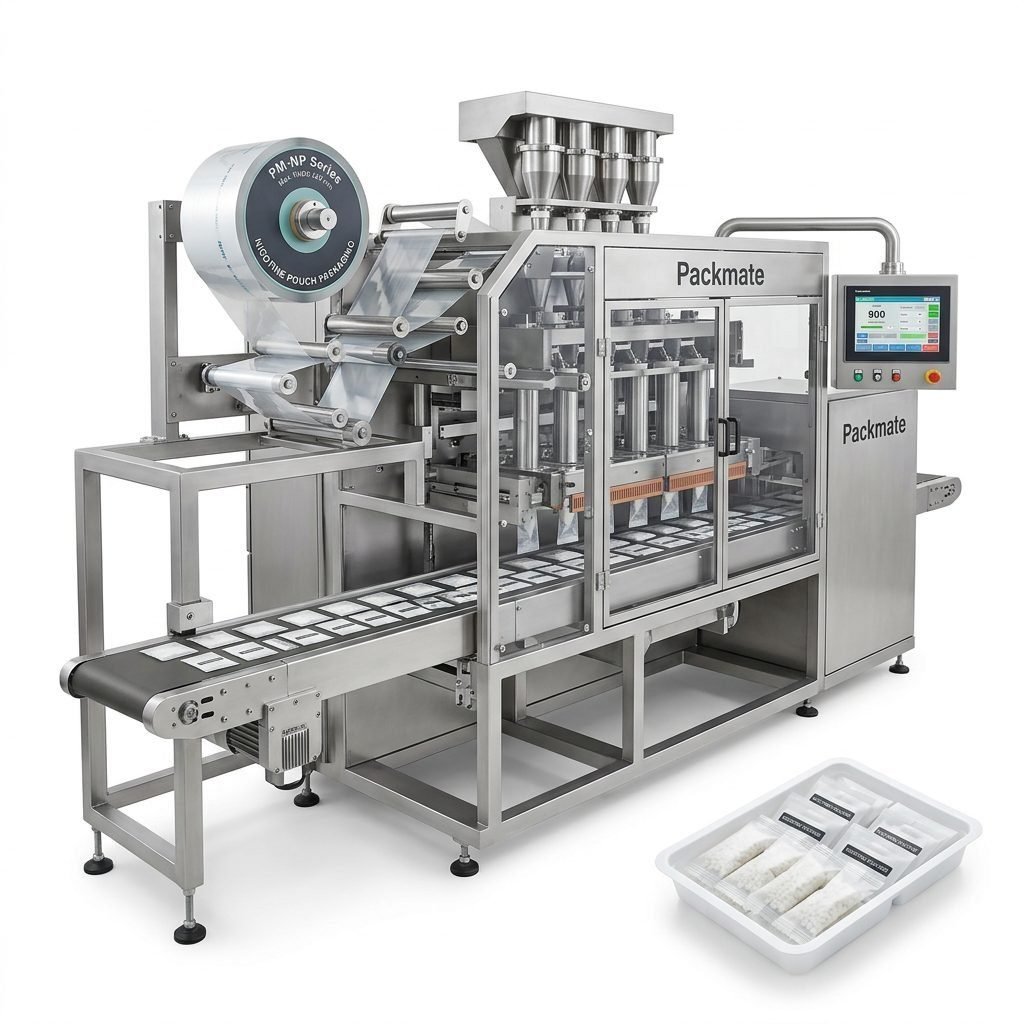
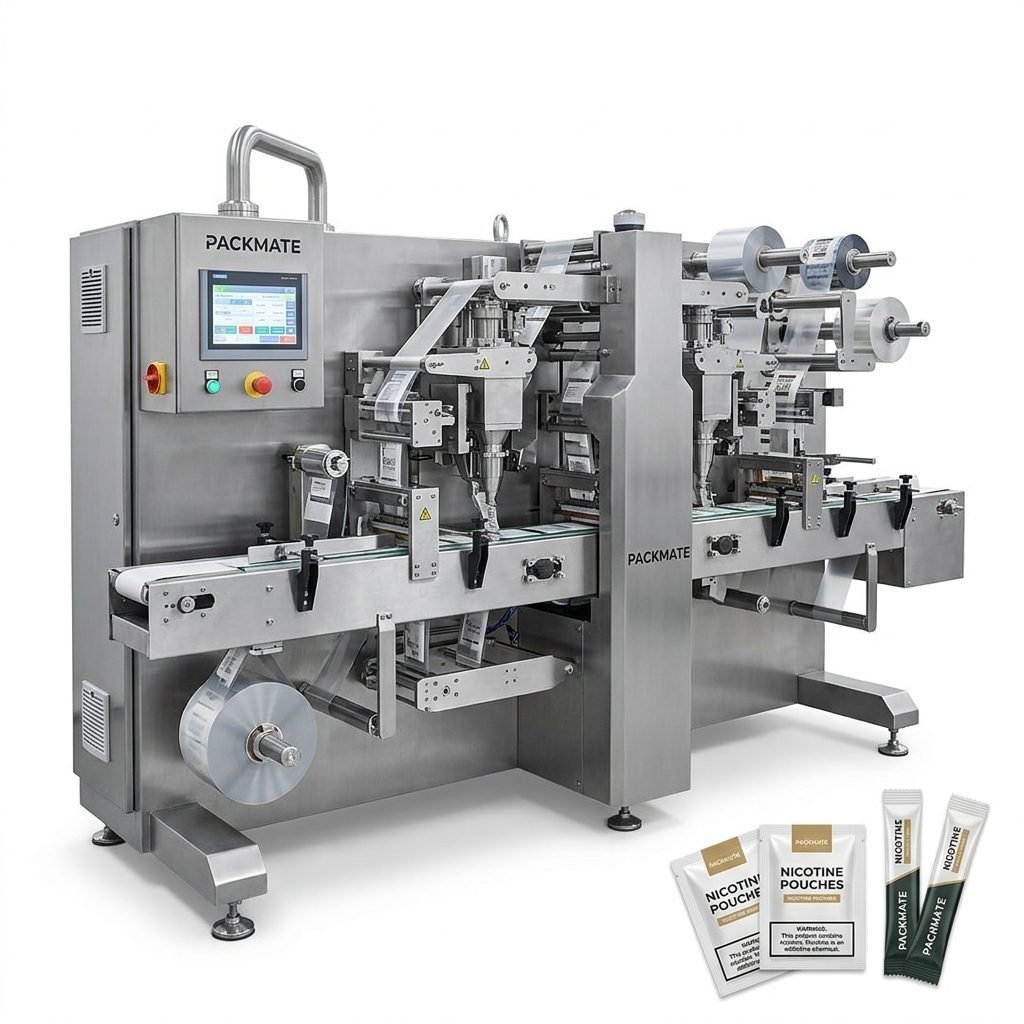
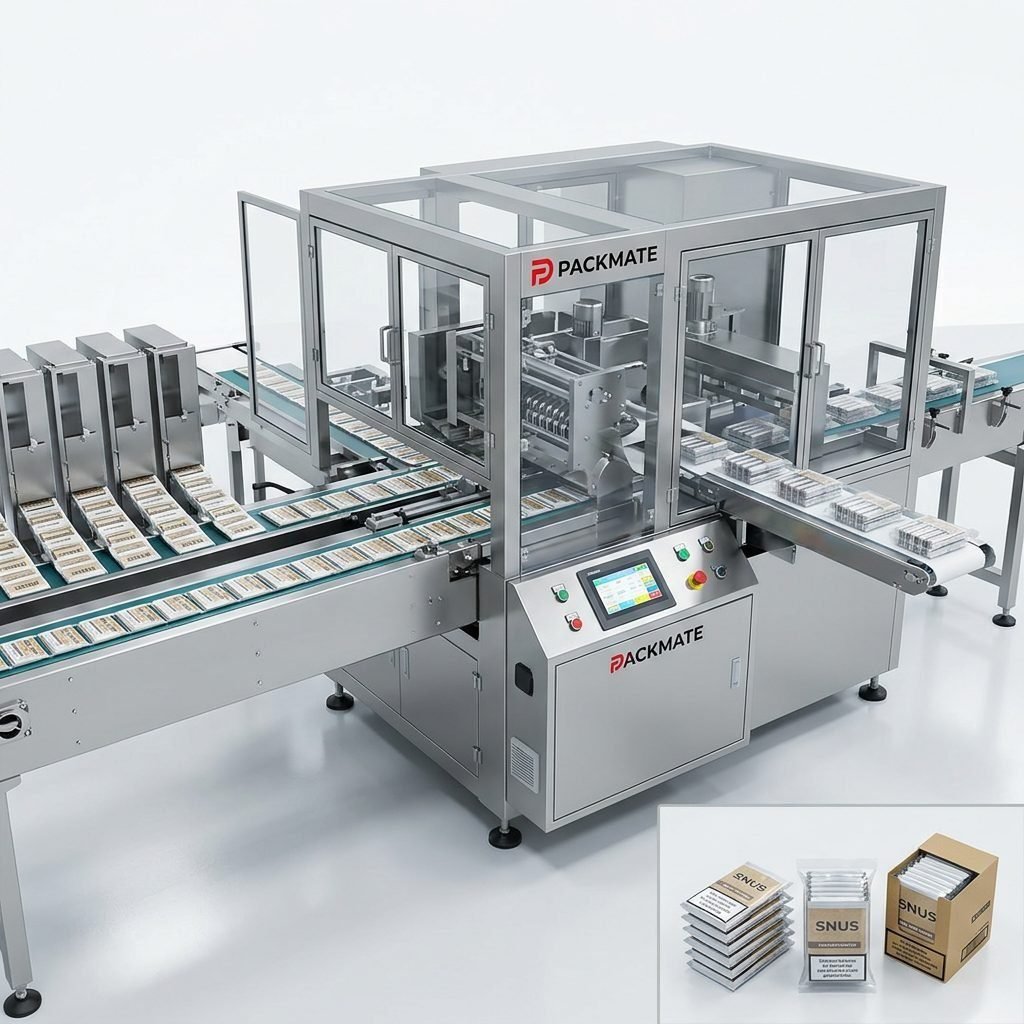
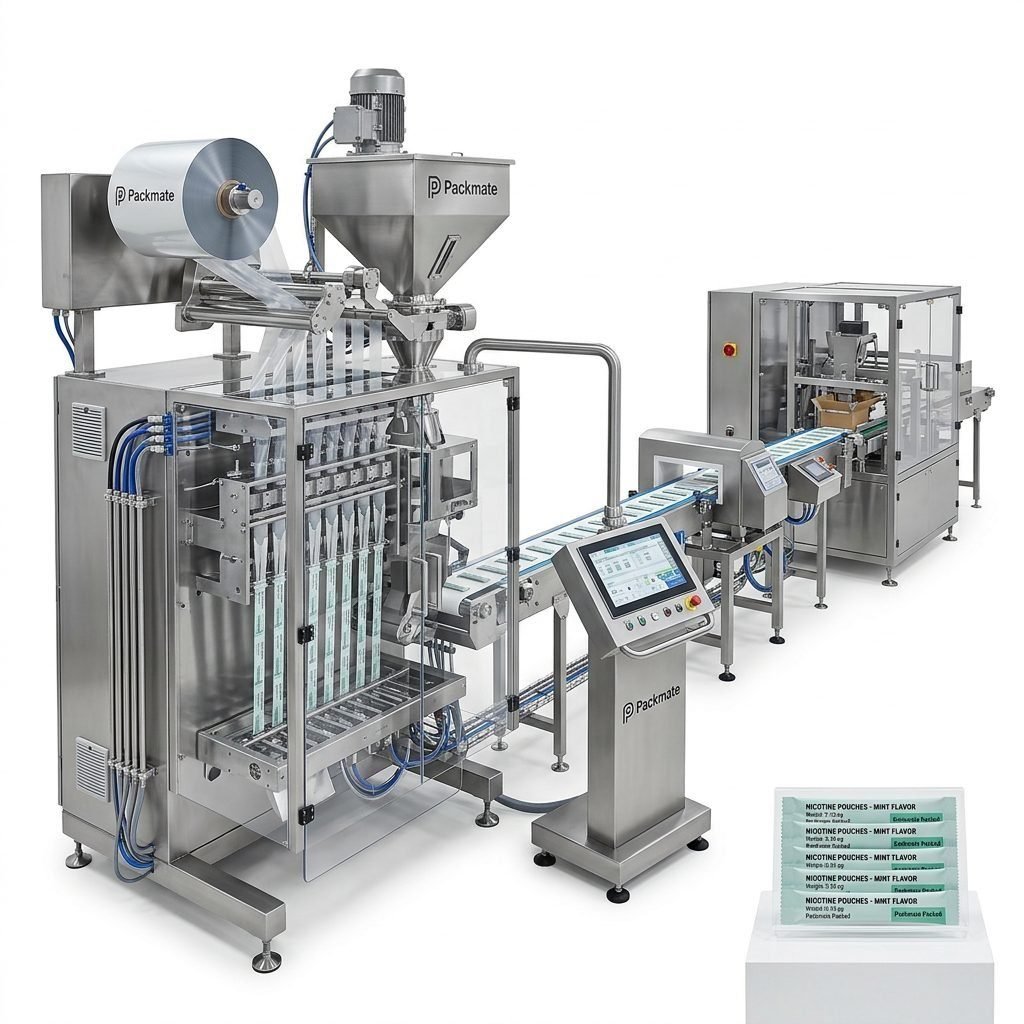
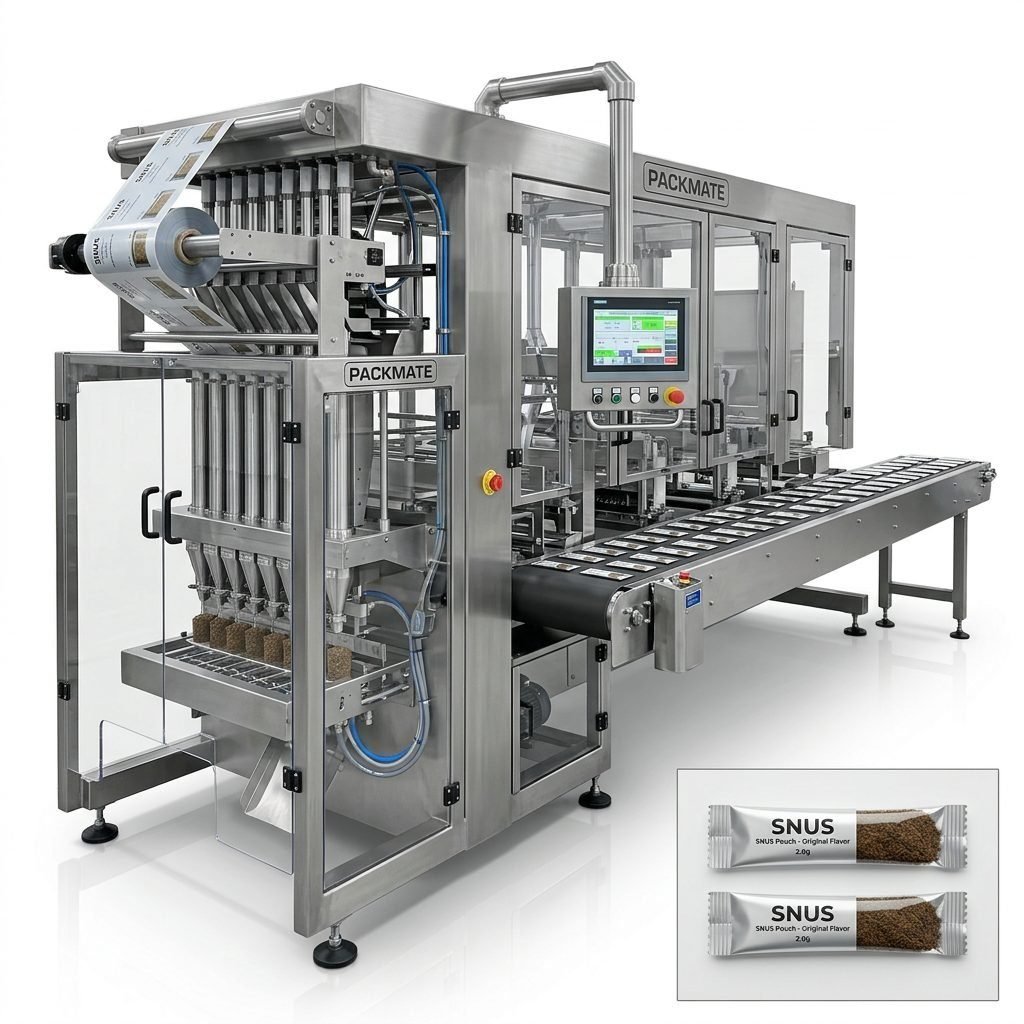
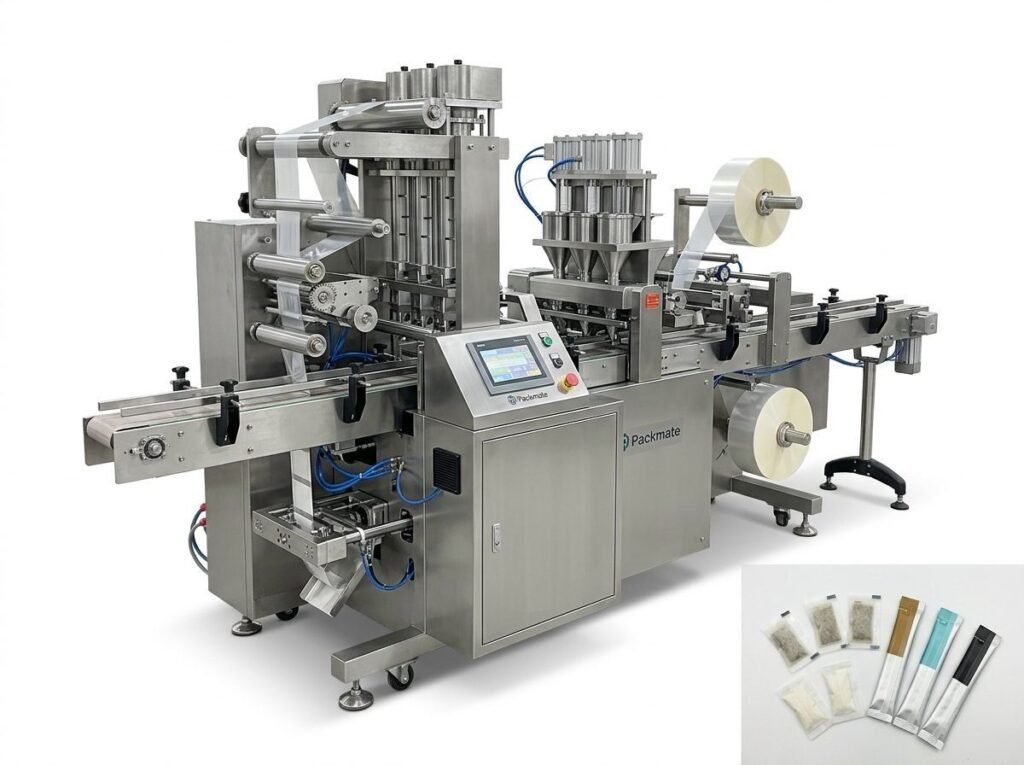
Watching a Snus packaging machine video guide is one of the fastest ways to understand how modern snus and nicotine pouch packing systems work in real production environments. Video demonstrations reveal motion, timing, material flow, and machine interaction that static photos or spec sheets cannot. This guide walks you step-by-step through what to expect in a high-quality snus packing machine video, how key components operate, and how modern machines can boost production, reduce waste, and increase consistency.
Why a Video Guide Is Essential for Selecting Snus Packaging Equipment
Videos help you assess machine speed, product handling gentleness, and changeover procedures in real time. They showcase:
▶️ material feed and dosing stability; ▶️ sealing quality and temperature behavior; ▶️ synchronized multi-lane operation; and ▶️ operator interfaces and maintenance access. When evaluating suppliers, a well-shot demo video is often the best first filter.
Core Components Shown in Every Professional Snus Machine Video
Hopper & Feeding Systems
The feed stage controls consistency. Videos will show how bulk snus or nicotine pouches are introduced — vibratory feeders, conveyor hoppers, or auto-feeders — and whether there is an upstream dosing/weighing station. Focus on steady, vibration-free feeding and dust control features.
Filling & Dosing Mechanisms
Modern systems use either volumetric or gravimetric dosing. Gravimetric (weighing) dosing offers better accuracy for small-dose nicotine pouches. In demos, look for consistent fill levels and rapid compensation when product density changes.
Forming, Sealing & Cutting Stations
See how films are formed into pouches or sachets, where sealing bars engage, and how cutting mechanisms separate individual packs. A clean, continuous seal with minimal film dust or debris is a sign of precision engineering.
Multi-lane Modules & Synchronization
High-output snus lines use multi-lane heads (4, 6, 8 lanes or more). Watch how lanes are synchronized, how cross-transfer or lane-balancing is handled, and how the control system maintains identical timing across lanes.
Control Systems, HMI & Automation
The HMI screens, PLC architecture, and servo controls determine ease of use. In a video, you should be able to see the operator touch-screen, recipe selection, and quick-changeover prompts.
How Modern Snus Machines Boost Production and Quality
Modern snus packing machines increase output while protecting product integrity. Key production benefits include:
✓ Higher throughput via multi-lane heads and optimized motion profiles. ✓ Improved filling accuracy with gravimetric dosing and closed-loop controls. ✓ Less downtime through modular design and easy-access components. ✓ Better quality control using vision inspection and integrated rejection systems.
⚙️
Top Features to Look For in a High-Performance Line
• Reliable multi-lane synchronization and servo drives
• User-friendly HMI with recipe management
• Quick-change tooling and minimal tooling count
• Integrated weighing and vision systems
• CE and ISO compliance for global markets
Interpreting Key Moments in a Machine Demo Video
A good demo video highlights speeds (packs/min or pouches/min), changeover time, and sealing integrity tests. Pay attention to:
▶️ Start-up sequence and warm-up behavior; ▶️ Running at rated speed for several minutes to assess stability; ▶️ Visuals of seal cross-sections and edges; ▶️ How rejects are handled and how the operator resets alarms.
What Video Footage Tells You About Reliability and Serviceability
Watch for accessible maintenance points, labeled components, and how spare parts are stored or swapped. Videos that include technician commentary about routine checks, lubrication points, and common wear items give strong clues about long-term ownership costs.
Choosing the Right Machine: Questions to Ask After Watching a Demo
• What is the actual sustained throughput at your product specification?
• How long does a tool change or lane conversion take?
• What consumables and spare parts are recommended for a year of operation?
• Are vision systems and checkweighers optional or included?
• Which certifications (CE/ISO) and factory acceptance tests are provided?
Installation, Commissioning & Operator Training Shown in Videos
Reliable suppliers include footage of factory acceptance tests (FAT), on-site installation, and operator training. Good videos show engineers calibrating dosing heads, running acceptance protocols, and training operators on recipe creation and troubleshooting.
If you need further information about supplier background, see company profiles and factory capabilities to validate engineering strength and production capacity.
Learn more about product families such as Snus & Nicotine Packaging Machines and Sachet & Stick Pack Machines to compare machine types and typical applications.
Preventive Maintenance & Troubleshooting Tips Seen on Video
Videos often show daily checks: belt tension, seal-bar alignment, heater setpoints, and vacuum pump performance. A few quick visual checks can dramatically reduce unplanned stops:
• Inspect seals and cutting blades for wear; • Verify dosing weight drift; • Check sensors and photoeyes for dust buildup; • Confirm lubrication points are serviced; • Monitor alarm logs to identify recurring faults.
🔧
Critical Maintenance Tips
Keep a small inventory of high-wear parts (seals, belts, heaters). Schedule routine FAT-style checks every 3 months and ensure firmware and PLC backups are current before any software update.
Measuring ROI: Metrics Demonstrated in a Strong Demo
When evaluating machines, relate demo data to your KPIs. Important metrics include:
• Throughput (packs/min) and sustained run percentage
• Yield (good packs vs rejected packs)
• OEE estimates based on run time, speed, and quality losses
• Labor reductions and footprint per output unit
• Energy consumption at typical speeds
Case Example & Supplier Credentials
Packmate Snus Machine, with 30+ years of engineering experience and a 20,000㎡ factory, regularly publishes machine videos and case studies showing multi-lane snus lines operating at scale. Watching real-world case footage helps validate advertised speeds and service capabilities. See representative customer installations in their case library for context.
Explore more about their factory and credentials via About Packmate and check certification details at Certificate.
Practical Tips When Requesting or Shooting Your Own Demo Video
If you ask a supplier for a demo video or shoot one on-site, make sure to request:
1) Long single takes at rated speed (3–5 minutes) to verify stability.
2) Close-ups of seals, cutters, and fill heads while running.
3) HMI interaction showing recipe changes and alarm logs.
4) A short run with a planned fault (e.g., missing film) to show alarms and recovery.
5) Measurements overlay (if possible) showing packs per minute and rejection counts.
Where to Get More Product Details
For detailed product specifications and options, review the Snus & Nicotine Packaging Machines page and the broader Bag & Pouch Packaging Machines product family. For turnkey solutions including weighing and auxiliary equipment, see the Weighing & Packaging Systems listings.
Final Checklist Before You Buy
• Validate actual throughput with your product and packaging material.
• Confirm spare parts lead times and local service options.
• Request FAT and acceptance criteria in writing.
• Ensure training and technical documentation are included.
• Verify warranty terms and after-sales support channels.
Where to See Machines Live and Ask Questions
Attending an exhibition or factory tour gives you a chance to see machines live, inspect workmanship, and ask engineers direct questions. Check exhibition schedules and live demo events to coordinate a visit.
For upcoming events and demonstrations, suppliers often list show participation — check their Our Exhibition page or contact them directly via Contact Us.
Summary — Using Video to Make Better Buying Decisions
A technical video is a powerful tool: it reveals operational behavior, maintenance accessibility, and real throughput. Combine demo footage with factory credentials, case studies, and live trials to make an informed purchase that aligns with production goals and long-term ROI.
Common Questions (FAQs)
Q1: How long should a demo run be to judge machine stability?
A: Request at least 3–5 minutes of continuous production at rated speed. Longer runs (10–15 minutes) reveal drift and heat-related issues.
Q2: What certification should I insist on when buying from an international supplier?
A: Ensure CE and ISO compliance for safety and quality. Also ask for FAT documentation and quality control records.
Q3: Can multi-lane machines handle different pouch sizes in the same run?
A: Many multi-lane heads support lane-by-lane adjustments or modular tooling for fast changeovers. Confirm changeover time and tool availability for your pack formats.
Q4: What spare parts should I stock for the first year?
A: Common items include sealing bars, cutting blades, belts, sensors, and spare heating elements. Suppliers typically provide a recommended spare parts list.
Q5: How can I verify advertised throughput?
A: Request a FAT with your product and packaging material, review recorded demo footage at rated speed, and ask for references with similar production profiles.