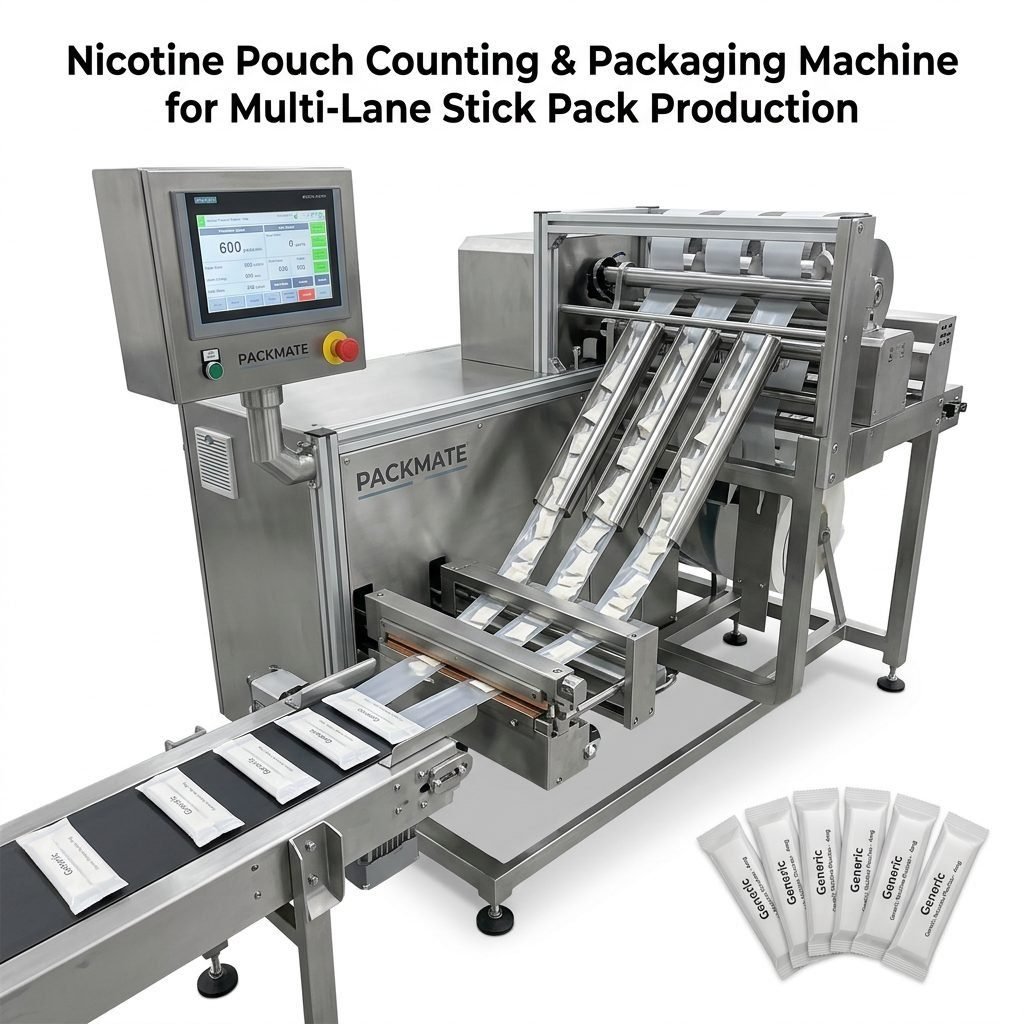
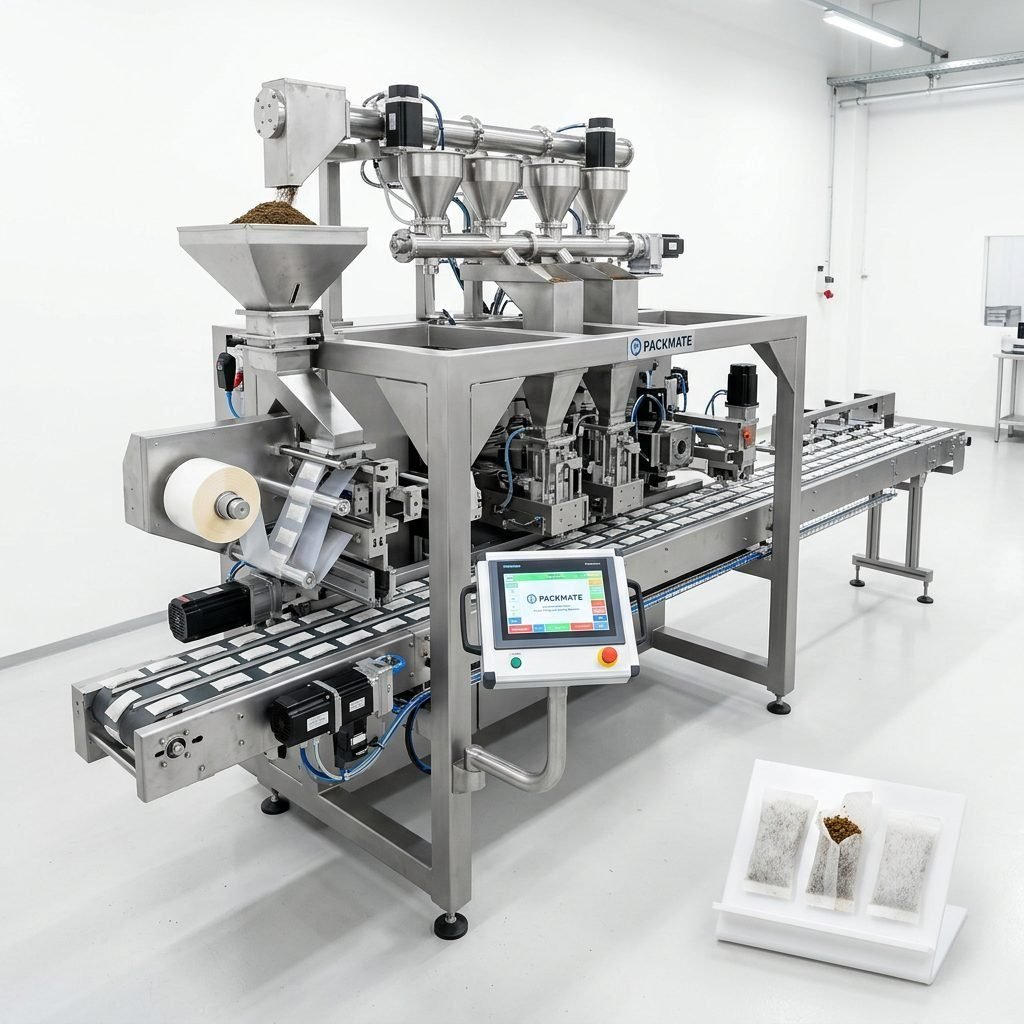
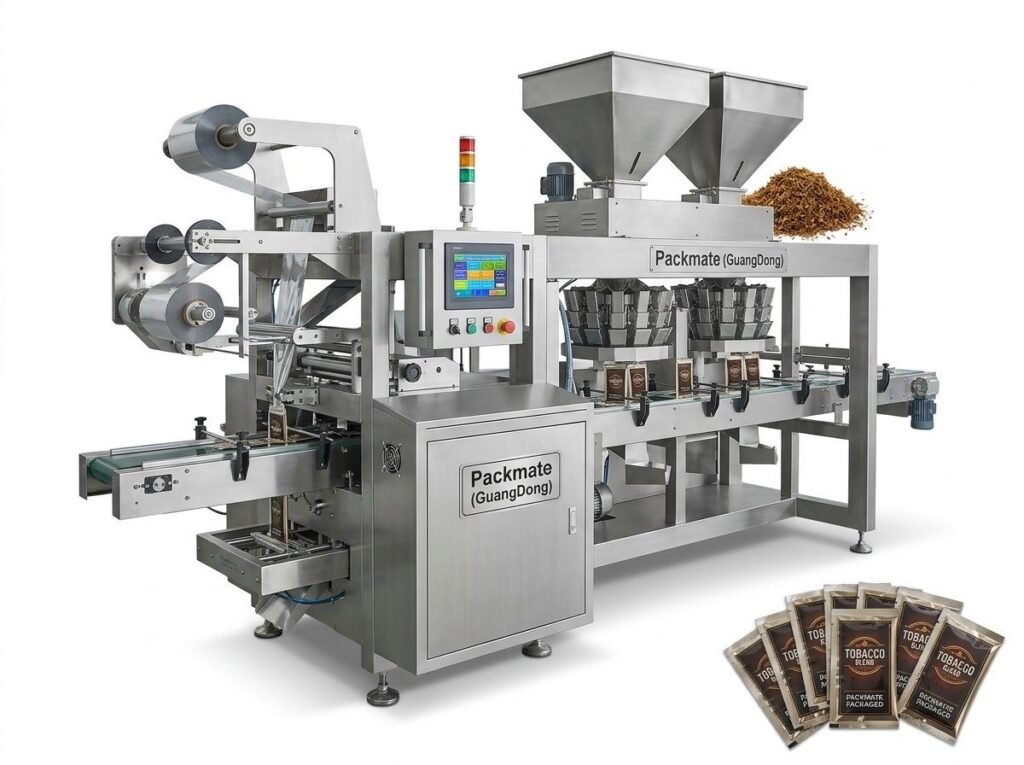
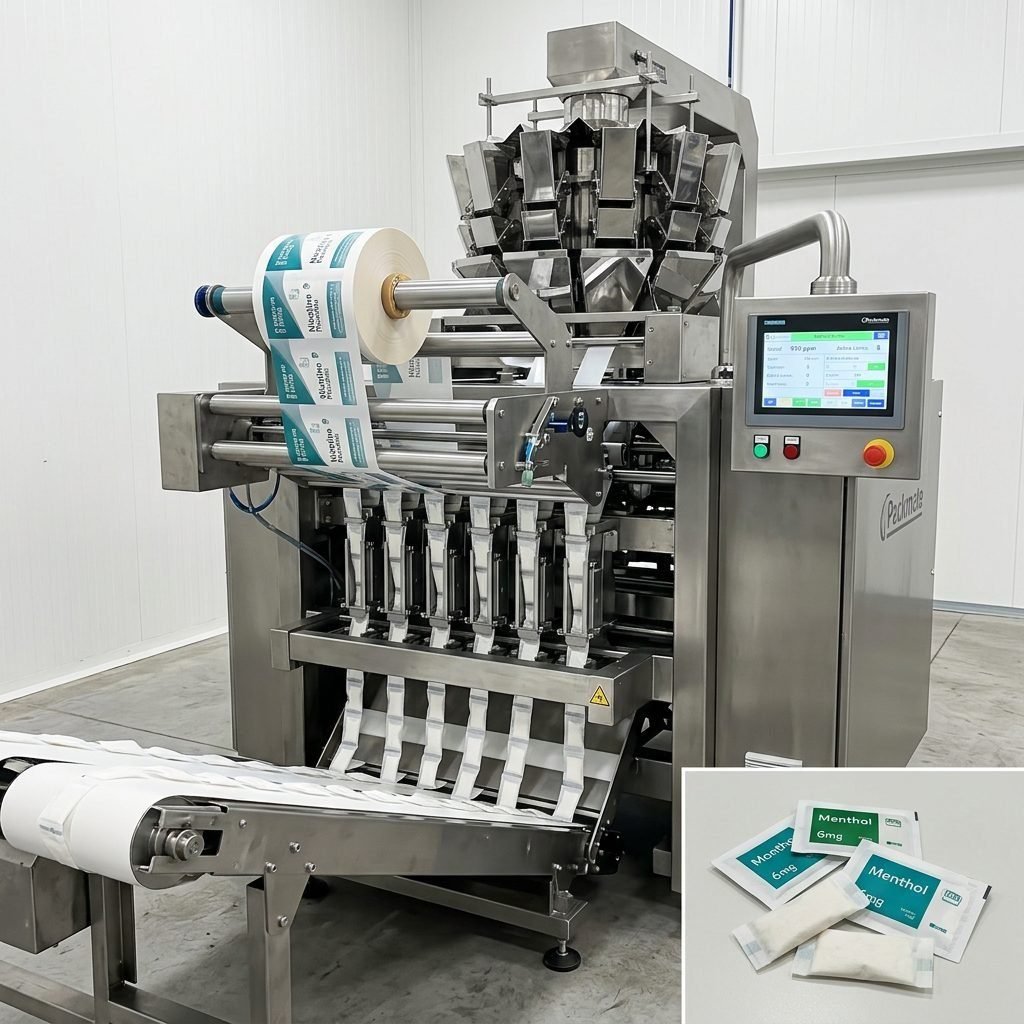
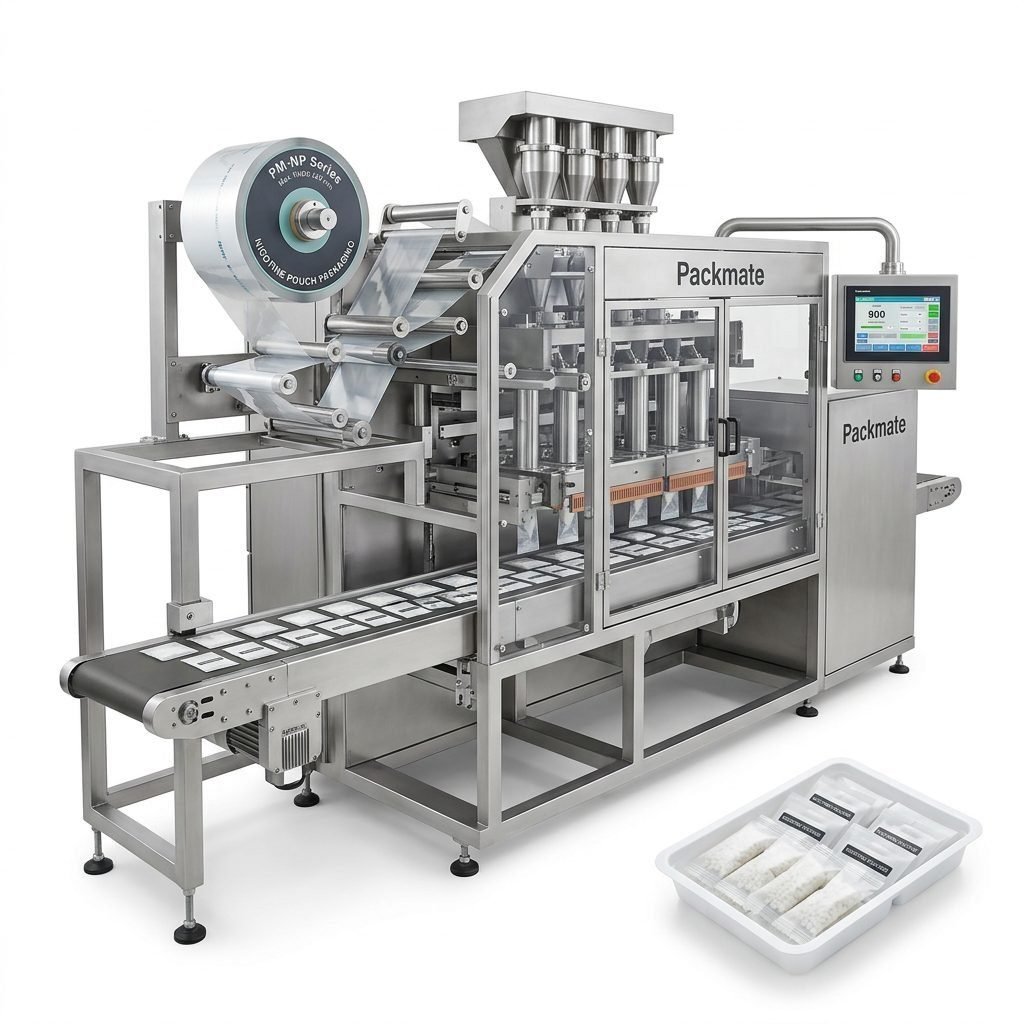
Automatic snus packing machines are at the heart of modern nicotine pouch production. This guide explores the core features, operational benefits, line configurations, and practical selection criteria that help manufacturers choose the most suitable equipment. Whether you are scaling a start-up production or upgrading a mature line, this resource helps you make informed investment decisions and optimize uptime, yield, and regulatory compliance.
Why automatic snus packing machines matter
Automatic snus packing machines convert raw snus or nicotine pouch product into finished, market-ready sachets or pouches at high speed and repeatable consistency. Compared with manual or semi-automatic methods, they deliver improved calibration, better hygiene control, and far lower labor costs. Modern systems integrate dosing, pouch forming, sealing, coding, and rejection systems to create turnkey lines that meet global regulatory requirements.
Key advantage snapshot 🔧 Speed: up to tens of thousands of pouches per hour depending on the model. ✅ Accuracy: highly repeatable fill weights with integrated weighing or volumetric systems. ⚙️ Hygiene & Compliance: stainless steel construction and CIP-compatible designs reduce contamination risk.
Core components and how they work
A full automatic snus packing line is typically composed of several integrated modules. Each module contributes to throughput, accuracy, and final product quality:
🔹 Feeding & Dosing – systems include screw feeders, vibratory hoppers, or multi-head weighers depending on product characteristics (powder, granule, paste). Accurate dosing is vital for consistent nicotine pouch weight.
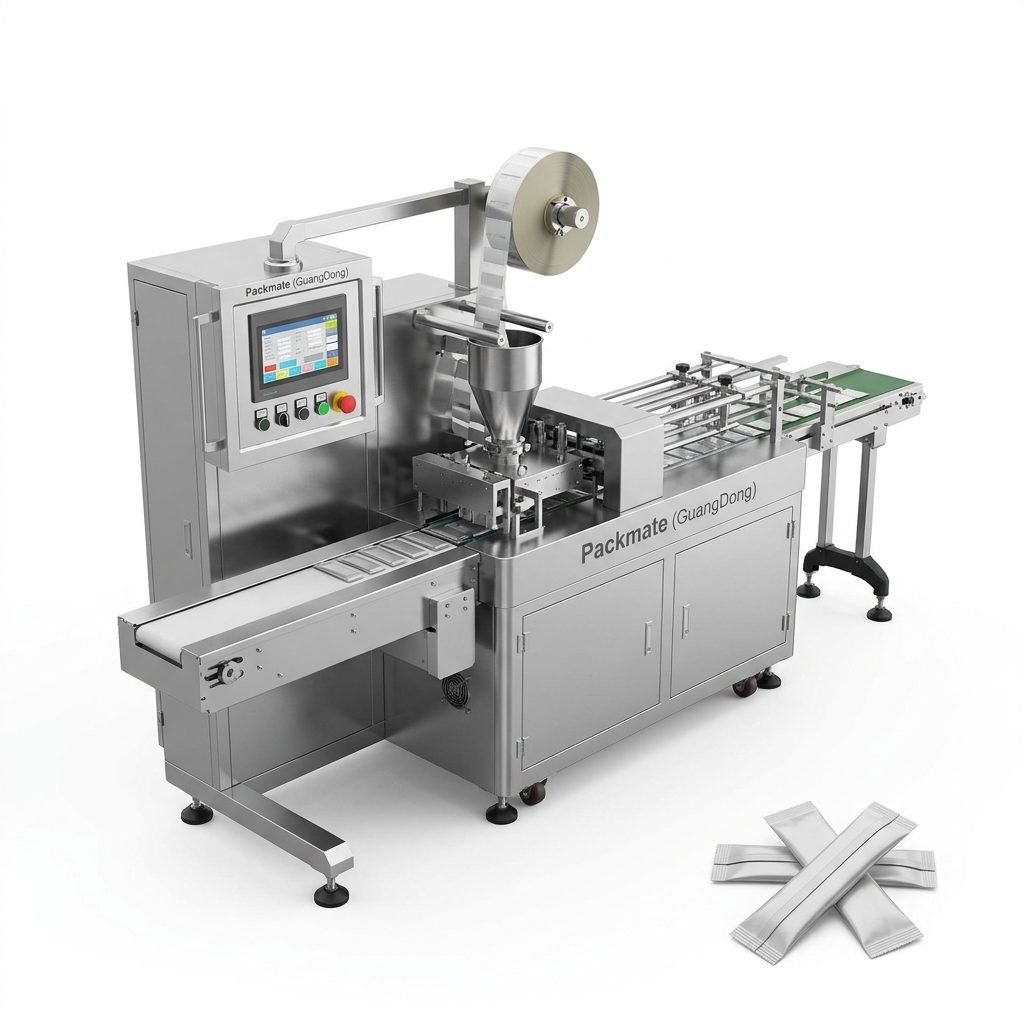
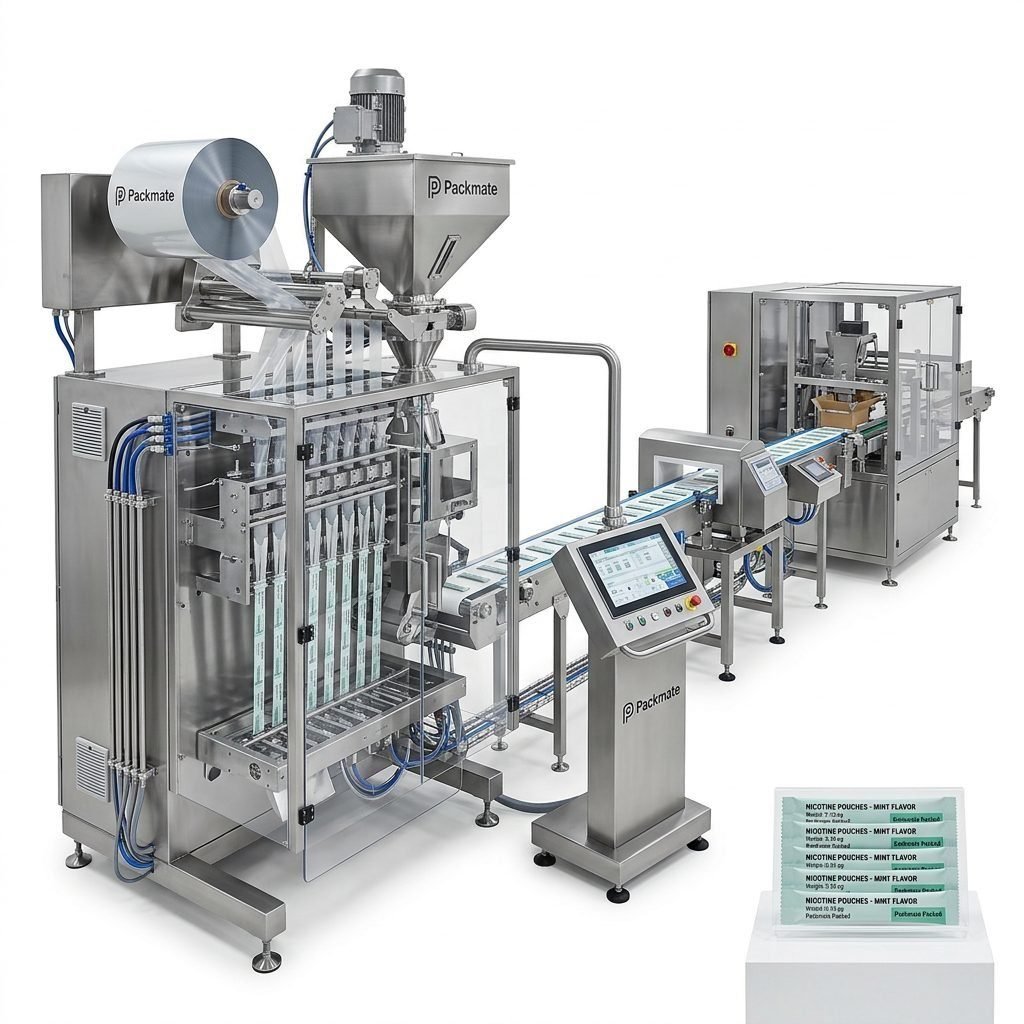
🔹 Pouch Forming & Sealing – forms pouches from rollstock film and seals them using ultrasonic, heat, or laser technologies. Multi-lane forming options enable high-density outputs for small-dose pouches.
🔹 Coding & Inspection – printers and vision systems apply batch codes, expiration dates, and perform real-time inspection to reject defective units.
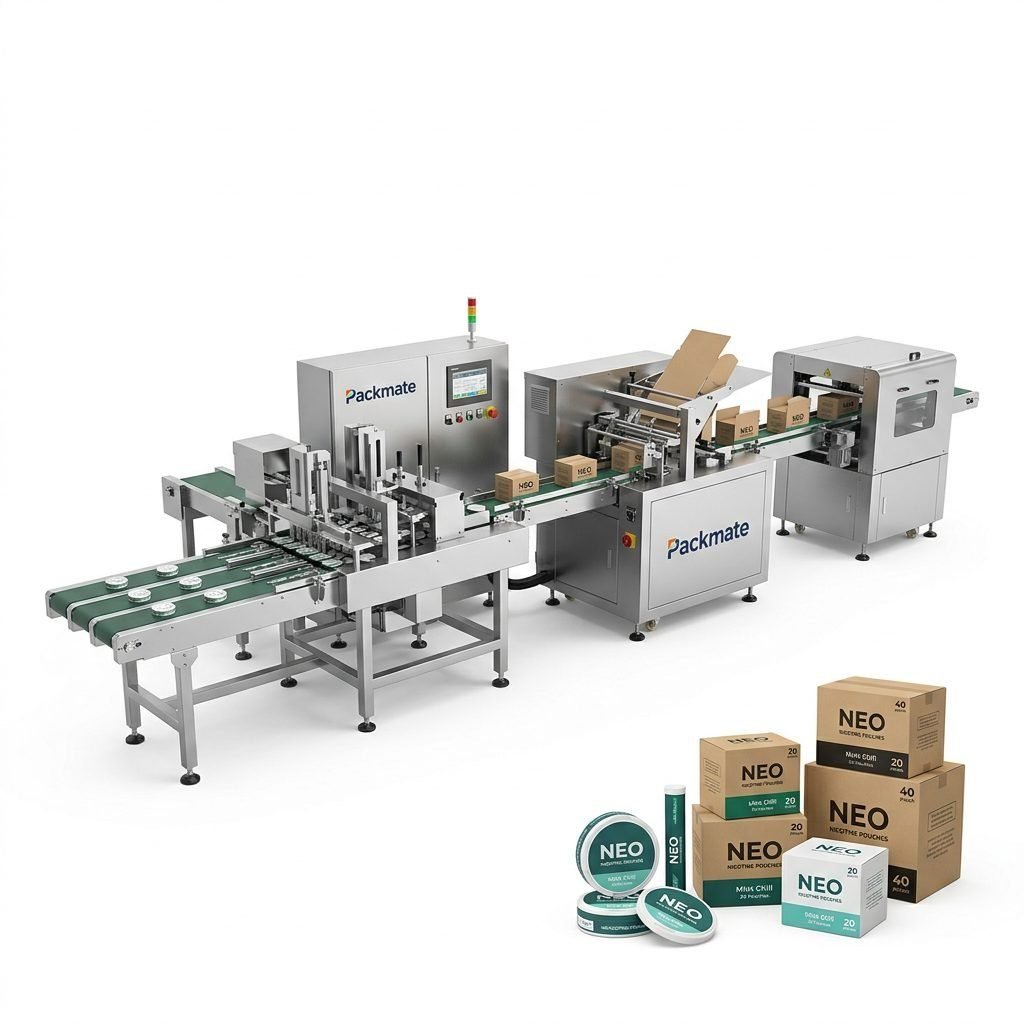
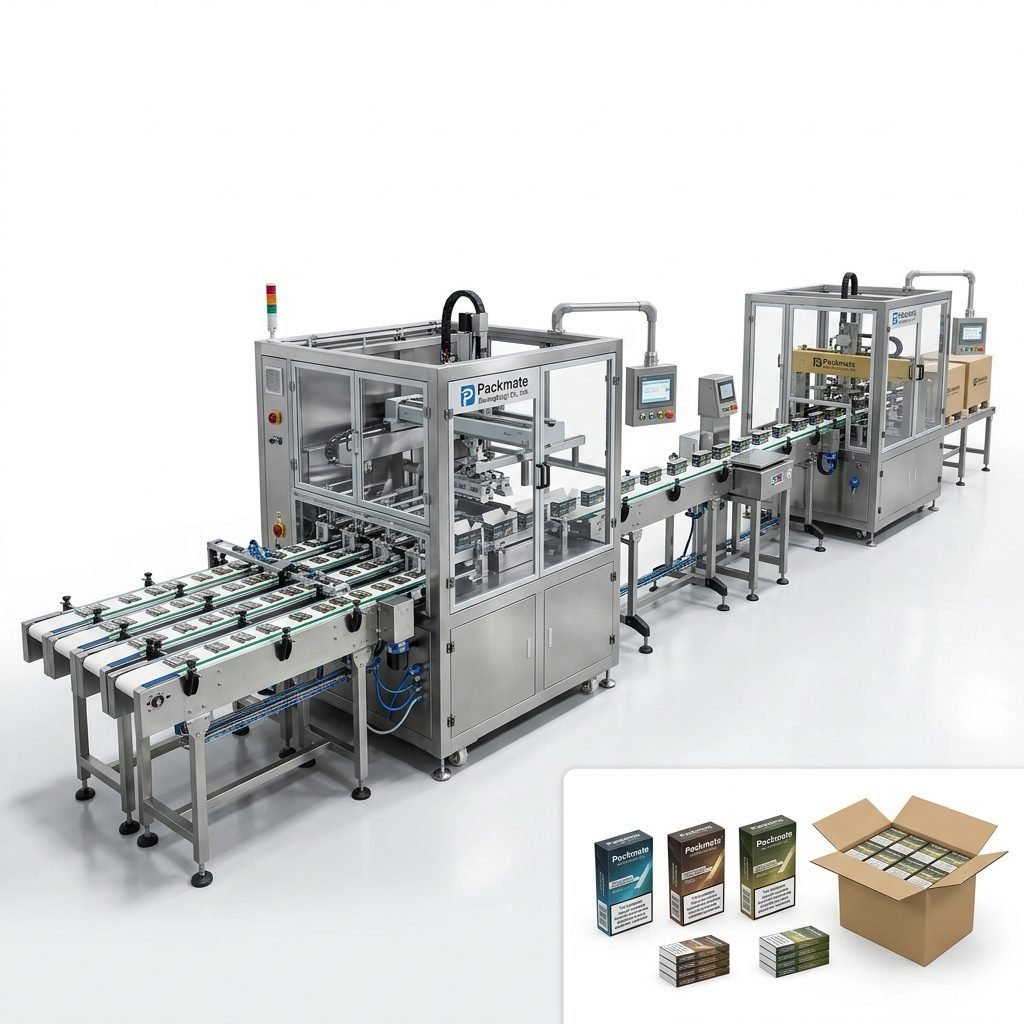
🔹 Conveying & Collection – synchronized conveyors and buffering systems transport finished pouches to secondary packaging or cartoning machines.
Note: For nicotine pouches, environmental controls (humidity and dust extraction) and GMP-compliant materials are essential. Packmate Snus Machine’s multi-lane systems are designed to address these production needs with high-precision CNC-manufactured components.
Common machine types and best-fit applications
Different production goals require different machine architectures. Below are widely used machine types and when to choose them:
🔸 Sachet & Stick Pack Machines – ideal for single-serve formats and products that need precise linear dosing. Learn more about typical configurations at Sachet & Stick Pack Machines.
🔸 Snus & Nicotine Pouch Machines – specialized machines focusing on small-dose, multi-lane pouch production tailored to nicotine pouch geometry and sealing requirements. See example product lines at Snus & Nicotine Packaging Machines.
🔸 Bag & Pouch Machines – for larger consumer pouches or retail packs where secondary packing is also needed. Explore options at Bag & Pouch Packaging Machines.
🔸 Integrated Lines – combine filling, weighing, multi-lane forming, and cartoning into a single production line to minimize manual handling and increase throughput.
Multi-lane vs single-lane: trade-offs
Multi-lane machines increase output without multiplying floor space linearly, making them excellent for high-demand nicotine pouch production. Single-lane systems are simpler, cheaper to maintain, and better suited for small batches or product development. Evaluate your forecasted volumes, SKU mix, and changeover frequency when deciding.
Critical features that impact ROI
When selecting a machine, some features directly affect operating cost, uptime, and product consistency:
• HMI & Controls: A modern touch-screen HMI with recipe management reduces changeover time and operator error. • Servo-driven mechanisms: provide precise timing for seals and dosing, reducing reject rates. • Modular design: allows future capacity upgrades without full replacement.
Other ROI drivers include energy efficiency, local serviceability, spare parts availability, and compliance documentation (CE, ISO). A supplier with global after-sales support reduces total cost of ownership.
How to evaluate suppliers
Choosing the right equipment supplier is as important as choosing the machine. Use the following checklist to evaluate vendors:
✅ Track record & references – ask for case studies and customer references in your product category. Packmate’s global cooperation cases and exhibition presence demonstrate real-world reliability. View company credentials at About Packmate.
✅ Manufacturing capability – look for facilities with CNC machining centers and quality assembly lines; these indicate precision engineering and consistent tolerances.
✅ Certification & compliance – CE and ISO certification simplify market entry and regulatory acceptance.
✅ After-sales service – spare parts availability, remote troubleshooting, local service partners, and training programs are essential for sustained uptime. Use supplier FAQs and service pages to verify support capability: Service.
Cost vs value
Initial purchase price is only one part of the equation. Consider lifecycle costs: energy use, spare parts pricing, mean time between failures (MTBF), and training time. Machines built on robust mechanical platforms with standardized components often yield the best lifetime value.
Practical tips for implementation and commissioning
Installation and first production runs determine whether the line will meet its promised KPIs. Follow these best practices:
• Plan for site utilities and layout early: power, compressed air, dust extraction, and floor loading. • Reserve space for material handling and storage for rolls, pouches, and cartons. • Allow for operator training and trial runs with real product before full production starts.
During commissioning, insist on acceptance testing that measures throughput, fill accuracy, reject rate, and changeover time. Detailed acceptance protocols protect both buyer and seller and ensure warranties and performance guarantees are met.
Customization and flexibility for future growth
Choose systems that support modular upgrades (additional lanes, higher-speed drives, integrated vision systems) so you can scale without full replacement. Suppliers offering full turnkey solutions — including weighing, filling, and auxiliary equipment — reduce integration risks. See complementary systems at Weighing & Packaging Systems and Filling & Packaging Lines.
Materials & consumables
Film selection, sealant compatibility, and barrier requirements should be tested during product development. Use supplier-recommended film specs to ensure seal integrity and shelf life. Work with vendors who can provide samples and support film testing during pilot runs.
Regulatory and quality considerations
Nicotine pouch products are subject to regulatory scrutiny in many markets. Machines must allow for traceability (batch codes), hygienic design, and validated cleaning cycles. Suppliers who demonstrate CE/ISO conformity and can support documentation requests simplify audits and market approvals. View certification examples at Certificate.
Compliance tip: Maintain documented validation records for commissioning and routine maintenance. This practice reduces audit risk and supports consistent product quality.
Making the final decision: a checklist
Use this succinct checklist before signing a purchase order:
1) Does the machine meet your target throughput and fill accuracy? 2) Can the supplier demonstrate similar lines in operation (references/case studies)? 3) Are spare parts and service network accessible in your market? 4) Is the electrical and pneumatic specification compatible with your site? 5) Does the vendor provide training, commissioning, and an acceptance test protocol?
Where to learn more or see machines live
Attend industry exhibitions or request a live demonstration to verify machine capabilities with your product. Packmate regularly displays machines at global exhibitions; see event listings at Our Exhibition. For specific product inquiries or quotes, contact the supplier directly via Contact Us.
Summary and final recommendations
Automatic snus packing machines deliver measurable advantages in speed, consistency, and compliance. Prioritize suppliers with proven multi-lane designs, certified manufacturing processes, and dependable after-sales support. Plan for modular growth, validate film and dosing systems early, and use acceptance testing to protect your investment.
Frequently Asked Questions
Q1: What throughput can I expect from a multi-lane snus packing machine?
A1: Throughput varies by lane count, pouch size, and dosing method. Multi-lane systems often reach tens of thousands of pouches per hour. Discuss target output with your supplier to match a model to your planned volume.
Q2: How important is film selection and sealing technology?
A2: Extremely important. Film properties determine seal integrity and shelf life. Choose machines compatible with your film type and request trial runs to validate seals and barrier performance.
Q3: What after-sales services should I require?
A3: Require spare parts availability, training, remote diagnostics, and local service partners. A clear warranty and SLA help ensure predictable maintenance costs and minimize downtime.
Q4: Can a supplier provide turnkey integration for weighing and filling?
A4: Yes—many vendors provide full lines including weighing, filling, pouch forming, and secondary packaging. Check integrated offerings such as Weighing & Packaging Systems and Filling & Packaging Lines for matched solutions.
Q5: How do I verify quality before purchase?
A5: Request factory acceptance tests (FAT), customer references, videos of similar lines in production, and detailed technical documentation including MTBF data and service manuals. A reputable supplier will support on-site trials or offer demonstration runs.