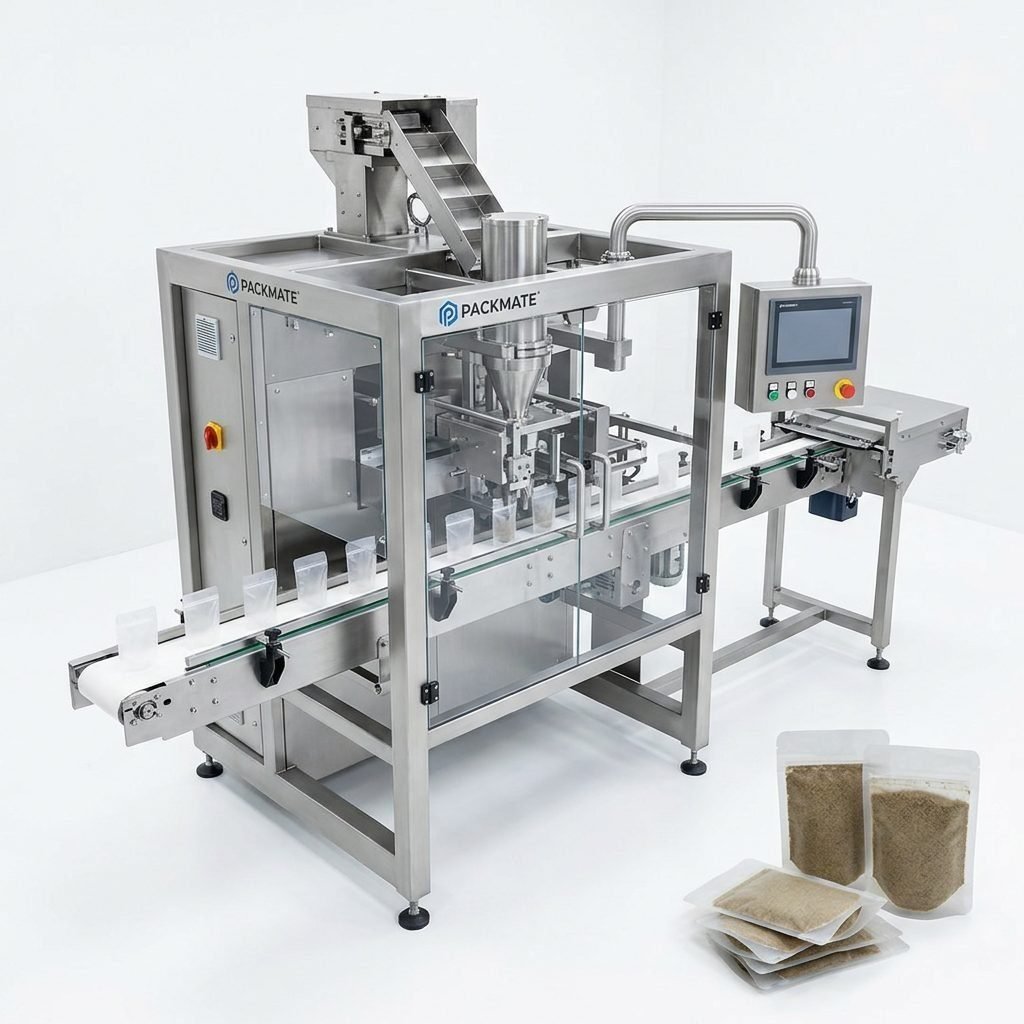
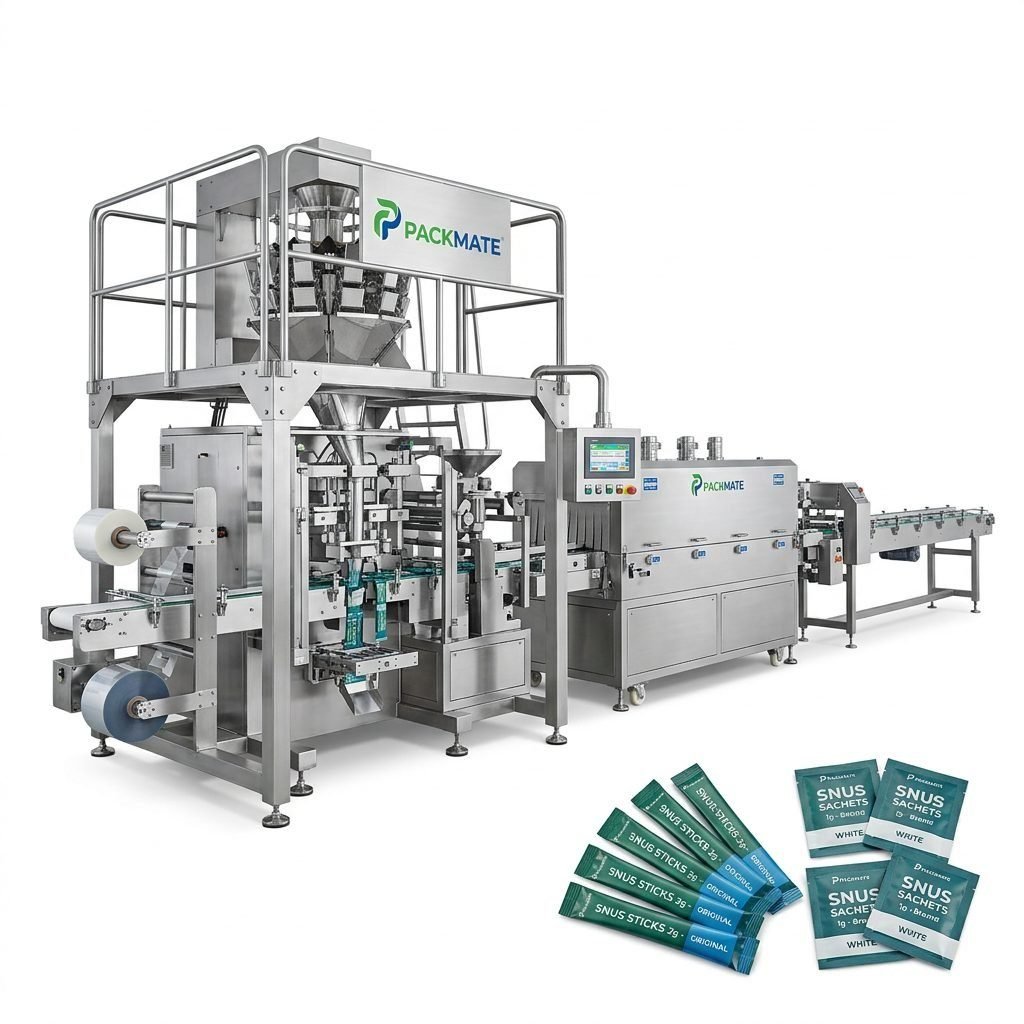
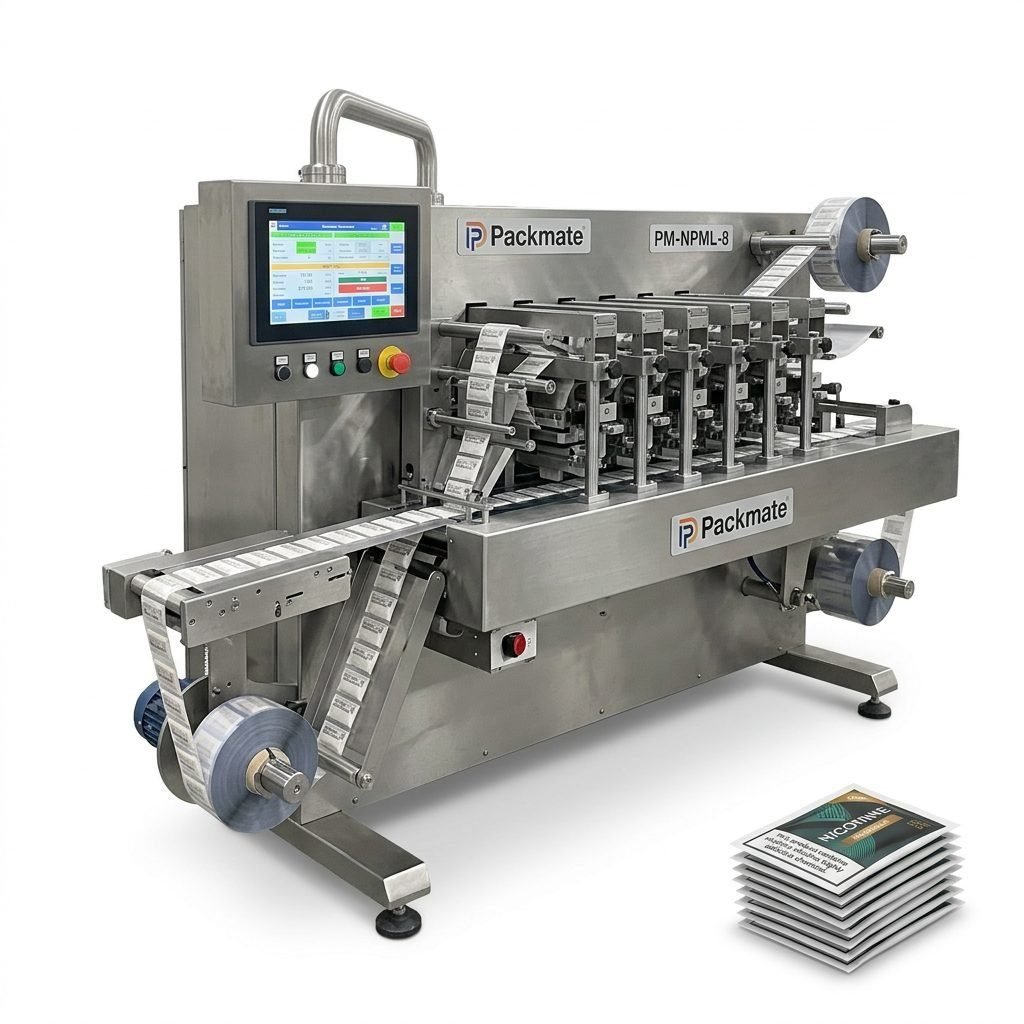
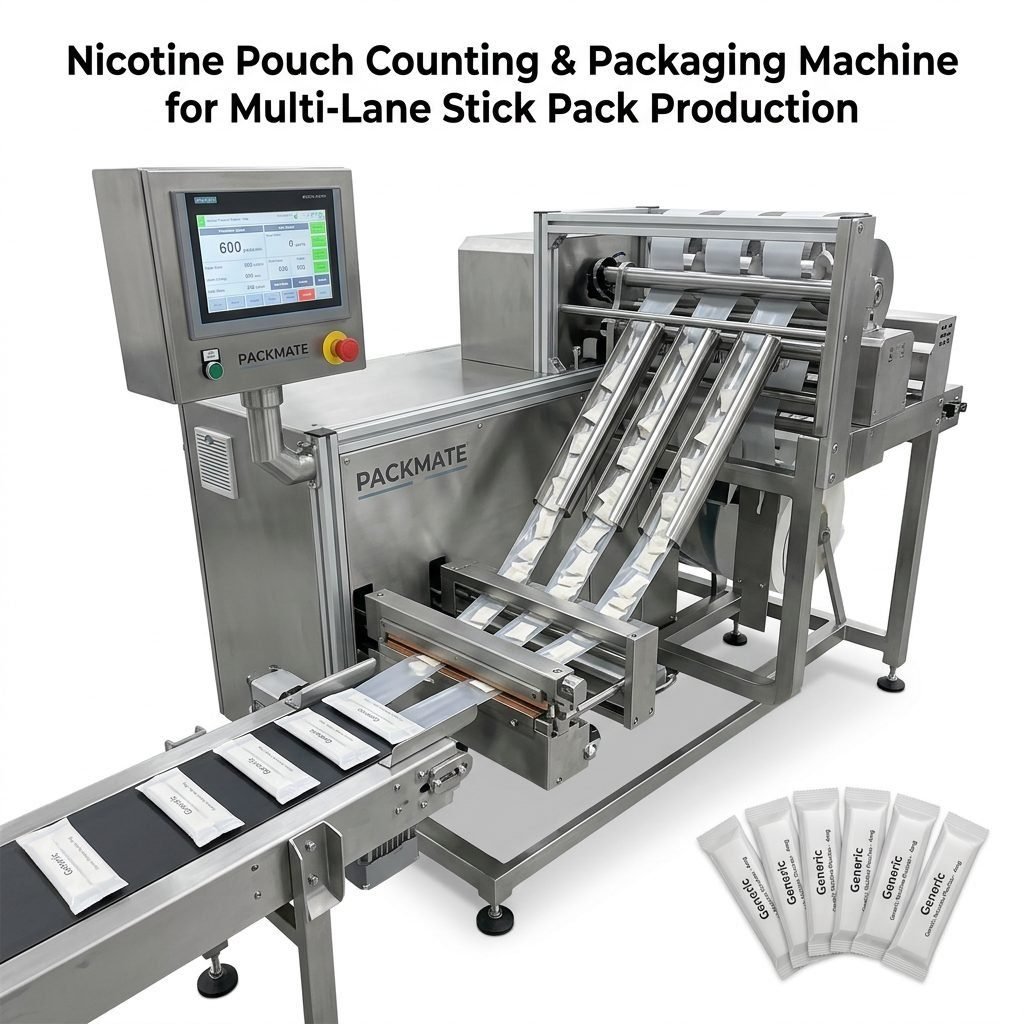
Choosing the right snus packaging machine manufacturer is one of the most consequential decisions you will make when scaling production for nicotine pouches, snus, or other small-dose products. The right partner delivers reliable equipment, predictable uptime, fast service, and a path to long-term growth. The wrong choice can cause production bottlenecks, unexpected costs, and delayed market launches. This guide walks you through practical criteria, informed questions, and red flags to evaluate when selecting a manufacturer for snus packaging machinery and complete packaging lines.
Understand Your Production Needs First
Before contacting suppliers, define your production targets and product characteristics. Ask yourself: what are expected daily volumes, pouch formats (stick, sachet, multi-lane), product fill types (powder, granule, liquid), and target packaging materials? Knowing your product specs helps narrow down manufacturers who specialize in matching machines to real-world needs. For example, teams that require high-throughput small-dose pouch production should consider manufacturers experienced in multi-lane systems and automated feeding solutions.
Key Manufacturer Capabilities to Evaluate
Look for suppliers that combine engineering depth with factory-scale manufacturing. Core capabilities include:
⚙️ Mechanical engineering experience — proven track record in precision machinery design, especially for snus and nicotine pouch equipment.
🔧 Manufacturing capacity — a sizable, well-equipped factory (CNC, precision assembly) indicates they can fulfill complex orders and scale production.
🤝 Turnkey integration — ability to deliver full production lines including filling, weighing, pouch forming, and auxiliary equipment.
Why Certifications and Standards Matter
Certification such as CE and ISO shows a commitment to meeting international safety and quality standards. These certifications are not just paperwork — they reflect consistent manufacturing processes, documented QA, and regulatory awareness that simplify export and compliance in target markets.
Assess Product Range and Customization Options
A manufacturer with a broad product portfolio is more likely to provide the right solution quickly. Check whether they offer:
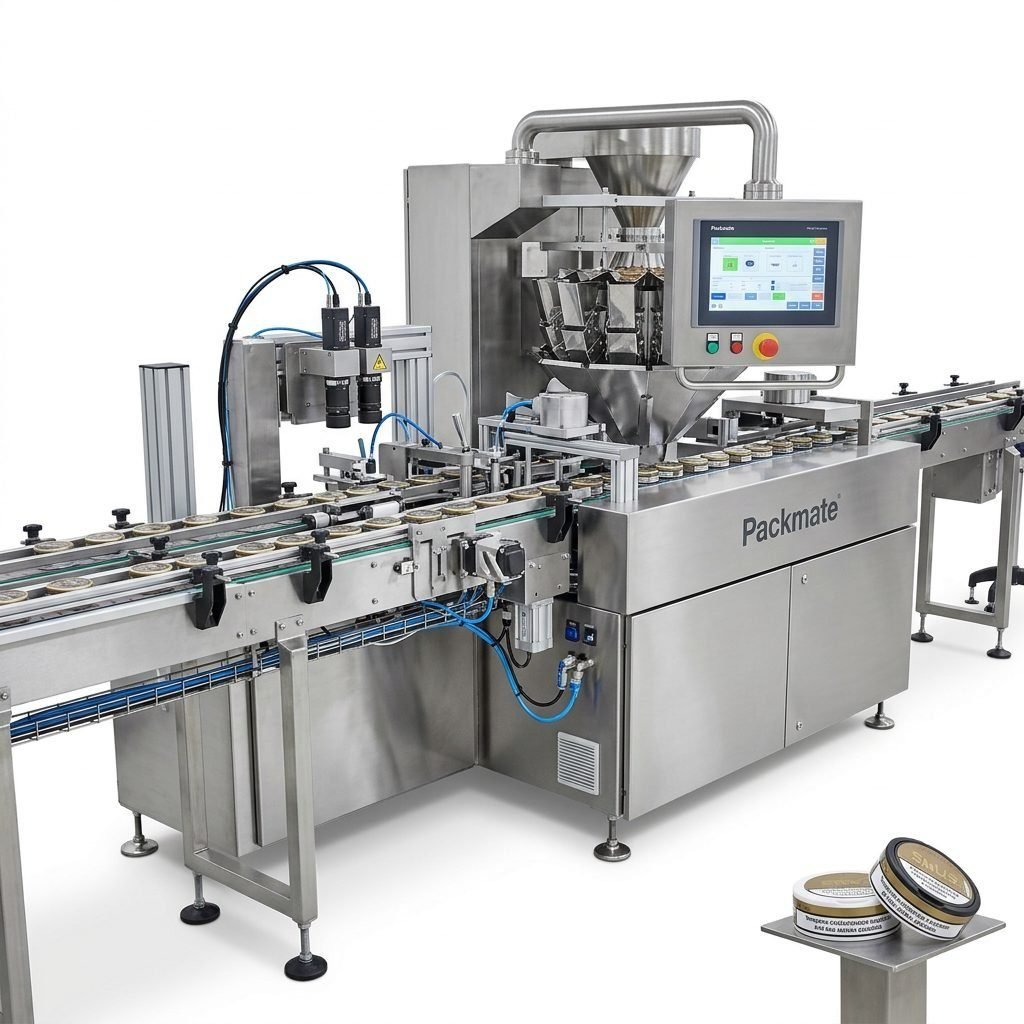
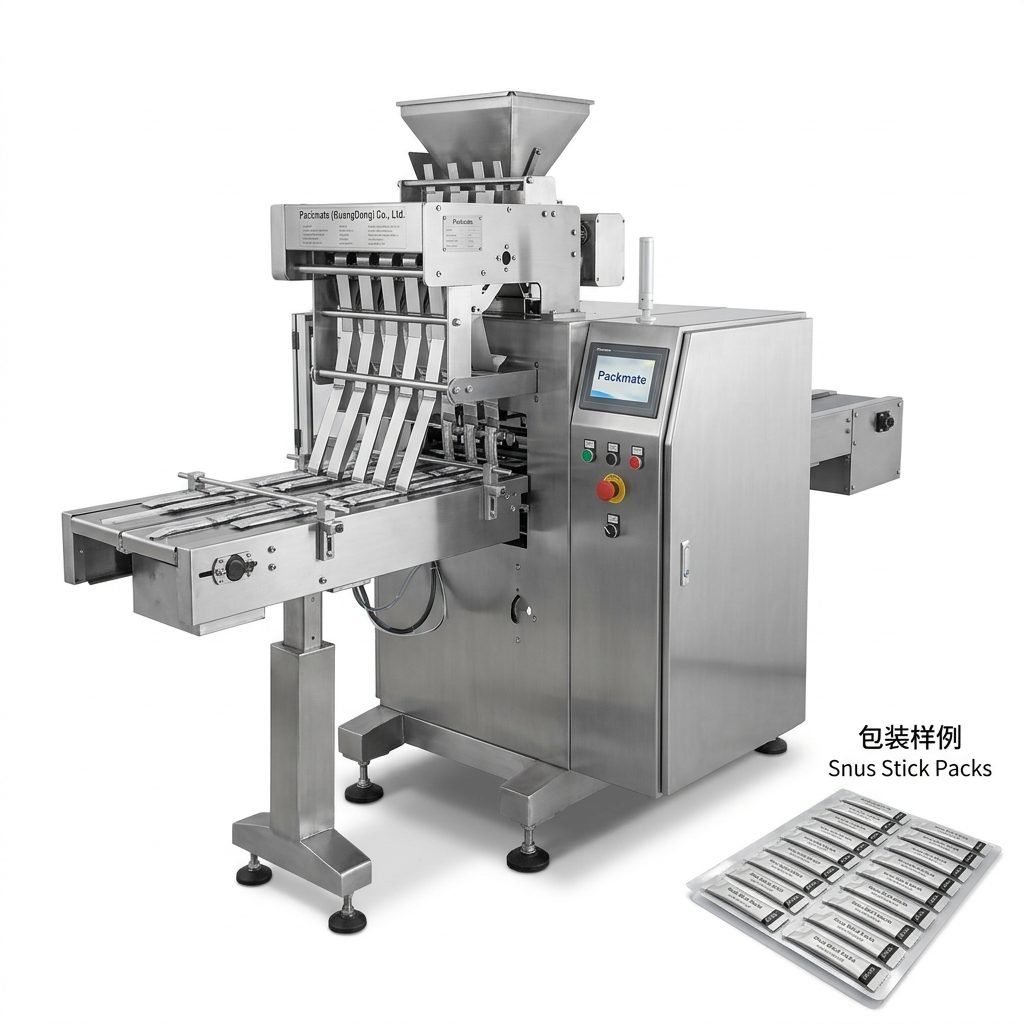
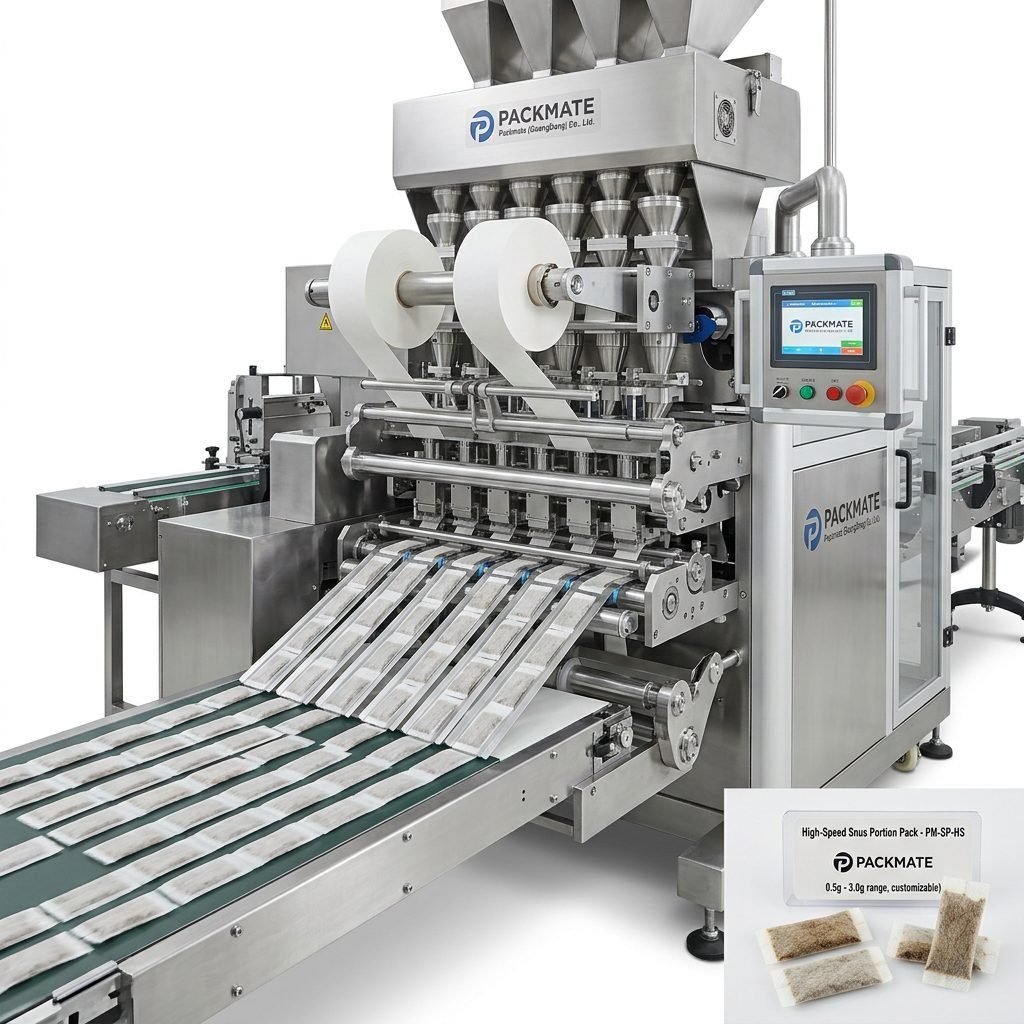
• Multi-lane snus pouch machines for high throughput; • Stick pack and sachet machines for flexible packaging; and • Filling & weighing systems integrated into a line. If you want to explore model options, review product categories such as Snus & Nicotine Packaging Machines, Sachet & Stick Pack Machines, or Filling & Packaging Lines.
Factory Strength and Production Quality
Visiting or virtually touring the manufacturer’s factory reveals production discipline. Look for:
20,000㎡+ factory area or similar scale, advanced CNC machining centers, dedicated assembly lines, and on-site testing rigs. These elements lower lead time and improve machine quality and repeatability.
Tip: Request evidence of in-factory inspections and machine test reports. A reputable manufacturer performs Quality Acceptance Tests (QAT) and can share performance data for similar installations.
Check Case Studies and Global References
A strong track record across different markets indicates adaptability and maturity. Ask for documented case studies and customer references in Europe, Asia, and the Americas. Review real-world performance metrics such as uptime percentages, mean time between failures (MTBF), and customer feedback on service responsiveness. You can view examples of manufacturer projects on their case pages like Case.
Red Flags in Case Review
Negative signs include vague or non-verifiable references, reluctance to share performance data, or no installations in similar product categories. These could indicate limited experience or hidden integration challenges.
After-Sales Support, Spare Parts, and Training
Robust after-sales support differentiates a vendor from a commodity supplier. Key considerations:
• Spare parts availability: Are critical components stocked locally or shipped rapidly? How long are spare parts guaranteed?
• Technical training: Does the supplier provide on-site commissioning, operator training, and maintenance instruction? Confirm language and documentation support.
• Remote support and warranty: Remote diagnostics, software updates, and clear warranty terms reduce downtime and total cost of ownership.
Ask: How is emergency support handled? What are typical response times for field engineers or replacement parts?
Customization, R&D and Continuous Improvement
Your product and regulatory landscape may evolve. Select a manufacturer with an active R&D program and the ability to customize tooling, control software, and feed systems. A partner that co-develops custom feeders, dosing solutions, or multi-lane synchronizations can accelerate product launches and improve yields.
Production Economics and Total Cost of Ownership (TCO)
Price is important, but focus on TCO: energy consumption, expected throughput, maintenance intervals, spare part costs, and expected machine lifetime. Lower upfront cost but higher downtime or poor energy efficiency may cost more over the machine lifecycle. Request ROI analysis and energy consumption figures during machine trials.
Acceptance Testing, FAT and Site Commissioning
Factory Acceptance Test (FAT) procedures and Site Acceptance Test (SAT) standards should be clearly defined. FAT helps verify machine performance before shipment, reducing on-site surprises. Confirm if the manufacturer provides test runs with your actual product or a representative sample. Insist on documented acceptance criteria.
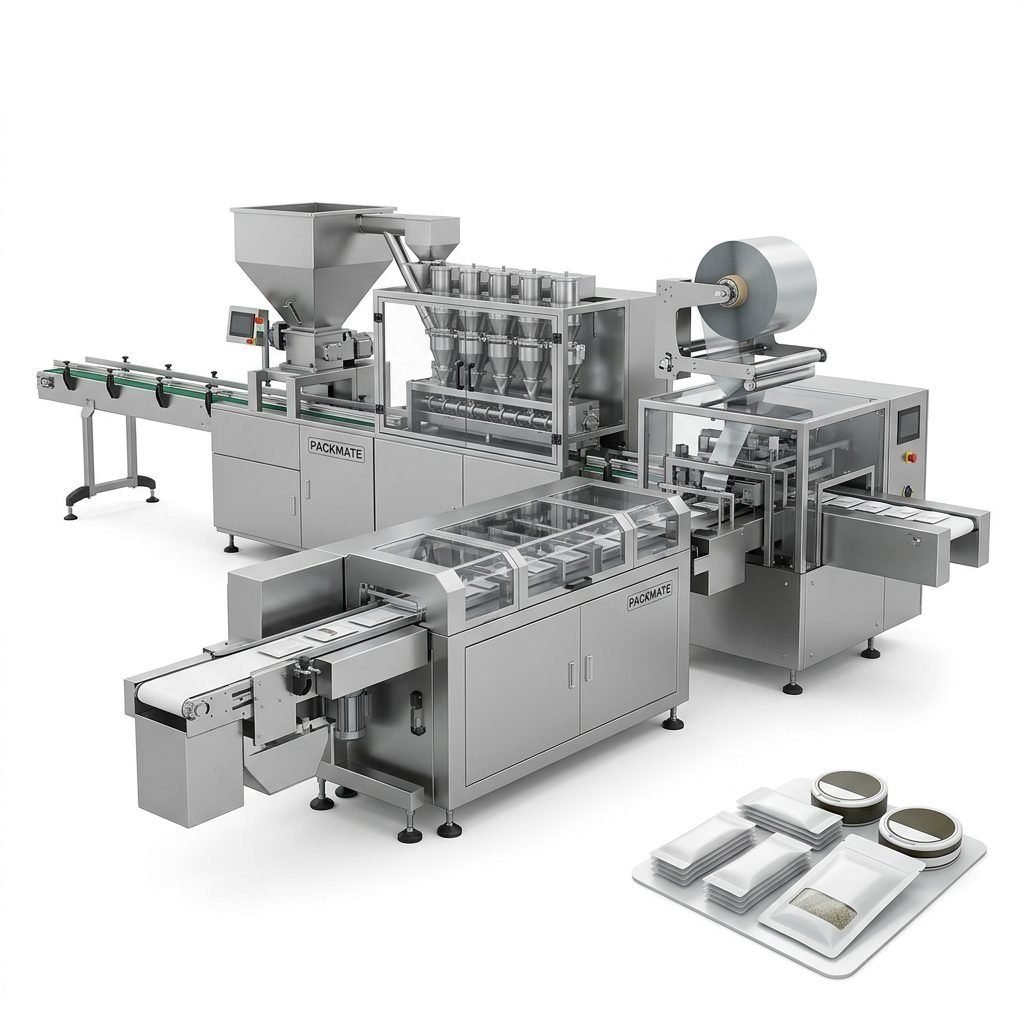
If you want to evaluate turnkey lines that combine packaging machines and upstream feeding or downstream case packing, review integrated solutions like their Weighing & Packaging Systems or Auxiliary Packaging Equipment.
Logistics, Lead Time and Production Planning
Verify typical lead times for both standard machines and custom builds. A manufacturer with a large factory and inventory of common parts can shorten delivery windows. Plan for potential delays by agreeing on milestones and penalties in the contract. Also confirm packaging methods for export, crate specifications, and recommended transport insurance.
Contracts, IP and Confidentiality
When collaborating on new formats or unique machine features, protect your intellectual property. Ensure non-disclosure agreements (NDA) are in place before sharing confidential formulations or proprietary processes. Contracts should define ownership of custom tooling, software licenses, and rights to subsequent design changes.
Practical Onboarding Checklist
Use a standardized checklist to compare vendors:
🔍 Factory visit or video tour provided; documented CNC and assembly capability.
🔍 Sample test runs with your product; FAT reports and acceptance criteria.
🔍 Spare parts list, lead times, and on-site training plan.
🔍 Warranty terms, remote support SLA and field engineer response times.
🔍 Case references with verifiable contacts and production metrics.
Negotiation and Payment Terms
Negotiate staged payments tied to milestones (design approval, FAT completion, shipment). Confirm currency, acceptable payment methods, and any letters of credit. Ask about options for extended warranties, service contracts, and spare parts packages.
Pro tip: Align first orders with smaller pilot lines or modular machines to validate process parameters before committing to full multi-lane production lines.
Why a Proven Manufacturer Matters for Snus Packaging
The snus and nicotine pouch market demands precision dosing, gentle handling, and contamination control. Manufacturers with decades of industry focus and a wide customer base understand these nuances and can deliver machines that consistently meet regulatory and brand requirements. A manufacturer with a documented history, sizable factory footprint, and international compliance is often the best long-term partner.
How to Shortlist Suppliers Quickly
Start with 3–5 potential vendors. For each, request:
📌 Company background and manufacturing scale (factory photos, equipment lists).
📌 Product catalog and model specs that match your product type (example categories: Bag & Pouch Packaging Machines).
📌 Customer case studies and direct references for similar installations.
📌 Clear FAT, warranty and spare parts policies.
Final Selection Criteria
After evaluation, rank suppliers by: technical fit, proven performance, after-sales capability, TCO, and cultural fit (communication, language, response times). Select the partner that offers the highest predictable performance and the clearest path to scale, not necessarily the cheapest upfront price.
If you need further details on a manufacturer with strong snus packaging expertise, facility scale, and turnkey solutions, consider reviewing corporate information like About Packmate and connecting directly through their Contact Us page to request technical datasheets or schedule a factory tour.
Summary — Making an Informed Choice
Selecting a snus packaging machine manufacturer requires a systematic assessment of technical capabilities, factory strength, product range, quality controls, after-sales service, and contractual protections. Prioritize suppliers with demonstrable experience in nicotine pouch and multi-lane systems, transparent FAT processes, and strong global references. A well-chosen partner will help you reduce time-to-market, increase uptime, and lower long-term operating costs.
Frequently Asked Questions
Q1: How long is the typical lead time for a multi-lane snus packaging line?
A1: Lead times vary by customization and factory capacity; standard models may ship in a few months while custom turnkey lines can take 4–12 months. Confirm milestones and shipping schedules up front.
Q2: Do manufacturers test machines with our actual product before shipment?
A2: Reputable manufacturers conduct FATs with client product or representative samples to validate dosing, pouch formation, and sealing parameters. Insist on documented acceptance criteria.
Q3: What warranty and after-sales support should I expect?
A3: Typical offerings include a limited machine warranty, remote troubleshooting, spare part availability, and optional on-site service contracts. Verify response times and local support options.
Q4: How do I ensure spare parts availability globally?
A4: Choose a manufacturer with global distribution networks or a sizeable parts inventory. Negotiate spare parts kits for critical wear items and clarify lead times for shipped components.
Q5: Can a supplier integrate upstream and downstream equipment into a single line?
A5: Many experienced suppliers offer fully integrated solutions that include feeders, weighers, pouch machines, and case packers. Review integrated offerings and request line integration references.