Choosing the right nicotine packaging machinery for your Costa Rica operation is more than a technical decision — it combines local market understanding, regulatory compliance, environmental considerations, and a clear return-on-investment plan. This guide walks production managers, factory owners, and procurement specialists through the practical steps to select equipment that meets performance goals, respects Costa Rican customs and regulations, and supports sustainable growth.
Why the Right Machine Matters for Costa Rica
Costa Rica is known for strong environmental stewardship, high tourism standards, and increasing interest in regulated consumer products. For nicotine pouch and snus production, choosing the right machine ensures:
⚙️ Regulatory compliance — to meet local and international safety standards and import/export rules.
📦 Product consistency — essential for brand trust in a socially conscious market.
🔁 Operational efficiency — to reduce waste and energy use, aligning with Costa Rica’s sustainability preferences.
Understand Costa Rican Market & Cultural Considerations
When planning for production in Costa Rica, remember local consumer behavior and regulations:
• Spanish is the primary business language — request manuals and training in Spanish or bilingual formats.
• Costa Rica prioritizes environmental protection; packaging that reduces plastic and supports recycling will be viewed favorably by regulators and consumers.
• Expect close scrutiny of labeling and ingredients; ensure your machine supports precise dosing and consistent pouch sealing for traceability and compliance.
Local Regulations & Permits
Before importing machinery, confirm customs duties, electrical code differences, and environmental permits. Engaging a local consultant or using a supplier experienced in exporting to Latin America reduces risk and speeds deployment.
Key Machine Types and What They Deliver
Selecting the right category of packaging equipment depends on product format, speed requirements, and future expansion plans:
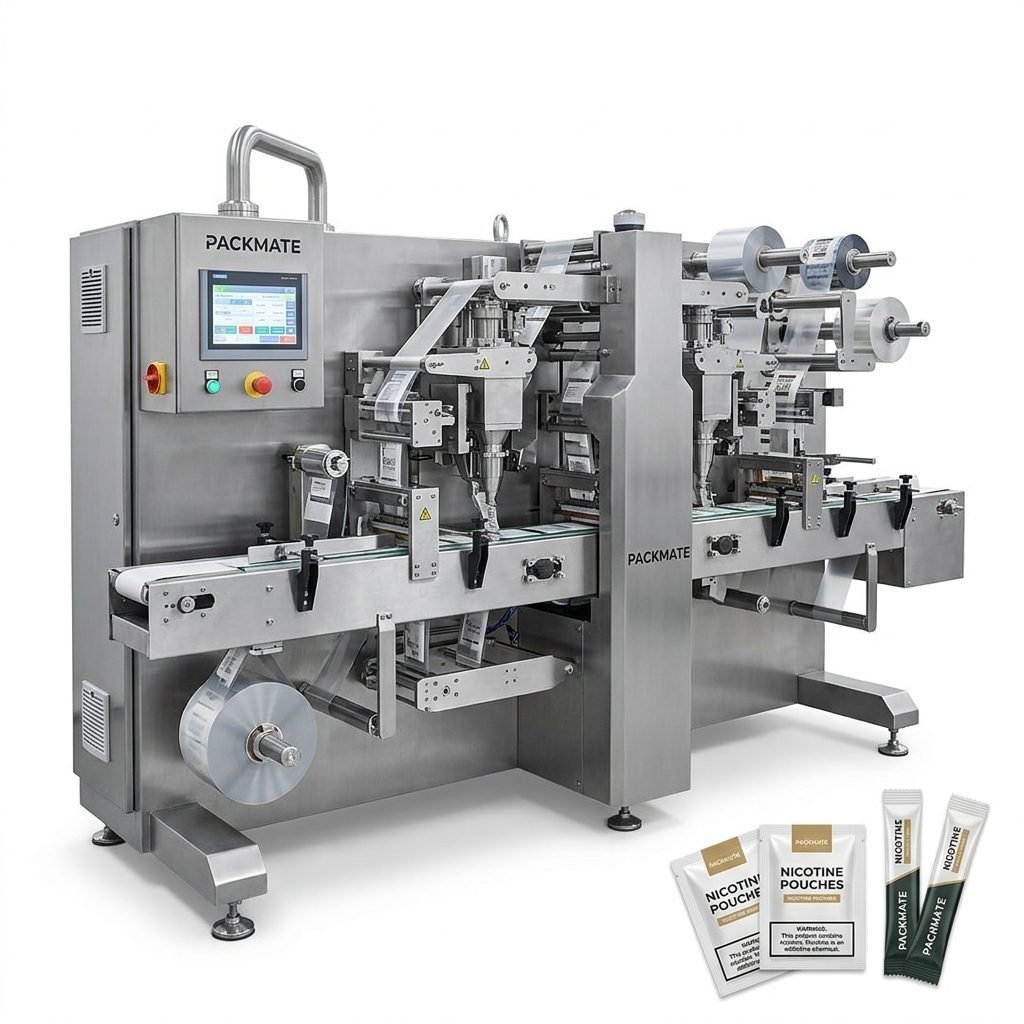
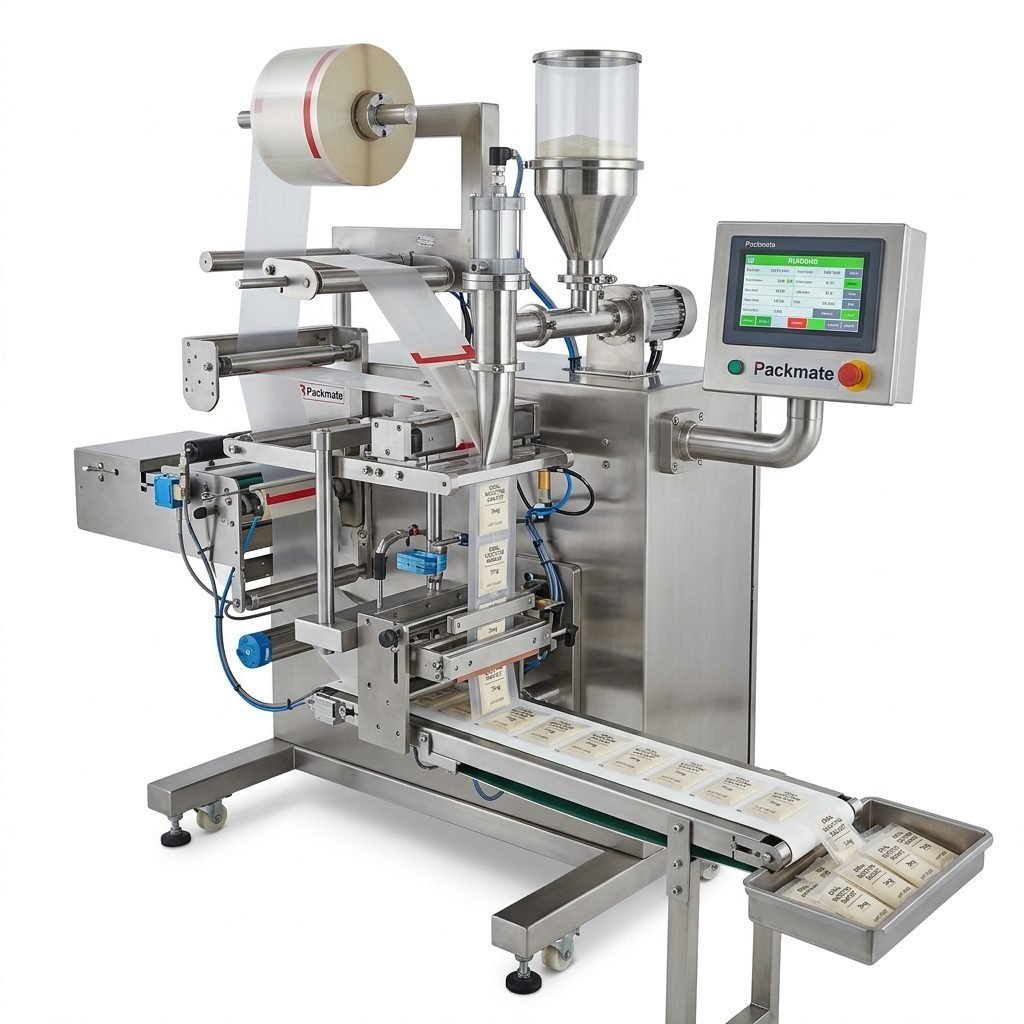
Snus & Nicotine Pouch Packaging Machines
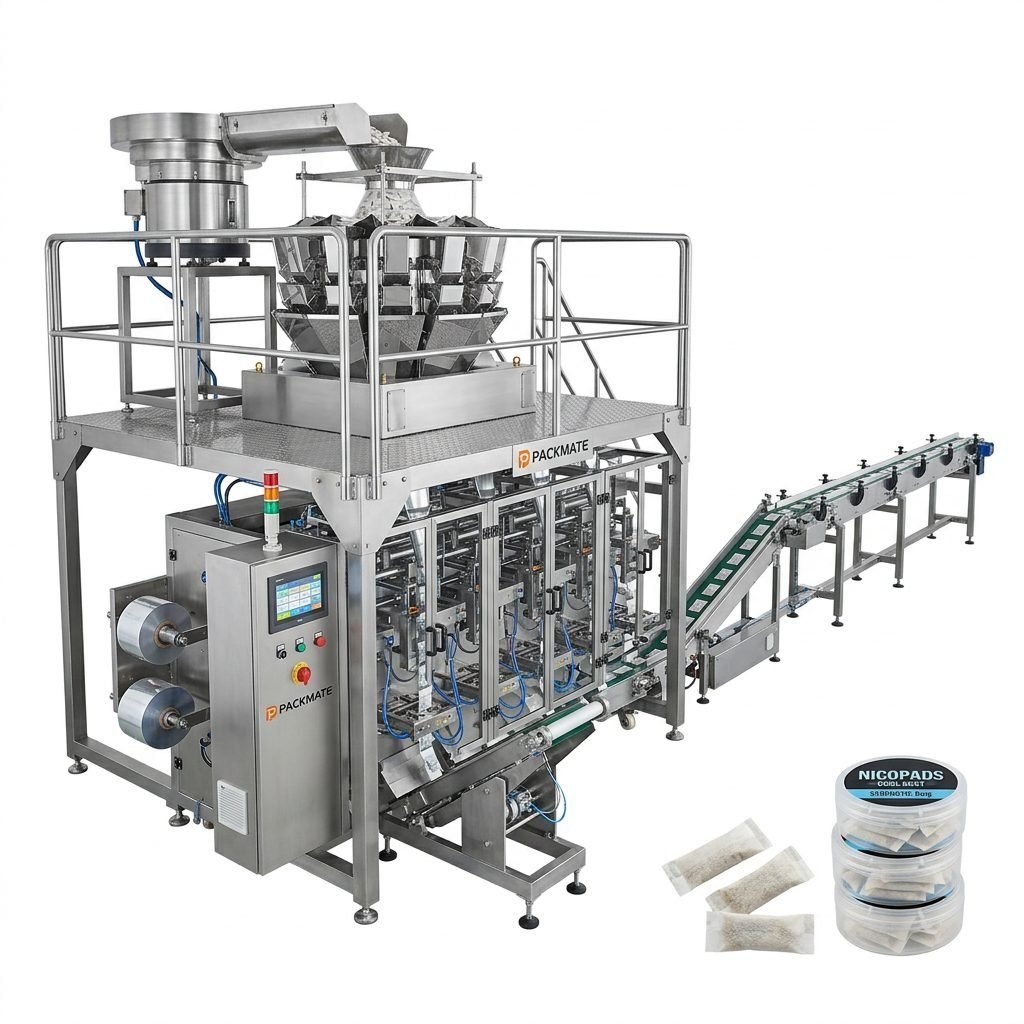
These specialized systems are designed for small-dose pouches with precise filling and tight seals. Look for machines that allow quick changeovers and are built for low-dust, hygienic operation. See typical models here: Snus & Nicotine Packaging Machines.
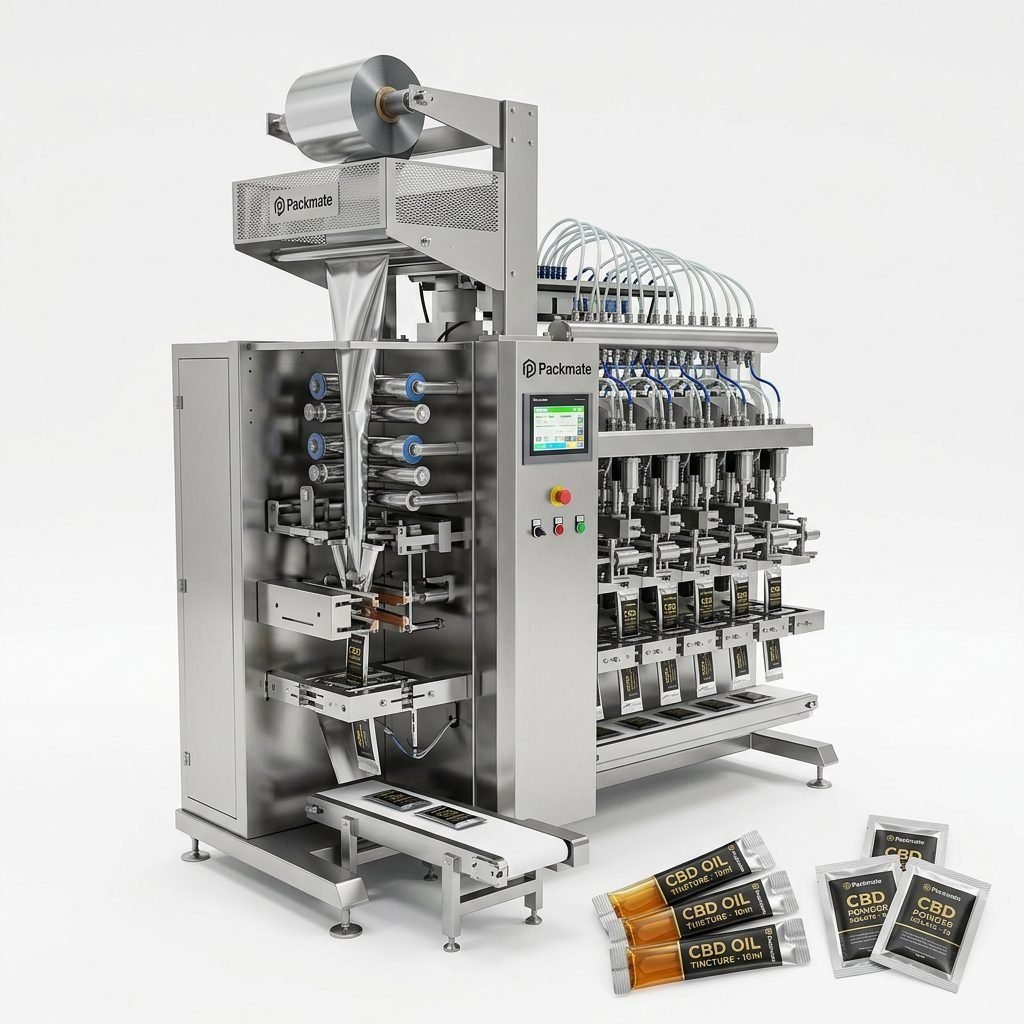
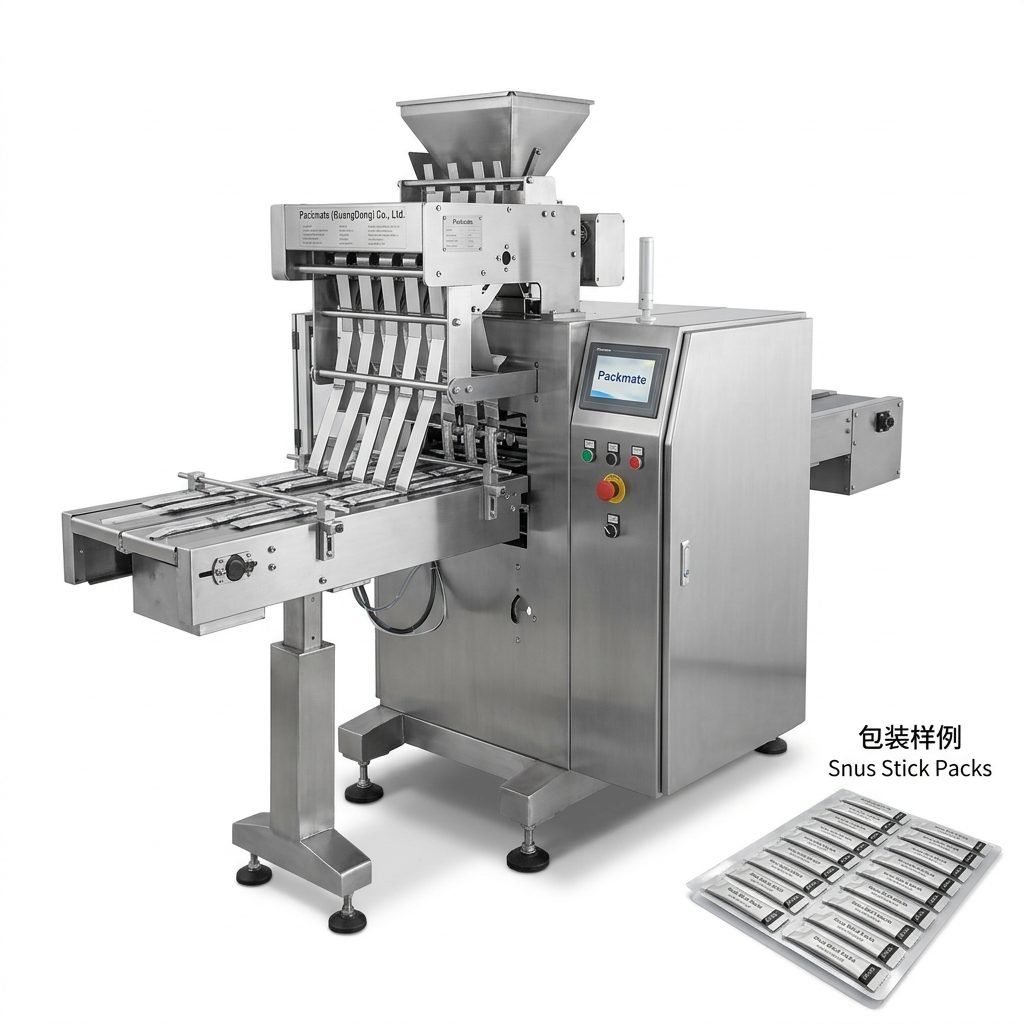
Sachet & Stick Pack Machines
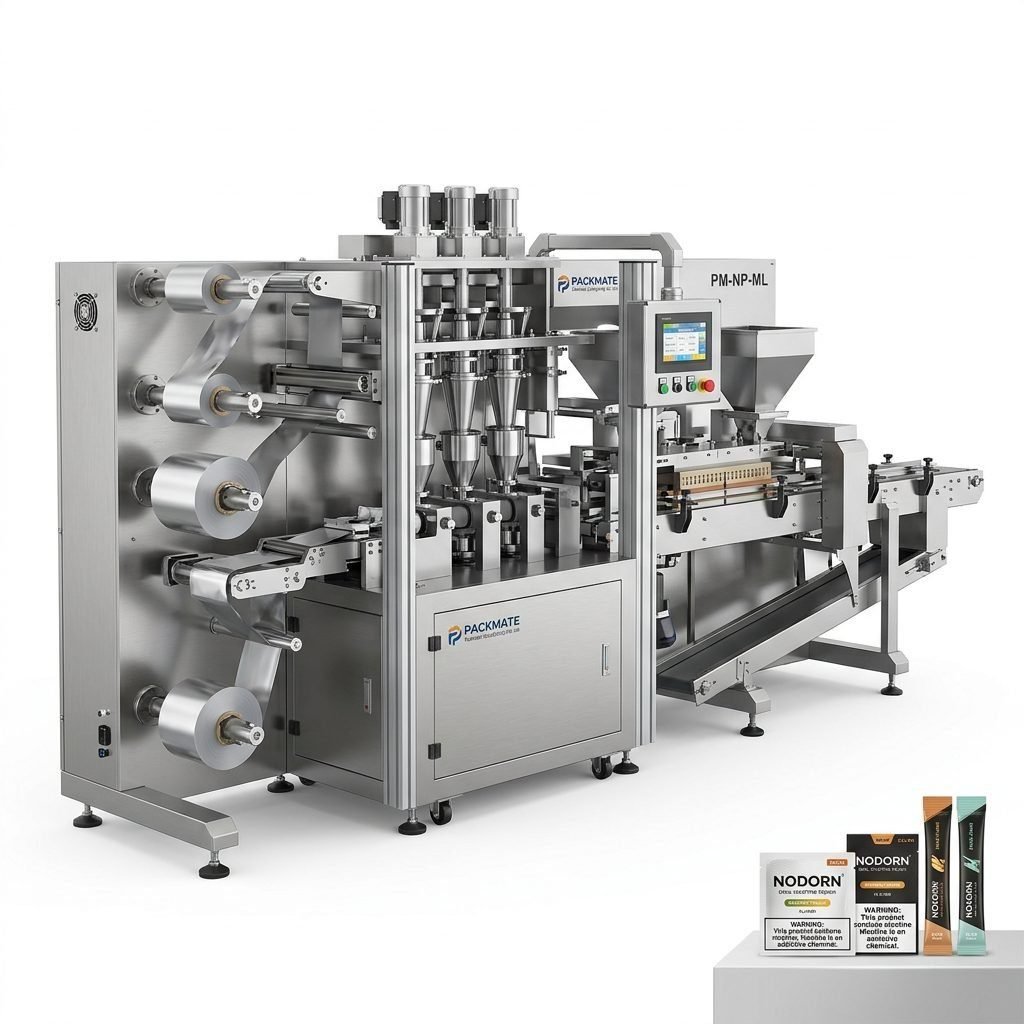
If you plan single-dose stick packs or sachets, these machines deliver high speed and flexibility. They are ideal for trial packs or promotional runs. Explore options at: Sachet & Stick Pack Machines.
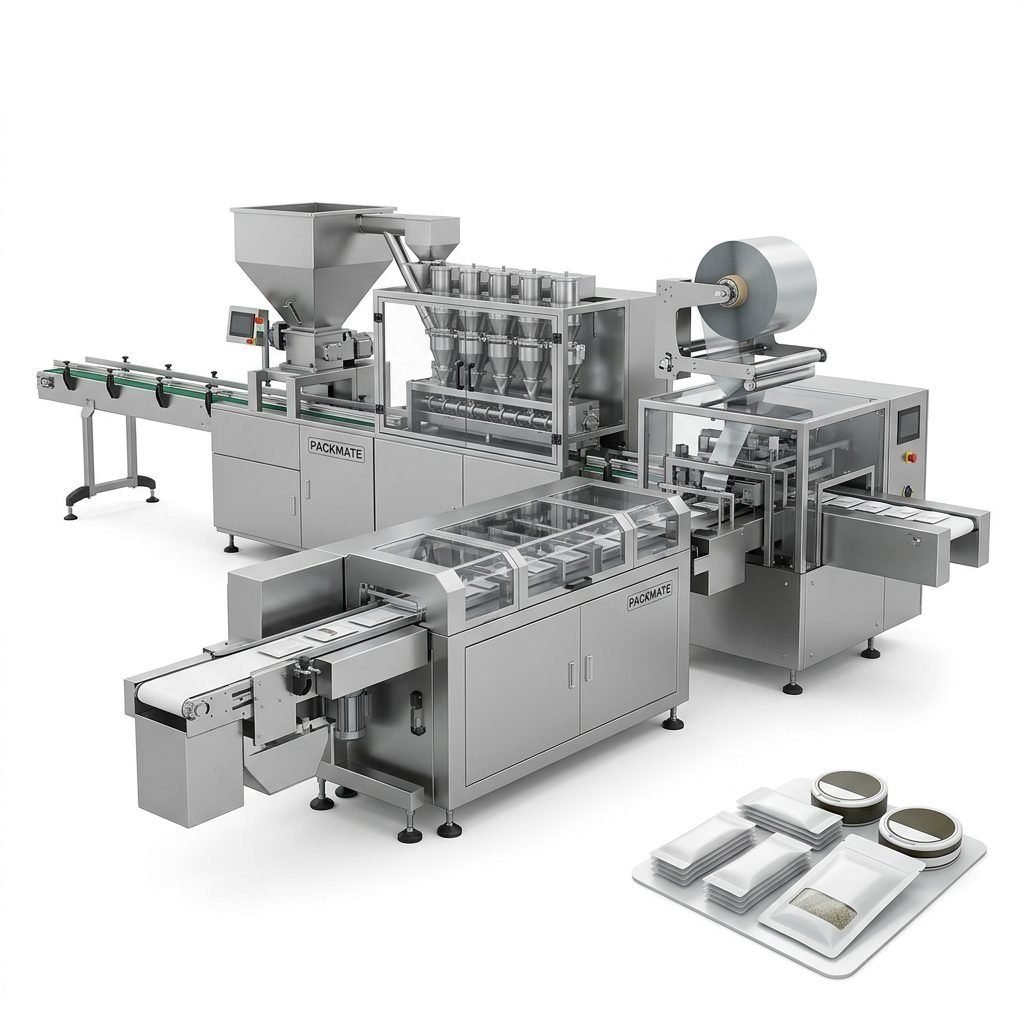
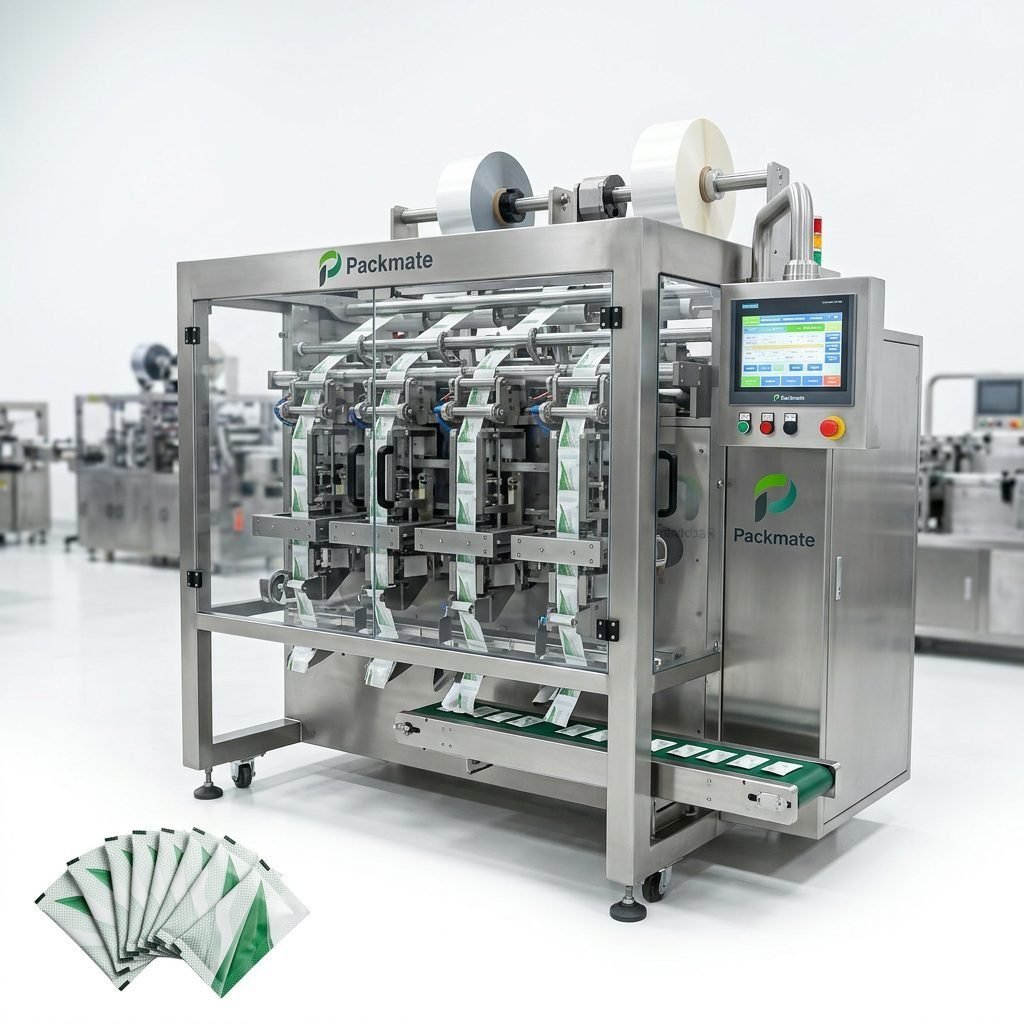
Multi-Lane Systems & Fully Automated Lines
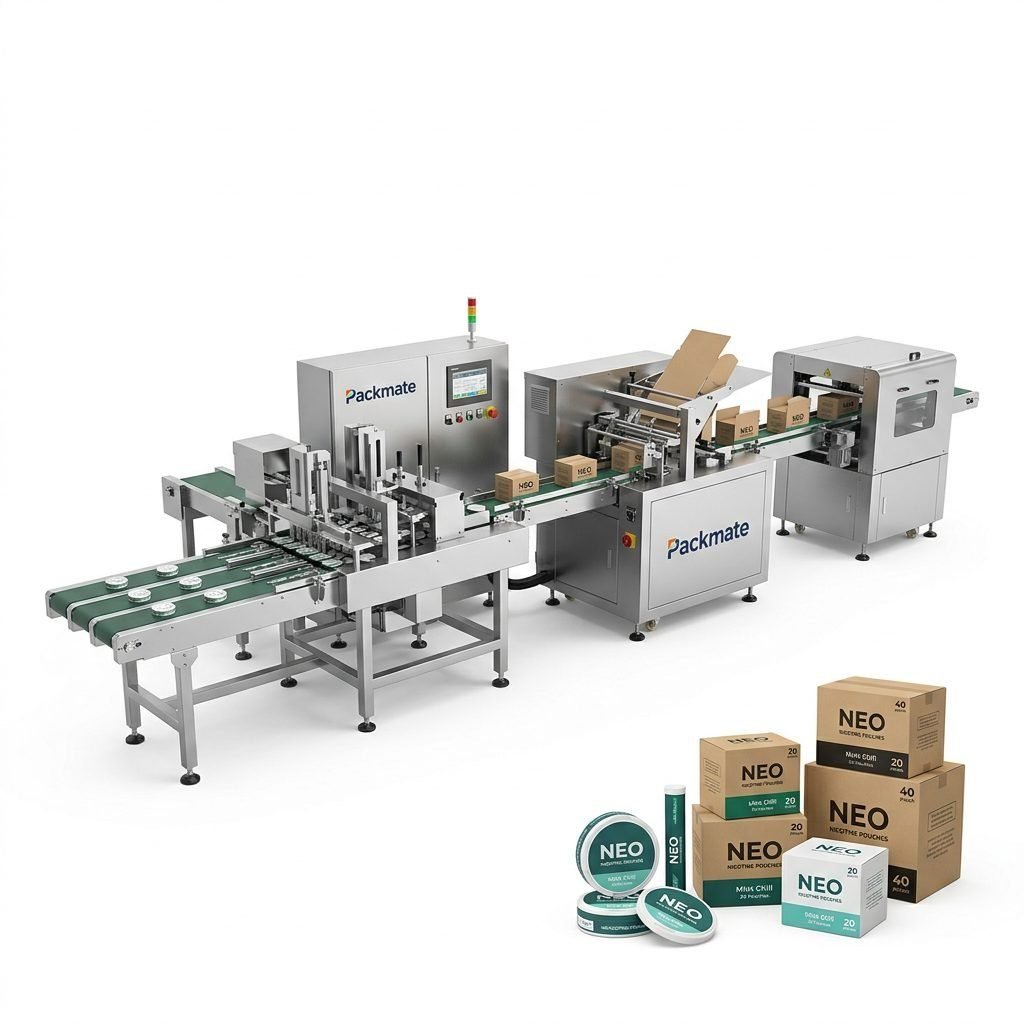
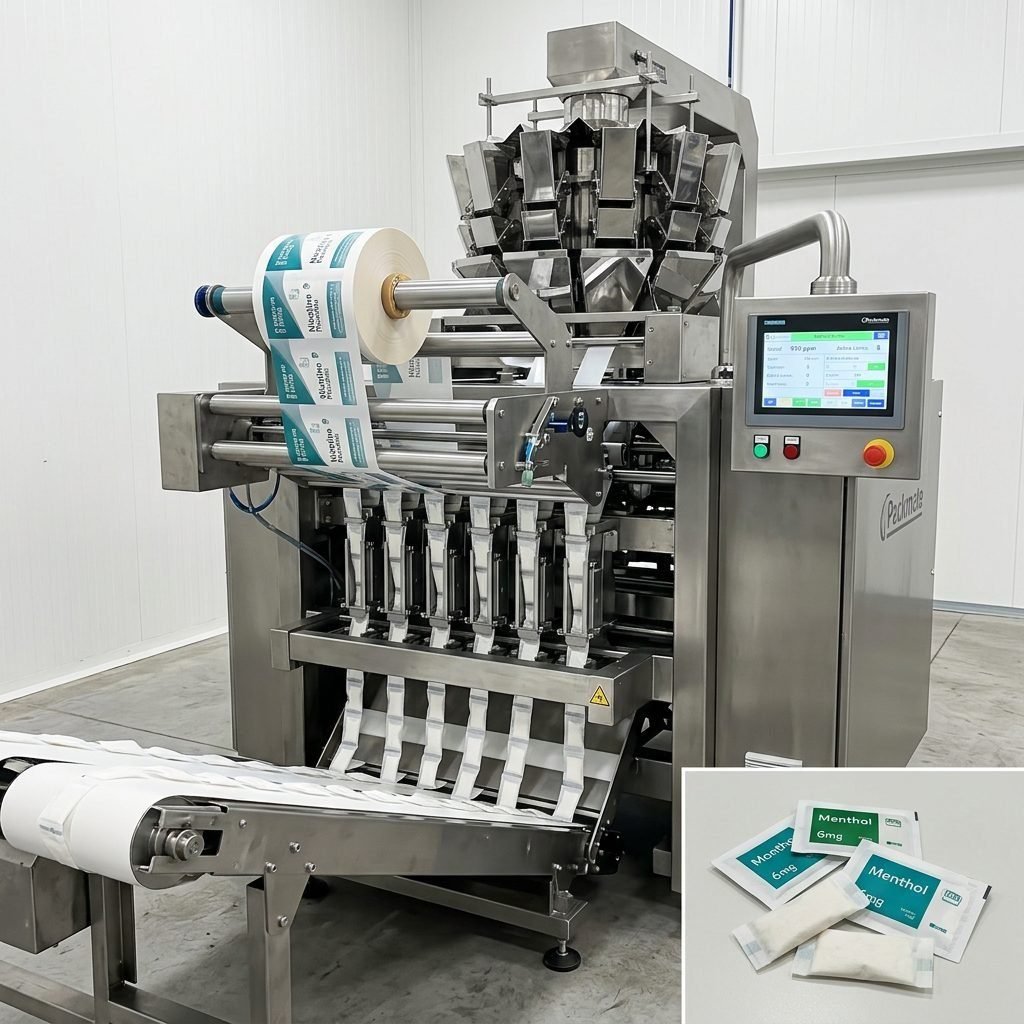
For high output, multi-lane systems dramatically increase throughput without expanding footprint. Pair them with automated feeding and weighing systems for turnkey production: Weighing & Packaging Systems.
Tip: For Costa Rican factories near coastal humidity, choose machines with stainless components and sealed electrical cabinets to prevent corrosion and maintain uptime.
Technical Specs to Evaluate
When comparing suppliers, create a scorecard based on these critical technical factors:
1. Speed & Throughput
• Determine target pouches per minute and calculate daily throughput.
• Multi-lane options can multiply output with modest additional investment.
2. Filling Accuracy & Dose Control
Precise dosing reduces waste and ensures regulatory compliance. Look for integrated electronic scales or proven volumetric systems with low variability.
3. Material Compatibility & Film Options
Ensure the machine supports the barrier films and sustainable materials you intend to use — Costa Rican consumers often prefer recyclable or reduced-plastic options.
4. Automation & Control Systems
Modern PLC/HMI control with recipe management speeds changeovers and supports multilingual interfaces. Request Spanish-language HMI and manuals for local operators.
5. Cleanability & Hygiene
Hygienic design reduces contamination risk and cleaning downtime. Stainless steel surfaces and easy-to-remove parts are essential.
Supplier & Service Considerations
Choosing the right vendor is as important as machine specs. Evaluate:
📌 Experience in nicotine pouch equipment — suppliers with proven designs reduce integration risk. Packmate, for example, focuses on snus packing machines and offers multi-lane systems tailored to small-dose production. Learn more: About Packmate.
📌 After-sales support & spare parts — check lead times for critical spares and availability of regional service partners.
📌 Installation & training — ensure the supplier provides startup assistance and operator training in Spanish.
📌 Certifications — CE, ISO, and documented quality processes are essential for global sales and financing.
Quick checklist: Ask for performance videos, reference customers in similar climates, and a full spare parts list with prices and delivery times.
Installation, Utilities & Facility Prep in Costa Rica
Proper site preparation avoids delays:
• Verify electrical supply and phase compatibility — most machines ship for 380-480V three-phase; local transformers/adapters may be required.
• HVAC and humidity control are critical to protect hygroscopic fillings and film. Costa Rica’s humid zones need dehumidification for consistent pouch quality.
• Floor load capacity and clearances for forklifts/maintenance access.
• Local occupational safety rules and labor norms — provide operator PPE and ensure machine guarding meets local standards.
Costing & ROI: What to Budget For
Budgeting should include more than the machine price:
• Equipment cost and shipping/insurance to Costa Rica ports.
• Customs duties, VAT, and local clearance fees.
• Installation, electrical work, and any civil modifications.
• Training, spare parts inventory, and initial consumables.
• Expected savings from waste reduction, labor optimization, and higher throughput.
ROI Example
Estimate daily output × gross margin per pouch minus operating costs to determine payback period. Many Packmate customers see payback within 18–36 months depending on scale and local demand.
Why Consider Packmate Snus Machine
Packmate’s heritage from 1993 and factory capabilities make it a strong partner:
• Over 30 years of engineering experience focused on snus and nicotine pouch packaging.
• A 20,000㎡ manufacturing facility with advanced CNC centers and precision assembly.
• 50+ machine models and customization options for multi-lane, stick pack, sachet, and auxiliary equipment. Explore product lines: Snus & Nicotine Packaging Machines and Sachet & Stick Pack Machines.
Local support: Confirm whether the supplier offers phone support with Spanish-speaking engineers and on-site commissioning assistance in Costa Rica or nearby Latin American hubs.
Practical Purchase Checklist
Use this quick checklist when evaluating proposals:
1. Machine capacity and demo videos.
2. Dosing accuracy and testing reports.
3. Spare parts list and lead times.
4. Warranty and maintenance packages.
5. Spanish manuals and on-site training.
6. Certifications (CE/ISO) and factory audit reports.
7. References of customers in similar climates.
Financing & After-Sales
Consider financing options or leasing to spread capital costs. After-sales service agreements can include preventative maintenance, spare kits, and remote troubleshooting. For service details and contacts, visit: Contact Us.
Final Recommendations
• Prioritize machines that support sustainable packaging and Spanish-language support.
• Choose suppliers with nicotine-specific experience and multi-lane options if you plan to scale.
• Plan your facility utilities and humidity control before equipment arrival.
• Request detailed performance data, on-site training, and a clear spare parts plan.
Need examples? Review real-world solutions and case studies to understand machine performance under similar conditions: Case.
Frequently Asked Questions
Q1: How do I verify a machine will work with eco-friendly films in Costa Rica?
A1: Request a material compatibility test from the supplier and ask for samples produced on your chosen film. Confirm sealing temperature ranges and pilot runs.
Q2: What local support should I expect after purchase?
A2: Expect remote technical support, spare parts shipping timelines, and optional on-site commissioning. Seek Spanish-speaking support where possible.
Q3: Are Packmate machines certified for export and international standards?
A3: Yes. Packmate equipment complies with international standards such as CE and ISO; request certificate copies during proposal evaluation. See certificates: Certificate.
Q4: How long does installation and training typically take?
A4: Typical installation and operator training range from a few days to two weeks depending on system complexity and the need for process validation.
Q5: Where can I find catalogs, spare parts, and service information?
A5: Suppliers usually provide catalogs and service details online. For Packmate resources and catalogs, refer to: Catalog and Service.