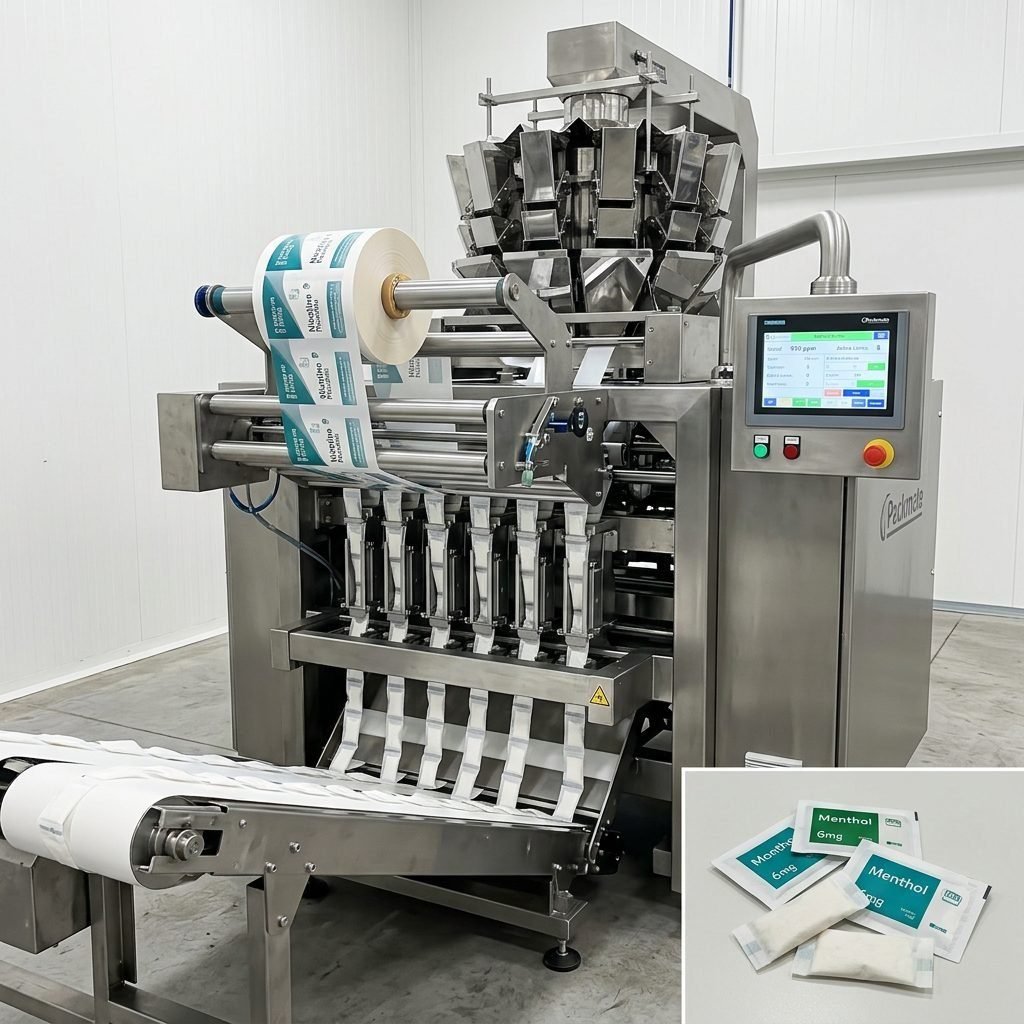
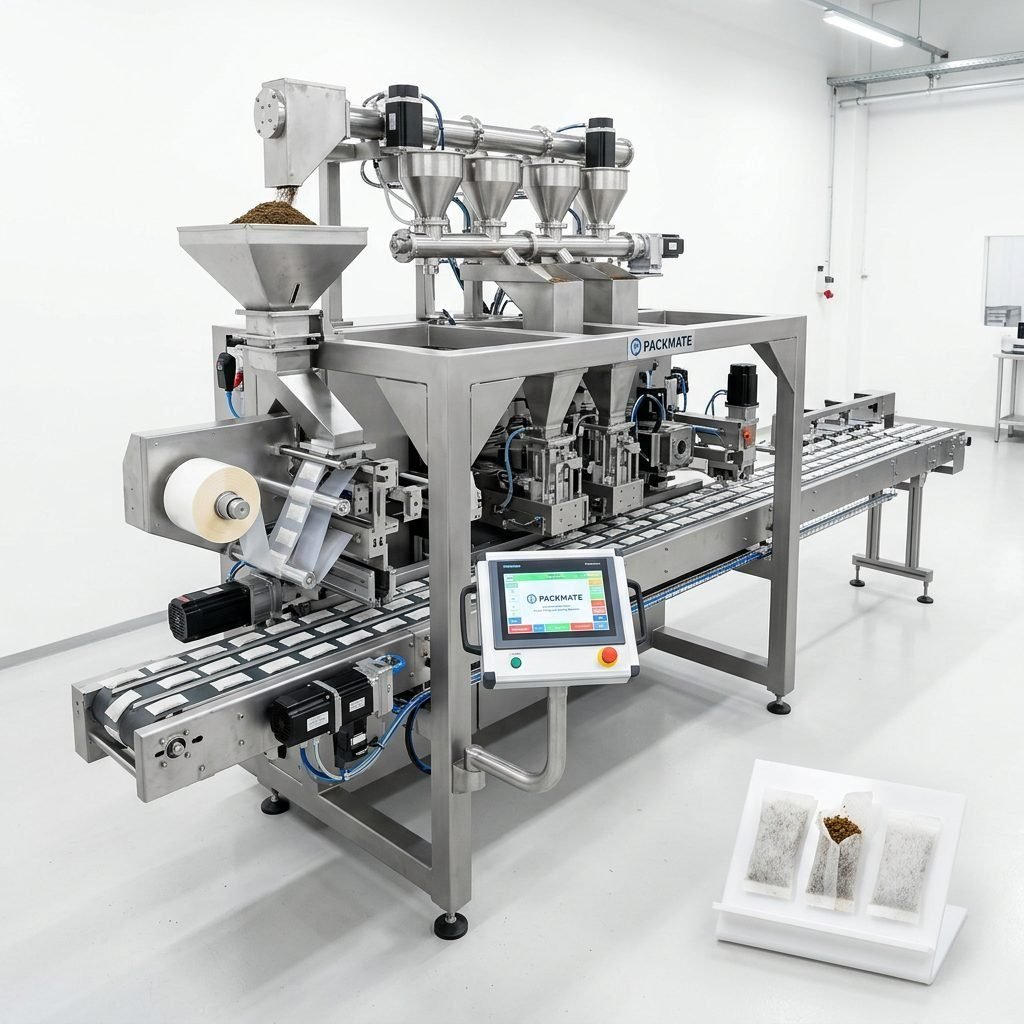
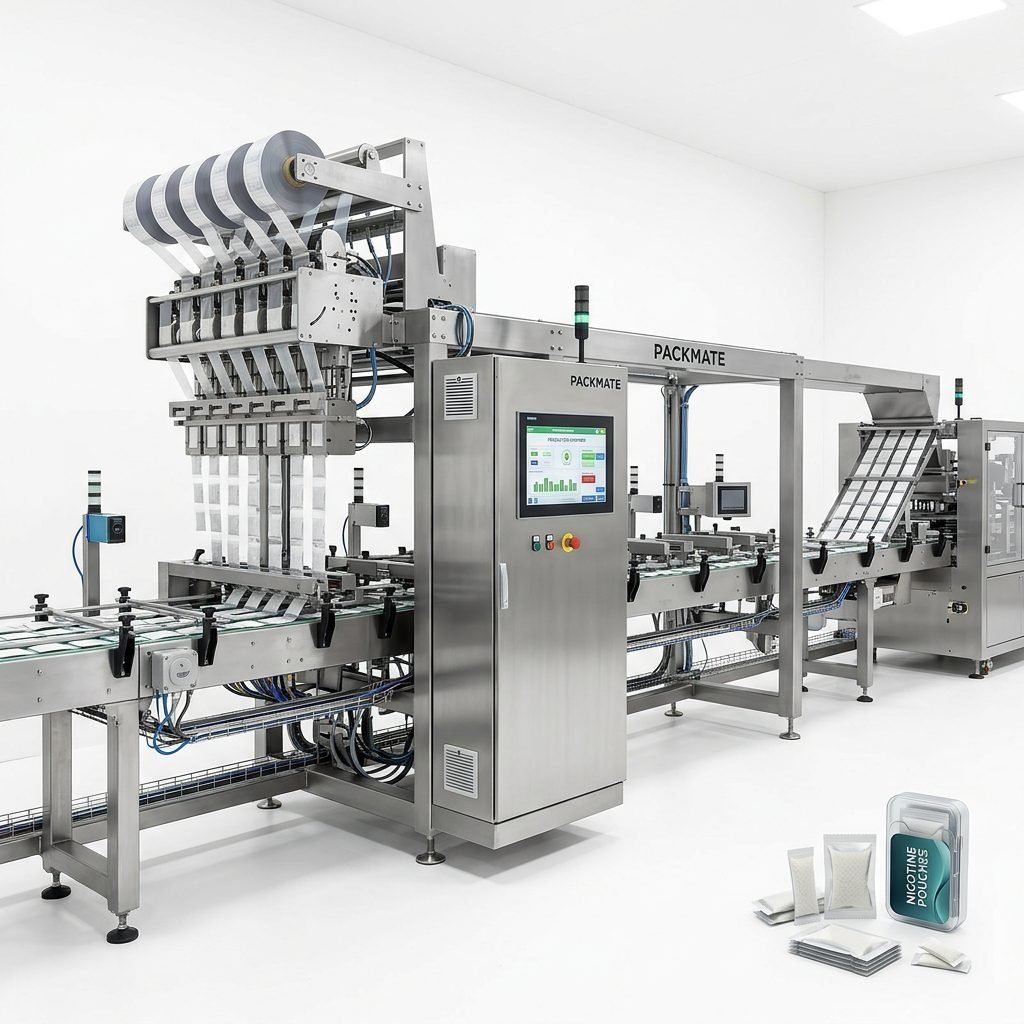
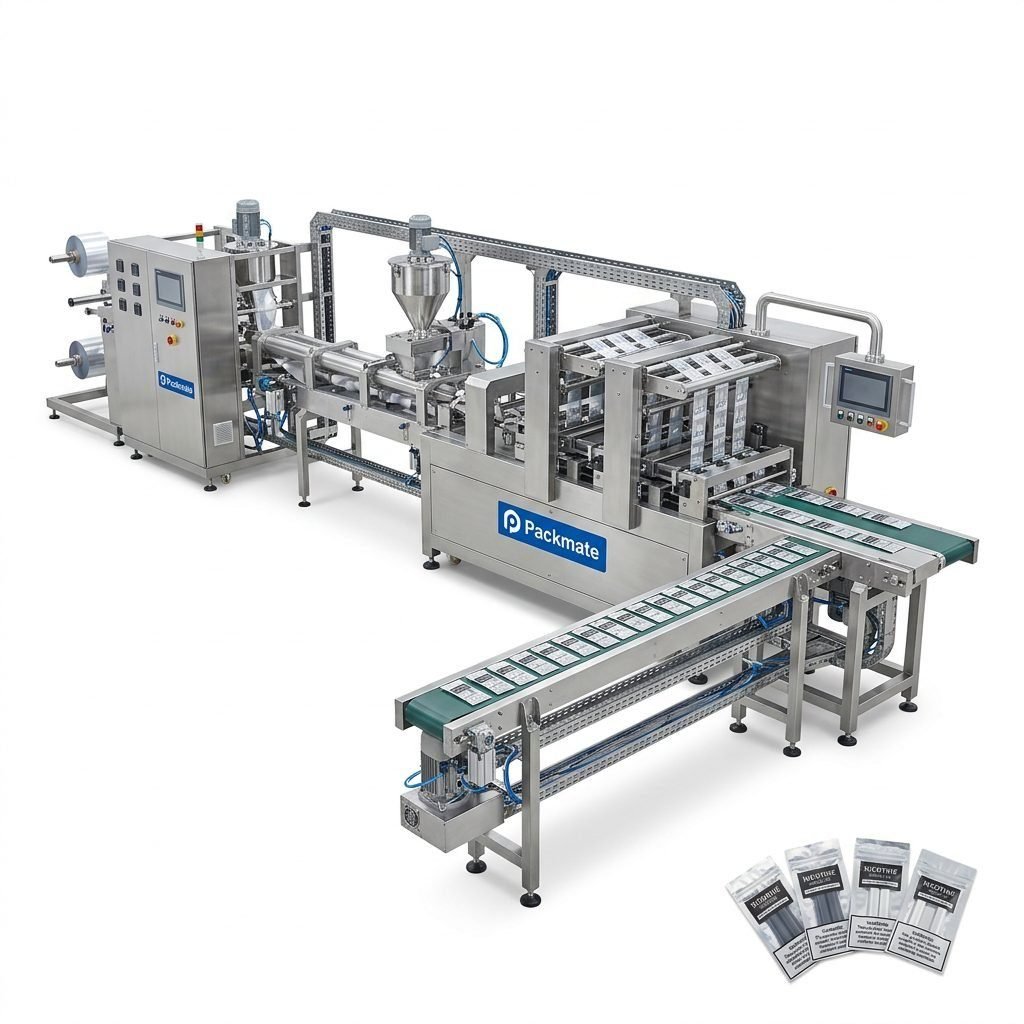
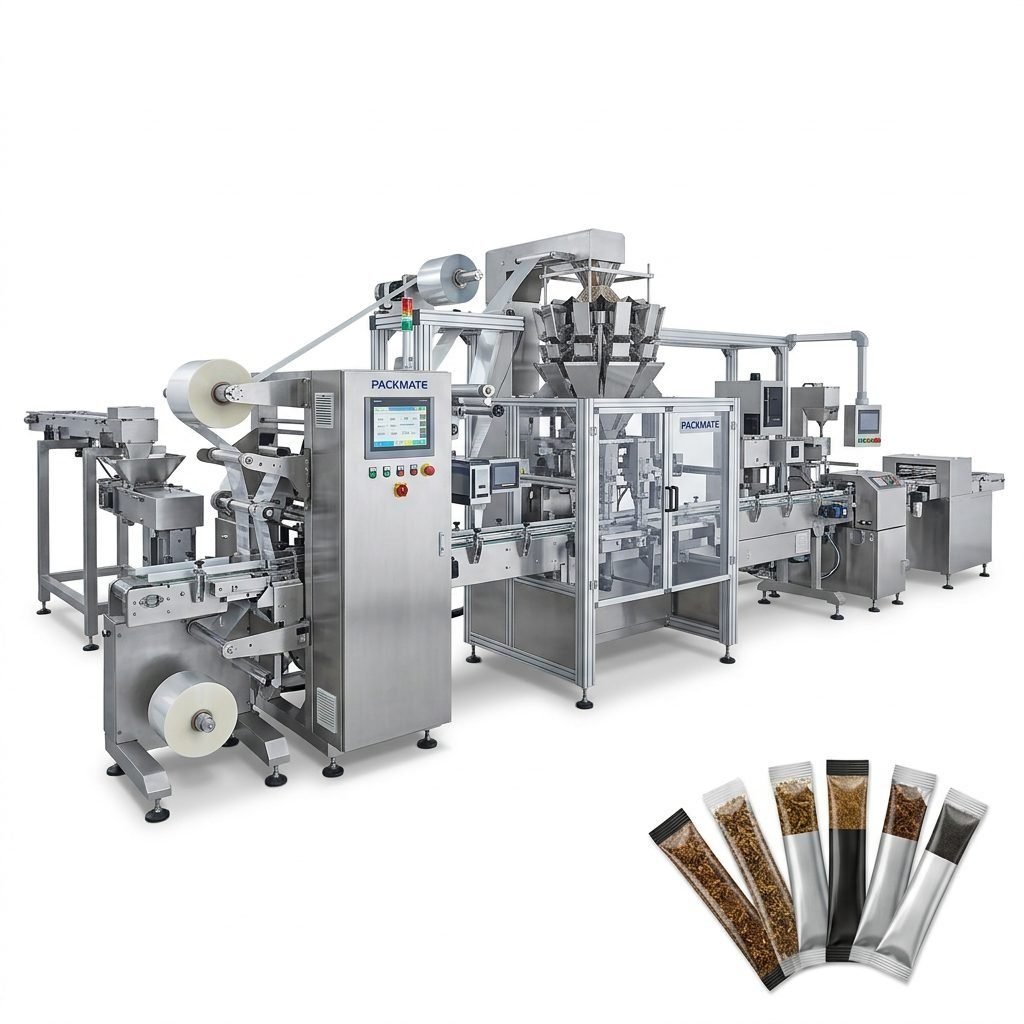
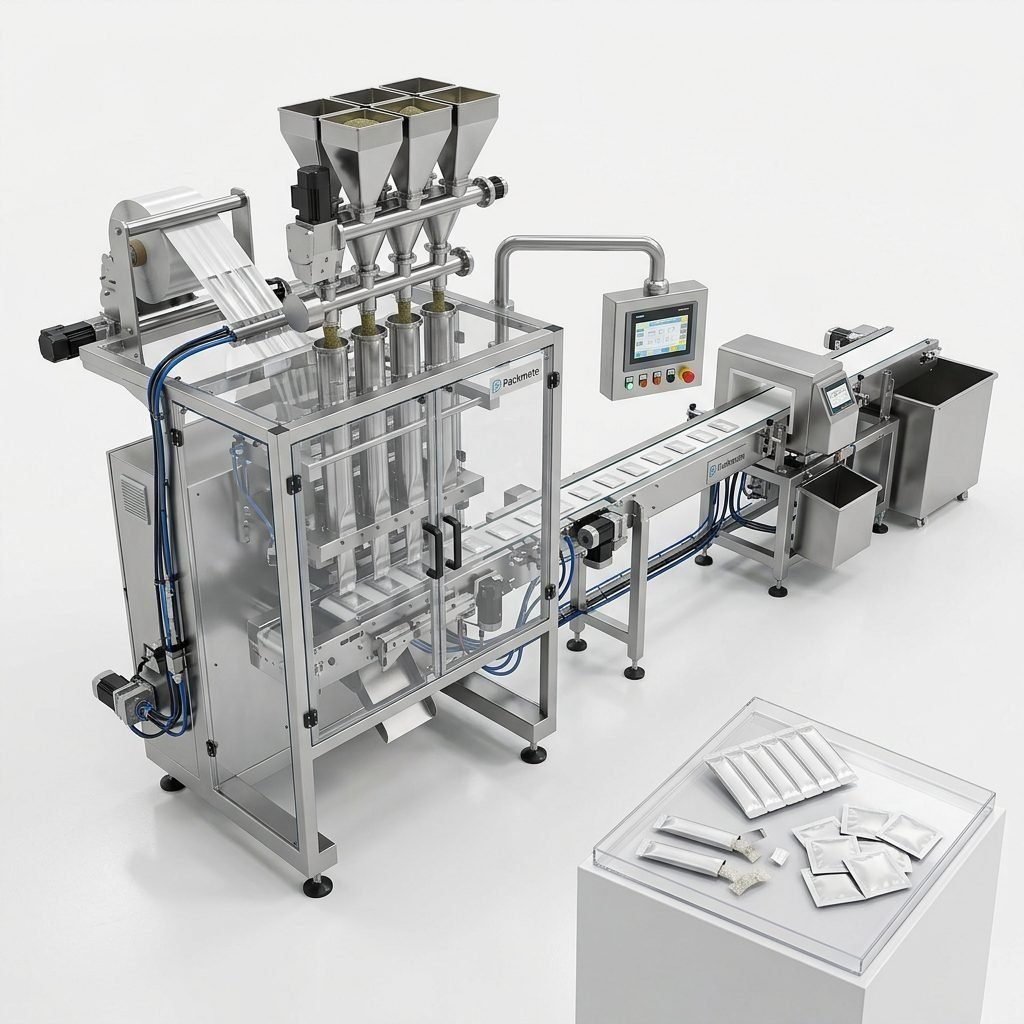
The global demand for precise, reliable snus and nicotine pouch production is accelerating. Manufacturers are under pressure to increase throughput while maintaining product safety, regulatory compliance, and consistent pouch quality. Advanced snus packaging technology is the answer — combining high-speed multi-lane systems, precise dosing, robust sealing, and smart automation to deliver faster, safer and more efficient production lines.
Why Advanced Snus Packaging Matters
Modern snus and nicotine pouch products are typically small-dose, finely metered, and sensitive to moisture and oxygen. Packaging technology must therefore address multiple simultaneous challenges: accuracy in dosing, high-speed production without product damage, hermetic sealing to preserve shelf-life, and hygienic designs for food-grade and pharmaceutical-grade handling. Investing in advanced packaging equipment reduces waste, increases yield, and ensures every pouch meets specification from the first to the last.
Core Performance Drivers
The most impactful technologies include precise weigh-fill systems, synchronized multi-lane form-fill-seal modules, adaptive control software, and robust quality inspection subsystems. Together, these elements increase machine uptime, lower labor dependency, and provide consistent output suitable for regulated markets.
Key Technologies Driving Faster Production
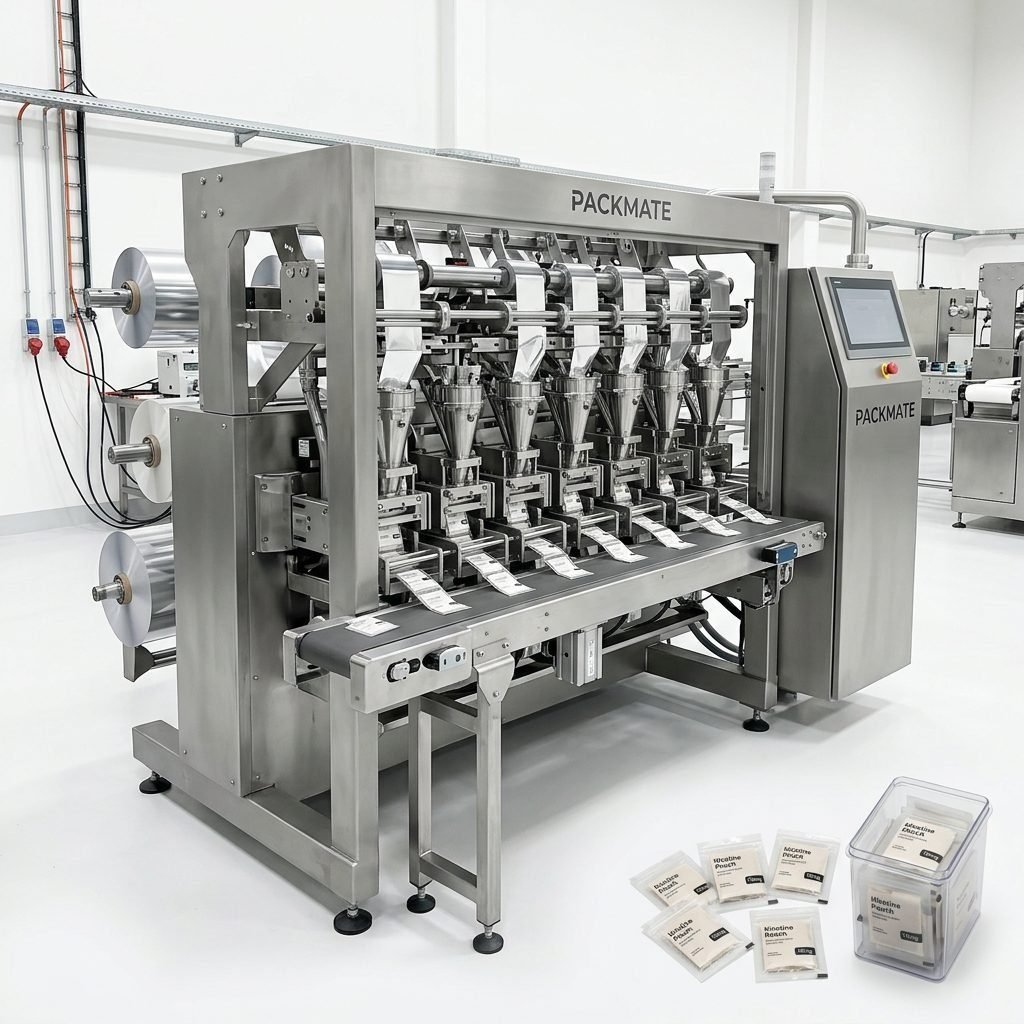
🔧 Multi-lane Filling Systems — Multi-lane platforms multiply throughput by running several pouch lanes in parallel while preserving individual pouch integrity. These systems are essential for scaling production without multiplying floor space.
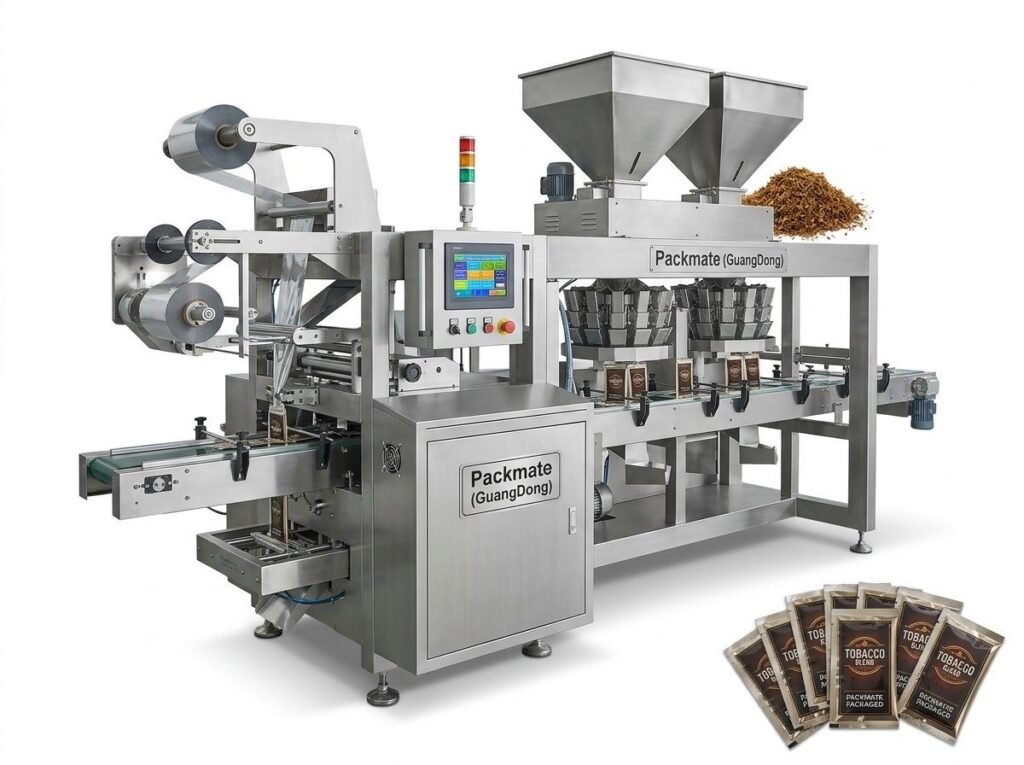
⚙️ High-precision Weighing & Metering — Accurate dosing eliminates rework and reduces ingredient waste. Combining gravimetric or volumetric feeders with fast-actuating valves ensures rapid, repeatable fills for powders, granules and micro-doses.
🔒 Advanced Sealing and Laminate Technologies — Reliable seals and barrier materials protect nicotine pouches from moisture and oxygen. Ultrasonic or heat-seal systems paired with optimized film laminates extend shelf-life while enabling tamper-evident features.
🤖 Integrated Automation & Vision Inspection — Real-time machine control coupled with camera-based inspection ensures pouch weight, seal integrity, and print quality are monitored continuously, reducing recalls and improving compliance.
Primary Benefits of High-Speed Multi-Lane Lines
✅ Increased throughput without proportional increases in labor or footprint.
✅ Better product consistency and reduced variation across batches.
✅ Easier path to scaling production for new SKUs or expanded distribution.
Enhancing Safety and Compliance in Nicotine Packaging
Safety is a paramount concern when handling nicotine products. Machines must be designed for contained filling, minimal dust generation, and easy cleaning. Packmate Snus Machine systems include hygienic design elements, stainless-contact surfaces, and CIP-friendly components where applicable to meet stringent hygiene and safety standards.
Regulatory compliance also requires traceability and documentation. Integrating PLC/HMI systems with production record-keeping enables manufacturers to track batch data, sealing parameters, and inspection results — essential for audits and certifications such as CE and ISO.
Quality Control Measures
🔍 Vision systems detect seal defects, misprints and foreign particles. Metal detectors and checkweighers provide additional safeguards against contaminations and gross weight deviations. These inspection layers reduce customer complaints and bolster brand reputation.
Efficiency Through Modular and Integrated Lines
Modern lines are modular: weighing, filling, forming, sealing and secondary packaging can be configured as discrete modules that interconnect. This modularity allows manufacturers to upgrade single components without replacing entire lines, improving ROI and future-proofing operations.
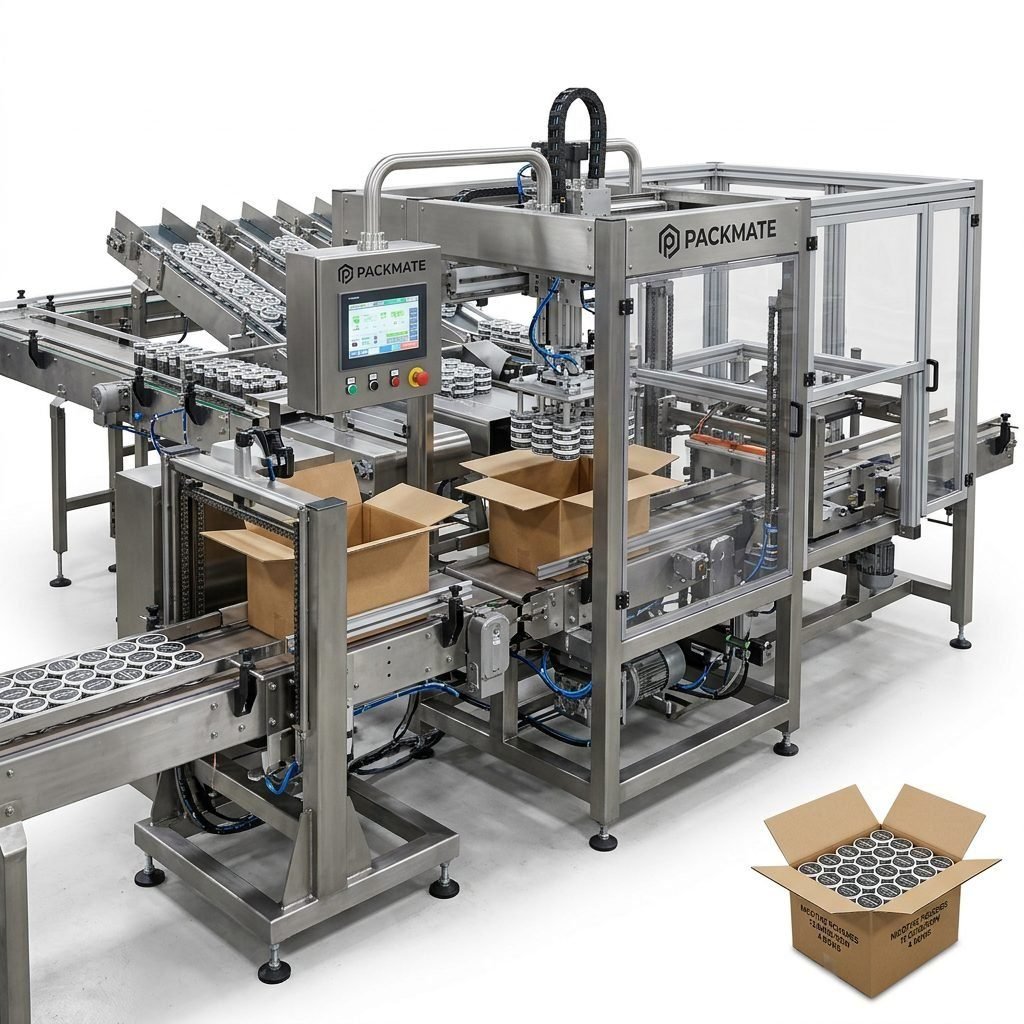
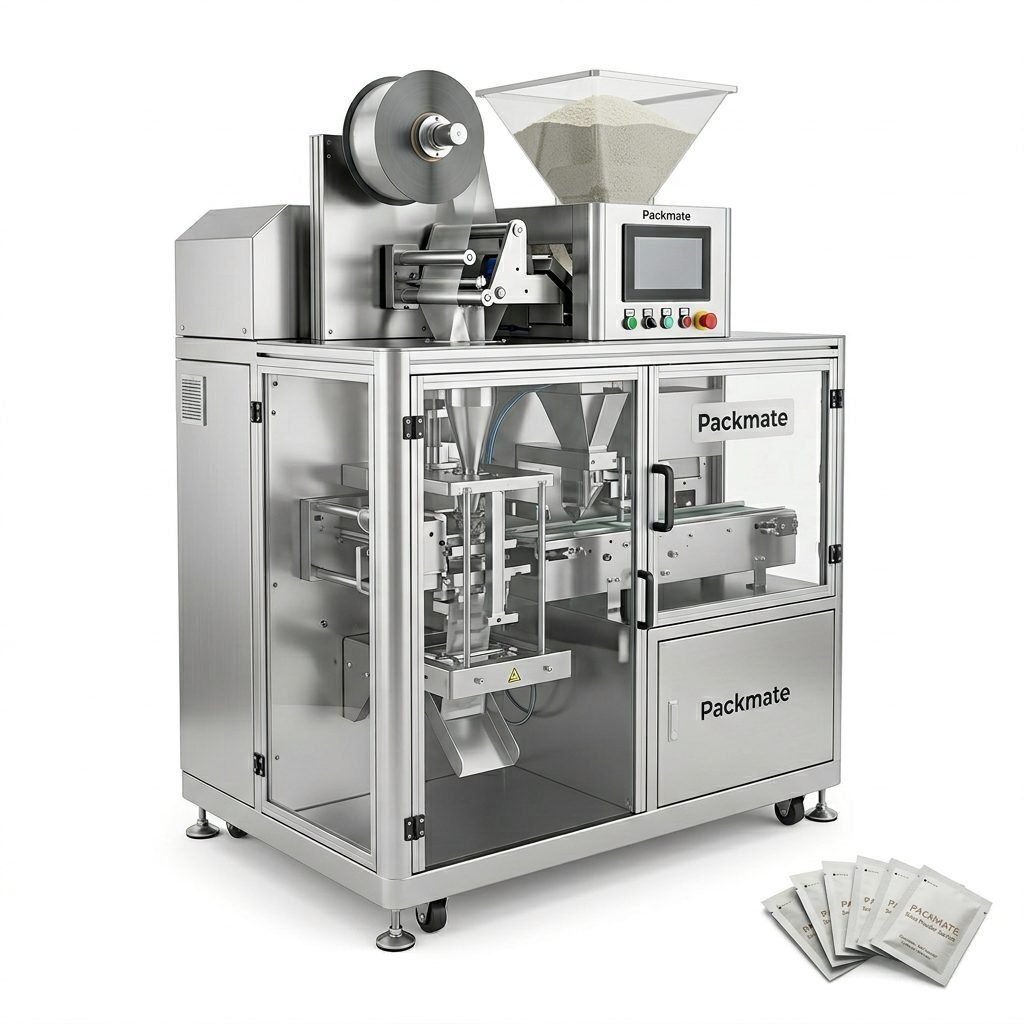
For complete solutions, Packmate integrates modules such as weigh-fillers, stick pack/form-fill-seal units and downstream cartoning to supply a turnkey production route. Explore a range of solutions here: Snus & Nicotine Packaging Machines and Sachet & Stick Pack Machines.
Customization: Tailoring Lines to Product and Market Needs
One size rarely fits all. Nicotine pouches vary in size, fill weight, moisture sensitivity, and regulatory labeling requirements. Custom options include variable lane counts, adjustable dosing modules for micro-gram accuracy, barrier film choices, and bespoke packaging formats for market differentiation.
When evaluating equipment, consider adaptability: can the machine switch between pouch sizes, retool quickly for new SKUs, and integrate new inspection tools? These capabilities reduce downtime during SKU changeovers and support fast product launches.
Customization Checklist
• Lane count and module scalability
• Fill technology suited to powders, granules or liquids
• Inspection and data capture for regulatory compliance
Design Considerations for Nicotine Pouches
Pouch geometry, sealing method and film selection are critical. Common pouch types—stick packs, sachets, and preformed pouches—each have different sealing and handling requirements. Equipment must handle delicate pouches without creasing or puncturing while maintaining consistent fill placement.
Film selection determines barrier performance. Multi-layer laminates with low oxygen transmission rate (OTR) and moisture barrier properties are preferred. Inline film handling systems must manage tension and registration accurately to ensure correct print alignment and precise cutting.
Sustainability and Material Choices
Environmental concerns motivate many brands to explore recyclable or mono-material structures. Packaging lines should be flexible enough to trial and validate new film formats without extensive retooling. This agility supports sustainability goals while maintaining production efficiency.
Maximizing Uptime: Maintenance, Training and Support
Reliable equipment is only as valuable as its uptime. Design choices that favor easy access to wear parts, quick-change modules, and clear maintenance intervals reduce downtime. Equally important is operator training and remote support capabilities that allow rapid troubleshooting and software updates.
Maintenance Best Practices
• Scheduled preventative maintenance with easy-to-replace wear parts.
• Remote diagnostics and spare-part kits for fast recovery.
• Operator training programs to minimize user errors and changeover time.
Selecting the Right Partner: Packmate Snus Machine
Choosing a supplier with deep domain expertise is crucial. Packmate offers over 30 years of experience designing snus and nicotine pouch machines, with a 20,000㎡ facility, advanced CNC capability, and 50+ machine models. Their turnkey approach includes consultation, customization, production testing, and after-sales support.
Learn about Packmate’s factory and certifications via their About page and Certificates, and see real-world implementations in the case studies: About Packmate, Certificate, Case.
Turnkey Services and Global Support
A true turnkey supplier supports installation, commissioning and staff training on-site, and often provides lifetime technical support. Packmate participates in major global exhibitions where customers can observe live demonstrations and validate equipment performance before purchase: Our Exhibition.
Integration with Weighing and Filling Systems
To achieve the best results, filling and weighing technologies must be tightly integrated with the form-fill-seal equipment. Visit solutions for complete lines here: Weighing & Packaging Systems and Filling & Packaging Lines.
Scaling and ROI Considerations
When evaluating ROI, analyze not just machine price but lifetime operating costs: energy consumption, spare parts, labor, and waste. High-efficiency lines with predictive maintenance and high first-pass yield will often outperform cheaper alternatives over the equipment lifecycle.
Practical Steps to Upgrade Your Production
1) Conduct a process audit to identify bottlenecks and quality issues. 2) Define target throughput and acceptable variability. 3) Select modular equipment capable of meeting current and future SKUs. 4) Plan for staff training and remote support. 5) Run pilot production and adjust parameters before full-scale ramp-up.
Get Started
Contact the manufacturer for a customized evaluation and line proposal: Contact Us.
Review catalogs and FAQs to understand standard modules and services: Catalog | FAQs.
Common Questions
Q1: What production speeds can modern multi-lane snus machines achieve?
A1: Depending on lane count and pouch format, modern multi-lane systems can achieve several thousand pouches per minute aggregated across lanes. Exact speed depends on pouch size, fill method and inspection steps.
Q2: How do I ensure regulatory compliance and traceability?
A2: Choose machines with integrated data logging, batch traceability, and optional serialization. Ensure the supplier has relevant certifications (CE, ISO) and offers documentation for audits.
Q3: Can the same line handle different pouch formats?
A3: Yes — many systems are modular and configurable for stick packs, sachets, and preformed pouches. Quick-change tooling and flexible software recipes reduce changeover time.
Q4: What maintenance is required to maximize uptime?
A4: Regular preventive maintenance, scheduled inspection of wear parts, and availability of spare-part kits reduce downtime. Remote diagnostics and operator training further improve reliability.
Q5: How do I get a customized proposal?
A5: Contact the supplier with product specifications, target throughput, and desired packaging formats. A site audit and pilot runs are recommended for an accurate, tailored proposal.