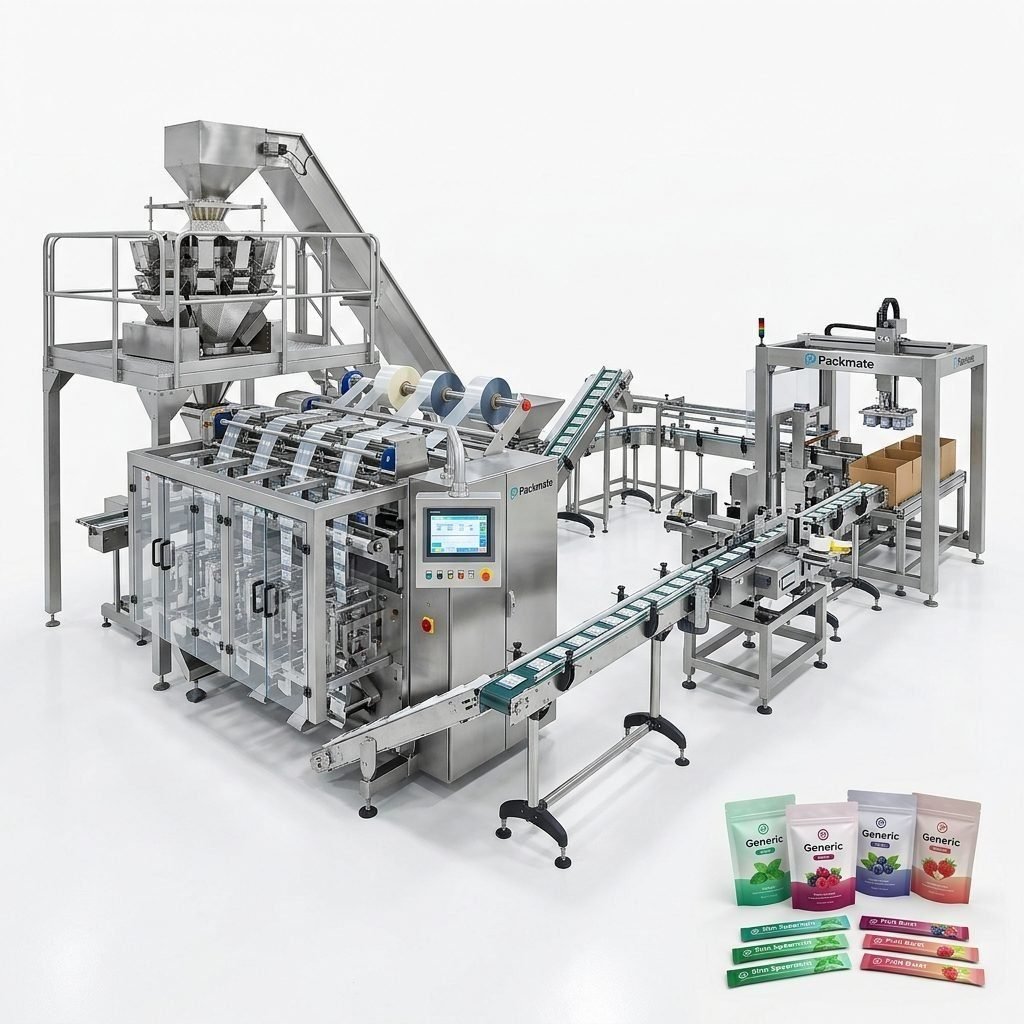
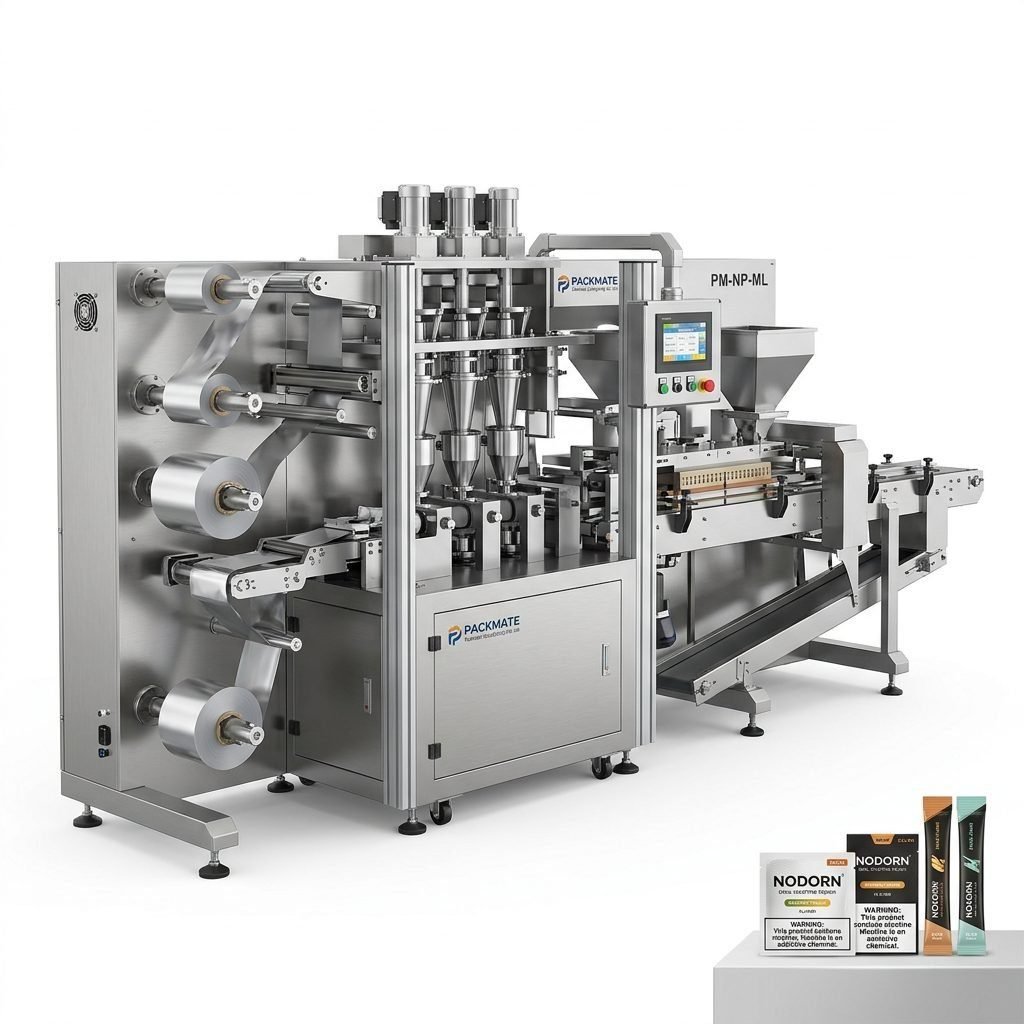
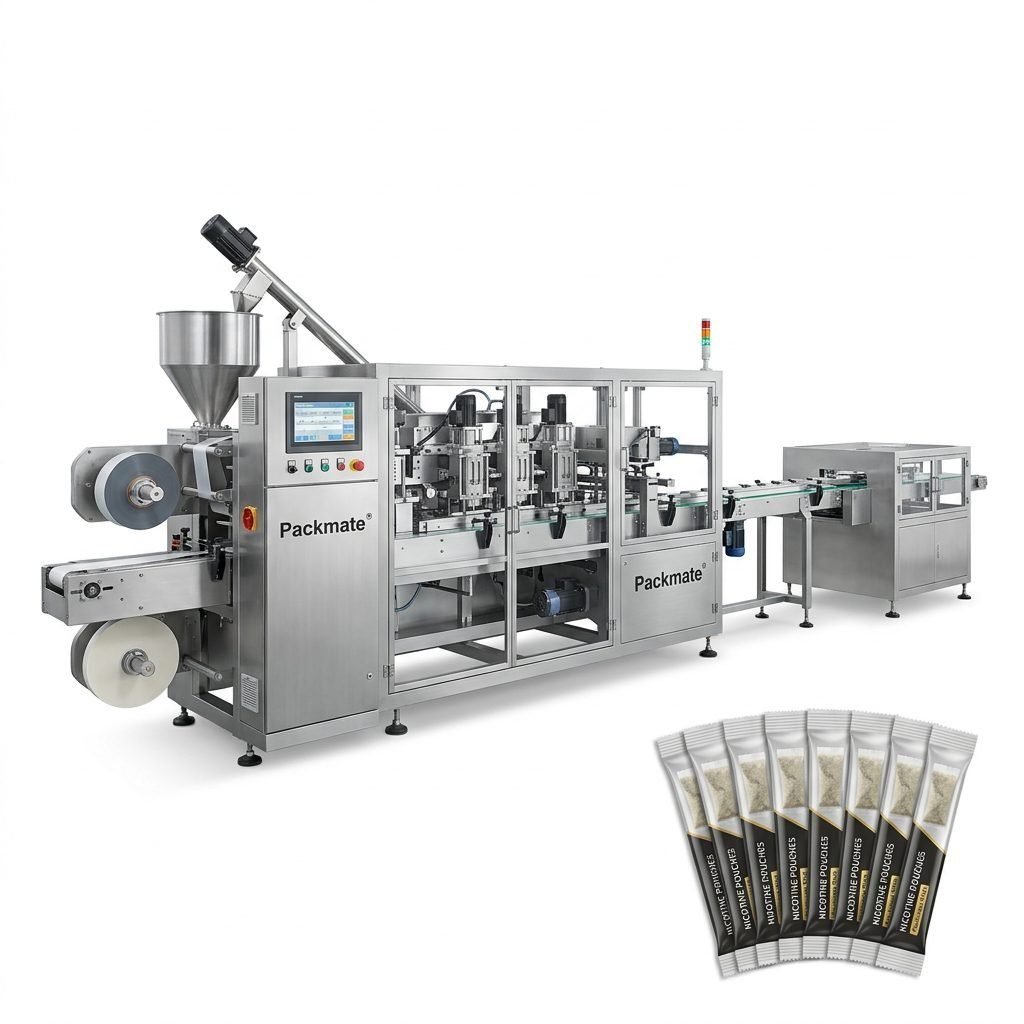
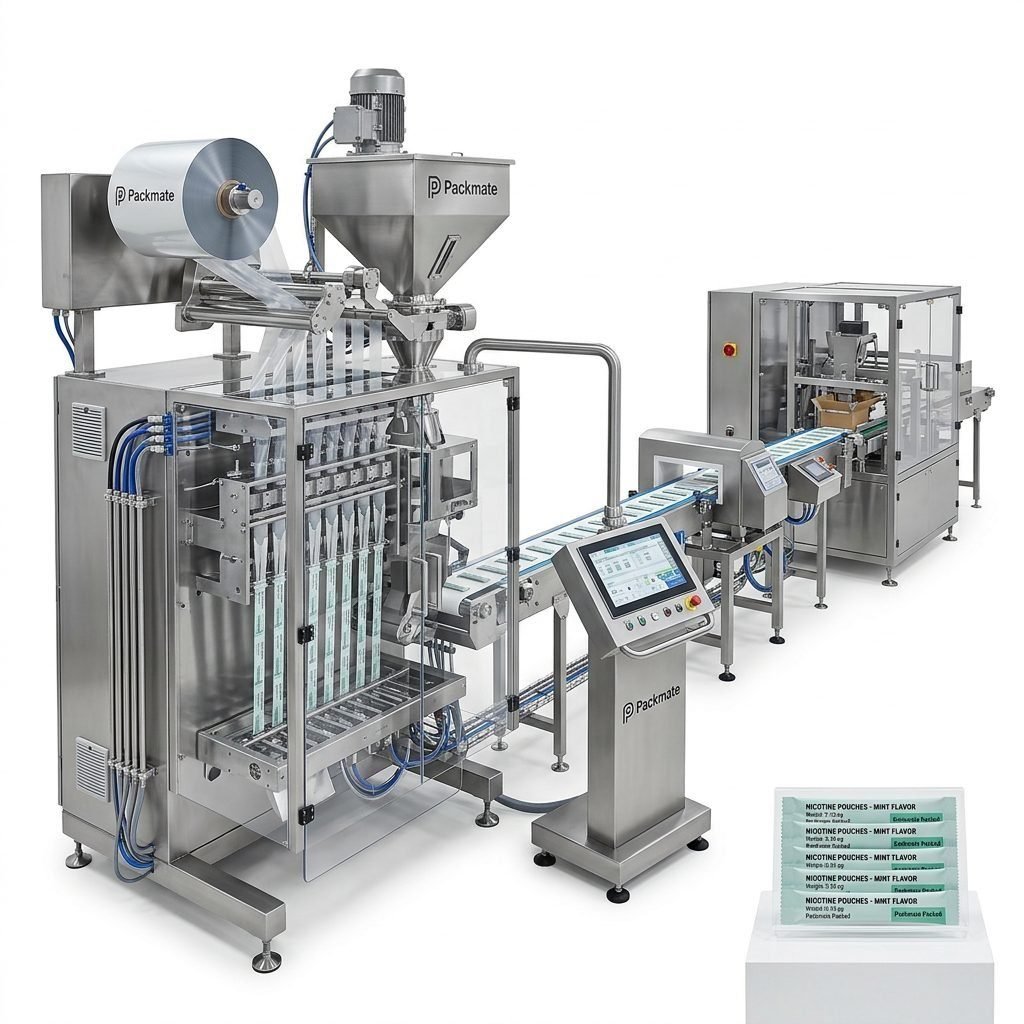
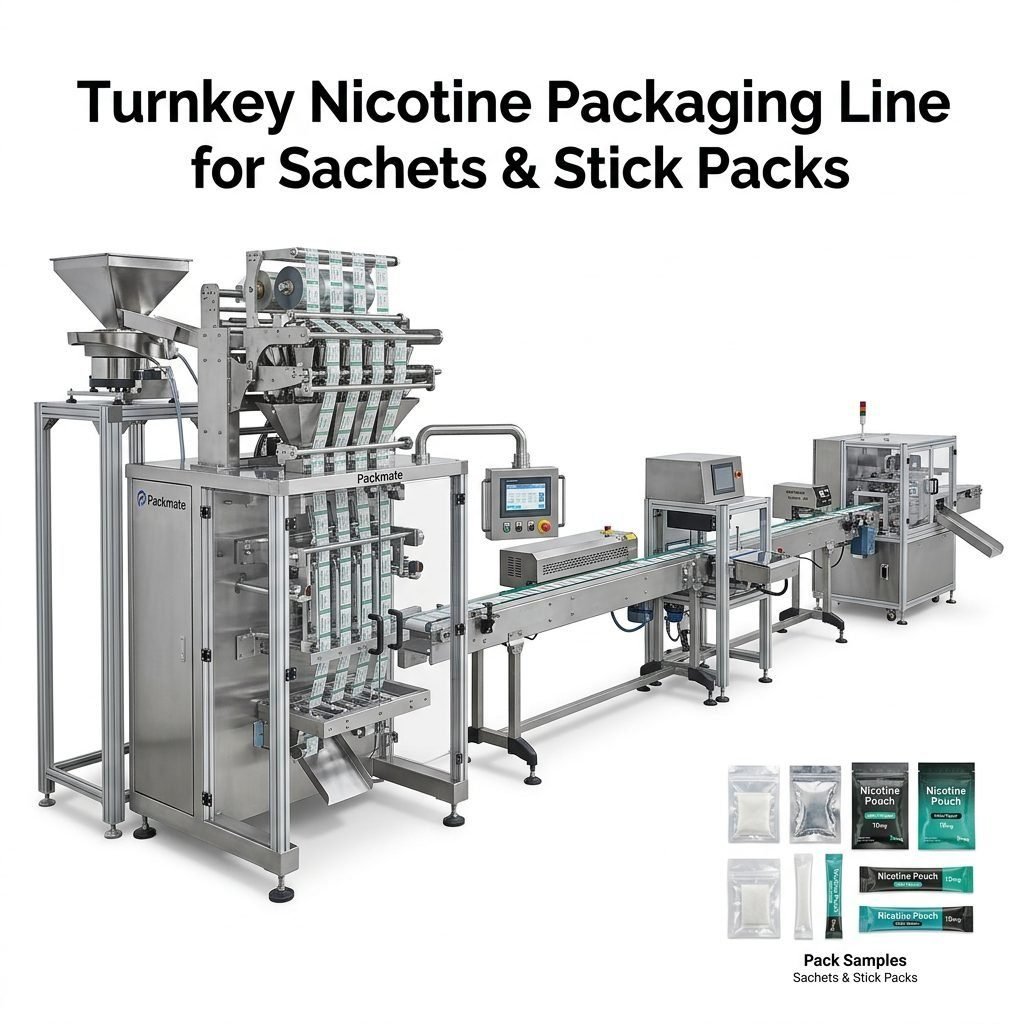
Choosing the right nicotine packaging machinery in Poland demands a careful balance of regulatory compliance, production capacity, long-term cost control, and supplier reliability. This buyer’s guide walks Polish manufacturers through practical steps to identify, compare, and buy the ideal snus and nicotine pouch packaging equipment that meets current market needs and future growth.
Understand the Polish market landscape and regulations
Poland’s tobacco and nicotine product market is evolving rapidly. As a manufacturer, you must account for local labeling, traceability, and product safety requirements. Discuss regulatory expectations with local counsel or a compliance specialist to ensure machines and packaging lines support required labeling accuracy, tamper-evident features, and serial number printing.
Key focus areas include product hygiene, controlled dosing for nicotine pouches, and the capability to integrate coding systems for batch numbers and dates. Machines that support flexible coding and vision systems for quality checks help reduce regulatory risks.
Select the right machine type for your product format
Product format drives machine choice. Common options:
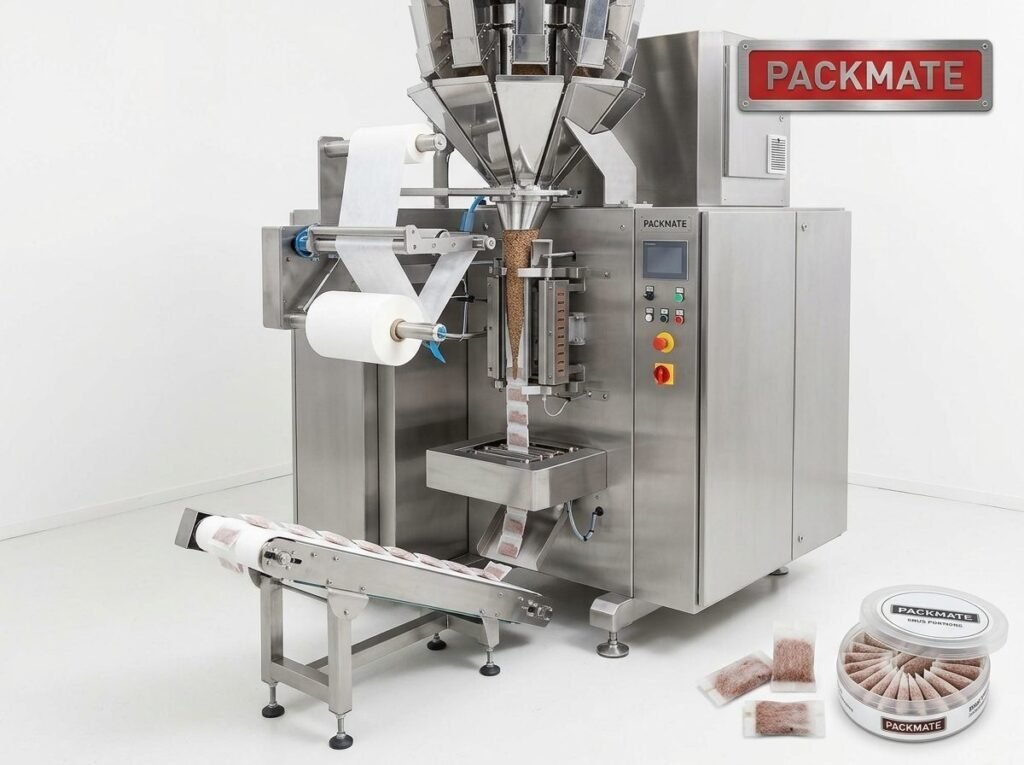
- Snus / nicotine pouch machines for preformed pouches and sealed cans.
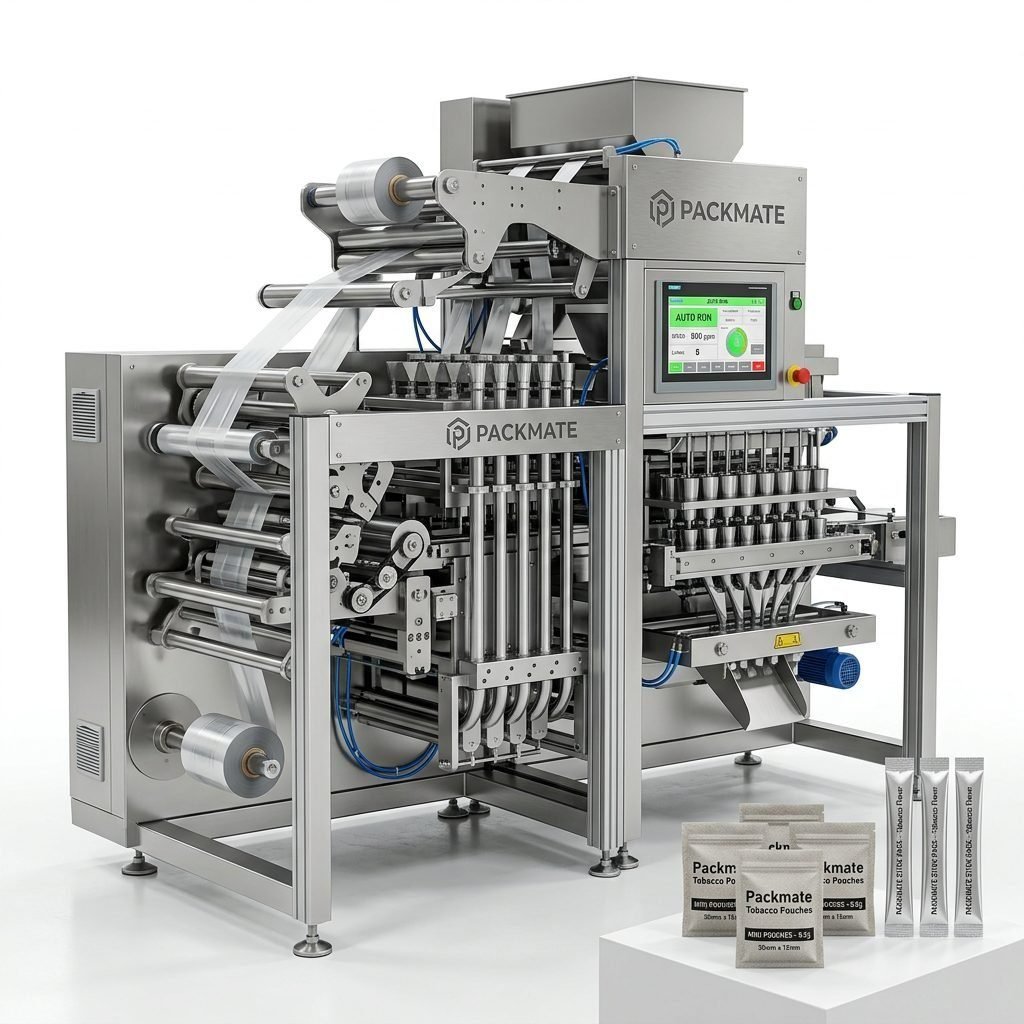
- Sachet and stick pack machines for single-dose formats and promotional packaging.
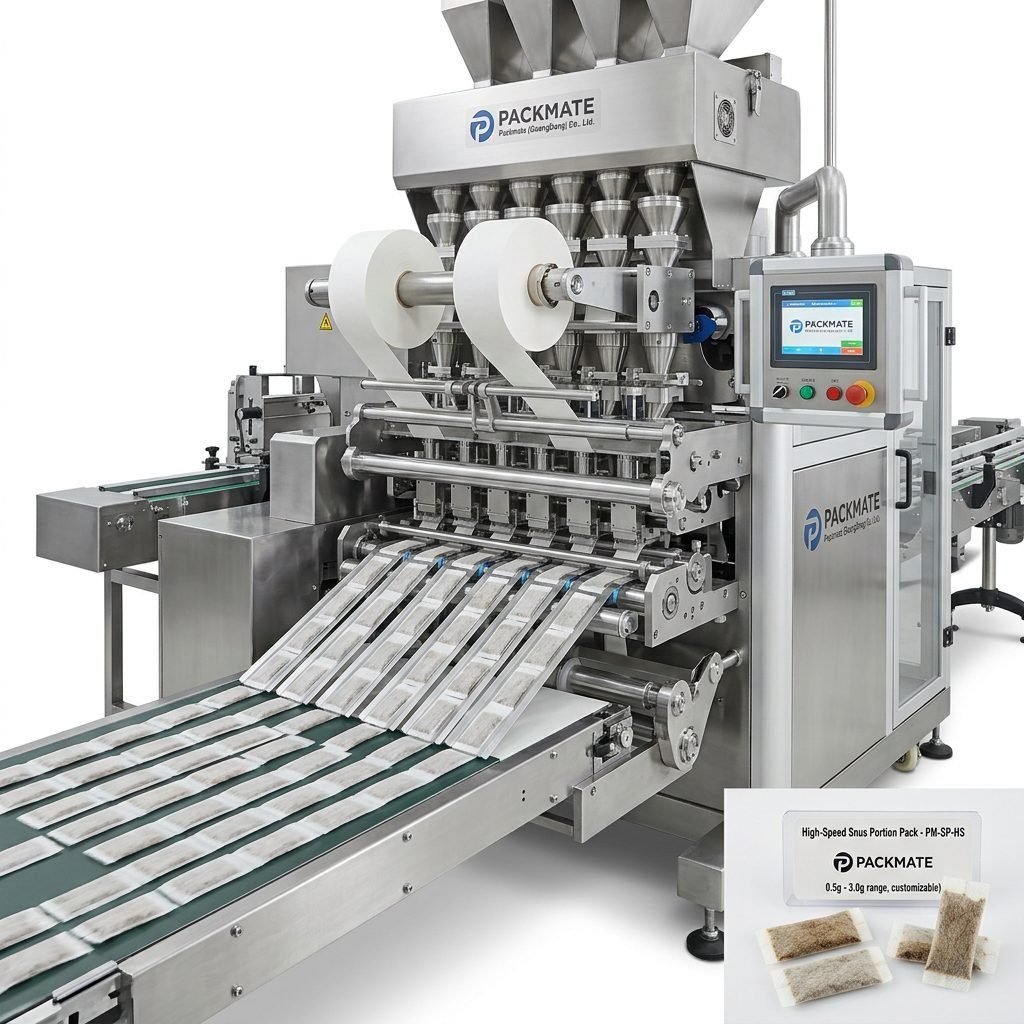
- Multi-lane fillers for high-output small-dose pouch production offering compact footprint and high throughput.
Recommended exploration links
For a deeper look at machine categories, review these resources:
Snus & Nicotine Packaging Machines,
Sachet & Stick Pack Machines, and
Bag & Pouch Packaging Machines.
Capacity, speed and throughput considerations
Evaluate current and forecasted production volumes. Machines are rated by cycles per minute and output per hour—but compare real-world throughput considering changeover time, downtime, and quality checks. Higher-speed equipment may demand more rigorous maintenance and trained operators.
Choose a machine whose rated throughput exceeds your baseline needs by 15–30% to allow for growth and reduced pressure during peak runs.
Accuracy, dosing and filling technology
Consistent nicotine dosing is crucial for compliance and customer trust. Decide between volumetric, auger, or weigh-based dosing depending on product type:
- Powders and blends: weigh-based or auger with feedback control for precision.
- Granules: auger or multi-head weigher upstream before pouch filling.
- Liquids: piston or peristaltic pumps with accurate metering.
For combined systems, consider modular lines that allow swapping dosing modules without full machine replacement.
Material compatibility and packaging flexibility
Check the materials the machine can handle: laminated films, biodegradable films, aluminum foils, and pre-formed pouches. Flexibility to run multiple film types reduces the need for specialized machines and lowers inventory costs.
Look for easy film changeover features, tool-less adjustments, and memory settings for different SKUs to accelerate format changes.
Automation, integration and Industry 4.0 readiness
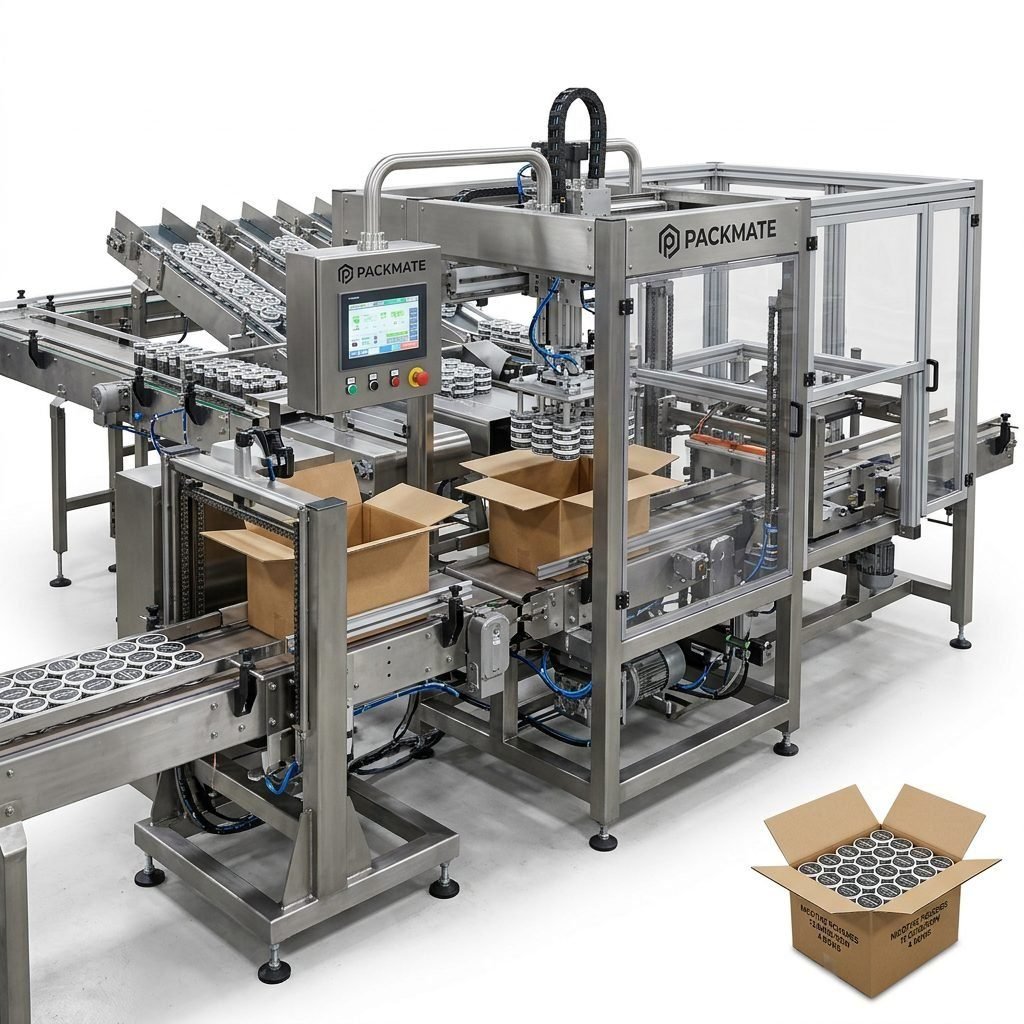
Modern lines should integrate upstream and downstream equipment: feeders, multi-head weighers, conveyors, checkweighers, metal detectors, and case packers. Seek machines with standard communication protocols (OPC UA, Modbus) and HMI systems that support remote diagnostics.
Industry 4.0 features reduce downtime and allow predictive maintenance—invest in telemetry-capable machines if you plan multi-shift production.
Build quality, certifications and compliance
Choose machines built to international standards: CE and ISO certifications matter for safety and export. Stainless steel contact parts, washdown capability, and hygienic design are essential for nicotine pouch production to avoid contamination.
Packmate emphasizes robust manufacturing and quality testing—review factory capabilities, CNC machining centers, and assembly processes when evaluating suppliers.
Total cost of ownership (TCO) vs. upfront price
Don’t buy on sticker price alone. TCO includes downtime, spare parts, energy consumption, training, and service contracts. A slightly higher-capacity, higher-quality machine may lower cost per pouch over its lifecycle.
Checklist when calculating TCO
– Spare parts lead time and cost
– Mean time between failures (MTBF) estimates
– Local service availability and remote support
– Energy consumption per shift
– Expected depreciation and resale value
Service, spare parts and training
Reliable after-sales service is a top priority. Confirm response times for Poland, availability of local technicians or partners, and whether remote diagnostics are offered. Ask suppliers about training programs for operators and maintenance staff to reduce human error.
Suppliers with global service footprints and a clear spare parts supply chain are preferable. Visit the manufacturer’s “Service” and “Contact” pages for specifics: Service, Contact Us.
Factory visits, trials and proof of performance
Whenever possible, conduct a factory acceptance test (FAT) or witness a production trial. Request sample runs with your product to validate fill accuracy, sealing performance, and packaging aesthetics. A live demo helps reveal changeover complexity and operator ergonomics.
Review case studies and customer references for similar markets—suppliers often publish successful implementations and exhibition demos. For example, see the Packmate case gallery for reference projects: Case.
Customization and turnkey solutions
Many manufacturers offer modular and turnkey lines tailored to nicotine pouch requirements — from dosing and pouch forming to canning and secondary packing. Evaluate whether you need a customized line or a standard machine with add-ons. Custom turnkey solutions often include project management, installation, and start-up support.
Packmate provides full packaging solutions and multi-lane systems designed for small-dose pouch production—useful when scaling output efficiently.
Supplier evaluation template
Rate potential suppliers on these criteria:
- Machine performance and reliability in similar applications
- Regulatory compliance and certifications (CE/ISO)
- Service network and spare parts availability
- FAT and on-site commissioning support
- TCO transparency and warranty terms
Ask suppliers for a simple KPI sheet: uptime targets, mean repair time, and spare part lead times—score each item to compare objectively.
Financing, lead time and delivery planning
Project planning should include lead times for machine build, shipping to Poland, customs clearance, installation, and validation. Discuss financing options, phased purchases (start with a core line and scale), and pilot programs to spread capital expense.
Why consider Packmate as a supplier?
Packmate (GuangDong) Co., Ltd. brings 30+ years of packaging machine engineering, a 20,000㎡ factory with advanced CNC capabilities, and a product range that covers snus, stick pack, sachet, and full turnkey lines. Their machines are widely used across nicotine pouch markets and they emphasize high-performance multi-lane systems suitable for small-dose pouch production.
For company details and certifications, refer to their About and Certificate pages: About Packmate, Certificate.
Final selection checklist before purchase
– Confirm product trial results and FAT outcomes.
– Verify compliance with Polish/EU regulations and labeling needs.
– Assess spare part logistics and local service capability.
– Get a written TCO analysis including energy and maintenance.
– Secure a warranty and agreed SLA for downtime response.
Next steps
Start by compiling product specifications, target hourly output, and preferred packaging formats. Reach out to manufacturers with clear RFPs and request FAT dates. Use supplier links to gather technical brochures and schedule demonstrations: Weighing & Packaging Systems and Filling & Packaging Lines offer complementary modules you may need.
Balance production goals with maintainability. The best machine is the one that sustainably meets quality, throughput, and regulatory needs over years, not just hours.
Common questions (FAQ)
Q: What certifications should I require from a nicotine pouch machine supplier?
A: Ask for CE and ISO certificates, hygiene and material safety declarations, and evidence that electrical and mechanical systems meet EU standards.
Q: How important is a factory acceptance test (FAT)?
A: FATs are critical. They validate performance with your product, reduce on-site commissioning time, and allow you to document acceptance criteria before shipment.
Q: How do I ensure consistent nicotine dosing?
A: Select appropriate dosing technology (weigh-based for powders, pumps for liquids) and insist on closed-loop control and regular calibration procedures.
Q: What level of automation is cost-effective for small to mid-sized operations?
A: Start with modular automation: automated filling and sealing plus semi-automated secondary packing. This allows scaling to full automation as volumes grow.
Q: Where can I view examples and request support?
A: Check supplier galleries and service pages for case studies and contact details to request demos—see Our Exhibition and FAQs.