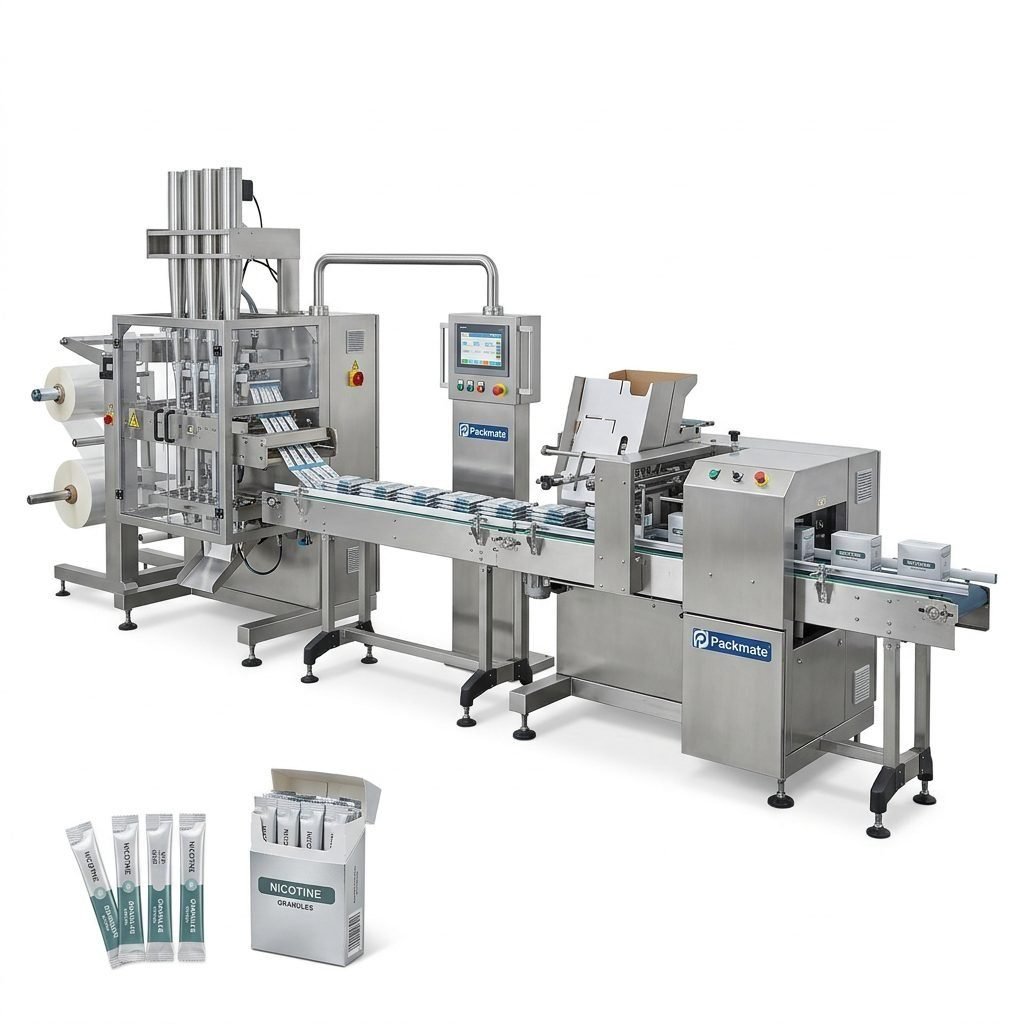
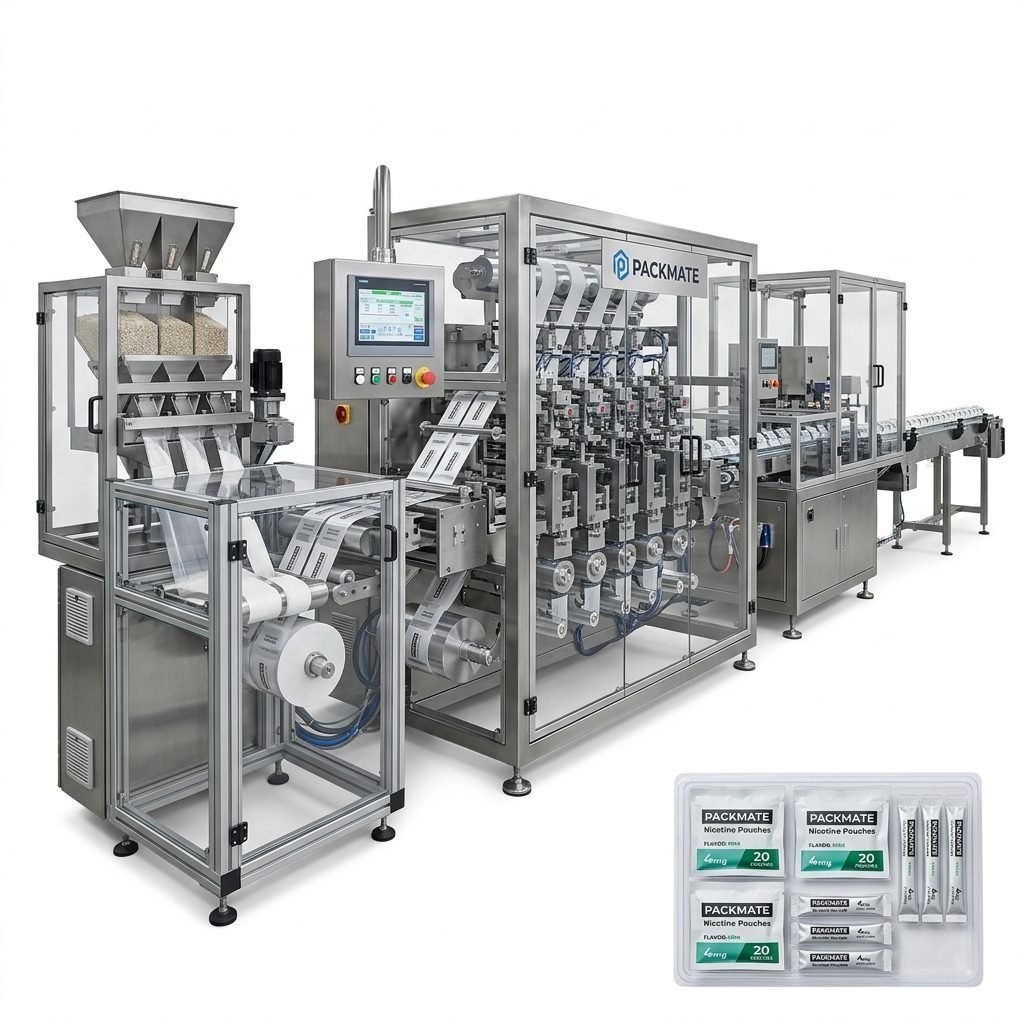
In the rapidly evolving snus and nicotine pouch market, manufacturers are under constant pressure to increase throughput, ensure consistent dosing, and meet strict regulatory standards. Choosing a tailored, automatic packing solution can transform production efficiency while protecting product integrity. This article outlines practical considerations for designing and implementing custom snus filling solutions, highlights Packmate’s engineering strengths, and offers guidance on selecting the right automated packing machine for your operation.
Industry Context and Market Drivers
The global shift toward smoke-free nicotine alternatives and rising consumer demand for discreet, single-serve formats have driven expansion in snus and nicotine pouch production. Manufacturers face several critical market drivers: higher lane counts for multi-lane pouch lines, precise filling systems for small-dose products, and hygienic designs for compliance with international standards. Investing in an automated line tailored for snus production not only improves throughput but also reduces waste and labor dependency.
🔶 Key market demands: consistent dosing, hygiene, multi-lane scalability, and quick format changeovers for different pouch sizes and blends.
Types of Automatic Packing Machines for Snus
Snus production commonly uses several machine architectures depending on product format and production goals:
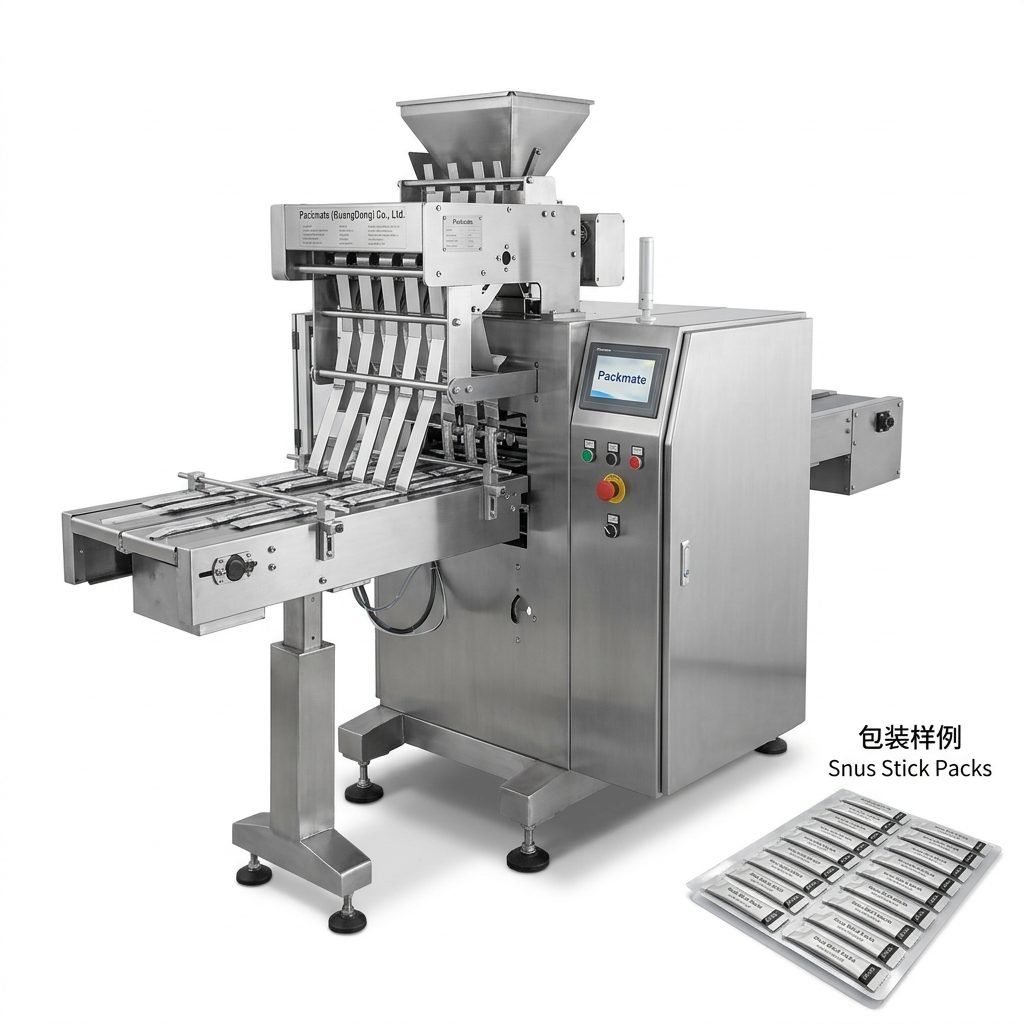
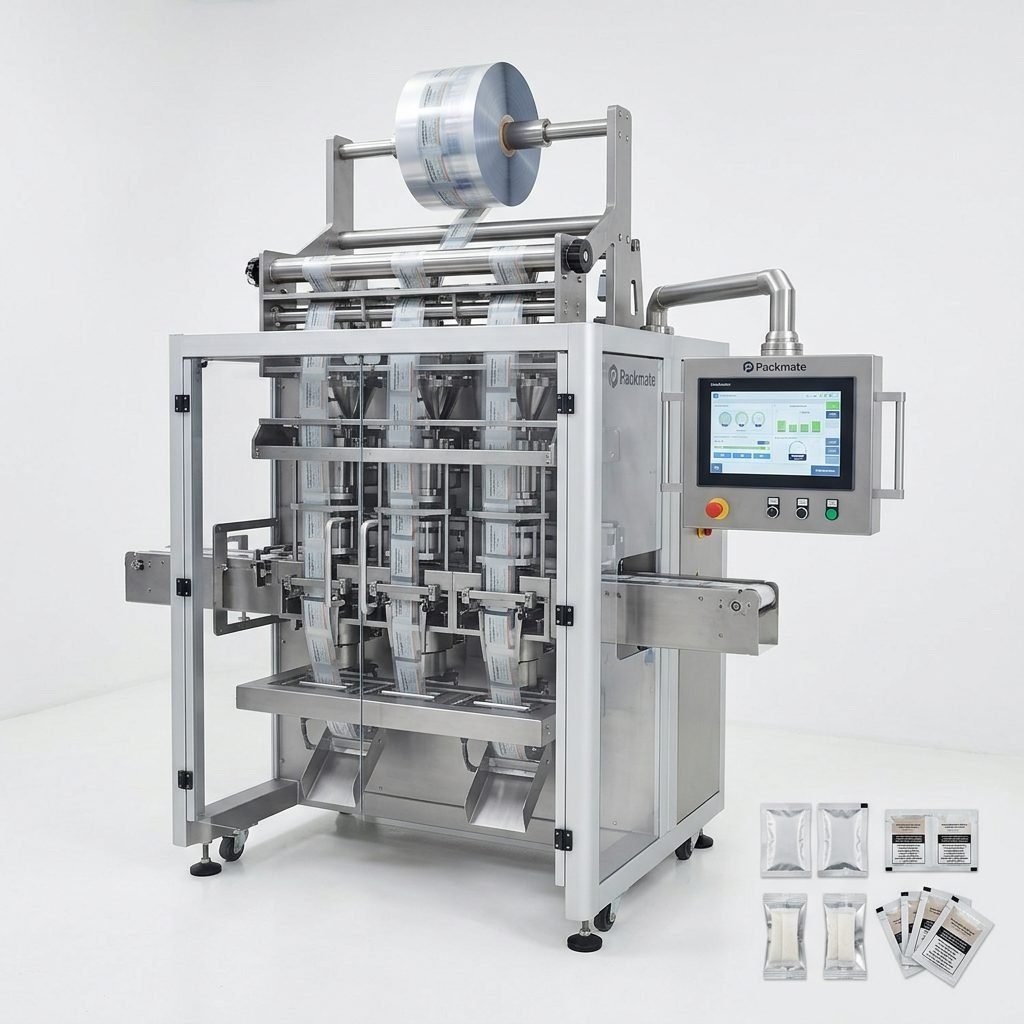
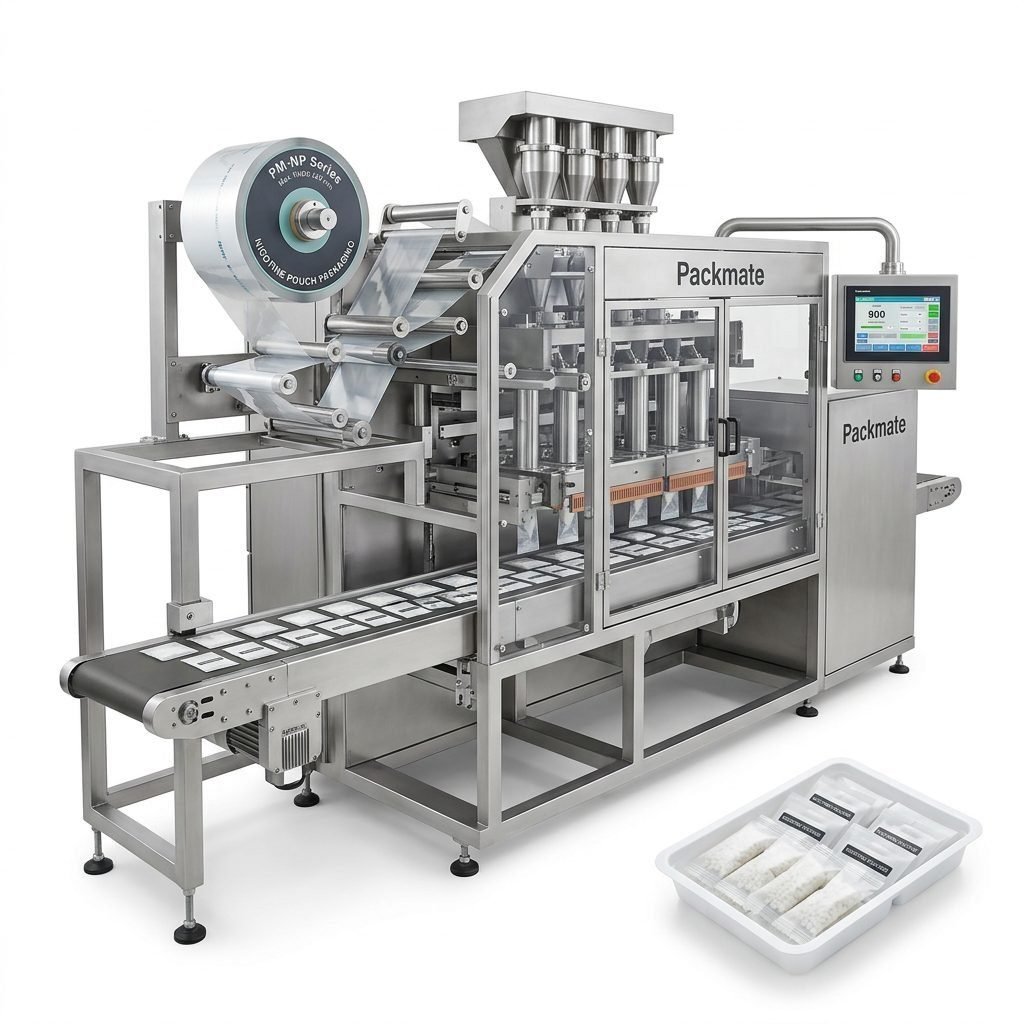
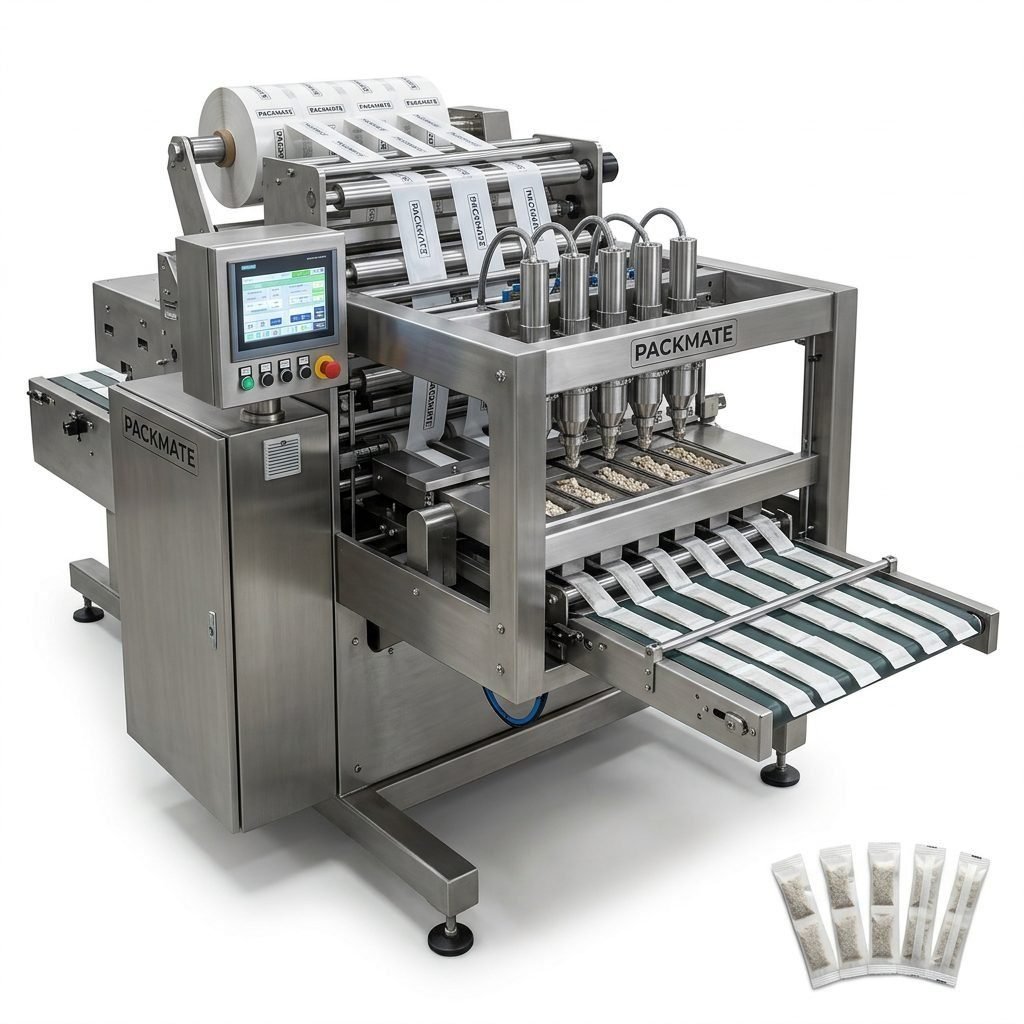
- Multi-lane stick pack machines — ideal for high-speed sanitary packaging of small-dose pouches.
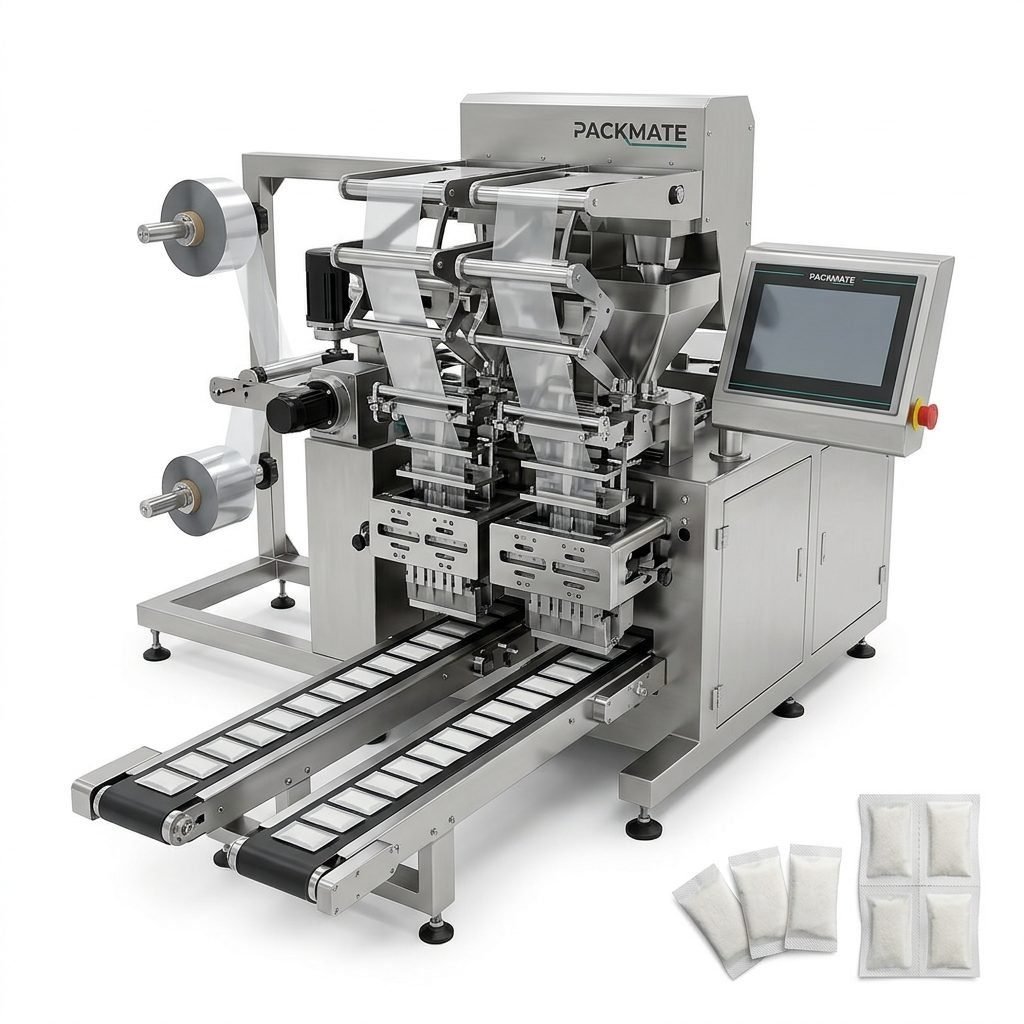
- Sachet & stick pack systems — flexible machines for single or multi-dose sachets with rapid format change.
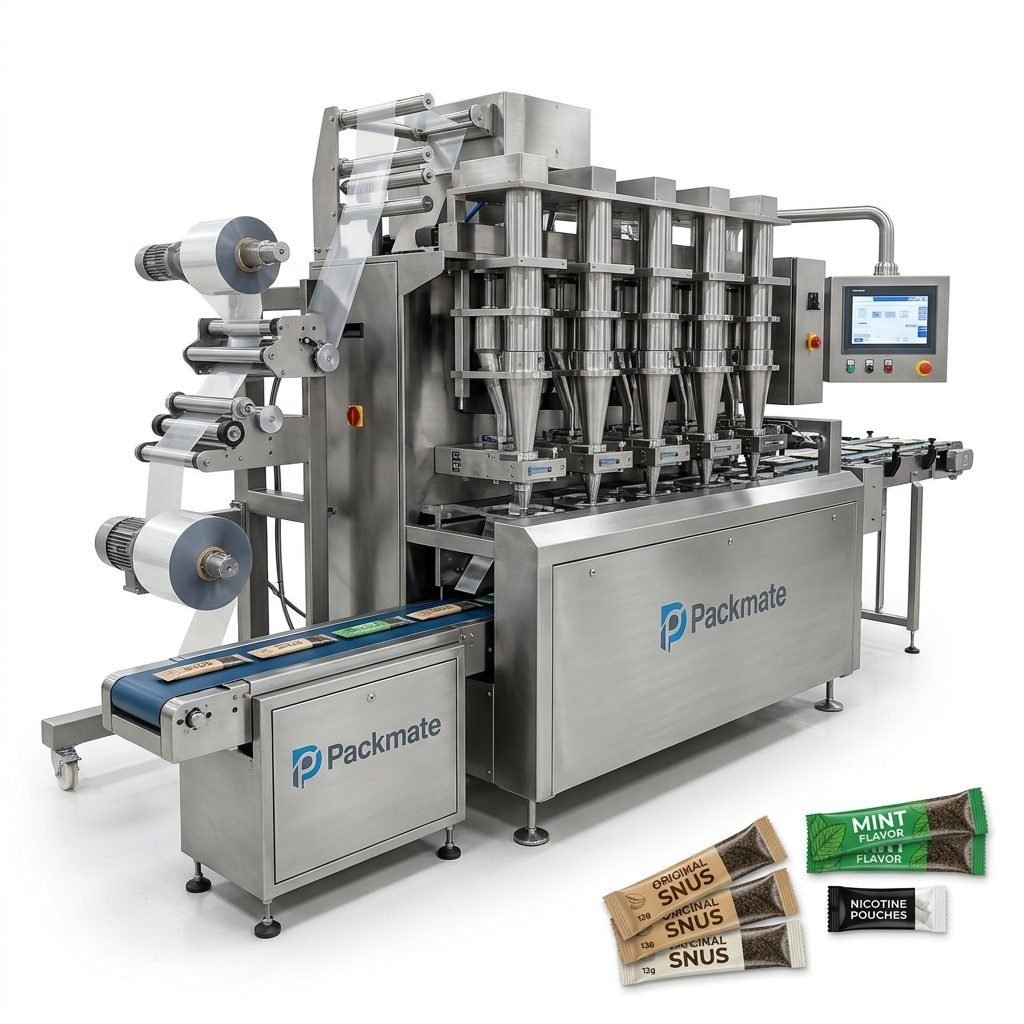
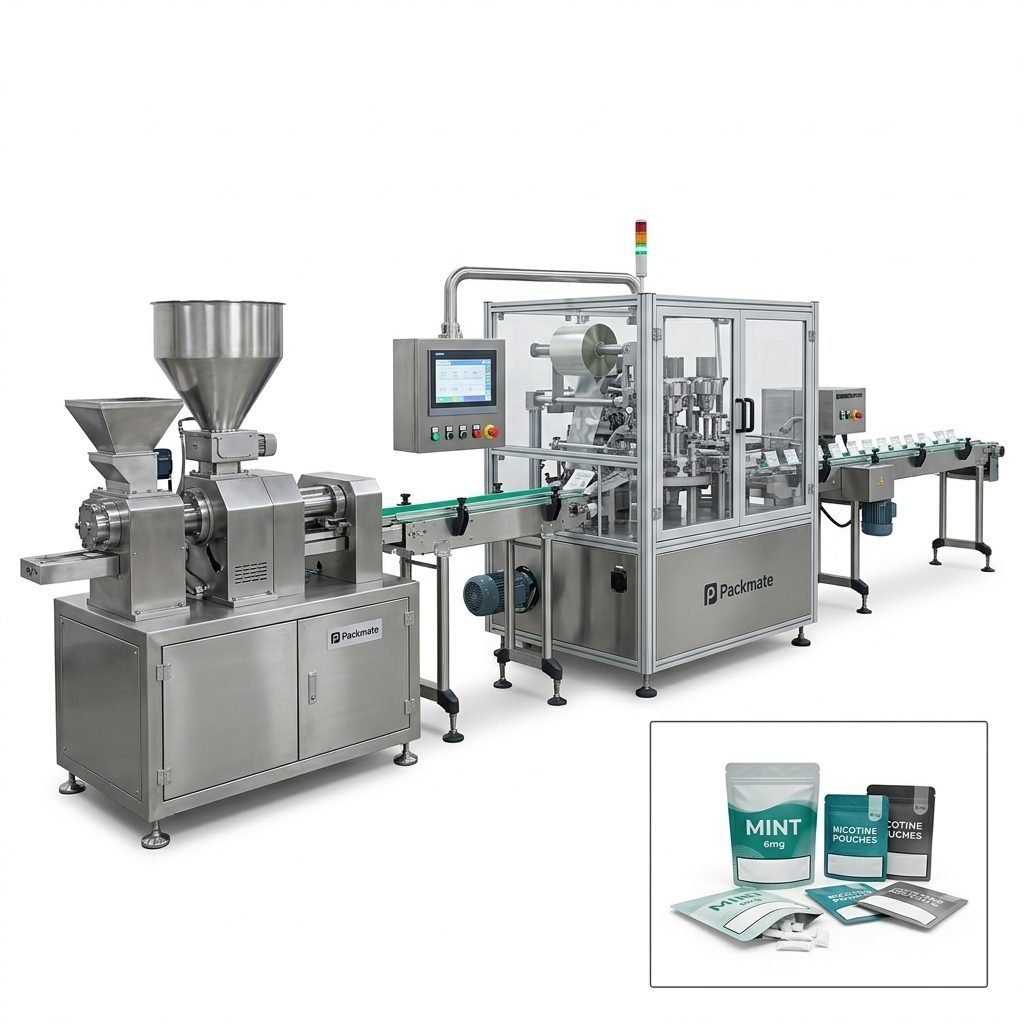
- Form-fill-seal (FFS) pouch lines — for pre-formed pouches or custom zippered formats.
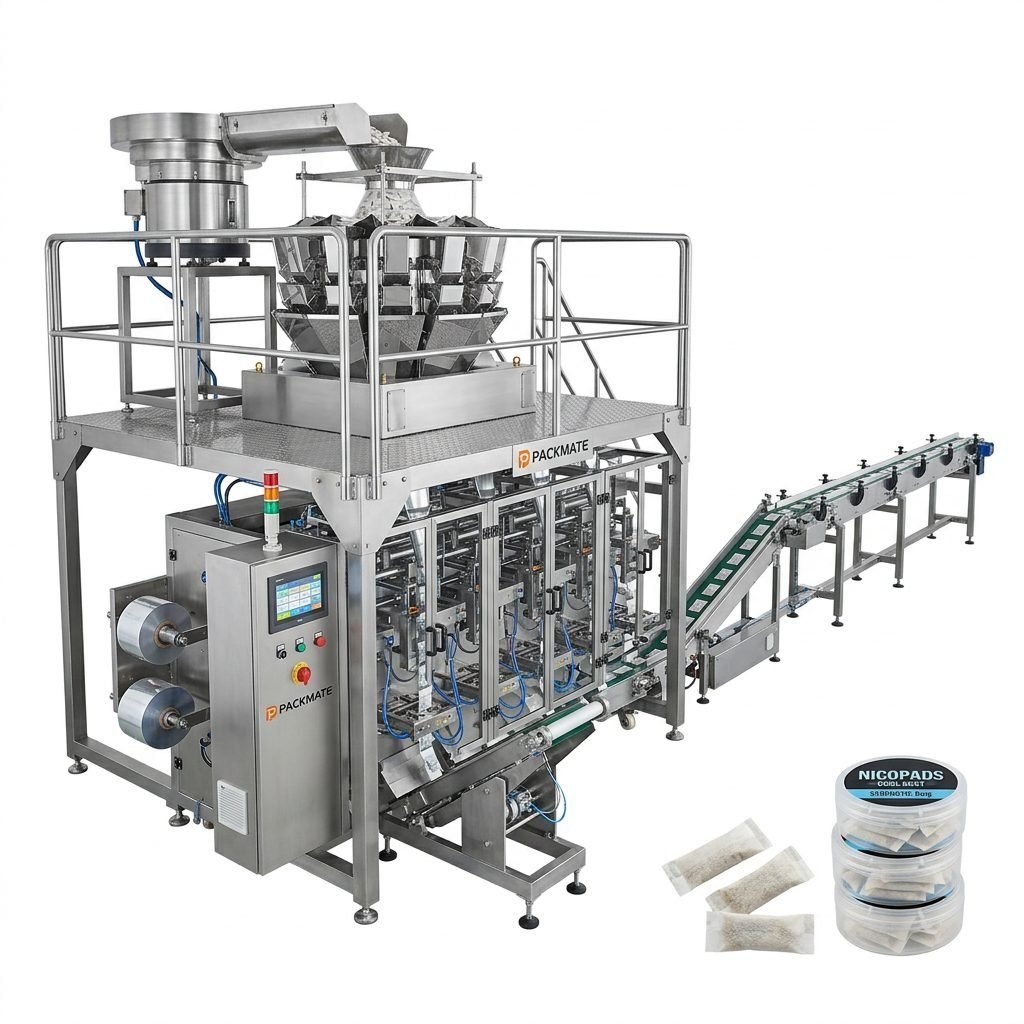
- Automated weighing & dosing integrated lines — necessary where precise micro-dosing is required.
Why Customization Matters
Off-the-shelf machines can be a quick fix, but snus production often demands bespoke solutions. Customization allows manufacturers to:
✅ tailor dosing systems for micro-gram accuracy;
✅ configure lane counts to match target throughput;
✅ integrate automated feeding, conveying, and vision inspection;
✅ ensure materials and surfaces meet local hygiene standards and customer preferences.
Engineering Focus: Precision Filling and Stability
For snus and nicotine pouches, filling accuracy is critical for regulatory compliance and consumer satisfaction. Key engineering elements include:
- Advanced volumetric or gravimetric dosing systems calibrated for low-dose powders and blends.
- High-precision multi-lane synchronization to avoid cross-lane variance.
- Servo-driven cam or rotary systems for exact pouch forming and sealing.
- In-line quality control, including weight checks and vision systems for packaging integrity.
Packmate’s Capabilities and Factory Strength
Packmate Snus Machine brings over 30 years of automation experience and a 20,000㎡ production facility equipped with advanced CNC machining centers. With 50+ machine models and strict quality testing, Packmate can deliver high-precision solutions, including multi-lane lines optimized for nicotine pouches, stick packs, and sachets. To explore relevant product families, see the Snus & Nicotine Packaging Machines and Sachet & Stick Pack Machines product pages.
Links for reference: Snus & Nicotine Packaging Machines, Sachet & Stick Pack Machines, Filling & Packaging Lines.
Designing a Turnkey Snus Production Line
A turnkey solution requires integration across multiple subsystems: raw material handling, dosing, pouch forming, sealing, secondary packaging, and QC. A typical workflow includes:
- Raw ingredient storage and automated feeding to dosing stations.
- Precision dosing into pouches via multi-head weighers or volumetric fillers.
- Forming, sealing, and cutting with servo-controlled timing to ensure consistency.
- In-line inspection and rejection for out-of-spec units.
- Automated case packing and palletizing for logistics.
⚙️ Integration tip: choose modular equipment that allows future lane additions and faster changeovers to adapt to market demand.
Hygiene, Materials, and Regulatory Compliance
Snus manufacturing requires hygienic machine design, sanitary materials, and easy-clean features. Packmate’s equipment adheres to CE and ISO standards and supports materials and finishes that minimize contamination risk. When designing a line, prioritize:
- Stainless-steel contact surfaces (AISI 304/316 as appropriate).
- Tool-free quick-change parts to reduce cleaning time.
- Enclosed dosing zones for dust control and worker safety.
- Comprehensive documentation for regulatory audits.
Operational Efficiency and ROI
Investing in tailored equipment yields measurable returns: reduced labor costs, decreased product giveaway from overfilling, fewer defects, and higher uptime. To evaluate ROI, manufacturers should model:
- Throughput gains from additional lanes or higher cycle speeds.
- Material savings from precise dosing.
- Labor and maintenance cost reductions via automation.
- Revenue uplift due to improved product consistency and capacity to meet larger orders.
Service, Spare Parts, and Global Support
Long-term productivity hinges on responsive service and readily available spare parts. Packmate offers global turnkey solutions and engineering support—see About Packmate and Service for details. Remote troubleshooting, preventive maintenance programs, and on-site commissioning are critical to minimize downtime and protect production schedules.
Helpful resources: About Packmate, Service, Case.
Case Study Snapshot
A European snus producer needed to increase output while meeting strict Nordic hygiene standards. Packmate designed a 12-lane stick pack line with gravimetric dosing, in-line weight checks, and a quick-change system for different pouch sizes. Results included a 3x capacity increase, 95% reduction in dose variance, and lower labor requirements—allowing the customer to expand into export markets.
Selecting the Right Supplier
When evaluating vendors, consider engineering experience, manufacturing capability, compliance records, and after-sales support. Ask for factory visits, performance data, references, and a clear plan for spare parts. Packmate’s 30+ years in packaging machinery and advanced manufacturing systems make it a strong partner in the snus sector.
🔍 Checklist for vendor evaluation: engineering history, sample test runs, certifications (CE/ISO), spare parts inventory, and global service network.
Installation, Commissioning, and Training
Proper installation and operator training are essential. A comprehensive project plan should include layout validation, FAT (Factory Acceptance Test), SAT (Site Acceptance Test), and hands-on operator training. Packmate supports commissioning and can provide tailored operator manuals, maintenance schedules, and remote training options to accelerate production ramp-up.
Local Considerations and Cultural Notes (Nordic & European Markets)
In regions with established snus traditions—such as Nordic countries—manufacturers often emphasize product authenticity, strict hygiene, and compliance with local chemical labeling and waste rules. Equipment should support traceability and documentation to satisfy both regulators and discerning consumers. Packmate’s global experience ensures designs that reflect local production customs and regulatory expectations.
Future-Proofing Your Snus Line
Flexibility and modularity are key to future-proof investment. Opt for scalable lane modules, easy integration with secondary packaging, and Industry 4.0-ready controls for data collection and remote monitoring. These capabilities allow rapid response to market trends and help maintain competitive advantage.
📦 Pro tip: specify PLC and HMI standards that support easy software updates and connectivity for analytics.
How to Start: Project Roadmap
Start with a clear scope: desired output, product formats, regulatory targets, and budget. Next steps typically include:
- Feasibility and layout planning.
- Prototype or trial runs using client formulations.
- FAT and performance validation.
- Installation, training, and ramp-up support.
Conclusion
Custom automatic snus packing machines are a strategic investment for manufacturers seeking higher throughput, consistent dosing, and strong regulatory compliance. By partnering with an experienced OEM that offers turnkey solutions and global support, you reduce risk and accelerate market entry. For more detailed product information and to view real-world examples, explore Packmate’s product lines and case studies.
Useful links: Bag & Pouch Packaging Machines, Contact Us.
Common Questions
Q1: How quickly can a custom snus filling line be delivered and commissioned?
A1: Typical lead times depend on customization level; standard multi-lane modules can be delivered in months, while full turnkey lines with FAT and site commissioning may take longer. Early scope definition accelerates delivery.
Q2: What level of dosing accuracy can I expect for small-dose nicotine pouches?
A2: With gravimetric and servo-assisted dosing, dose variance can be reduced to very low levels (single-digit milligrams or better depending on formulation). In-line check weighers further ensure consistency.
Q3: Does Packmate provide validation, spare parts, and training services?
A3: Yes. Packmate offers commissioning, operator training, preventive maintenance plans, and spare parts support. See the Service and FAQs pages for more information.
Q4: Can you run trials with our formulations before ordering?
A4: Most reputable suppliers, including Packmate, offer trial runs or pilot testing to validate machine performance with client-specific blends prior to final purchase.
Q5: What certifications should I expect for an export-ready snus packing machine?
A5: Look for CE and ISO compliance as baseline certifications. Additional local certifications may be required depending on destination markets; consult your supplier for documentation and support.