Choosing the right supplier for nicotine pouch and snus packaging machines in the Maldives is a strategic move that affects product quality, line uptime, regulatory compliance, and long-term business growth. This guide helps Maldives importers, contract manufacturers, and brands understand what to prioritize when selecting a supplier — from machine performance and humidity-resistant design to after-sales service and customs considerations unique to island markets.
Why the supplier choice matters for Maldives operations
The Maldives’ geographic isolation, humid oceanic climate, and small domestic market create particular requirements for packaging equipment. A dependable supplier ensures:
🔸 Reliable uptime — machines that keep running without frequent breakdowns reduce costly shipping for spare parts and minimize downtime for remote installations.
🔸 Climate-adapted design — corrosion-resistant components and humidity control options keep production stable in tropical island conditions.
🔸 Regulatory support — guidance on documentation and certification needed for Maldivian import and health authorities.
Understand Maldives market and cultural context
The Maldives is a nation with unique social and economic dynamics. Many communities are conservative, and public attitudes toward nicotine products can differ by island and tourist area. When planning production and distribution:
✅ Take a culturally sensitive approach to product design, labeling and marketing.
✅ Know local import rules and health regulations — the supplier should provide documentation for customs clearance and CE/ISO certifications.
✅ If you serve resorts and travel-retail, ask about compact packaging formats and duty-free labelling options.
Key machine features to demand
When evaluating nicotine pouch/snuse packaging lines, confirm the supplier can meet these technical and operational criteria:
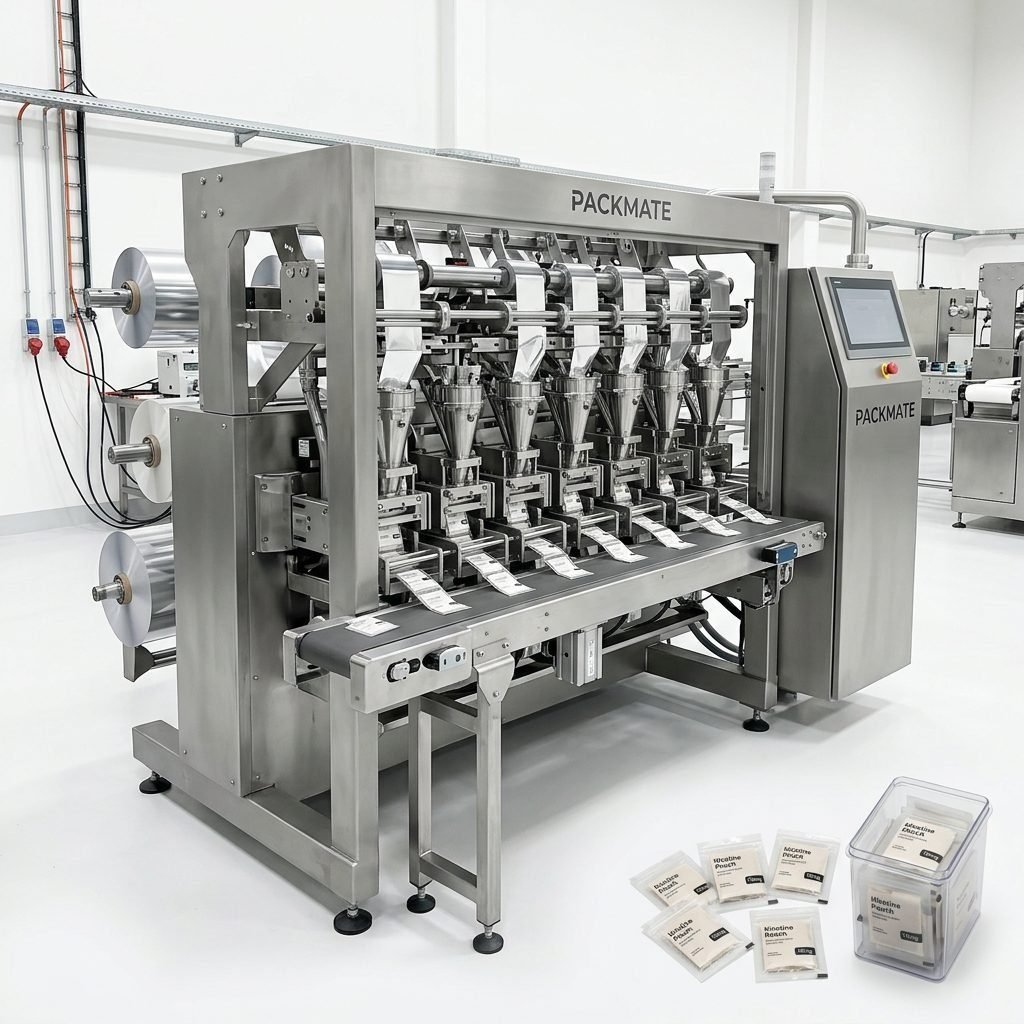
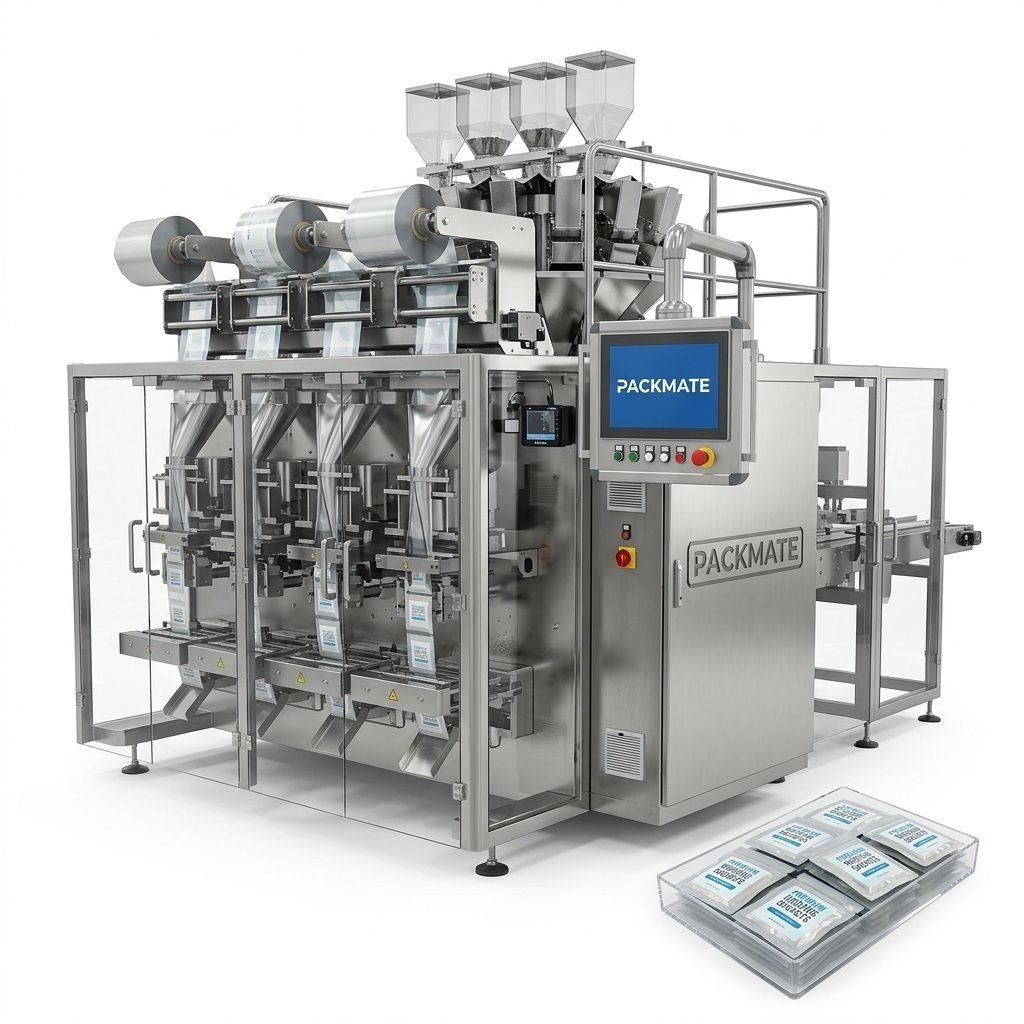
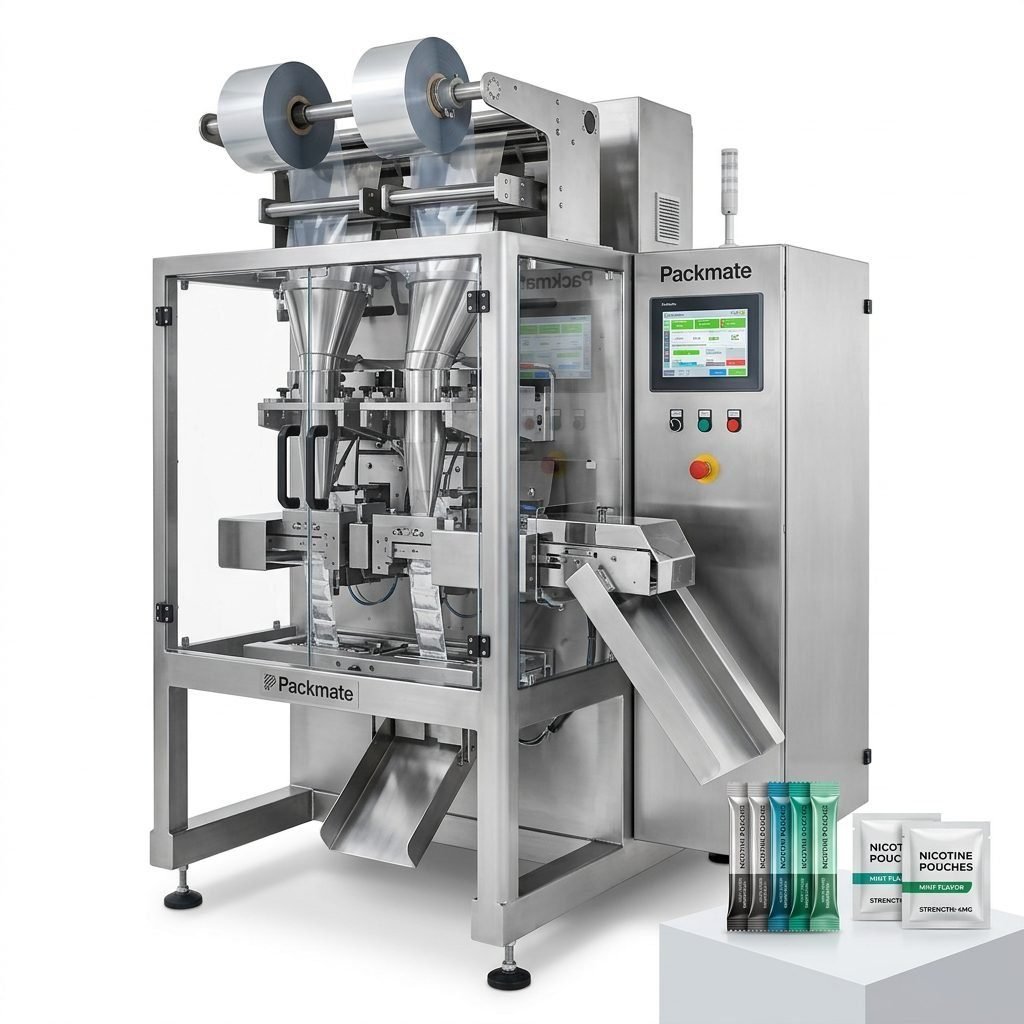
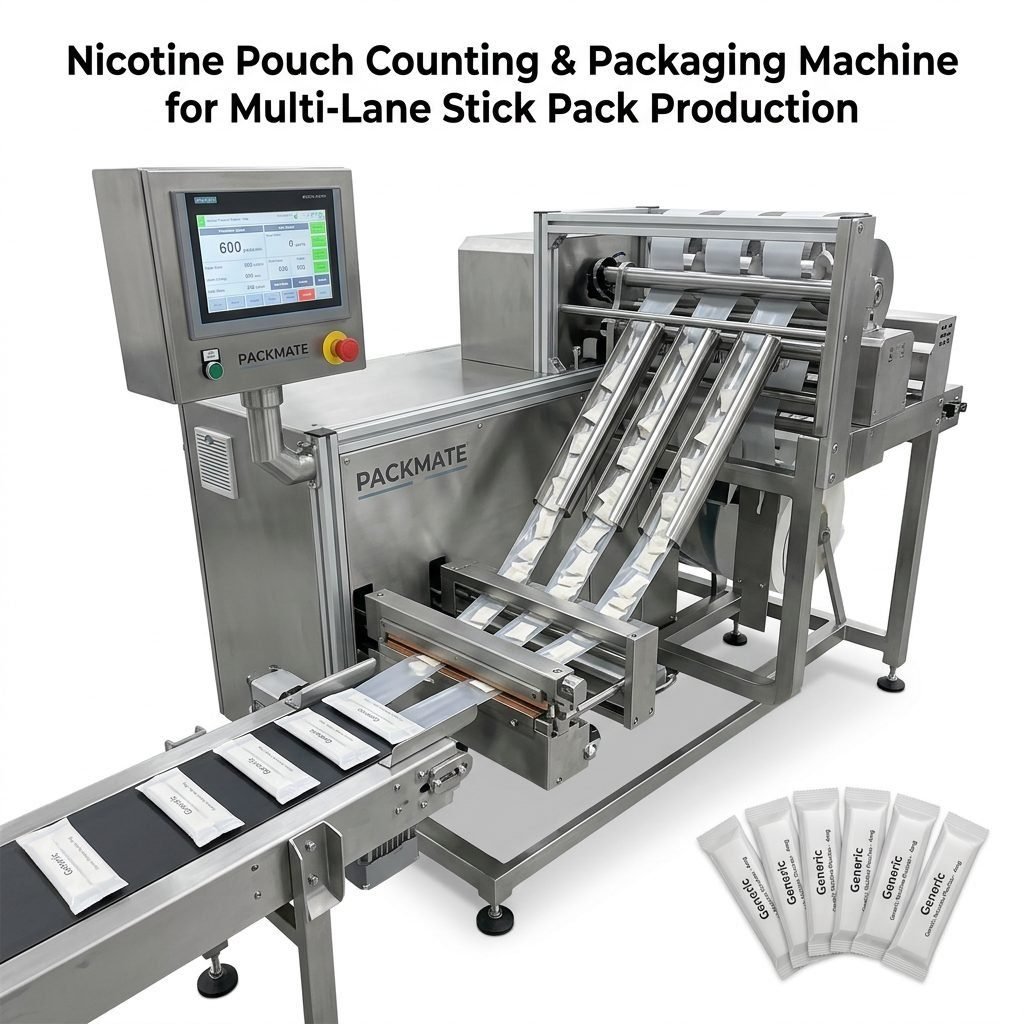
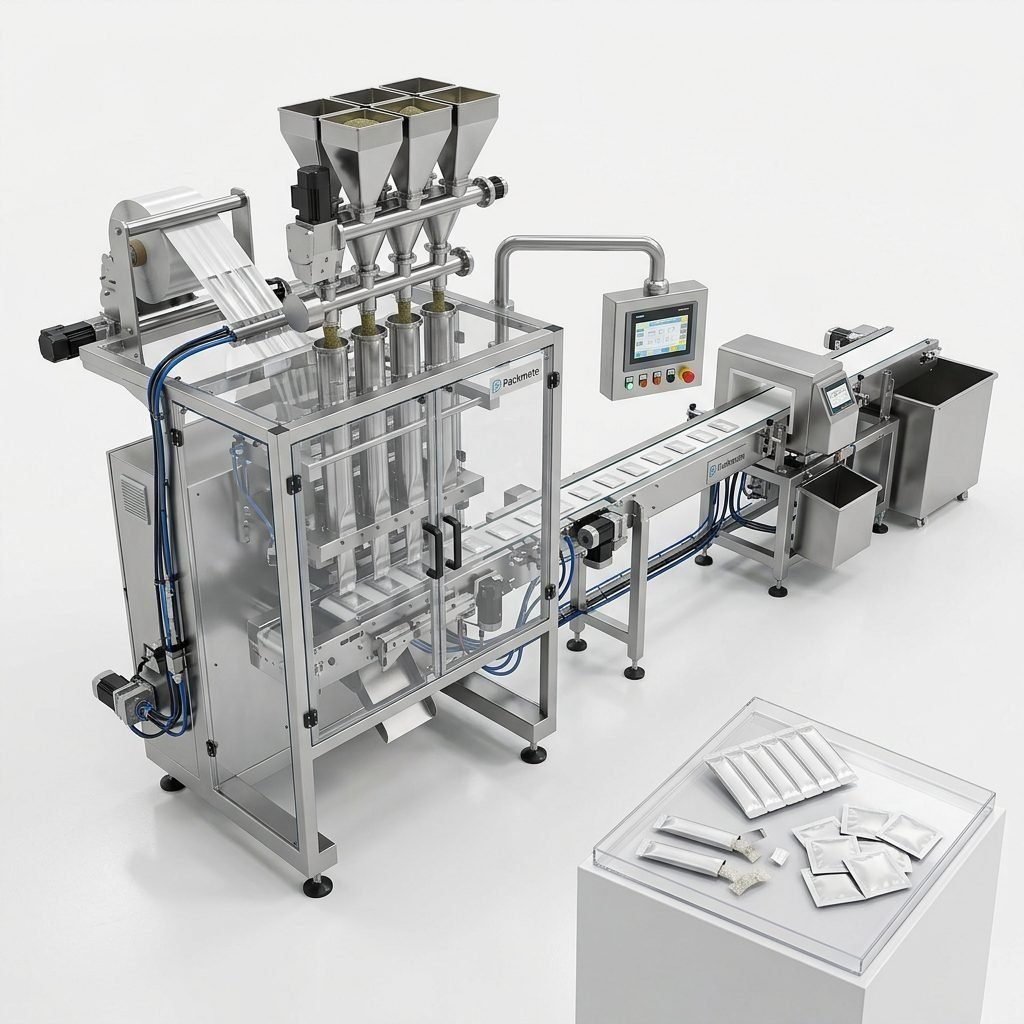
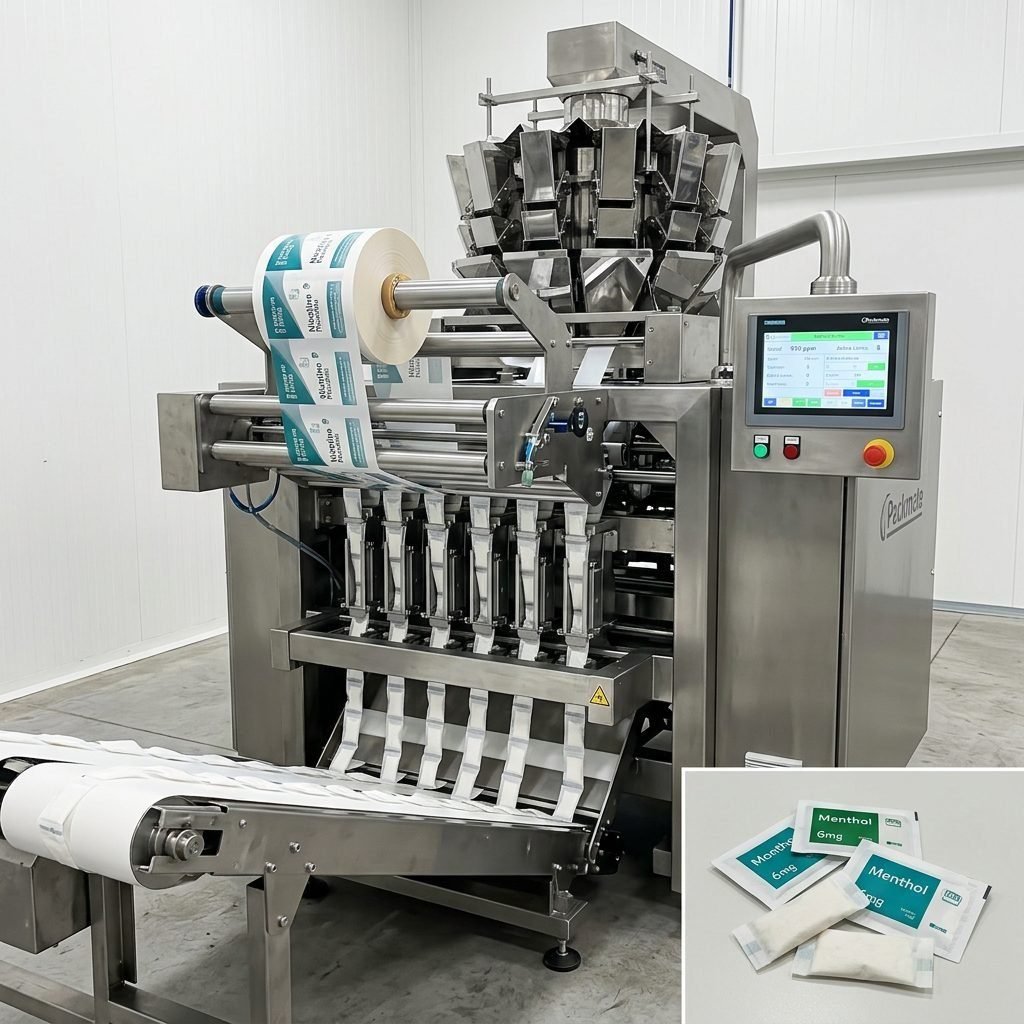
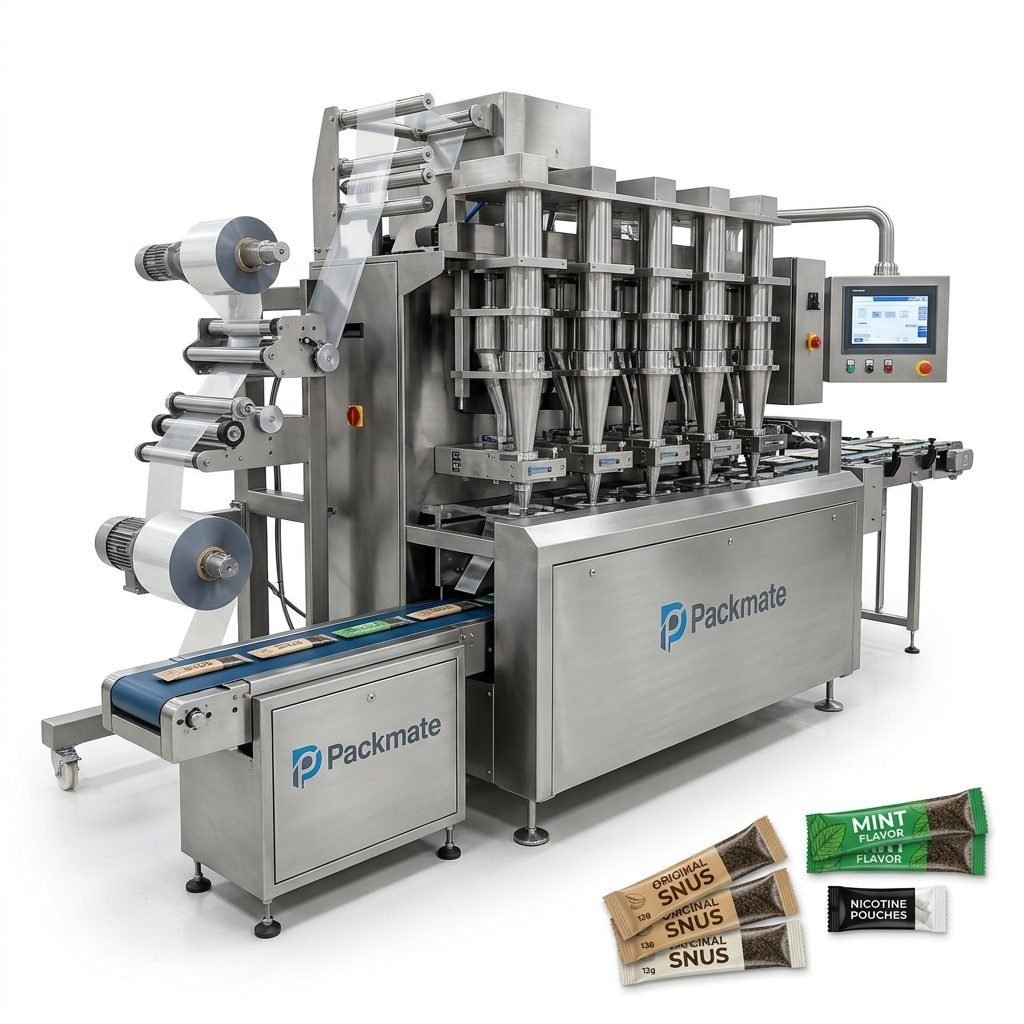
🔸 Multi-lane capability — for small-dose pouch formats, multi-lane systems boost throughput while reducing footprint.
🔸 High-precision dosing — consistent pouch weight for regulatory compliance and consumer satisfaction.
🔸 Flexible packaging options — stick packs, sachets, individual pouches and resealable formats to serve diverse retail channels.
🔸 Hygienic & corrosion-resistant materials — stainless steel parts, sealed electronics and humidity protection.
🔸 Ease of maintenance — modular components, accessible spare parts and clear documentation to simplify remote service in island locations.
Critical production KPIs to verify
Before purchase, ask suppliers to demonstrate or provide data for these metrics:
🔸 Throughput (pouches/minute) under real product conditions.
🔸 Reject rate and pouch weight variation.
🔸 Mean time between failures (MTBF) and mean time to repair (MTTR).
🔸 Energy consumption and utility requirements — important for island plants with constrained utilities.
Factory capability and quality assurance
For Maldives buyers, choosing a manufacturer with proven factory strength reduces risk. Look for suppliers that provide:
🔸 30+ years of engineering experience and a robust manufacturing facility with CNC machining and precision assembly.
🔸 A broad machine portfolio (50+ models) and the ability to customize turnkey lines.
🔸 International certifications like CE and ISO that support smooth import clearance and compliance.
🔸 Case studies and exhibition presence showing solutions tested in global markets.
After-sales service and spare parts strategy
Remote and island-based operations depend on a supplier that offers rapid, reliable support:
🔸 Spare parts availability — ask for a recommended spares list, estimated consumption, and shipping lead times to the Maldives.
🔸 Remote diagnostics & training — video support, PLC access, and training programs reduce travel needs.
🔸 Field service network — if the supplier lacks local representation, confirm partnerships with regional technical agents.
Turnkey solutions vs. individual machines
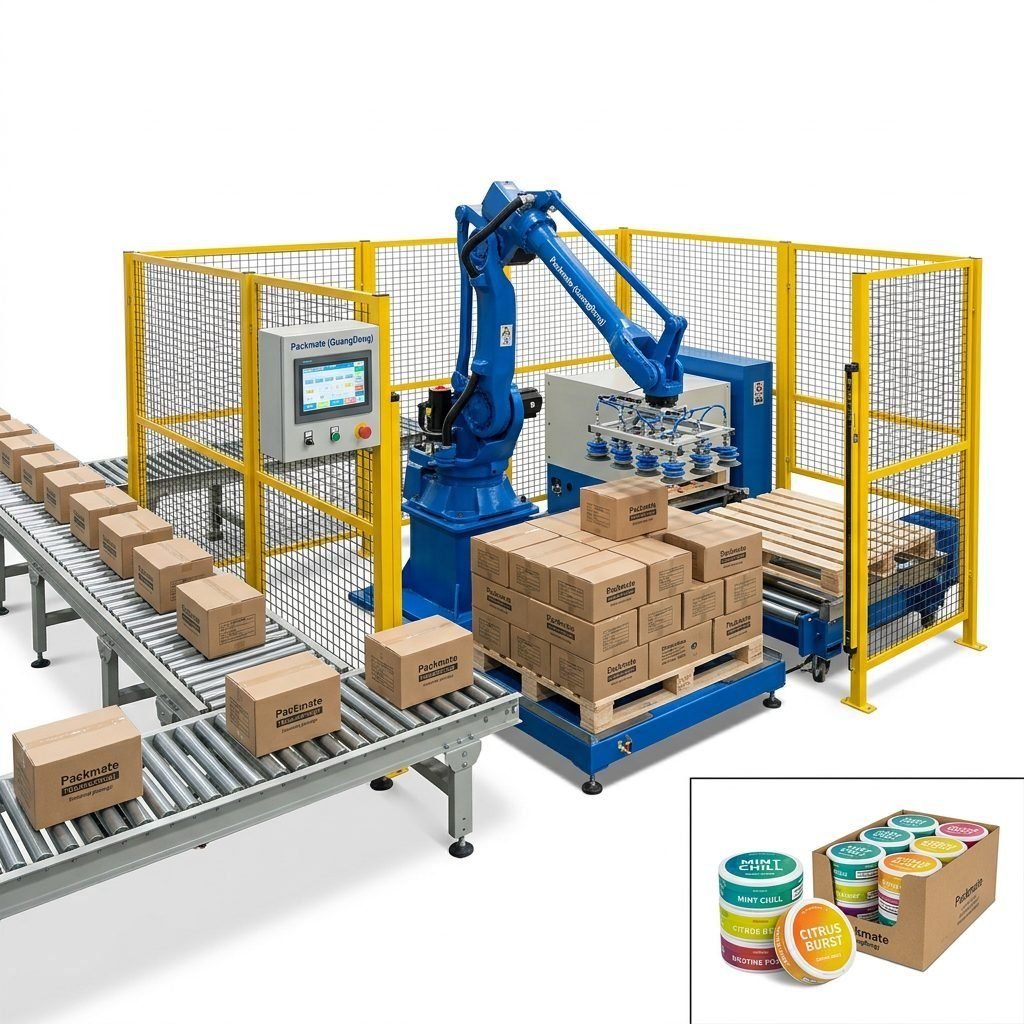
Decide early whether you need a single filling or a full packaging line. For brands in the Maldives that aim to scale, turnkey lines bring advantages:
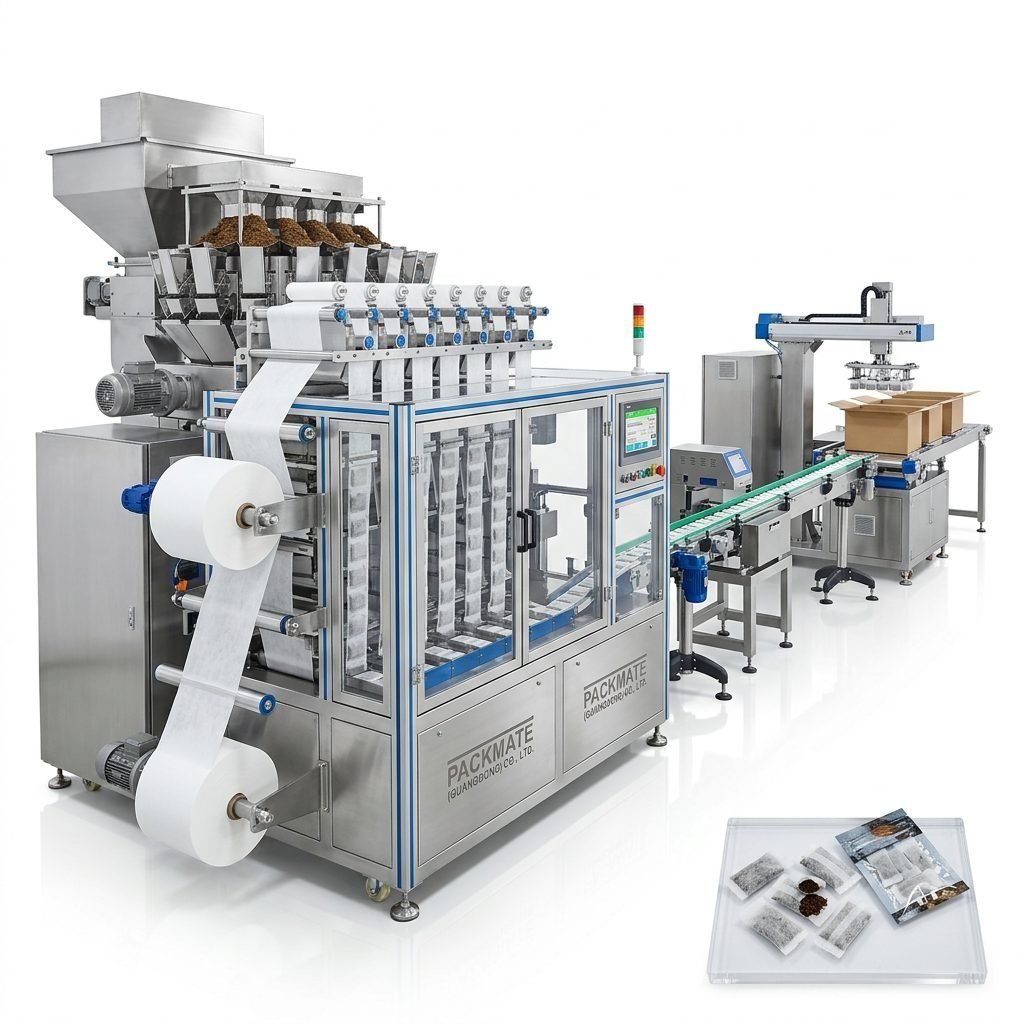
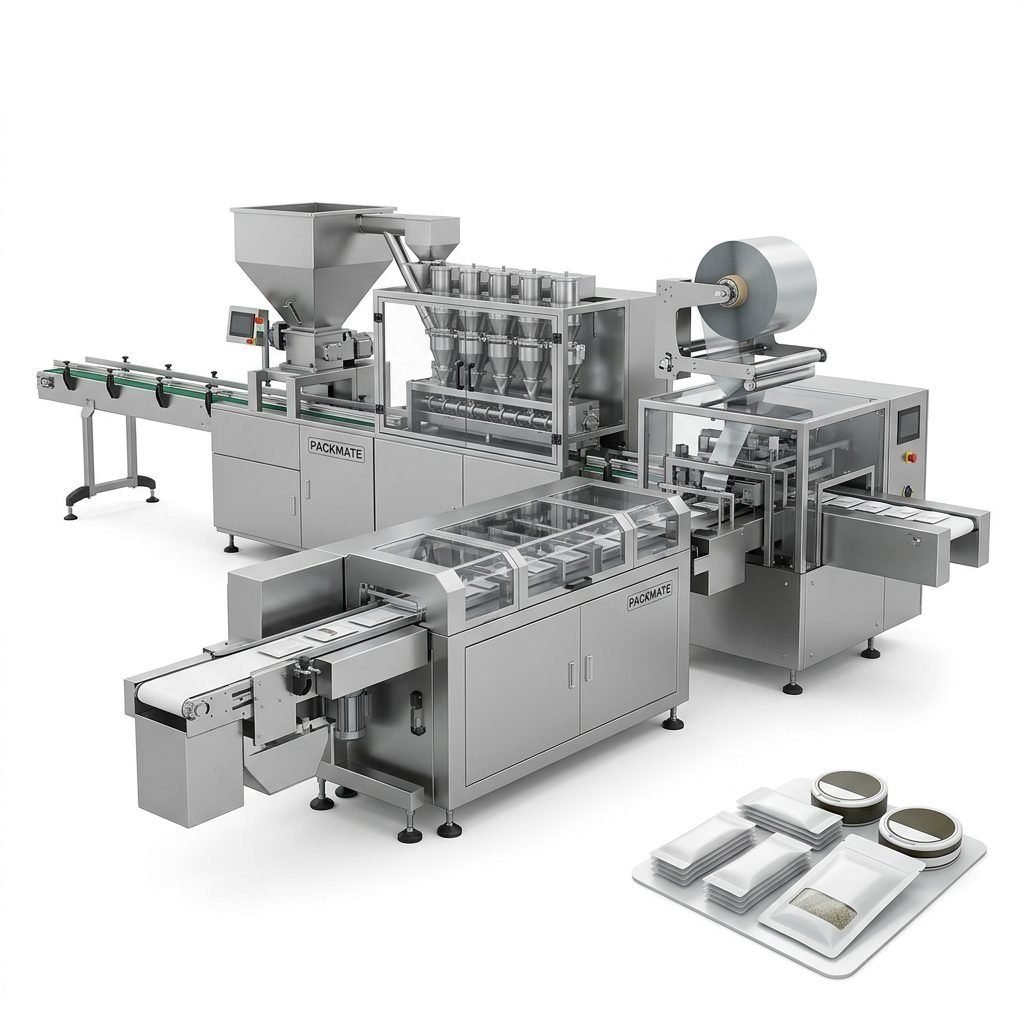
🔸 Integrated weighing, dosing, multi-lane forming and packaging reduce integration risk.
🔸 One supplier accountability speeds commissioning and simplifies warranties.
🔸 Suppliers with multi-industry experience can provide solutions for nicotine pouches as well as other product lines you might add (e.g., sachets, stick packs).
Certifications, compliance and export documentation
Importing into the Maldives requires correct documentation. Confirm your supplier can provide:
🔸 CE and ISO certificates for machinery safety and quality.
🔸 Packing lists, origin certificates and export declarations tailored for island freight.
🔸 Technical manuals, electrical schematics and spare parts catalogs to ease customs inspections and local installation.
How to verify supplier credibility
Evaluate suppliers through a combination of documentation and direct evidence:
🔸 Request factory photos, production videos and references from customers in similar climates.
🔸 Review case studies and exhibition demonstrations — suppliers active in global shows demonstrate commitment to product development.
🔸 Ask for a site acceptance test (SAT) or FAT video and clear acceptance criteria.
🔸 Check warranty terms, spare-part lead times and optional local training packages.
Cost considerations: total cost of ownership
The cheapest initial quote rarely yields the best long-term outcome for island operations. Compare offers on:
🔸 Purchase price plus packaging tooling costs.
🔸 Shipping, import duties and inland logistics to island ports.
🔸 Spare parts inventory recommendations and associated carrying costs.
🔸 Energy consumption and maintenance frequency based on Maldives site conditions.
Why Packmate can be a strong choice for Maldives buyers
When evaluating manufacturers, Packmate Snus Machine brings features often requested by island-based clients:
🔸 Over 30 years of engineering experience, a 20,000㎡ factory and 50+ machine models tailored for snus and nicotine pouches.
🔸 Specialization in multi-lane systems and small-dose pouch production with turnkey packaging solutions.
🔸 International certifications (CE, ISO) and participation in global exhibitions to validate product performance.
🔸 Comprehensive product lines including Snus & Nicotine Packaging Machines, Sachet & Stick Pack Machines, and full Filling & Packaging Lines to match varied production needs.
Practical steps to sourcing and commissioning
Follow these steps to reduce risk and ensure a smooth start-up in the Maldives:
1. Define production targets and climate constraints for your island site.
2. Request technical datasheets, FAT/SAT protocols and customer references.
3. Confirm export documentation, certifications and packing specifications needed for customs.
4. Arrange installation timeline, remote commissioning support and local training.
5. Secure a spare-parts package and remote-diagnostic access to minimize travel for repairs.
Questions to ask every supplier
Use this checklist during evaluation calls and factory visits:
⚠️ What are your MTBF and MTTR figures under realistic product conditions?
⚠️ Do you provide a recommended spare parts kit and average lead time to Maldives ports?
⚠️ Can you demonstrate similar installations and share contactable references?
⚠️ Are your machines designed for humid/tropical environments and what corrosion protection is applied?
⚠️ What remote support, training and warranty options are included?
Useful resources and next steps
Explore supplier product pages and company information to deepen your shortlist. A few starting links:
• Learn more about full product ranges: Snus & Nicotine Packaging Machines
• View turnkey packaging line examples and cases: Case Studies
• Company background and credentials: About Packmate
• Contact the sales team to request quotations and FAT schedules: Contact Us
Final practical checklist before awarding a contract
Confirm these elements to secure a smooth procurement and installation:
– Factory acceptance criteria and video-recorded FAT date.
– Clear shipping terms, packaging for sea freight and customs paperwork.
– Authorized service contacts and spare parts delivery times to Maldives.
– Training plan for local operators and written maintenance procedures.
– Warranty, penalties for delayed shipment and agreed commissioning milestones.
FAQs
Q1: How quickly can spare parts reach the Maldives?
A1: Shipping times depend on the supplier’s stock location and shipping route; plan for air freight for critical parts but confirm lead times and part numbers in advance to avoid production gaps.
Q2: Are machines suitable for Maldives humidity?
A2: Choose models with stainless steel construction, sealed electrical enclosures and optional dehumidification for product hoppers and control cabinets; verify corrosion-resistant coatings.
Q3: What level of remote support is typically offered?
A3: Good suppliers provide remote diagnostics, PLC access, live video-assisted troubleshooting and structured operator training — vital for island operations where onsite engineers may be scarce.
Q4: Should we buy a turnkey line or single machines?
A4: If you expect to scale, turnkey lines reduce integration risks and centralize support. For experimental production, individual modules may be more cost-effective initially.
Q5: How can we validate the supplier before order?
A5: Request factory videos, FAT records, customer references in similar climates, and clear written guarantees for spare parts and commissioning timelines.