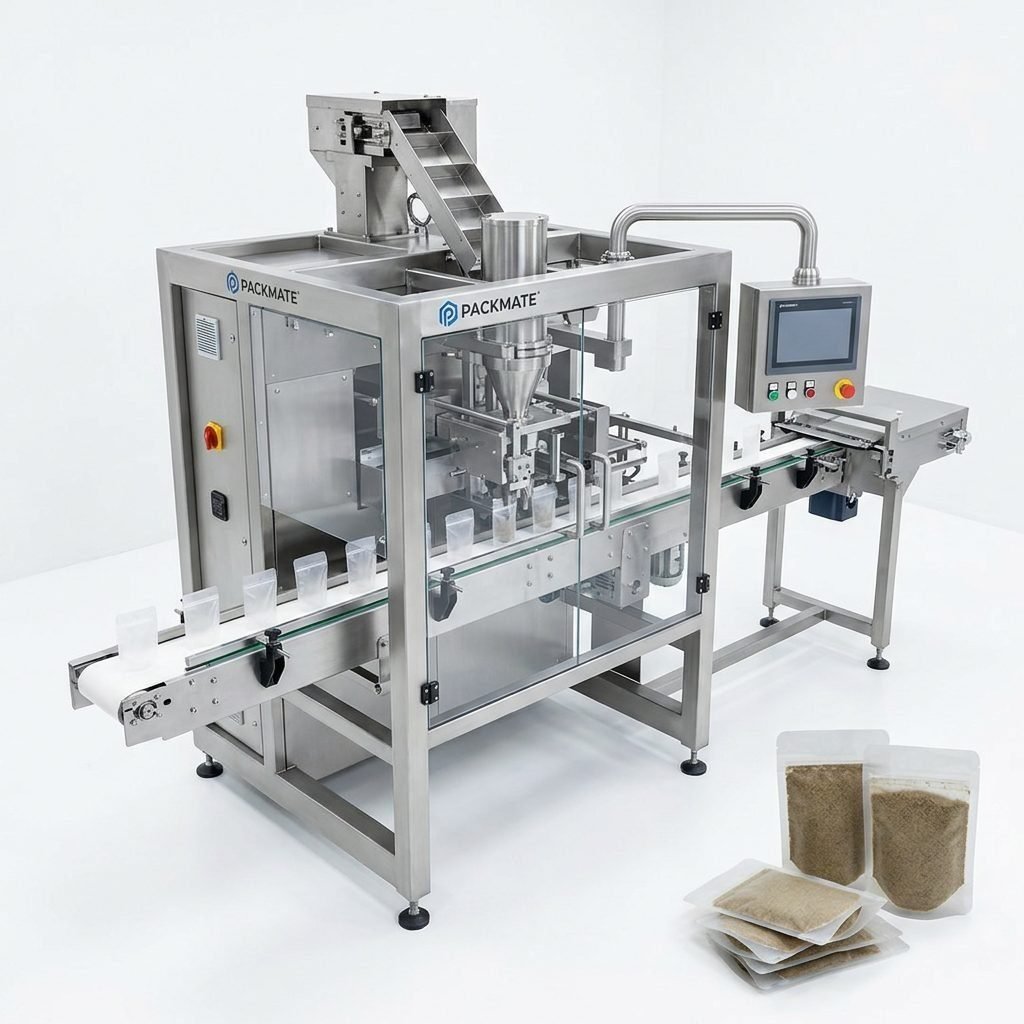
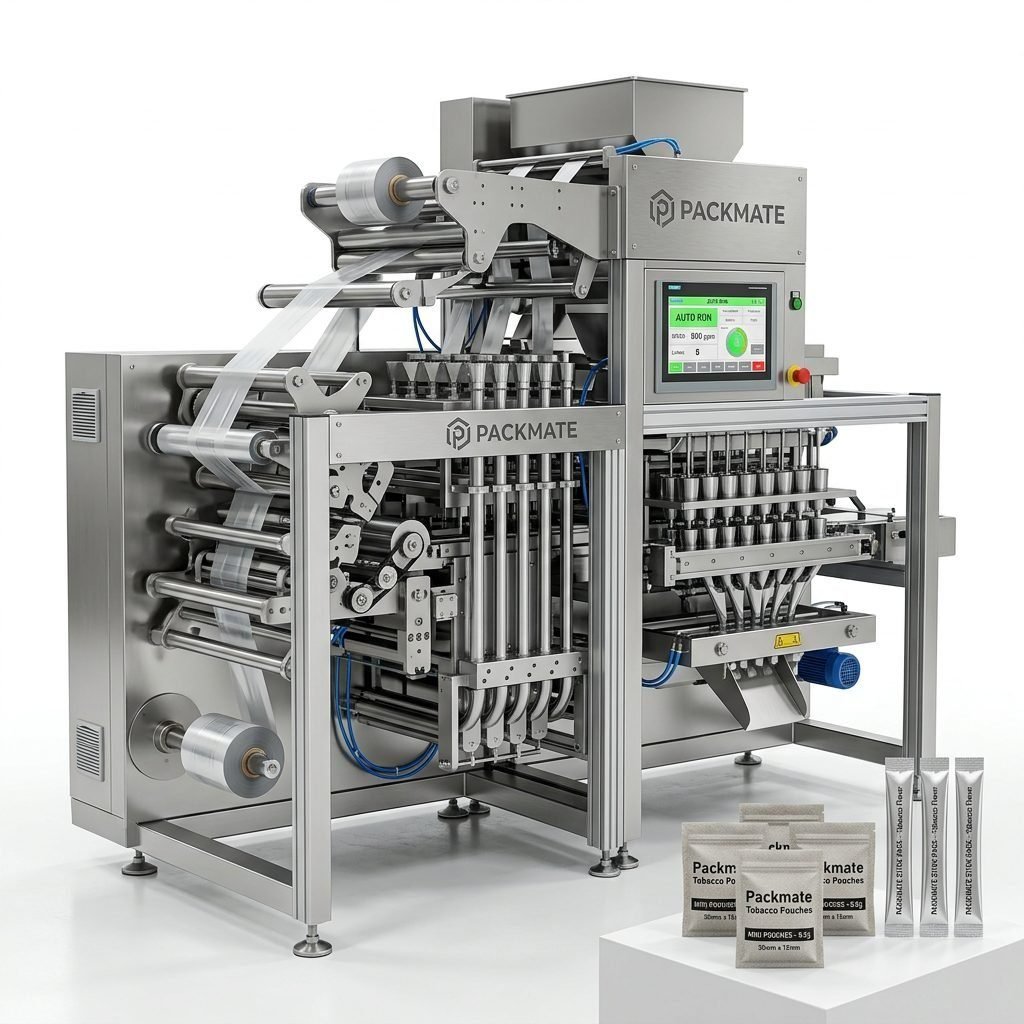
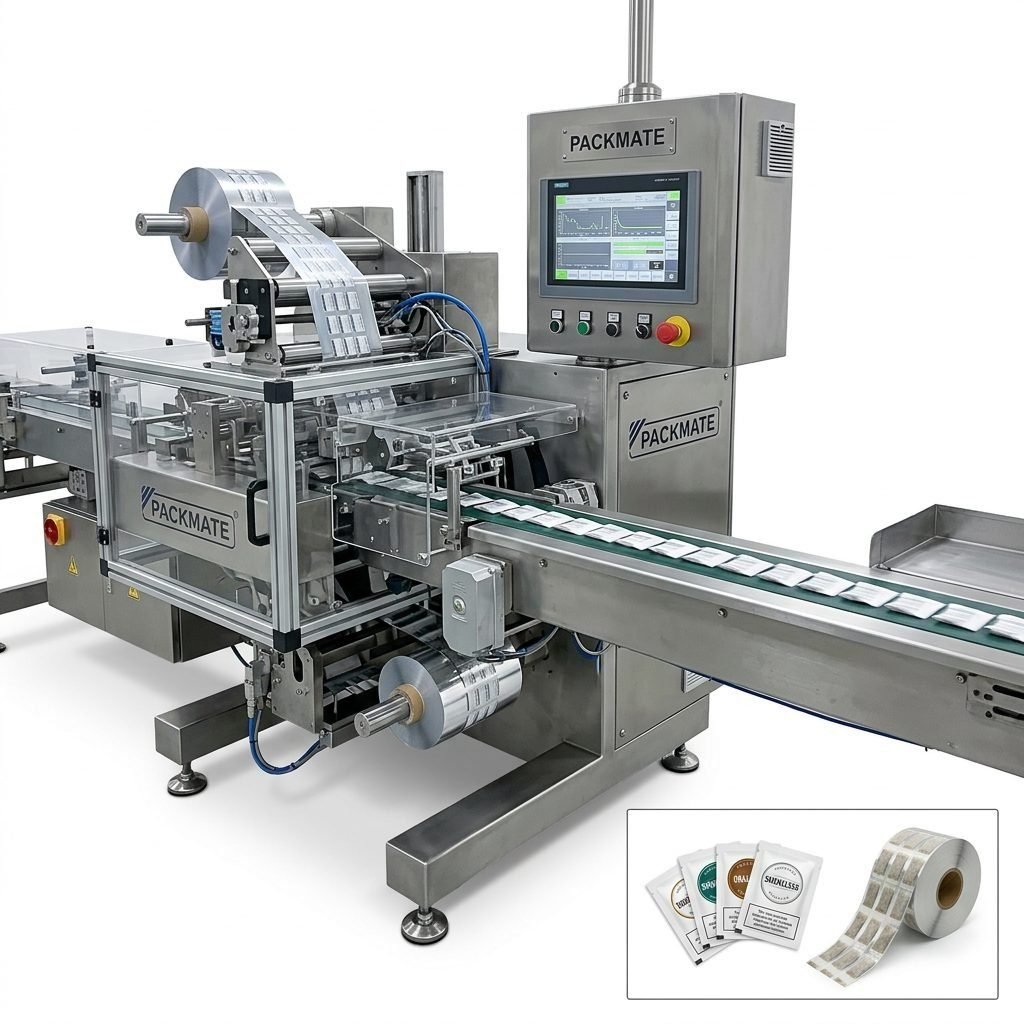
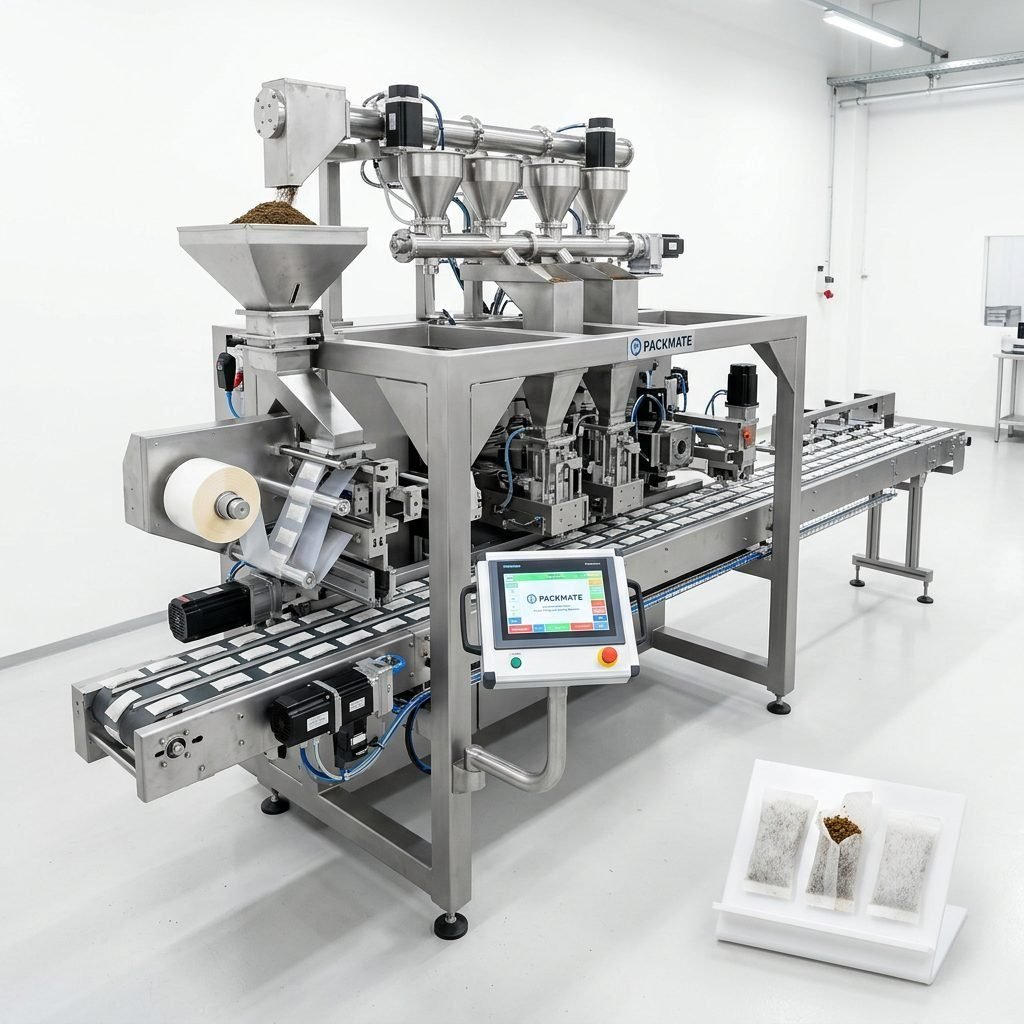
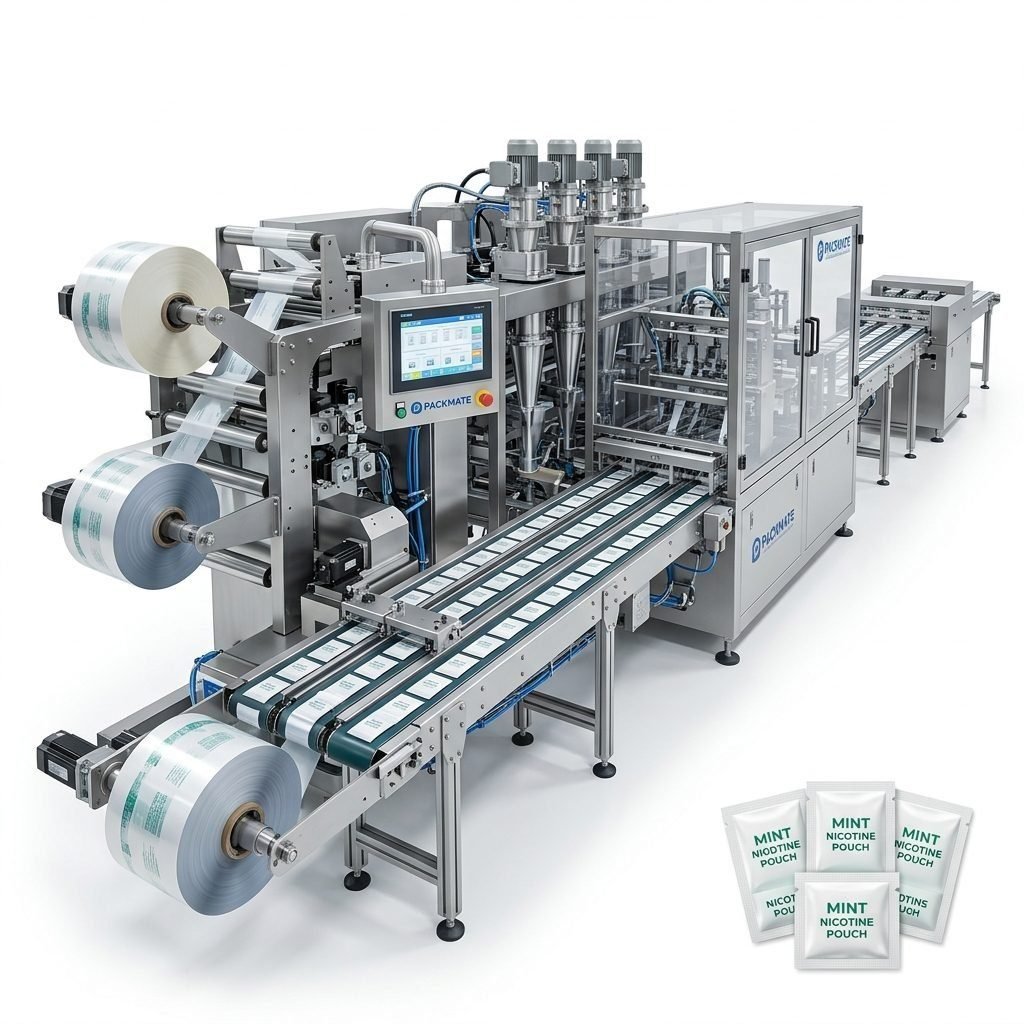
Choosing the right contract manufacturer for your nicotine pouch brand is one of the most important strategic decisions you will make. The right partner delivers quality packaging, predictable lead times, regulatory compliance, and a production scale that supports your growth. This guide breaks down practical criteria, red flags, and negotiation tips so you can select a packing equipment supplier and contract manufacturer who will protect your brand reputation and accelerate market entry.
Why the right contract manufacturer matters
A contract manufacturer for nicotine pouches is not just a machine operator — they are your technical partner. They influence:
Product consistency — packaging line stability prevents dose variance and product damage.
Regulatory compliance — machines and processes must meet local and export regulations to avoid costly recalls.
Time-to-market — an experienced manufacturer shortens setup and validation times.
Key selection criteria: what to evaluate
1. Technical capability and product-format expertise
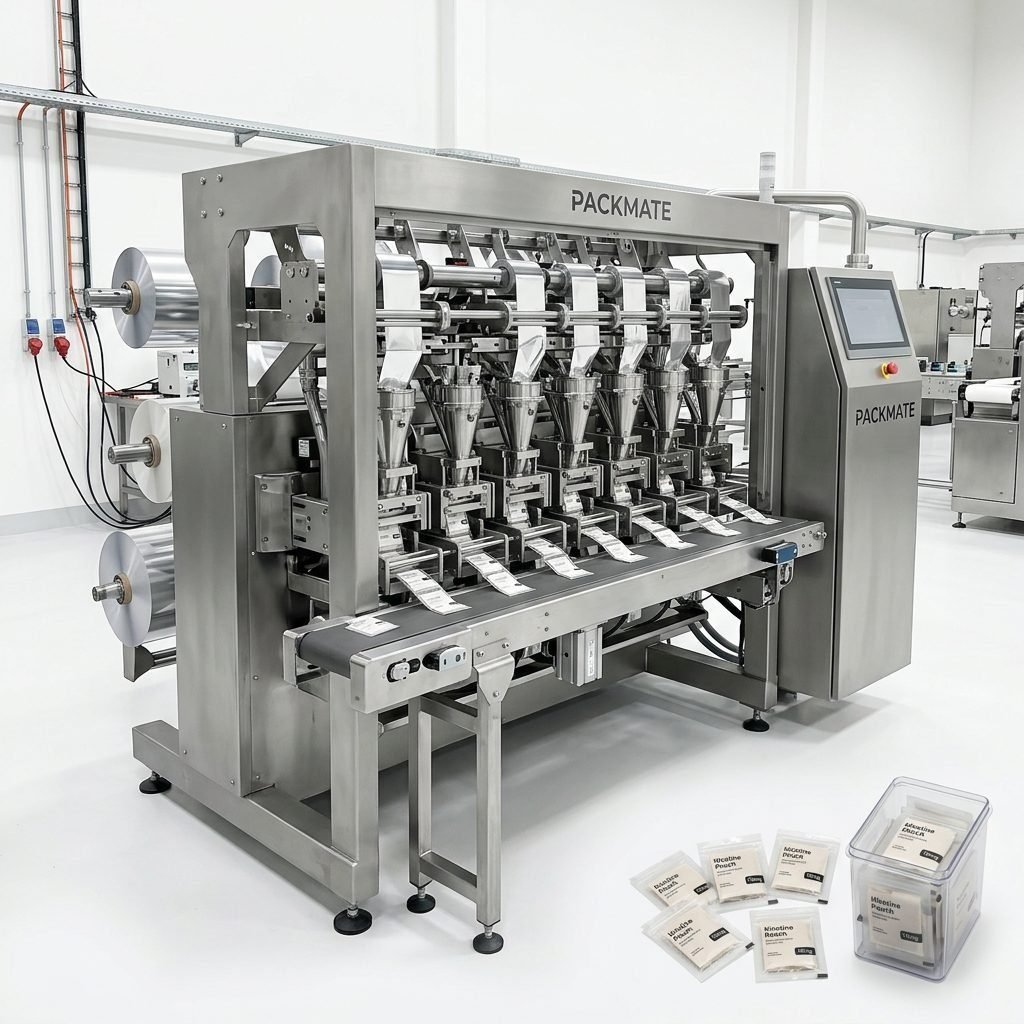
Nicotine pouches come in many formats (pouches, sachets, stick packs, multi-lane small-dose units). Your supplier must demonstrate proven experience producing your specific format. Look for:
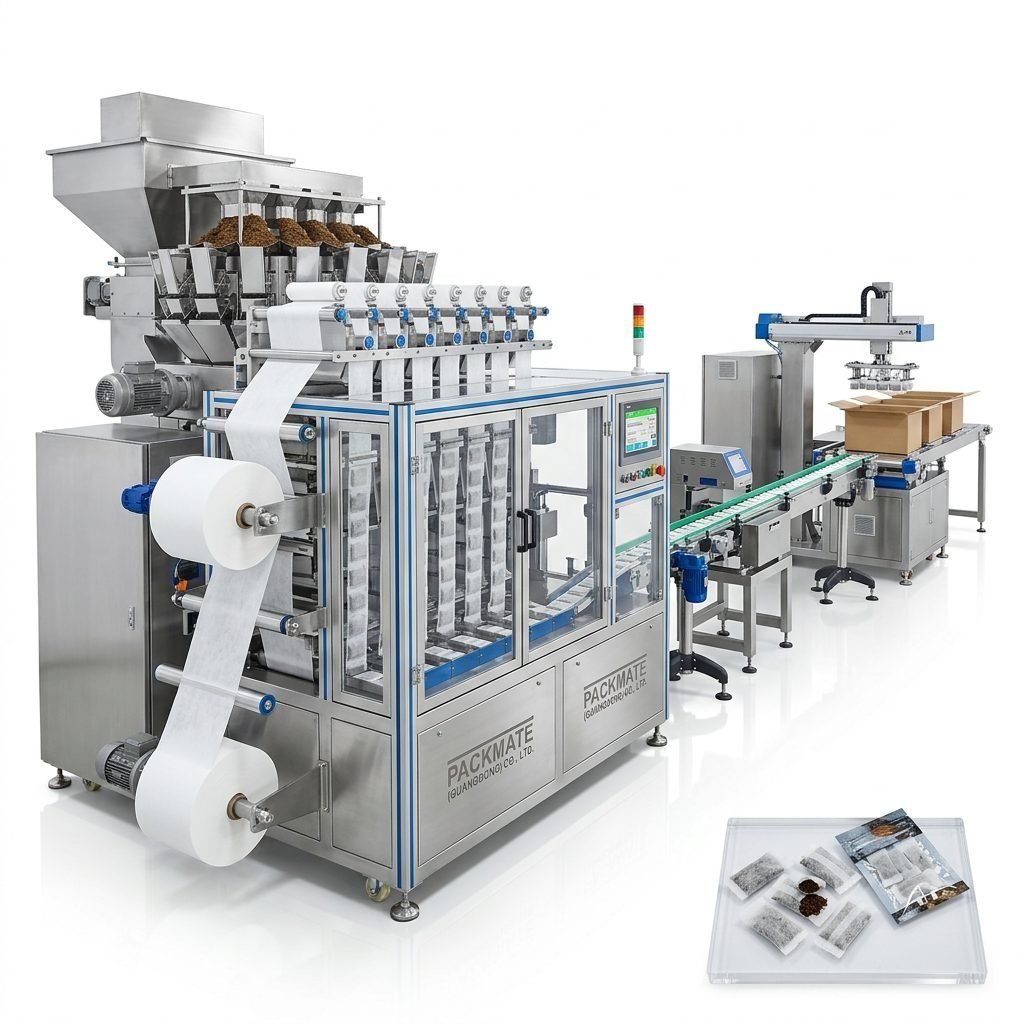
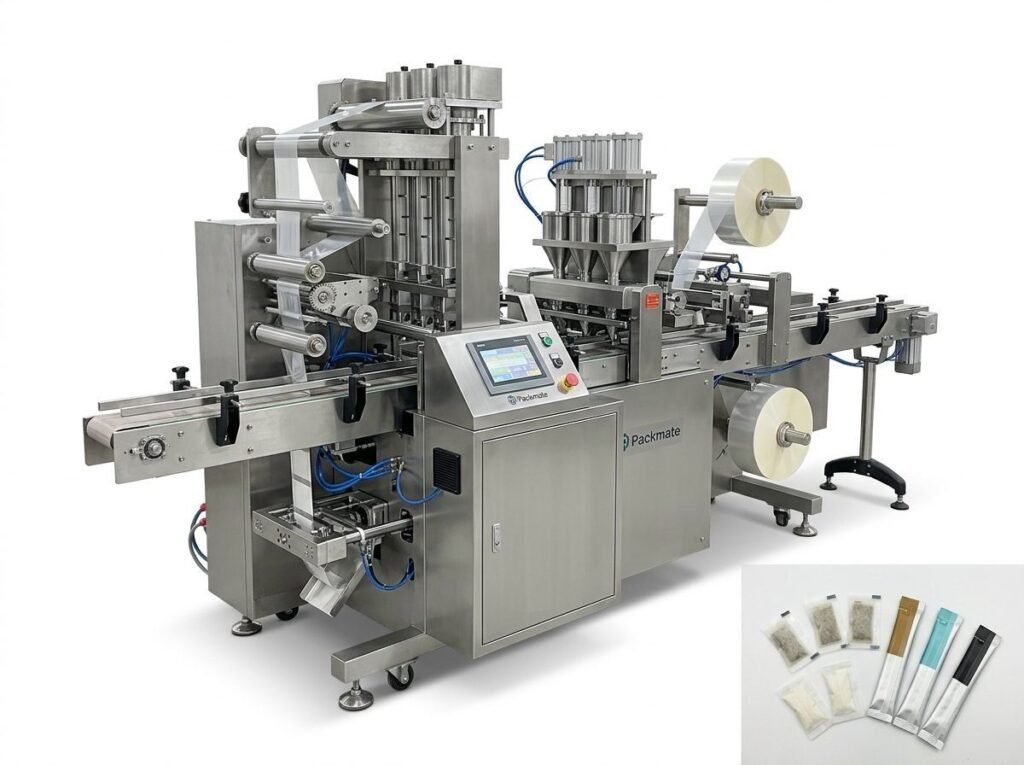
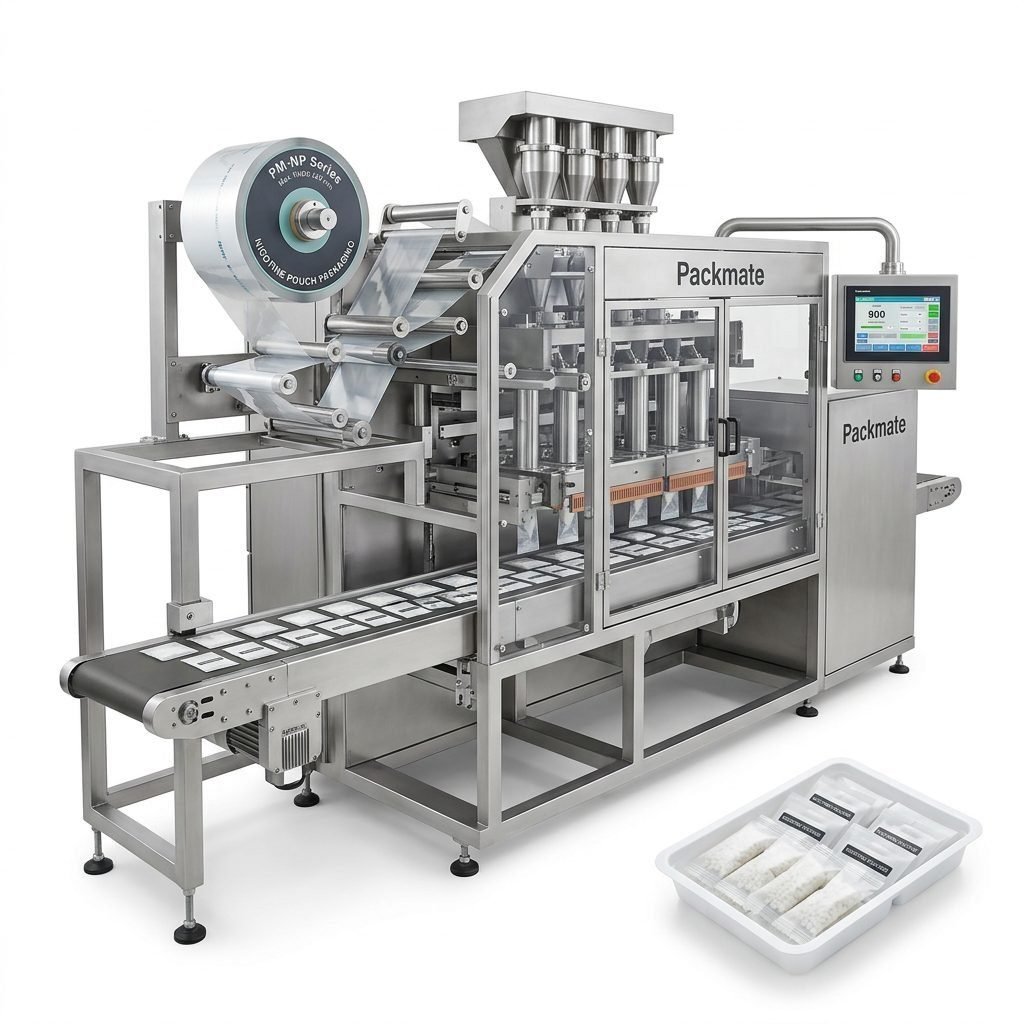
Machine range: multi-lane pouch lines, stick pack and sachet systems, and auxiliary equipment for feeding, weighing, and sealing.
Speed & accuracy: performance specs for small-dose filling and consistent pouch weight.
Flexibility: quick changeover options for different pouch sizes and materials.
2. Regulatory documentation and certifications
Verify CE, ISO and any region-specific approvals. A reliable supplier provides clear calibration, validation records, and cleaning procedures. Ask for:
Certificates and test reports, maintenance schedules, and a documented quality control system. Packmate’s long history and certifications are examples of what to expect from established vendors.
3. Factory strength and capacity
Look beyond glossy brochures. Inspect the factory capability: CNC centers, precision assembly lines, and testing labs indicate a manufacturer who can scale and customize. Important metrics:
Floor area (a large, organized facility), inventory of spare parts, and number of production lines for parallel orders.
4. Turnkey and integration capabilities
If you need a full production line — including filling, weighing, sealing, and case packing — choose manufacturers who provide complete solutions and integration services. Check their references for delivered turnkey lines and the quality of after-sales integration.
For product examples and machine types, review related production lines such as Snus & Nicotine Packaging Machines, Sachet & Stick Pack Machines, and Weighing & Packaging Systems.
Supply chain reliability and lead times
Delays in components or machine commissioning can push your launch back months. Ask potential partners about:
Typical lead time for machines and spare parts, stock levels for critical components, and the supplier’s ability to expedite orders. A manufacturer with a large in-house machining capability (CNC, laser cutting) reduces dependency on external suppliers and shortens lead times.
Quality assurance, testing and documentation
Quality control must cover both the machine performance and the packaged product. Make sure contracts specify:
Acceptance testing: FAT (Factory Acceptance Test) and SAT (Site Acceptance Test) protocols.
Validation: reproducible reports showing weight tolerances, seal integrity and production stability.
Traceability: component serial numbers and calibration records to support audits.
Service, training and spare parts
After-sales service guarantees uptime. Evaluate:
Local support or a responsive remote team, training programs for operators and maintenance personnel, and spare parts availability with clear lead times. Check if they provide preventative maintenance contracts and remote diagnostics.
Customization & innovation: design for branding and format diversity
Packaging aesthetics, material compatibility, and custom dosing require early collaboration with your manufacturer. Discuss:
Material testing (barrier films, paper blends), print registration for high-resolution graphics, and custom tooling for unique pouch shapes. Ensure the manufacturer can prototype quickly and validate shelf life.
Commercial terms and risk allocation
Negotiate clear terms on pricing, minimum order quantities, warranty, and liability for defective packaging. Watch for:
Escalation clauses for material cost increases, penalties for missed timelines, and service level agreements that guarantee uptime. A well-constructed contract reduces future disputes.
Factory visits, references and case studies
Always visit the factory if possible, or request real-time video tours and references. Useful questions:
Can you see machines in active production? Ask to review case studies for similar nicotine pouch projects and request metrics on uptime and rejection rates. See sample work at the manufacturer’s case pages such as Case.
Cultural & regional considerations (if you operate in multiple markets)
Different markets have different labeling, ingredient disclosure, and child-resistant packaging requirements. If you operate in regions with strict tobacco and nicotine laws, confirm the manufacturer’s familiarity with local customs and requirements — from language on packaging to recycling expectations. When working with suppliers in East Asia, for example, expect fast turnaround but ensure transparency on components and quality records.
Red flags to watch for
No FAT/SAT documentation, inconsistent or vague lead times, lack of traceability, and poor spare parts planning are warning signs. If a supplier refuses to provide references or detailed certifications, rethink the engagement.
Checklist before signing contracts
✓ Clear machine specifications and acceptance criteria.
✓ FAT and SAT schedule with sample production runs.
✓ Spare part lists and lead times.
✓ Warranty terms and service response times.
✓ Regulatory documentation and certificates.
How to run a pilot production project
Start small with a pilot production run to validate machine performance, packaging aesthetics, and shelf life. Steps:
1) Define success metrics (target throughput, weight tolerance, seal integrity).
2) Produce an agreed number of units under FAT conditions.
3) Evaluate packaging for handling, distribution, and retail display.
4) Adjust tooling, recipe, and materials as necessary before full-scale production.
Negotiation tips with manufacturers
Negotiate milestone-based payments tied to successful FAT and SAT, secure spare parts discounts, and include performance-based penalties to protect your schedule. Ask for training days included in the price and remote support hours for early production weeks.
Where to learn more and see solutions
Explore manufacturer product pages and catalogs to compare machine models, throughput, and options. Useful resources include Snus & Nicotine Packaging Machines, Bag & Pouch Packaging Machines, and the company About Packmate page for background on experience and factory capabilities.
Final considerations
Choosing a contract manufacturer is a balance between technical competence, regulatory assurance, and commercial terms. Prioritize partners who offer transparent documentation, a demonstrable track record in nicotine pouch formats, and a clear plan for servicing your line post-installation. Look for manufacturers who invest in machining and assembly capabilities — these reduce lead-time risk and improve customization.
Remember
The best partner is the one who treats your product as a co-branded success, offers engineering support for continuous improvement, and stands behind delivery and uptime commitments.
Frequently Asked Questions
1. How long does it take to get a full nicotine pouch packaging line installed?
Typical timelines vary by scope. A single machine can be delivered in weeks, while a fully integrated turnkey line commonly requires 3–6 months including design, FAT, shipping and on-site commissioning. Complexity, customization and shipping schedules can extend this.
2. What certifications should I verify?
At minimum verify CE and ISO certificates. For export markets, ask for supporting documentation that demonstrates compliance with local packaging and product safety rules. Ensure the supplier maintains calibration and traceability records.
3. Can manufacturers help with material selection and shelf-life testing?
Yes — reputable manufacturers will run material compatibility tests and small-batch trials to validate barrier performance, seal integrity and visual printing. Insist these tests are included in the pilot phase.
4. How do I ensure fast spare parts delivery after purchase?
Negotiate spare parts packages and guaranteed lead times into your contract. Choose manufacturers with in-house machining capabilities and regional warehouses, or secure a consigned spare parts stock to minimize downtime.
5. What’s a reasonable warranty and service agreement?
Standard warranties often range 12 months. Seek extended warranty options and include a service agreement that defines response times, preventive maintenance visits, and training days within the service package.