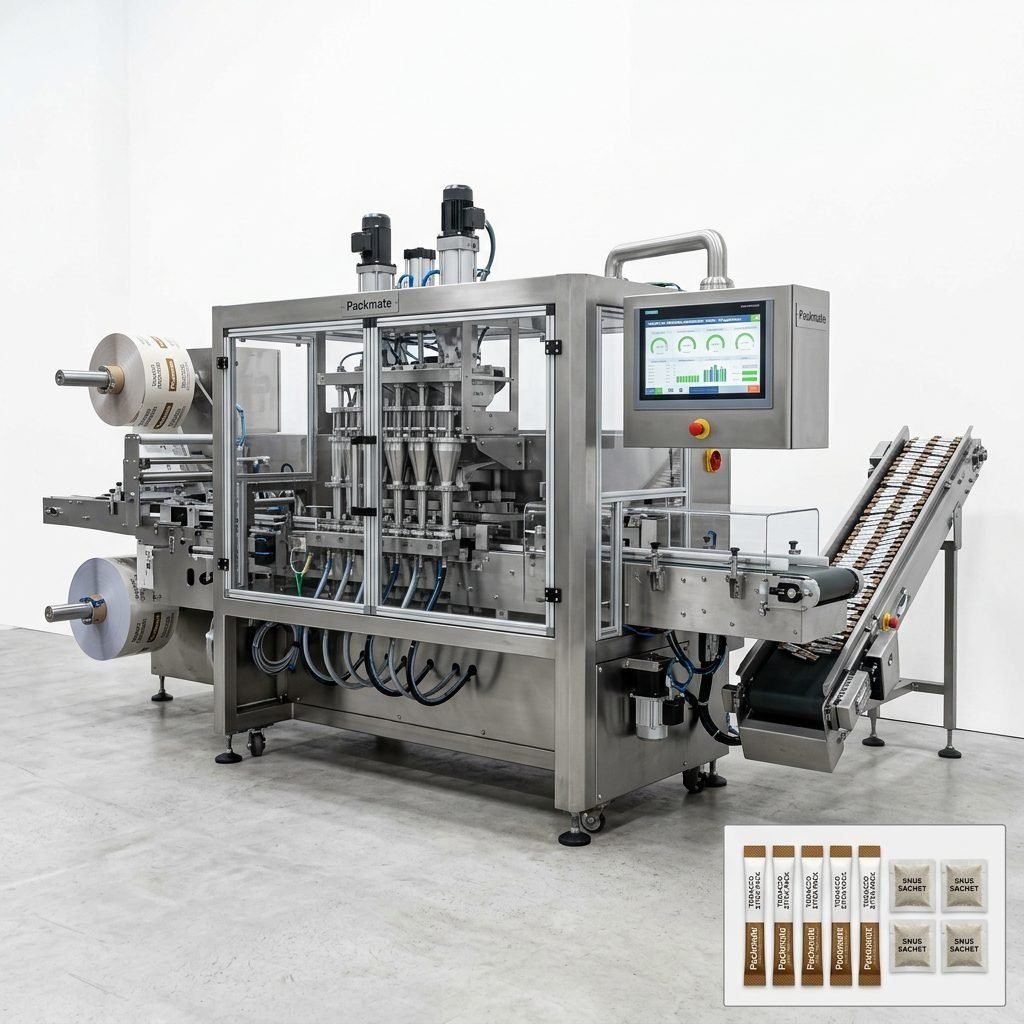
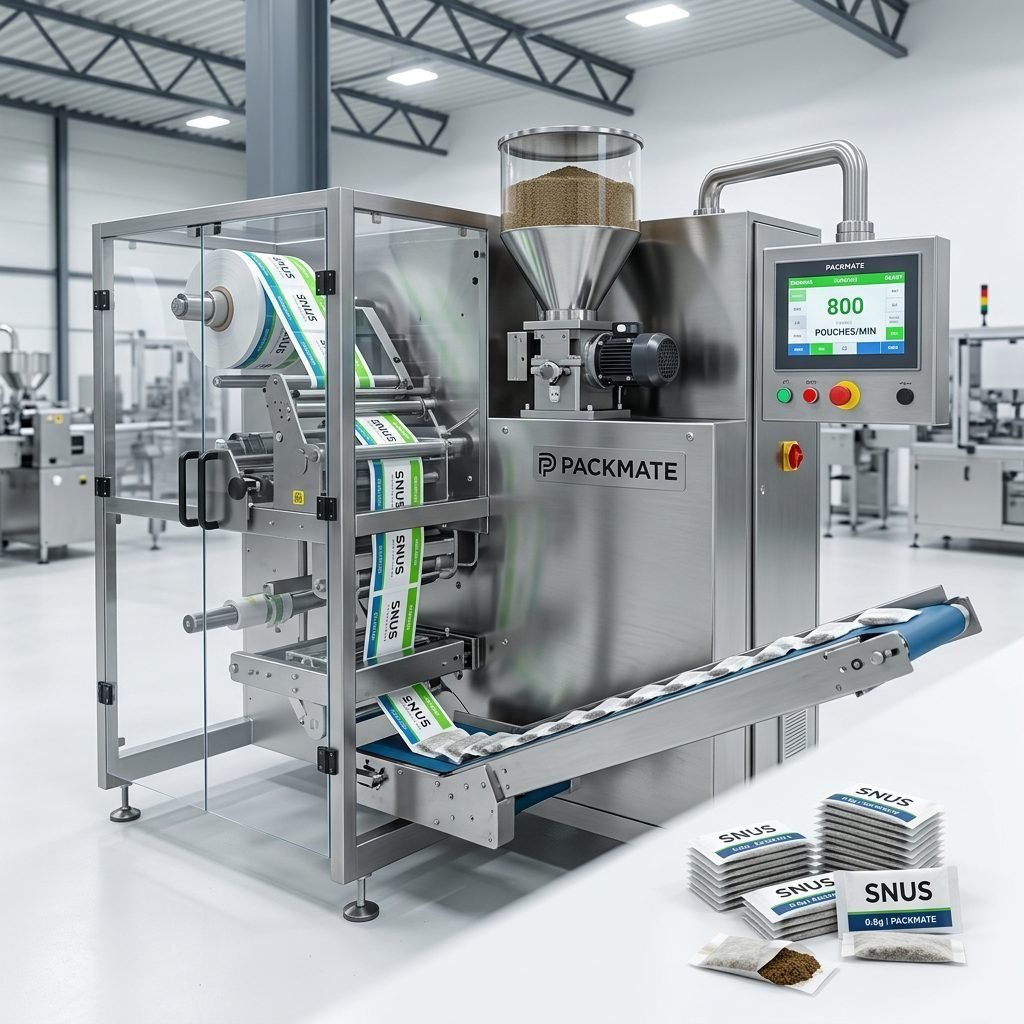
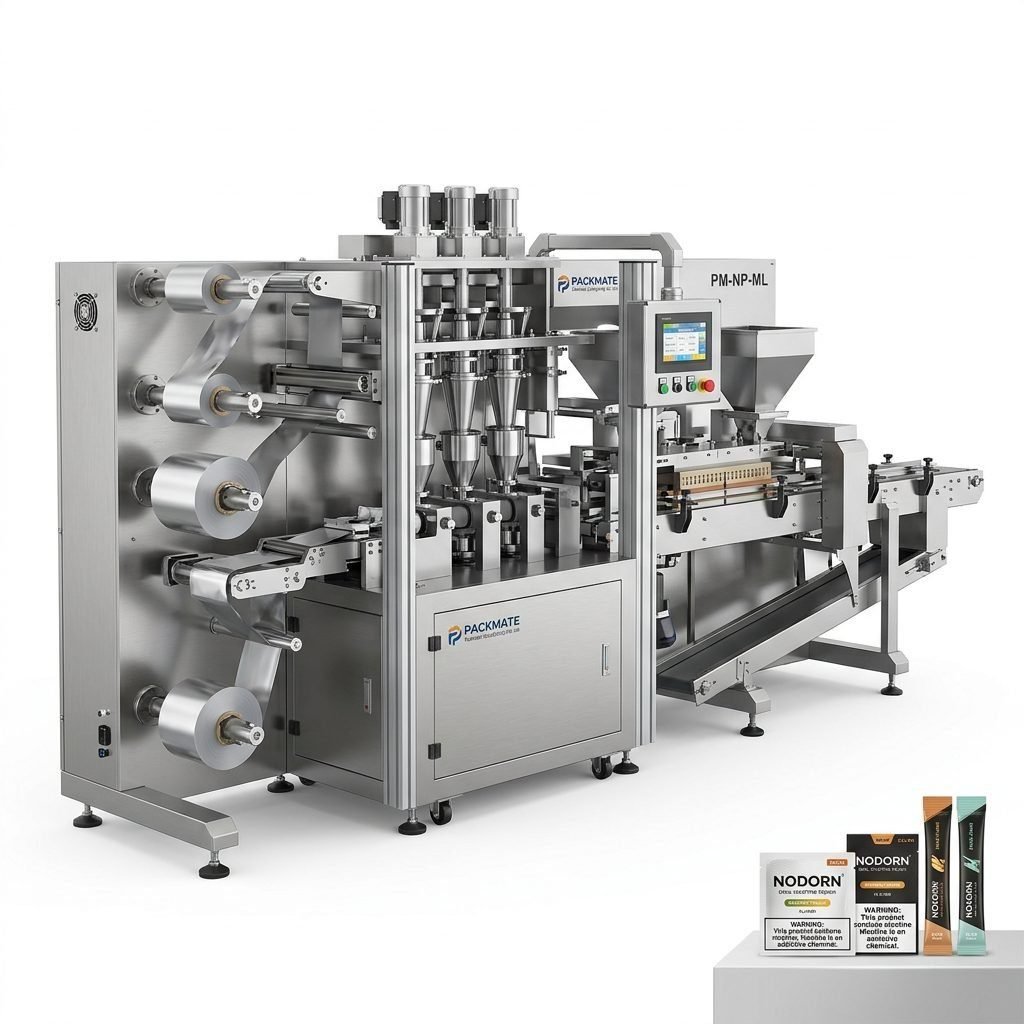
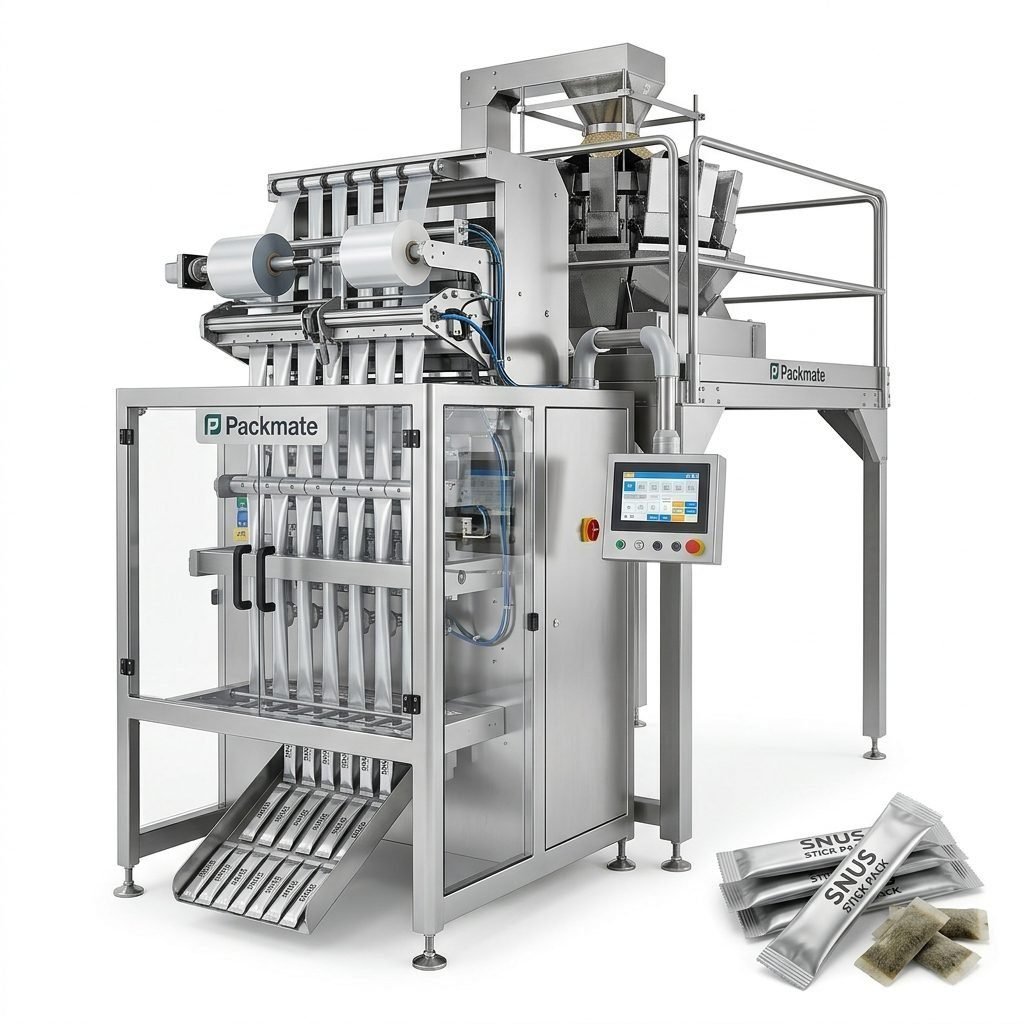
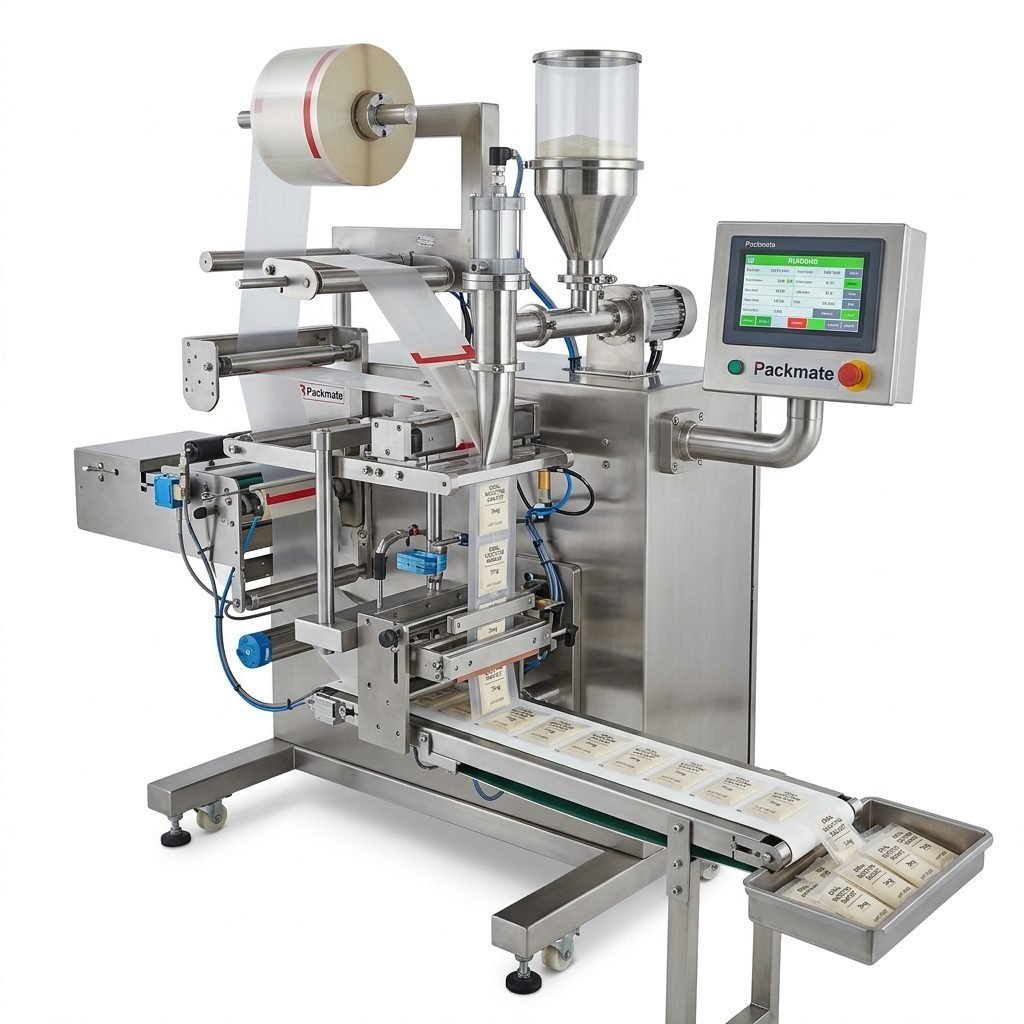
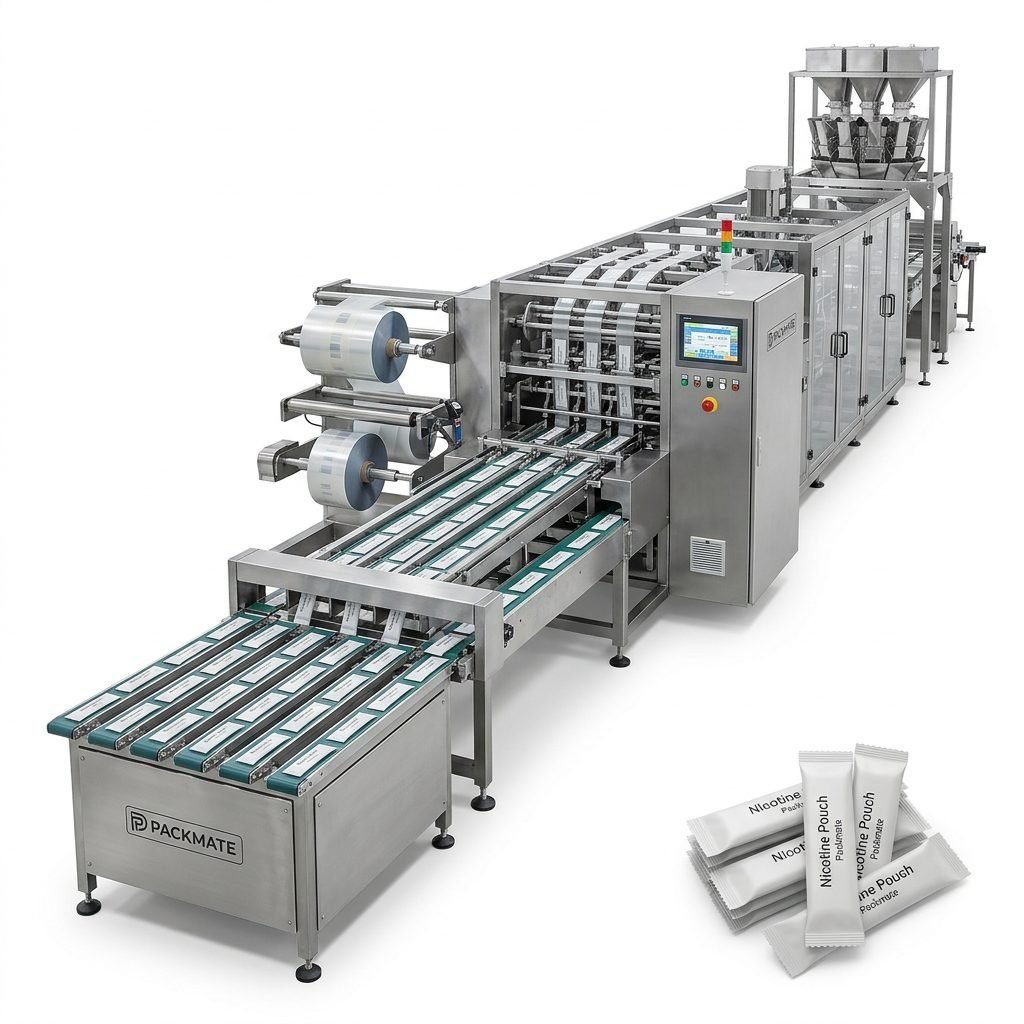
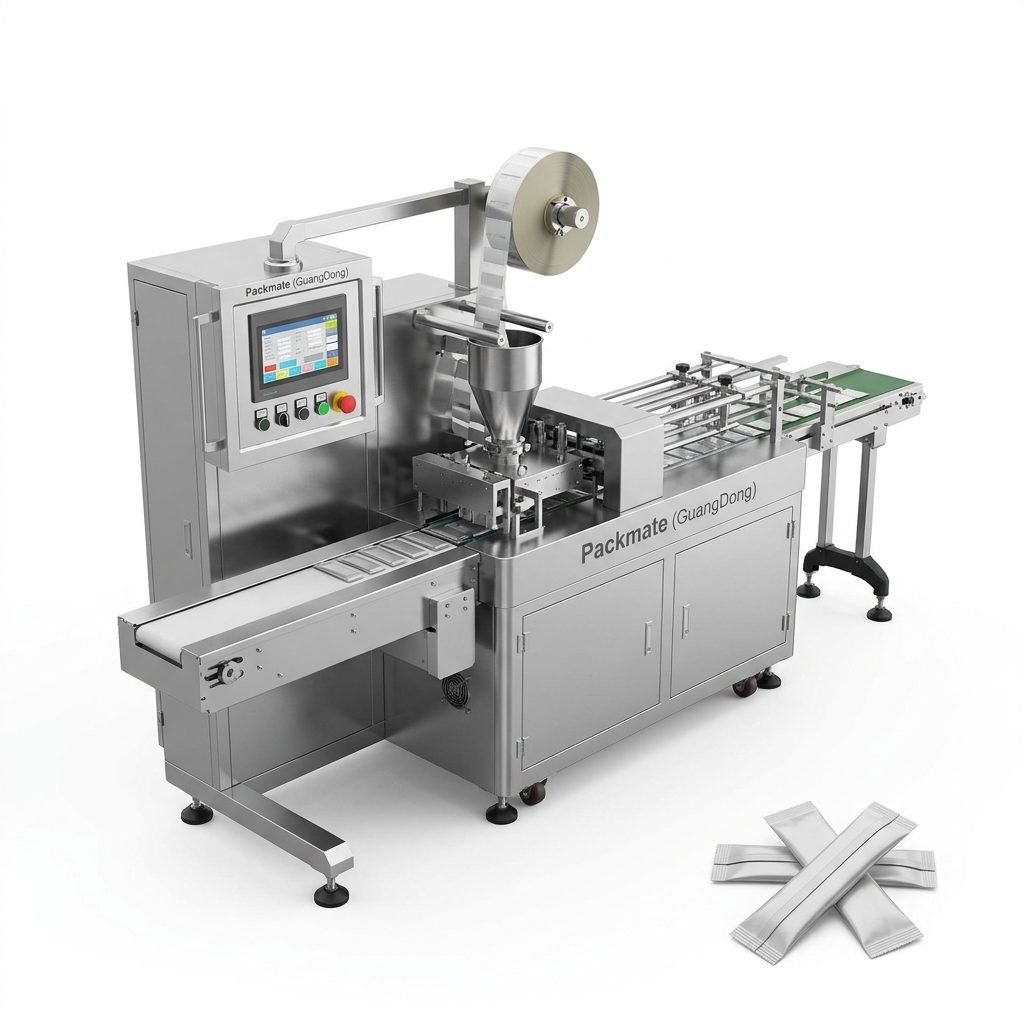
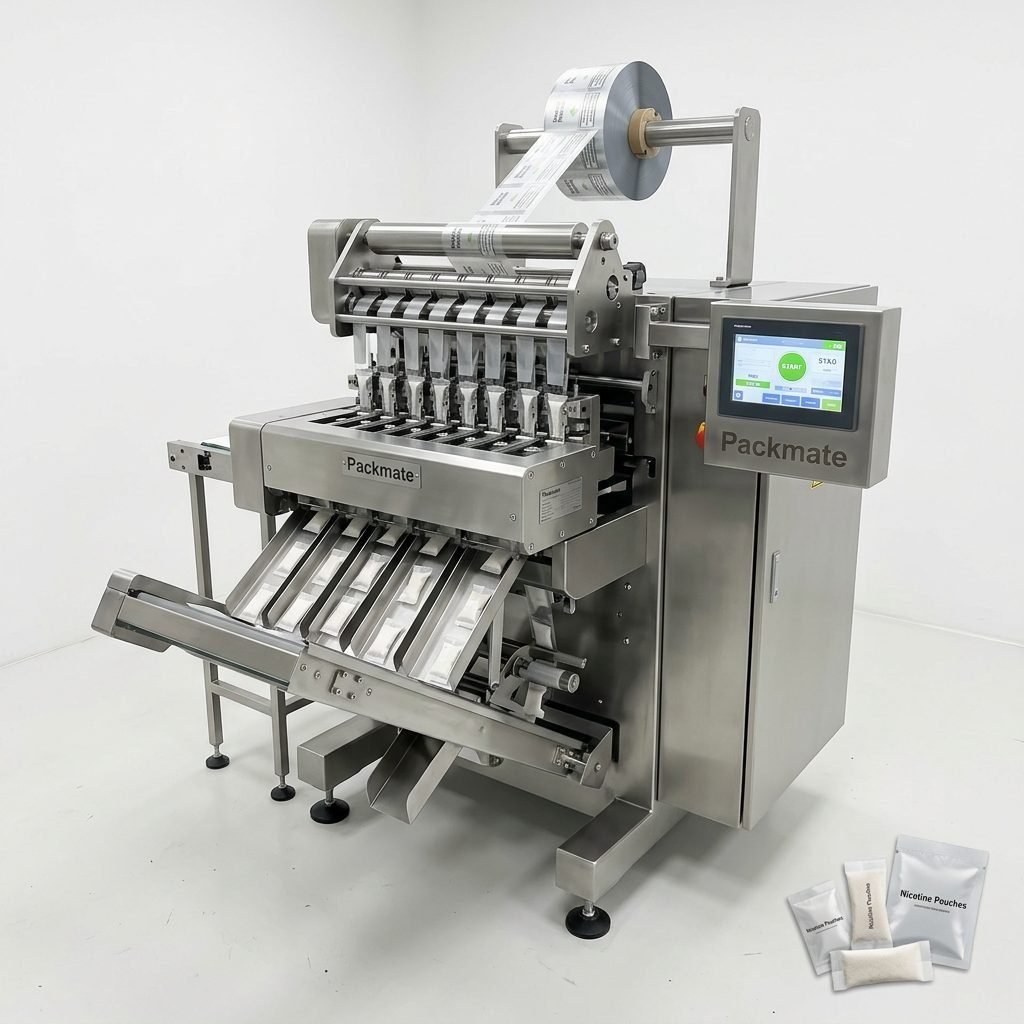
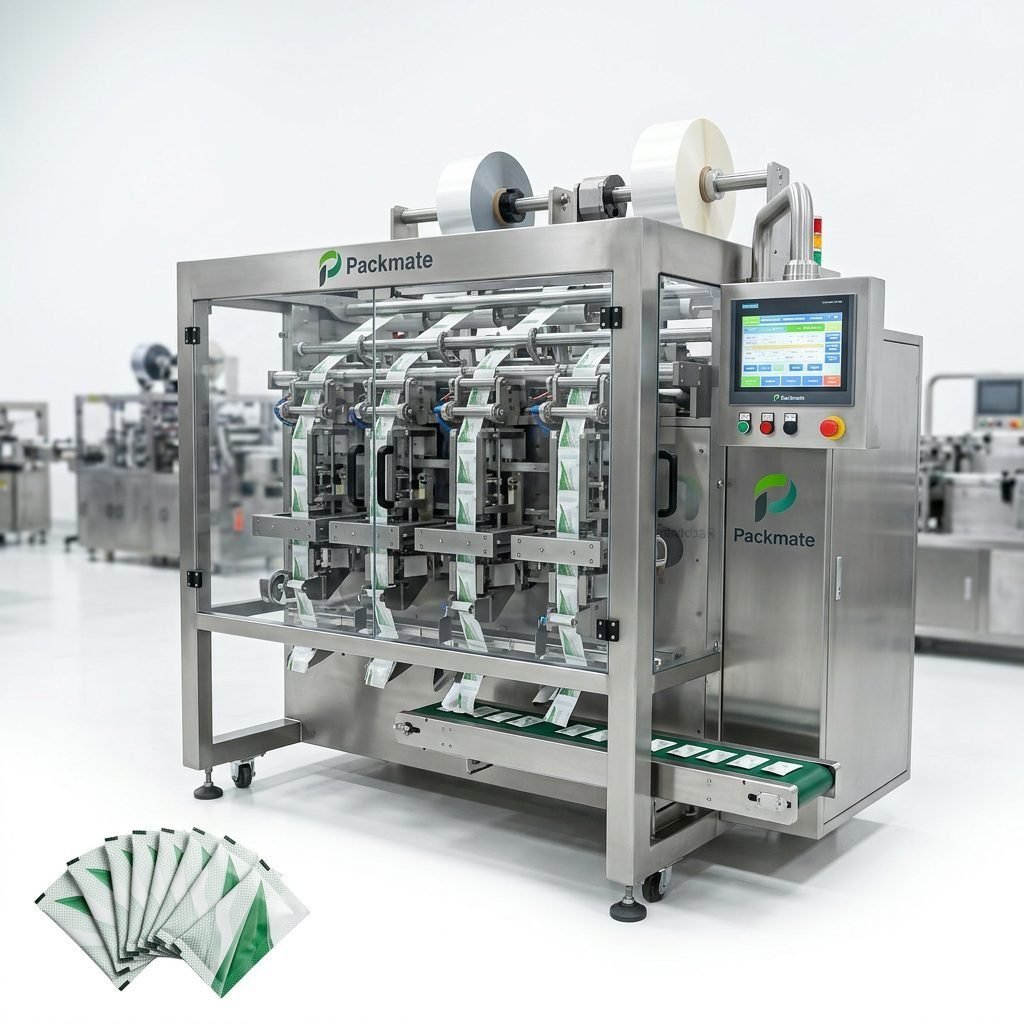
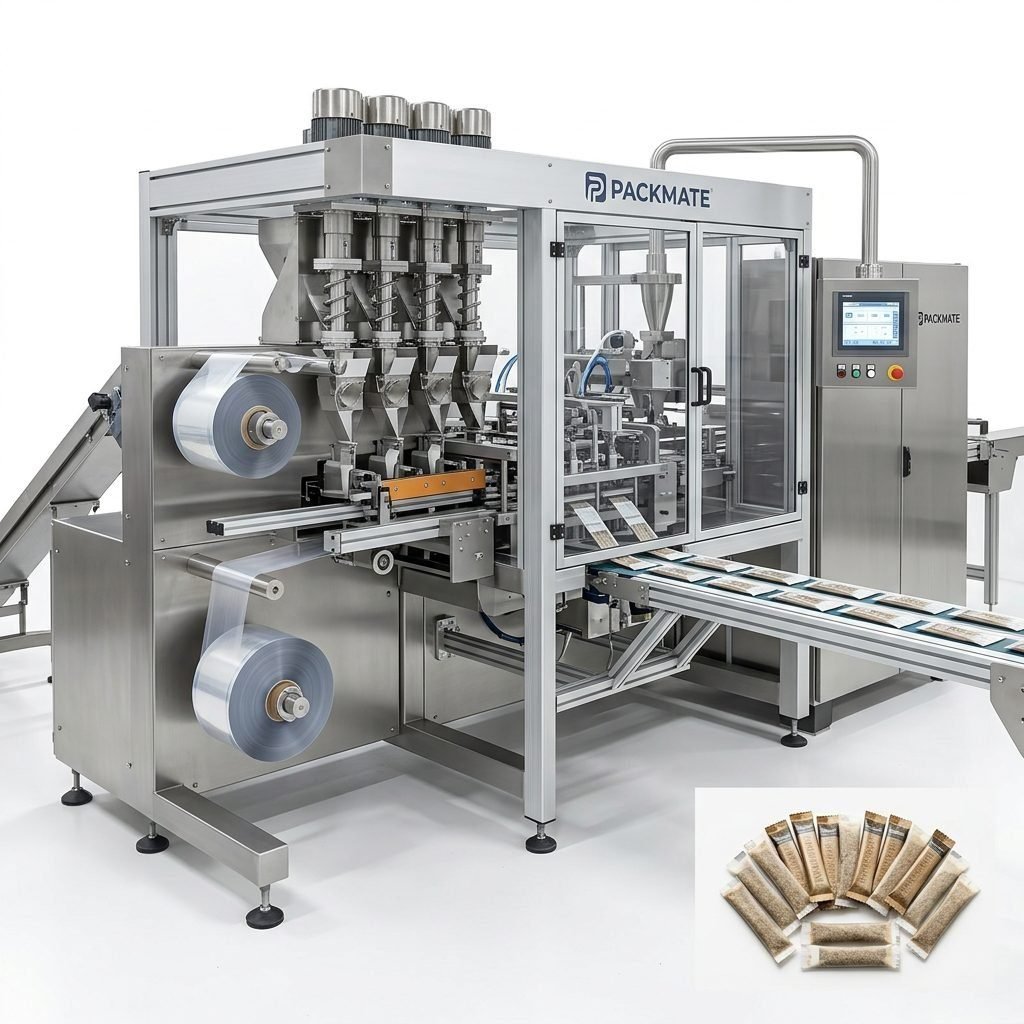
In high-speed nicotine pouch and snus production, spare parts are the unsung heroes that keep packaging lines running smoothly. Downtime, even for a few minutes, can cost thousands in lost throughput and product waste. This article explores the best nicotine pouch machine spare parts, how to select high-quality replacements, and practical strategies for maintaining reliable production. Whether you operate multi-lane snus packers or sachet stick-pack lines, this guidance helps you choose components that deliver long life, consistent performance, and regulatory compliance.
Why Quality Spare Parts Matter for Nicotine Pouch Production
Manufacturing nicotine pouches demands precision. Machines handle small doses, delicate films, and high-speed sealing operations where even minor wear can cause misfeeds, seal failures, or inaccurate weight control. Using high-quality spare parts reduces variation and helps you maintain consistent product integrity, regulatory safety, and brand reputation. In addition, parts built to exact tolerances extend mean time between failures and minimize emergency repairs, which keeps the line operating at target OEE (overall equipment effectiveness).
Common Critical Spare Parts to Stock
Knowing which components affect uptime most helps you prioritize inventory. Below are the parts every nicotine pouch packaging operation should consider stocking:
🔧 Sealing Jaws and Anvils — Wear here causes poor seals and leaks. Replace with precision-ground jaws matched to machine model.
⚙️ Feed Rollers & Conveyors — Grips and surface finishes wear, causing misalignment and jams. Use rollers with food-grade coatings when applicable.
🧭 Sensors & Photo Eyes — Faulty sensing leads to indexing errors and film waste. Stock spare sensors calibrated for your control system.
🔩 Belts, Timing Pulleys & Chains — Mechanical timing components are common failure points in multi-lane systems. Procure the same pitch and material specifications.
💡 Heaters & Temperature Controllers — Precise sealing temperatures are essential. Keep spare heater cartridges and thermostat modules on-hand.
🧰 Nozzles, Fill Valves & Dosers — Inaccurate dosing undermines product weight consistency. Replace small orifices and seals regularly.
🔧 Bearings & Linear Guides — High-speed motion requires low-friction components rated for continuous operation.
Material, Coating, and Certification Considerations
Not all spare parts are created equal. For nicotine pouch packaging, prioritize parts made of:
• Stainless steel (304/316) for food-contact surfaces when required, which offers corrosion resistance and cleanability.
• Food-grade coatings for rollers or surfaces where direct product contact occurs.
• OEM-specified electronic components or certified equivalents for sensors and PLC modules. Using uncertified parts can compromise safety certifications like CE or ISO compliance. If you need verified machines and parts, check Packmate’s certifications and product pages such as Certificate.
Compatibility and Customization: Match Parts to Your Machine
Compatibility is critical. Multi-lane pouch machines, sachet lines, and stick-pack systems have different frame mounts, drive ratios, and electrical interfaces. When ordering spares, always specify: machine model, serial number, part number, and operating parameters (speed, film type). For turnkey lines and system compatibility guidance, explore related product ranges like Snus & Nicotine Packaging Machines and Bag & Pouch Packaging Machines.
How to Source High-Quality Spare Parts
Sourcing strategies vary by business size and geography. Best practices include:
✅ Work directly with the OEM or an authorized distributor to ensure genuine parts and warranty coverage. Packmate offers global turnkey solutions and authorized support; for details, visit About Packmate.
✅ Keep a list of critical part numbers and maintain a trusted supplier list. Confirm lead times and minimum order quantities to avoid stockouts.
✅ For long-lead or custom parts, negotiate priority manufacturing slots or consignment stock arrangements.
Cost, Lead Time and Total Cost of Ownership
It’s tempting to buy cheaper, aftermarket components, but short-term savings can result in higher lifetime costs. Consider:
• Replacement frequency and labor for installation.
• Downtime cost per minute at your production rates.
• Impact on product quality — a single seal failure can contaminate an entire batch. When evaluating suppliers, ask for MTBF (mean time between failures) data and references from other nicotine pouch manufacturers. Packmate’s global service network and documented cases can be useful; view their customer stories at Case.
Installation, Calibration and Best Replacement Practices
Proper installation is as important as the part itself. Follow these steps to ensure successful replacements:
1) Shut down and lock out/tag out the machine per safety procedures.
2) Document the removed component (photo, serial number) and compare with incoming spare for dimensional match.
3) Use calibrated torque tools and alignment jigs for mechanical parts to maintain tolerances.
4) After installation, perform dry-runs and validate seals, fill weights, and cycle timing. Log any drift in sensors or temperatures and adjust controllers if necessary. If you require expert technicians for commissioning, Packmate’s Service page outlines available support options: Service.
Inventory Strategies for Spare Parts Management
A systematic approach to spare parts inventory minimizes emergency orders and lowers carrying costs. Common strategies include:
• ABC analysis: classify parts by criticality and consumption value. Stock A items (critical, high-impact) in higher quantities.
• Consignment or VMI (vendor-managed inventory) agreements for fast-moving wear parts to reduce on-site capital.
• Maintain a rolling 6–12 month forecast based on planned production and past failure rates.
Maintenance, Inspection and Predictive Replacement
Preventive and predictive maintenance programs extend part life. Use vibration monitoring, thermal imaging, and trend analysis on sensors and heaters to detect early wear. Regular cleaning, lubrication with manufacturer-approved greases, and scheduled replacement of consumables (seals, filters, small nozzles) prevent unplanned stops. Integrating spare part tracking into your CMMS (computerized maintenance management system) simplifies reorder triggers and warranty claims.
Working with Global Suppliers and Local Considerations
If your production is based in regions with specific regulatory or cultural considerations, adapt procurement accordingly. For example, markets in Europe often demand CE documentation and strict material traceability, while other regions may prioritize on-site technical support and fast lead times. Packmate operates globally and participates in major exhibitions — see Our Exhibition — making it easier to coordinate parts, service, and compliance across borders.
Case Example: Reducing Downtime on a Multi-Lane Nicotine Pouch Line
A mid-size snus producer experienced frequent misseals due to worn sealing jaws and aging temperature controllers. By switching to OEM-certified jaws and installing spare controller modules on-site, the factory reduced seal-related downtime by 72% within three months. They also implemented an ABC inventory plan and a preventive replacement schedule for heaters and rollers, which reduced emergency orders and improved throughput. This practical approach demonstrates the ROI of investing in quality spare parts and disciplined inventory management.
When to Consider Rebuilds vs. Replacements
For complex assemblies like dosing heads or servo modules, evaluate rebuilds when the component is structurally sound but functional subsystems (bearings, seals) are degraded. Rebuilds can be cost-effective if performed by qualified technicians and if spare parts availability for critical subcomponents is assured. Full replacements are wiser when tolerances are compromised or when OEM firmware/electronics are obsolete.
Choosing a Trusted Partner: What to Ask Your Spare Parts Supplier
Before placing orders, validate the supplier with these questions:
• Can you provide original part numbers and cross-reference documentation?
• What are lead times, and do you offer expedited shipping or local stock options?
• Do parts come with warranty and traceable material certificates (e.g., stainless steel grades)?
• Is technical support available for installation, calibration, and commissioning? For global technical services and support, visit Contact Us.
Final Practical Tips for Reliable Production
• Keep a minimal critical spares kit that includes sealing jaws, one full set of rollers, sensors, a heater cartridge, and essential belts.
• Log every replacement and failure mode to build a reliable MTTR (mean time to repair) database.
• Train maintenance staff on safe replacement procedures and use OEM installation guides whenever possible.
Where to Learn More and Order Genuine Parts
For full packaging solutions, parts catalogs, and service options, review Packmate’s product categories such as Sachet & Stick Pack Machines, Weighing & Packaging Systems, and Auxiliary Packaging Equipment. These pages can help you match spare parts to your exact machine configuration and request quotes or technical drawings.
Conclusion
Investing in high-quality spare parts and an organized spare-parts strategy is essential for uninterrupted nicotine pouch production. Prioritize OEM or certified equivalents, maintain a critical spares inventory, and follow best practices for installation and preventive maintenance. Doing so reduces downtime, protects product quality, and improves operational efficiency.
Common Questions
Q: How many spare sealing jaws should a typical small-to-mid production line keep in stock?
A: Keep at least two complete sets of sealing jaws as critical spares — one installed and one ready for immediate swap — plus one rebuildable set if jaws can be repaired. This minimizes downtime for unexpected failures.
Q: Are aftermarket parts safe to use for nicotine pouch machines?
A: Some aftermarket parts can be cost-effective, but they must meet the original specifications for material, tolerance, and certification. If in doubt, procure OEM-certified parts to maintain warranty and compliance.
Q: What is the best way to reduce lead times for critical parts?
A: Establish local stocking agreements, negotiate consignment inventory with suppliers, and maintain accurate failure-rate data to forecast needs. Working with a global supplier that has local warehouses or fast shipping options helps significantly.
Q: Where can I find technical support for installation and commissioning?
A: Contact your OEM or authorized service partner. For Packmate support and service offerings, consult their Service and Contact pages: Service | Contact Us.