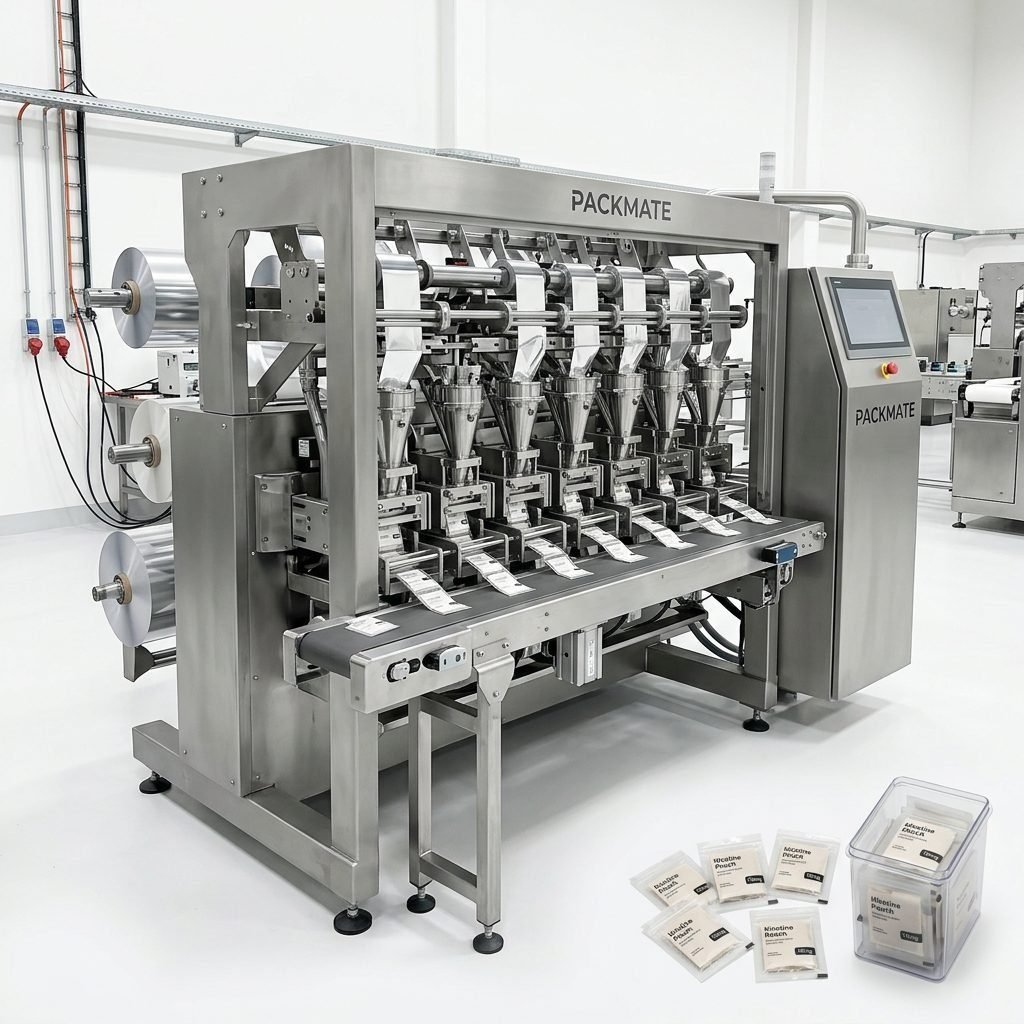
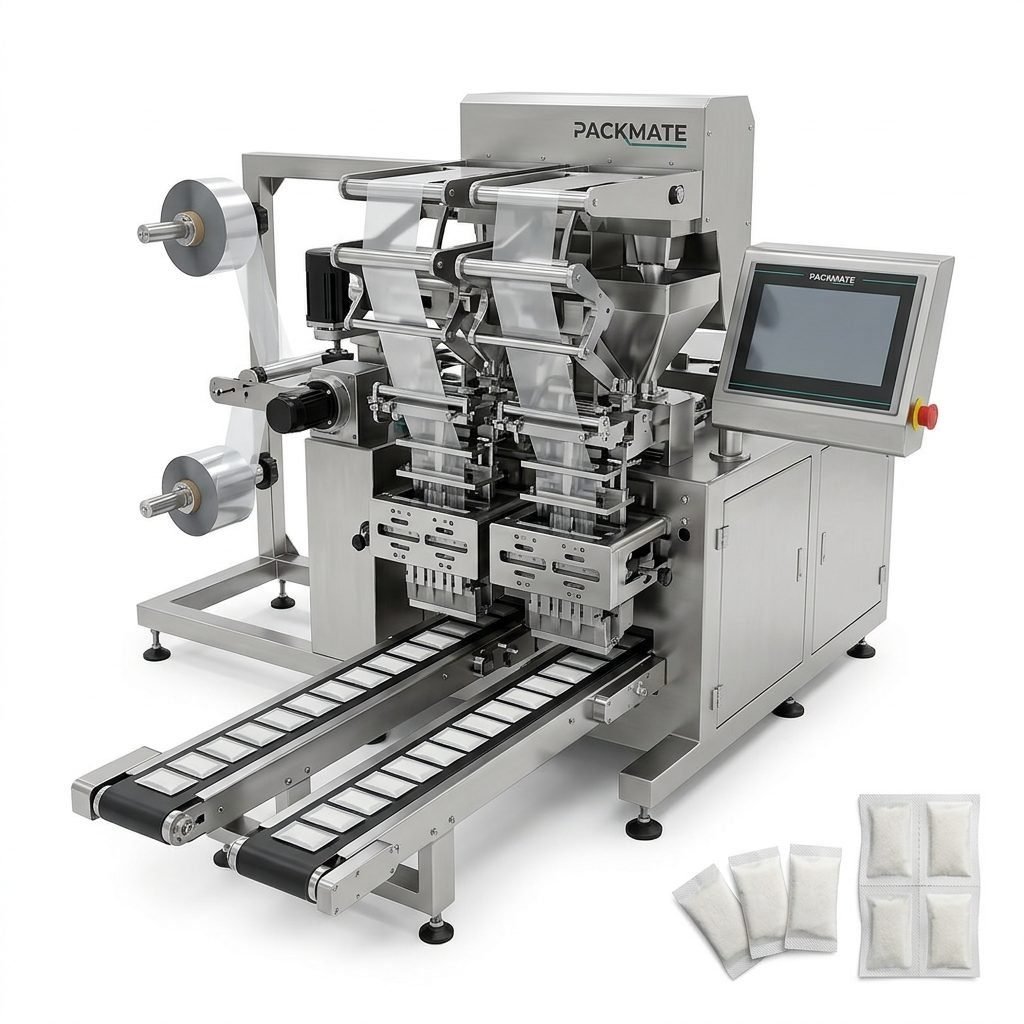
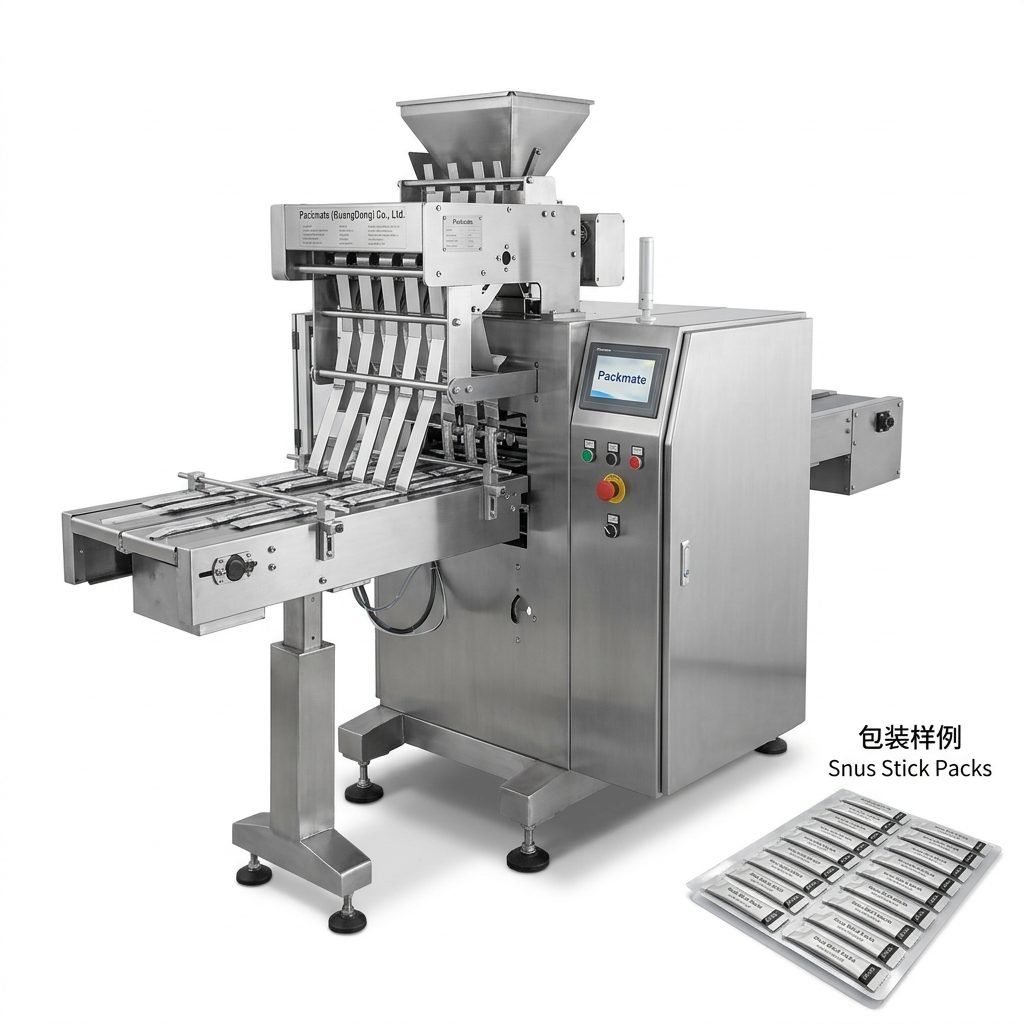
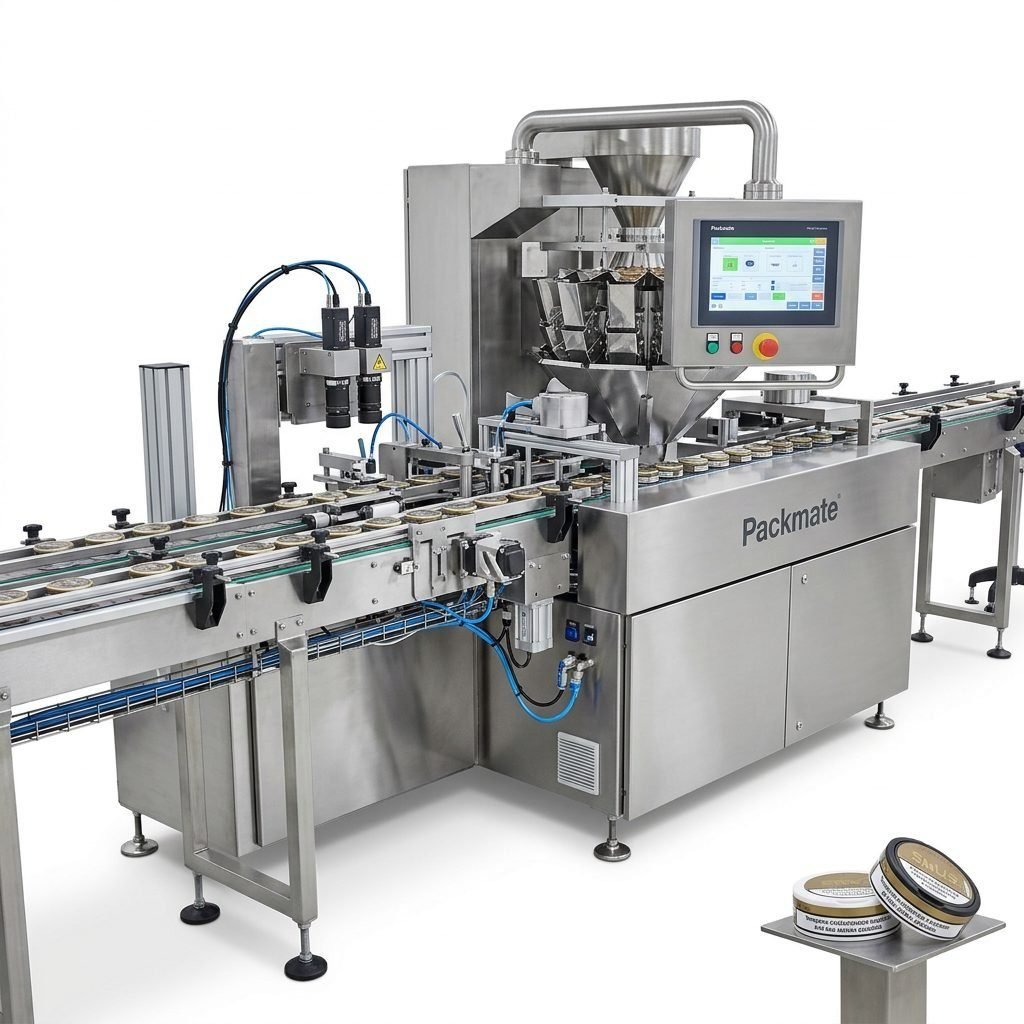
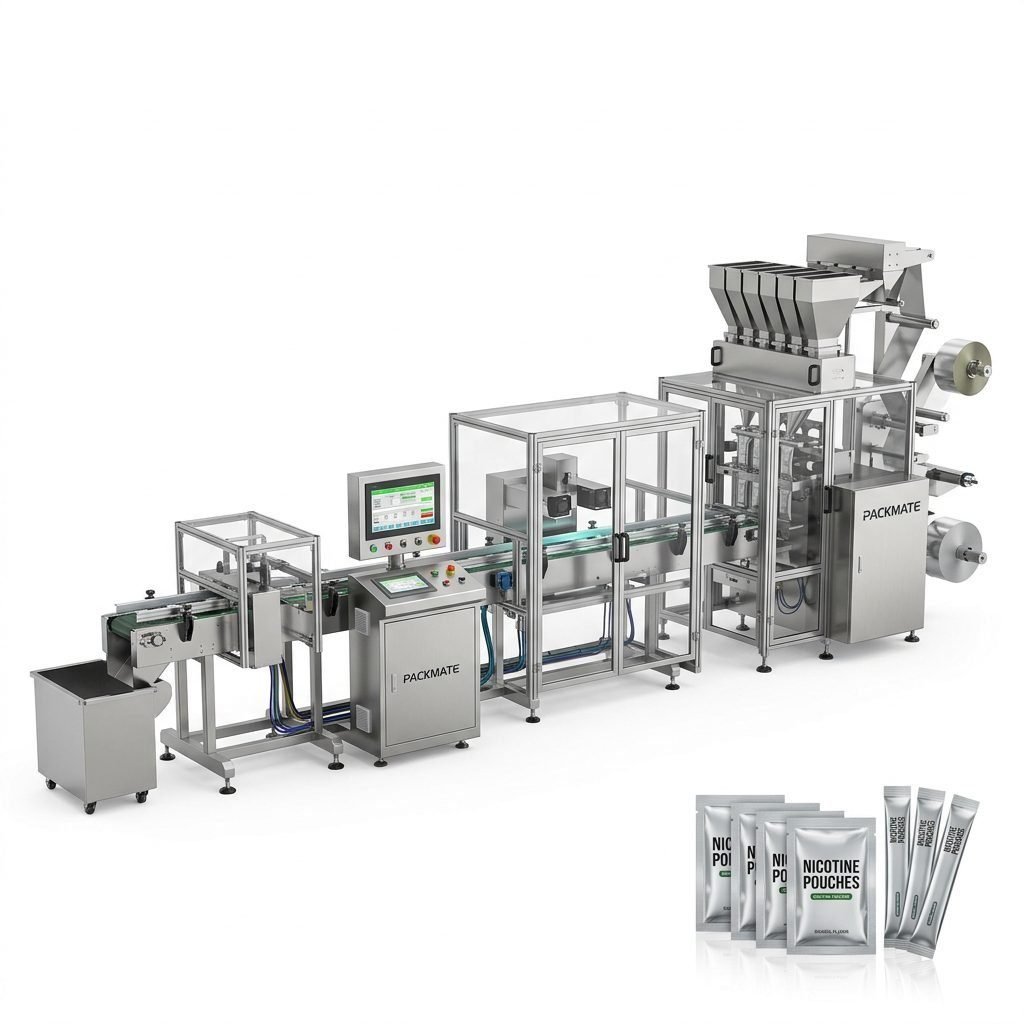
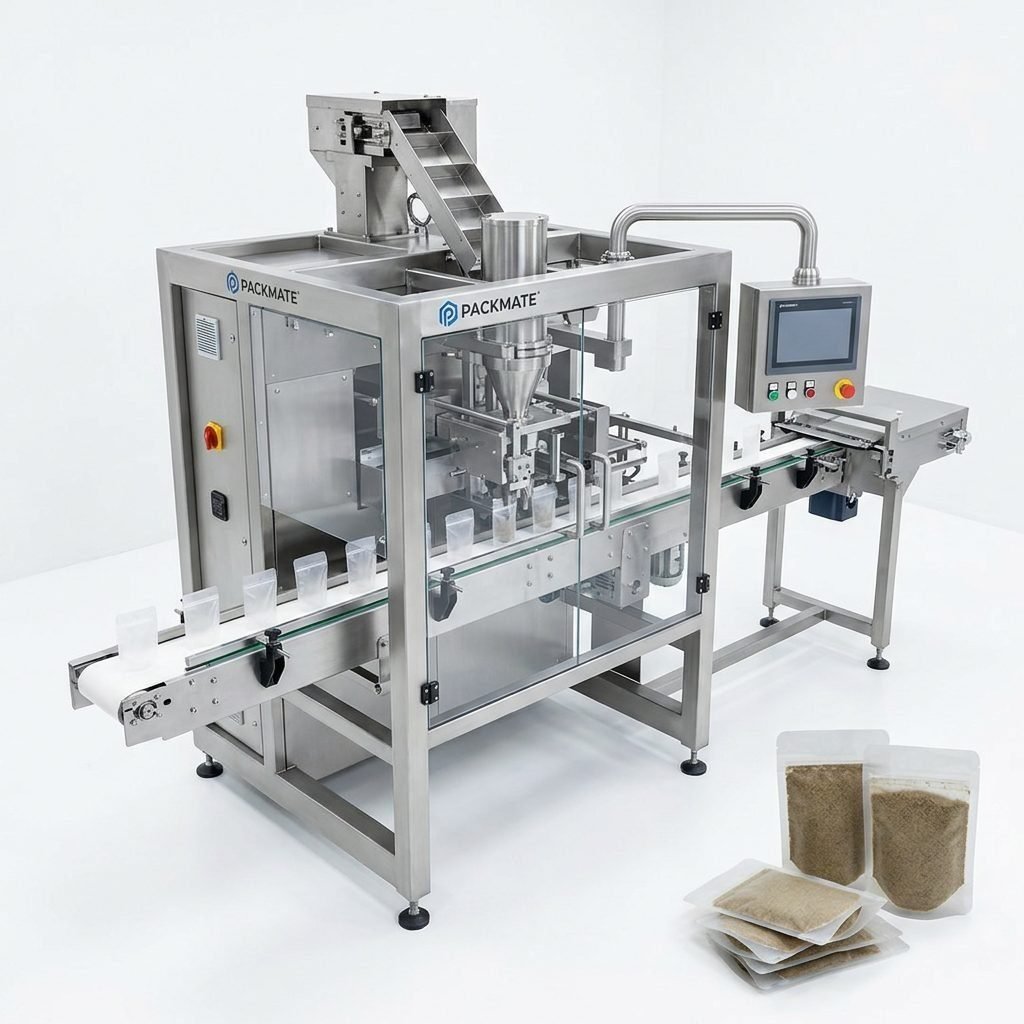
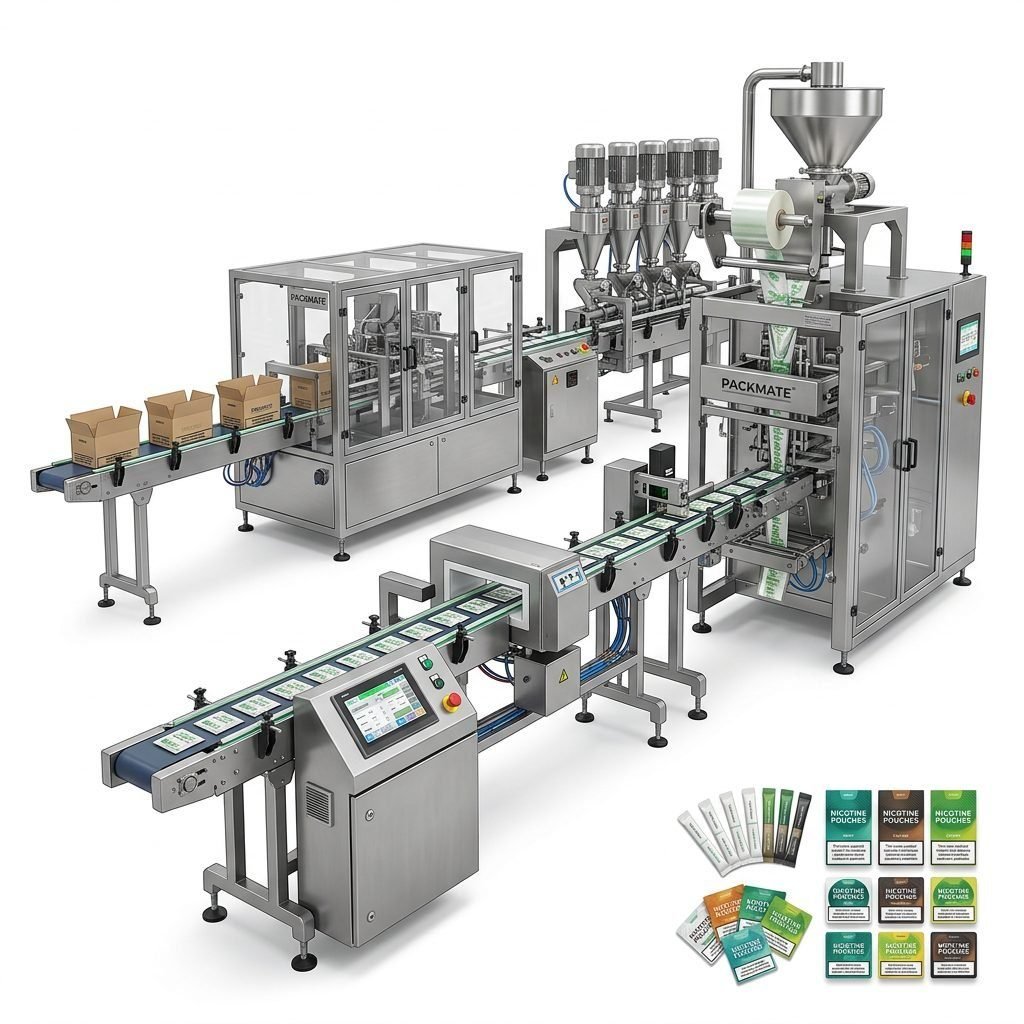
In today’s fast-growing nicotine pouch and snus market, manufacturers face mounting pressure to increase output without sacrificing product quality or regulatory compliance. Modern packaging machinery plays a pivotal role in meeting these demands. This article explores how efficient snus production equipment can boost manufacturing speed, enhance quality control, and deliver long-term cost savings for your operation.
Why Efficiency Matters in Snus Production
The snus and nicotine pouch industry is characterized by small-dose products that require precise dosing, consistent sealing, and hygienic processing. Inefficient equipment leads to frequent downtime, higher material waste, and inconsistent product presentation — all of which reduce profitability and brand trust. Investing in high-performance packaging machines addresses these challenges head-on, improving throughput and ensuring each pouch meets strict quality expectations.
Key Market Drivers
Manufacturers must respond to several market forces: rising consumer demand for portioned nicotine products, stricter international quality standards, and growing product variety (different pouch sizes, formats, and flavors). Efficient machinery enables flexible production runs and rapid changeovers, helping businesses remain competitive.
Quick Snapshot: Advantages of Upgrading Your Line
🔸 Higher output per hour — modern multi-lane systems dramatically increase hourly yield.
✅ Improved dose accuracy — advanced weighing and dosing reduce waste.
⚙️ Reduced downtime — more reliable components and easier maintenance.
📈 Better ROI — energy savings, less material scrap, and consistent product quality.
Core Features of High-Performance Snus Packaging Machines
Choosing the right machine comes down to features that directly affect efficiency, quality, and cost. Below are the essential capabilities to look for in a reputable snus packing line.
Precision Dosing and Multi-Lane Capability
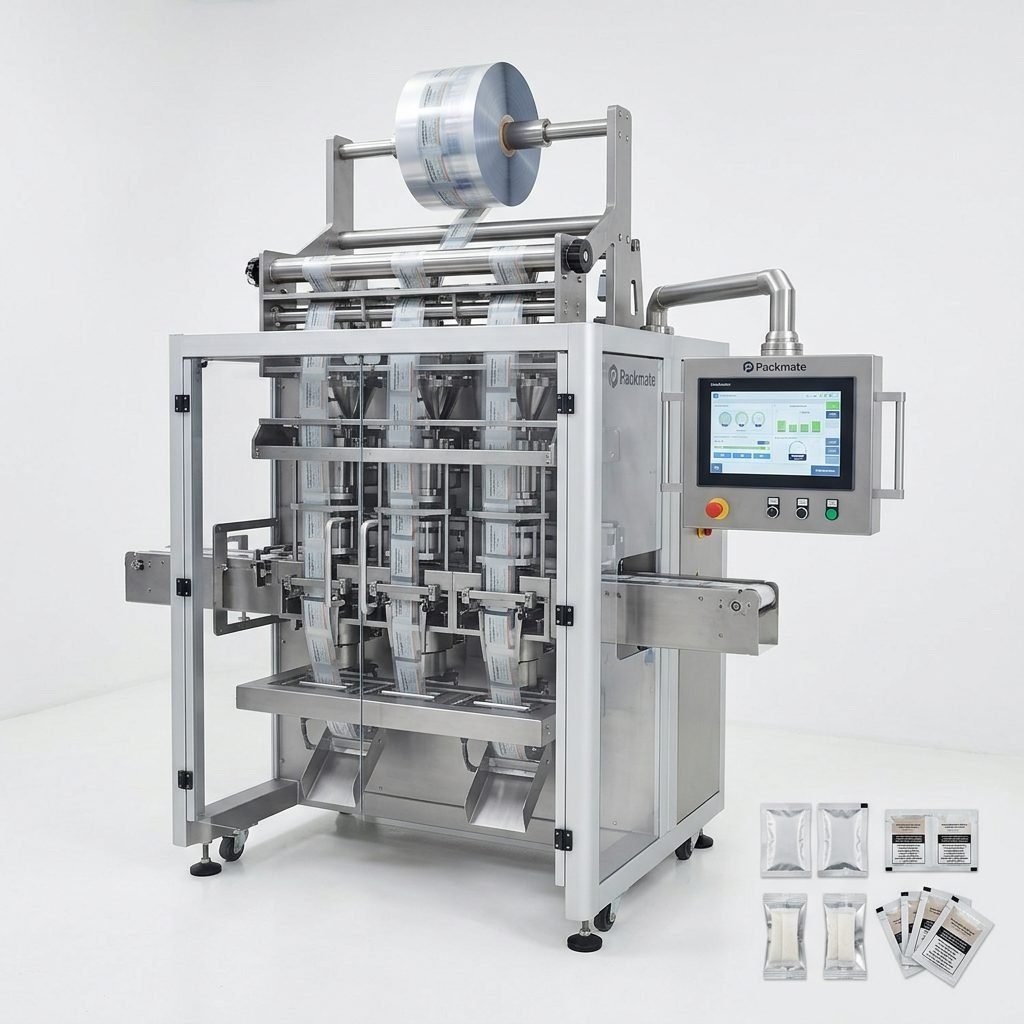
Accurate low-dose filling is critical for nicotine pouches and snus. Multi-lane systems enable manufacturers to run multiple tracks simultaneously, multiplying output without increasing footprint. Look for machines with advanced weighing & feedback control to maintain consistency across lanes.
Flexible Packaging Formats
A versatile line should support stick packs, sachets, and small pillow pouches, enabling quick format changes for different SKU demands. Integrating modular elements from sachet and stick pack solutions reduces conversion time and tooling costs.
Performance Indicators to Compare
• Cycle speed (pouches/min)
• Mean dose deviation (%)
• Changeover time (min)
• Uptime (%)
Packmate Snus Machine: Product Lines & Solutions
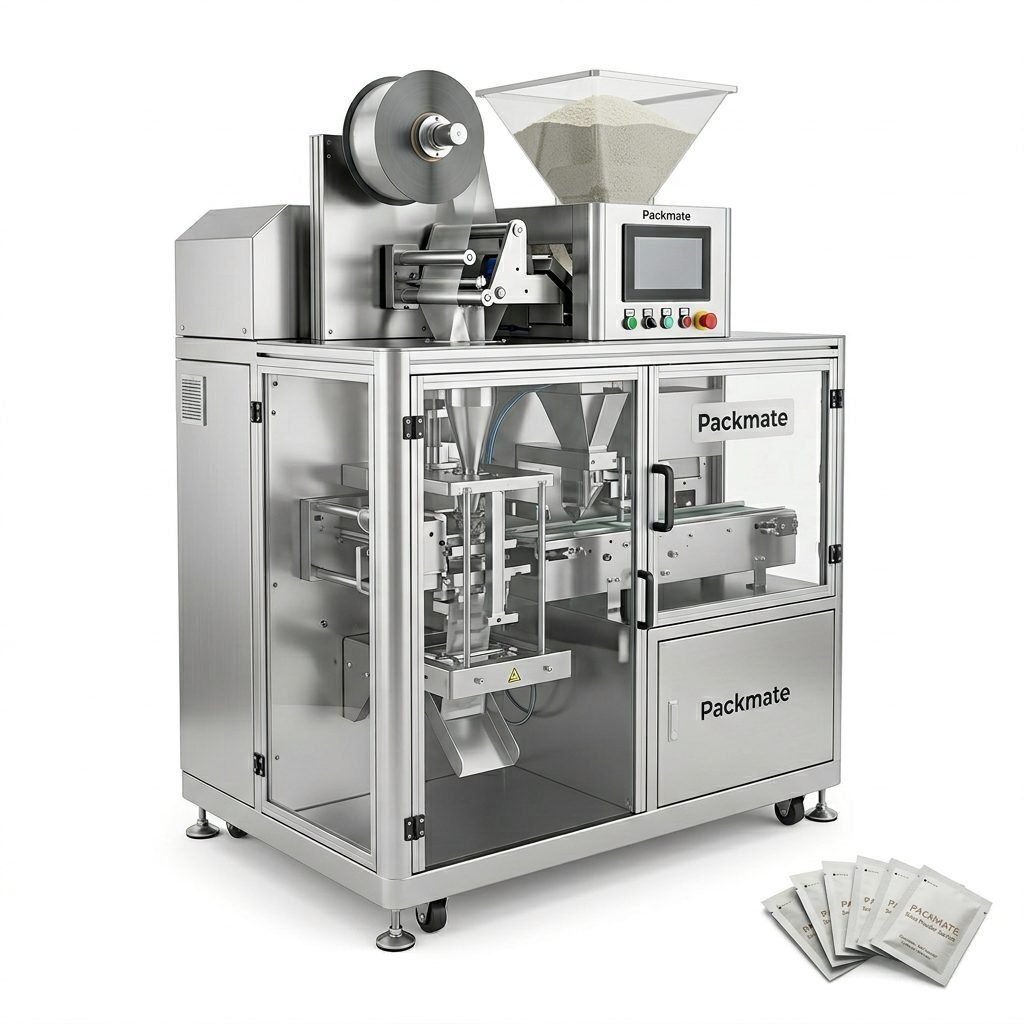
Packmate Snus Machine offers a comprehensive range of equipment tailored for snus, nicotine pouches, and similar small-dose products. Their portfolio includes specialized snus/nicotine packaging machines, multi-lane stick pack lines, sachet systems, and complete filling and weighing integrations. Explore specific machine categories to find the best fit for your needs.
Learn more about different product lines:
Snus & Nicotine Packaging Machines,
Sachet & Stick Pack Machines,
Bag & Pouch Packaging Machines.
Turnkey Lines & Integrations
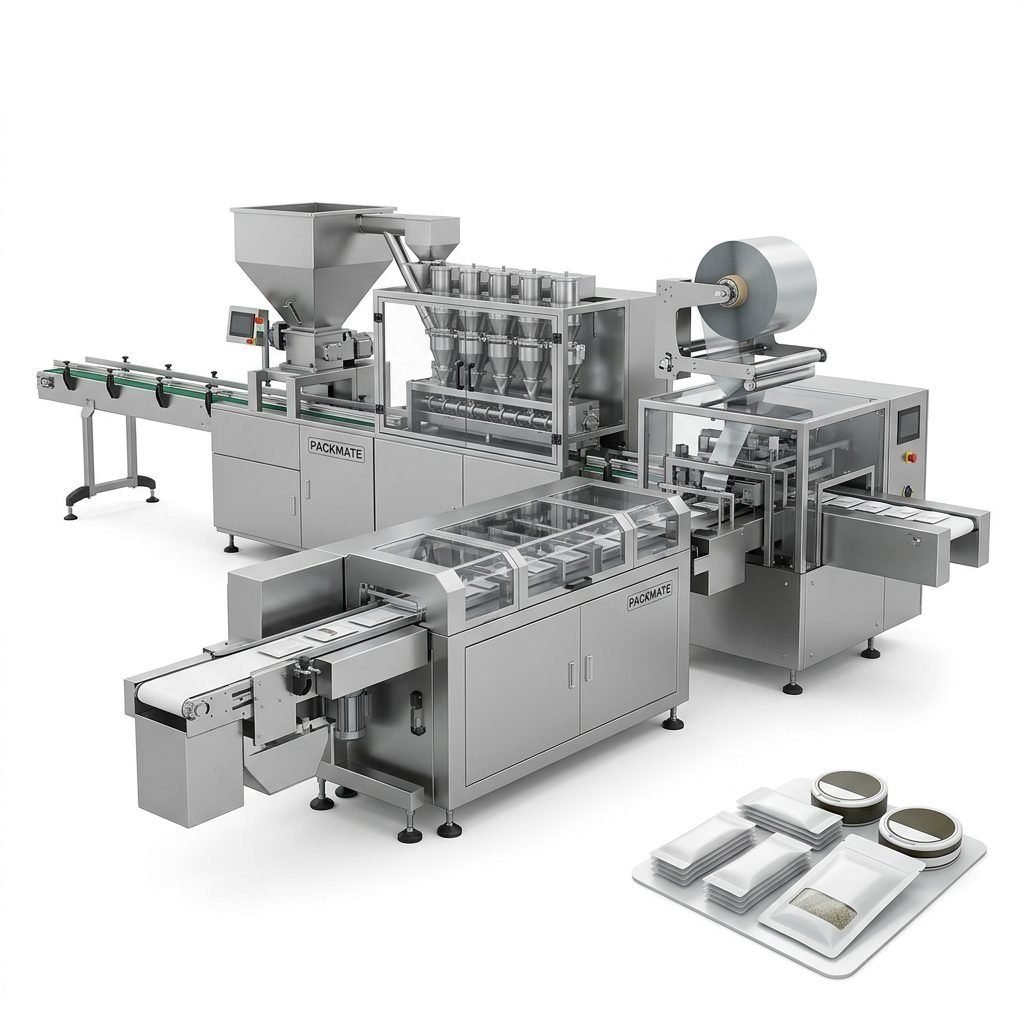
For manufacturers seeking end-to-end automation, Packmate delivers turnkey production lines that integrate weighing, filling, pouch forming, sealing, and secondary packaging. These lines are engineered for smooth material flow and minimal manual intervention, enabling consistent batch quality and traceability.
How Efficient Equipment Improves Speed Without Sacrificing Quality
Efficiency does not mean rushing processes — it means optimizing every step so quality standards are consistently met at higher throughput. Below are practical ways modern snus equipment achieves this balance.
Advanced Control Systems
PLCs (Programmable Logic Controllers) and user-friendly HMIs allow precise parameter settings and instant monitoring. Built-in alarms and diagnostics enable quick fault detection and corrective actions, minimizing quality drift and reducing scrap.
Automated Quality Checks
Inline inspection systems — such as weight verification, seal integrity sensors, and vision systems — ensure that only compliant pouches proceed to secondary packaging. This reduces recalls and protects brand reputation.
Operational Best Practices
🔧 Regular preventive maintenance to sustain uptime.
📋 Implement SOPs for changeovers and cleaning.
🧪 Use SPC (Statistical Process Control) for dose stability.
👷 Train operators on troubleshooting and basic repairs.
Cost Savings and Return on Investment (ROI)
Purchasing modern snus packing equipment is a capital expense, but the long-term savings typically justify the investment. Savings come from reduced material waste, lower labor costs through automation, energy-efficient components, and fewer quality rejects.
Calculating Your ROI
To estimate ROI, consider:
increased daily output, decreased scrap rate, and lower operator hours. A well-configured multi-lane line often pays for itself in 12–36 months depending on production scale and product margins.
Quality Assurance, Compliance, and Certifications
Regulatory compliance and product safety are non-negotiable. Packmate’s equipment is designed to meet international standards such as CE and ISO, and the company provides documentation and test reports to help clients meet local regulatory requirements and audits.
For more details about compliance and company credentials, see the Certificate and About Packmate pages.
Factory Strength & After-Sales Service
Packmate’s 20,000㎡ manufacturing base, advanced CNC centers, and precision assembly lines contribute to consistent machine quality. After-sales service includes installation support, operator training, spare parts supply, and global technical assistance, all essential for maintaining peak efficiency.
Global Presence & Demonstrations
Attending exhibitions and live machine demos can be invaluable when selecting equipment. Packmate participates in international events where potential buyers can see real-time operation and discuss custom solutions. See upcoming and past events on the Our Exhibition page.
Customization: Tailoring Lines to Your Needs
No two manufacturers have identical needs. Whether you require specific pouch dimensions, multi-flavor lanes, or integrated secondary packaging, choose a partner that offers modular design and bespoke engineering. Packmate provides customized turnkey solutions that include layout planning, utilities evaluation, and process optimization.
Customization Examples
• Multi-lane configurations for small-dose sachets.
• Custom feeding systems for specialty raw materials.
• Integrated weighing & dosing modules for complex blends.
Installation, Training and Ongoing Support
A smooth commissioning process accelerates time-to-market. Reputable suppliers provide on-site installation, validation assistance, and hands-on operator training. Ongoing remote and on-site service ensures machines maintain high uptime and efficiency.
Spare Parts & Consumables
Timely access to genuine spare parts reduces unplanned downtime. Establish a parts inventory plan for high-wear items and subscribe to preventive maintenance schedules recommended by the manufacturer.
Case Studies and Global Cooperation
Numerous global partners have adopted automated snus lines to increase capacity and standardize product quality. Packmate’s case references demonstrate successful deployments across Europe, Asia, and the Americas. Visit the Case page for real-world examples of production improvements and ROI.
Selecting the Right Supplier
When choosing a supplier, evaluate technical expertise, manufacturing capacity, quality control standards, and after-sales network. Look for a partner with a proven track record in snus and nicotine pouch packaging, supported by comprehensive documentation and customer references.
Questions to Ask Potential Vendors
• What is the expected throughput for my product format?
• Can the line handle multi-flavor or multi-SKU runs easily?
• What documentation and certifications are provided?
• What is the typical lead time for delivery and installation?
• How is spare parts and technical support handled in my region?
Implementation Tips for a Smooth Ramp-Up
Plan pilot production runs to validate recipes and machine settings. Use cross-functional teams from production, QA, and maintenance during the commissioning phase. Record parameter baselines so future changeovers can be faster and reproducible.
Ramp-Up Checklist
• Define target throughput and acceptable dose variance.
• Schedule operator training and SOP development.
• Set up preventive maintenance and spare parts list.
• Conduct initial quality audits and adjust SPC limits.
Sustainability and Safety Considerations
Modern machinery often includes energy-efficient drives, optimized vacuum systems, and reduced material wastage — all contributing to lower environmental impact. Additionally, compliant guarding, cleanable surfaces, and hygienic design reduce contamination risk and help meet workplace safety standards.
Next Steps: How to Evaluate Your Needs
Begin with a capacity analysis: what is your current and forecasted demand? Map out existing bottlenecks (dosing, sealing, secondary packaging) and prioritize upgrades that yield the highest efficiency gain. Contact the supplier to request a tailored proposal including line layout, electrical and utility requirements, and a realistic implementation timeline.
If you’d like to explore specific machine options or discuss a turnkey project, visit the Contact Us page or browse the Catalog.
Frequently Asked Questions
Q1: How fast can a modern multi-lane snus machine produce pouches?
A: Depending on lane count and pouch format, modern multi-lane systems can achieve several thousand pouches per hour. Specific speed depends on pouch size, dosing method, and final packaging requirements.
Q2: What is the typical payback period for automated snus lines?
A: Payback typically ranges from 12 to 36 months, influenced by production scale, labor savings, material waste reduction, and improved yield.
Q3: Can these machines handle different nicotine pouch sizes and formulations?
A: Yes. Many systems are modular and adjustable to accommodate multiple pouch sizes and formulation viscosities. Discuss your SKUs with the supplier to ensure compatibility.
Q4: What after-sales support should I expect?
A: Expect installation support, operator training, spare parts supply, and remote or on-site technical assistance. Confirm service response times and parts availability for your region.
Q5: Where can I see live demonstrations or customer references?
A: Manufacturers often showcase machines at international exhibitions and can provide case studies. Visit the company’s exhibition and case pages for details and to arrange demos.