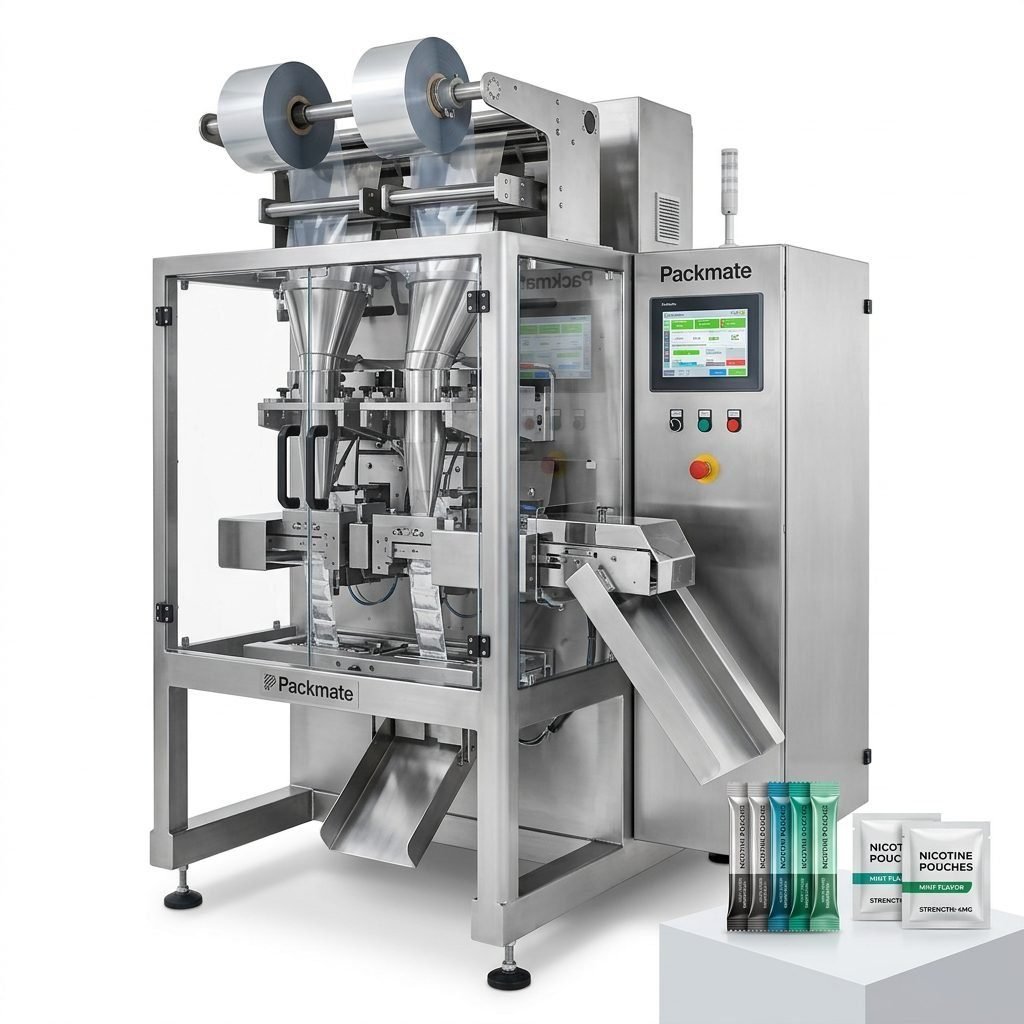
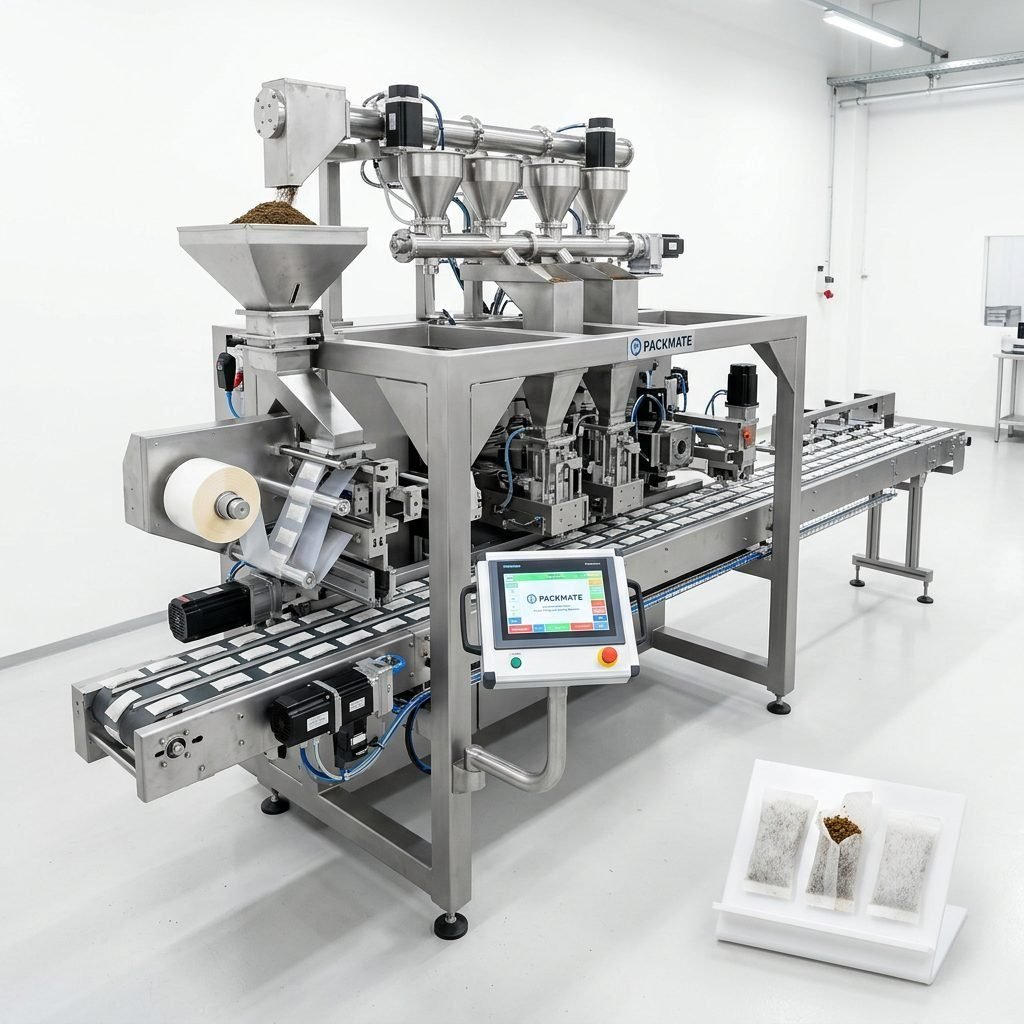
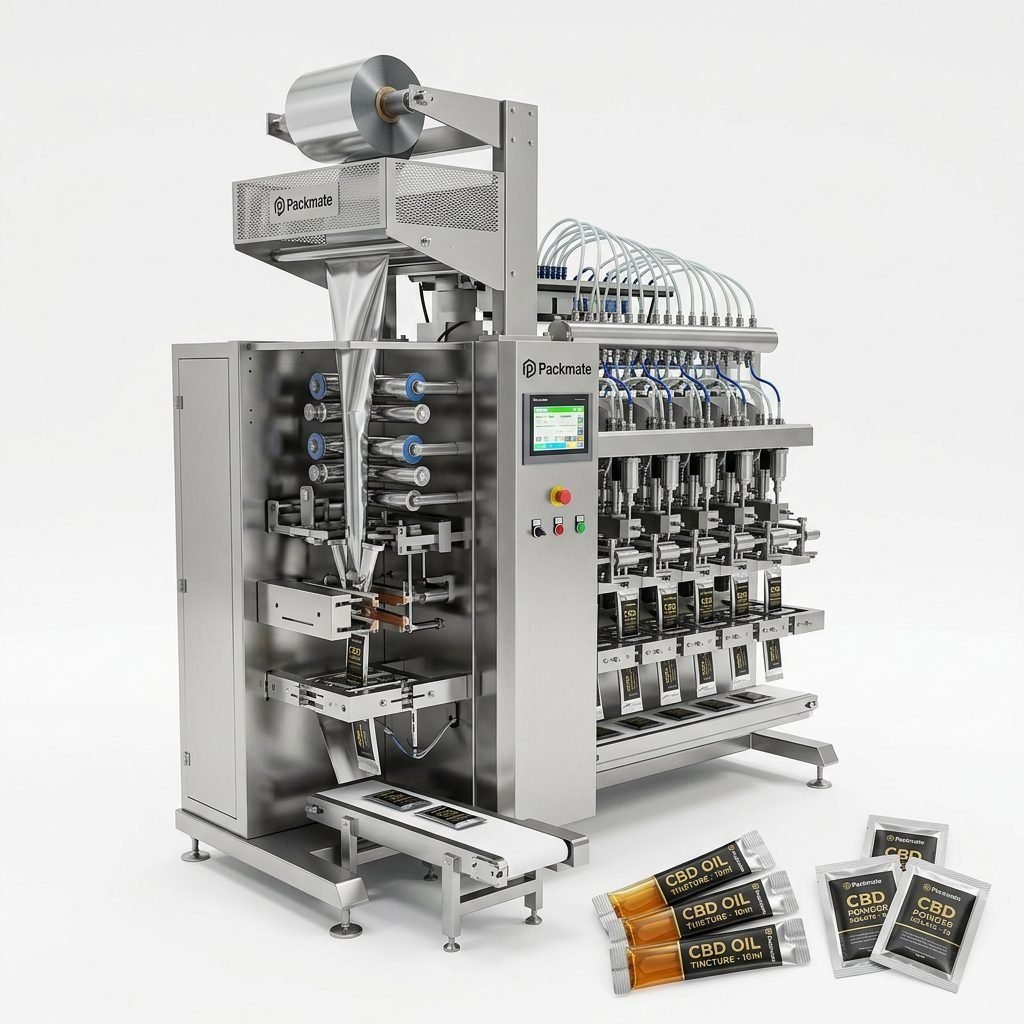
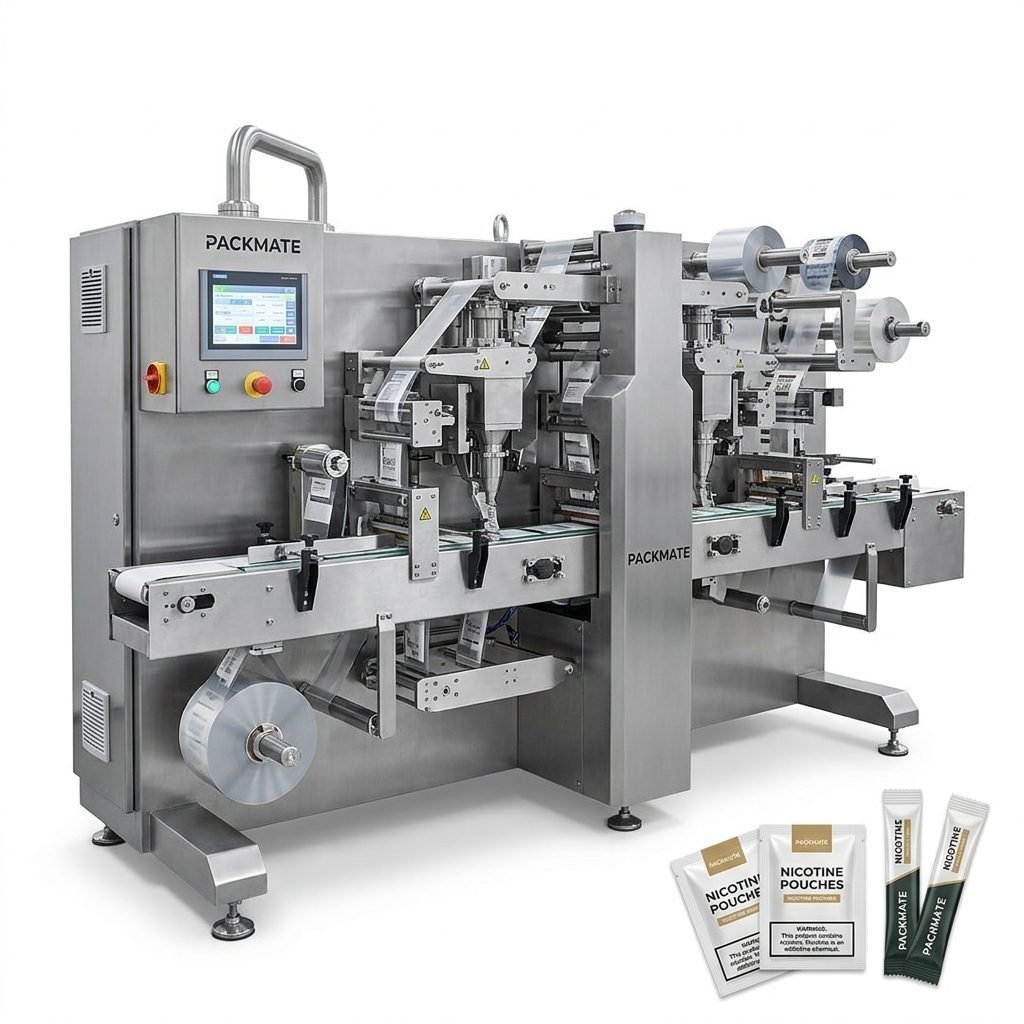
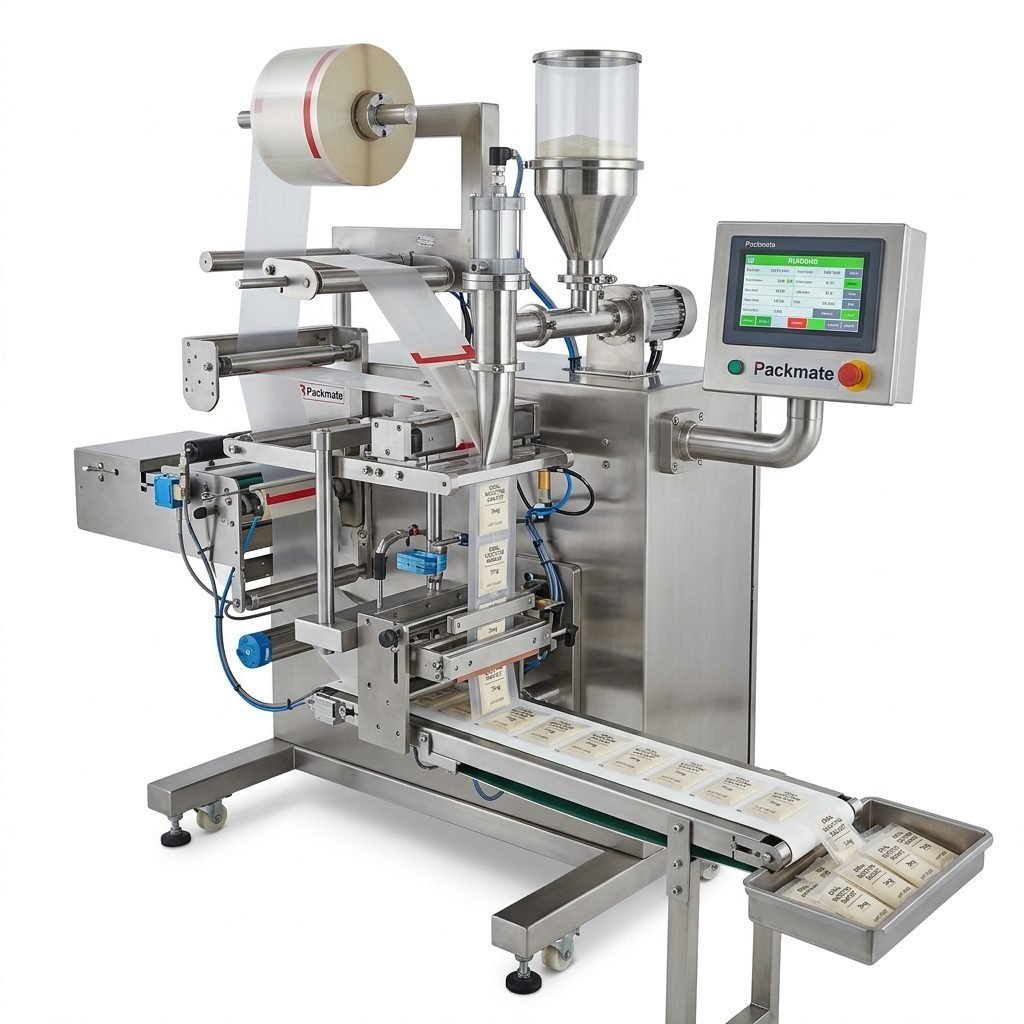
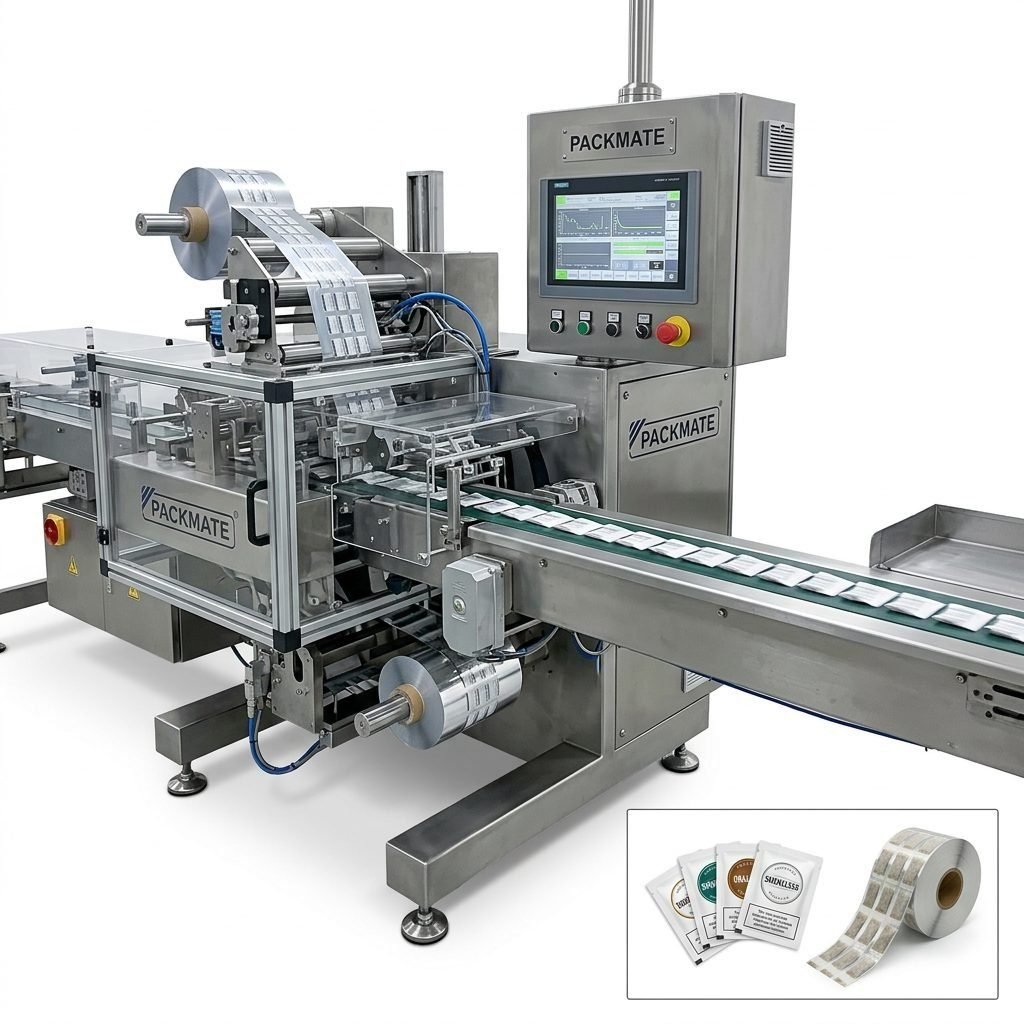
Choosing the right automatic snus filler and packer is a strategic decision for any manufacturer entering the nicotine pouch and snus market. This guide walks you through the technical options, production planning, machine features, compliance concerns, and supplier evaluation so you can select a reliable snus packaging machine that meets your throughput, footprint, and product quality goals.
🔧 What is an Automatic Snus Packaging Machine?
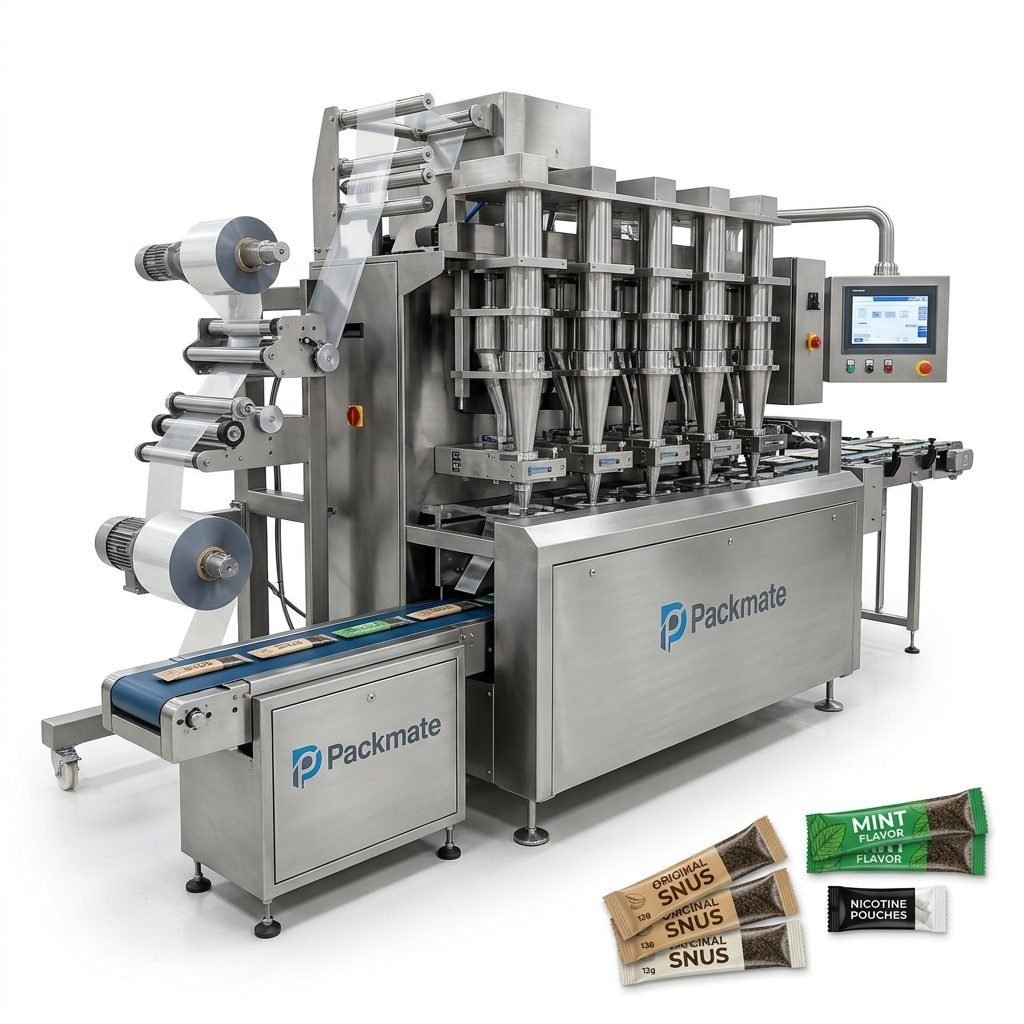
An automatic snus packaging machine is a specialized automated system that fills, seals, and packages nicotine pouches or snus into pouches, sachets, sticks, or multi-lane formats. These systems combine precision dosing, gentle handling, and hygienic sealing to protect product integrity and ensure consistent portion size. Modern solutions often integrate weighing, multi-lane forming, and automated carton or bagging stations for turnkey production.
⚙️ Typical Line Components
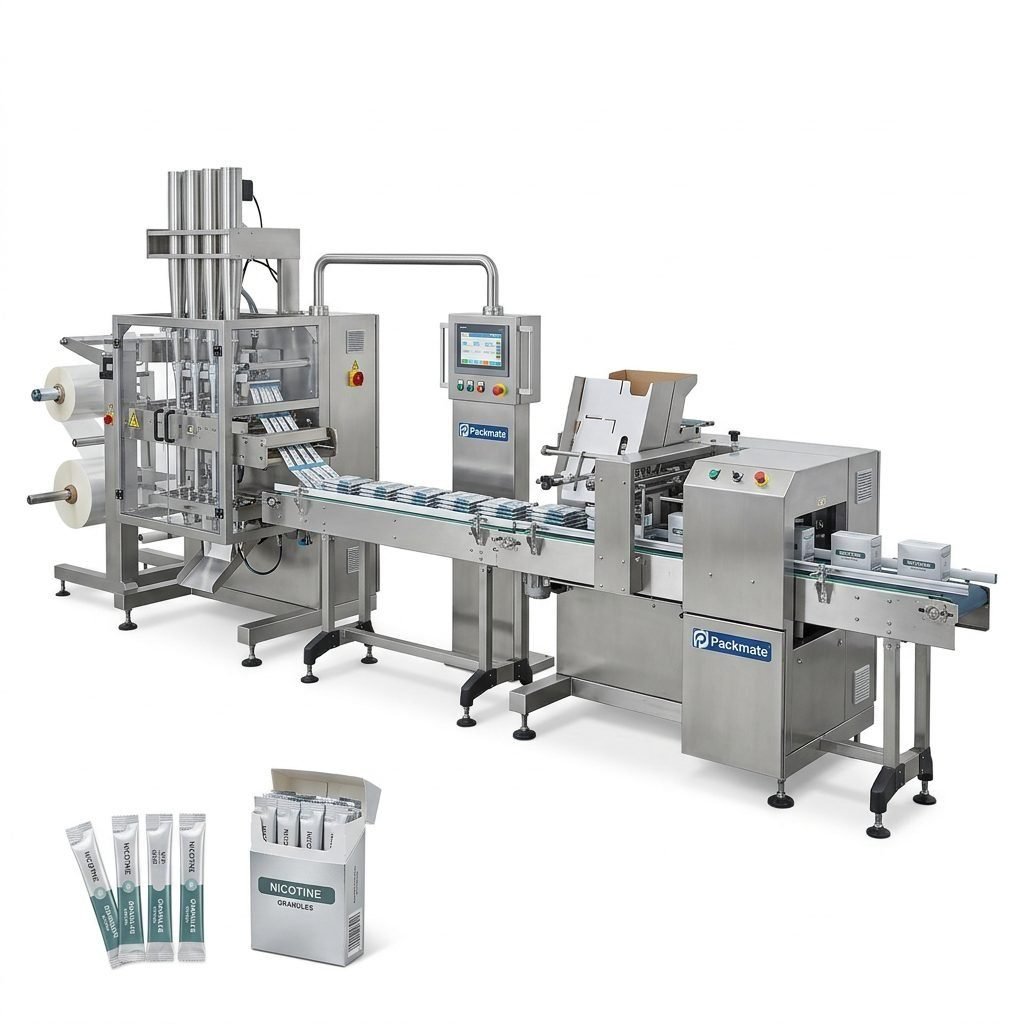
A complete snus packaging line commonly includes a dosing/weighing unit, a snus filler, a pouch or stick forming machine, a sealing station, and downstream packing modules. For integrated solutions consider end-of-line equipment such as carton erectors, case packers, and palletizers to create a fully automated production flow.
🧭 Types of Snus Packaging Machines
Choosing the right machine begins with understanding available formats. The machine type should match your product presentation, production speed targets, and packaging material preferences.
Stick Pack Machines
Stick packers are ideal for single-portion stick formats widely used in nicotine pouches. They offer continuous film sealing, precision dosing, and high-speed output. Stick packs are popular for convenience and portion control.
Sachet & Multi-Lane Machines
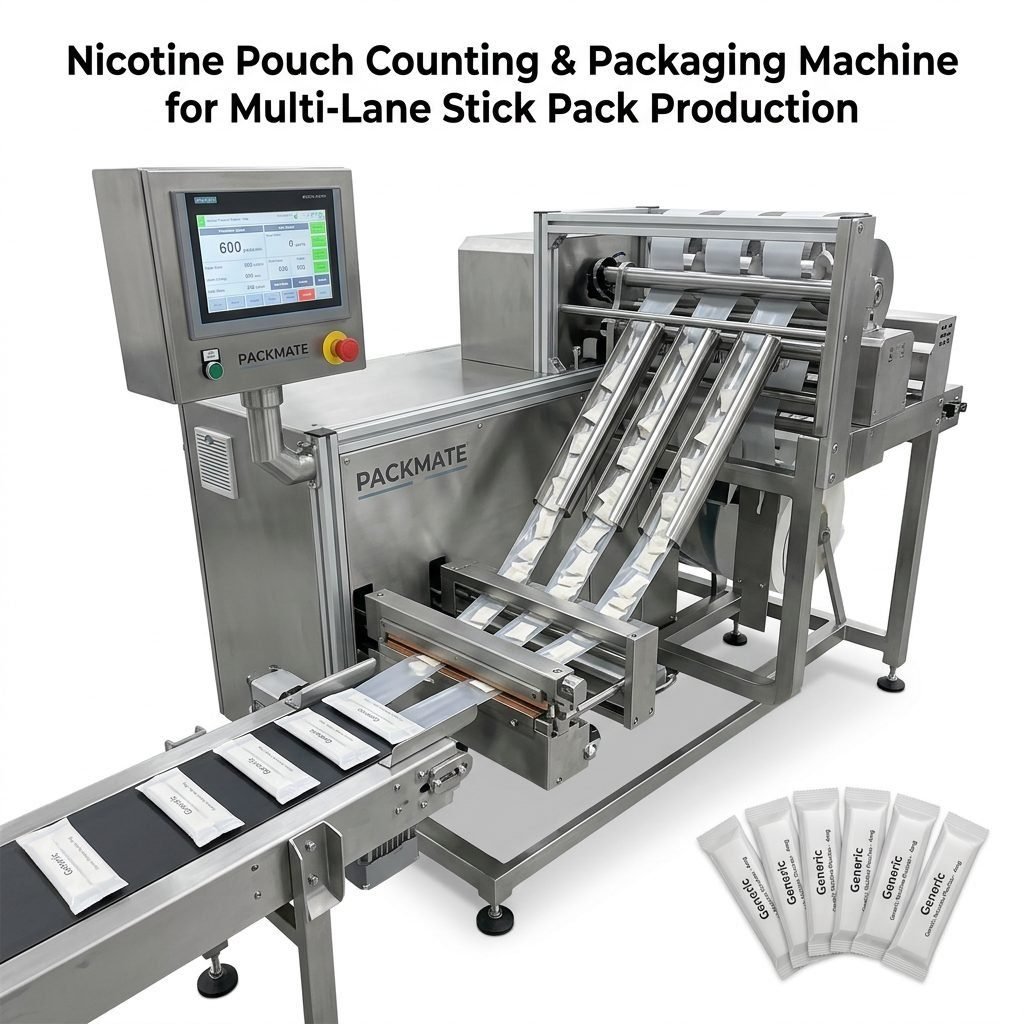
Sachet and multi-lane systems can produce multiple pouches simultaneously, significantly increasing throughput for small-dose portions. If you need to scale fast, multi-lane sachet machines are a practical choice. These systems often feature synchronized feeders and integrated counting for downstream packaging.
Custom Pouch / Bag Machines
For branded pouches or stand-up bags, pouch forming and bagging machines provide flexible bag sizes and complex packaging designs. These are commonly used when visual shelf appeal or resealable options are required.
📈 Key Performance Parameters to Compare
When evaluating machines, focus on throughput (pieces/min or lanes × speed), filling accuracy, sealing quality, changeover time, ease of cleaning, and available automation features such as inline metal detection or vision inspection.
Throughput & Multi-Lane Capacity
Determine your target daily output then select a machine with the right lanes and cycle speed. Multi-lane machines multiply per-lane speed; for example, a 6-lane system running 60 cycles/min can produce many times more portions than a single-lane machine at the same cycles/min.
Filling Accuracy & Dosing
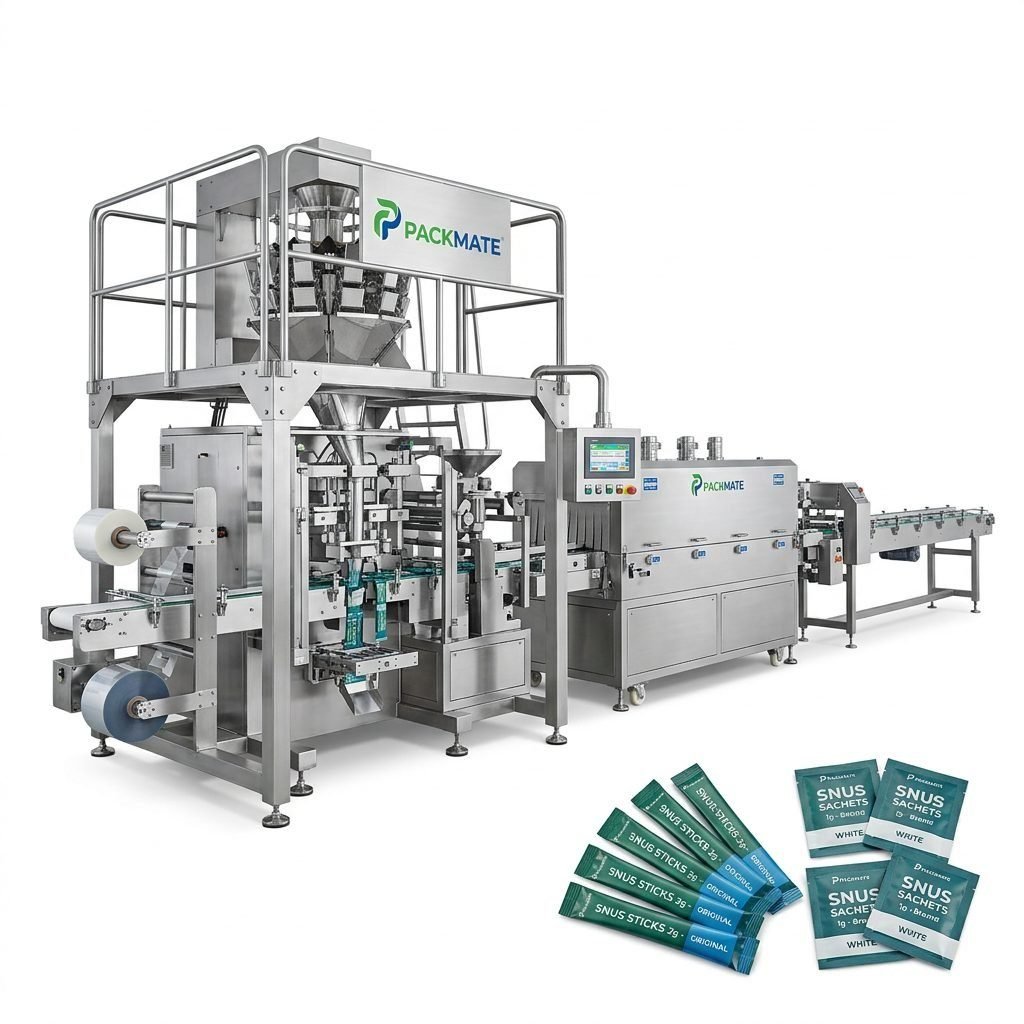
Snus dosing tolerances are tight due to regulatory and consumer expectations. Choose machines with precision volumetric or weighing dosing (loss-in-weight or multi-head weighers) to minimize giveaway and ensure compliance.
Hygiene & CIP Considerations
Hygienic design matters. Stainless steel contact parts, easy-to-remove hoppers, and smooth surfaces reduce cross-contamination risks. If your product includes moisture or sticky bases, prioritize features that simplify cleaning and maintenance.
🏷 Material Compatibility & Packaging Formats
Consider film types, laminate barriers, and sealing requirements. Heat-seal compatibility, print registration, and anti-static handling are typical concerns. Your machine should support the specific film width, gusseting, and lamination used for snus pouches.
🏭 Supplier & Turnkey Solution Considerations
When selecting a supplier, evaluate engineering experience, factory capabilities, customization options, and after-sales service. A supplier who offers complete lines (weighing, filling, packing, and auxiliary equipment) can dramatically simplify integration.
Why Packmate?
Packmate Snus Machine draws on over 30 years of engineering experience, a 20,000㎡ manufacturing facility, and a broad product range including snus/nicotine packaging machines, stick/sachet solutions, weighing systems, and turnkey filling lines. Their global experience and CE/ISO compliance make them a strong candidate for turnkey snus production projects.
Learn more about Packmate and product offerings here:
About Packmate,
Snus & Nicotine Packaging Machines,
Sachet & Stick Pack Machines.
💡 Integration: From Dosing to Case Packing
A true production line synchronizes dosing, forming, sealing, counting, and secondary packaging. Suppliers offering weighing & packaging systems and auxiliary equipment simplify commissioning. Look for modular designs that allow staged investments—start with a filler and packer, then add cartoning and palletizing as volumes grow.
Explore complementary modules: Weighing & Packaging Systems, Auxiliary Packaging Equipment.
💲 Budgeting & Total Cost of Ownership
Purchase price is only one part of the equation. Consider installation, commissioning, spare parts, operator training, and energy consumption. Higher-precision machines may cost more upfront but reduce product giveaway and downtime. Also factor in regulatory compliance costs, packaging material expenses, and potential line upgrades for new SKUs.
🛠 Installation, Training & After-Sales Support
Reliable after-sales service is crucial. Prioritize suppliers who provide on-site commissioning, remote support, operator training, and spare parts availability. Check for documented case studies and global references to validate real-world performance.
See production examples and customer cases: Case Studies.
🧾 Certifications & Regulatory Compliance
Ensure machines meet CE and ISO standards and that commissioning includes safety guards, E-stops, and compliant electrical installations. For markets with strict nicotine regulations, verify traceability and batch coding capabilities.
- Production target (pieces/day) and required lanes
- Product format(s) and film specifications
- Dosing accuracy (target tolerance)
- Hygiene design and material contact surface
- Service & spare parts availability in your region
🔎 Real-World Considerations & Common Mistakes
Many buyers underestimate changeover times and overestimate the flexibility of single-line machines. Avoid committing to a low-cost single-lane solution if your roadmap includes rapid SKU expansion. Also, validate that the selected machine handles your exact formula—moisture content and granularity can affect dosing and sealing behavior.
📞 How to Start the Procurement Process
Start by defining product specifications, target output, and packaging materials. Request technical proposals with floor-space diagrams, electrical requirements, and a list of included features. Arrange factory acceptance testing (FAT) or virtual demos and verify references.
For direct inquiries and more product literature, visit Contact Us or download machine catalogs and certifications:
Catalog,
Certificate.
✅ Final Recommendations
– Prioritize multi-lane systems for high-throughput nicotine pouch production.
– Choose dosing technologies that match your product physicals (loss-in-weight or multi-head weighers for best accuracy).
– Work with experienced suppliers who can provide turnkey lines and global references.
– Plan for future SKU diversification and ensure your chosen machine supports modular upgrades.
Frequently Asked Questions
Q1: What throughput can I expect from a multi-lane snus sachet machine?
A1: Throughput depends on number of lanes and cycles per minute. Typical multi-lane solutions can deliver several thousand portions per minute across all lanes; confirm with supplier specifications and product tests.
Q2: How do I ensure filling accuracy for small-dose nicotine pouches?
A2: Use precision weighing systems (loss-in-weight or multi-head weighers) and regularly calibrate dosing systems. Material consistency and feeder design also critically affect accuracy.
Q3: What after-sales services should I require?
A3: On-site commissioning, operator training, spare parts kits, remote support, and scheduled maintenance programs are essential. Verify lead times for critical spare parts.
Q4: Are turnkey lines available for snus and nicotine pouch production?
A4: Yes. Many manufacturers provide turnkey filling and packaging lines that include weighing systems, fillers, packers, and auxiliary equipment—this simplifies integration and reduces project risk.
Q5: How can I view machine demos or factory capabilities?
A5: Request FAT, virtual demos, or visit supplier exhibitions. For Packmate’s exhibitions and global demonstrations see their exhibition page and case studies for real-world performance examples.