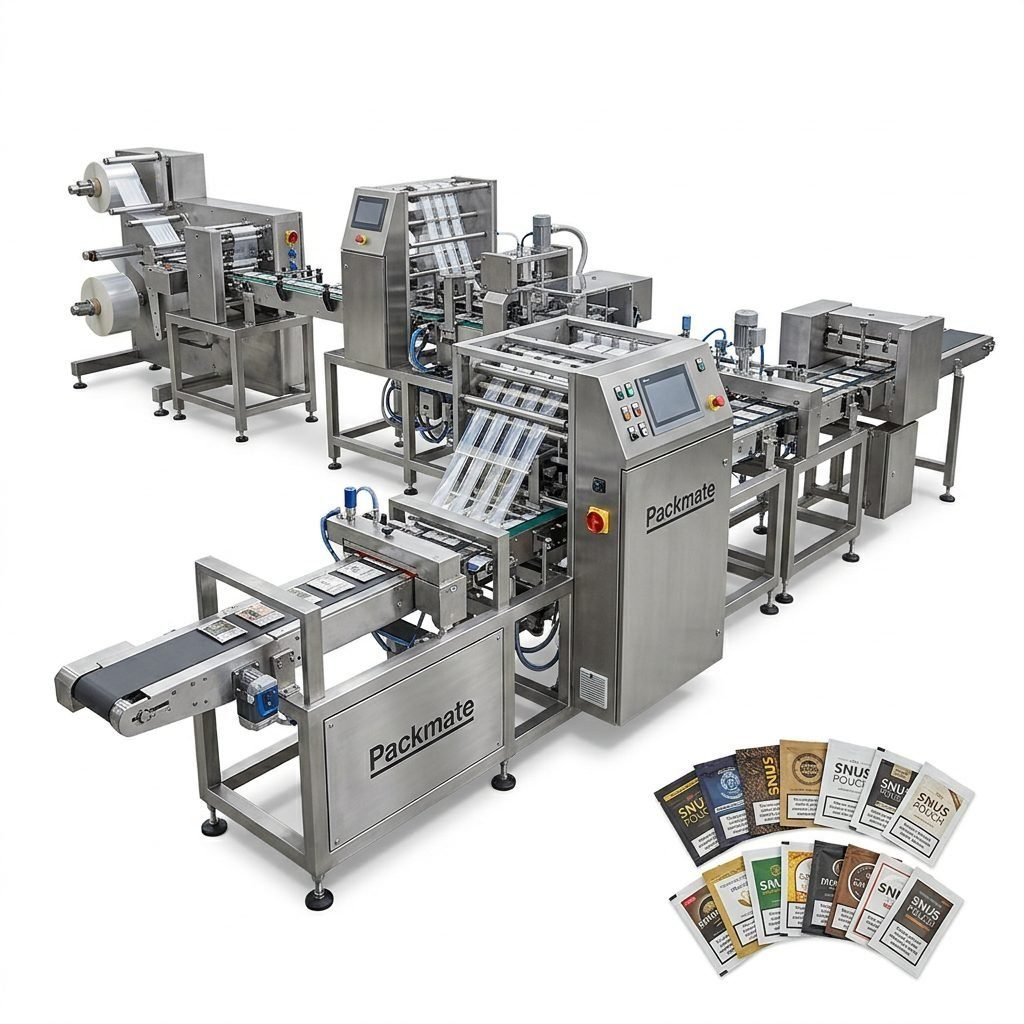
Choosing the right nicotine packaging machinery in Burkina Faso requires more than comparing specs on paper. Local market habits, logistics constraints for a landlocked country, seasonal humidity, and language preferences all shape the best machine choice. This buyer’s guide walks you through practical steps — from machine type and capacity to support, certification, and onsite commissioning — so you can invest with confidence.
Understand the Local Market & Cultural Context
⚠️ Burkina Faso is a multilingual, mostly French-speaking country with significant Muslim and traditional communities. Packaging and labeling should prioritize French and consider translations into regional languages (like Mooré or Dioula) where needed. Sensitivity around tobacco and nicotine products is important — designing discreet, compliant packaging and clear labeling helps acceptance in local retail environments.
📦 For distribution, remember Burkina Faso is landlocked. Most imports arrive via ports in neighboring countries (Abidjan in Côte d’Ivoire, Tema in Ghana) and travel by road. Choose machines and spare parts packaging that withstand long transit and handling.
Key Local Considerations
✅ Power stability: grid fluctuations are common — consider machines with robust power protection and the option to add a UPS or voltage stabilizer.
✅ Climate: the hot and sometimes humid environment can affect hygroscopic nicotine pouches. Seek machines with controlled filling and sealed packaging processes.
✅ Workforce: skilled operators may be limited outside major cities (Ouagadougou, Bobo-Dioulasso). Prioritize easy-to-operate interfaces and strong training packages.
✅ Regulations: ensure local and export labeling compliance, and be ready to provide technical documentation and certificates during customs clearance.
Which Machine Type Fits Your Product?
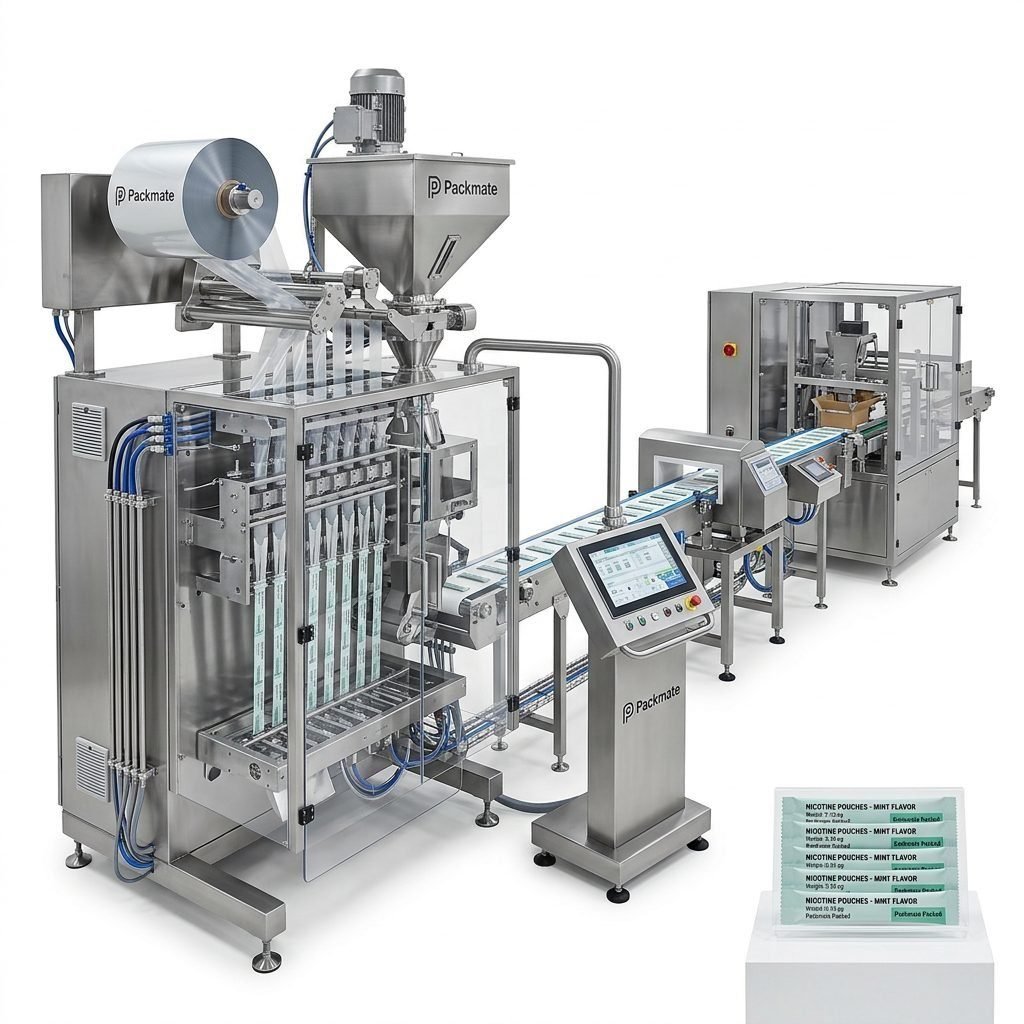
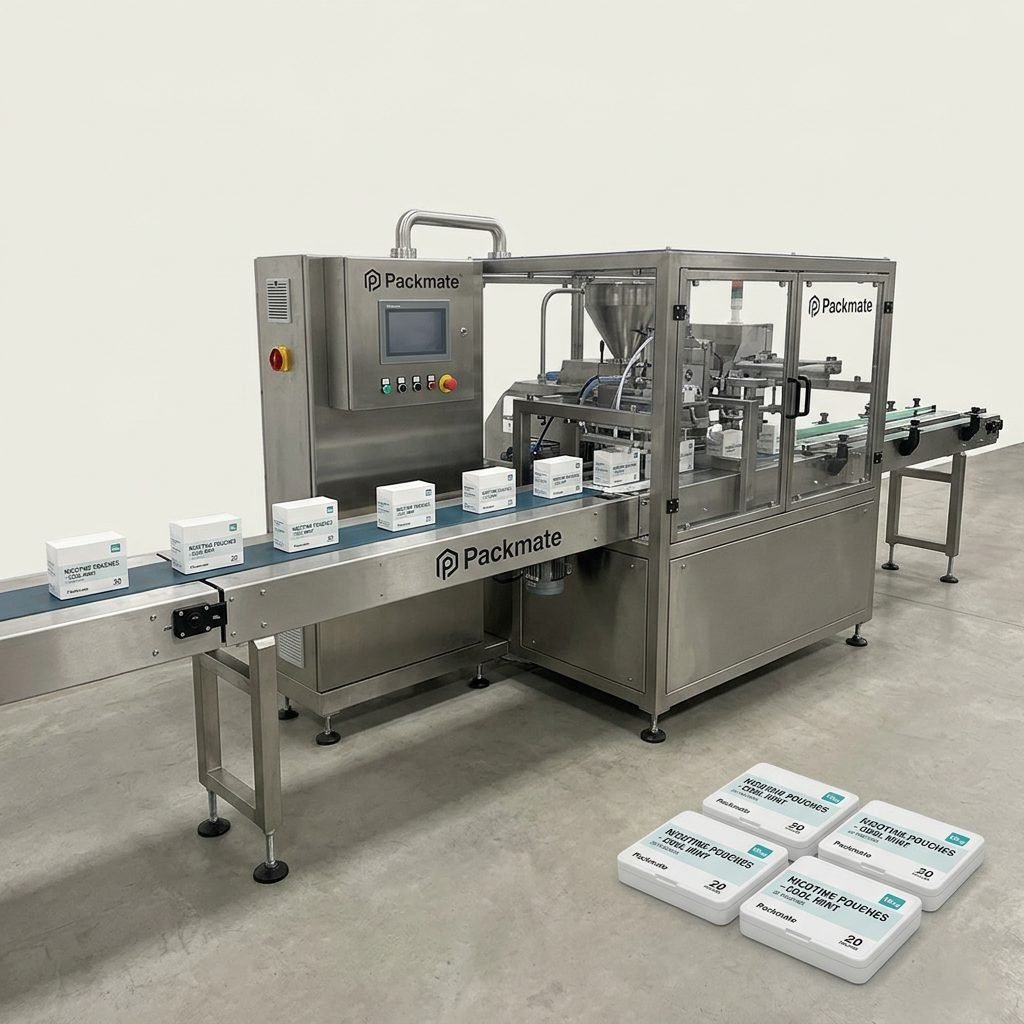
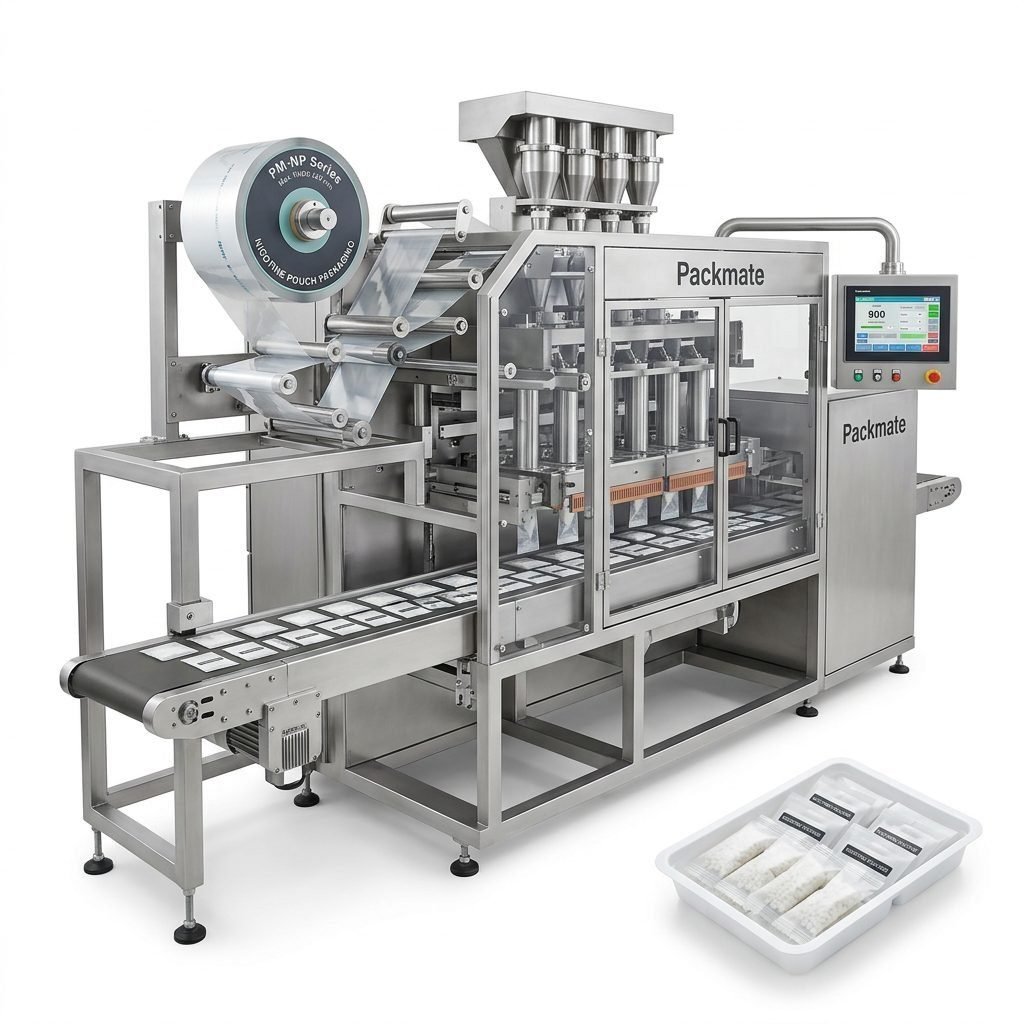
The nicotine pouch market commonly uses a few core packing machine types. Your product format, output targets, and budget determine the right choice.
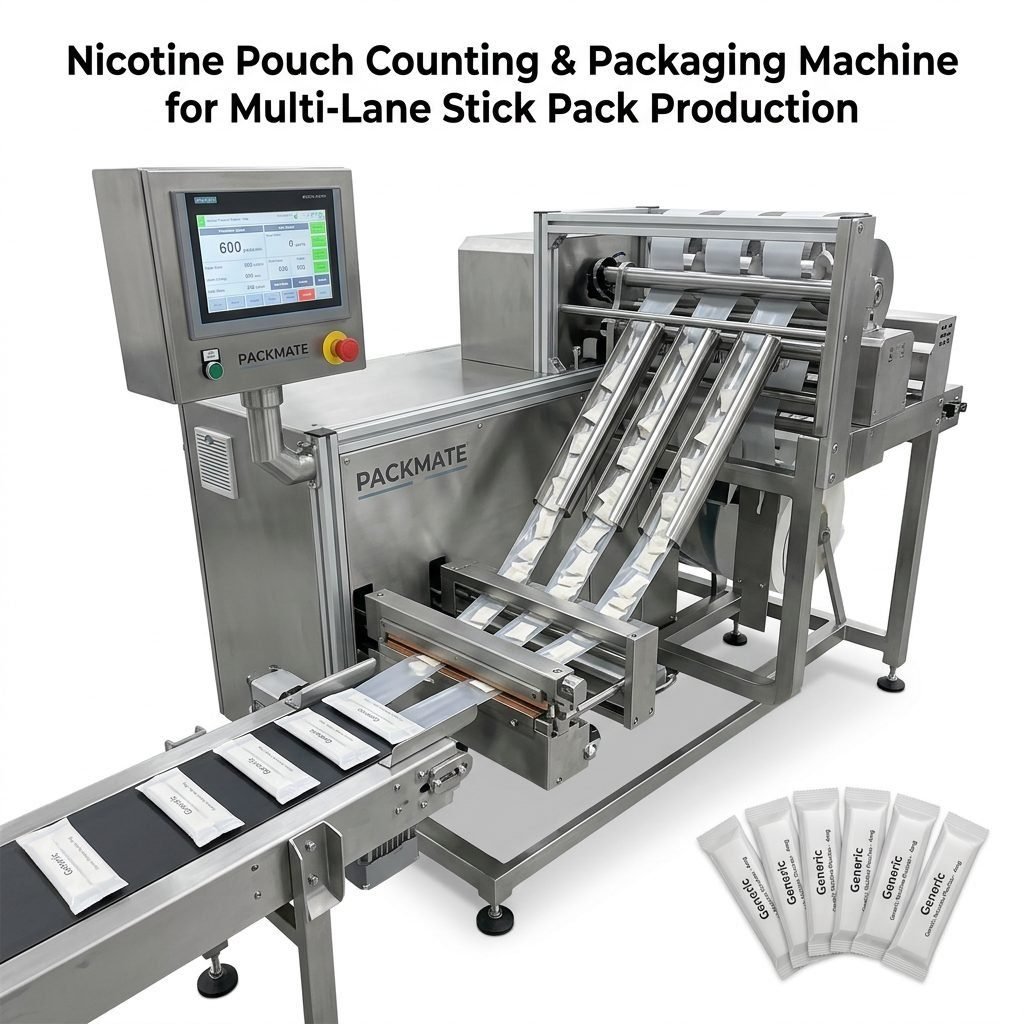
🔧 Stick pack and sachet machines — ideal for single-dose pouches and portioned formats; they’re compact and cost-effective for low-to-medium volumes.
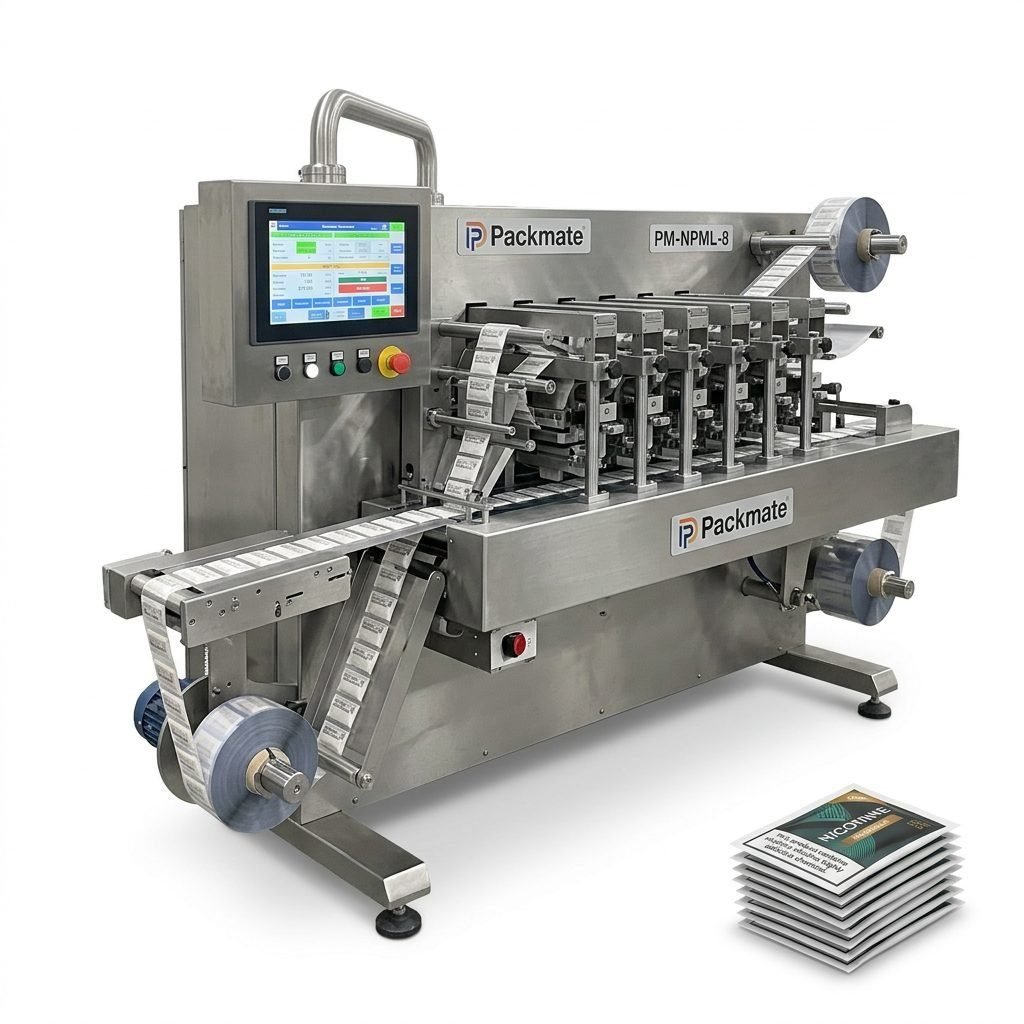
🔧 Multi-lane pouch machines — perfect for high-volume production with small-dose pouches; they multiply throughput without demanding much additional floor space.
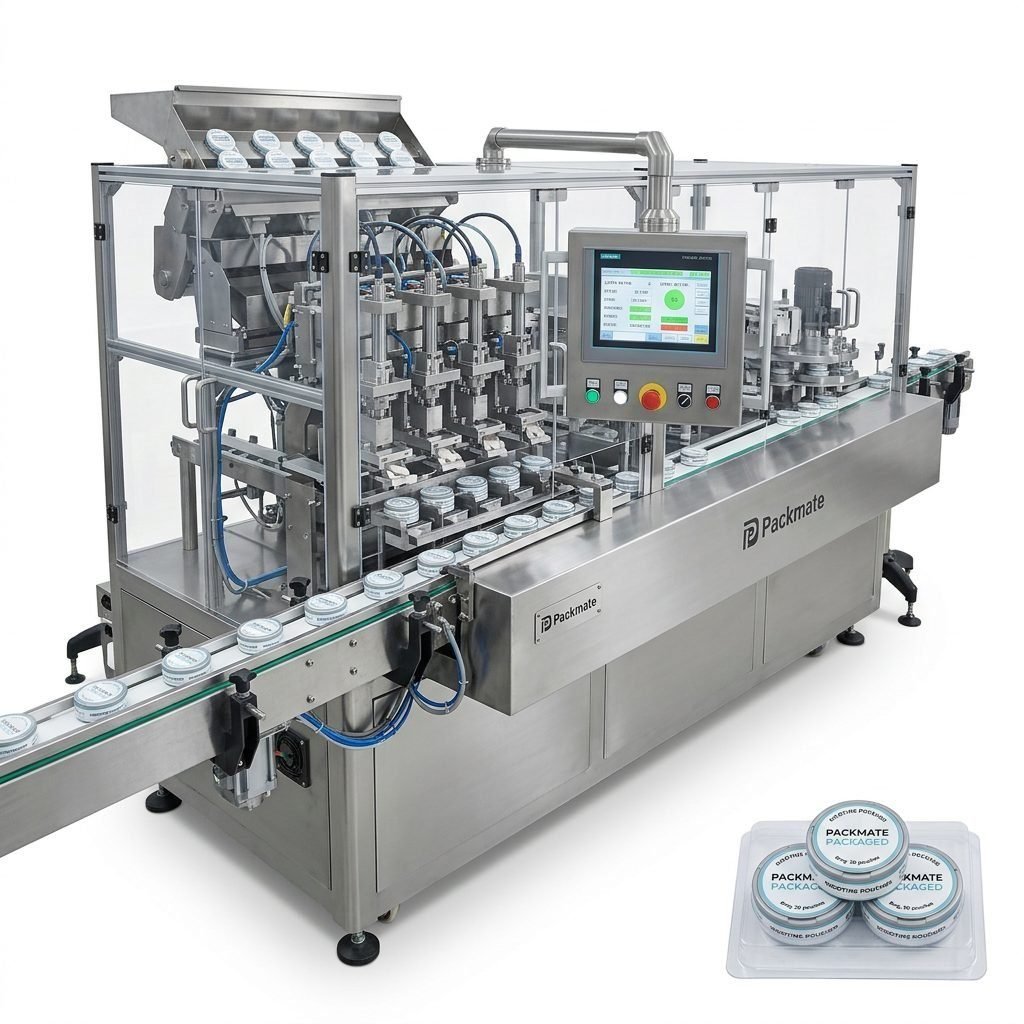
🔧 Sachet & stick pack integrated lines — provide packaging plus weighing and dosing for powders or blends; look at combined solutions when ingredient accuracy matters.
Recommended Solutions from a Proven Manufacturer
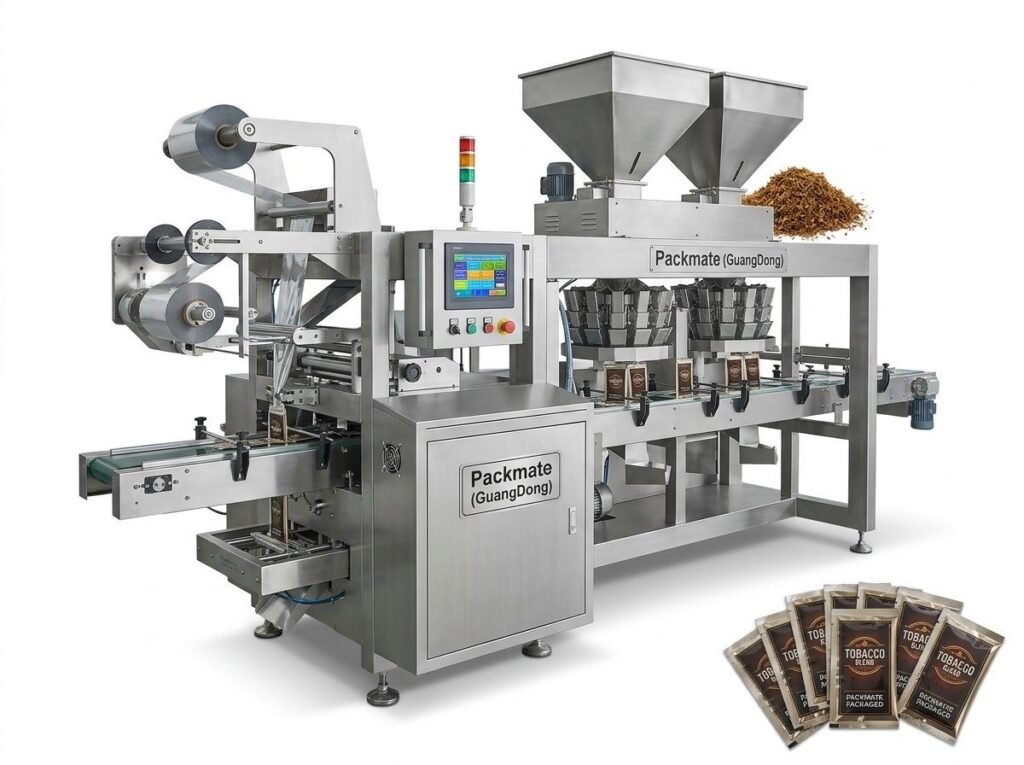
Packmate (GuangDong) Co., Ltd. has decades of experience in snus and nicotine packaging. Their product family ranges from snus pouch packing machines to complete filling and packaging lines. See specific machine classes at
Snus & Nicotine Packaging Machines and
Sachet & Stick Pack Machines.
Capacity, Speed & Scalability
Match machine speed to real sales volume, not optimistic projections. High-speed multi-lane machines cost more and need better maintenance; they suit fast-scaling manufacturers or contract packers. Smaller producers benefit from flexible stick pack or single-lane pouches that are easier to maintain and require less capital.
Tip: If you plan to export to regional markets (ECOWAS), choose scalable systems so you can increase lanes or add modules without a full machine replacement.
Materials, Hygiene & Climate Considerations
Stainless steel construction (304 or higher) and IP-rated electrical cabinets help combat dust and humidity. For nicotine pouches, precise dosing and sealed bag formation are essential to maintain shelf life in Burkina Faso’s varied climate. Machines with controlled filling zones and enclosed forming areas reduce moisture exposure and contamination risk.
Sealing & Film Compatibility
Your chosen packaging film must survive transport heat and local storage conditions. Choose machines that support a wide range of laminates and can handle thicker films if you need extra barrier protection.
Certifications & Compliance
Audit readiness is crucial for customs and export. Prefer suppliers whose machines meet CE and ISO standards and who can provide test reports and certificates. Packmate lists CE and ISO compliance across their portfolio; view their credentials at
Certificate.
Local Service, Spare Parts & Training
In Burkina Faso, rapid access to spare parts may be limited. Ask the supplier about:
🔸 Stocking plans for critical spare parts and recommended local equivalents.
🔸 Remote support options and software diagnostics for quick troubleshooting.
🔸 Onsite commissioning and operator training packages to reduce downtime.
🔧 Packmate offers global turnkey solutions, training, and long-term technical support — review their service portfolio at
Service.
Electrical, Installation & Site Prep
Confirm local electrical infrastructure compatibility. Many machines run on 220V/50Hz, but confirm in writing. Consider:
📌 Stabilizers, surge protection and potential generator/UPS backup.
📌 Floor load capacity, drainage, and cleanroom or dust-control requirements.
📌 Access width and crane or forklift needs for installation.
Packing & Shipping Choices
Because Burkina Faso is landlocked, packaging quality for export matters. Insist on robust crating and moisture-resistant packing for long road transport. Ask suppliers for export documentation to ease customs clearance via Abidjan or Tema.
Budgeting & Total Cost of Ownership (TCO)
Look beyond purchase price. TCO includes spare parts, consumables, energy, staff training, and downtime costs. Higher initial investment in reliable, low-maintenance machines often reduces TCO in markets where technical support is harder to access.
Case in point: Packmate’s multi-lane snus systems are designed to increase throughput while keeping maintenance accessible — review real-world customer cases at
Case.
Supplier Selection Checklist
Use this quick checklist when evaluating vendors:
📌 Proven track record with snus/nicotine machines and turnkey lines.
📌 CE & ISO certifications and export documentation.
📌 Clear spare parts and service plan for West Africa.
📌 Onsite commissioning and operator training included.
📌 Flexible machine configurations for local product sizes and films.
Why Manufacturer Background Matters
Choosing an experienced manufacturer reduces risk. Packmate offers 30+ years of engineering experience, a 20,000㎡ manufacturing facility, and 50+ machine models — attributes that support reliable delivery and post-sale service. Learn more about the company and their mission at
About Packmate.
Operational Tips After Purchase
🔁 Schedule preventive maintenance and stock critical parts locally.
🔁 Train several operators and a local technician to reduce single-person dependency.
🔁 Keep logs of machine downtimes and adjust maintenance intervals based on local dust/humidity conditions.
🔁 Validate packaging samples early to avoid film incompatibility and sealing failures.
📬 Want turnkey guidance? Explore Packmate’s full product range including bag & pouch systems at
Bag & Pouch Packaging Machines.
Final Selection Roadmap
1) Assess product format, projected volume, and climate vulnerabilities.
2) Shortlist machine types (stick pack, sachet, multi-lane) and request factory demos or videos.
3) Verify certifications, spare parts availability, and local support options.
4) Clarify shipping route, crating, and on-site installation responsibilities.
5) Sign a service agreement that includes training, remote support, and spare parts lead times.
A Practical Buying Tip
When possible, visit a live demonstration or ask for a video of your exact product run. Real-world proof of stable sealing, accurate dosing, and film handling saves time and reduces costly surprises after shipment.
Summary — What to Prioritize for Burkina Faso
Priorities: robust stainless construction, climate control for filling/sealing, local training & spare parts strategy, CE/ISO compliance, and packaging resilient to long inland transport.
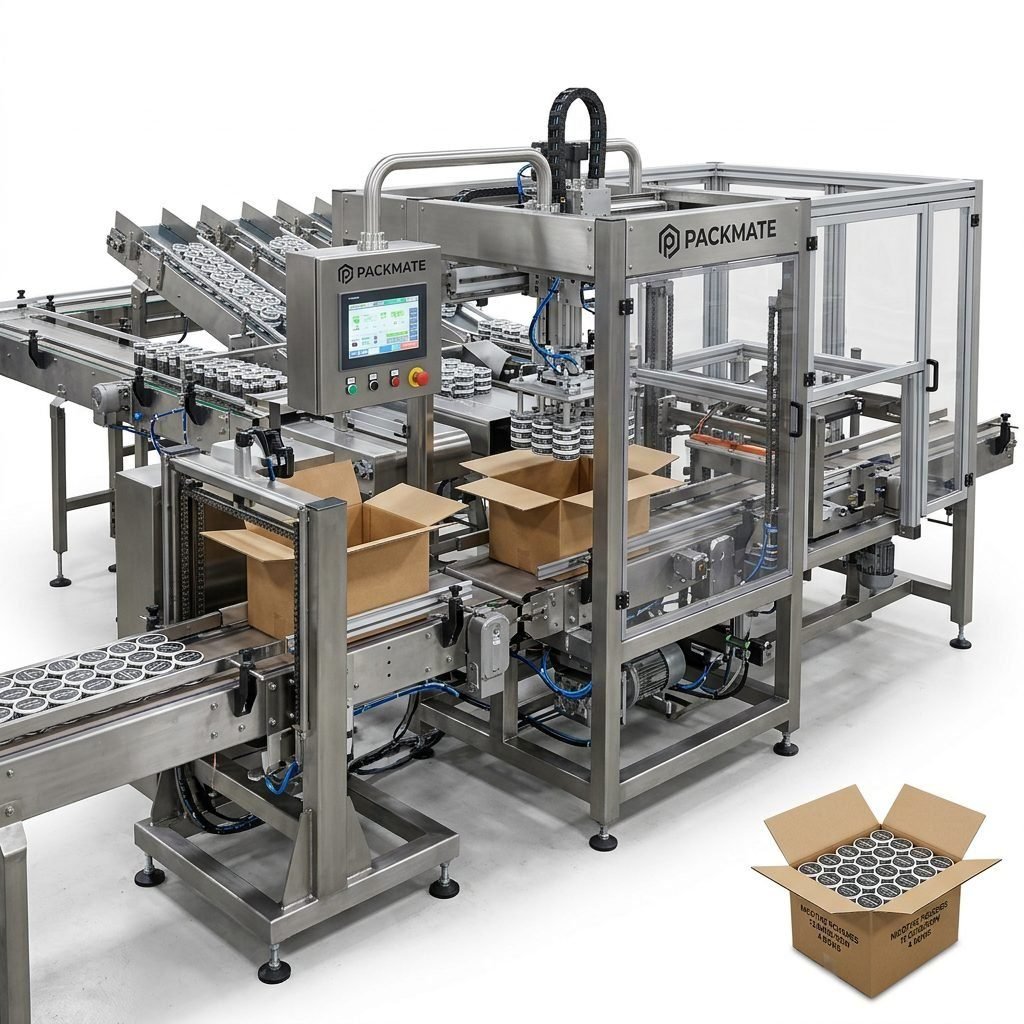
For a deeper look at turnkey filling and packaging lines including weighing and auxiliary equipment, check the manufacturer’s full systems at
Filling & Packaging Lines and
Weighing & Packaging Systems.
Frequently Asked Questions
Q: What machine type is best for starting small in Burkina Faso?
A: Start with a stick pack or single-lane sachet machine for lower investment, easier maintenance, and simple operator training.
Q: How important are certifications like CE/ISO for importing machines here?
A: Very important — certifications ease customs, ensure design safety, and indicate quality manufacturing standards.
Q: How do I handle power instability at my facility?
A: Use voltage stabilizers, UPS units for control electronics, and consider a backup generator. Choose machines tolerant of short fluctuations and with good surge protection.
Q: What after-sales support should I insist on?
A: Onsite commissioning, operator and maintenance training, a spare parts kit, and remote diagnostic support are essential.
Q: Who can I contact for tailored snus and nicotine pouch lines?
A: Contact the manufacturer’s sales and service teams for turnkey solutions; use their Contact page for details:
Contact Us.