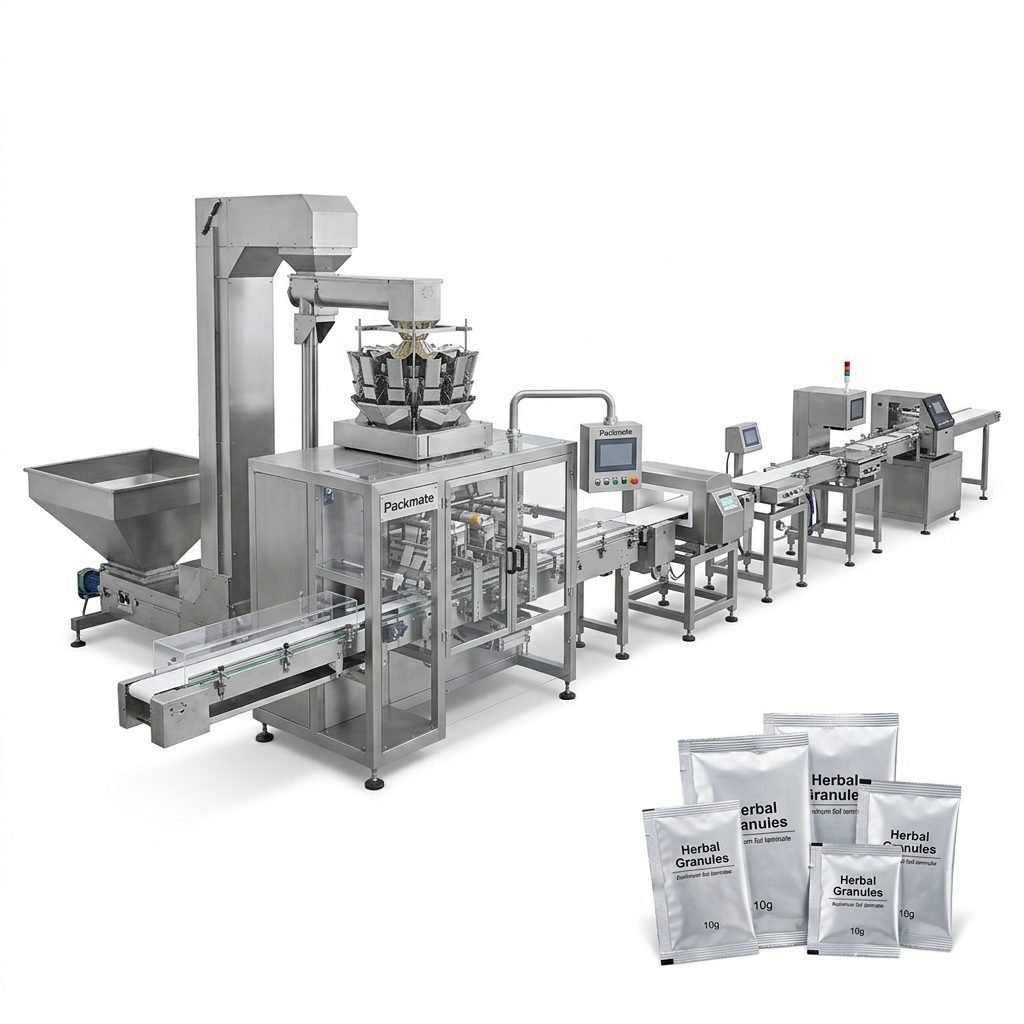
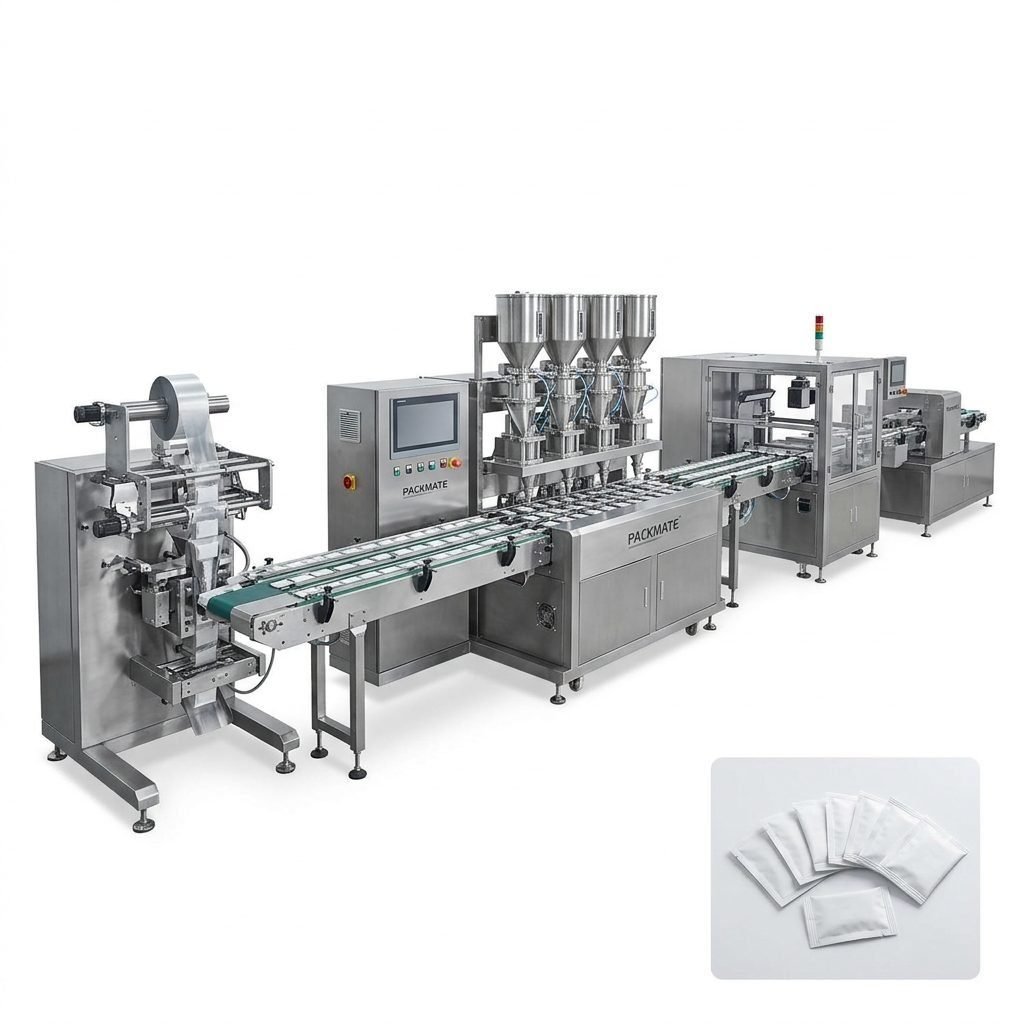
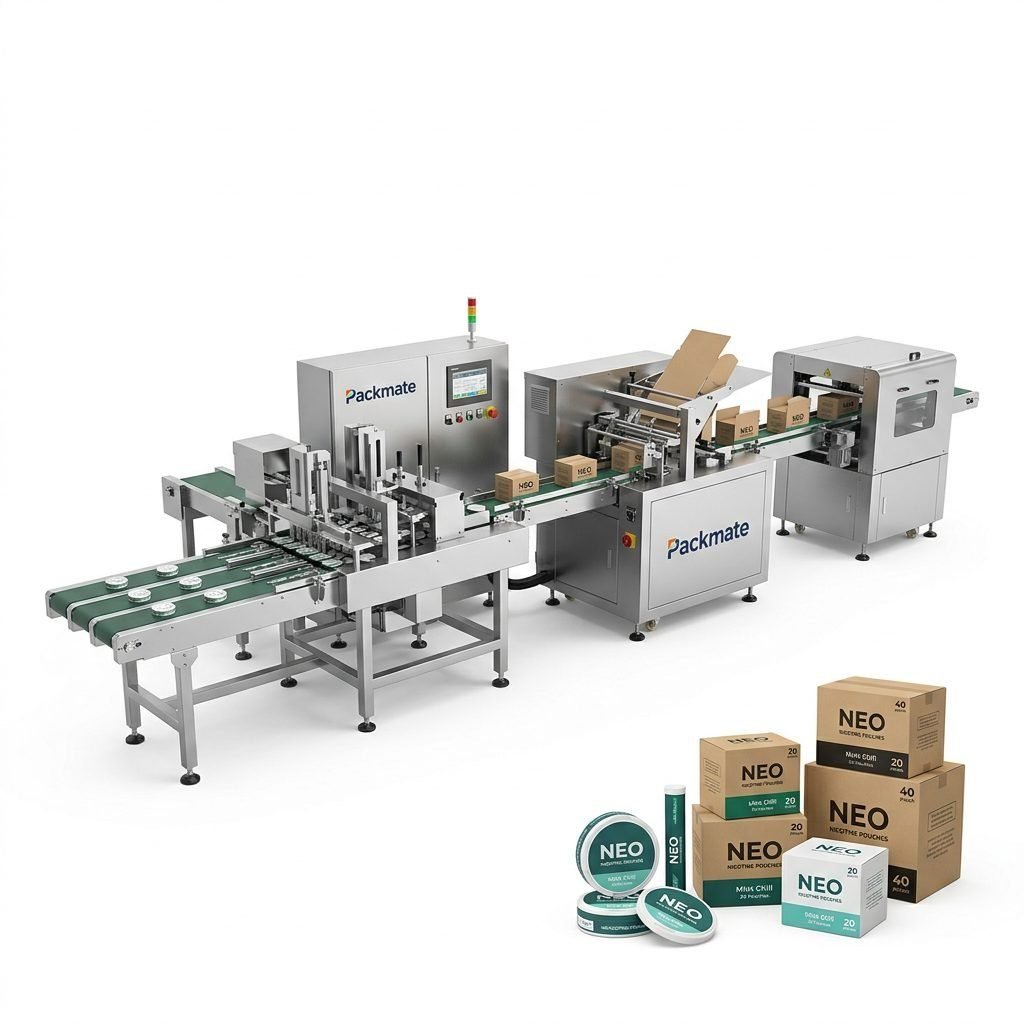
Choosing the right snus packaging machine supplier in Pakistan is a strategic decision that affects product quality, regulatory compliance, and long-term profitability. This guide walks you through practical steps, technical considerations, and cultural and market-specific factors to help you select a reliable partner for snus and nicotine pouch production. Whether you are launching a niche local brand, expanding distribution across South Asia, or optimizing an existing line, the right supplier can make the difference between unstable operations and a scalable, compliant business.
Understand the Pakistan Market and Local Customs
Pakistan is a large and diverse market with unique consumption patterns and strict regulatory landscapes. While tobacco and nicotine products are consumed in many regions, cultural sensitivities and religious values influence marketing channels and retail placement. Manufacturers should be mindful of:
📌 Local distribution: Retail networks in Pakistan include traditional bazaars, modern supermarkets, wholesale distributors, and duty-free shops. Understanding where your target consumers shop will influence packaging sizes and labeling requirements.
📌 Language & labeling: Urdu and English are commonly used. Clear labeling in both languages, with regulatory information and health warnings presented correctly, helps with acceptance and compliance.
📌 Religious and social norms: Marketing should respect local customs. Avoid aggressive promotions that may offend religious sentiments; consider discreet packaging and adult-only distribution channels to stay culturally appropriate.
📌 Regulatory environment: Import duties, health regulations, and local standards can vary. A supplier who understands international certifications and can help with documentation (CE, ISO, test reports) will save you time and reduce customs delays.
Key Machine Types and Technical Criteria
Selecting a machine starts with defining product formats and production targets. Typical snus and nicotine pouch packaging equipment types include:
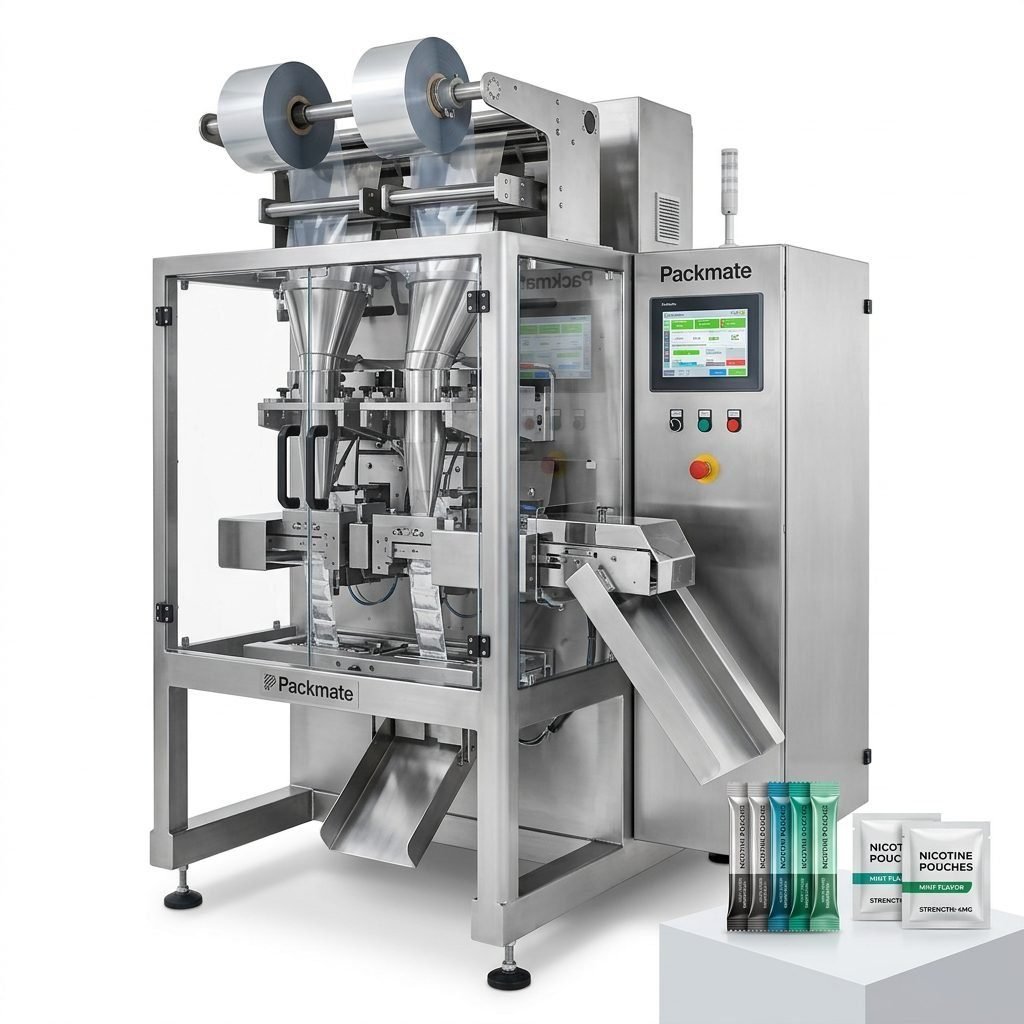
🔧 Stick packs — Ideal for single-serve or slim-dose formats. Compact and cost-effective for lower-speed production.
🔧 Sachet & sachet-seal systems — Versatile for different pouch shapes and sizes, suitable for powder or moist snus types. (See product examples: Sachet & Stick Pack Machines)
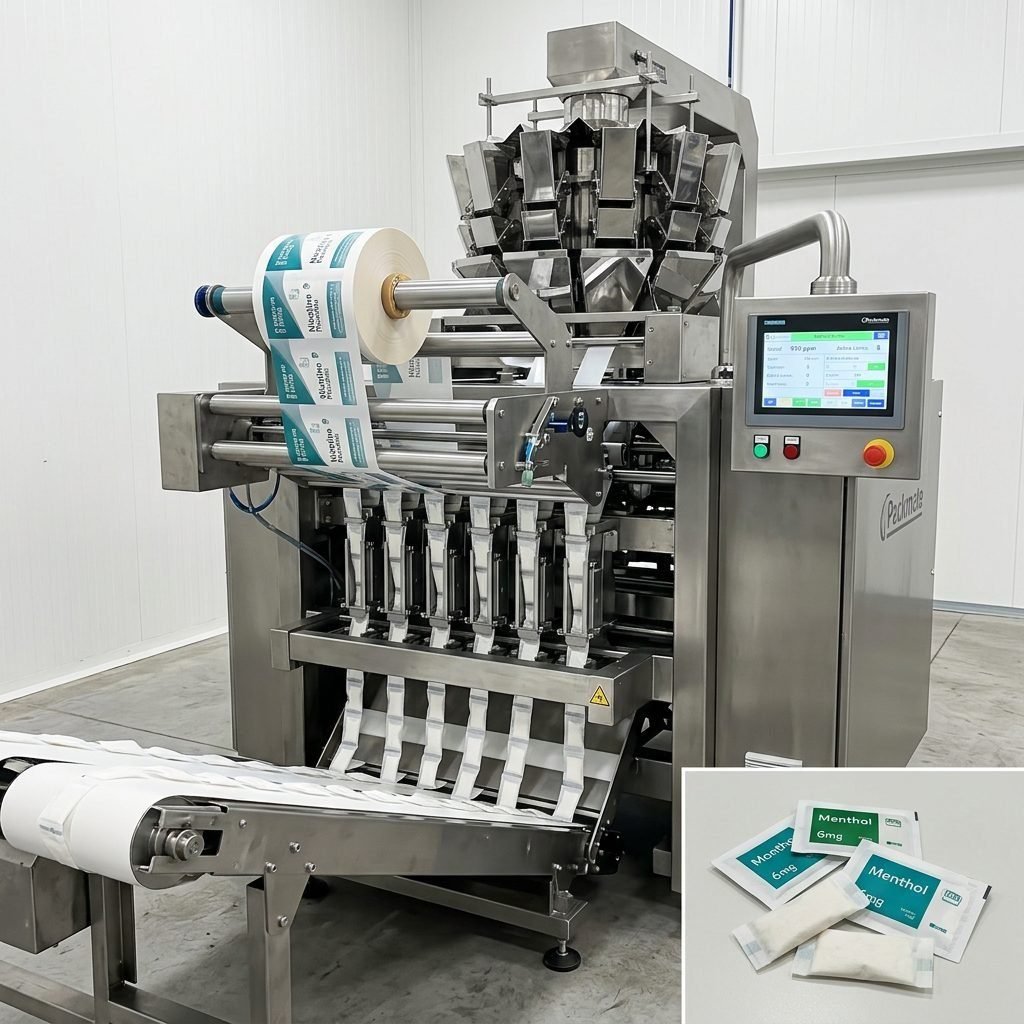
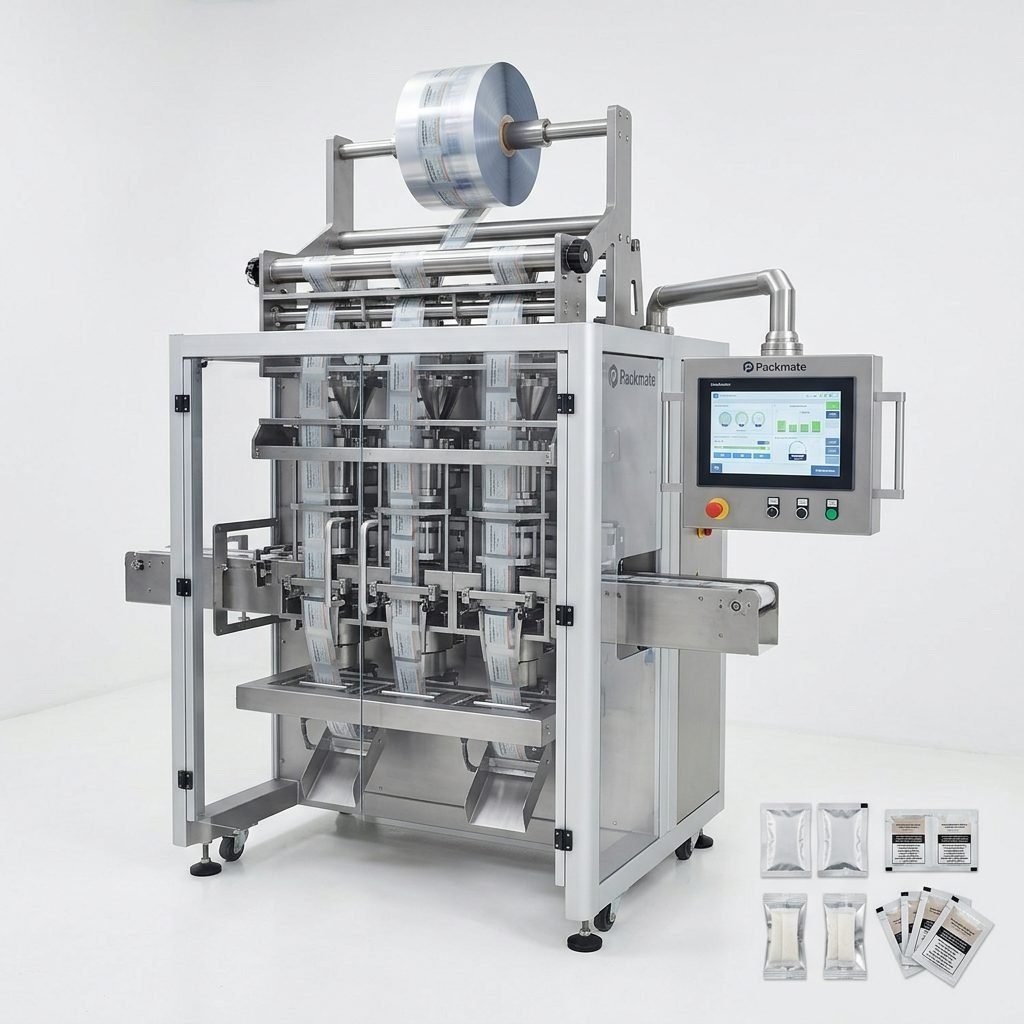
🔧 Multi-lane snus pouch machines — Designed for high-output small-dose pouch production with precise dosing systems. Critical for large volumes or export contracts.
When evaluating machines, inspect these technical criteria:
• Accuracy & dosing stability: Consistent pouch weight and filling prevents product waste and rejected batches. Especially important for nicotine pouches where precision is key.
• Speed & throughput: Match machine RPM and lanes to your production targets — a multi-lane system can dramatically increase output per shift.
• Material compatibility: Confirm compatibility with your pouch material (foil, paper, biodegradable films) and sealing method.
• Changeover convenience: Tools-free or quick changeover designs reduce downtime when switching SKUs.
Inspection Points for Electronics & Mechanics
• PLC and HMI quality — multilingual interface and support for English/Urdu make operator training easier.
• Servo systems and drives — ensure smooth motion control for precise cutting and sealing.
• Spare parts availability — low lead-time access to critical parts reduces downtime risk.
• Build materials — stainless-steel frames and food-grade contact areas for hygiene and durability.
Evaluating Supplier Qualifications & Factory Strength
A supplier’s factory capabilities and certifications reflect their ability to deliver stable, high-quality machines. Key indicators to evaluate:
📦 Manufacturing scale: A large facility with precision CNC and assembly lines reduces lead times and supports customization. For example, suppliers with a 20,000㎡ plant and advanced CNC centers demonstrate capacity for complex projects.
📦 Experience: Over 20–30 years in packaging machinery indicates refined engineering practices and a history of continuous improvement.
📦 Certifications: CE and ISO compliance are essential for global trade and reassure Pakistani importers about safety and reliability. You can verify certificates and case studies on the supplier’s site (example pages: Certificate, Case).
Customization and Turnkey Solutions
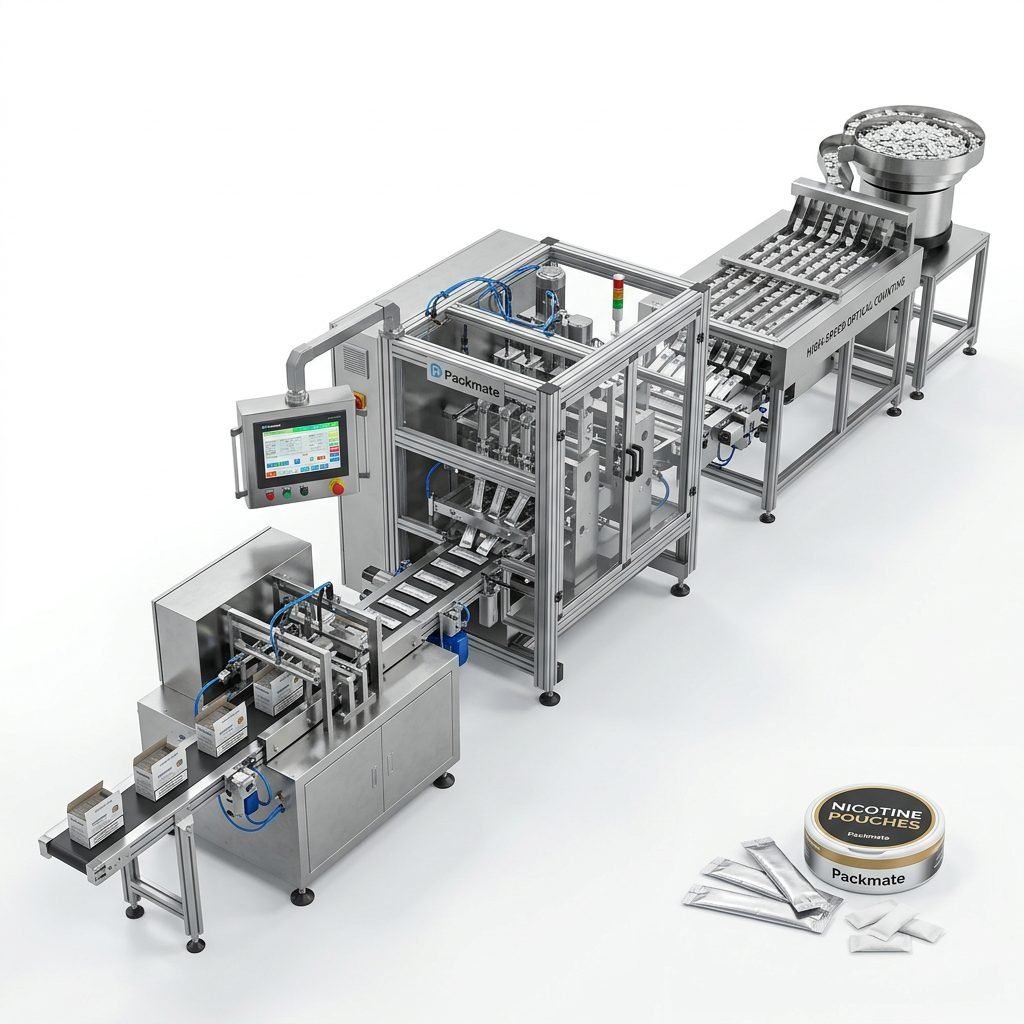
If you need a full production line — including weighing, filling, and final packaging — choose a supplier with end-to-end capabilities. Suppliers that provide concept-to-installation services and offer 50+ machine models or bespoke solutions reduce the complexity of integrating multiple vendors. Explore product categories for compatibility with your needs: Snus & Nicotine Packaging Machines and Weighing & Packaging Systems.
After-Sales Support, Spare Parts & Training
Strong after-sales support is often the deciding factor between a successful launch and production headaches. Make sure the supplier offers:
🔧 Local spare parts stocking or international express shipping for critical components.
🔧 Remote troubleshooting capability (video guidance, PLC remote access) as a first response.
🔧 On-site commissioning and operator training — include training in the contract to ensure safe and efficient operation.
🔧 Maintenance contracts and long-term service agreements tailored to Pakistan’s operating conditions (humidity, dust, power stability).
For clarity on service offerings, review the supplier’s service pages and contact channels: Service, Contact Us.
Cost Considerations and Calculating ROI
Price is important, but total cost of ownership (TCO) and return on investment (ROI) matter more. Consider:
• Initial purchase price: Includes customization, tooling, and packaging-specific attachments.
• Shipping & import: Evaluate FOB vs CIF pricing; account for Pakistan customs duties and clearance fees.
• Installation & training: Budget for on-site setup and multi-day operator training sessions.
• Operational costs: Energy consumption, maintenance frequency, spare part replacement, and consumables like sealing films.
• Downtime risk: Choose proven designs to minimize production halts — downtime costs often outweigh small purchase savings.
Use a simple ROI formula: (Annual profit increase from higher throughput + cost savings from reduced scrap) / (Total investment + operating costs) to estimate payback period. Aim for a payback period that matches your business strategy (often 1–3 years for fast-moving consumer products).
Site Preparation, Utilities and Installation Considerations
Before machine delivery, ensure your site meets technical prerequisites:
• Electrical supply: Confirm voltage, phase, and stable power. Consider a UPS or stabilizer for sensitive servo drives.
• Compressed air: Clean and dry air at required pressure and flow for actuators and filling systems.
• Floor & layout: Level concrete floors with adequate load-bearing capacity and clearances for maintenance.
• Environmental controls: Dust control and humidity management extend machine life and protect product quality.
• Waste handling: Plan for rejected product and packaging waste to comply with local disposal rules.
How to Shortlist and Vet Suppliers — A Practical Checklist
Use this checklist during supplier evaluation and request the following documentation:
✅ Factory photos and production line video evidence.
✅ References from other customers, ideally in South Asia or similar markets.
✅ CE/ISO certificates and machine test reports.
✅ Detailed quotations with BOM (bill of materials), lead times, and warranty terms.
✅ Spare parts list and recommended inventory for the first year.
✅ After-sales SLA (response time for remote and on-site support).
When possible, visit the factory or ask for a live demonstration at an exhibition. Suppliers often display machines at trade shows — check their exhibition schedule for live demos: Our Exhibition.
Negotiation Tips and Contract Clauses
Protect your investment by including these clauses in purchase agreements:
• Clear acceptance tests and performance guarantees (speed, accuracy, uptime) before final payment.
• Warranty period and coverage details — include response times and spare part pricing.
• Training scope and documentation language (English/Urdu).
• Spare parts supply commitment and pricing tiers.
• Intellectual property and confidentiality for your product recipes and packaging designs.
Why a Supplier Like Packmate Can Be a Strong Option
When evaluating global suppliers, consider manufacturers with a proven track record in snus and nicotine pouch systems. Key strengths to prioritize:
⚙️ Long industry experience (over 30 years) and specialized R&D in snus packing solutions.
⚙️ Large production facility with advanced CNC machining and precision assembly to deliver consistent quality and customization capacity.
⚙️ Wide range of models (50+), from sachet and stick pack machines to high-precision multi-lane lines for nicotine pouches — useful when scaling product varieties. Explore product categories here: Bag & Pouch Packaging Machines, Filling & Packaging Lines.
If you require case studies or want to read about turnkey projects, the supplier’s case pages and catalog can offer valuable insights into past implementations and machine performance: Catalog, Case.
Final Checklist Before Purchase
• Confirm product specs (pouch size, dose, material).
• Validate machine performance through factory acceptance tests (FAT).
• Agree on installation, training, and acceptance criteria.
• Confirm spare parts lead times and first-year inventory plan.
• Check shipment terms and local regulatory compliance documentation.
Selecting the best snus packaging machine supplier in Pakistan requires balancing technical requirements, cultural sensitivities, regulatory compliance, and long-term serviceability. Prioritize suppliers with proven experience in snus/nicotine packaging, robust factory capabilities, clear after-sales support, and a willingness to customize solutions for local market needs. Careful vetting and a clear contractual framework will help you build a reliable production line that supports growth and protects your brand reputation.
Common Questions
Q: What certifications should I insist on when importing snus packaging machines into Pakistan?
A: At minimum, request CE and ISO certificates. Also ask for material safety data, electrical compliance reports, and FAT documentation to streamline customs and local regulatory checks.
Q: How long does it typically take from order to installation for a customized multi-lane snus line?
A: Lead times vary by complexity, but expect 12–20 weeks for design, manufacture, testing, and shipping for heavily customized multi-lane systems. Simple standard machines may ship faster.
Q: Can suppliers support local staff training in Urdu and on-site commissioning in Pakistan?
A: Many global suppliers offer multilingual documentation and training. Confirm language support and request on-site commissioning as part of the contract to ensure smooth handover.
Q: What are the most common causes of downtime and how can I mitigate them?
A: Downtime often stems from poor maintenance, lack of spare parts, or operator errors. Mitigation includes preventive maintenance schedules, stocked critical spares, and thorough operator training.
Q: Where can I find more detailed product information and case studies from reputable suppliers?
A: Check supplier product pages and case study sections for real-world installations and performance data, such as the manufacturer’s product lines and case references on their website.