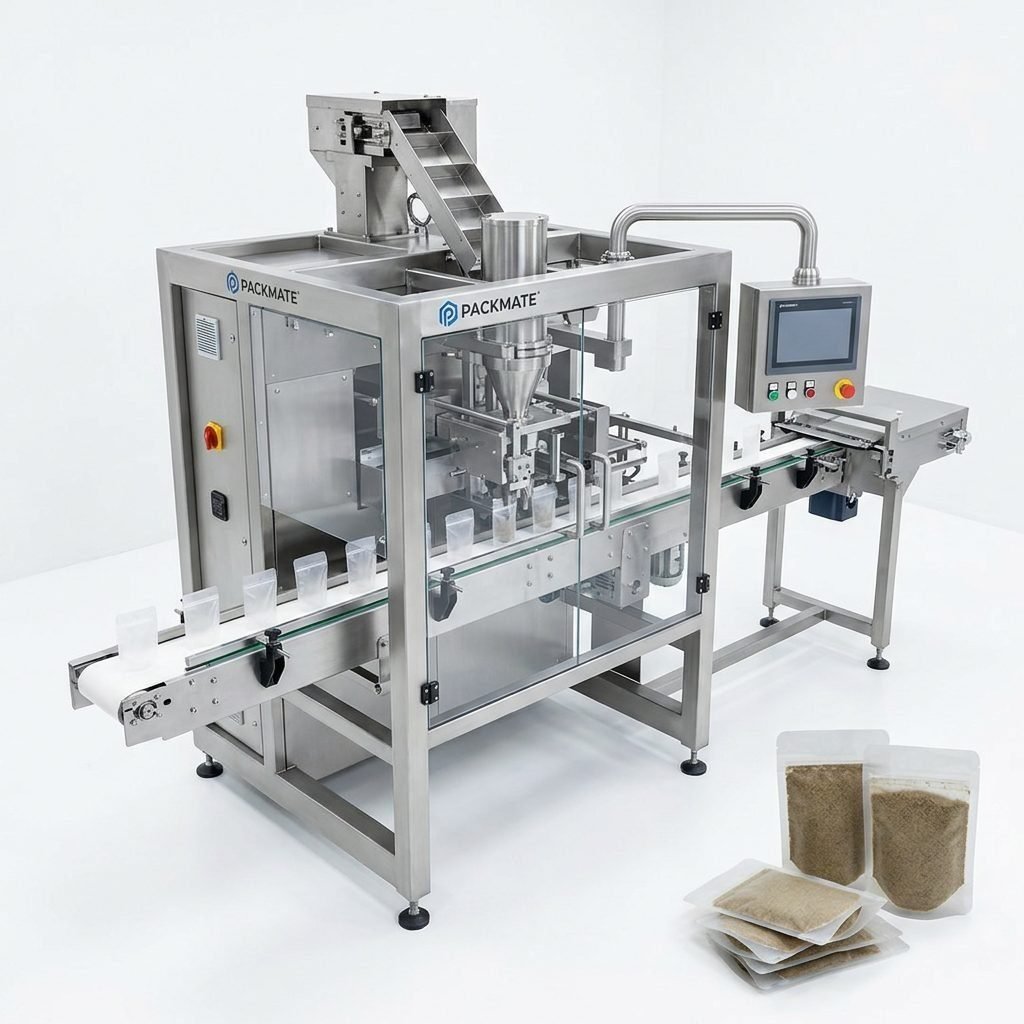
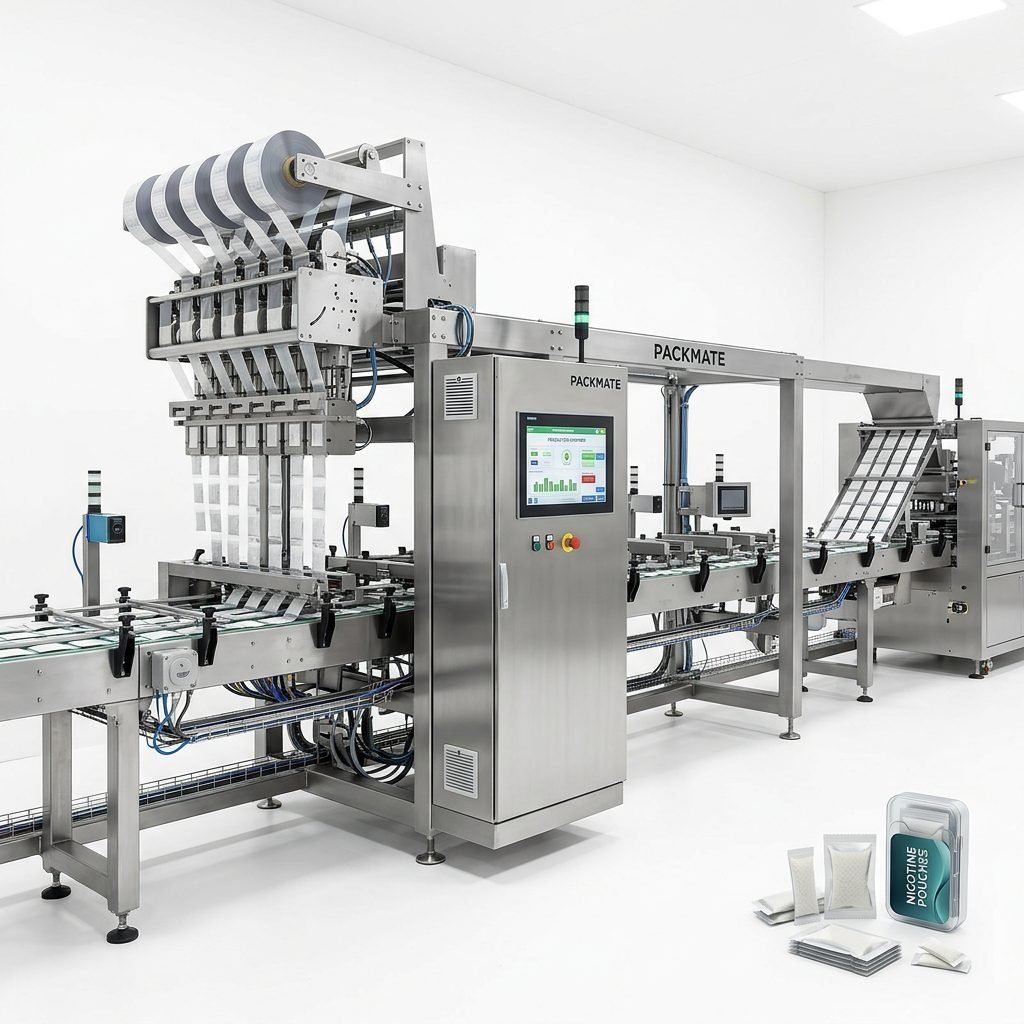
Choosing the right snus packaging machine supplier in Saint Kitts and Nevis is a strategic decision that affects product quality, regulatory compliance, and long-term profitability. This guide walks you through the practical steps, technical checks, and local trade considerations to help manufacturers, distributors, and entrepreneurs on the islands select a reliable partner who understands both snus packaging technology and Caribbean market realities.
Why supplier choice matters for Saint Kitts and Nevis
Saint Kitts and Nevis is a small twin-island federation with a close-knit business community, seasonal tourism peaks, and a tropical climate that affects product storage and transport. A supplier who understands local logistics, humidity challenges, and import procedures will reduce delays and product spoilage. Additionally, local consumers and retailers often expect premium packaging aesthetics at festivals like Carnival and Sugar Mas; excellent packaging can be a market differentiator.
Local customs and market habits to consider
In Saint Kitts and Nevis, business relationships are often built on trust and long-term service. Suppliers who offer strong after-sales support and timely spare parts shipments will find better acceptance. Remember that import cycles may be influenced by tourism seasons and regional shipping schedules—plan equipment delivery and training around low-season windows for smoother installations.
Key evaluation criteria when selecting a snus packaging machine supplier
🔍 Supplier credibility — Look for established manufacturers with proven experience in snus or nicotine pouch packaging. A supplier with a strong engineering history and global client list adds confidence.
💼 Certifications & compliance — Ensure the supplier’s equipment meets international standards (CE, ISO) and that they can provide documentation for customs and regulatory reviews.
Important links you may want to review while vetting vendors:
• Snus & Nicotine Packaging Machines — product lines and machine families.
• About Packmate — company history and capabilities.
• Case — real-world installations and references.
• Contact Us — for direct communication and quotes.
Performance and technical features to verify
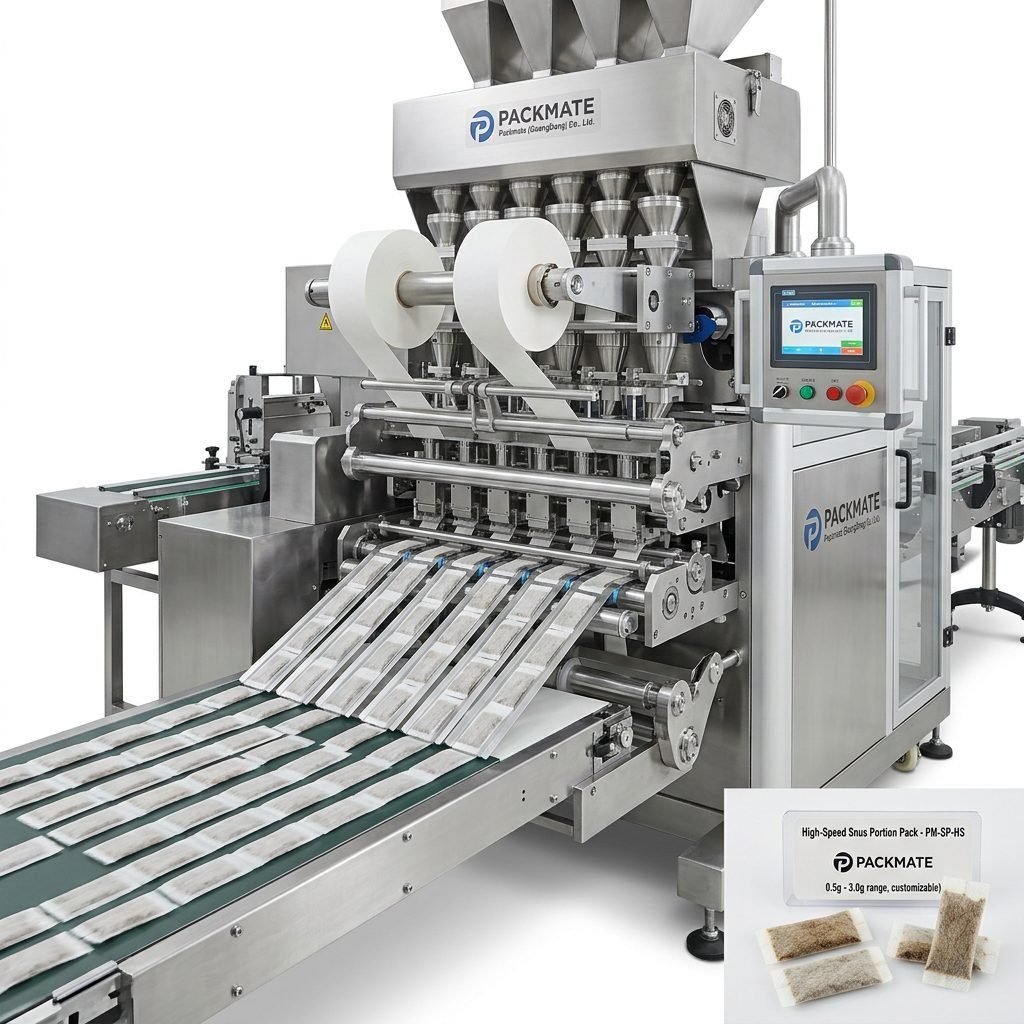
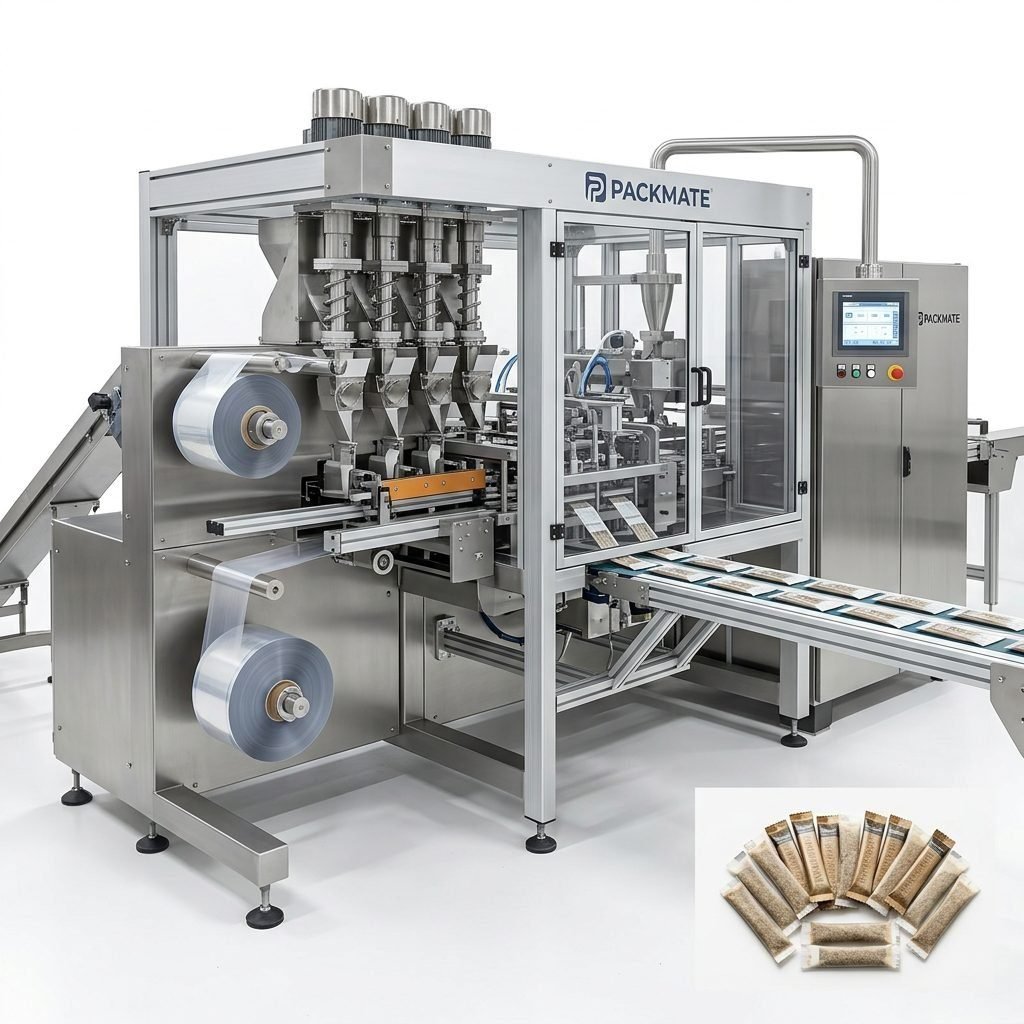
✓ Production capacity — Match the machine’s output (pouches per minute, lanes) to your demand projections. Multi-lane systems can significantly increase throughput and reduce cost-per-unit.
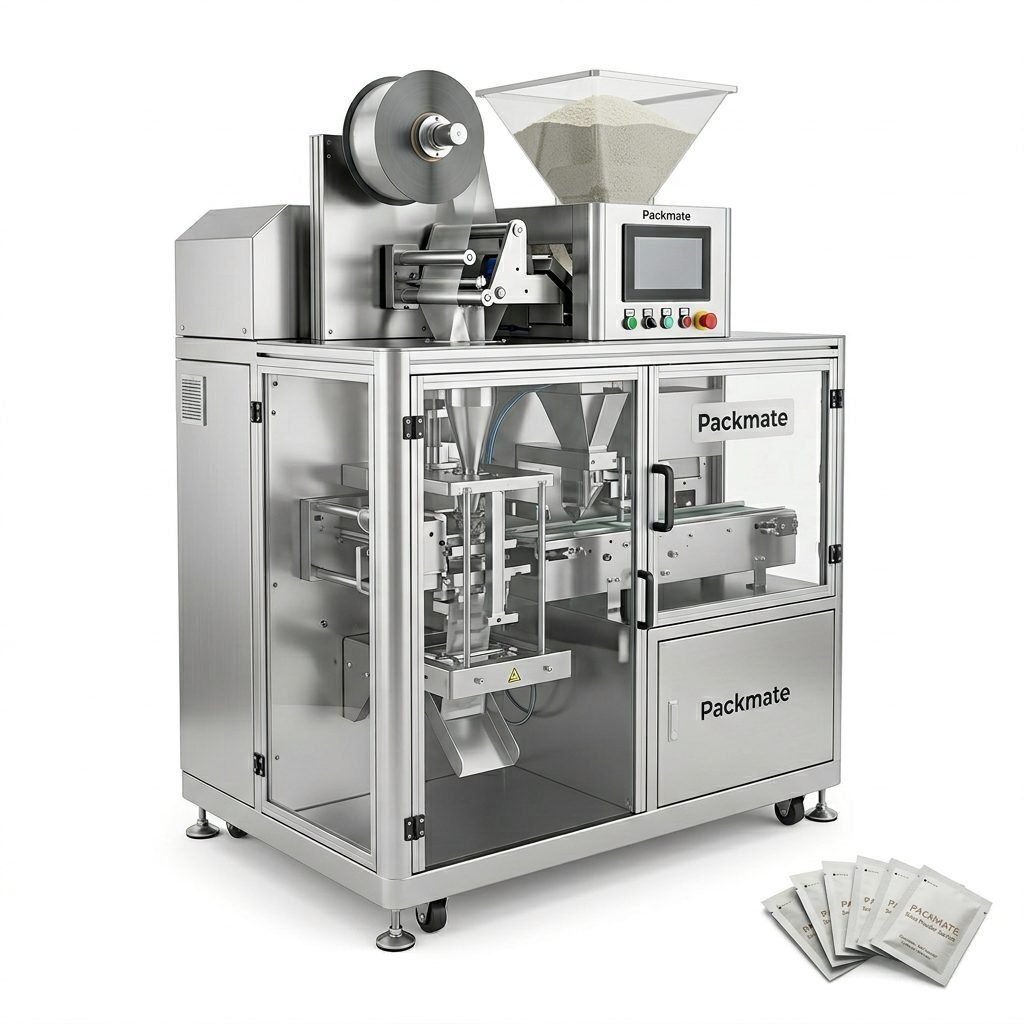
✓ Bag types supported — Check compatibility with sachet, stick pack, pouch, and portion formats. Flexible tooling saves money when adjusting SKUs.
✓ Material handling — Verify compatibility with your snus blend, moisture levels, and any anti-stick or flow aid needs. Machines designed for tobacco/nicotine pouches typically incorporate special feeders and dust control.
Questions to ask every potential supplier
🔎 Can you provide references from other Caribbean or island customers? Local references indicate experience with maritime shipping and customs.
⚙️ What is included in the standard package? Confirm if the quote covers installation, commissioning, operator training, and initial spare parts.
📄 Where are your certifications and compliance documents? Request CE, ISO, and material safety documentation to expedite import and regulatory clearance.
🛠️ What is your warranty and response time for technical support? A supplier who offers remote diagnostics and timed spare parts delivery reduces downtime risks.
After-sales, training and parts availability
• Local servicing options — Ask if the manufacturer has regional partners or authorized service agents who can travel to Saint Kitts and Nevis.
• Spare parts logistics — Discuss lead times for critical wear parts and whether the supplier can ship parts directly to your port or through a regional hub.
Logistics, customs and compliance considerations for Saint Kitts and Nevis
Importing packaging equipment into Saint Kitts and Nevis involves coordination with the St. Kitts Port Authority, customs brokers, and sometimes special permits for nicotine-related machinery. Work with a supplier who understands export documentation and can provide pro forma invoices, packing lists, and certificates of origin to reduce clearance delays.
Packaging design and labeling must also observe local labeling conventions. Although snus regulations vary by territory, clear ingredient declarations and language-appropriate labeling will help when distributing across the Caribbean region.
Shipping and installation tips
• Plan to receive large machinery during the island’s less busy shipping months to avoid congestion at the port.
• Request skid and dimension details from the supplier so your receiving area, forklifts, and cranes are prepared.
• Coordinate with local electricians and technicians for power matching and proper grounding before the supplier’s commissioning visit.
Technical choices: which machine type fits your operation?
Your product format and business model drive the machine type selection:
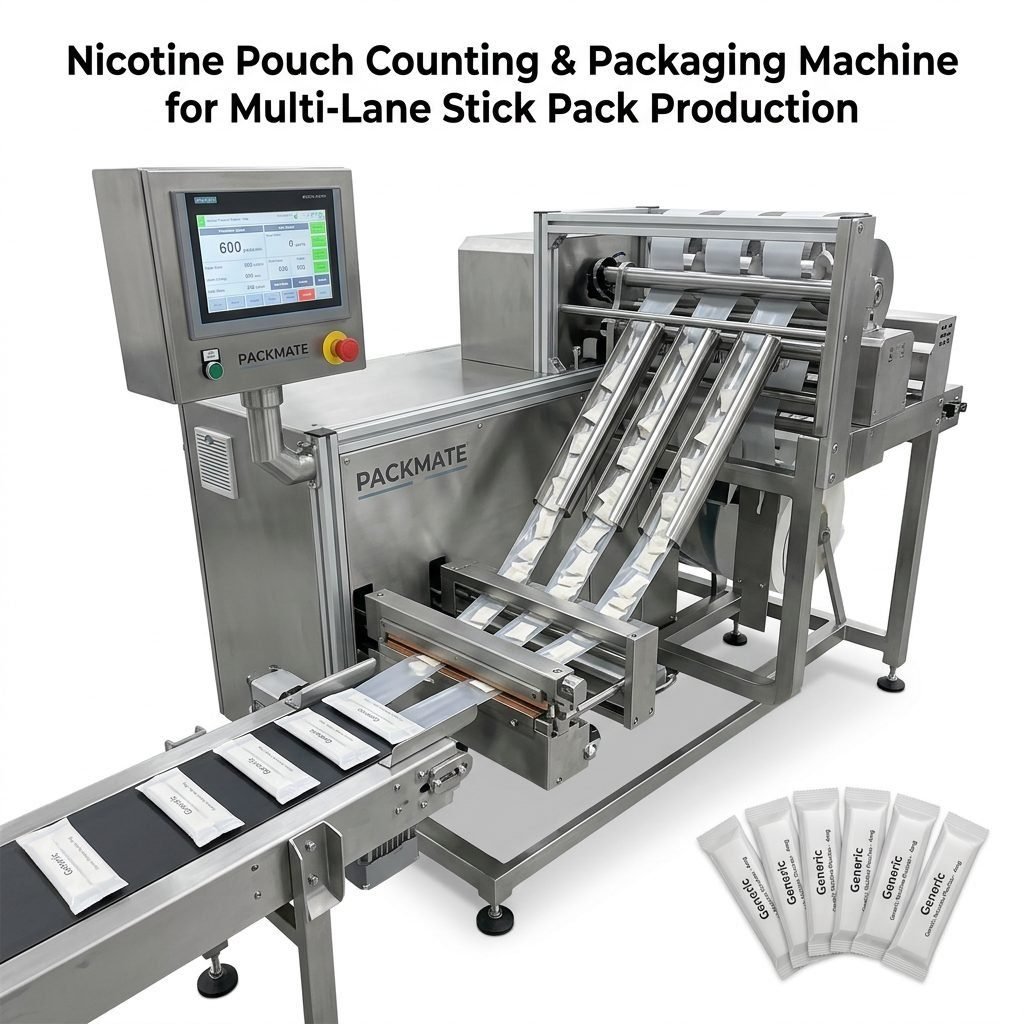
• Single-lane stick pack — Ideal for small-scale, premium portion packaging where presentation matters at point-of-sale.
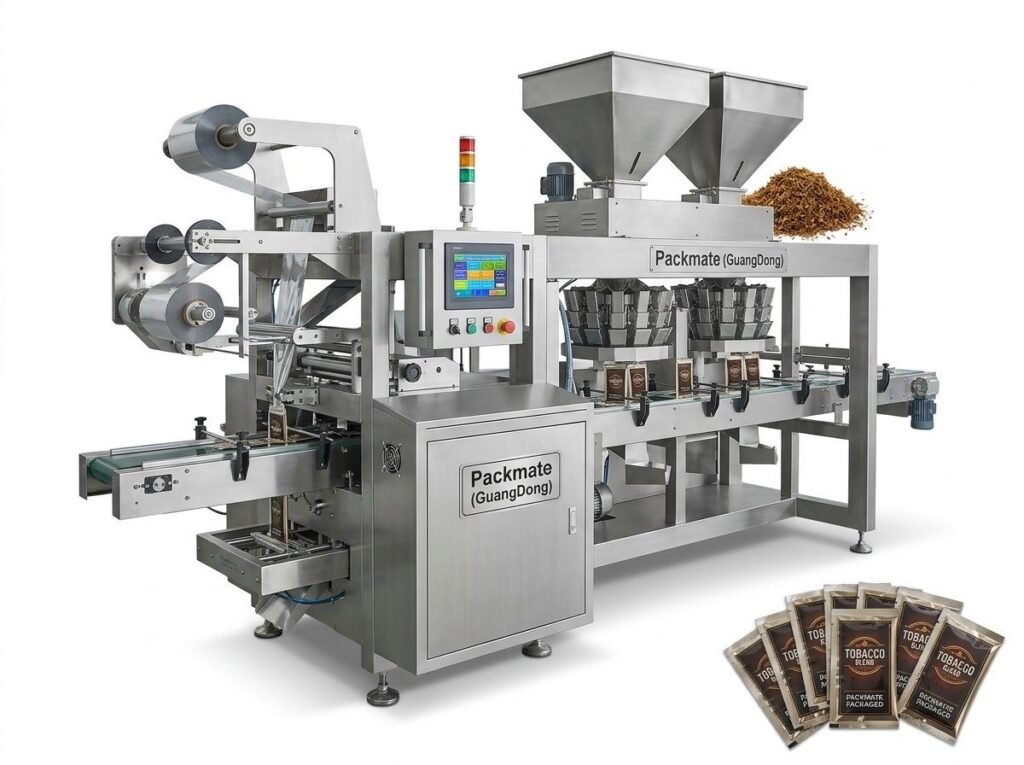
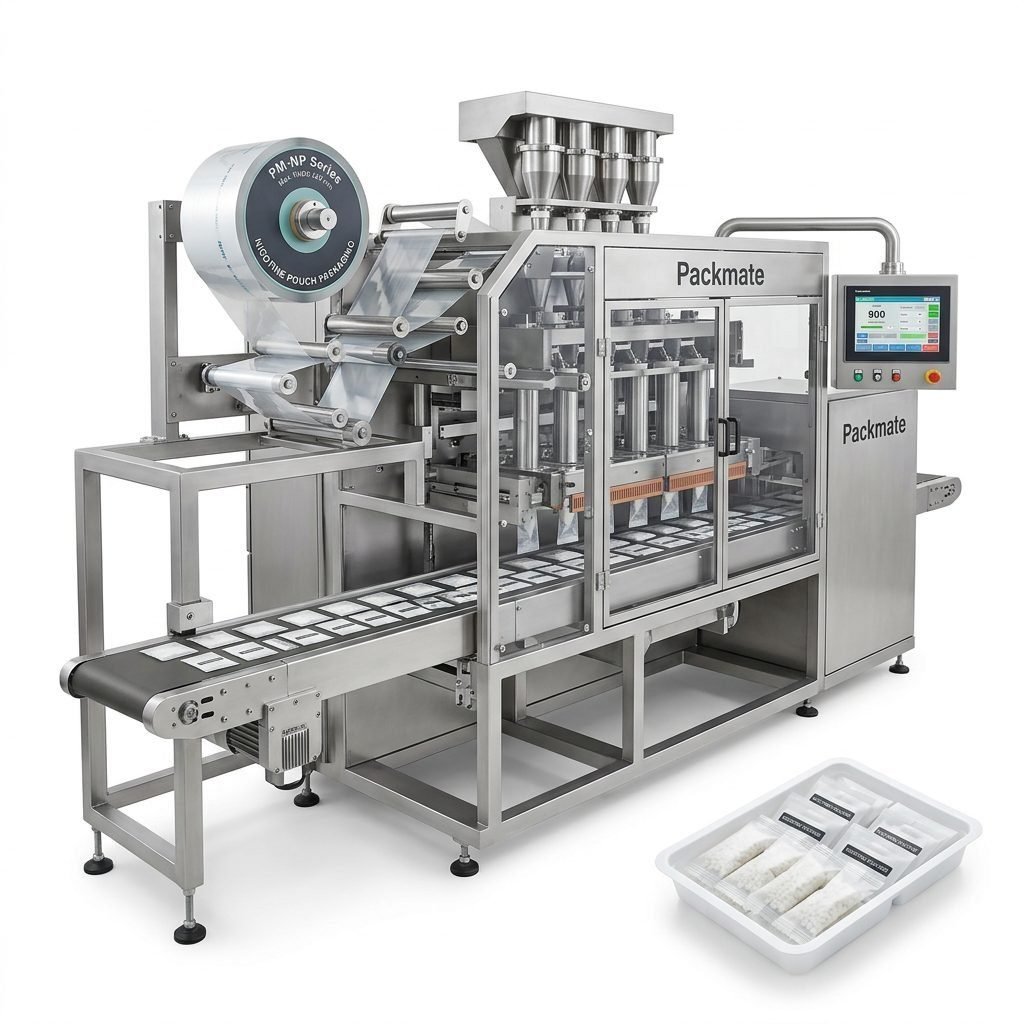
• Multi-lane sachet systems — Offer much higher throughput and are suitable for larger production runs and exports to nearby islands.
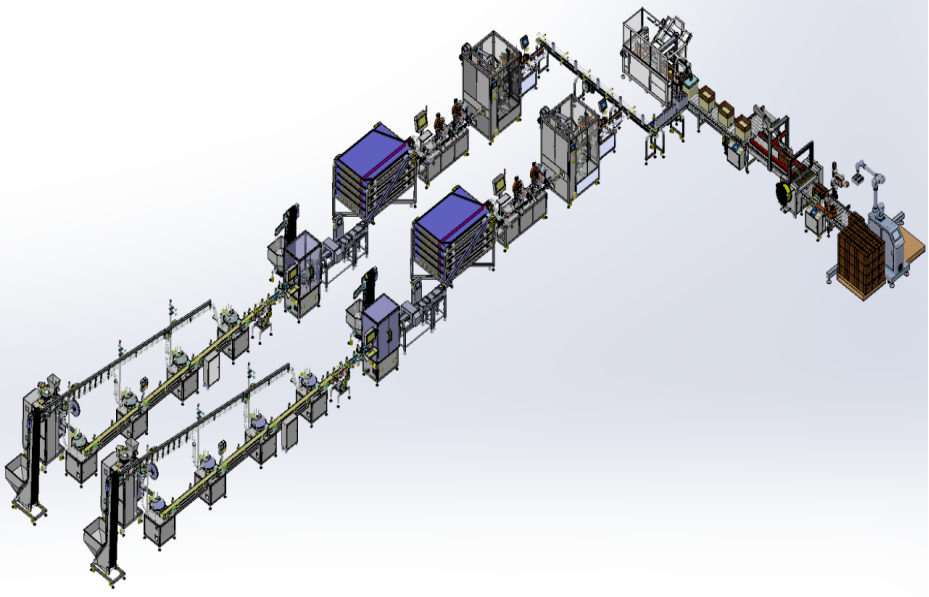
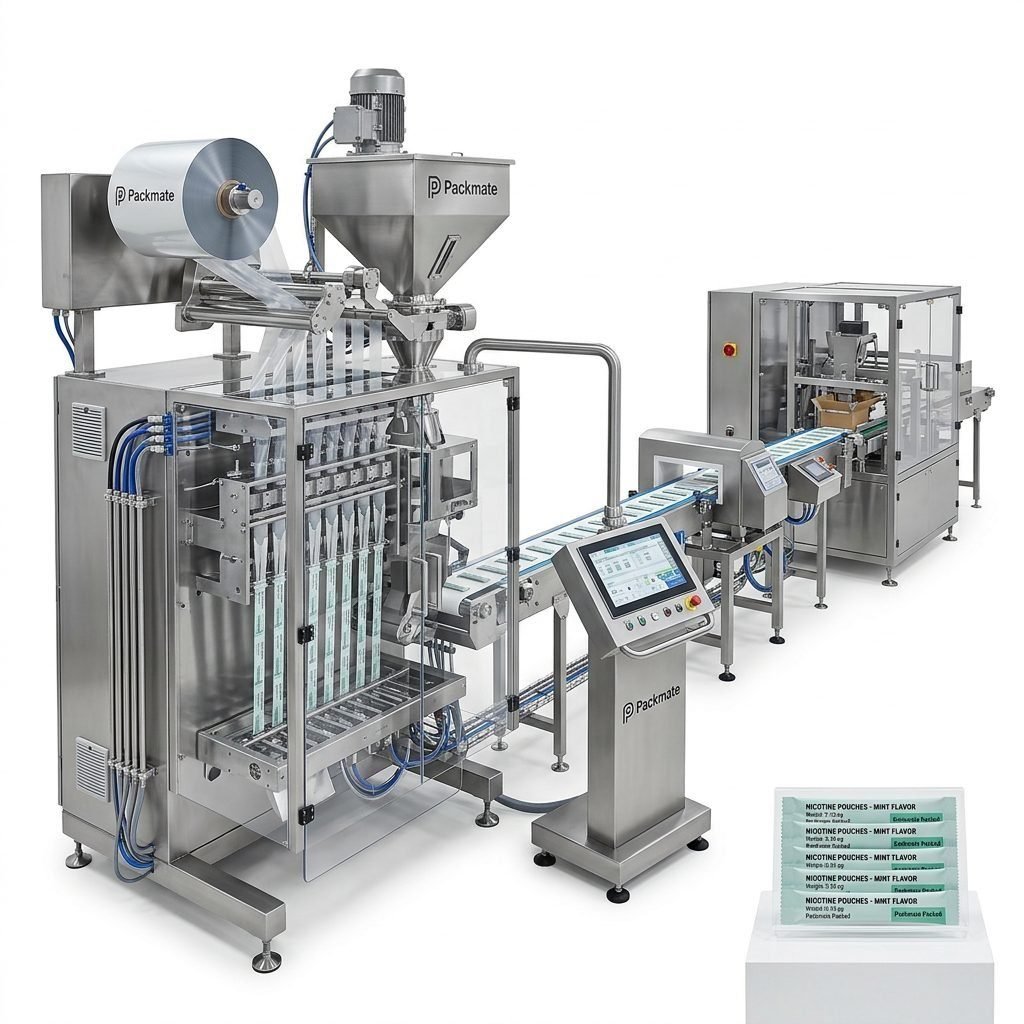
• Integrated filling and packaging lines — Combine weighing, filling, and sealing for automated continuous production and consistent dosing.
For technical product families and machine descriptions, consult the manufacturer’s product pages such as Weighing & Packaging Systems and Filling & Packaging Lines.
Environmental controls and material handling
Due to high humidity in the Caribbean, choose machines with moisture control options or work with your facility to ensure climate-controlled storage and production areas. Desiccant packaging, nitrogen flushing, and quick-run tooling help maintain freshness and shelf life.
Financial planning, ROI and total cost of ownership
When reviewing quotes, evaluate not just the purchase price but total cost of ownership: installation, training, spare parts, expected uptime, and energy consumption. A well-engineered machine may cost more upfront but deliver lower operating costs and higher yield over years of production.
• Ask for performance guarantees — Production rate tests and acceptance criteria should be part of the contract.
• Consider lease or financing — Some manufacturers and brokers offer financing which can ease cash-flow burdens for small island businesses.
Practical tips for negotiation and trial orders
Request a factory acceptance test (FAT) or a video demonstration of the exact model you will buy. Negotiate a clear warranty scope, spare parts list, and remote support SLA. For new suppliers, a smaller trial order or pilot line can validate machine performance in local conditions before committing to large CAPEX.
Checklist before signing a supply agreement
✔ Machine model and serial number, with full technical spec sheet.
✔ Delivery schedule, shipping terms, and Incoterms.
✔ Installation, FAT, SAT (site acceptance test) and training plan.
✔ Warranty details, spare parts list, and remote support commitments.
Final considerations
Partner with a supplier who offers tailored solutions for nicotine pouch production, understands international compliance, and can support your Caribbean logistics needs. Strong engineering credentials, clear documentation, and reliable after-sales service are the foundations of a successful long-term relationship.
For more detailed product catalogs and machine families, explore manufacturer resources and request on-site demonstrations or virtual factory tours to validate machine suitability before purchase.
Frequently Asked Questions
Q1: How long does shipping and installation typically take for Saint Kitts and Nevis?
A: Shipping can range from 4–12 weeks depending on the supplier’s location, export schedule, and local port availability. Installation and commissioning usually require 3–10 working days on-site, plus any additional time for electrical or civil preparations.
Q2: What certifications should I request from a snus packaging machine supplier?
A: At minimum, ask for CE and ISO certificates, material conformity reports, and electrical safety documentation. These help expedite customs clearance and demonstrate adherence to international manufacturing standards. You can check supplier certificates via their official resources such as Certificate.
Q3: Are there recommended machines for high-humidity island environments?
A: Look for machines with sealed controls, corrosion-resistant materials, and options for nitrogen flushing or desiccant integration. Climate-controlled rooms for production and appropriate packaging materials are also vital to maintain product quality.
Q4: How can a small manufacturer reduce risk when buying a packaging line?
A: Start with a pilot or modular upgrade, secure clear warranty and acceptance tests, ask for video FATs, and confirm parts availability. Working with a supplier who provides remote support and training shortens the learning curve and reduces downtime.
Q5: Where can I view product lines and request a quote?
A: Visit the product pages and contact portals for detailed catalogs and direct quotes: Snus & Nicotine Packaging Machines and Contact Us.