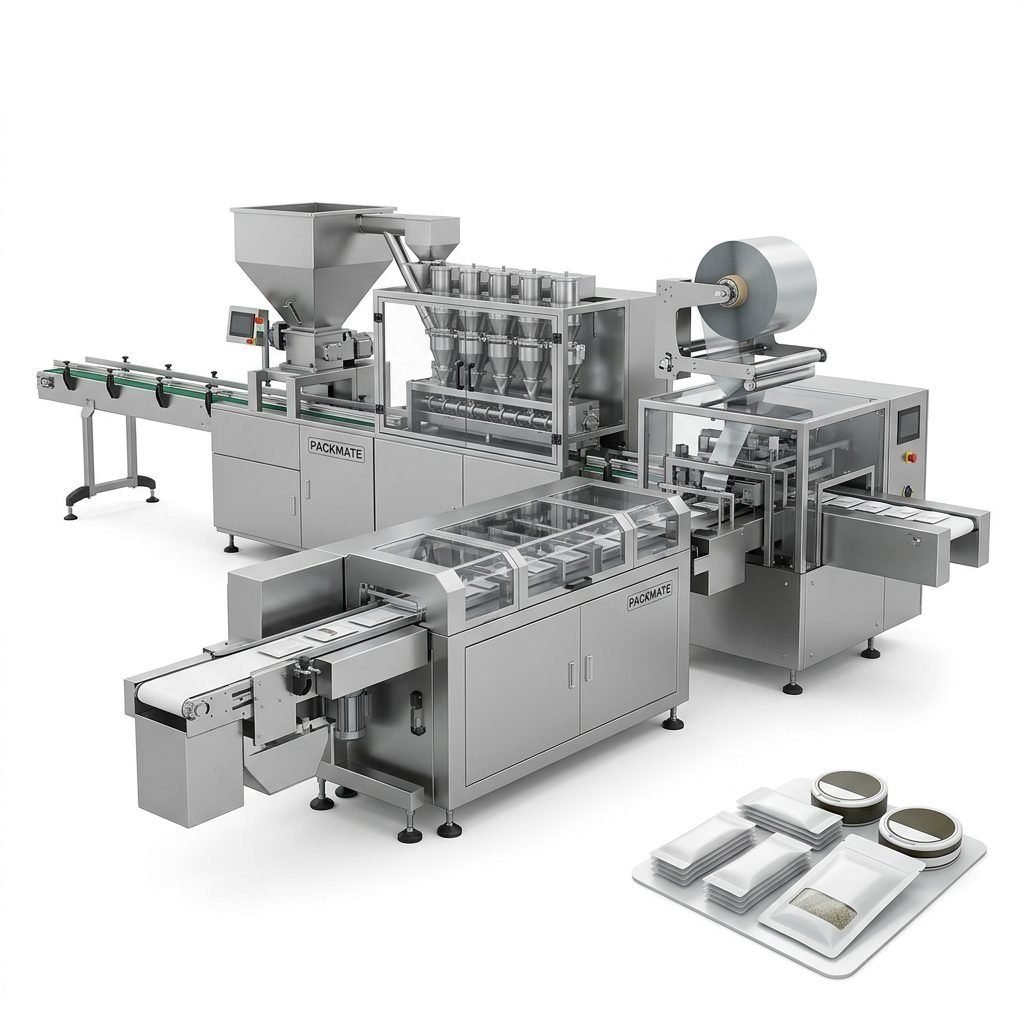
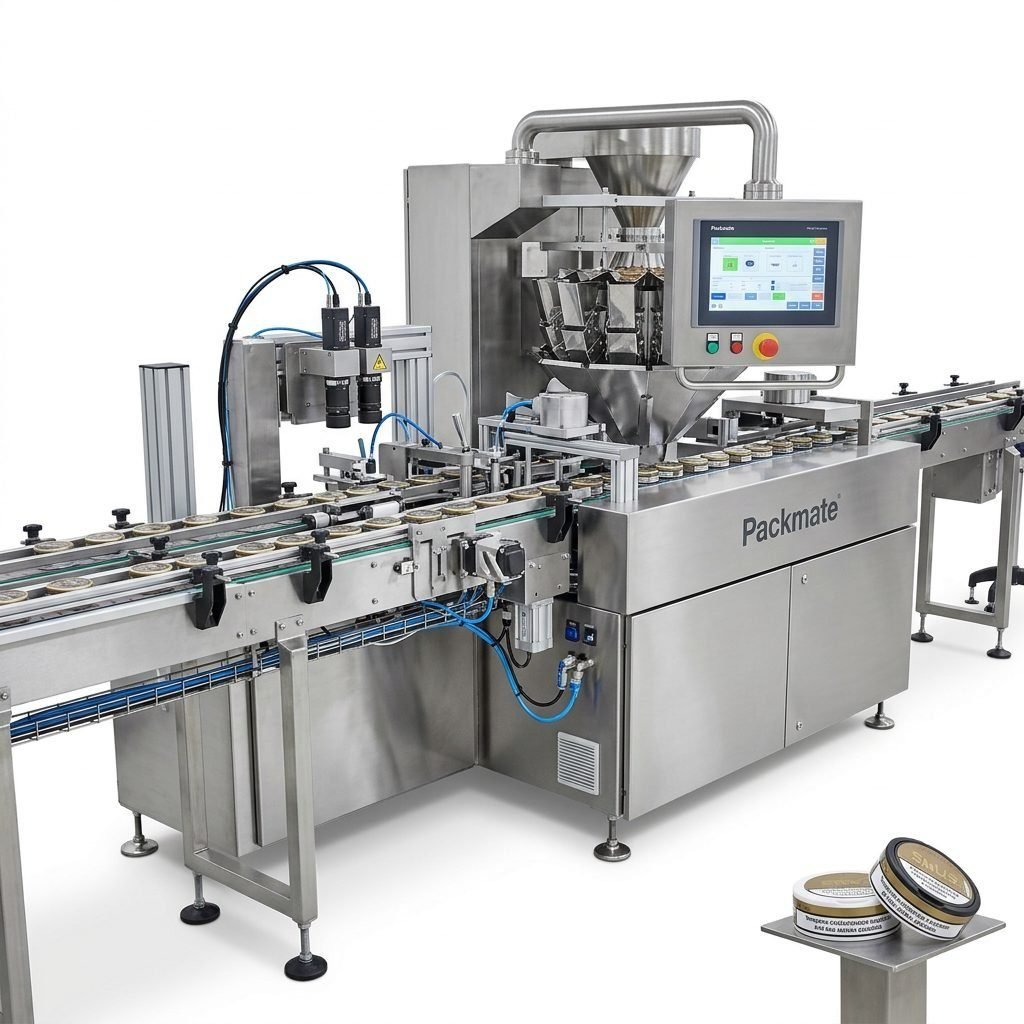
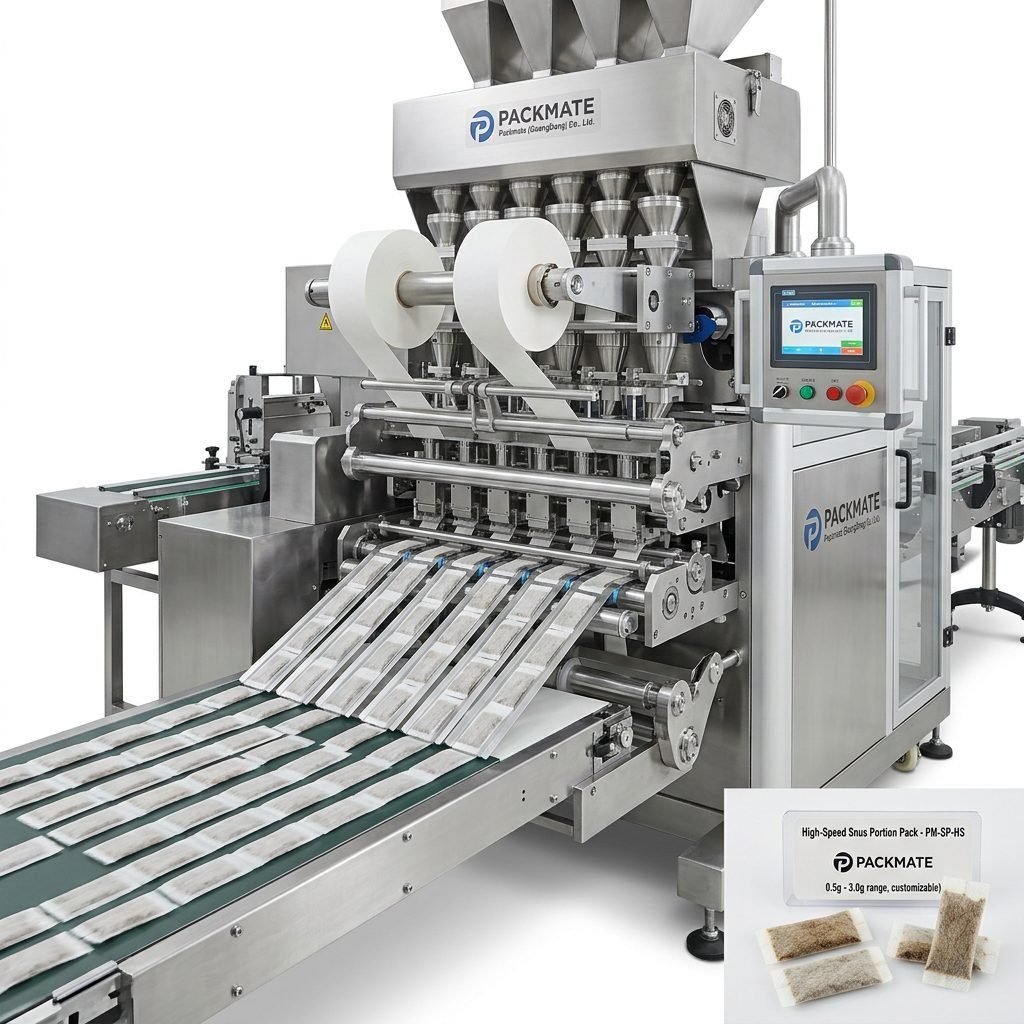
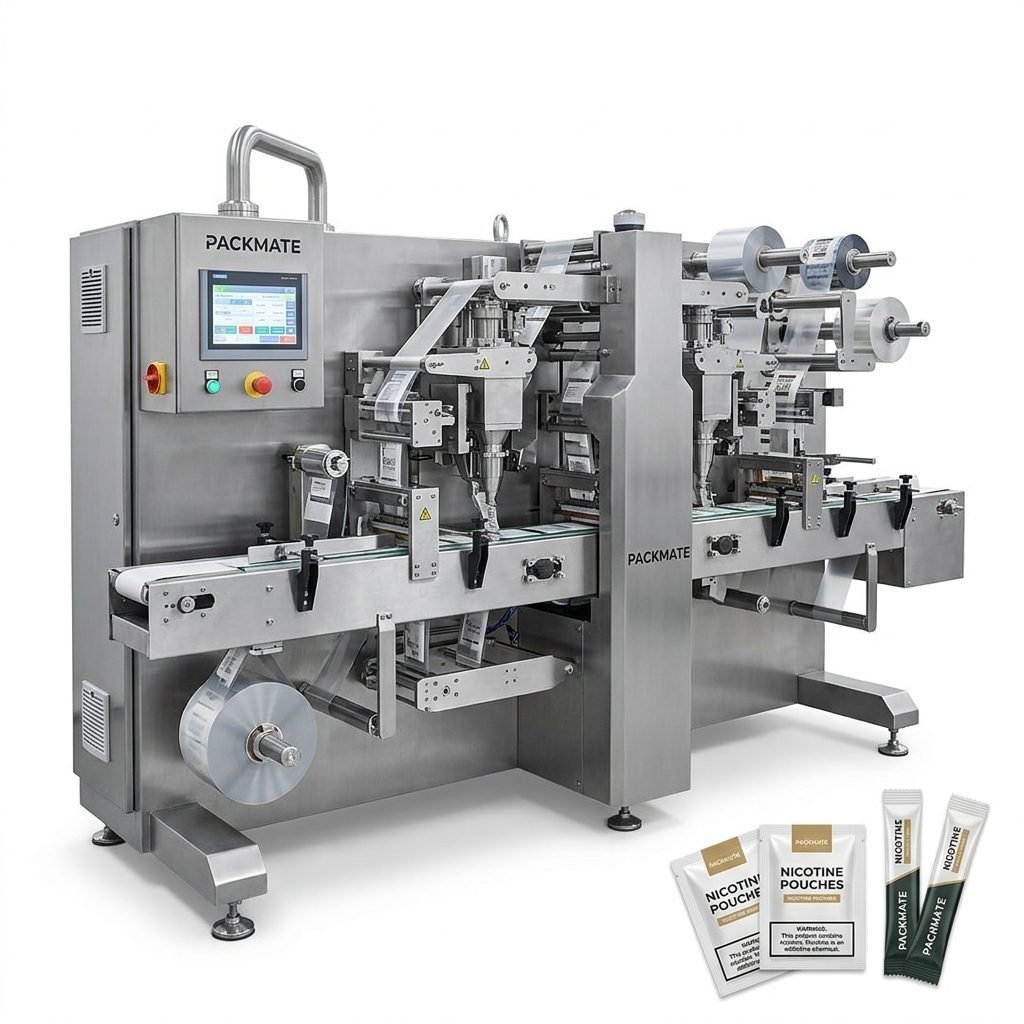
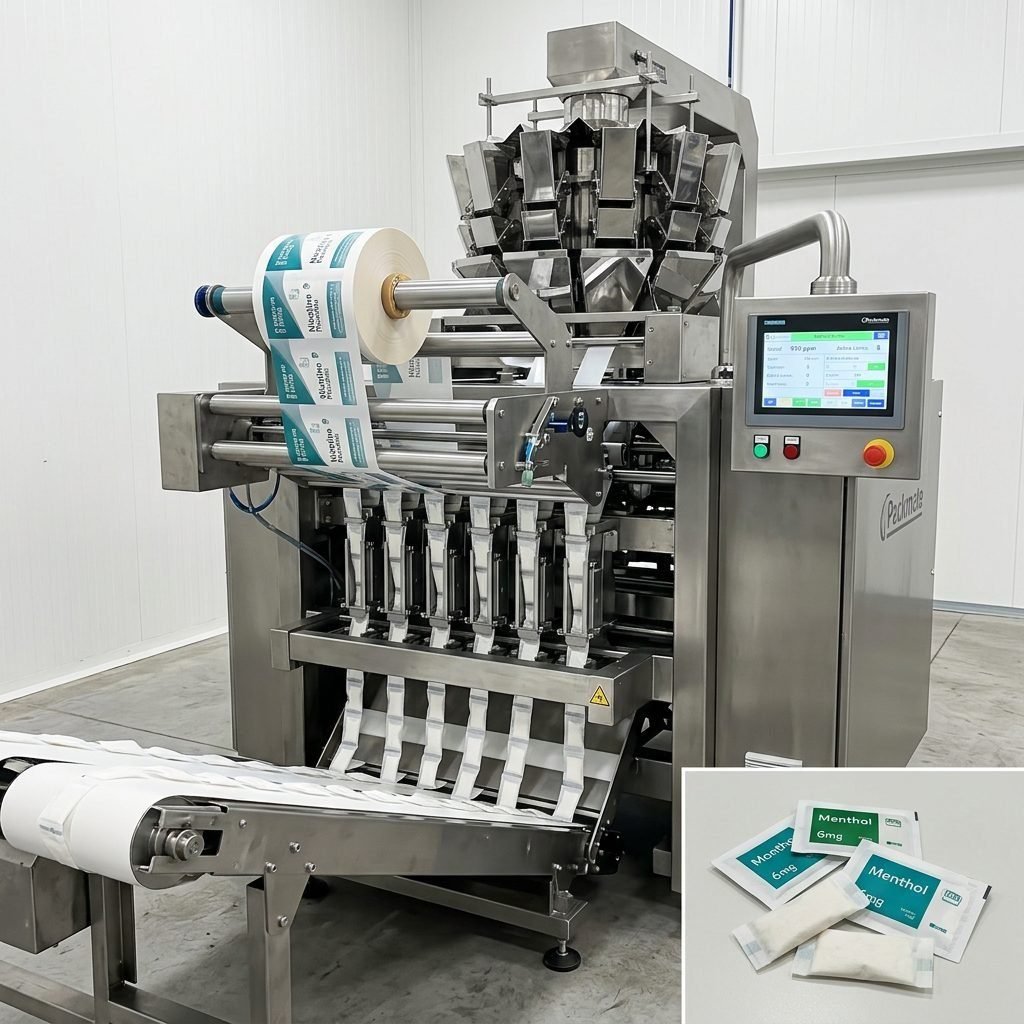
In Nigeria’s fast-growing snus and nicotine pouch market, choosing the right snus packaging machine supplier is not just about price or machine speed — it is about long-term reliability, local adaptability, regulatory compliance, and responsive after-sales support. This guide gives practical, Nigeria-focused tips to help buyers evaluate suppliers, compare machine types, and secure a packaging solution that matches your production goals and local conditions.
Why the Supplier Choice Matters in Nigeria 🇳🇬
Choosing the right supplier affects your uptime, product quality, and total cost of ownership. Nigerian manufacturers often face challenges like intermittent power, high humidity, complex import procedures at ports like Lagos, and varying skill levels among factory staff. A supplier who understands these realities will provide machines built for robustness, easy maintenance, accessible spare parts, and clear documentation.
Key Local Factors to Consider
🔧 Power reliability — choose machines tolerant to voltage fluctuations and that support easy installation of stabilizers or UPS systems.
🌡️ Climate resilience — look for corrosion-resistant parts and humidity-tolerant electronics.
📦 Logistics & customs — pick suppliers experienced with Nigerian import documents, packaging for long shipping, and recommended HS codes.
👷 Training & local support — suppliers who provide onsite training or remote assistance in English and clear manuals help accelerate commissioning.
10 Practical Tips for Buyers in Nigeria
✅ Verify the supplier’s core expertise — prefer manufacturers with proven experience in snus/nicotine pouch machinery and turnkey lines. For reference, check suppliers that list dedicated Snus & Nicotine Packaging Machines and Sachet & Stick Pack Machines.
✅ Ask for site references and case studies — request examples of similar installations in humid climates or long-distance export cases to Africa.
✅ Confirm certifications — CE and ISO compliance show basic international standards; also request electrical/component certificates and test reports.
1. Machine Type & Production Capacity
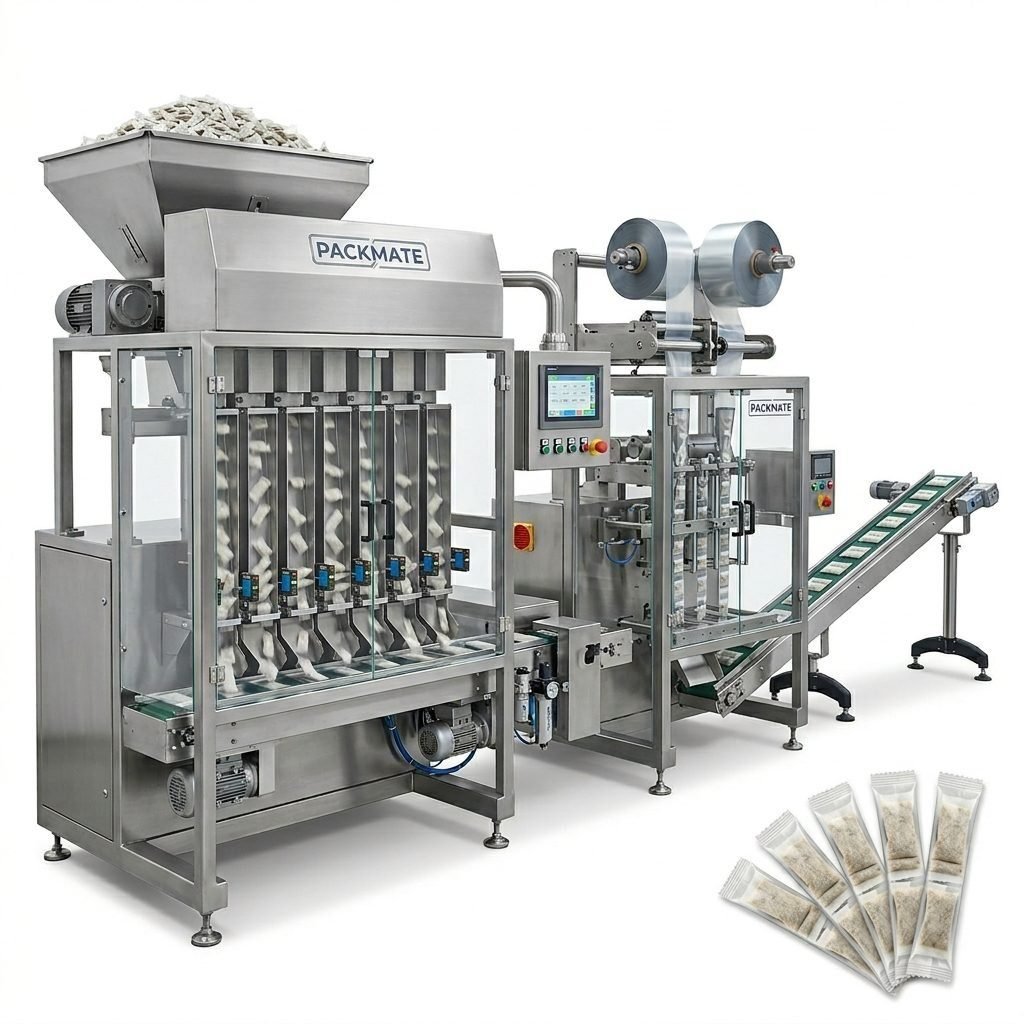
Decide whether you need single-lane sachet/stick pack machines for small-batch runs or multi-lane systems for higher throughput. Multi-lane systems can multiply output without increasing footprint, but require precise synchronization and better maintenance practices. If your product lines include nicotine pouches, tea, powder, or liquid fills, ensure the supplier offers flexible filling modules or integrated weighing systems (Weighing & Packaging Systems) to accommodate different product viscosities and formats.
2. Reliability & Spare Parts Availability
Faulty downtime in Nigeria can be expensive due to repair lead times. Confirm that the supplier stocks critical spare parts locally or ships quickly to Nigeria, and that parts are standardized (servo motors, PLCs, sensors). Ask about a spare parts kit on delivery and guaranteed delivery times for replacements.
3. After-Sales Service & Training
Prioritize suppliers with clear service SLA options — remote troubleshooting (video calls), scheduled maintenance visits, and training packages tailored to Nigerian production teams. Check if the supplier provides operation manuals, maintenance guides, and electrical diagrams in English, and whether they offer local technician training or online certification.
4. Total Cost of Ownership (TCO)
Don’t focus only on purchase price: calculate installation, shipping, customs duties, local taxes (VAT), spare parts, energy consumption, and downtime risk. A slightly higher upfront cost for higher reliability often pays off through reduced maintenance and longer machine life.
5. Local Regulations & Product Compliance
Nigeria has evolving regulations around nicotine products and tobacco substitutes. Work with suppliers who can help with hygienic machine designs, traceability features, and documentation needed for regulatory audits. Suppliers familiar with international markets can also advise on export labeling and batch trace records.
6. Factory Acceptance Test (FAT) & Pre-Shipment Testing
Insist on a Factory Acceptance Test with your product or a close surrogate. FAT should validate speed, seal integrity, pouch weight accuracy, and multi-lane synchronization. A documented FAT reduces commissioning time and ensures the machine meets agreed performance before shipment.
7. Shipping, Packaging & Customs Support
Machines bound for Nigeria should be robustly crated for ocean freight. Confirm the supplier’s experience exporting to Nigerian ports, and ask for full export documentation, including packing list, commercial invoice, bill of lading, and certificates needed for customs clearance. Some suppliers provide door-to-door logistics or recommend trusted freight forwarders experienced with Lagos or Port Harcourt.
8. Local Adaptations & Power Considerations
Machines delivered to Nigeria may require voltage adaptors, robust electrical enclosures, and cooling strategies. Discuss generator compatibility and recommended protection devices (surge protectors, voltage stabilizers). Consider corrosion protection and IP ratings if your factory environment is particularly humid.
9. Scalability & Upgrades
Choose a supplier who can scale your line — upgrade to more lanes, integrate additional filling modules, or add automated feeding and secondary packaging in future. Suppliers offering modular designs simplify upgrades and reduce future CAPEX.
10. Reputation & Transparent Contracts
Check the supplier’s reputation, read customer testimonials, and review a sample contract. Contracts should clarify warranty terms, delivery schedules, acceptance criteria, and responsibilities during shipping and installation.
Technical Checklist — What to Inspect During Supplier Evaluation
⚙️ Machine construction: stainless contact parts, anodized frames, sealed electronics.
⚙️ Control systems: reputable PLC/servo brands, user-friendly HMI, local language support where possible.
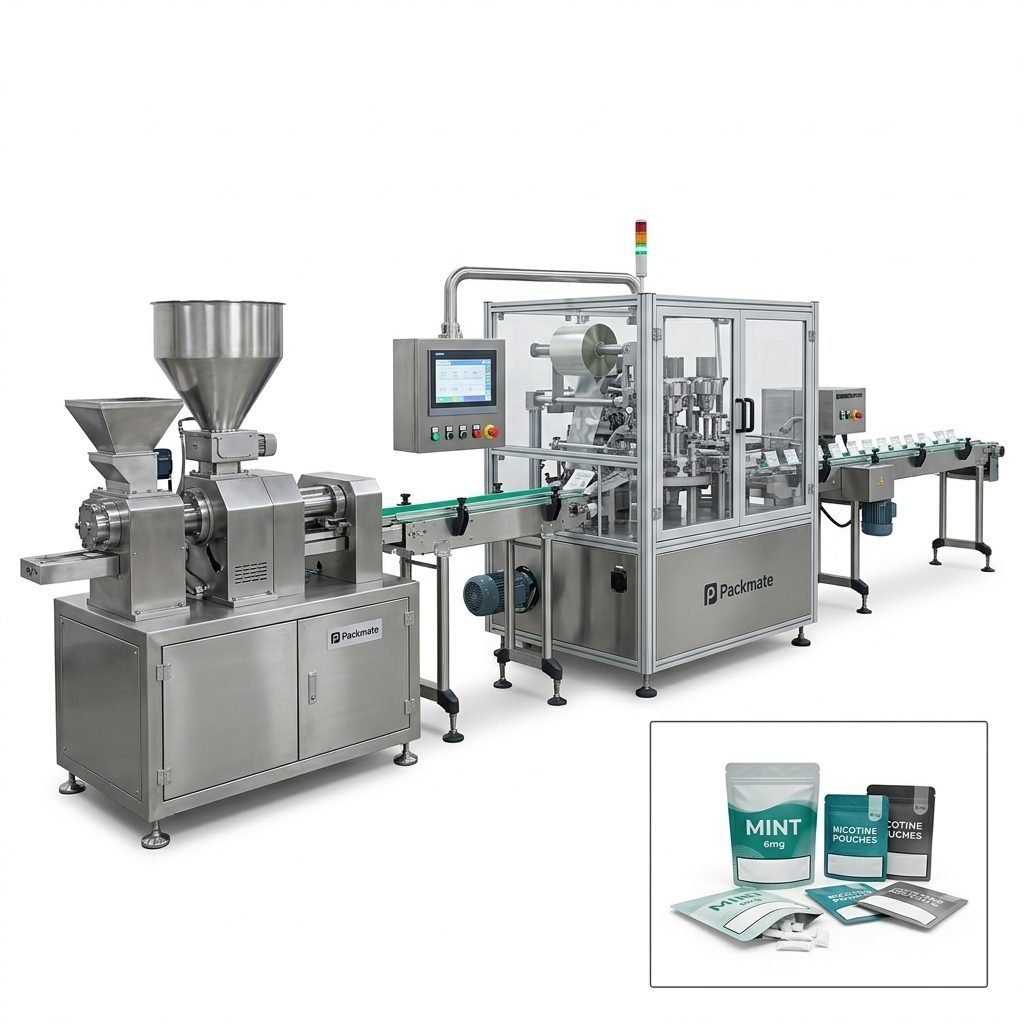
⚙️ Filling accuracy: check tolerance data for low-dose nicotine pouches (weighing systems and Filling & Packaging Lines integrations).
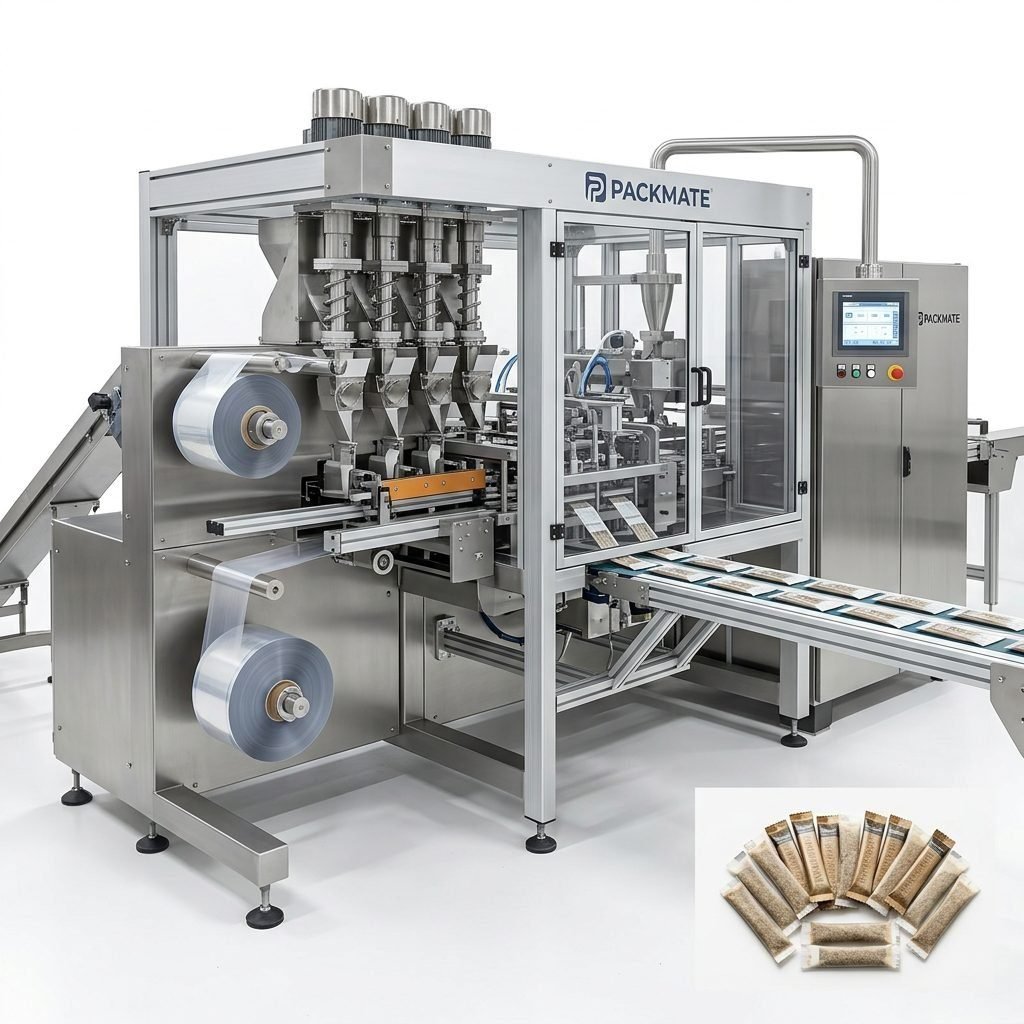
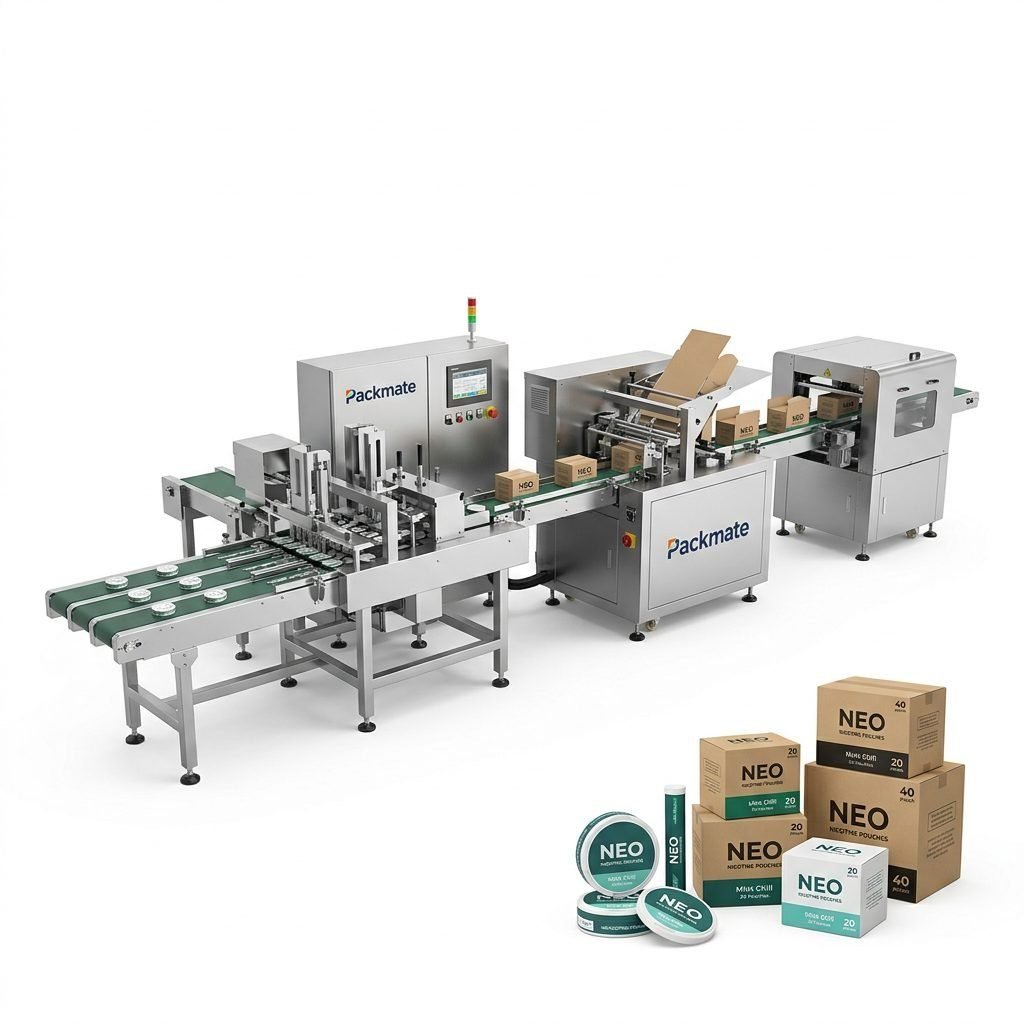
⚙️ Packaging formats: compatibility with stick pack, sachet, or multi-lane nicotine pouch formats (see Sachet & Stick Pack Machines and Bag & Pouch Packaging Machines).
Why Consider Packmate and What to Ask Them
Suppliers like Packmate Snus Machine bring decades of experience in snus/nicotine packaging, multi-lane systems, and turnkey solutions. When speaking with a supplier such as Packmate, request:
📄 A detailed proposal showing machine models that match your format (reference their Snus & Nicotine Packaging Machines and Sachet & Stick Pack Machines pages).
🧪 FAT video documentation and sample products produced in the factory.
🛠️ Spare parts list and lead times, plus recommended local consumables.
🏭 Photos and testimonials from similar global Case studies and exhibition demonstrations (see Case and Our Exhibition pages).
Negotiation & Contract Tips
– Include clear acceptance criteria based on FAT results and machine performance.
– Define warranty scope and response times for remote support and onsite visits.
– Agree on spare parts supply terms and pricing for the first 1–2 years.
– Specify training hours for operators and maintenance staff.
Logistics: From Factory to Your Nigerian Plant
Plan shipment lead times of 6–12 weeks for custom or multi-lane systems, plus sea freight to Lagos or Port Harcourt. Coordinate with customs brokers familiar with machinery imports and ask the supplier for complete shipping documents. Consider DDP (Delivered Duty Paid) if you prefer the supplier to handle customs clearance and inland delivery.
Installation & Commissioning
Schedule installation with supplier engineers and ensure plant readiness: power supply, compressed air quality, floor anchoring, and sufficient working space. An initial production ramp-up phase with the supplier present reduces the risk of early problems and assures operator competence.
📌 Quick Checklist Before You Sign:
– Supplier history and credentials (30+ years or proven track record).
– FAT documentation & sample outputs.
– Warranty terms, spare parts list, and lead times.
– Training & after-sales support plan.
– Export packaging and customs assistance.
Useful Supplier Resources
Explore supplier product pages and documentation to compare machine families and capabilities: Snus & Nicotine Packaging Machines, Bag & Pouch Packaging Machines, Sachet & Stick Pack Machines, and auxiliary equipment for complete lines. Also review their Case studies and Certificate pages to verify real-world performance and compliance.
Useful links:
Snus & Nicotine Packaging Machines,
Sachet & Stick Pack Machines,
Filling & Packaging Lines,
Case.
Final Steps: From Shortlist to Purchase
1) Shortlist 2–3 suppliers with verified references and request detailed quotes.
2) Review technical offers and request a FAT with your product sample.
3) Negotiate warranty, spare parts package, and training.
4) Confirm logistics, commissioning schedule, and payment milestones.
5) Plan the first 3–6 months of spare parts and support to minimize production risk.
Conclusion
Selecting the best snus packaging machine supplier for Nigeria requires balancing technical fit, local adaptability, and reliable after-sales service. By validating supplier experience, insisting on FATs, securing spare parts and training, and accounting for logistics and local regulations, you significantly reduce implementation risk and set your production line up for long-term success.
Frequently Asked Questions
Q1: How long does it take to receive and install a multi-lane snus packaging line in Nigeria?
A1: Typical lead times are 8–16 weeks for manufacturing plus 4–8 weeks shipping and customs clearance; onsite installation and commissioning usually take 1–3 weeks depending on complexity and training requirements.
Q2: What certifications should a packaging machine supplier provide?
A2: Ask for CE and ISO certificates as a baseline, plus certificate lists for electrical components, material contact safety, and any requested client-specific testing or documentation.
Q3: Can suppliers assist with Nigerian customs and logistics?
A3: Many global suppliers can coordinate export documentation and recommend freight forwarders; negotiate whether they provide DDU or DDP shipping and whether they support customs clearance.
Q4: What spare parts are critical to keep on hand initially?
A4: Keep spare seals, belts, servo fuses, sensors, and commonly worn mechanical parts. Ask the supplier for an initial recommended spare parts kit tailored to your machine model.
Q5: How do I ensure consistent product quality with a new machine?
A5: Perform FATs with product samples, follow recommended material specs, train operators thoroughly, and establish regular preventive maintenance schedules with the supplier’s guidance.