Choosing the right snus packaging machinery for production in the United Arab Emirates requires a balanced assessment of capacity, product format, regulatory compliance, uptime, and local service support. This guide walks you through practical decision points and highlights why partnering with an experienced manufacturer like Packmate can shorten your path to a reliable, high-efficiency line.
Understand Your Production Needs First
Start by documenting your current and expected annual output, shifts per day, and desired production speed (pouches per minute). Small-scale launches may be satisfied with a single-lane sachet or stick pack system, while established brands in the UAE often require multi-lane solutions for high throughput and cost efficiency.
Key capacity questions to answer
• What is your target production per shift and per month?
• Will you expand product SKUs or pouch formats in the next 12–36 months?
• Do you need to support single-dose nicotine pouches, loose snus pouches, or stick packs?
📌 Tip: If growth is expected, prioritize modular machines that can be upgraded from single-lane to multi-lane setups without replacing the entire line.
Match Machine Type to Product Format
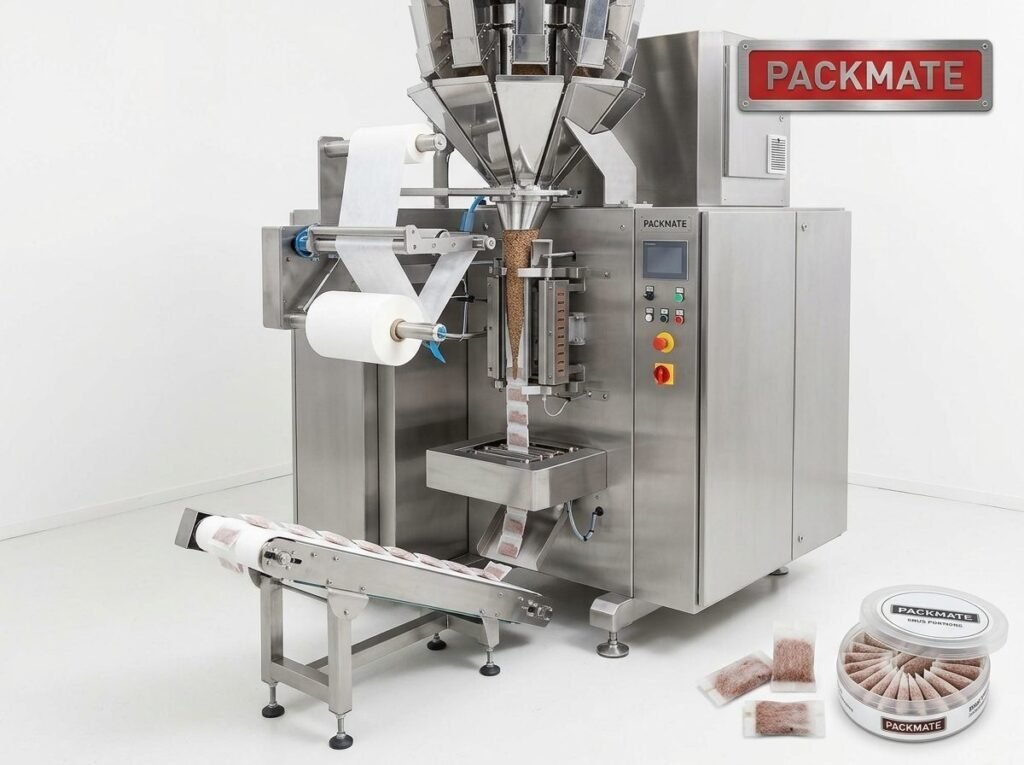
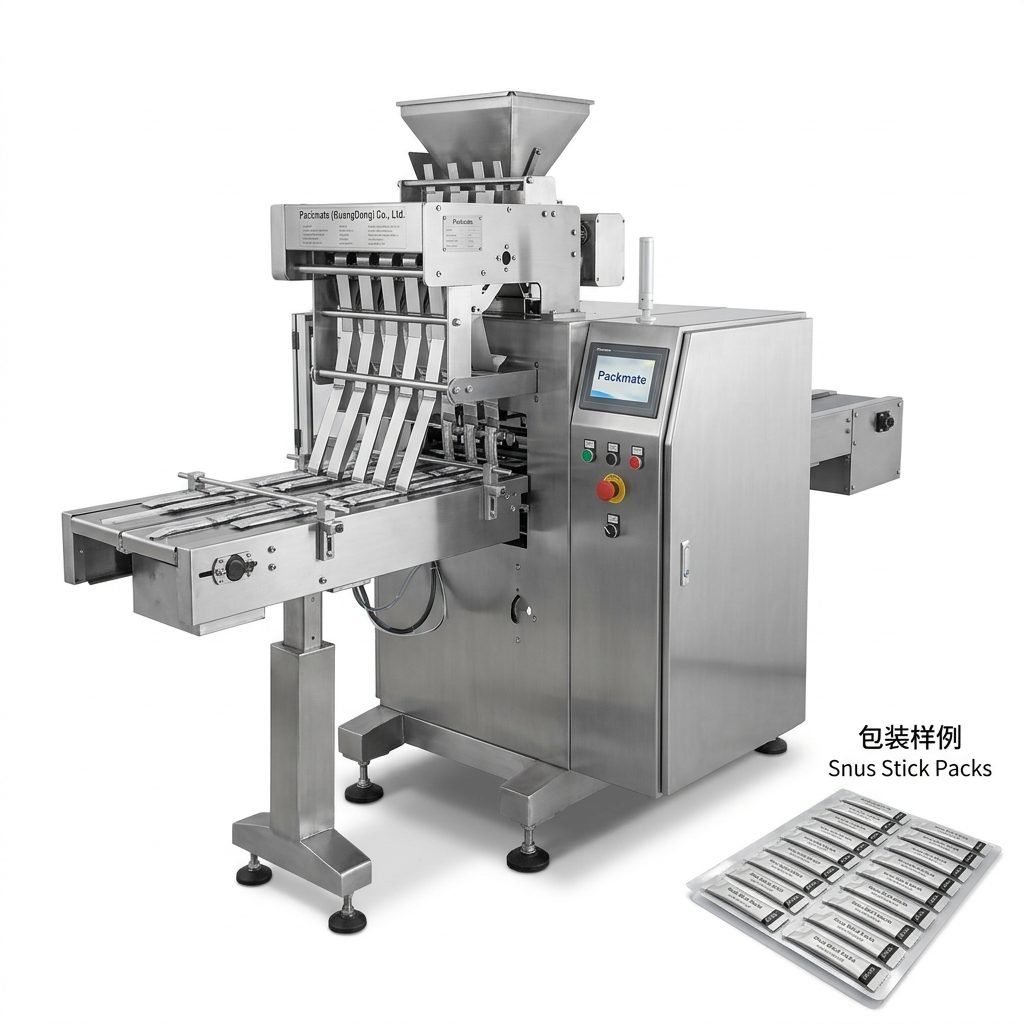
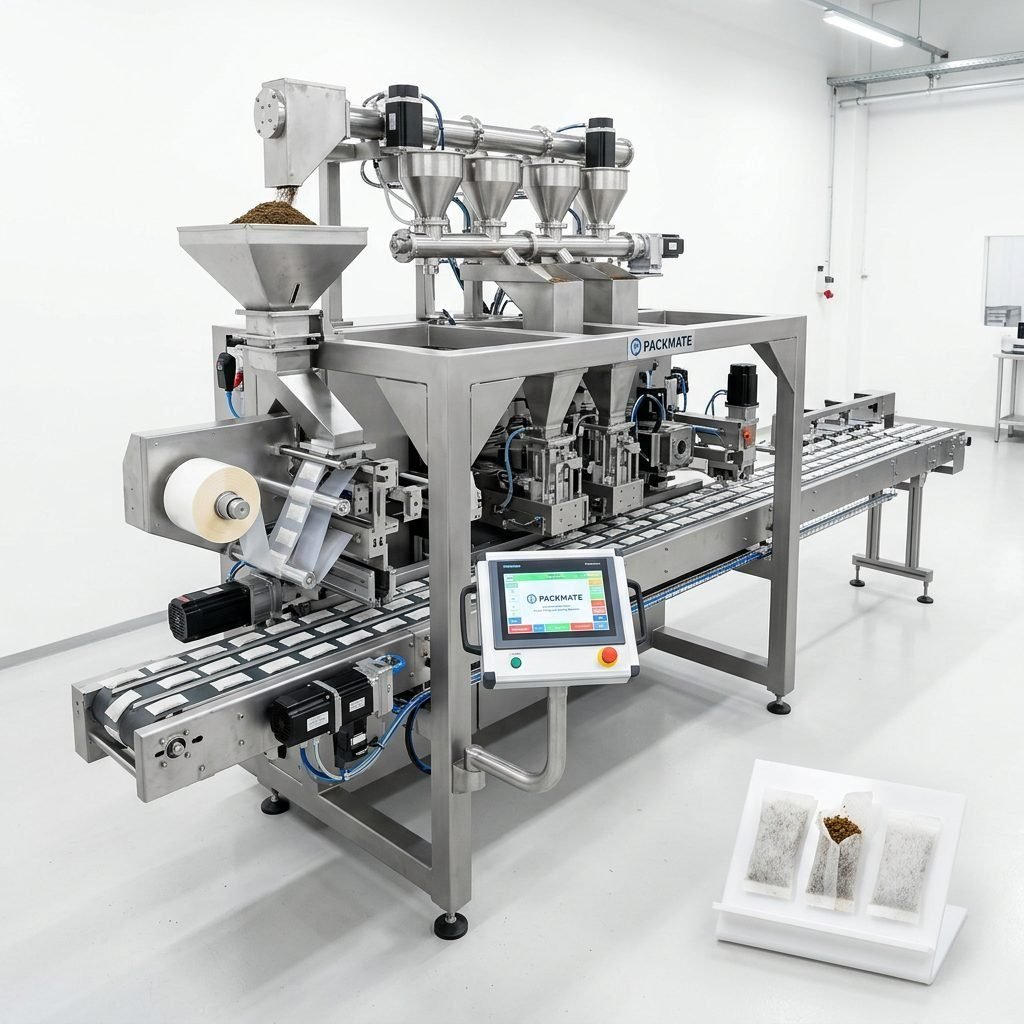
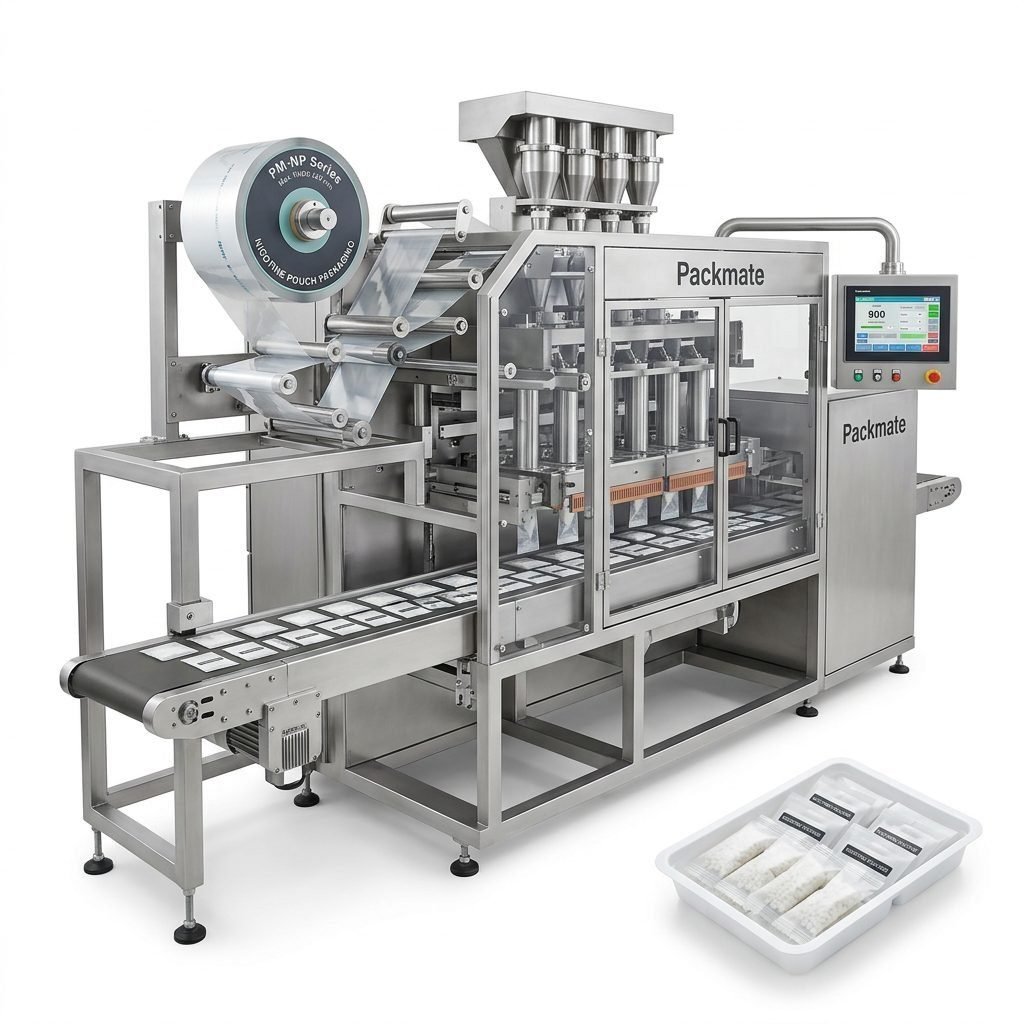
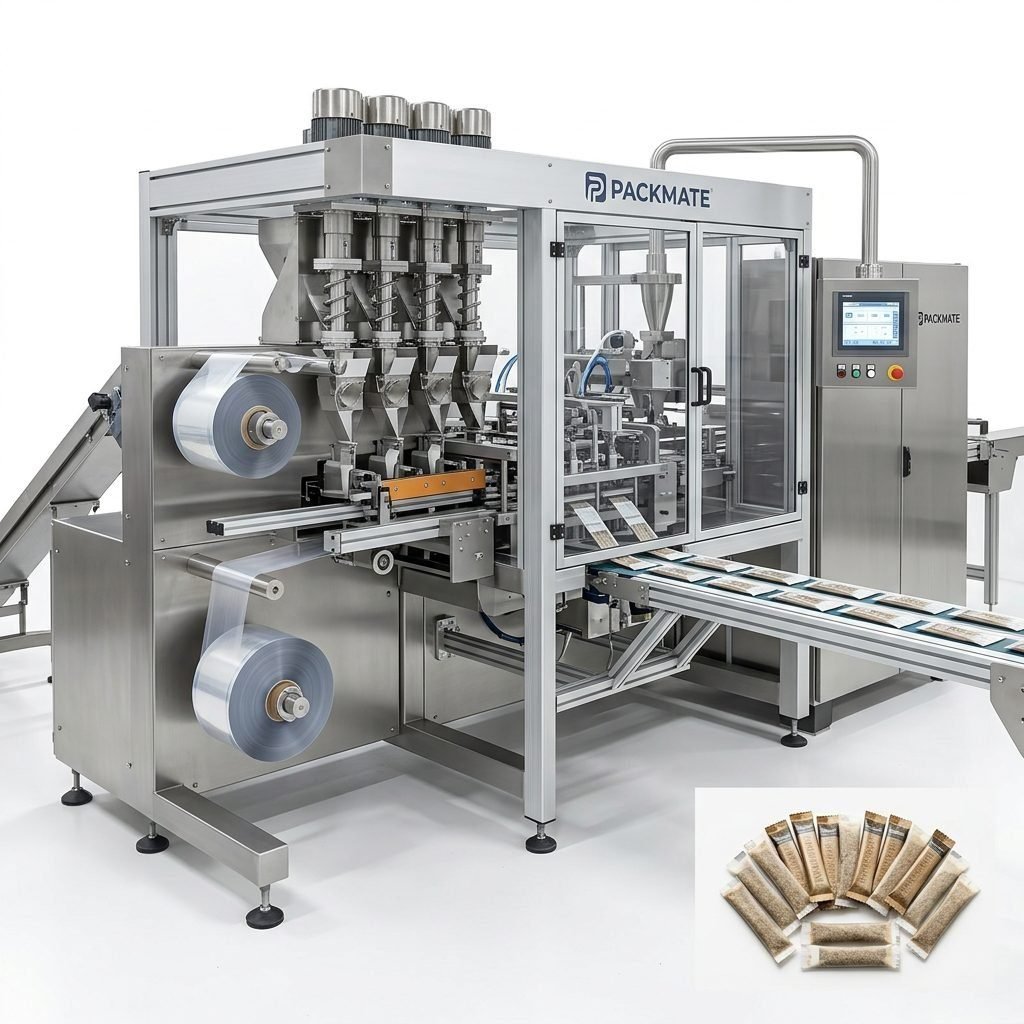
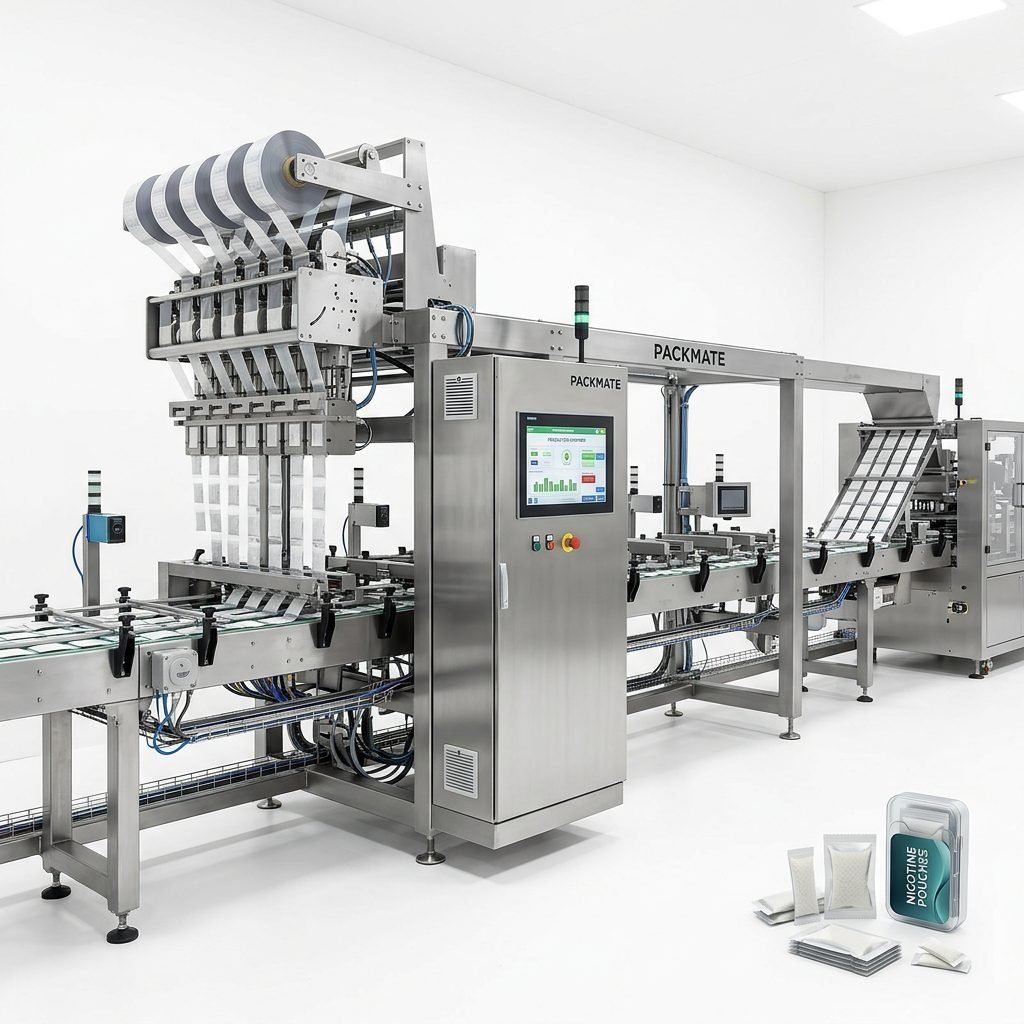
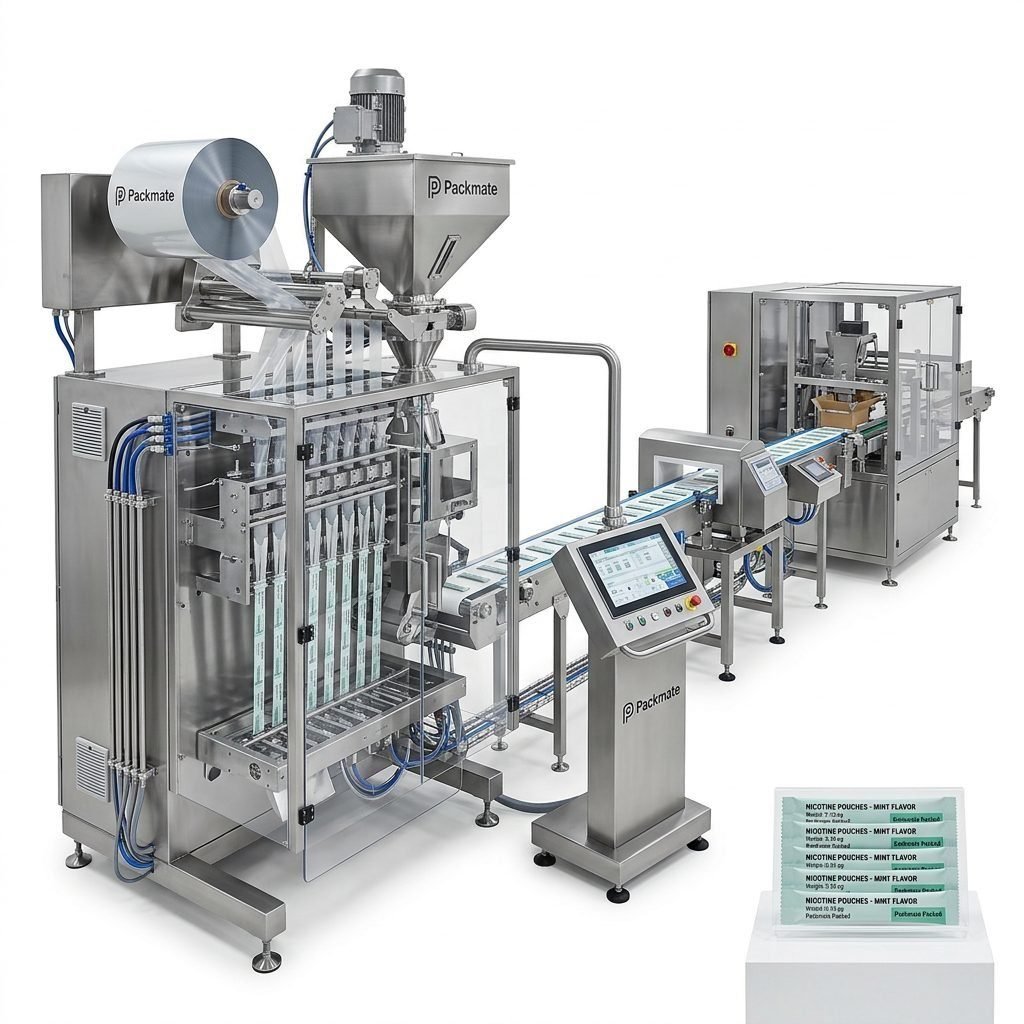
Different pouch types require different machinery: stick pack, sachet, and specialized snus/nicotine pouch machines each have distinct sealing, filling, and cutting requirements. Evaluate machines that are specifically designed for low-dose nicotine pouches if that is your core product.
Explore equipment categories such as Snus & Nicotine Packaging Machines, Bag & Pouch Packaging Machines, and Sachet & Stick Pack Machines for comparison.
⚠️ Important: Look for machines that handle your product’s particulate size, moisture content, and any flow-aid requirements; improper matching leads to frequent jams and inconsistent fill weights.
Automation Level and Production Efficiency
Decide the degree of automation you need. Manual or semi-automatic lines may reduce initial capital expense but increase labor costs and variability. Fully automated turnkey lines deliver consistent speeds, integrated weighing/filling, and quicker changeovers — essential for high-volume producers.
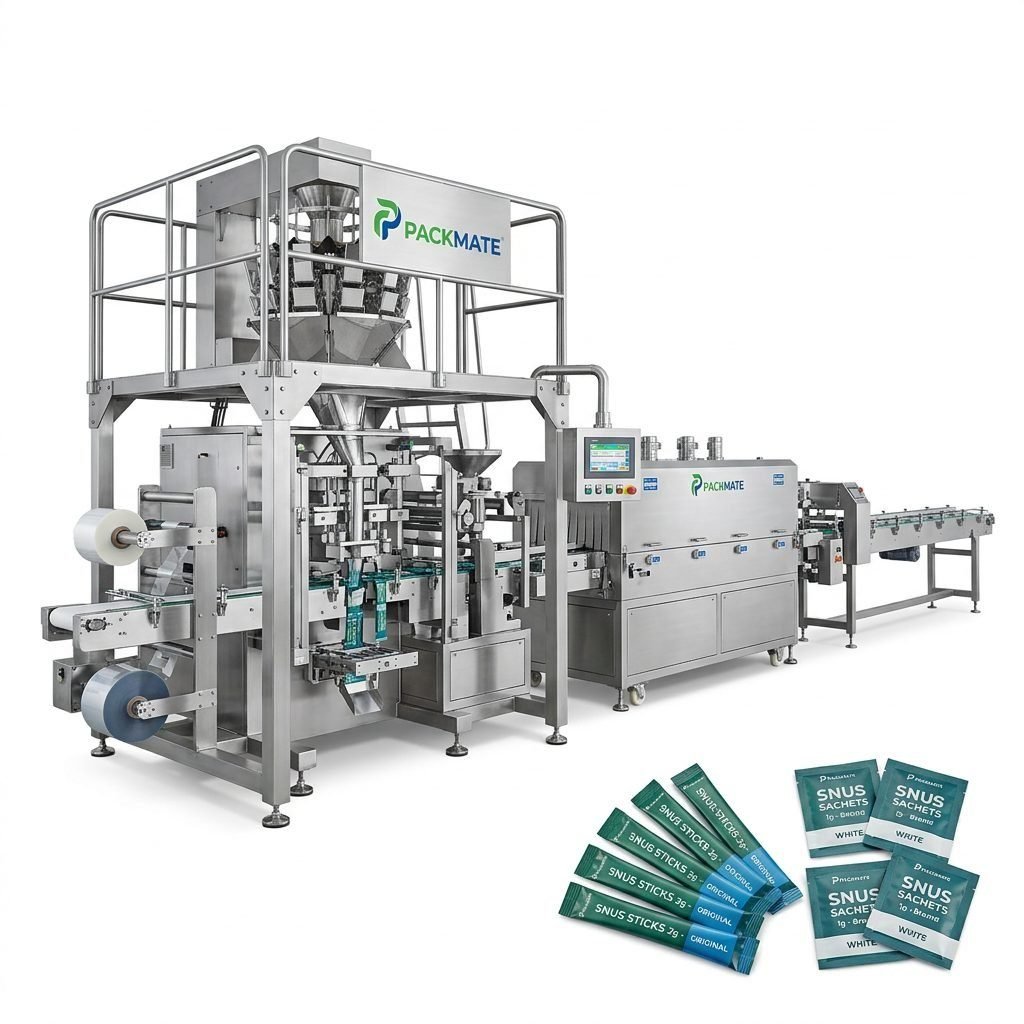
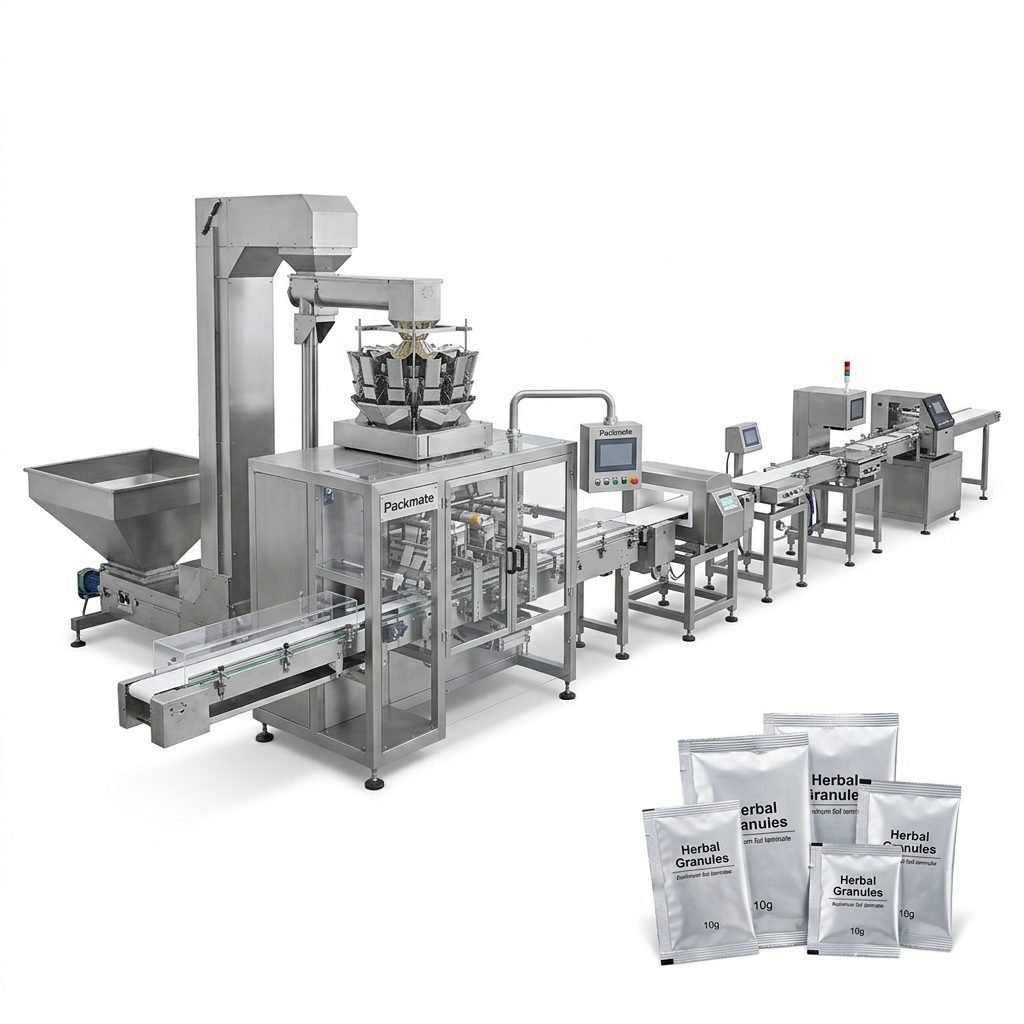
Integrations to consider include automatic feeders, multi-head weighers, and in-line metal detection. Packmate’s solutions span from single machines to complete Filling & Packaging Lines that are built for continuous operation.
Performance indicators to request from suppliers
• Actual pouches per minute at full production with your product formula.
• Average changeover time between SKUs.
• Mean time between failures (MTBF) and recommended maintenance intervals.
Quality, Compliance & Materials Handling
Packaging machines used for snus and nicotine pouches must meet strict hygiene and safety standards. Look for equipment with stainless steel contact parts, easy-to-clean surfaces, and certifications such as CE and ISO. Compliance with local UAE regulations regarding nicotine products must also be verified before commissioning.
ℹ️ Note: Packmate’s factory and machines comply with international standards; review certificates and test reports prior to purchase — see their Certificate pages for details.
Service, Spare Parts & Local Support in the UAE
After-sales support determines the real-life uptime of your line. Verify supplier lead times for spare parts, remote service capabilities, on-site commissioning, and local technical partners in the UAE who can respond quickly to breakdowns. Machines with modular, standardized parts are easier to service.
Request a service plan that covers preventive maintenance, training for operators, and optional extended warranty to protect your investment.
Factory Strength & Customization Options
Evaluate a manufacturer’s production capacity, machining accuracy, and experience with snus lines. Packmate, for example, offers 30+ years of engineering background and a 20,000㎡ facility with advanced CNC machining centers and a range of over 50 machine models — a strong indicator of manufacturing capability and customization potential.
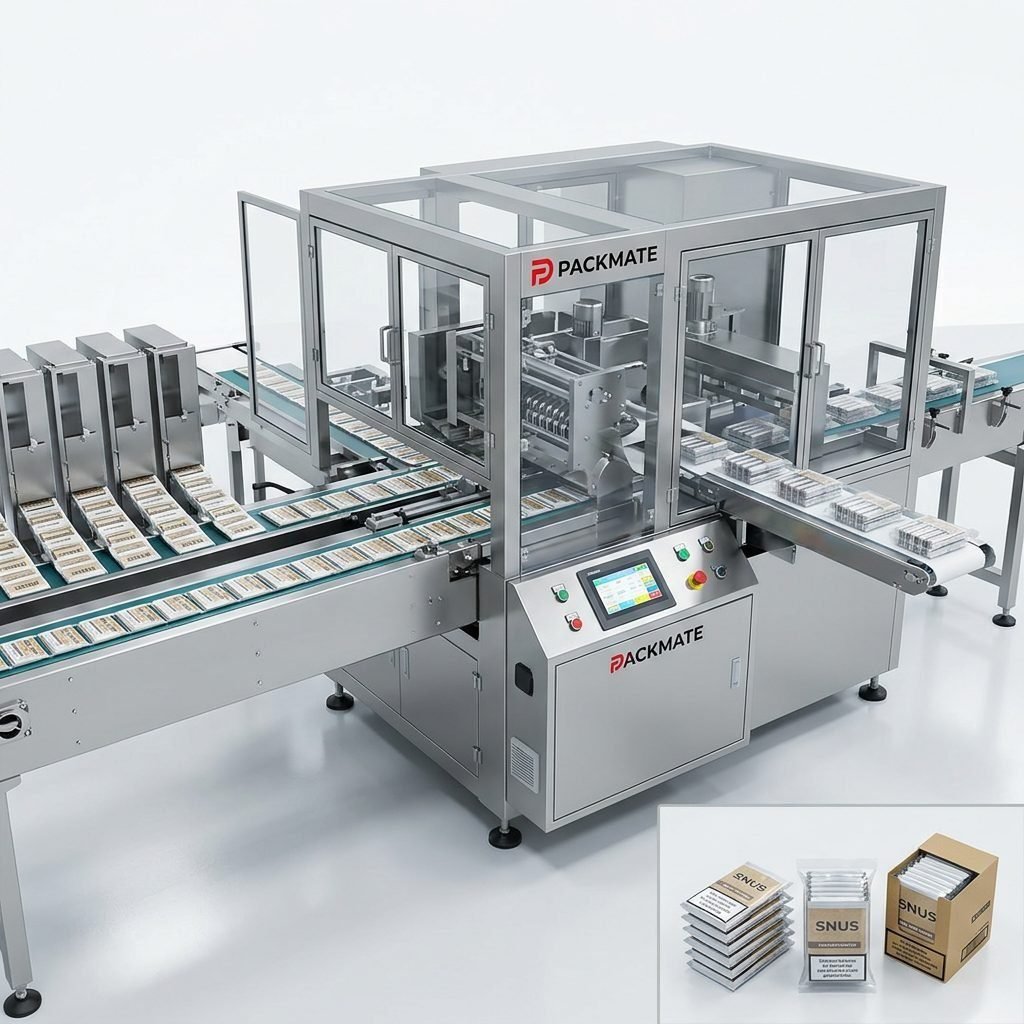
If your product requires unique pouch shapes, special fill materials, or integrated secondary packaging (cartoning, shrink-wrapping), ensure the supplier provides turnkey solutions or proven partner integrations. See Packmate’s Case studies and About Packmate to assess matched projects.
Mechanical reliability and test documentation
Ask for FAT (Factory Acceptance Test) videos, test runs with your product, and dimensional reports for critical components. These documents reduce commissioning surprises and align expectations for performance.
✅ Pro tip: Prefer suppliers that allow a trial run at their factory with your actual product mix — this validates fill accuracy, seal integrity, and overall throughput.
Budgeting: Total Cost of Ownership (TCO)
Purchase price is only part of the equation. Factor in installation, training, spare parts stocking, energy consumption, changeover downtime, and expected lifetime. A slightly higher-capacity or more automated machine can reduce labor and waste, improving TCO over three to five years.
Vendor Reputation and References
Check references, exhibition participation, and long-term customer stories. Manufacturers who attend global shows and provide after-sales & training services usually stand behind their equipment. Review supplier FAQs, catalogs, and service pages for transparency — for instance, visit Packmate’s Service and Our Exhibition pages to learn more about their global presence.
Checklist before signing a contract
• Confirm on-site installation scope and timelines.
• Clarify warranty and spare-part terms.
• Require FAT and performance guarantees for your product.
• Validate availability of local technical support or authorized service agents.
Final Selection Process
Shortlist 2–3 suppliers and request detailed proposals that include layout drawings, electrical and pneumatic specs, FAT videos, and references. Compare proposals by TCO, modularity, compliance documentation, and local service readiness. Don’t hesitate to negotiate on training packages and spares bundled with the purchase.
📣 Action step: Request a site visit or live demo and ensure the quote includes FAT and commissioning in the UAE to avoid unexpected costs.
Summary: Make Choices that Scale
Choose machines based on realistic production forecasts, product-specific handling, automation level, supplier reliability, and available local support. Manufacturers with a strong engineering history and turnkey capabilities, like Packmate, help reduce risk through tested multi-lane snus solutions, comprehensive factory testing, and global service networks.
Common Questions
Q1: How do I know whether to buy single-lane or multi-lane equipment?
Consider current and projected throughput. Multi-lane systems are more cost-effective for large volumes and can provide redundancy; single-lane machines are suitable for pilot production and limited SKUs.
Q2: What certifications should snus packaging machines have for UAE operations?
Look for CE and ISO standards for machinery safety and quality. In addition, verify hygienic design and any local import or nicotine-specific regulations applicable in the UAE.
Q3: How soon can a turnkey line be installed and commissioned?
Timelines vary by complexity. Simple single-machine deliveries can be weeks, while full turnkey installations including conveyors, fillers, and secondary packaging may require several months including FAT, shipping, and on-site commissioning.
Q4: Where can I get spare parts and technical support in the UAE?
Confirm whether the supplier has local partners or authorized agents in the UAE. If not, ensure the supplier offers fast worldwide shipping for critical spares and remote troubleshooting capability.
If you’d like to explore options tailored to your product mix, contact Packmate through their Contact Us page to request a quote, factory trial, or detailed line proposal.