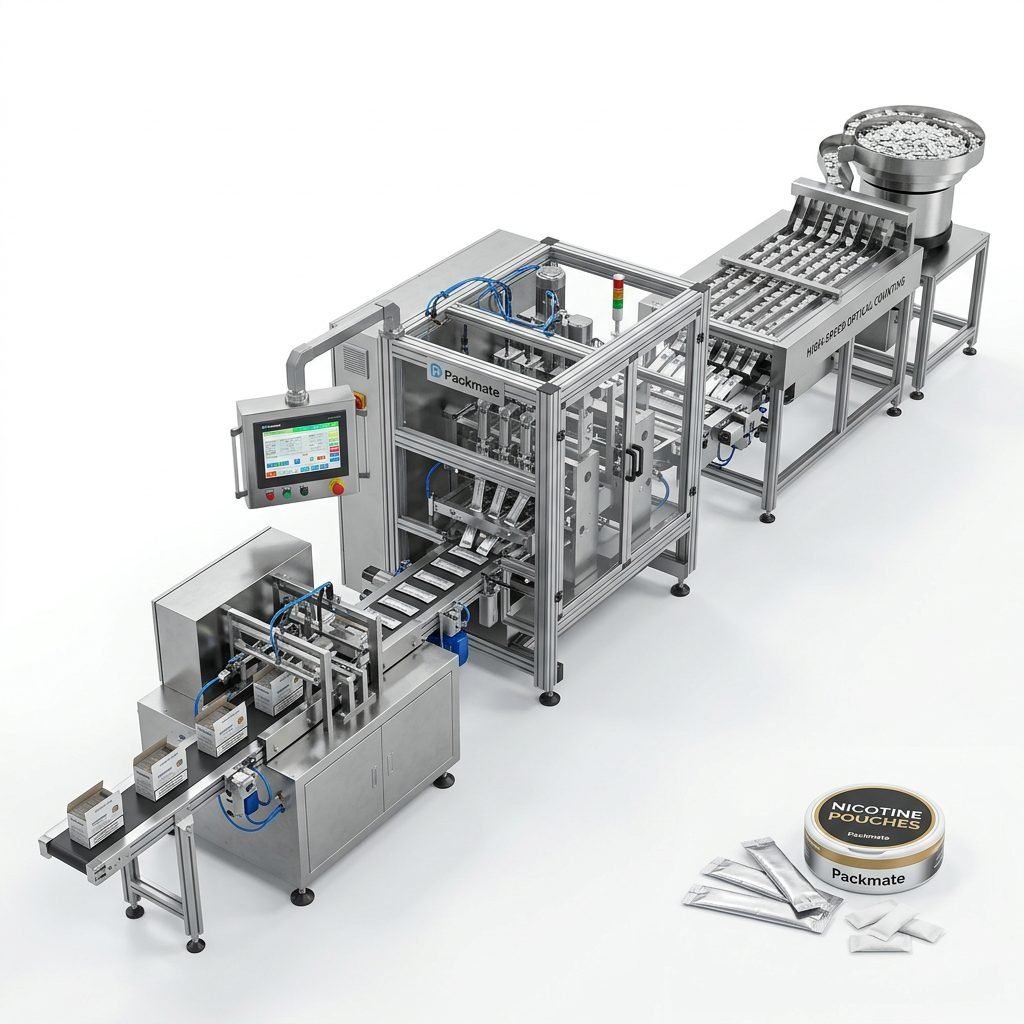
Choosing the right snus packaging machine supplier is a strategic decision that affects product quality, regulatory compliance, and long-term business success — especially for compact, remote markets like the Marshall Islands. The unique geography, humid tropical climate, high import costs, and tight local distribution networks mean buyers must carefully evaluate suppliers for technical excellence, reliable service, and experience with island logistics. This guide breaks down the most important criteria and practical steps to select a supplier who can deliver machines, installation, and support that match your operational realities.
Understand Local Context: Why Marshall Islands Matters
The Marshall Islands is an island nation with a small population and an economy heavily dependent on imports and maritime transport. For packaging equipment buyers, this translates into several considerations:
- 📦 Shipping & lead times: Machines must be shipped by sea and may face longer transit times and extra customs procedures.
- ⚙️ Maintenance accessibility: Local technical skills and spare part availability can be limited; remote diagnostics and fast spare part supply are essential.
- 🌊 Environmental factors: Salt air and high humidity demand corrosion-resistant components and protective surface treatments.
- 🧾 Regulatory & cultural fit: Understand local tobacco-related regulations, labeling requirements, and consumer preferences.
Key Supplier Criteria — A Practical Checklist
When evaluating suppliers, verify the following fundamentals:
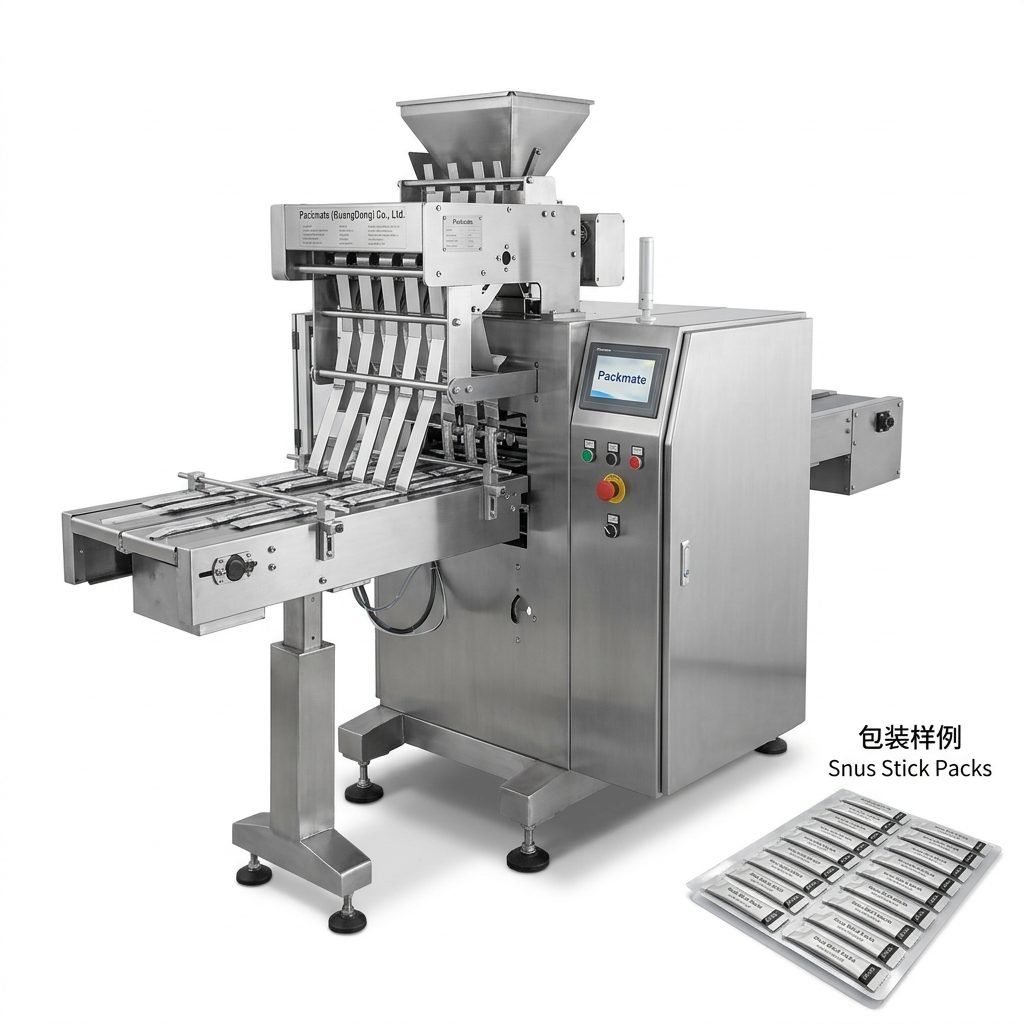
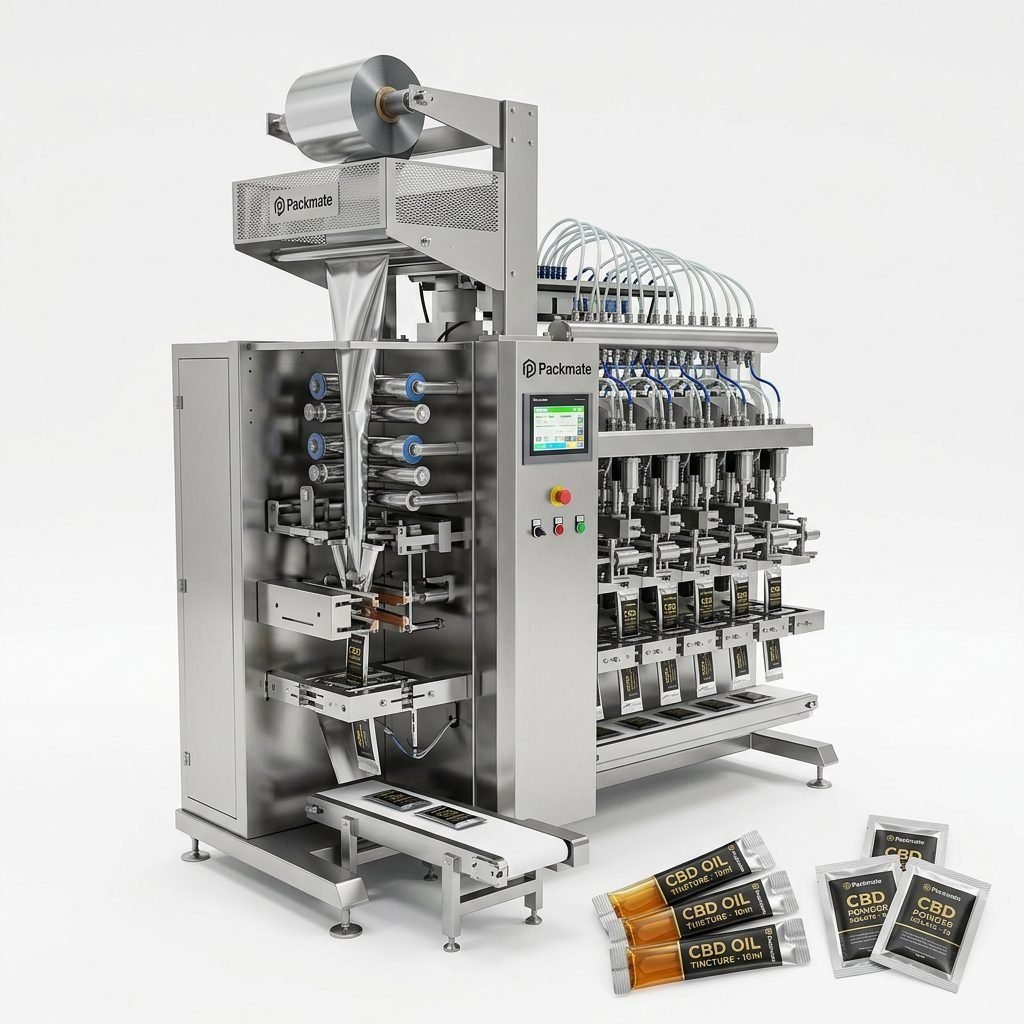
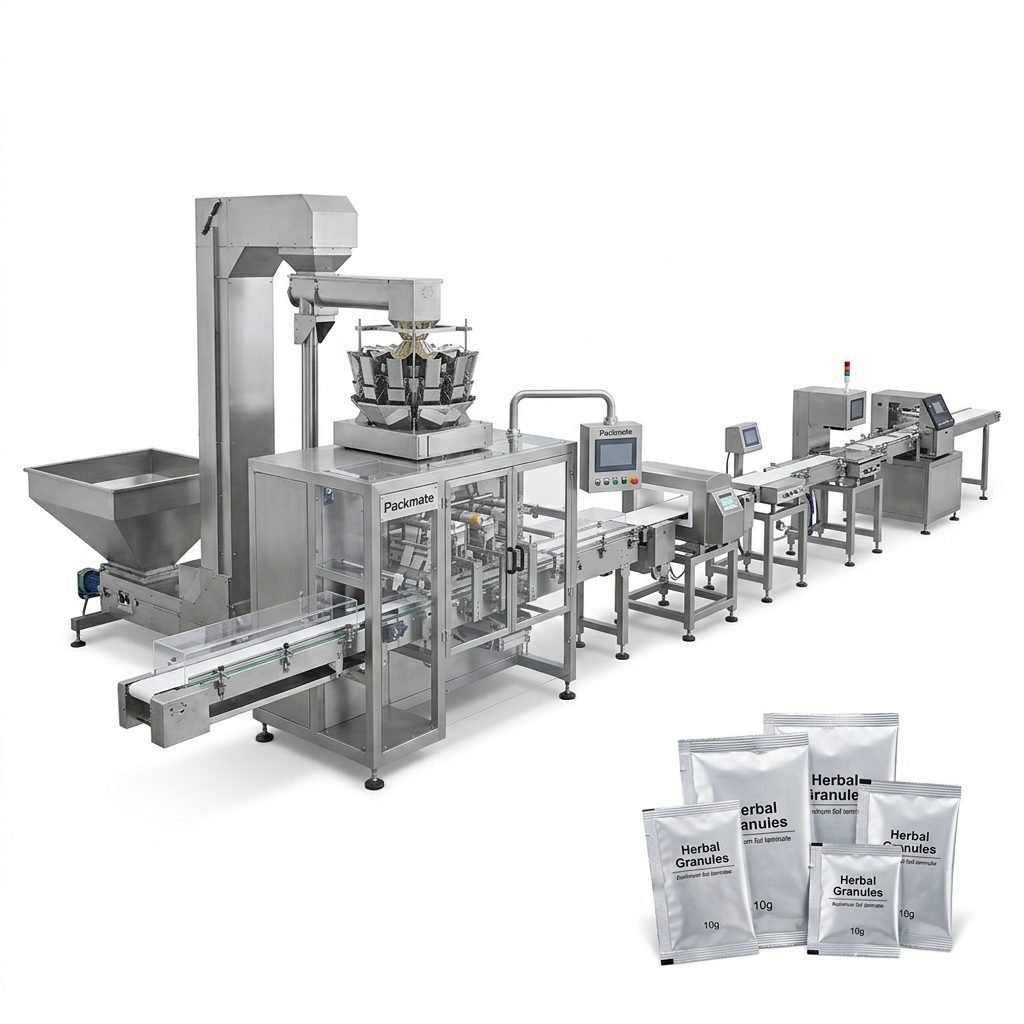
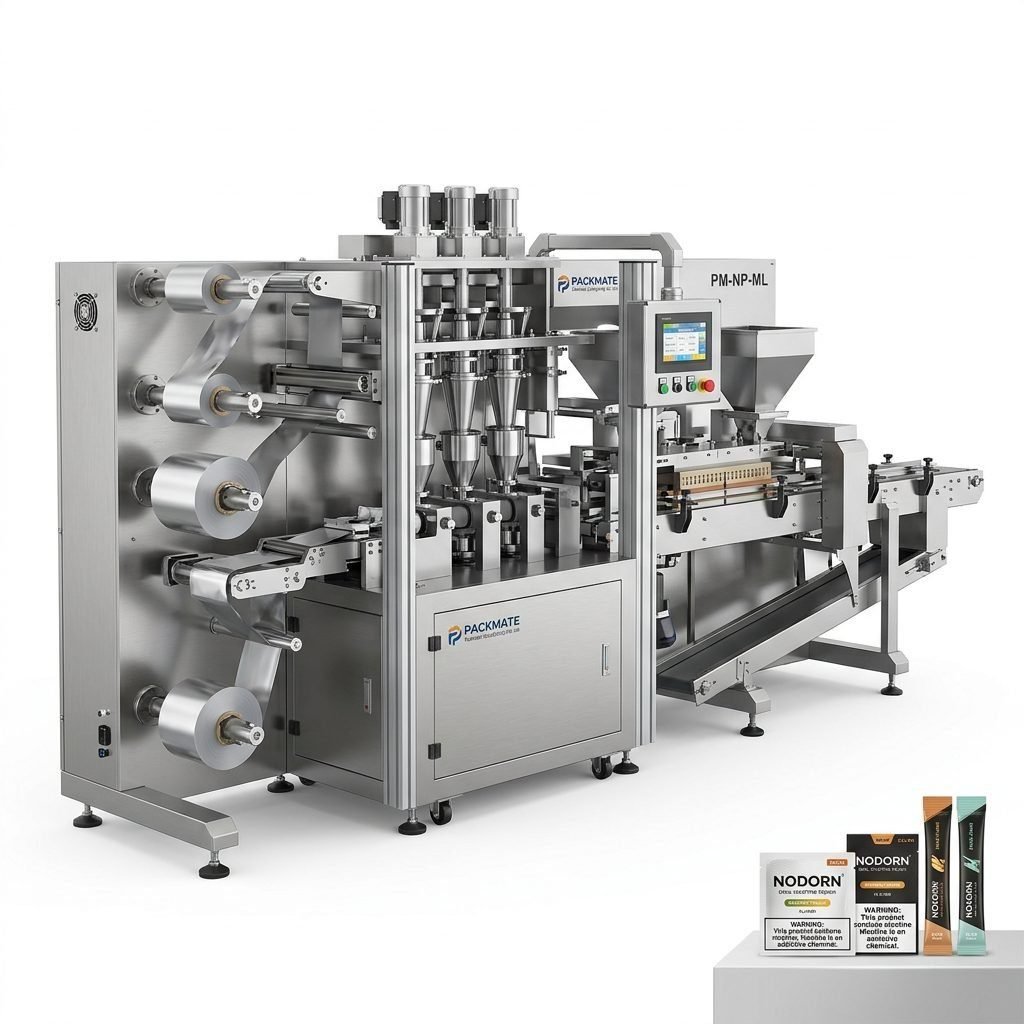
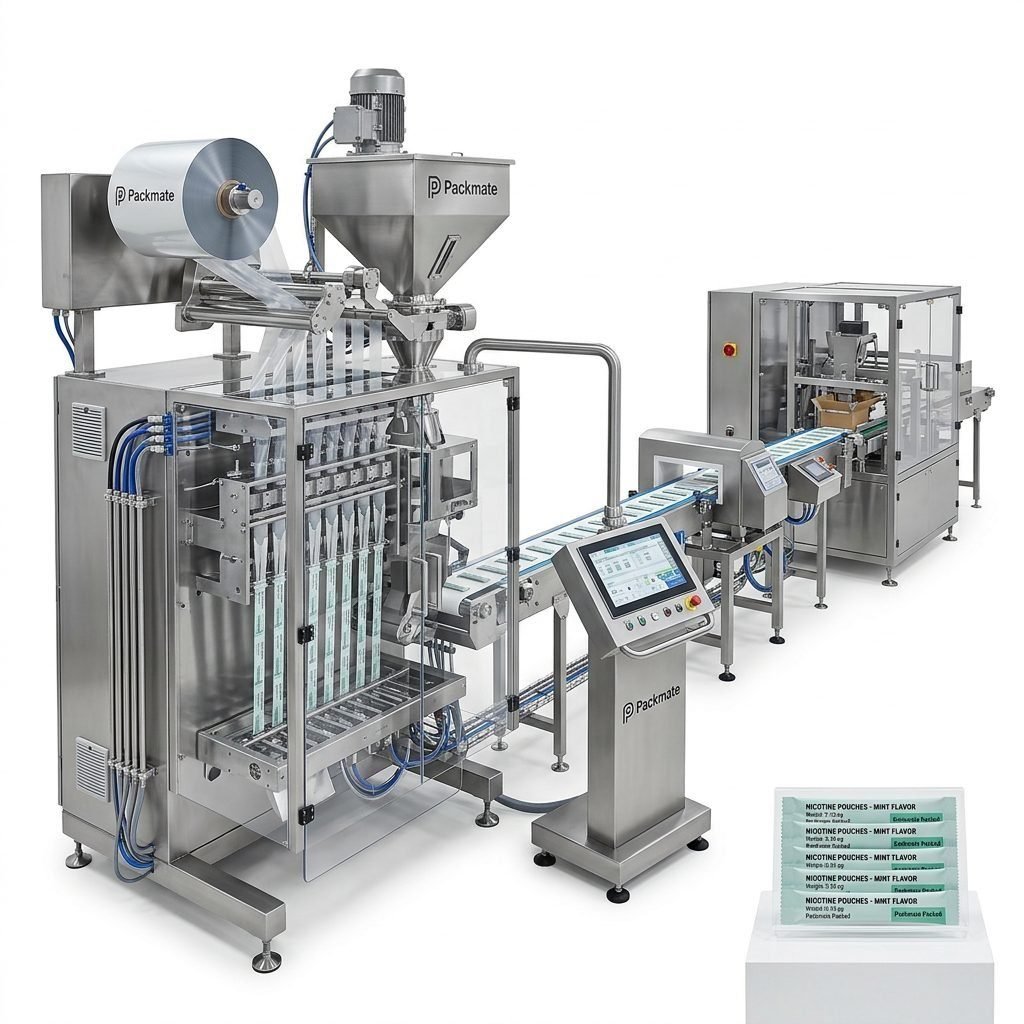
✓ Proven product range — supplier offers solutions tailored for snus and nicotine pouches: sachet, stick pack, and multi-lane systems. See examples: Snus & Nicotine Packaging Machines.
✓ Factory capability & experience — modern CNC machining, established assembly lines, and decades of engineering experience help ensure reliability.
✓ Certifications — CE, ISO and other certifications signal compliance with global safety and quality standards.
✓ After-sales service — remote support, spare parts supply, installation assistance, and training are vital for island customers. Learn more about support: Service.
✓ References & case studies — recent projects, especially in tropical or island markets, demonstrate the supplier’s practical experience.
Technical Fit: Matching Machines to Your Product and Volume
Not all packaging machines are built for snus or nicotine pouches. The right equipment depends on product format, daily output, and flexibility needs:
- 🔹 Single-lane vs multi-lane: Multi-lane systems increase throughput for high volumes but require more sophisticated feeding and maintenance. For small island markets, a compact multi-lane can be a cost-effective compromise.
- 🔹 Fill types: Powder, granules and small-dose pouches each demand specific dosing systems and gentle handling to protect product integrity.
- 🔹 Packaging materials: Barrier films and reclosable pouches may be preferred; confirm machine compatibility with local packaging suppliers.
- 🔹 Scalability: Choose machines that can be upgraded or expanded as demand grows.
Why Turnkey Solutions Often Make Sense for Islands
For Marshall Islands businesses, turnkey packaging lines reduce complexity by bundling machines, conveyors, weighers, and control systems together. Benefits include:
• Simplified procurement — a single supplier coordinates interfaces and testing. • Faster startup — pre-tested lines reduce installation time at the destination port. • Single-point support — one responsibility owner for warranties and training.
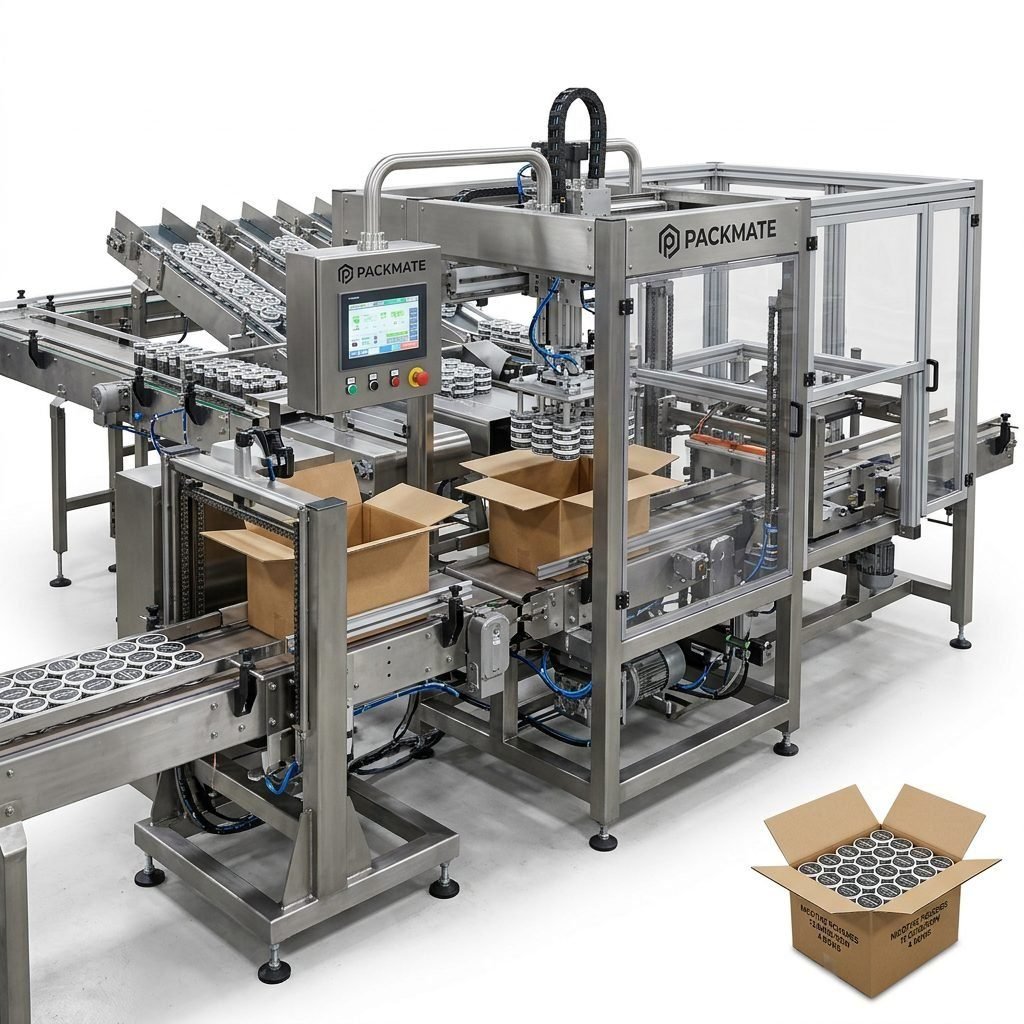
Explore turnkey options such as combined weighing & packaging systems and complete filling lines to evaluate integrated offerings: Weighing & Packaging Systems and Filling & Packaging Lines.
Quality, Reliability and Certifications
Certifications such as CE and ISO are not optional checkboxes — they reflect manufacturing practices, safety protections, and design rigor. For the Marshall Islands, also verify:
Corrosion resistance — stainless steel grades, protective coatings, and sealed electronics reduce risk from sea salt and humidity. Electrical standards — ensure compatibility with local power systems and safe installation by certified technicians.
Inspection and Factory Acceptance Testing (FAT)
Before shipment, insist on FAT (Factory Acceptance Test):
- ✅ Live machine demo with your product or closest substitute.
- ✅ Full QA documentation, spare parts list, and electrical diagrams.
- ✅ Video records of the test for final verification after shipment.
After-Sales Service, Training & Spare Parts
For island customers, after-sales service is arguably the most important long-term factor. Assess the supplier’s ability to provide:
- 🔧 Remote support & diagnostics — live video troubleshooting, PLC remote access, and clear escalation procedures.
- 📦 Spare parts logistics — minimum local stock recommendations and fast shipping options to Marshall Islands ports.
- 👨🏫 On-site training — installation teams that can train operators and maintenance staff, plus detailed manuals.
- 🔁 Warranty & service contracts — define response times, covered items, and optional annual maintenance plans.
Supplier Examples and References
When possible, request references and case studies of machines used in similar climates or remote locations. Reliable suppliers will share recent projects and customer feedback. View Packmate’s company profile and global projects to evaluate track record: About Packmate and Case.
Commercial Terms, Financing and Total Cost of Ownership
Beyond machine price, calculate the total cost of ownership (TCO). For Marshall Islands buyers, include:
- 🚢 Freight, insurance, and customs fees.
- 🔌 Installation, local electrical conversion, and any civil works.
- 📦 Spare parts inventory for the first 12 months.
- 🔁 Planned maintenance and expected downtime rates.
- 💰 Financing or leasing offers that improve cash flow.
Negotiation Tips
Negotiate with clear deliverables:
• Include FAT acceptance criteria and video proof in the contract.
• Define spare parts kits and delivery timelines explicitly.
• Agree on remote support SLA and training scope (operator + maintenance training hours).
Logistics & Installation — Practical Marshall Islands Considerations
Plan shipments early to avoid seasonal delays. Coordinate with the supplier on crate dimensions, weight, and necessary permits for port clearance on the island. Confirm:
- 🚢 Local stevedore and handling requirements at the destination port.
- 🏷️ Customs documentation and any special import duties on tobacco-related equipment.
- 🔌 On-site power compatibility and required transformers or converters.
- 🛠️ Tools and consumables to be shipped with the machine (belts, seals, lubricants).
Risk Mitigation
Request insurance for ocean transit and include provisions for damage inspection upon arrival. Plan a buffer in the commissioning timeline for local permitting and potential delays.
Making the Final Decision — Practical Steps
Follow a structured process to minimize surprises:
- Shortlist suppliers with relevant snus packaging experience and certifications.
- Request detailed quotes including shipping, spare parts kits, and training.
- Arrange FAT with your product or close proxy; obtain video evidence and signed acceptance.
- Check references and similar case studies; consider visiting trade shows or requesting live demos at exhibitions: Our Exhibition.
- Lock in terms with clear SLA, warranty and spare part commitments before final payment.
Why Packmate Is a Competitive Option
Suppliers like Packmate bring decades of packaging experience, a broad model range, and complete turnkey capabilities. Key advantages often cited by customers:
- 30+ years of engineering experience and 50+ machine models for snus and nicotine packaging.
- Advanced factory capabilities with CNC machining and strict quality control.
- Global project experience and certifications such as CE and ISO, which help ensure consistent performance and compliance.
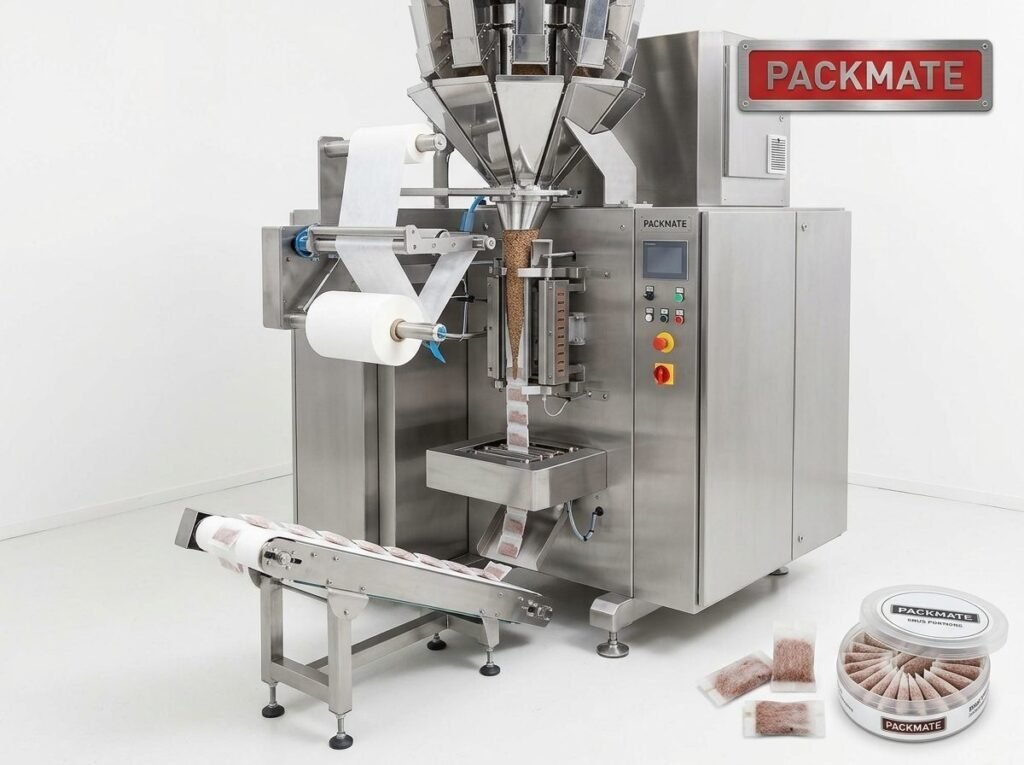
- Comprehensive product lines from standalone snus packaging machines to full filling and weighing solutions: Bag & Pouch Packaging Machines and Sachet & Stick Pack Machines.
Quick decision checklist — final readout before placing an order:
• FAT completed and accepted (video recorded)
• Spare parts kit and first-year consumption plan agreed
• Installation, commissioning and training schedule confirmed
• Warranty terms and remote support SLA signed
Next Steps: Contacting Suppliers & Negotiation
Start by collecting several quotes, comparing not only price but capabilities and long-term support. Use supplier resources to validate claims — request product catalogs, technical datasheets and maintenance manuals. If you need direct contact or more tailored proposals, use the supplier contact page to arrange a conversation: Contact Us.
Final Thoughts
For businesses in the Marshall Islands, selecting a snus packaging machine supplier should be a balanced choice of technical capability, logistical foresight, and strong after-sales commitment. Prioritize FAT, spare parts planning, and a clear support agreement to avoid costly downtime. With the right partner, you can secure a packaging line that performs reliably in island conditions while supporting future growth.
Frequently Asked Questions
Q1: How long does shipping and installation typically take for the Marshall Islands?
A1: Transit by sea plus customs and local handling often requires 8–14 weeks from factory to commissioning; add time for installation and on-site training depending on scope.
Q2: What spare parts should I stock locally for a snus packaging line?
A2: Essential items include belts, sealing elements, dosing nozzles, sensors, PLC backup modules, and a basic electrical spares kit. Suppliers usually recommend a first-year spare parts list.
Q3: Can remote diagnostics really reduce downtime for island operations?
A3: Yes — remote PLC access, live video troubleshooting and guided repairs can solve many issues quickly; ensure the supplier provides secure remote support means and clear escalation procedures.
Q4: Are there special corrosion protections I should require?
A4: Require food-grade stainless steel (e.g., 304/316 where needed), protective coatings for exposed parts, and sealed IP-rated electrical enclosures to resist salt spray and humidity.
Q5: How can I verify a supplier’s claims before final purchase?
A5: Insist on FAT with your product, obtain video documentation, check certificates (CE/ISO), visit references or exhibitions, and request detailed maintenance manuals and spare part lists.