Entering or expanding into the Russian nicotine pouch and snus market means making one of the most important decisions for your manufacturing line: choosing the right packaging machine manufacturer. The right partner not only supplies equipment but becomes a long-term ally for compliance, productivity, and product consistency. This guide walks you through practical, technical, and commercial steps to identify the best nicotine packaging machine manufacturer for your business needs in Russia.
1. Understand Russian regulatory and market requirements
Before you evaluate suppliers, clarify the regulatory landscape that governs nicotine pouches and snus in your target regions in Russia. Check label, material, and safety standards: product traceability, allowable ingredients, and packaging waste rules can all affect machine choice. Consider the following:
- Compatibility with tamper-evident seals and traceable batch coding systems.
- Material options: heat-sealable films, laminated foils, paper-based pouches.
- Integration for labeling and serialization for compliance and retail requirements.
Why this matters
A machine that cannot handle the legally required packaging formats or coding protocols will cost you time and money to adapt. Choose a manufacturer experienced in custom configurations and regulatory compliance.
2. Check product range and machine types
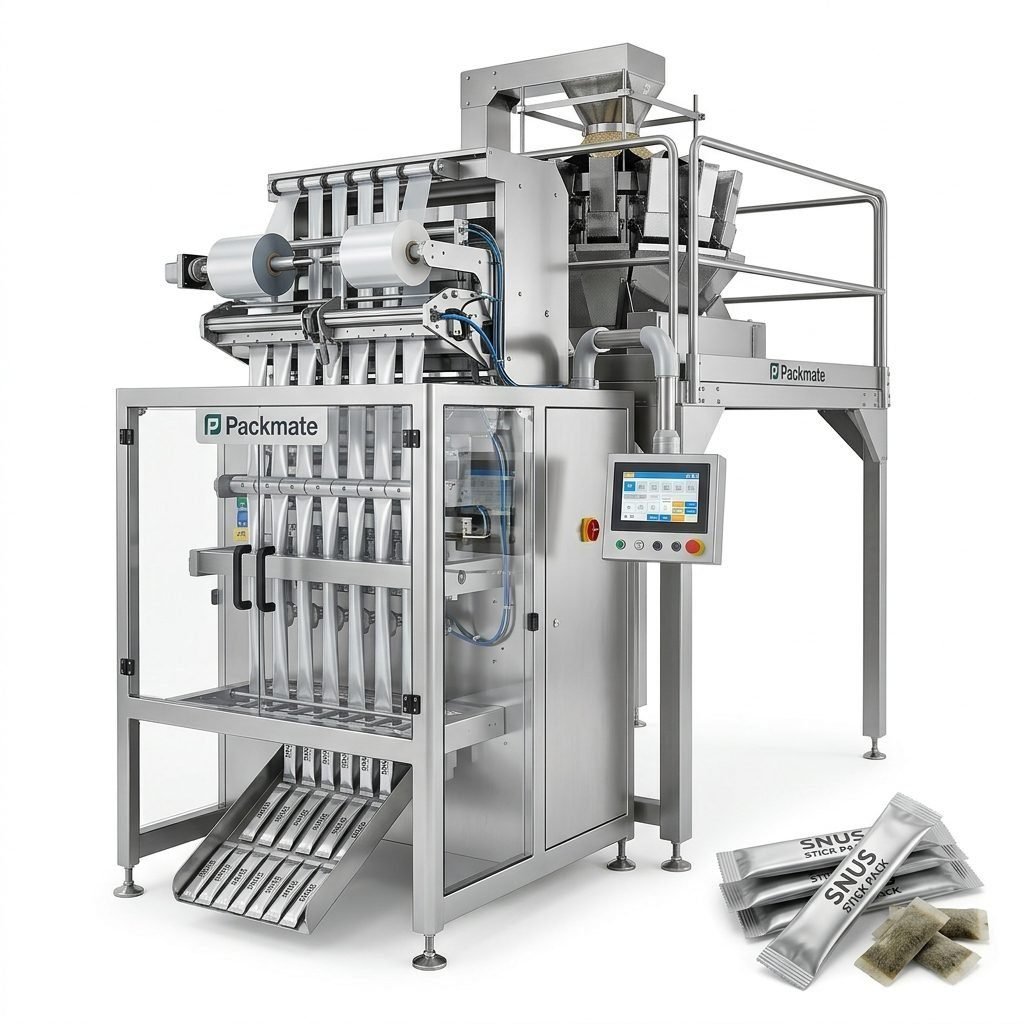
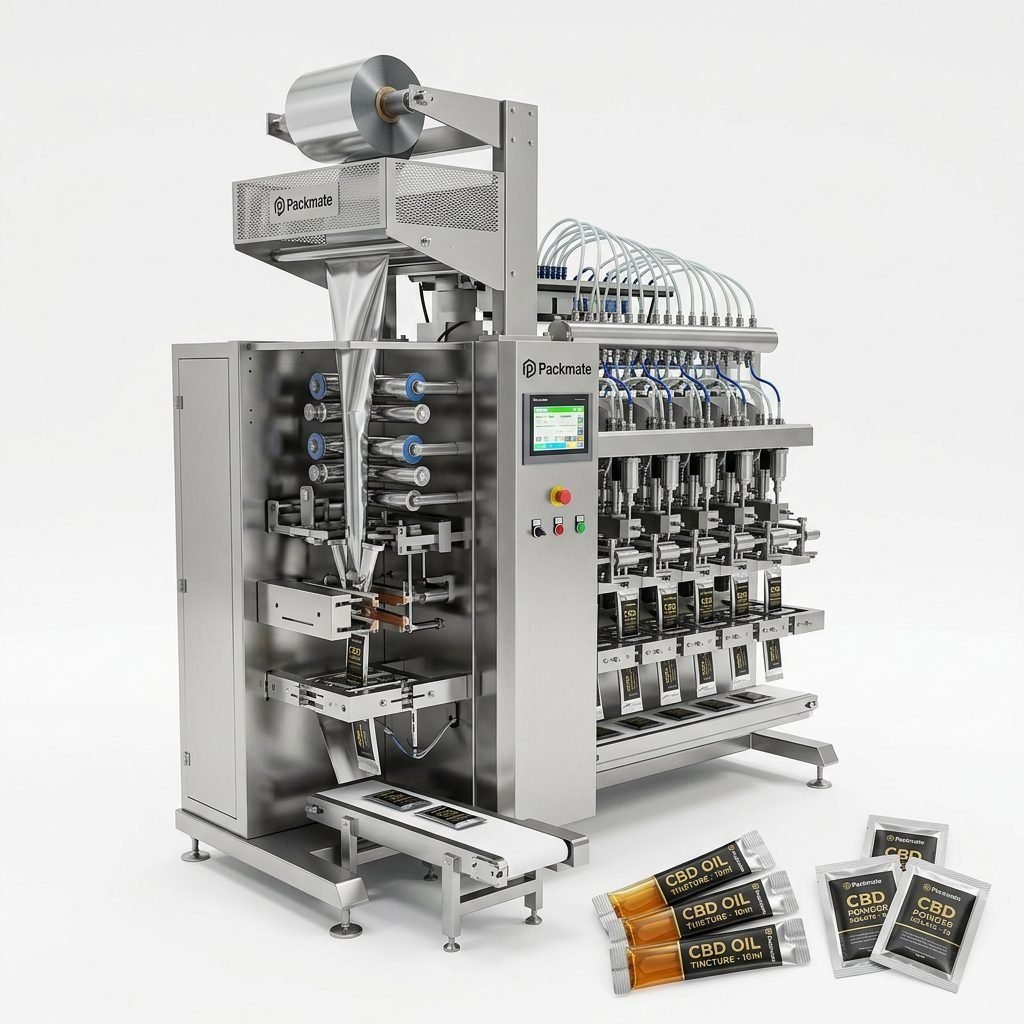
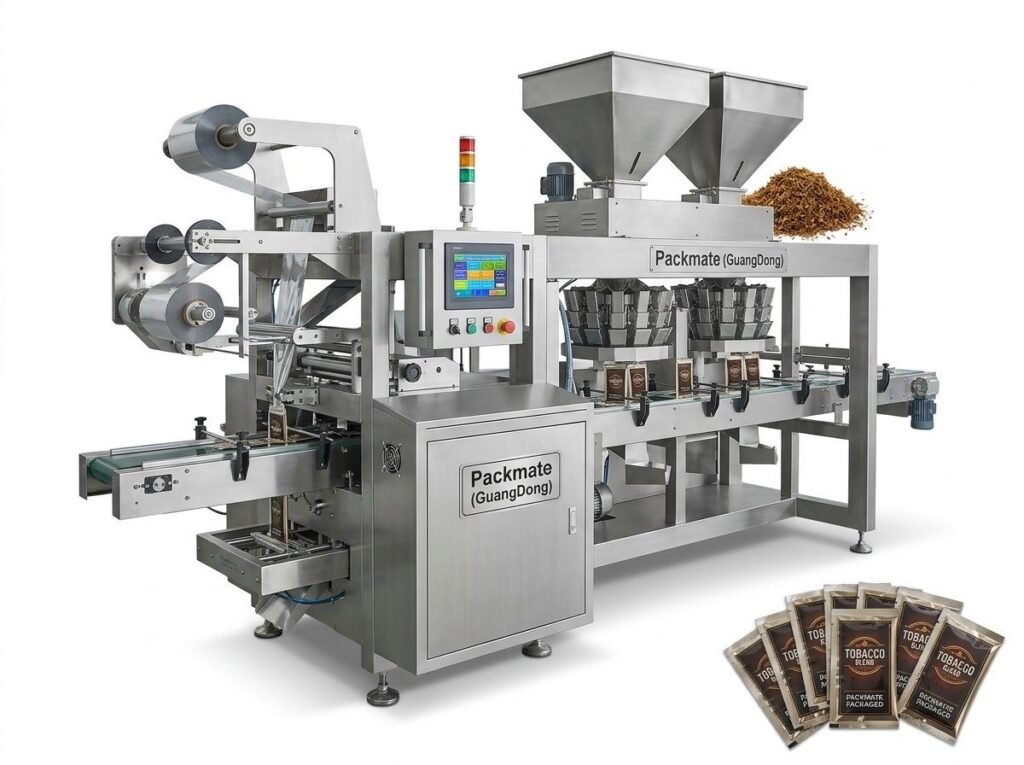
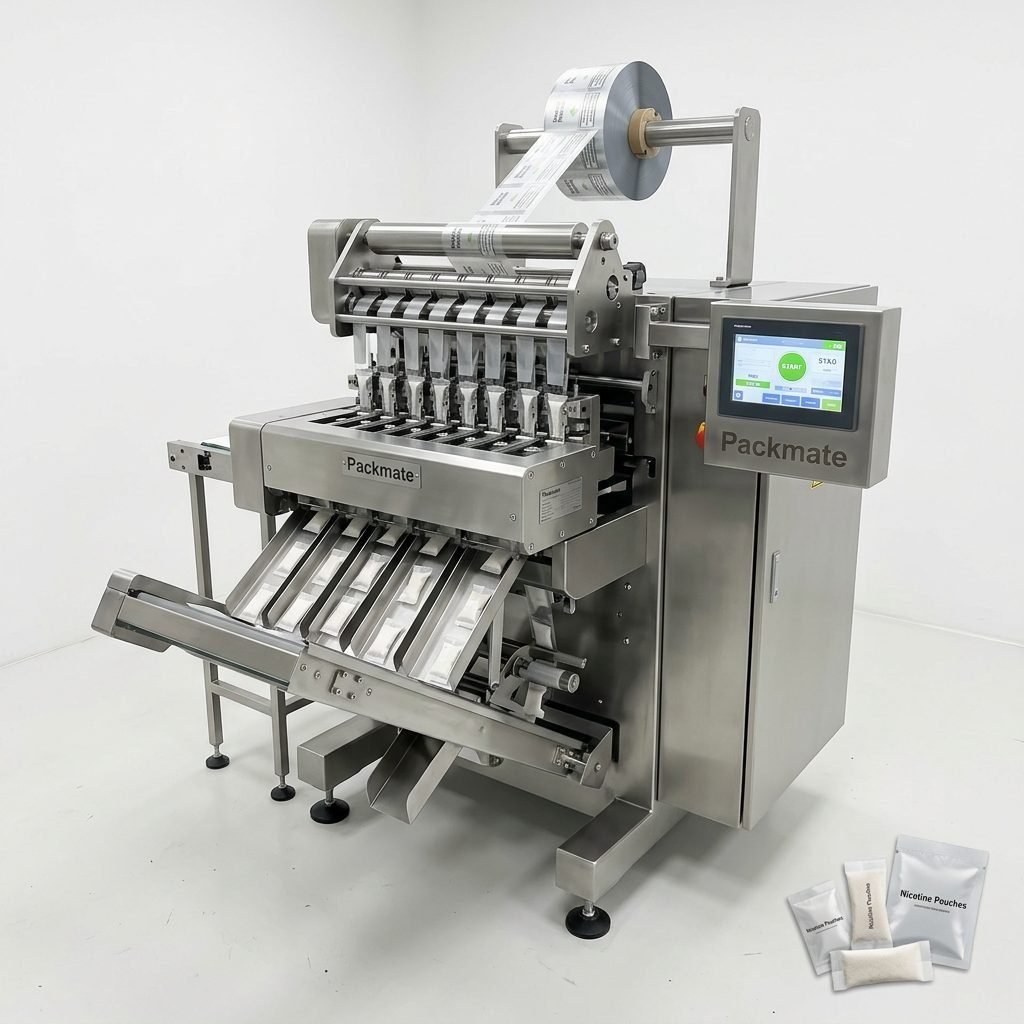
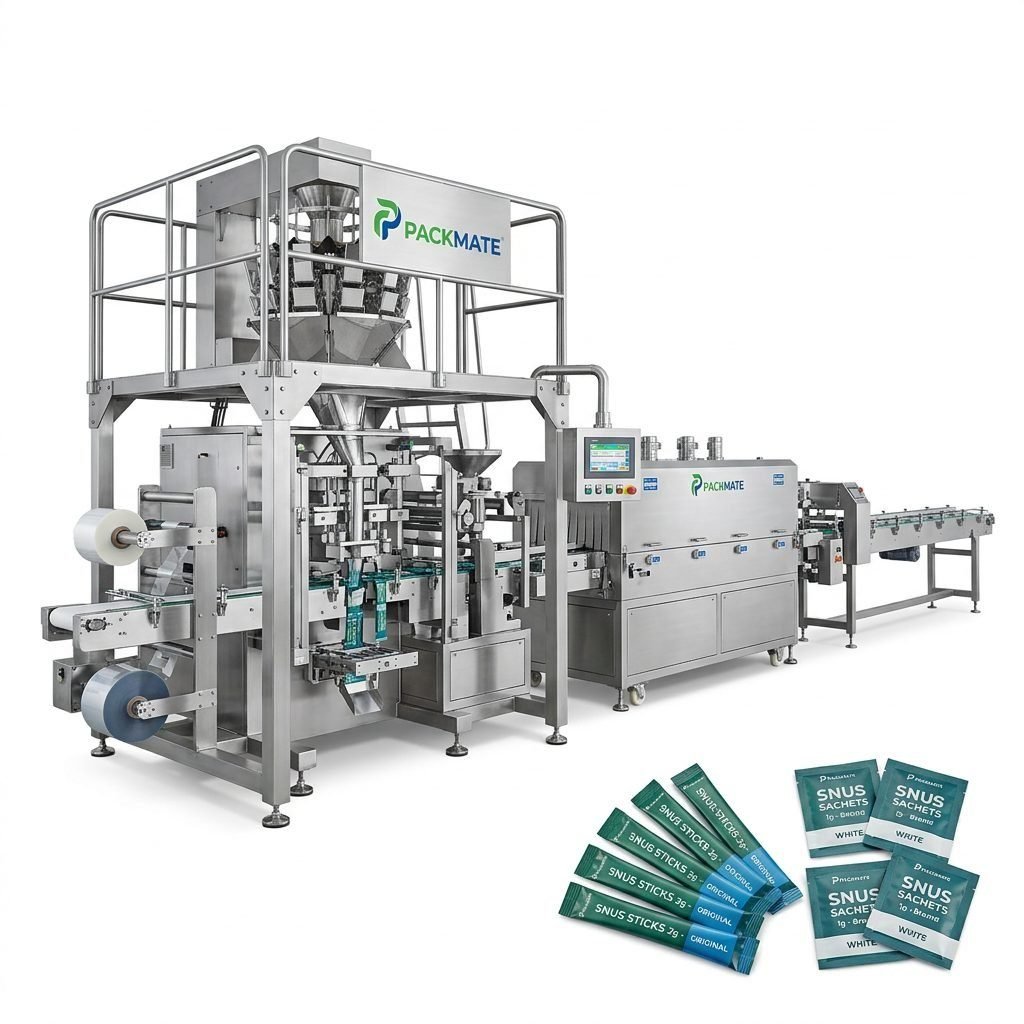
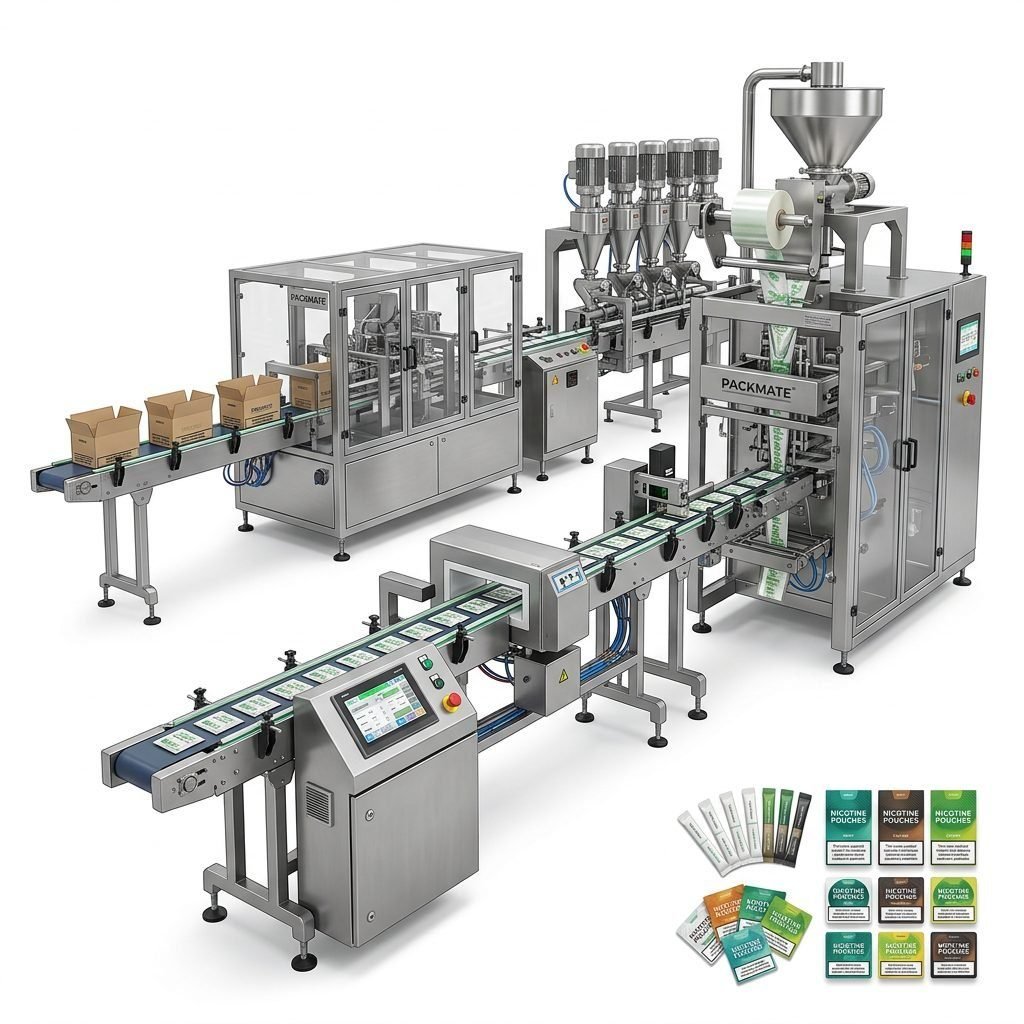
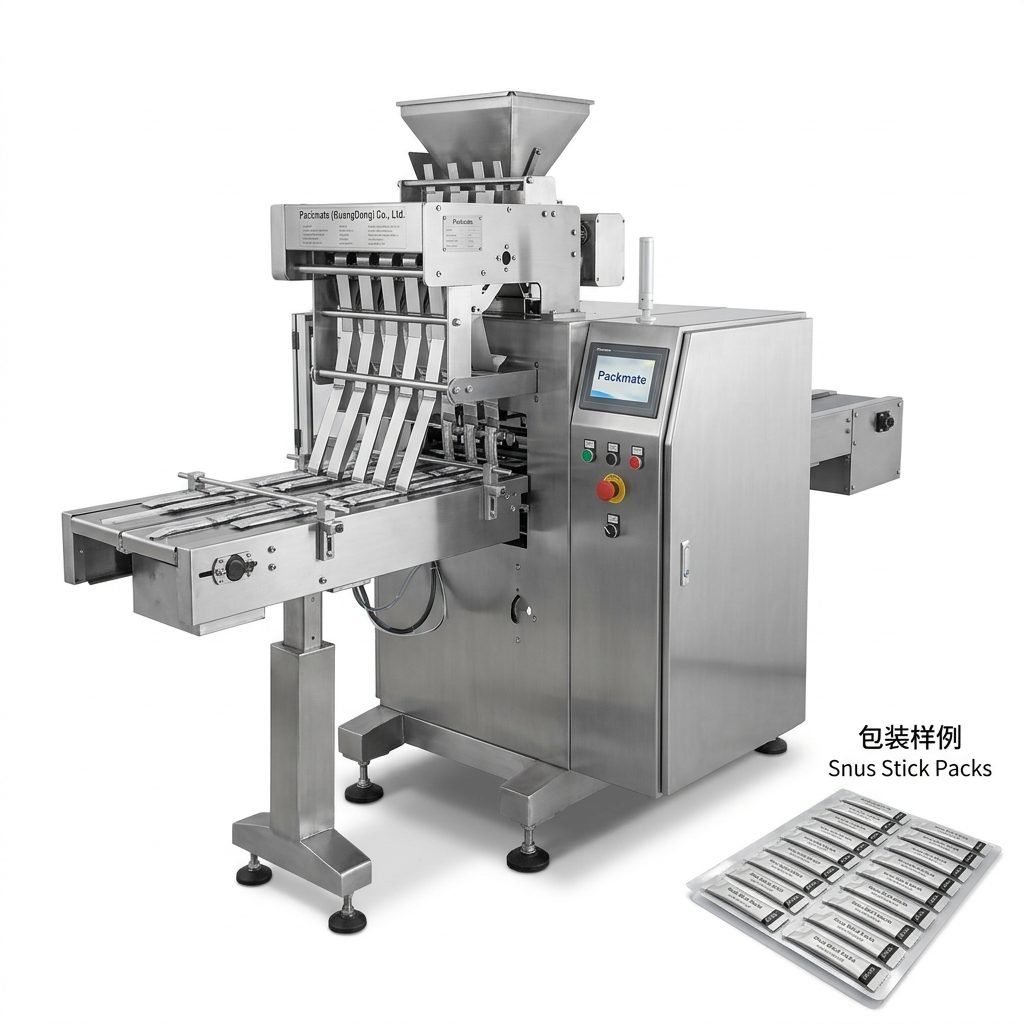
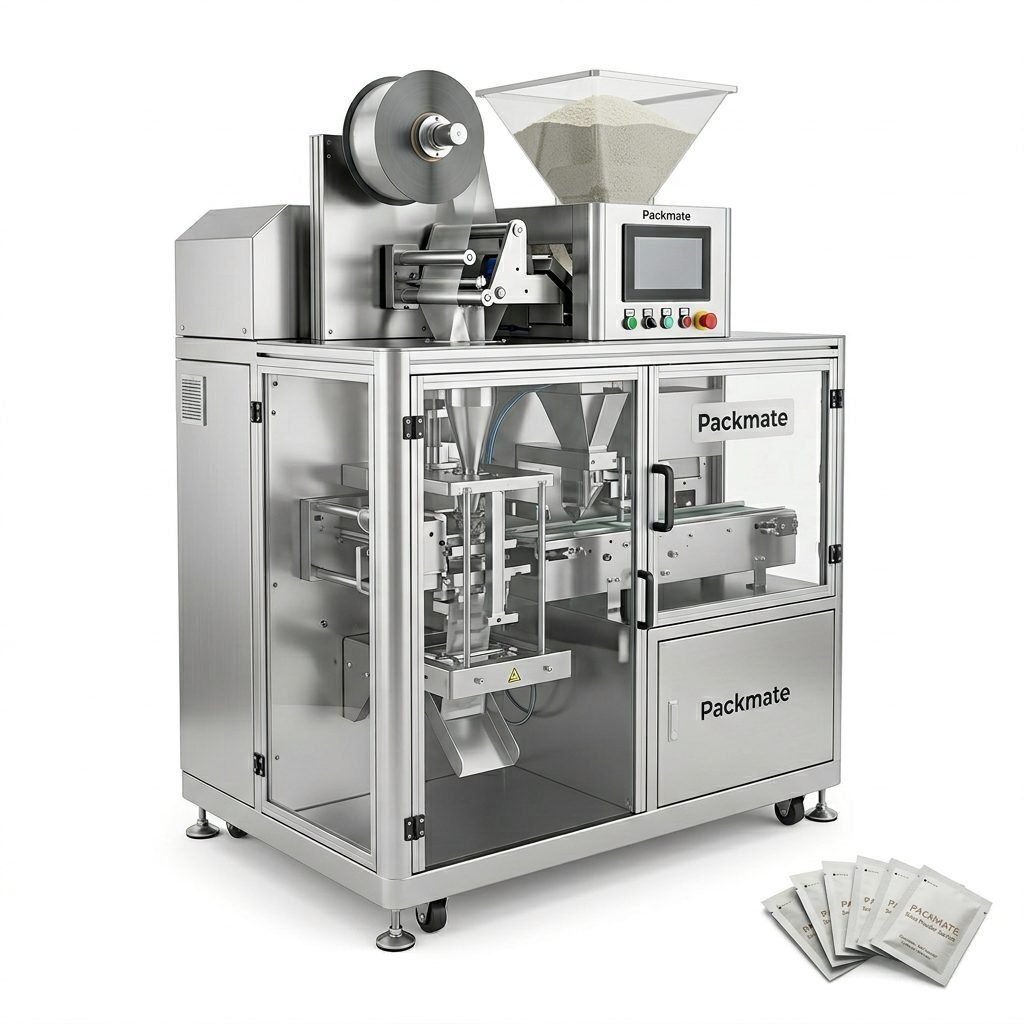
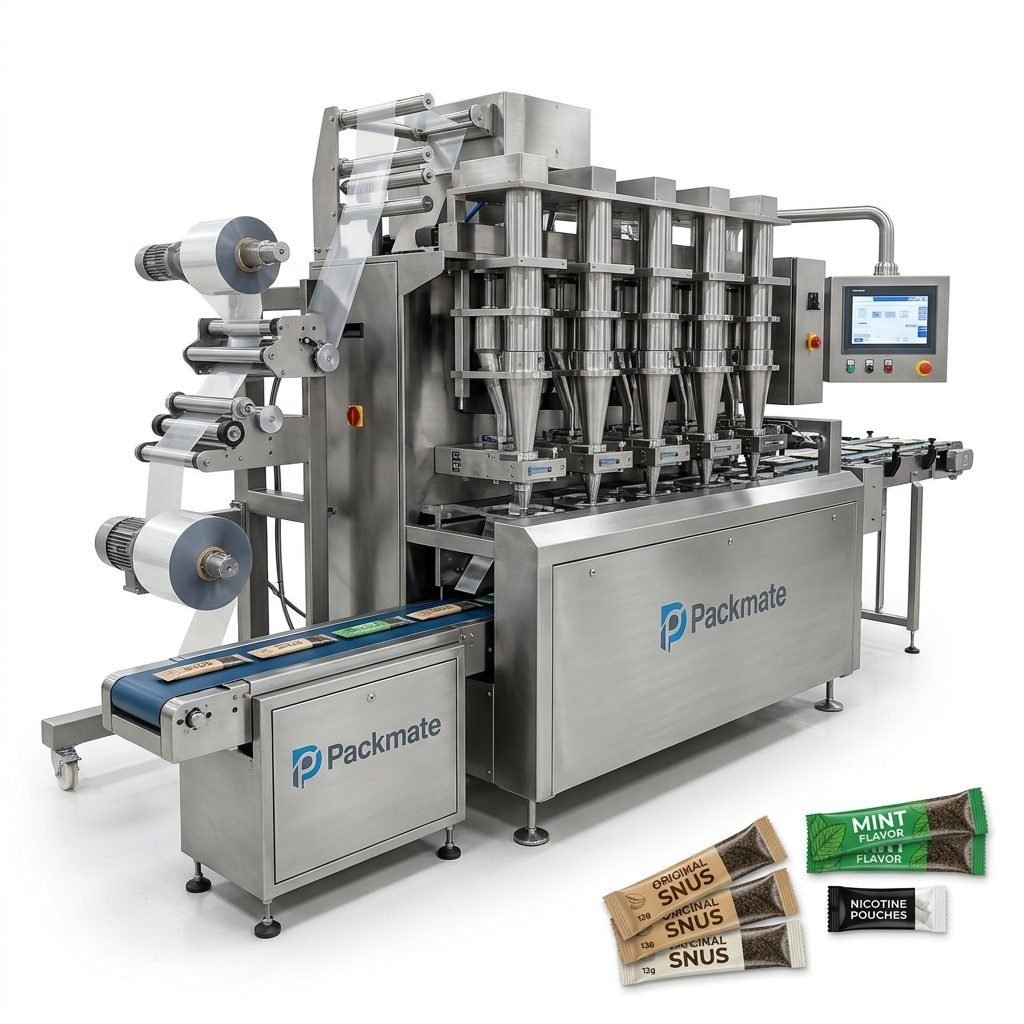
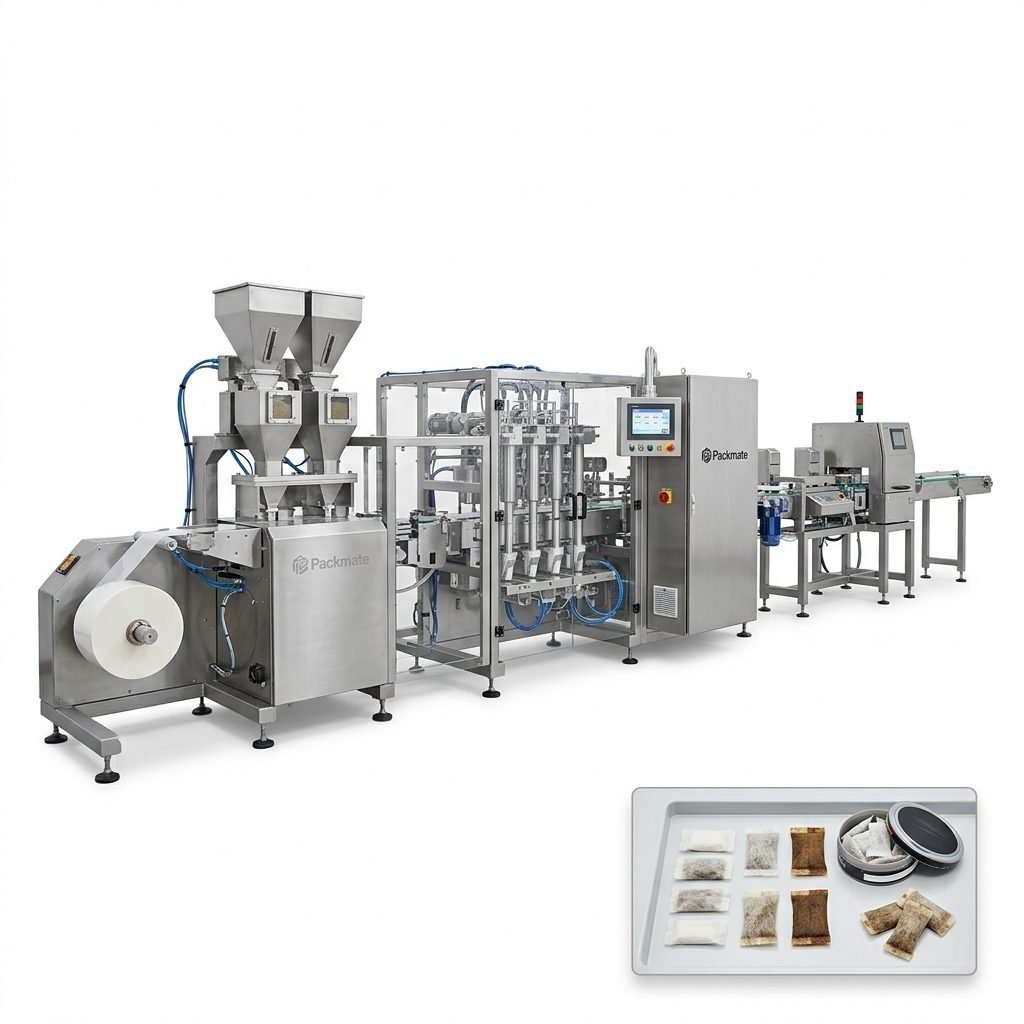
Nicotine pouch production uses a variety of packaging formats: stick packs, sachets, multi-lane snus pouches, and more. Ensure the supplier offers machines for the formats you need, and that they support future product line expansion.
3. Assess engineering & manufacturing capabilities
A reliable manufacturer must have solid engineering expertise, modern machining facilities, and experience with snus/nicotine technologies. Look for clear evidence such as factory size, CNC capabilities, and model variety.
Questions to ask:
- How many years in precision packaging machine R&D and production?
- What is the scale of their factory and the number of machine models?
- Can they provide pictures or videos of their CNC machining centers and assembly lines?
For example, some suppliers advertise a 20,000㎡ production facility, advanced CNC centers and 50+ machine models—indicators of mature manufacturing strength and diversification in equipment options.
4. Evaluate technical performance and customization
Core machine attributes—production speed, lane count, accuracy, and changeover flexibility—determine your throughput and product quality. Prioritize machines that:
- Support multi-lane operation for small-dose pouches.
- Offer accurate dosing systems for powders and hygroscopic materials.
- Include servo-driven control for consistent pouch formation and sealing.
- Allow rapid format changeovers to minimize downtime.
Spotlight — Customization checklist
Must-have custom options:
- Custom dosing heads for different fill weights (mg to grams).
- Optional nitrogen flushing and desiccant insertion modules.
- Integration with upstream weighing and downstream cartoning lines.
5. Inspect quality assurance and certifications
International certifications (CE, ISO) and systematic quality testing are essential for reliable equipment. Ask the manufacturer to provide:
- Certificates for machinery safety and quality standards.
- Test reports for long-run stability and accuracy.
- Traceable batch records for components and subassemblies.
A manufacturer that publicly lists certifications and laboratory testing protocols demonstrates transparency and commitment to compliance. See their certificates page for specifics: Certificate
6. Review after-sales service and spare parts support
Technical downtime is costly. Your vendor should offer rapid spare parts availability, remote troubleshooting, and local or regional service partners. Evaluate:
- Warranty terms, spare parts lead times, and recommended parts inventory.
- Availability of on-site installation, commissioning, and operator training.
- Remote support tools (video support, PLC backup, software updates).
Tip: Look for manufacturers that explicitly describe their service network and have a dedicated support page. For example: Service
7. Examine real-world cases and references
Case studies reveal how machines perform in production environments similar to yours. Ask for:
- Customer references in Russia or neighboring regions.
- Video of machines running with nicotine pouch products.
- Performance metrics: uptime, yield, speed, and packaging quality.
Manufacturers with a global footprint often have documented case studies—view examples on their case page: Case
8. Consider lead times, logistics & local support in Russia
Importing machines requires careful planning: shipping schedules, customs, installation teams, and spare parts stocking. Key considerations:
- Typical lead times from order to delivery and reasons for delays.
- Manufacturer assistance with customs documentation and local certification where required.
- Whether the manufacturer maintains regional partners or representatives in Russia for faster response.
9. Total cost of ownership (TCO) vs. purchase price
Initial purchase price is only part of the equation. Estimate your TCO by including:
- Spare parts consumption and service intervals.
- Energy usage and consumables (films, adhesives, sealing elements).
- Expected operational lifespan and residual value.
Remember: A cheaper machine could cost more in downtime and consumables. Prioritize reliability and predictable maintenance costs.
10. Factory acceptance testing (FAT) and site acceptance testing (SAT)
Push for comprehensive FAT and SAT procedures. These tests validate that the machine meets agreed specifications and performs reliably under load. FAT should include:
- Trial runs with your actual materials or close simulated materials.
- Measurement of pouch weight accuracy, sealing integrity, and speed.
- Operator training and transfer of control documentation.
11. Contracts, warranties and intellectual property
Negotiate clear contractual terms: warranty length, performance guarantees, spare parts pricing, and intellectual property for any custom tooling or software. Ensure:
- Explicit acceptance criteria tied to technical specs.
- Defined remedies for underperformance or critical failures.
- Ownership and licensing terms for any custom machine code or tooling.
12. Communication, transparency, and cultural fit
A strong supplier relationship depends on clear communication and transparency. Effective partners will provide:
- Timely replies and clear technical documentation in English (and ideally Russian).
- Open sharing of manufacturing timelines, component lead times, and shipping updates.
- Willingness to arrange factory visits or remote demonstrations.
Vendor checklist
Before signing, verify the following with each potential vendor:
- Factory capacity and documented QC practices.
- References in nicotine pouch or similar industries.
- Service terms, spare parts lists, and recommended inventory.
- Detailed FAT/SAT plans and training schedules.
- Transparent TCO analysis including consumables.
13. Making the final decision
Rank prospective manufacturers by a weighted scoring system that includes technical fit, total cost of ownership, service capability, compliance support, and references. Aim for a balanced decision that minimizes risk and supports long-term scale-up.
14. Example supplier resources and next steps
If you need to explore machine models, specification sheets, or company background, reputable manufacturers often provide detailed product categories and contact portals. Useful resources include:
- Weighing & Packaging Systems — for accurate dosing integration.
- Catalog — for a broad overview of machine models and specs.
- About Packmate — to understand company history and manufacturing strengths.
- Contact Us — to request quotations, FAT plans, or arrange factory visits.
Final practical steps:
- Shortlist 3 suppliers based on the checklist above.
- Arrange FAT with real materials and request performance metrics.
- Negotiate clear lead times and warranty terms.
- Plan spare parts inventory and local service coverage before installation.
Conclusion
Choosing the best nicotine packaging machine manufacturer for your Russian operations involves technical validation, regulatory alignment, and a practical assessment of service and logistics. Prioritize manufacturers with proven snus and nicotine packaging experience, transparent quality systems, and strong after-sales networks. Conduct FATs, request references, and negotiate warranties to minimize risk and ensure a smooth production ramp-up.
Frequently Asked Questions
Q1: How important is CE or ISO certification when buying a packaging machine for Russia?
A: Certifications like CE and ISO demonstrate basic compliance with international safety and quality standards, which helps with import documentation and provides assurance on manufacturing practices. They are important but should be considered alongside real-world performance evidence.
Q2: Should I insist on FAT with my own nicotine pouch materials?
A: Yes. FAT with your actual materials or close simulations gives the most reliable confirmation of dosing accuracy, sealing integrity, and speed under production-like conditions.
Q3: What spare parts should I stock for continuous production?
A: Stock common wear parts (sealing jaws, belts, sensors), critical electronic spares, and at least one set of format-specific tooling. The vendor should provide a recommended parts list based on your projected output.
Q4: How can I verify a manufacturer’s claims about production speed and reliability?
A: Request video demonstrations, FAT reports, and customer references. Independent third-party trials or pilot runs can also validate real-world performance metrics.
Q5: What if I need local technical support in Russia?
A: Ask potential vendors if they have regional service partners or authorized technicians in Russia, or if they will support establishing local representation. Clear service level agreements for response times are essential.