Choosing the right snus packaging machinery supplier for Ethiopia requires more than comparing price tags. You need a partner who understands local market nuances, regulatory requirements, and the technical demands of nicotine pouch production under varied climate conditions. This guide walks Ethiopian buyers and importers through practical tips, technical criteria, logistics considerations, and a buyer’s checklist to help you make a confident purchase decision.
Why the Right Supplier Matters in Ethiopia
Ethiopia’s consumer habits, logistics environment, and regulatory landscape shape how packaging equipment performs on the ground. Unlike markets with widespread snus consumption, East African markets have differing preferences and handling practices. For example, products intended for local sale or regional export must withstand high humidity, long transport times, and temperature swings — all of which affect pouch integrity and shelf life.
Quick local snapshot:
In Ethiopia, traditional stimulants like khat have influenced single-use consumption habits — making compact, hygienic, single-portion packaging (sachets and stick packs) appealing for convenience and freshness. Importers should also consider local distribution challenges (road quality, storage) and religious fasting periods that change purchasing cycles.
Top Technical Criteria to Evaluate
1. Packaging formats supported
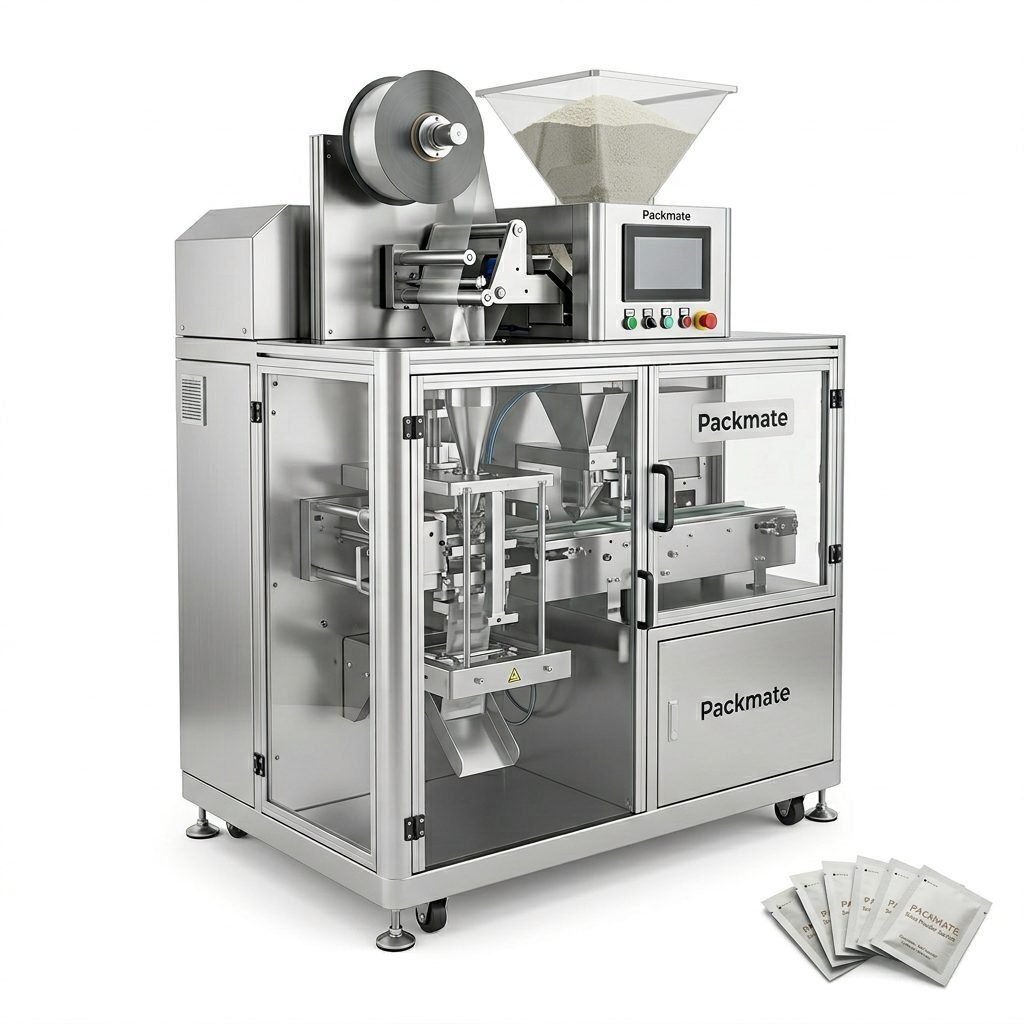
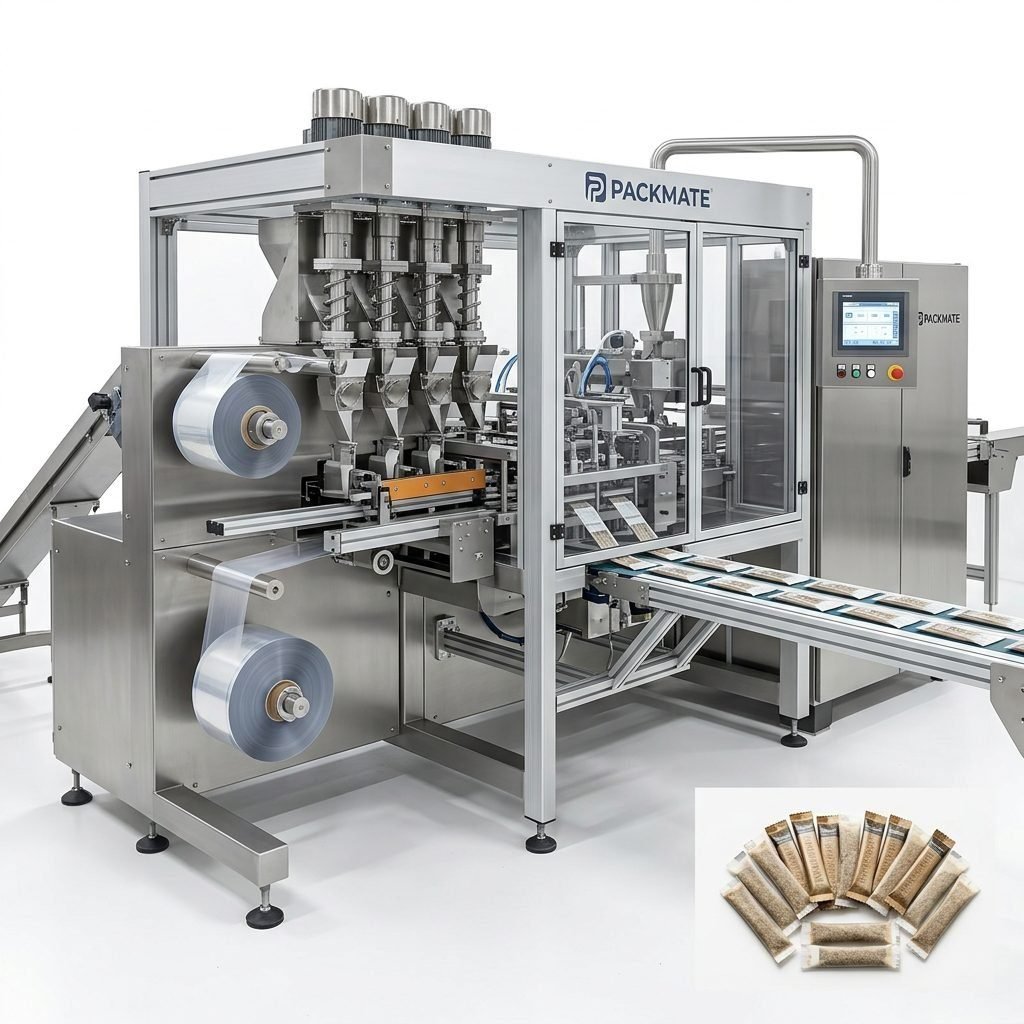
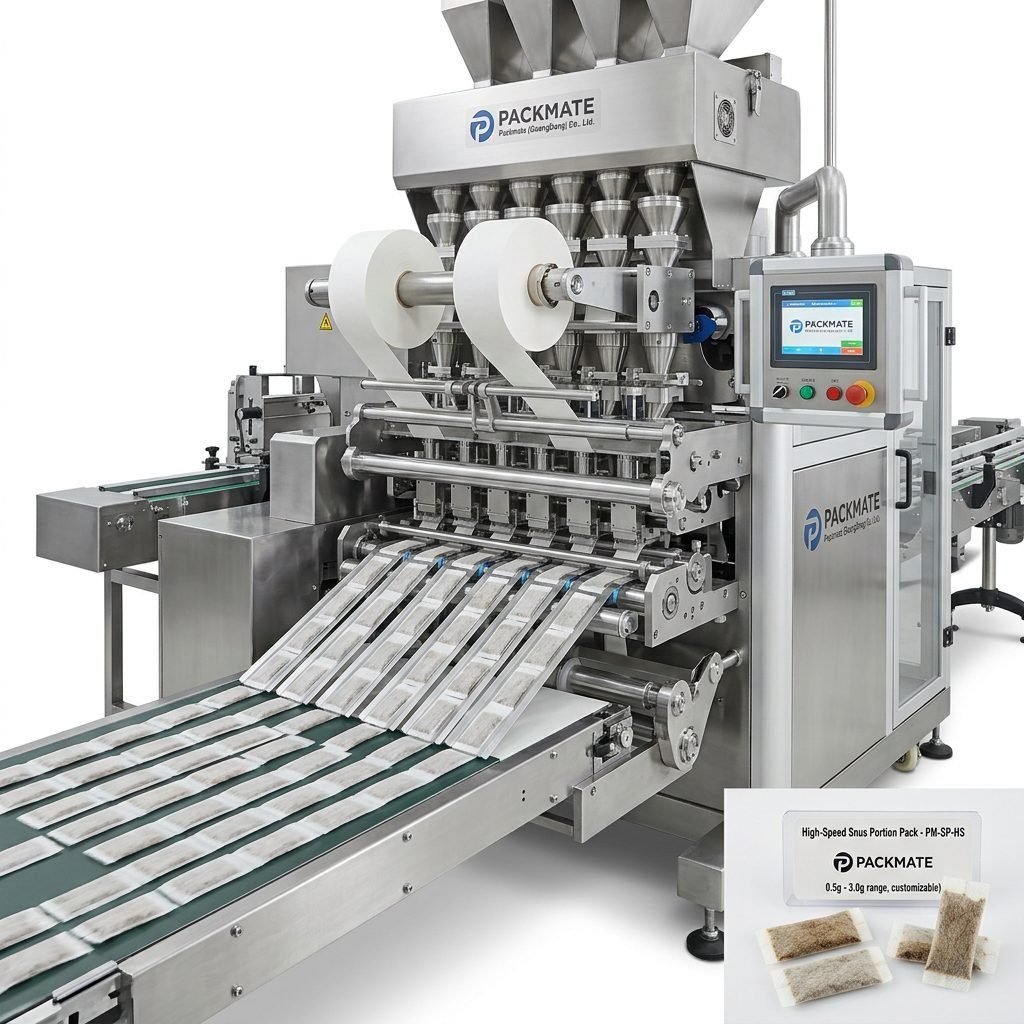
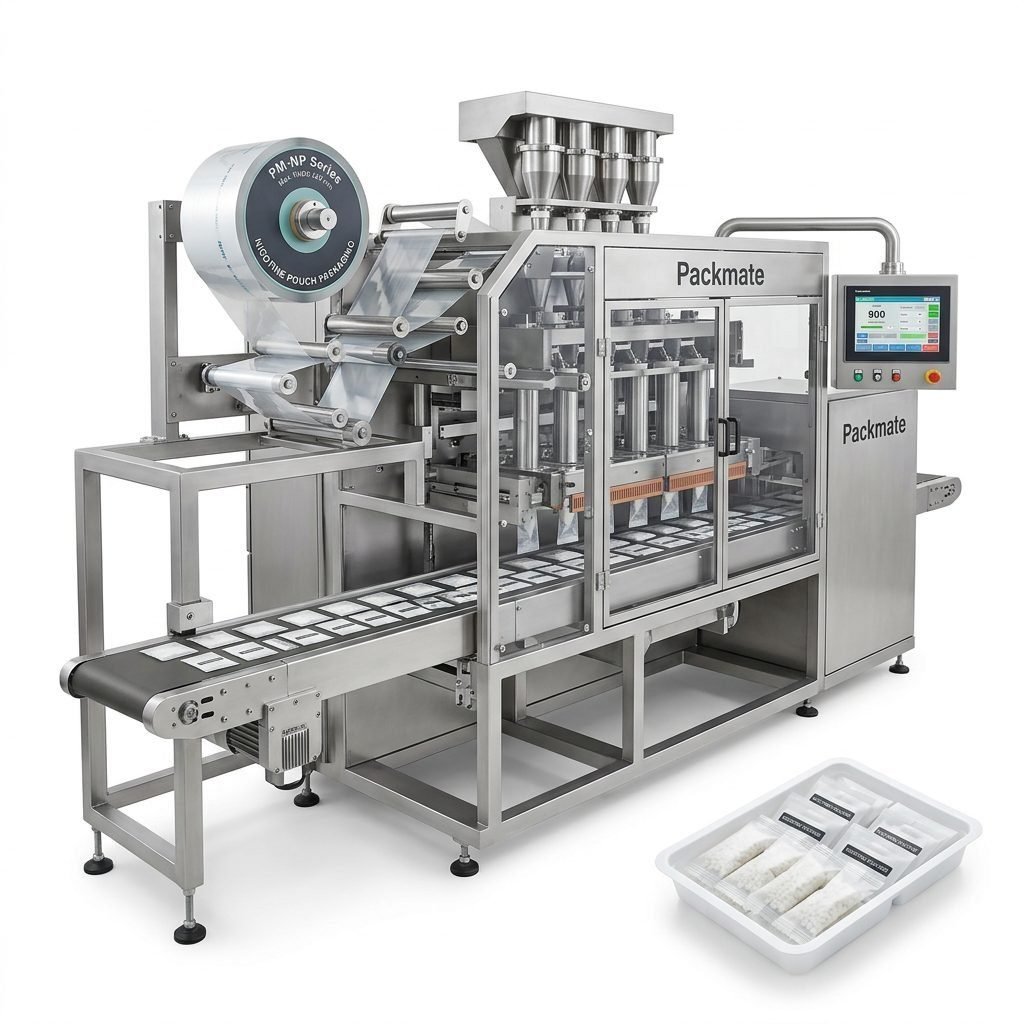
Look for suppliers that offer multiple formats: sachets, stick packs, multi-lane nicotine pouch machines, and full filling & packaging lines. Flexibility helps you adapt products for local preferences or export markets. See examples of snus & nicotine solutions here:
Snus & Nicotine Packaging Machines.
2. Speed, accuracy and multi-lane options
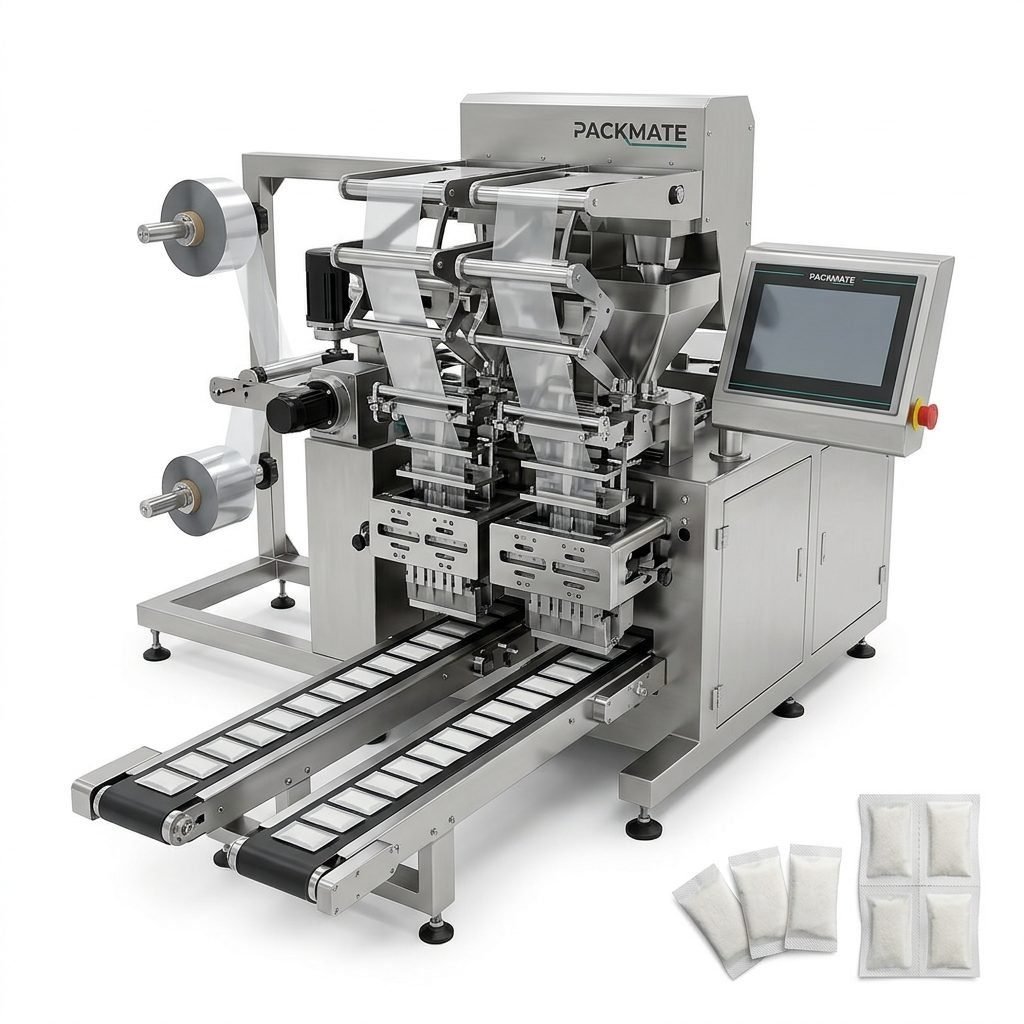
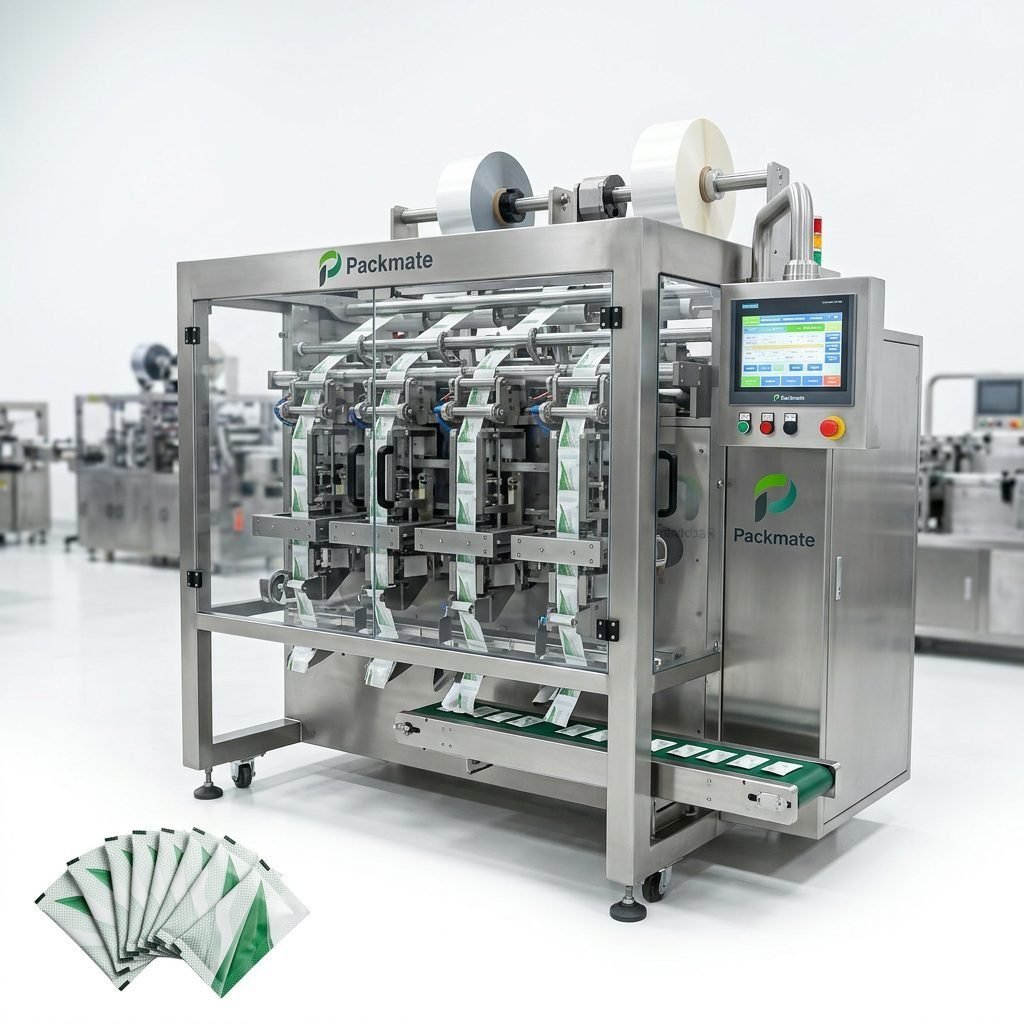
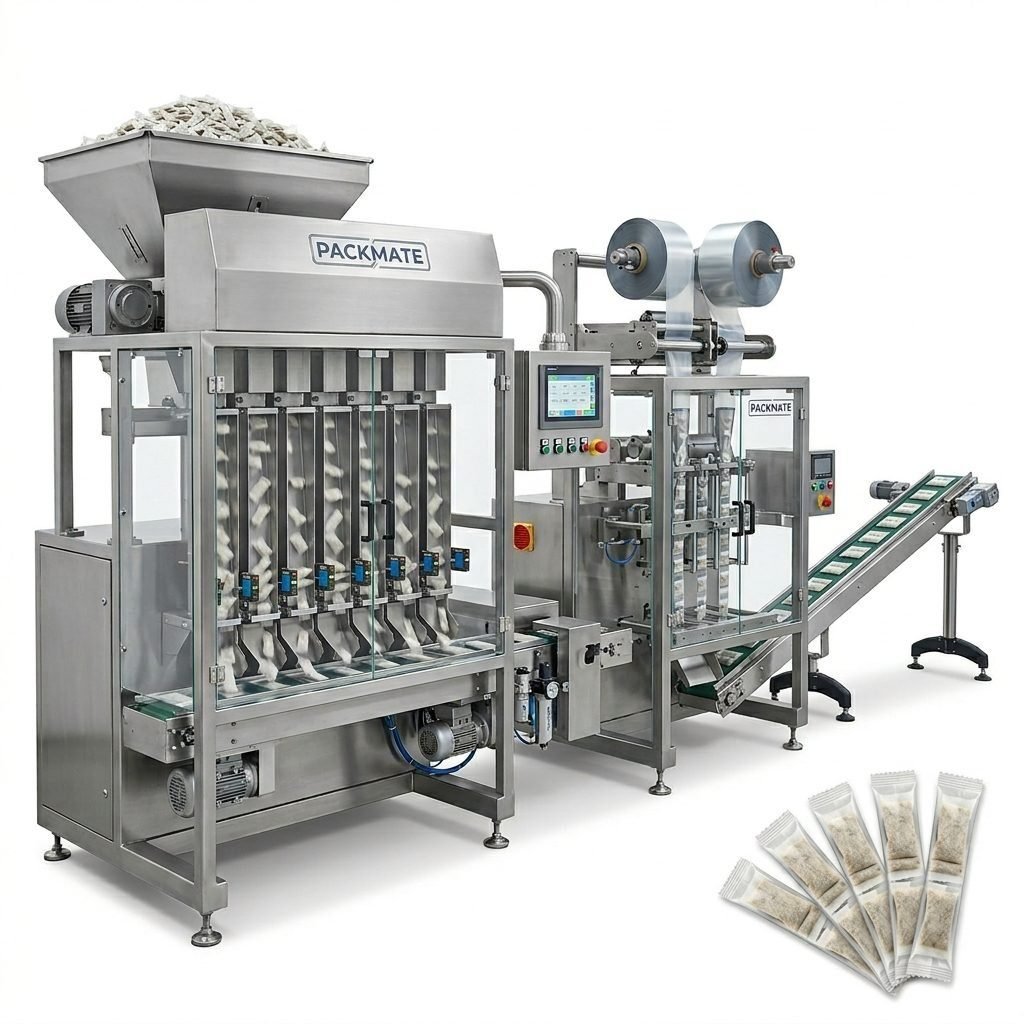
Production speed and dosing accuracy directly impact cost per pouch and product consistency. Multi-lane systems increase throughput without a proportional increase in footprint — ideal for scaling. Check machines designed for small-dose pouch production that combine speed and precision.
3. Materials compatibility & barrier requirements
High humidity in parts of Ethiopia demands high-barrier films and reliable sealing. Confirm that the machine supports your chosen materials (laminated films, foil, barrier laminates) and offers strong, consistent sealing to avoid failures during transport.
Quality, Certification & After-Sales Support
Certifications (CE, ISO) indicate global standards compliance and often simplify import customs clearance. Also evaluate the supplier’s after-sales support: spare parts availability, remote troubleshooting, local service partners, and on-site commissioning and training.
Supplier strengths to prioritise:
long manufacturing experience, on-site test runs, accessible spare parts, and a proven track record of exports to diverse climates and markets.
Packmate Snus Machine: What Ethiopian Buyers Should Know
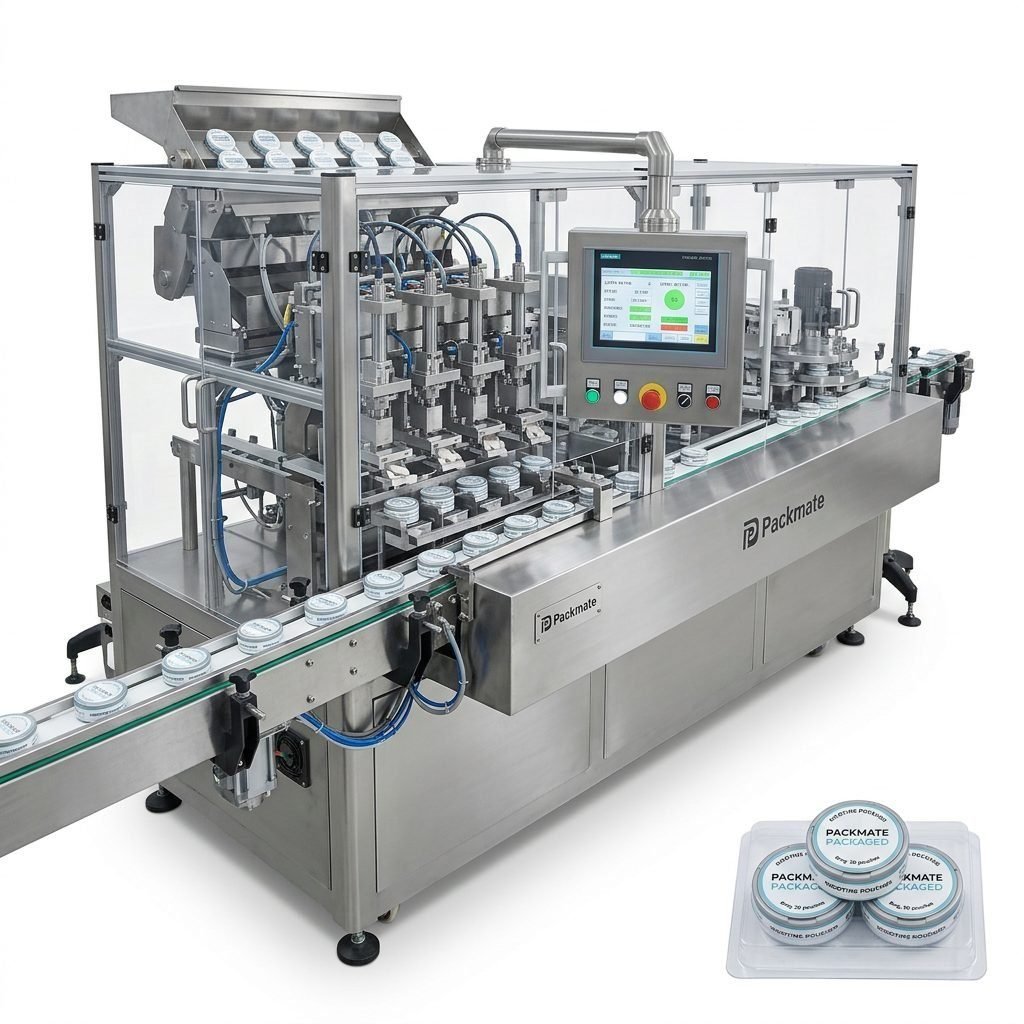
Packmate Snus Machine brings 30+ years of engineering experience and a 20,000㎡ factory with advanced CNC and precision assembly. Their portfolio includes 50+ machine models, turnkey lines, and case studies across Europe, Asia, and the Americas. For detailed product categories, explore:
Bag & Pouch Packaging Machines,
Sachet & Stick Pack Machines,
and Filling & Packaging Lines.
Practical Procurement Steps for Ethiopian Buyers
Step 1 — Define product & material specs
Specify pouch size, fill weight range, desired speed (pouches per minute), film type, and any MAP (modified atmosphere packaging) needs. These details determine machine configuration and optional modules.
Step 2 — Factory inspection & FAT
Request a factory acceptance test (FAT) or a live video demonstration. Inspect key components, CNC machining quality, and assembly. If feasible, visit the supplier or send a local agent to confirm build quality and test-run your actual materials.
Step 3 — Logistics, installation and training
Confirm freight terms, lead time, and installation support. Packmate and similar suppliers often provide commissioning and operator training — essential for efficient start-up. Ensure the supplier offers clear documentation and spare parts lists.
Local Considerations: Power, Customs & Packaging Culture
Ethiopia runs on 230V/50Hz power in many areas; confirm machine voltage and any need for converters or stabilizers. Engage a clearing agent familiar with tobacco-related imports and local regulations, because nicotine products are often scrutinized. Align packaging design with local cultural norms — discreet, hygienic single-portion sachets appeal to convenience-driven consumers and suit urban retail settings.
Tip:
When shipping machinery to Ethiopia, plan for climate-protected packing and consider extra corrosion protection for parts exposed to humid ports or inland transport.
Service, Spare Parts & Long-Term Partnership
A supplier with a global footprint and multiple clients is more likely to support you long-term. Ask for spare parts lead times, availability of consumables (sealing jaws, sensors, belts), and any local service partners. Packmate’s long history and exported lines demonstrate experience in providing global turnkey solutions — see their company overview for more:
About Packmate.
Evaluating Total Cost of Ownership (TCO)
TCO includes purchase price, installation, training, spare parts, energy consumption, and downtime risk. High-quality machines may cost more upfront but reduce waste, maintenance time, and production losses. Compare warranty terms and service response times.
Checklist for Final Supplier Selection
- ✓ Manufacturing experience and factory capability (CNC, assembly lines).
- ✓ Certifications (CE, ISO) and export documentation support.
- ✓ FAT/demo with your materials and test packs.
- ✓ Clear spare parts list, availability, and pricing.
- ✓ After-sales service, training, and remote support options.
- ✓ References or case studies from similar climates or markets — view global cases here:
Case Studies.
Negotiation & Contract Tips
Negotiate clear acceptance criteria for delivery, testing, and performance. Include clauses for spare parts pricing, training scope, warranty duration and penalties for delayed commissioning. Consider staged payments tied to milestones: order deposit, factory testing, shipment, and successful on-site commissioning.
Common Upgrades & Optional Modules
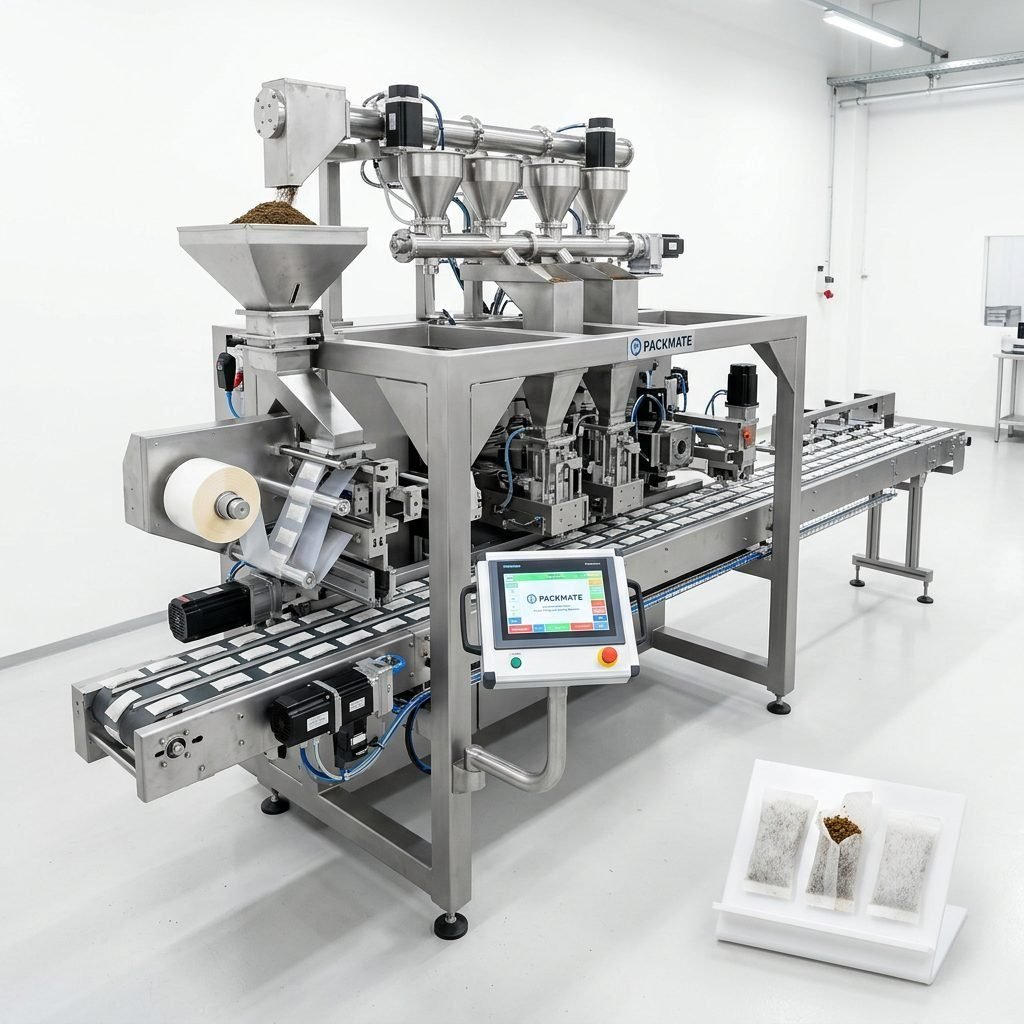
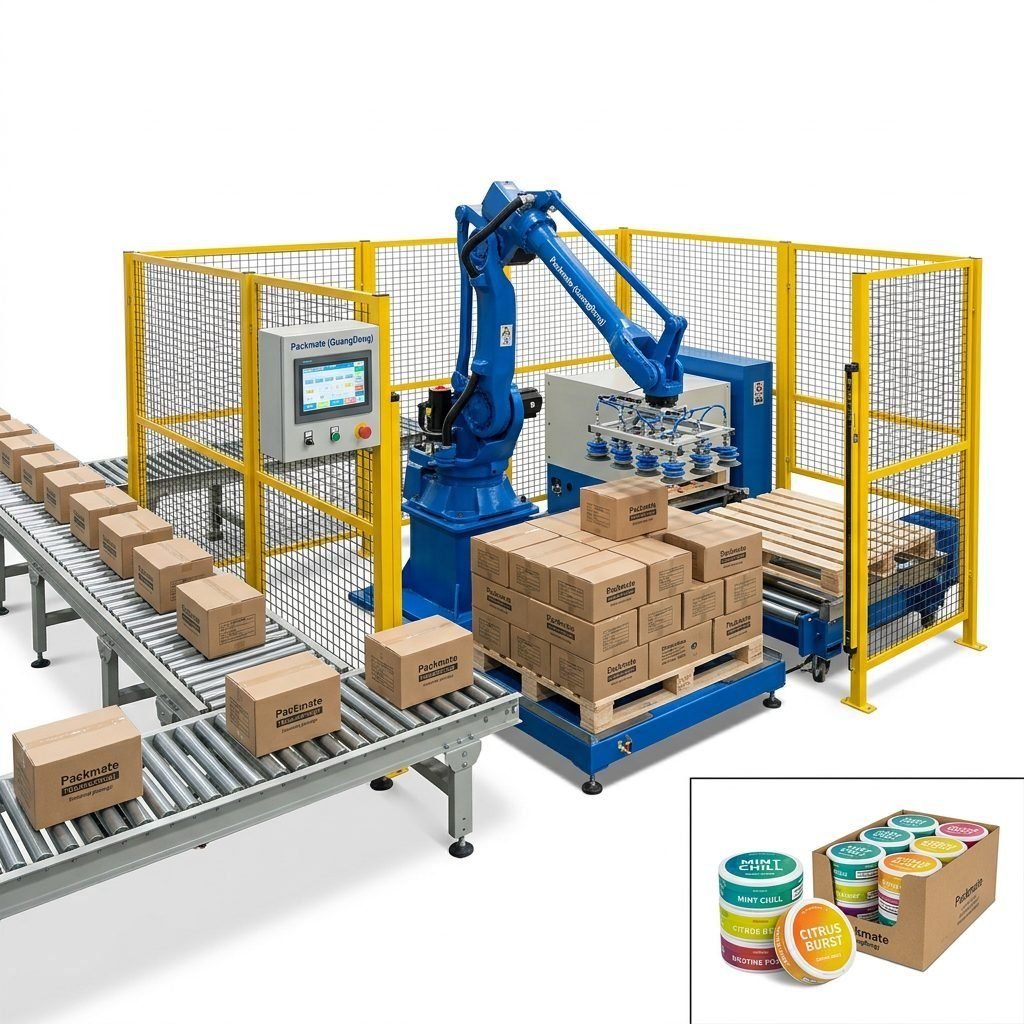
Common add-ons include multi-lane conversion kits, nitrogen flushing for extended shelf life, automatic case packers, vision inspection systems, and integrated weighing systems. Review auxiliary equipment options to build a complete line:
Auxiliary Packaging Equipment.
Post-Sale: Installation, Training & Ramp-Up
Ensure the supplier provides on-site commissioning and operator training. A structured ramp-up plan reduces waste during the learning phase and helps meet target output more quickly. Confirm remote support channels (video calls, spare parts shipment procedures) for rapid troubleshooting.
Final reminder:
Prioritize suppliers who demonstrate product reliability, clear communication, and readiness to help with customs, installation, and localized technical support.
Next Steps for Serious Buyers in Ethiopia
1) Define your product portfolio and expected monthly output. 2) Request technical proposals and FAT videos from shortlisted suppliers. 3) Check references and ask for local partner contacts if available. 4) Prepare import documentation and power/installation site readiness. If you want to review specific product families and catalogs, see:
Catalog and Service.
Summary — Make an Informed, Future-Proof Choice
Choosing the best snus packaging machinery supplier for Ethiopia means balancing technical fit, supplier reliability, and local logistics realities. Focus on proven engineering, global export experience, robust after-sales support, and the ability to test with your exact materials before shipment.
Frequently Asked Questions
Q1: How important is FAT (Factory Acceptance Test) before shipment?
A1: Extremely important. FAT ensures the machine runs with your materials and meets agreed performance metrics, reducing the risk of costly adjustments after arrival.
Q2: What certifications should I request from a supplier?
A2: Ask for CE and ISO certifications and any export or quality documents relevant to your customs process. These certificates indicate adherence to international safety and quality standards.
Q3: How do I manage spare parts and maintenance in Ethiopia?
A3: Negotiate an initial spare parts kit with the machine order, confirm lead times for common consumables, and ensure the supplier offers remote technical support. Identify a local technician who can be trained during commissioning.
Q4: Can machines be adapted for high-humidity conditions common in parts of Ethiopia?
A4: Yes. Choose machines that support high-barrier films and strong sealing modules; consider optional moisture-control equipment and protected packaging for overseas transport.
Q5: Where can I view supplier references and product demos?
A5: Request case studies and demo videos directly from the supplier. Many suppliers also publish case studies and exhibition records online; view Packmate’s exhibition and case pages for examples:
Our Exhibition • Case Studies.