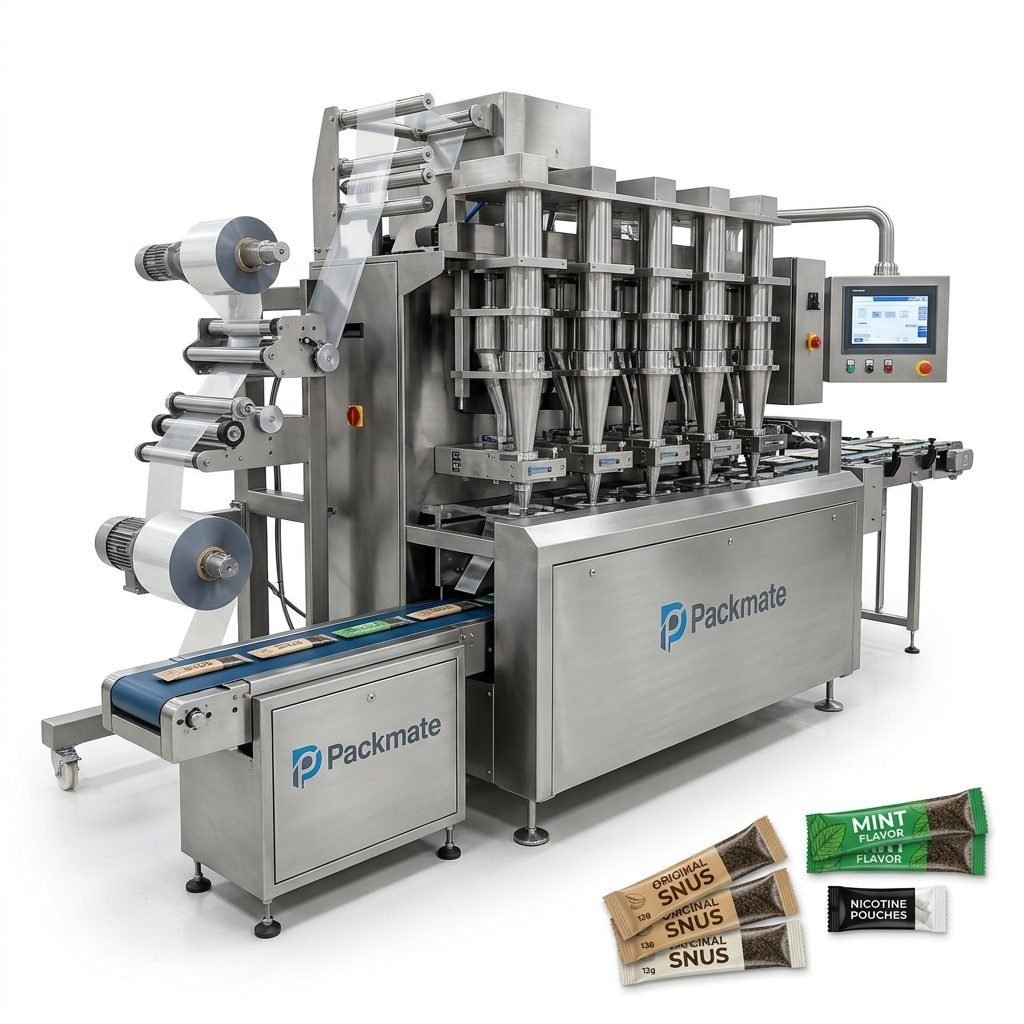
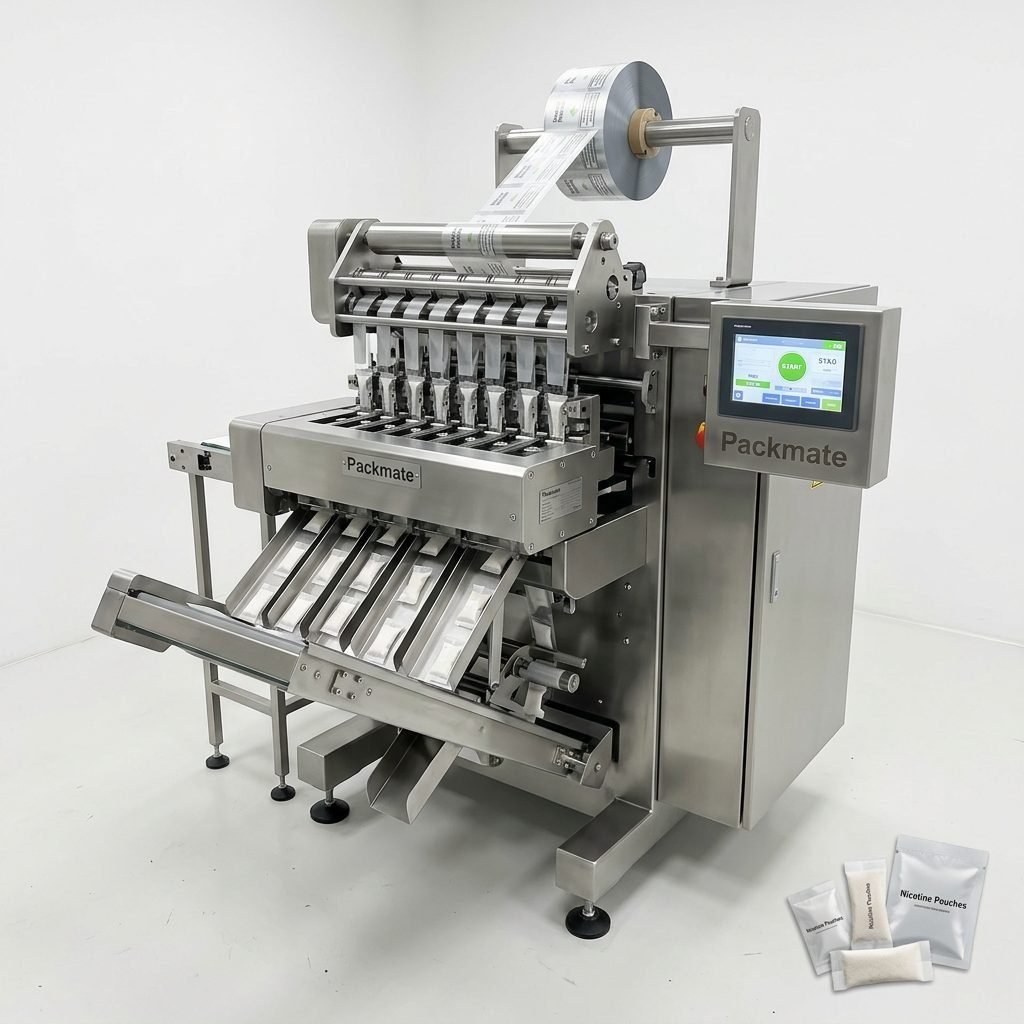
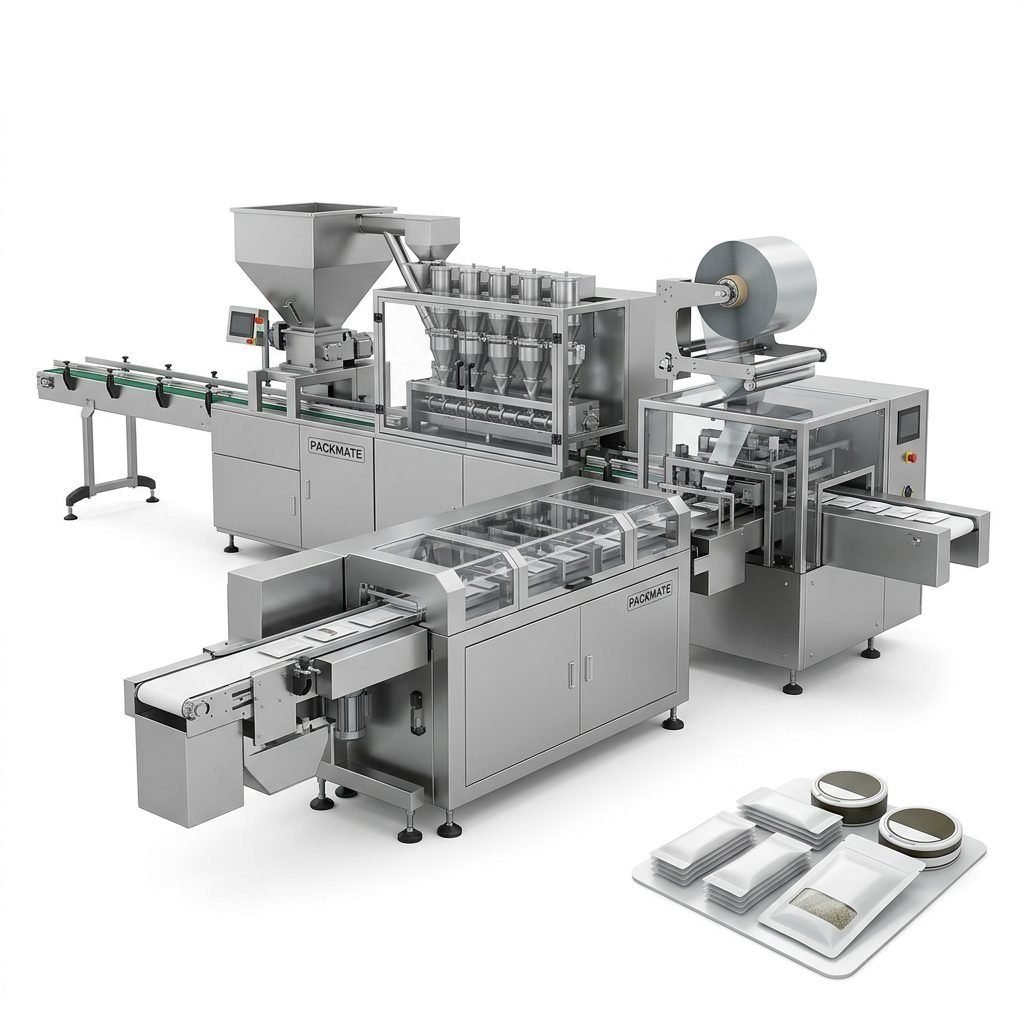
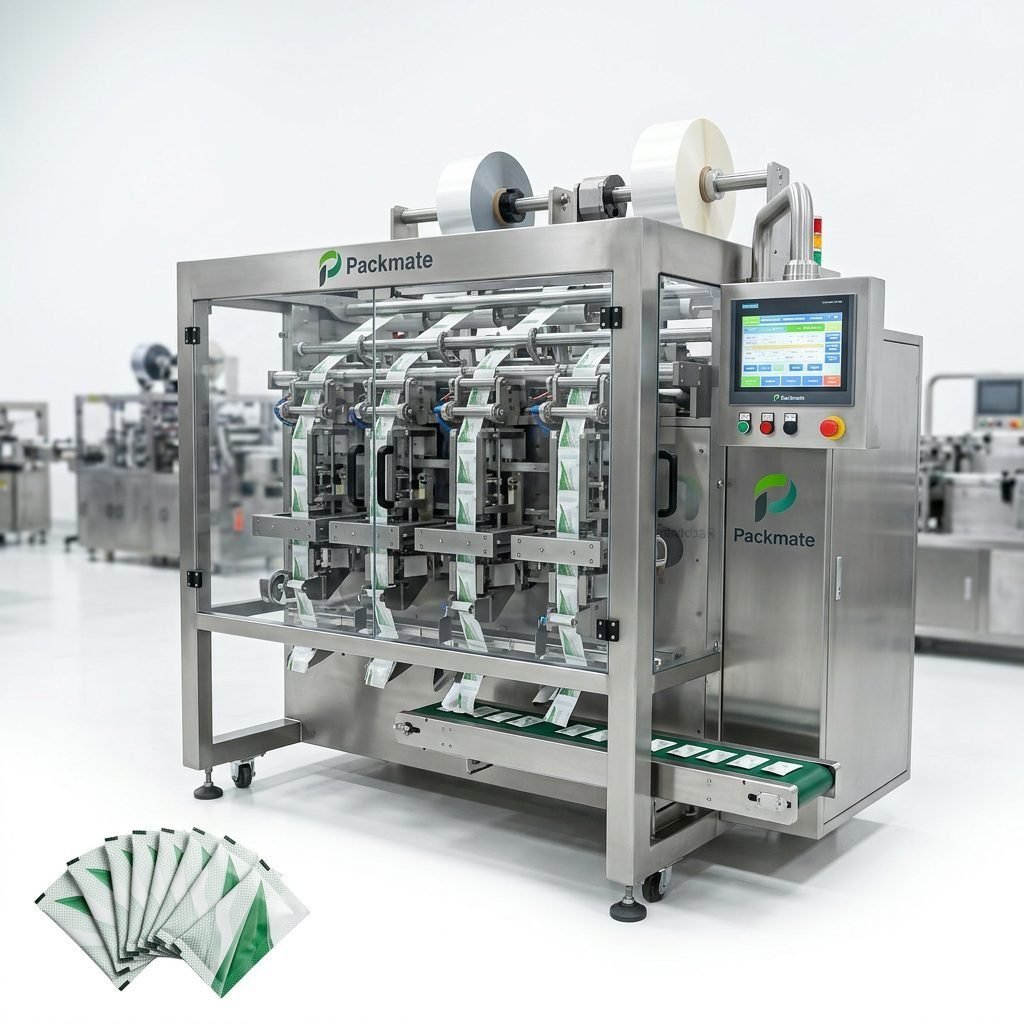
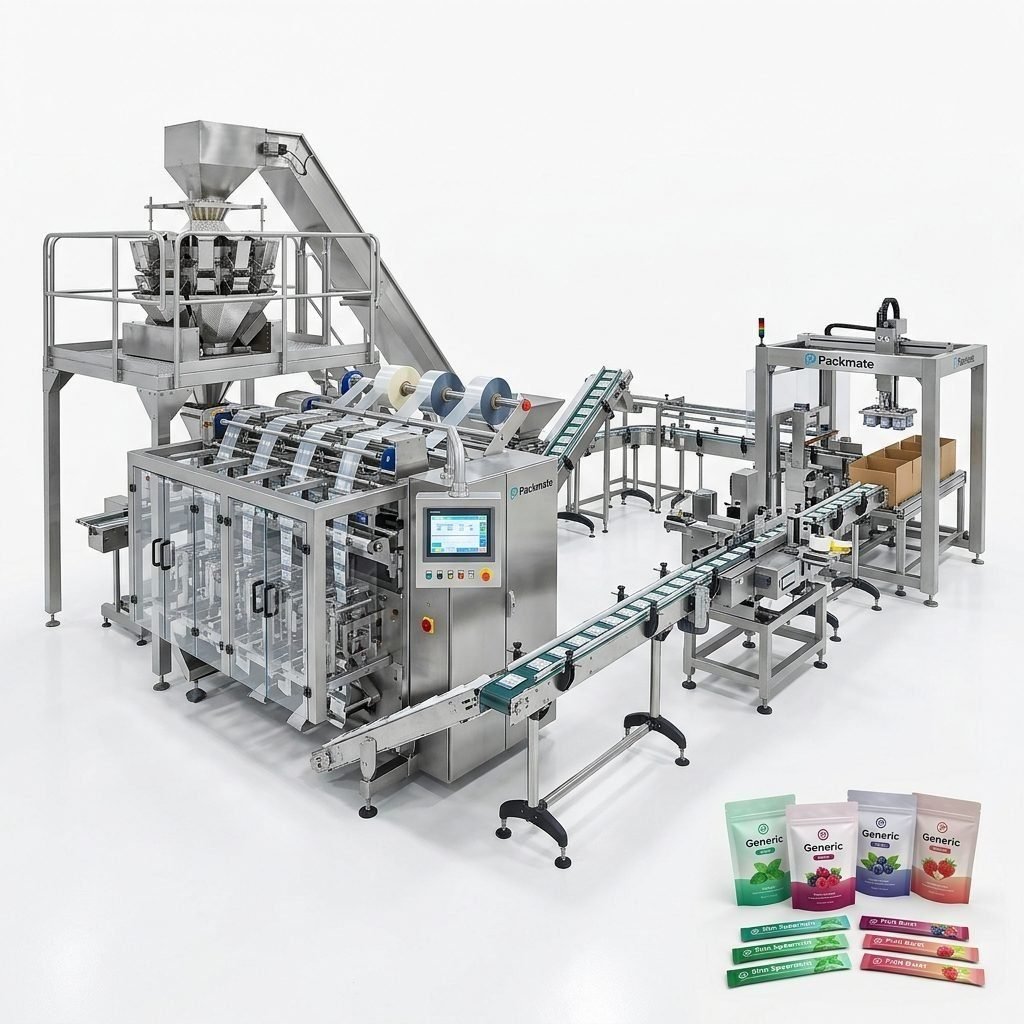
Choosing the right nicotine packaging machinery manufacturer in Eswatini is a strategic decision that affects product quality, regulatory compliance, and long-term operational costs. Whether you are launching a new nicotine pouch brand or scaling an established line, this guide walks you through the practical steps, local considerations, and the key evaluation criteria to select a partner who supports your business goals.
Why the choice of manufacturer matters
A well-chosen manufacturer delivers more than hardware. They offer consistent machine uptime, reliable spare parts, timely technical support, and production scalability. In Eswatini’s market context—where import logistics typically route through South African ports and relationships are highly valued—selecting a supplier with international experience and strong after-sales infrastructure can reduce downtime and protect margins.
Key benefits to prioritize
Reliability — Machines that run stably over long shifts minimize product loss and labor costs.
Service & spare parts — Local availability or fast international shipping ensures minimal production interruption.
Regulatory compliance — Equipment that supports traceability and hygiene standards helps meet import and local rules.
Top criteria to evaluate packaging machinery manufacturers
Use the checklist below when you vet suppliers. Each item focuses on practical outcomes for your Eswatini operations.
1. Industry experience and machine portfolio
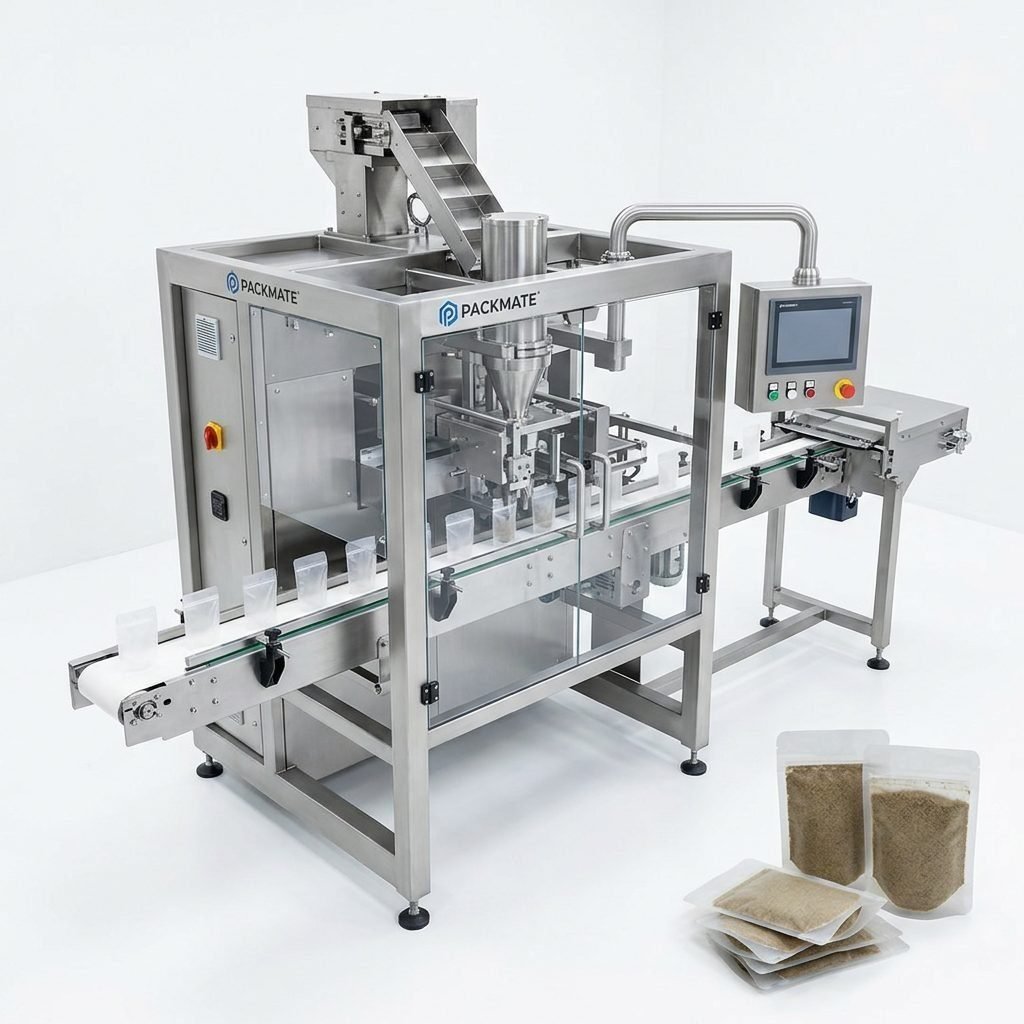
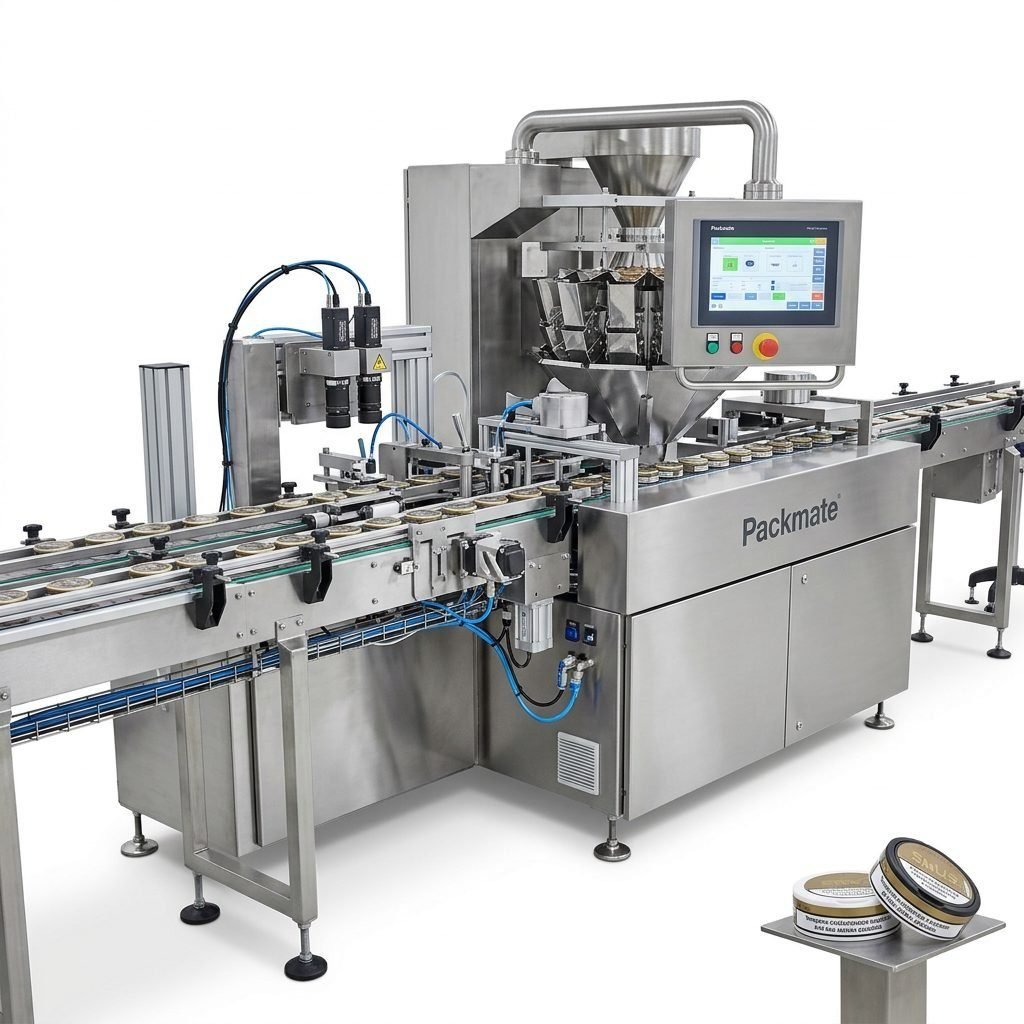
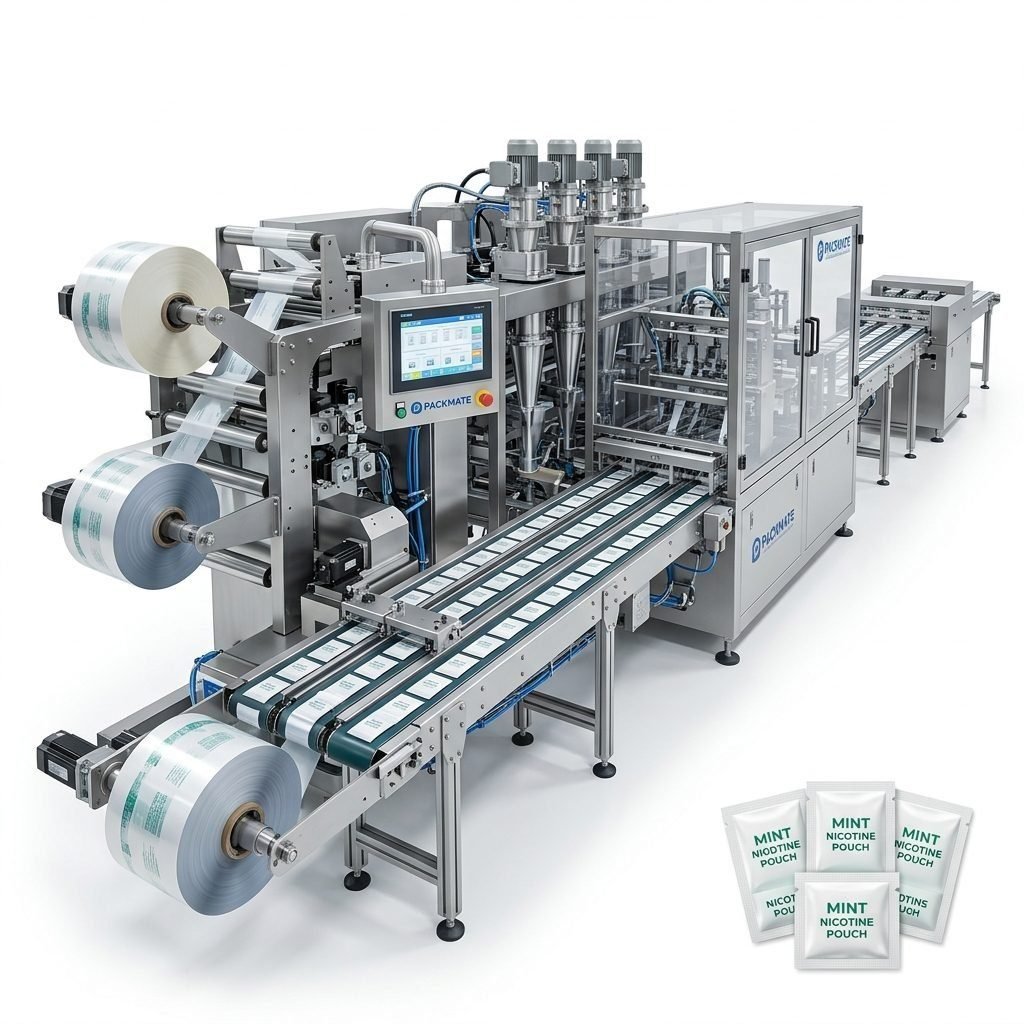
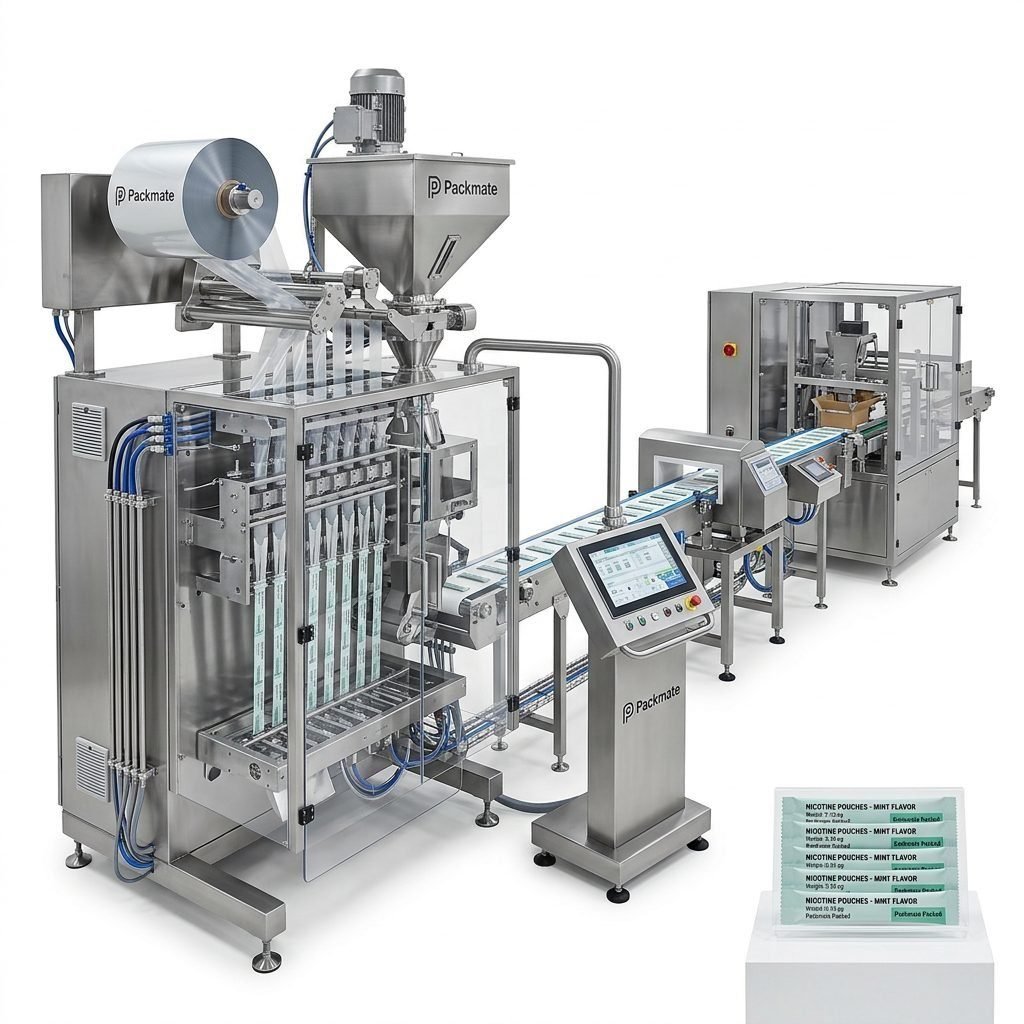
Look for manufacturers with proven history in snus and nicotine pouch equipment. A supplier with decades of engineering know-how and a wide range of models can offer the right machine for small-batch artisan lines or high-speed multi-lane production. For an example of a comprehensive product range, review manufacturers offering dedicated systems like Snus & Nicotine Packaging Machines.
2. Customization and turnkey solutions
Your product format (pouches, sticks, sachets) and dosage require tailored tooling and software. Choose a supplier that provides turnkey production lines and can modify lane counts, sealing materials, and feeding systems to match your recipe and throughput targets.
3. Manufacturing strength and quality control
4. Certifications and global compliance
International certifications (CE, ISO) are valuable signals of safety and process control. While Eswatini accepts a range of imports, equipment that meets international standards simplifies insurance, financing, and cross-border sales.
5. After-sales service, training and parts availability
A supplier should offer remote support, on-site commissioning, and operator training in English (and ideally a regional language). Ask about spare part lead times, on-call technicians, and remote monitoring options to maintain continuous production.
Local considerations for Eswatini buyers
Eswatini business customs emphasize long-term relationships, trust-building visits, and clear payment terms. Practical local factors include:
Logistics — Most bulky imports travel through South African ports (Durban, Richards Bay). Plan transit times and customs documentation accordingly. ⚠️ Delays at borders are common during peak seasons.
Power & electrical compatibility — Eswatini uses 230V/50Hz power systems. Confirm machine electrical specs and inverter requirements before shipment.
Workforce training — On-site training tailored to local operators (English and siSwati-friendly manuals) reduces learning curves and improves OEE (Overall Equipment Effectiveness).
Questions to ask prospective manufacturers
When speaking with sales or technical teams, include the following:
✅ What is your machine uptime guarantee and mean time between failures (MTBF)?
✅ Can you provide references or case studies from operators in Africa or similar markets? (Ask for videos or factory visit reports.)
✅ What is included in the turnkey package (installation, training, spare parts kit)?
✅ Lead times for key spare parts and response time for remote support?
How Packmate Snus Machine meets these needs
Packmate (GuangDong) Co., Ltd. brings 30+ years of engineering experience and a broad product lineup, including stick pack, sachet, and multi-lane systems ideal for nicotine pouches. Their 20,000㎡ facility with advanced CNC and precision assembly lines supports customized turnkey projects and consistent quality control. Learn more about the company background and certifications on their About page: About Packmate.
For a quick look at relevant machines, explore the Snus & Nicotine Packaging Machines and their multi-product Sachet & Stick Pack Machines. If you want to review real installations and performance, their case studies offer helpful examples: Case.
Factory visits, remote audits and acceptance testing
Visiting the factory or requesting a live demonstration is invaluable. If travel is not possible, ask for a full remote audit:
– Live video of assembly lines during operation.
– Demonstration of the exact model you plan to buy running your pouch format (if feasible).
– A Factory Acceptance Test (FAT) that includes throughput, weight accuracy, sealing integrity, and electrical safety checks.
Financing, warranties and shipping tips
Financing options and warranties often determine total cost of ownership more than purchase price. Negotiate clear warranty terms, spare parts kits, and defined service response times. For shipping, consolidate components to reduce multiple customs entries and choose reliable freight forwarders experienced with Eswatini imports.
📦 Tip: Insist on a spare parts list with part numbers and estimated lead times. This small pre-purchase detail cuts weeks from downtime when parts are required.
Implementation roadmap for Eswatini companies
Follow this practical implementation sequence:
1. Define product specs: pouch size, materials, throughput.
2. Shortlist manufacturers with relevant nicotine/snusi experience.
3. Request FAT or on-site demo, inspect certificates and references.
4. Confirm electrical and mechanical compatibility with local conditions.
5. Finalize contract: include training, spare parts, service SLAs, and clear delivery terms.
6. Plan customs clearance and local installation logistics.
Final checklist before signing
✔️ Do machines include CE/ISO or equivalent certification?
✔️ Is training included and offered in English/siSwati-friendly documentation?
✔️ Are spare parts and service response times explicitly stated?
✔️ Is the supplier experienced with nicotine pouch production and able to provide relevant case studies?
Where to get more help
If you need more information about available machines or want to request a quote, check the Packmate service and contact pages: Service and Contact Us. Their global turnkey capabilities often make cross-border procurement and installation smoother for buyers in Eswatini.
Common questions (FAQs)
Q1: What certifications should I insist on for nicotine pouch packaging machines?
A1: Aim for international standards such as CE and ISO where possible. These certifications signal consistent safety and manufacturing quality and can ease customs and insurance processing.
Q2: How long does a typical installation and commissioning take?
A2: For single-machine setups, on-site commissioning and training can take several days to two weeks. Full turnkey lines including utilities and staff training can take several weeks depending on customization and site readiness.
Q3: What spare parts are essential to keep on-site in Eswatini?
A3: Keep critical wear parts (sealing jaws, belts, sensors, PLC modules) and consumables (lubricants, filters) on-site. A supplier-provided parts kit tailored to expected production volumes is ideal.
Q4: Can remote troubleshooting reduce downtime for Eswatini operations?
A4: Yes. Suppliers offering secure remote access, video support, and quick parts shipping can resolve many issues without sending technicians on long trips, saving time and money.
Q5: How do I evaluate total cost of ownership (TCO)?
A5: Consider purchase price, expected uptime, energy consumption, spare parts costs, warranty coverage, and training. A slightly higher upfront price can be justified by lower TCO through higher reliability and service.