Entering the Fiji market or expanding a Pacific-based snus/nicotine pouch operation requires careful selection of a reliable packaging machinery partner. This guide explains how to choose the best snus packaging machinery manufacturer in Fiji for your production needs, covering regulatory context, climate-related design considerations, supply chain realities, technical features to prioritize, and after-sales support expectations. The goal is to help manufacturers, contract packers, and entrepreneurs in Fiji and nearby islands make informed, practical decisions that balance cost, uptime, and compliance.
Understand Fiji’s Market & Cultural Context
Fiji’s population and consumer base are dispersed across islands with diverse cultures and strict community norms. When introducing snus or nicotine pouches, consider local acceptance, distribution channels, and regulatory frameworks. Many Pacific island nations apply rigorous import controls, and health authorities may impose specific packaging and labeling rules for nicotine products. Always verify local legal requirements—including ingredient disclosure, child-resistant packaging mandates, and taxation—before committing to a machinery purchase.
Key local factors to weigh
- Import lead times to Fiji and potential port delays
- High humidity and salt air that affect machine components
- Availability of trained technicians and spare parts locally
- Distribution across islands—packaging formats that support long shelf-life and transport resilience
Choose machines with corrosion-resistant materials and sealed electronics if your facility is near the coast.
Technical Criteria: What to Prioritize in a Snus Packaging Machine
Not all packaging machines are equal—especially for small-dose products like snus and nicotine pouches. Focus on precision, flexibility, and hygiene to ensure product quality and regulatory compliance.
Precision & Dose Consistency
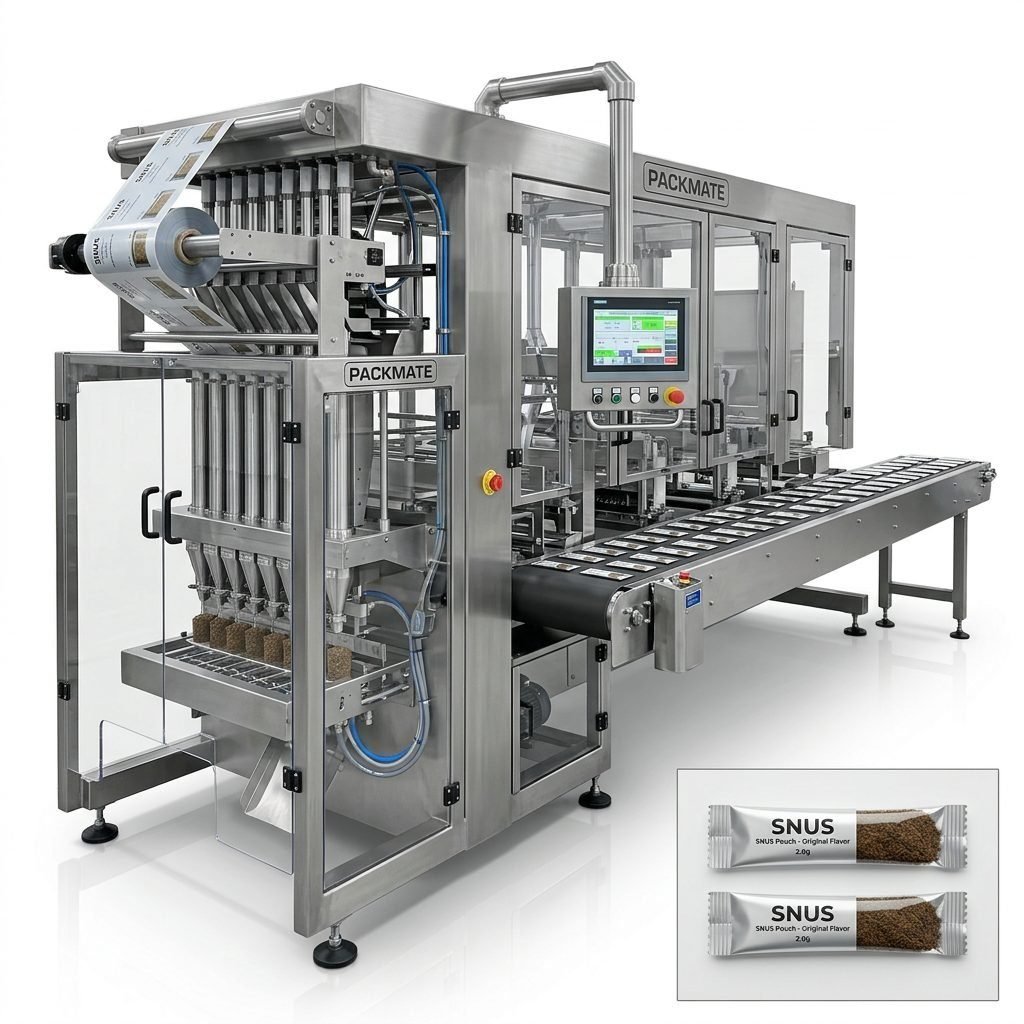
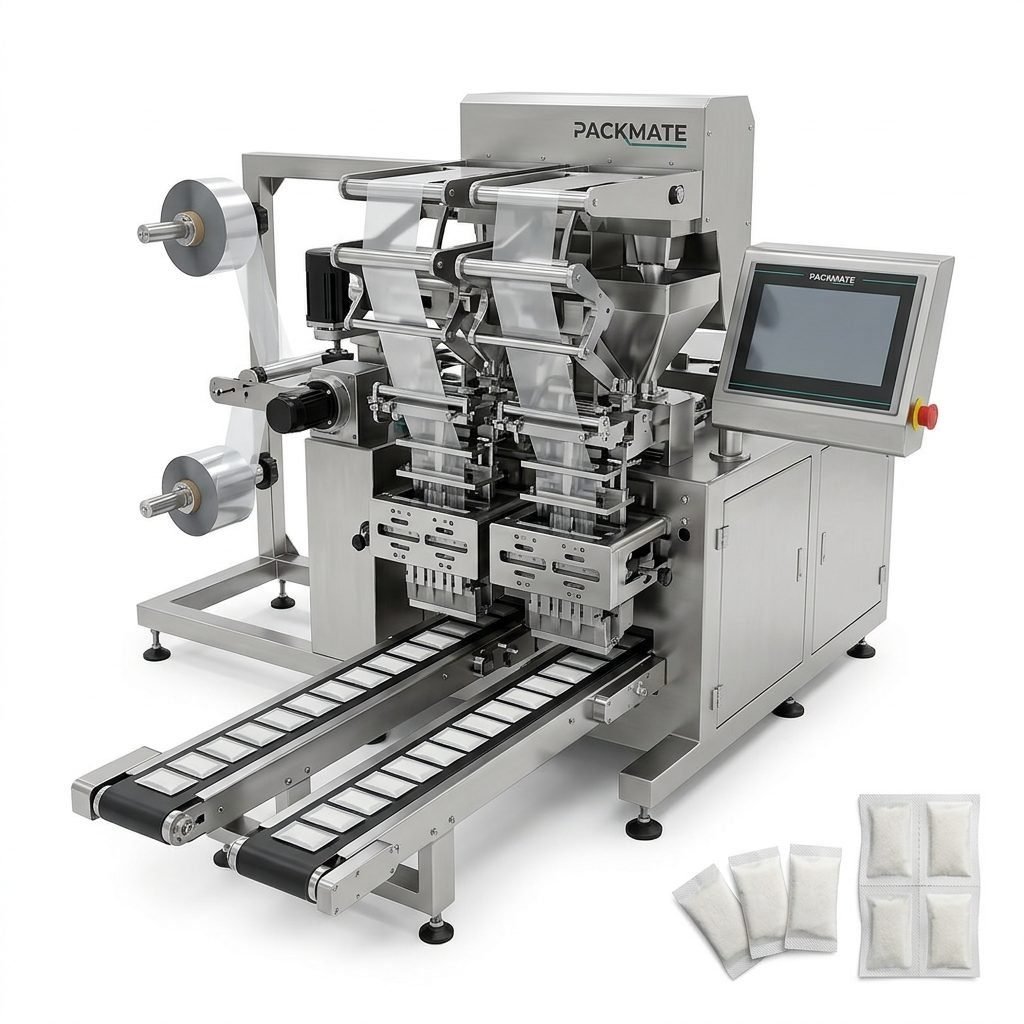
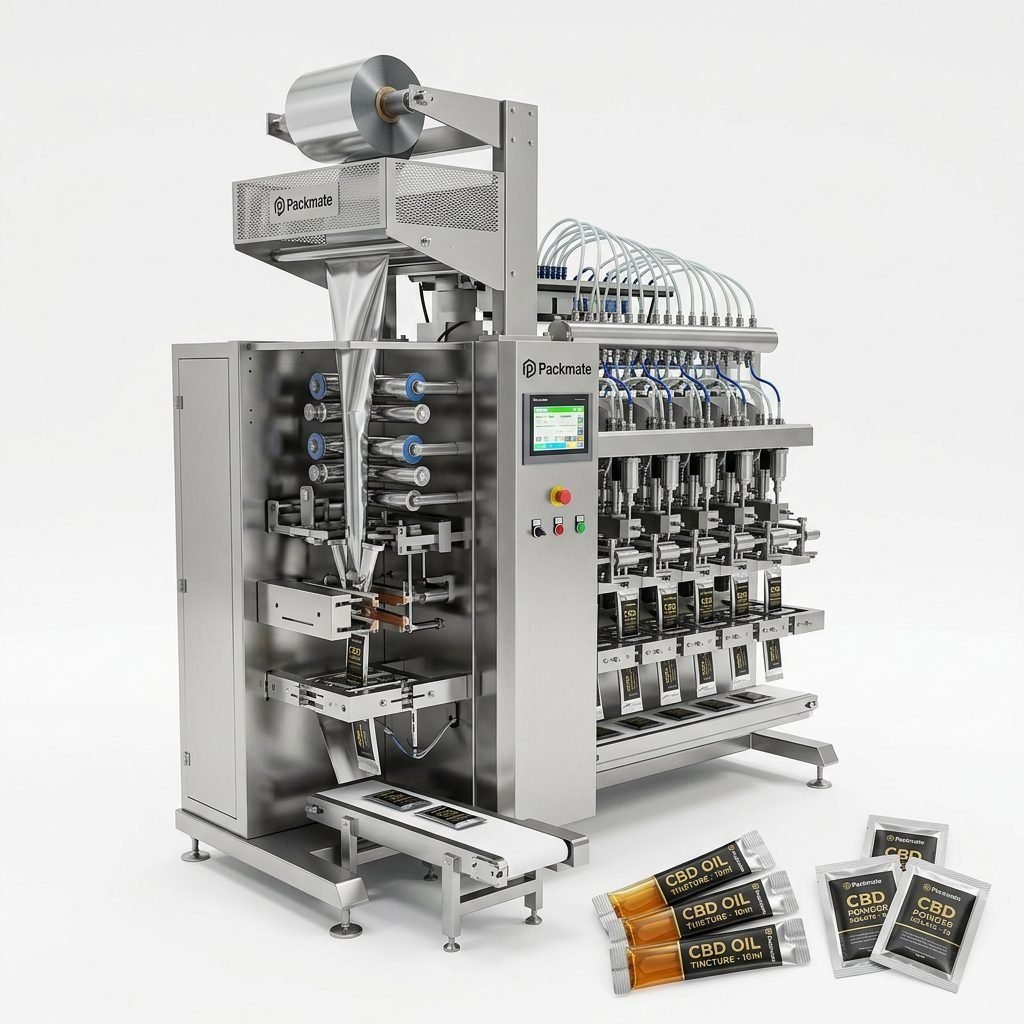
Accurate dosing minimizes waste and ensures each pouch meets declared nicotine content. Look for multi-lane high-precision dosing systems and integrated weighing modules that maintain +/- acceptable tolerance for small-dose products.
Packaging Formats & Flexibility
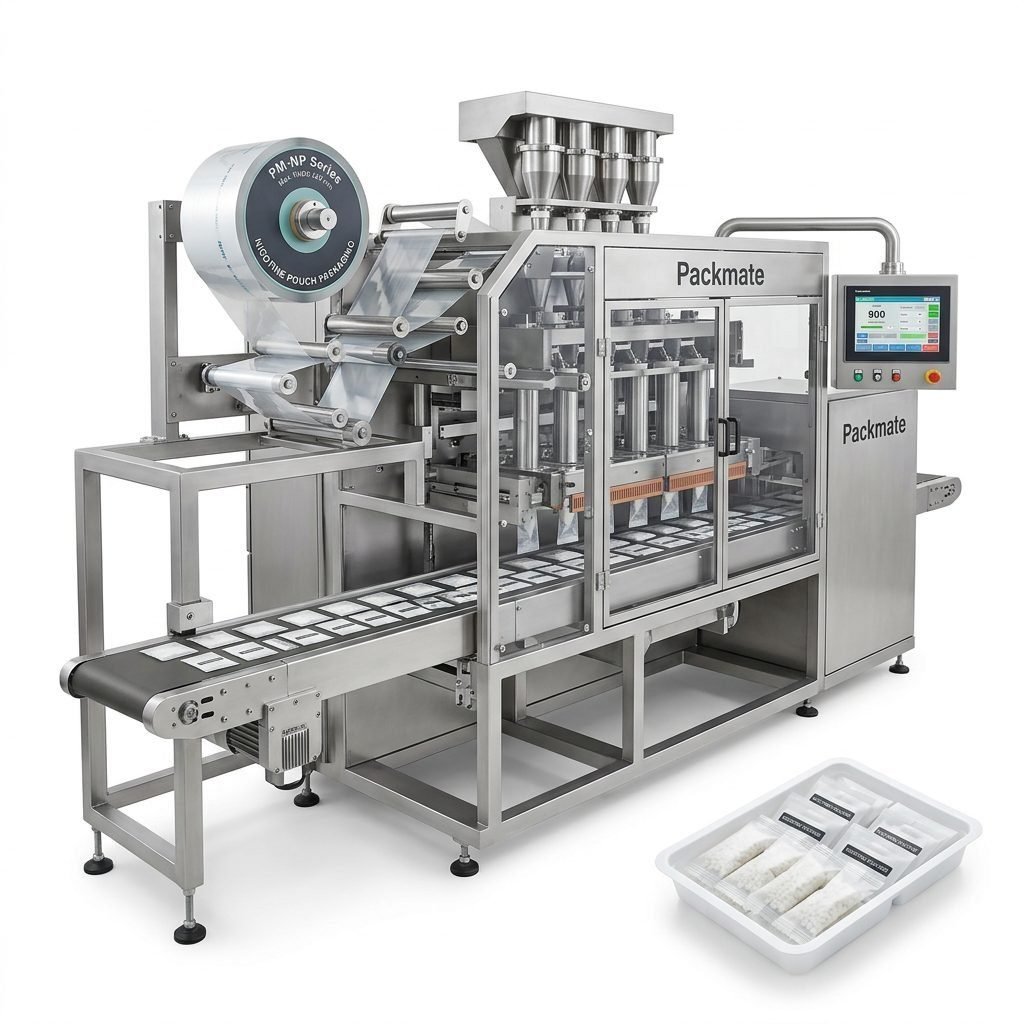
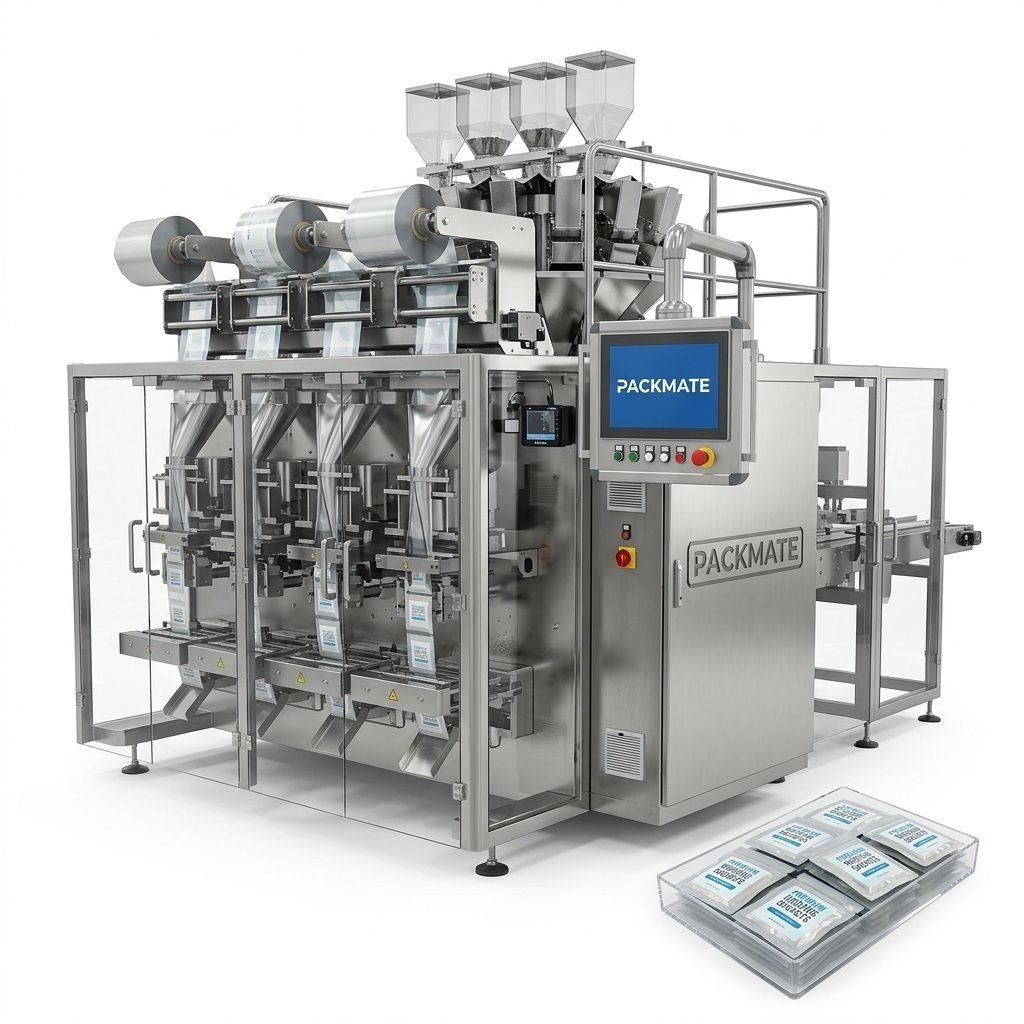
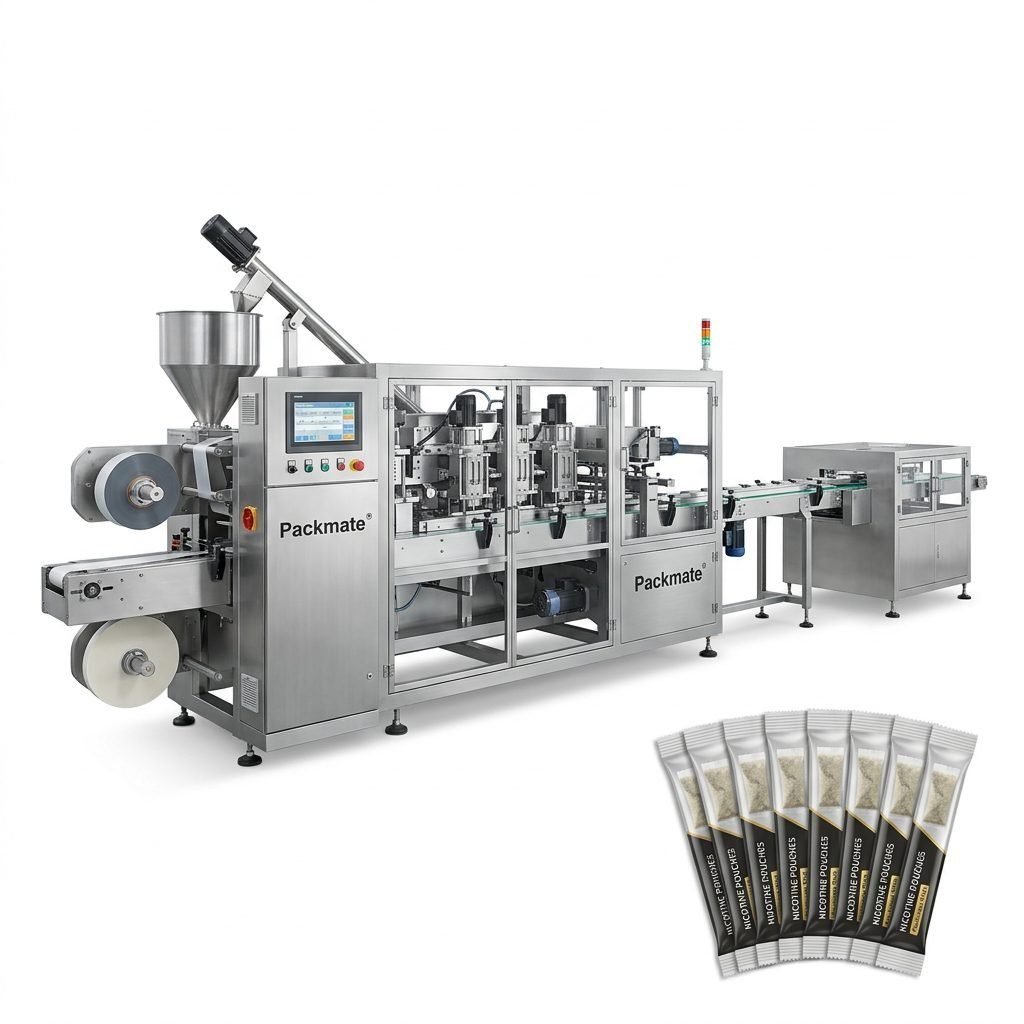
Your chosen machine should support the packaging formats that match consumer preferences and shipping realities in Fiji: sachets, stick packs, or sealed cans/pouches. Machines that offer quick changeovers and modular options reduce downtime when switching SKUs.
Hygiene, Cleanability & Materials
Food-grade contact surfaces, easy disassembly for cleaning, and CIP-friendly designs are crucial. Salt air and tropical humidity accelerate corrosion—prefer stainless steel grades and protected control cabinets.
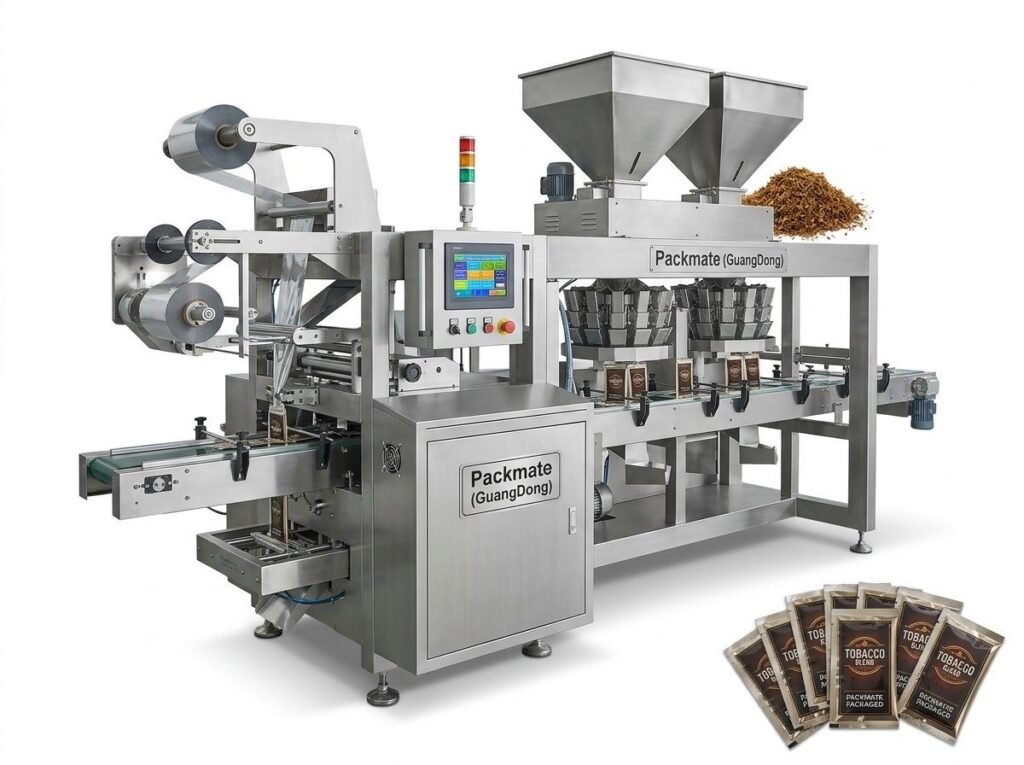
servo control for precise film handling, automatic splicing, integrated checkweigher, and in-line metal detection for quality assurance.
Supply Chain & Logistics Considerations for Fiji
Fiji’s island geography affects spare part availability and lead times. Choose manufacturers who offer reliable global shipping, clear documentation, and remote support options. Manufacturers with experience exporting to Oceania understand local customs paperwork and shipping constraints.
Spare Parts and Local Support
Confirm the manufacturer’s spare parts policy: stocking of critical wear parts, express shipping options, and availability of local partners or third-party technicians who can perform onsite repairs.
Remote Diagnostics & Training
With frequent travel limitations between islands, remote diagnostics, virtual training, and video-based troubleshooting are invaluable. Ask manufacturers if they provide remote PLC/HMI access and structured training programs for operators and maintenance staff.
Evaluating Manufacturers: Questions to Ask
Use a consistent checklist when comparing suppliers. Below are essential questions that reveal capability, reliability, and suitability for Fiji’s environment.
- Production Experience: How many snus or nicotine pouch lines have you delivered, and can you provide references?
- Customization: Can machines be adapted for multi-lane output, different pouch sizes, or child-resistant features?
- Compliance: Do your machines meet CE/ISO standards and support labeling/traceability requirements?
- Service & Warranty: What are your warranty terms, and how do you manage spare parts and emergency support for remote customers?
- Environmental Protections: What measures protect sensitive components from humidity and salt corrosion?
insist on case studies or demo videos showing performance with similar products—this often differentiates vendors that simply sell machines from those that deliver production-ready solutions.
Why Working with an Experienced Manufacturer Matters
A manufacturer with decades of engineering experience will better anticipate production bottlenecks and compliance headaches. Proven manufacturers provide turnkey solutions—mechanical, electrical, and software integration—so your Fiji operation can ramp up quickly with fewer surprises.
Proven Examples & Reliable Certifications
Look for suppliers with international certifications (CE, ISO) and documented export experience to markets with strict standards. These credentials indicate robust design and quality control processes.
If you want to see product lines that focus on snus and nicotine pouch packaging, review the manufacturer’s product portfolio—many providers share detailed machine pages and case histories online. For example, vendors often list Snus & Nicotine Packaging Machines, Sachet & Stick Pack Machines, and real-world case studies to help buyers evaluate fit.
Total Cost of Ownership (TCO) — Beyond Purchase Price
When budgeting, account for installation, staff training, spare parts inventory, consumables (film, seals), energy consumption, and expected maintenance intervals. A slightly higher capital cost can be justified by reduced downtime, lower scrap rates, and longer service life—especially critical in Fiji, where downtime can severely disrupt supply to remote islands.
request a projected TCO spreadsheet from vendors to compare real costs over 3–5 years, including spare parts and expected downtime costs.
Installation, Training & After-Sales Support in Fiji
Verify a manufacturer’s ability to support remote installation or send certified technicians to Fiji. Comprehensive operator and maintenance training reduces human error and extends machine life. Also, confirm availability of technical documentation in English and any necessary local languages.
Service Agreements & Spare Parts Kits
A clear service agreement should define response times, spare parts lead times, and escalation paths. For island operations, keep a basic spare parts kit onsite: belts, sensors, seals, and common wear items.
Selecting the Right Vendor: A Practical Roadmap
- Define volumes, SKUs, and packaging formats you need today and in 3 years.
- Shortlist manufacturers with relevant snus packaging experience and maritime export records.
- Request machine demonstrations, preferably with your product or a close analog.
- Assess references and cases—ask how machines performed in tropical or island environments.
- Negotiate warranty, spare parts stocking, and remote support terms before purchase.
For additional manufacturer background, check the company profile and mission pages to ensure alignment with your expectations. An example of a producer specializing in snus packaging and turnkey lines is available on their About Packmate page. For direct inquiries, use the supplier’s Contact Us link to discuss export logistics and support options.
- Choose corrosion-resistant builds for Fiji’s climate.
- Prioritize modular multi-lane machines for scalability.
- Insist on remote support and documented export experience.
Real-World Example: What a Turnkey Supplier Provides
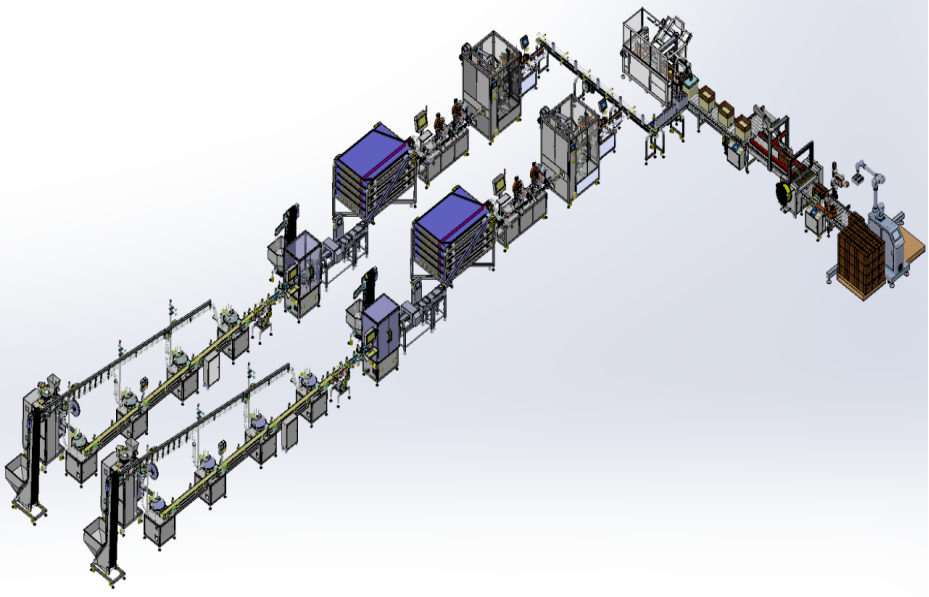
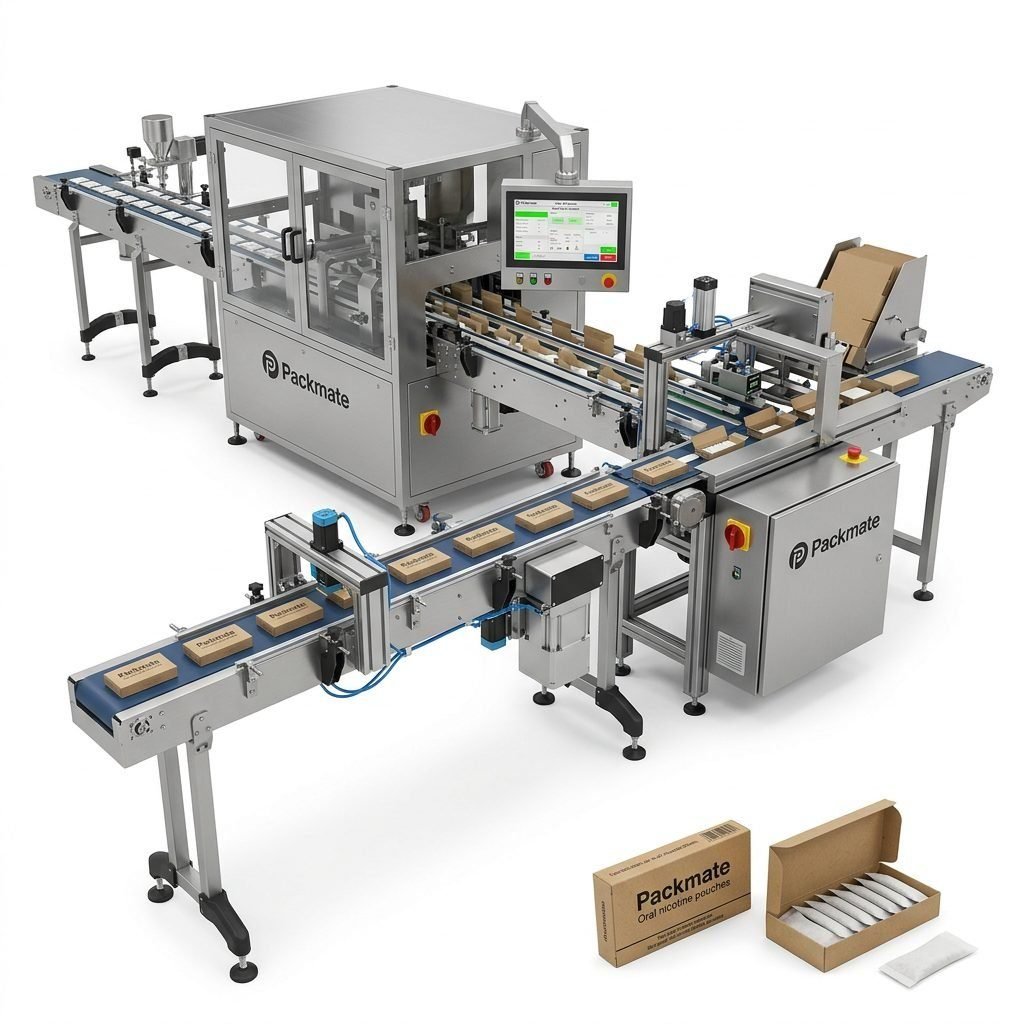
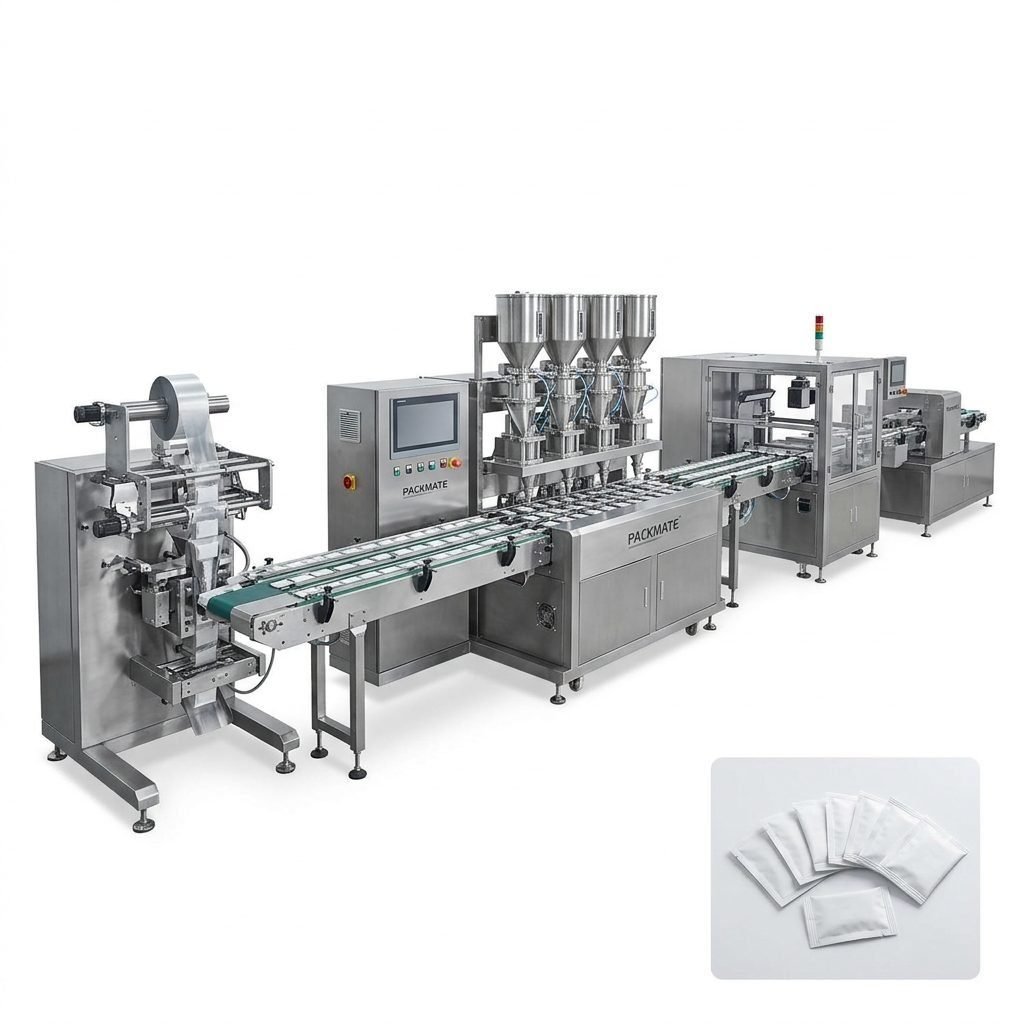
Turnkey suppliers deliver integrated lines: dosing, multi-lane forming, sealing, checkweigher, and final packing. They also offer floorplans, installation supervision, operator training, and testing with your specific formulations. Explore the manufacturer’s product pages for details on modular systems and auxiliary equipment, such as Auxiliary Packaging Equipment and complete Filling & Packaging Lines.
Final Selection Tips & Negotiation Levers
Negotiate lead times, include training and spare parts in the contract, and request performance guarantees (like throughput and yield). Consider pilot orders or leasing to test the market before full capital commitment. A flexible payment plan and comprehensive acceptance testing after installation reduce risk.
Cultural Courtesy When Working in Fiji
Respect local business customs—Fijian partners value relationships and trust. Plan face-to-face visits where possible, involve local stakeholders early, and ensure communication is clear and respectful. Successful long-term operations often depend on strong local partnerships and community goodwill.
Summary: Choosing the Best Manufacturer for Fiji
The best snus packaging machinery manufacturer for your Fiji operation combines technical excellence, export experience, robust after-sales support, and sensitivity to island logistics and climate. Prioritize corrosion-resistant construction, remote support capabilities, modular multi-lane designs, and clear spare parts strategies. Use case studies and references to validate claims, and ensure contractual terms cover training, installation, and warranty.
Further Resources
For product catalogs, technical specs, and exhibition demonstrations, you may review the supplier’s online resources and exhibition schedule at Our Exhibition. For detailed product categories, see Weighing & Packaging Systems.
Frequently Asked Questions (FAQs)
Q1: How long does it take to get a snus packaging line shipped to Fiji?
A1: Typical lead times vary from 8–16 weeks depending on customization and production schedules, plus additional shipping and customs clearance time for Fiji. Allow extra time for documentation and local import procedures.
Q2: Can machines be adapted for multiple pouch sizes and formats?
A2: Yes. Many modern snus packaging machines are modular with quick-change tooling and adjustable forming stations to accommodate different pouch sizes and multi-lane outputs.
Q3: What maintenance is needed to protect machines in Fiji’s coastal climate?
A3: Regular cleaning, protective coatings on exposed parts, sealed control cabinets, and scheduled inspections are essential. Keep a small inventory of critical spares onsite due to longer shipping times.
Q4: Is remote commissioning and training feasible?
A4: Yes. Most modern suppliers provide remote commissioning assistance, virtual training sessions, and video-based troubleshooting to supplement onsite visits.
Q5: Where can I see examples and case studies of snus packaging lines?
A5: Review manufacturer case pages and product sections for real-world installations and performance data, such as the supplier’s Case page and product category listings.